'Salt Fog': How ocean humidity silently eats the USS Abraham Lincoln from the inside

The USS Abraham Lincoln battles "Salt Fog," a corrosive mist that threatens its internal steel and electronics. Using dry air pumps and 24-hour maintenance, the crew prevents 70 per cent metal fatigue to keep the nuclear carrier battle-ready at sea.
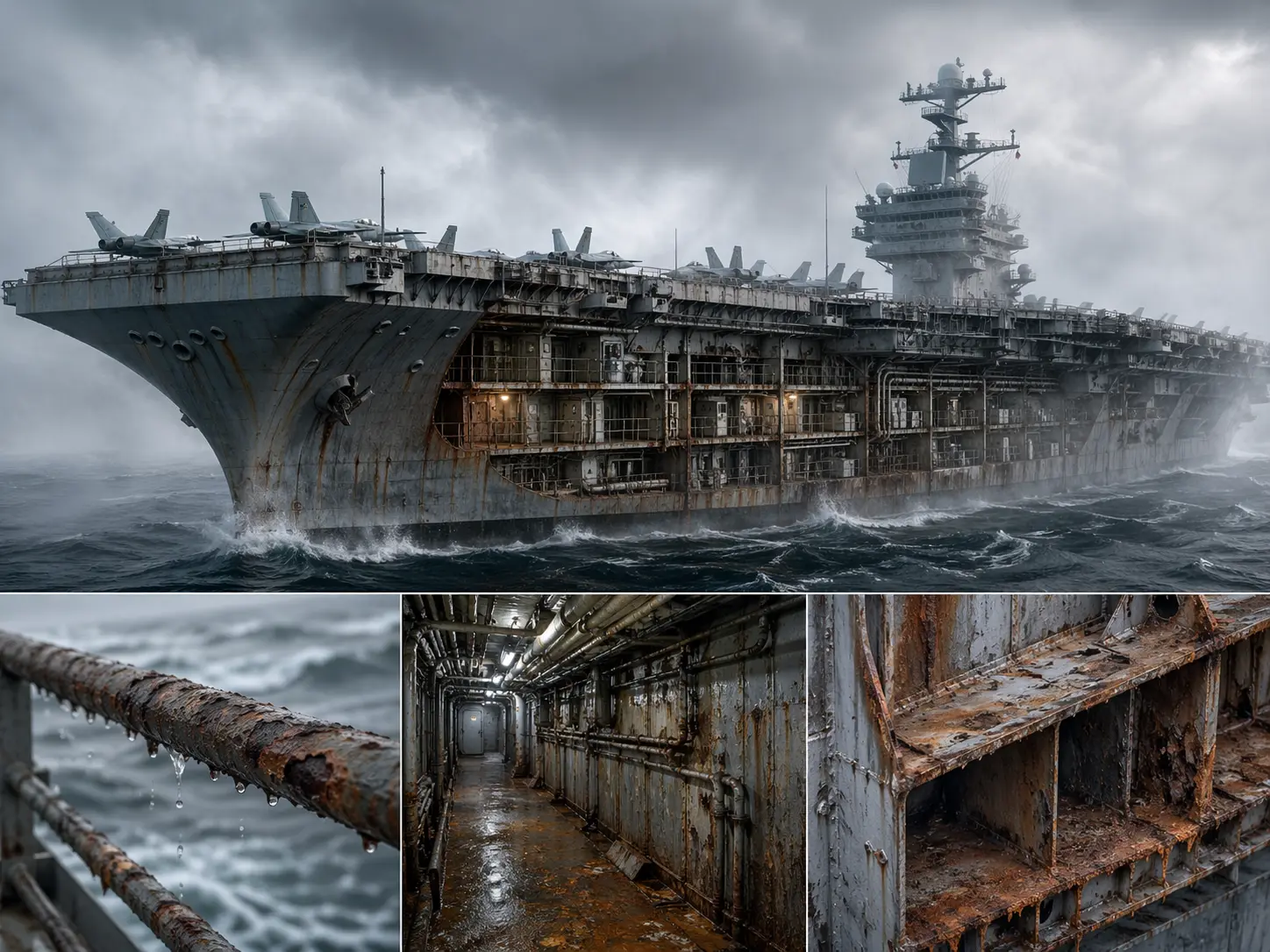
The silent salt fog threat
Salt fog is a dense mist of saltwater droplets and high sodium chloride concentrations found in harsh marine zones. For the USS Abraham Lincoln, this phenomenon creates a constant corrosive environment that targets internal steel. It is a persistent challenge for naval engineers operating in high-humidity regions.
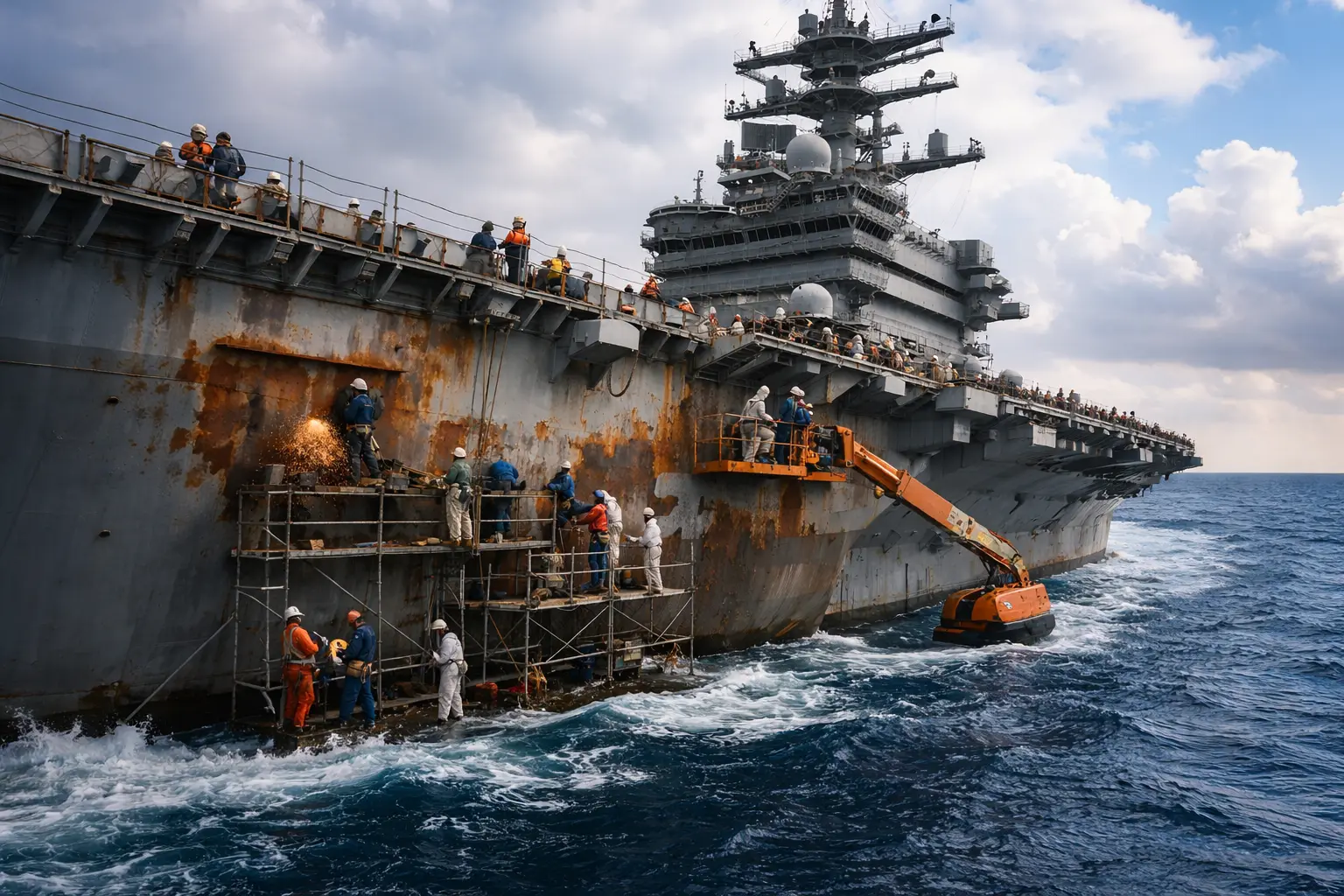
Penetrating the internal hull
Unlike surface spray, salt fog can bypass exterior shields to settle deep within the carrier’s lower decks. This moisture leads to "pitting" and structural decay in areas that are difficult to inspect daily. Sailors must work continuously to detect hidden rust before it spreads to the main hull.
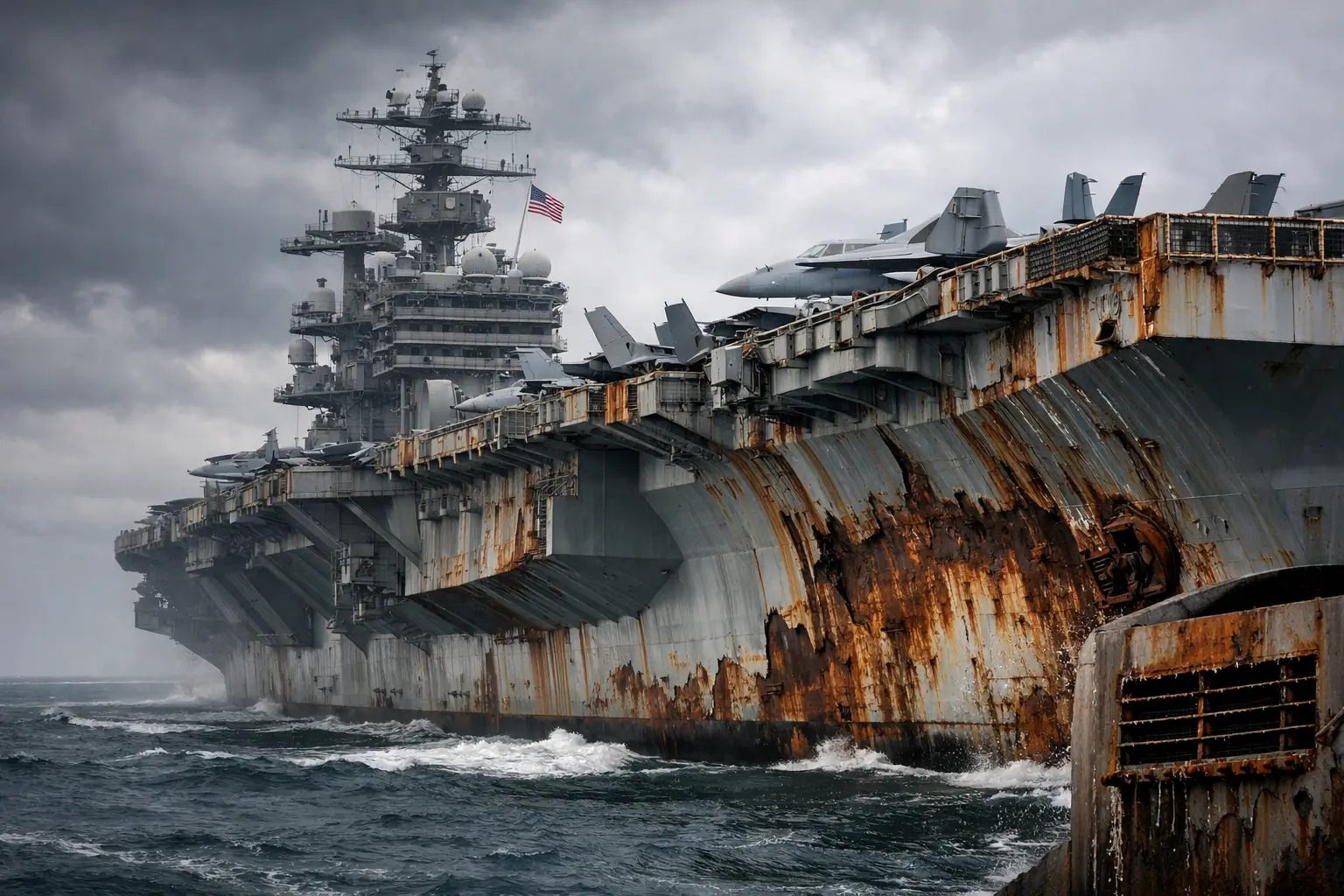
Risks to sensitive electronics
The ship’s advanced radar and communication arrays are highly vulnerable to salt-laden air. Microscopic salt crystals can cause short circuits or fatal errors in critical mission hardware. Continuous dehumidification is mandatory to protect these multi-million dollar technological systems.
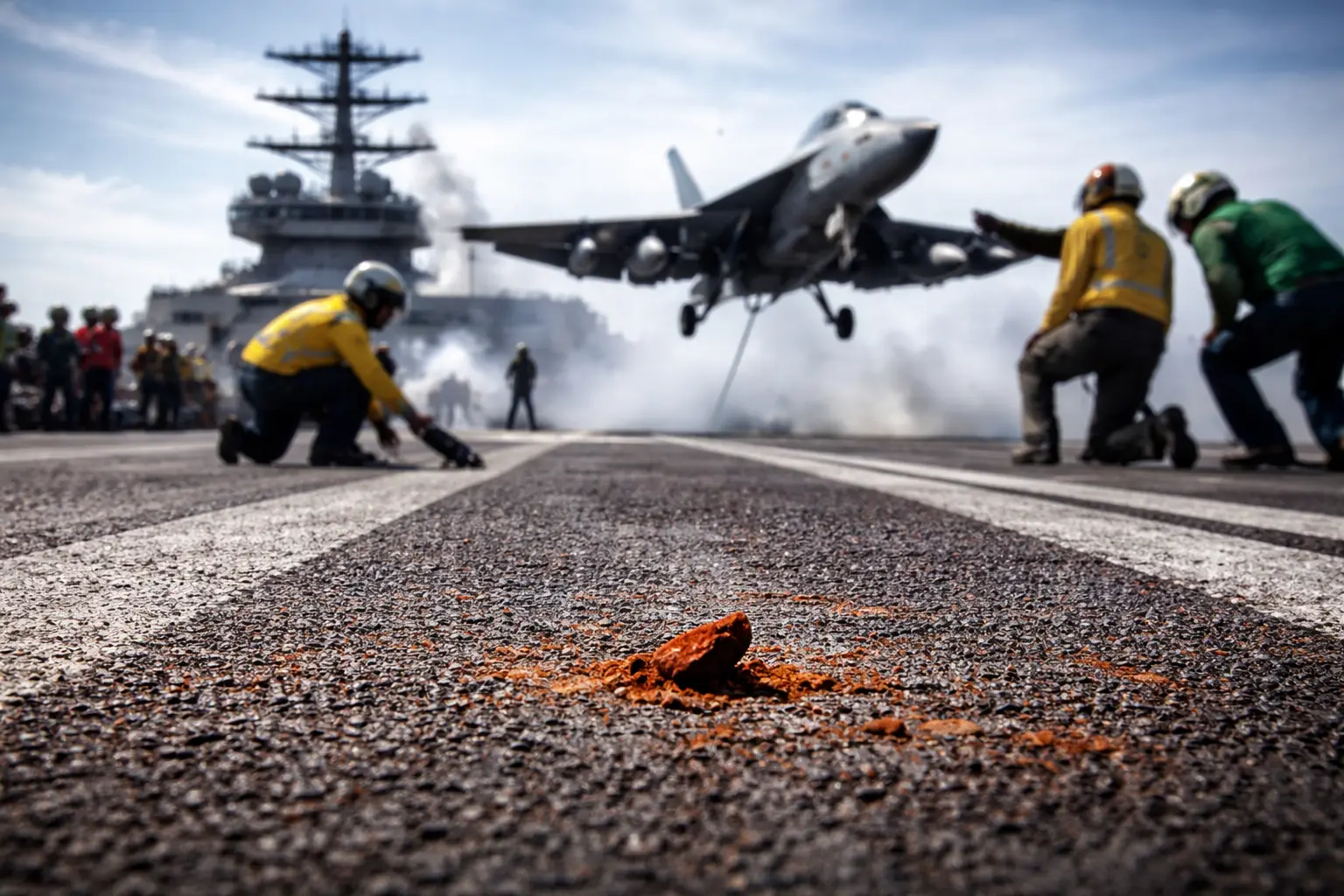
Protecting nuclear safety
Maintaining the integrity of the compartments housing nuclear reactors is a top priority for the Lincoln's crew. Salt fog exposure can degrade the structural materials surrounding these power plants over time. Specialized moisture shields and ventilation controls are used to ensure long-term reactor safety.
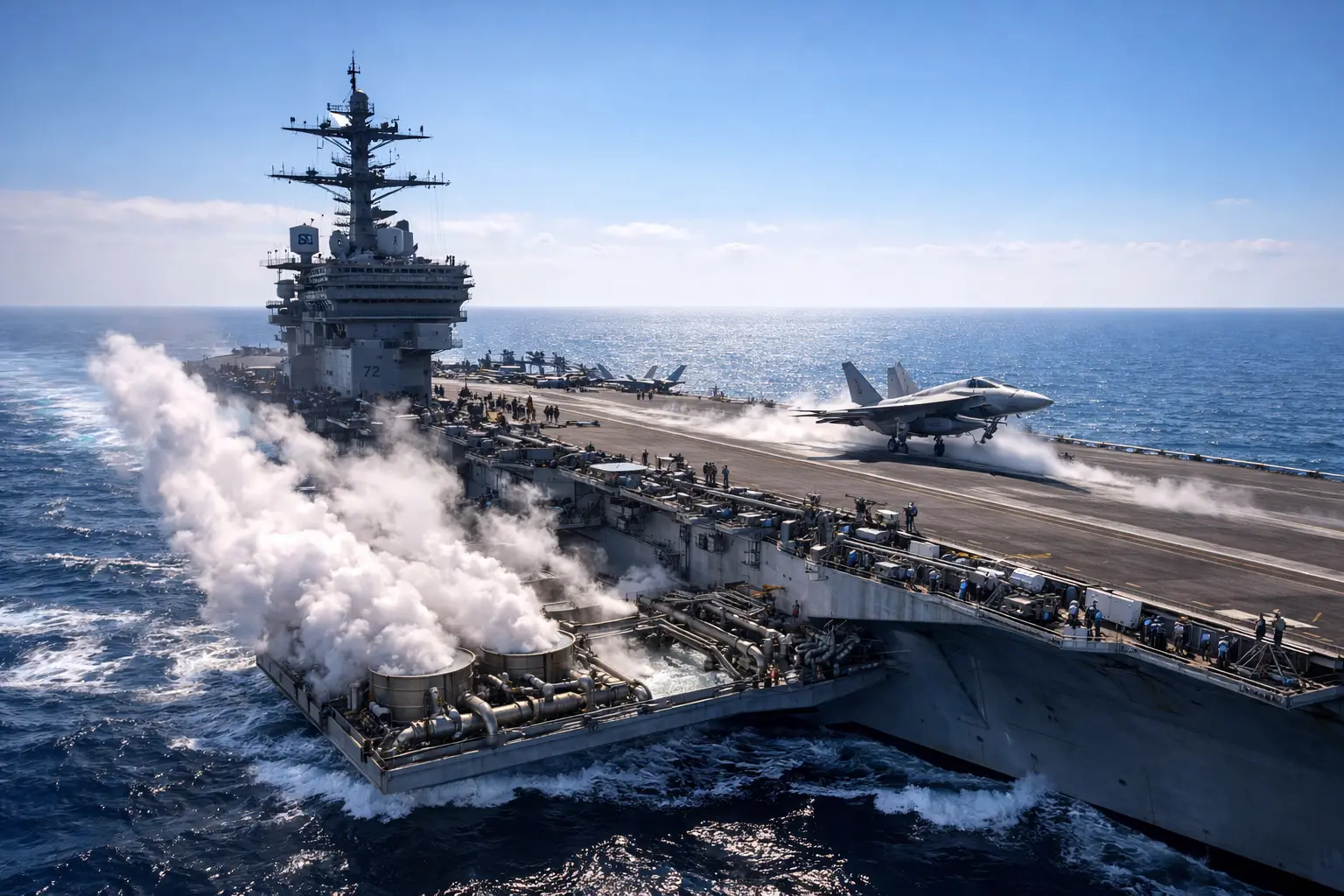
Advanced dry air pumps
The primary defence against internal corrosion is a network of advanced dry air pump systems. These systems actively manage humidity levels inside sealed or sensitive compartments to stop rust formation. This technology is vital for extending the lifespan of the warship's steel structure.
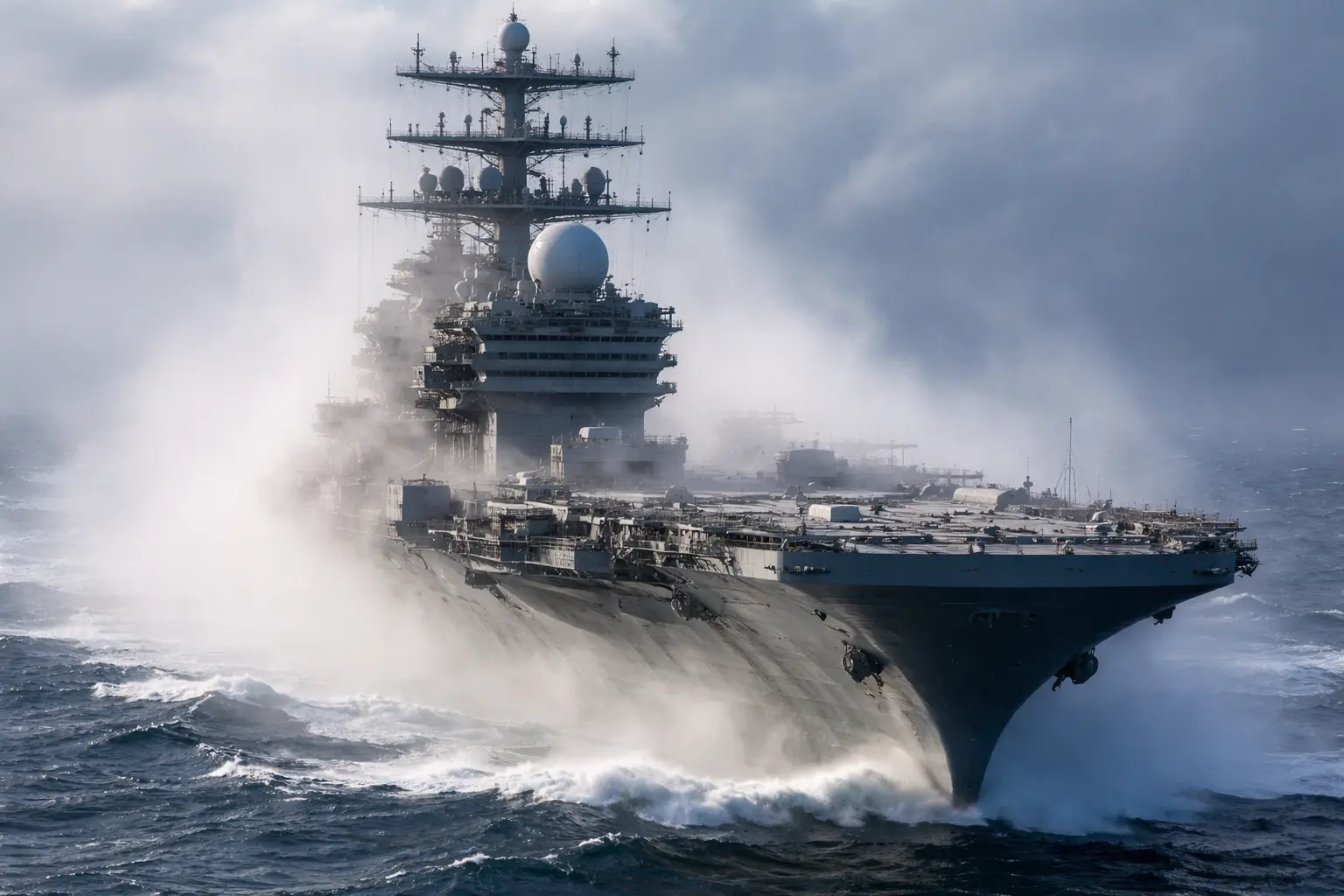
70 per cent fatigue impact
Scientific studies show that extreme salt fog environments can reduce the fatigue life of naval alloys by 70 per cent. Naturally occurring cracks can nucleate from tiny corrosion pits, leading to major structural failure. This makes regular metal testing and chemical treatments essential for survival.
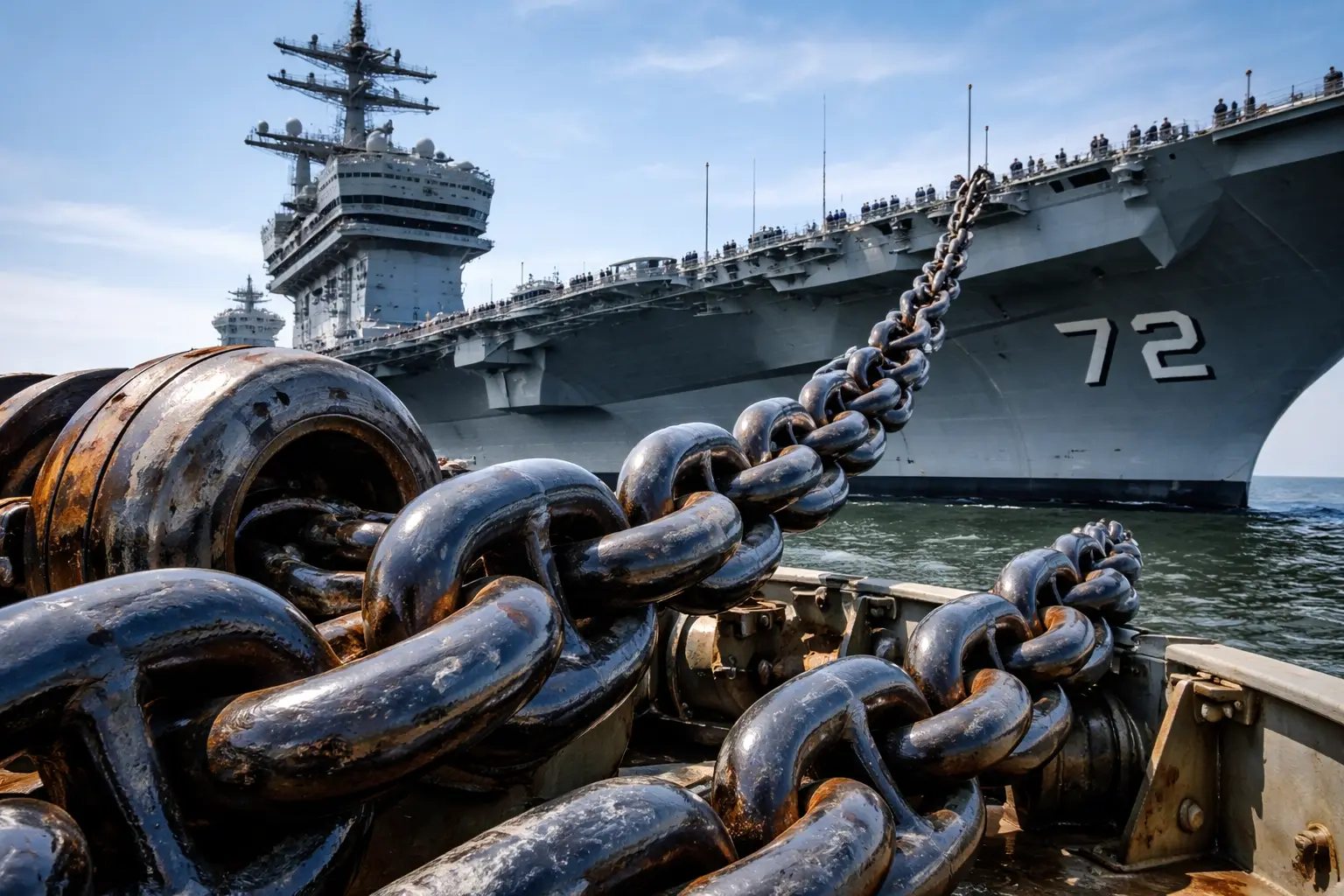
A 24-hour maintenance mission
Sailors on the USS Abraham Lincoln conduct daily "washdowns" and manual repainting to fight the elements. Every inch of the vessel, from flight deck to bilge, requires constant vigilance against decay. This relentless effort ensures the carrier remains combat-ready for its 50-year service life.
)
)

)
)