'Sailing by Starlight': How USS Abraham Lincoln is navigating Arabian Sea without GPS or radar

To maintain total radio silence, the Lincoln cannot use standard voice comms to talk to its own escorts. Instead, the strike group utilises directional flashing lights (Aldis lamps) and secure laser-link systems to send messages.
1. The Return of Celestial Navigation
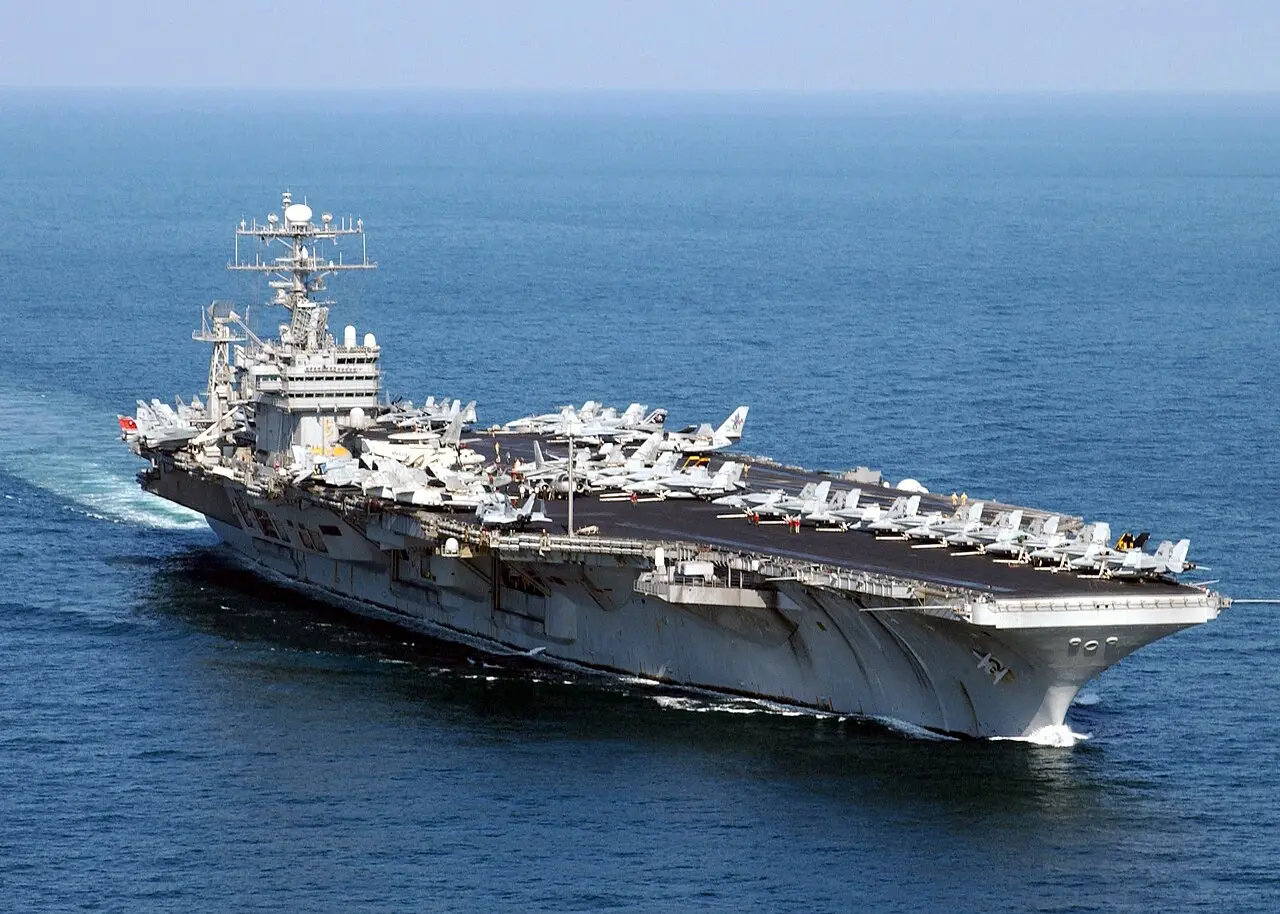
With GPS signals in the Persian Gulf likely being jammed or spoofed by Iranian electronic warfare, the Lincoln’s quartermasters have reverted to the "unhackable" art of celestial navigation. On the signal bridge, navigation teams use physical sextants to measure the angle of specific stars relative to the horizon. This analog data is manually fed into the ship's computers to calculate a precise position, ensuring the carrier can navigate "The Box" without relying on a digital satellite signal that could be compromised or tracked by the enemy.
2. "Passive" Sensor Triangulation
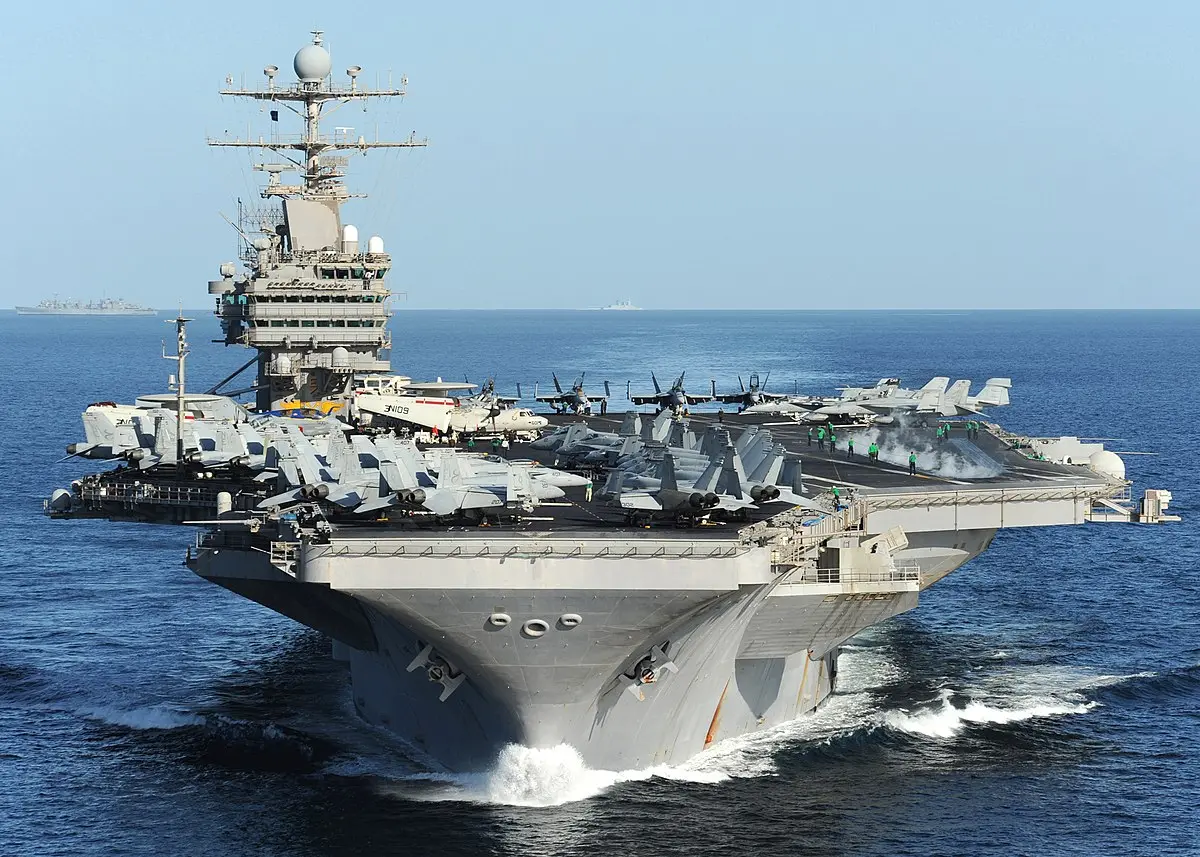
Normally, a carrier blasts the sky with powerful radar to see threats, but in "Ghost Mode," this emission is suicide. Instead, the Lincoln navigates using only passive sensors, primarily the SLQ-32 electronic warfare suite. This system "listens" to the radar pulses of other ships and the radio communications of civilian air traffic. By triangulating these external sounds, the ship builds a tactical picture of the ocean around it without ever emitting a single electronic "ping" that could reveal its location to Iranian sensors.
3. Dead Reckoning Mathematics
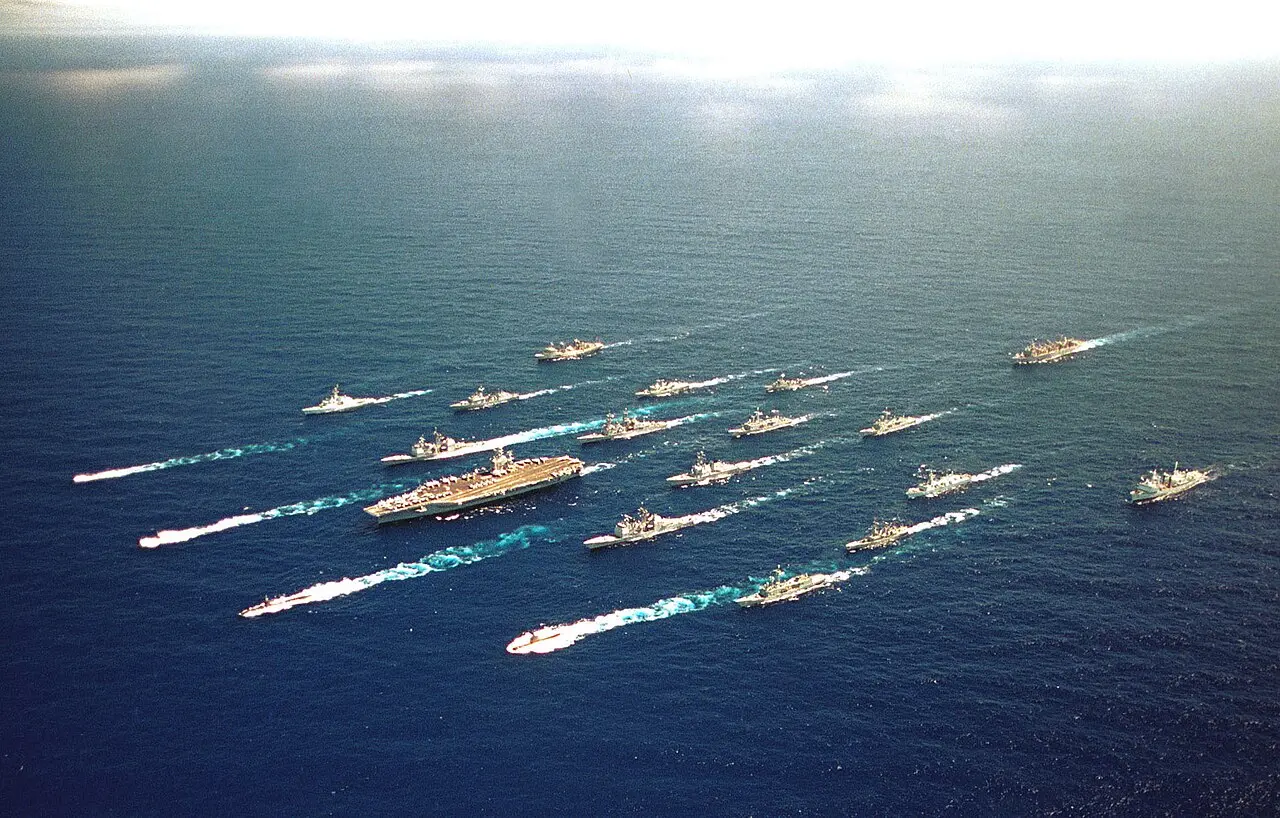
When cloud cover obscures the stars and "emissions control" forbids radar use, the ship navigates by Dead Reckoning (DR). This is a pure mathematical method where the navigator calculates the ship’s current position based solely on its last known fix, its current speed, and the elapsed time. In 2026, this "old school" technique is executed with extreme precision, factoring in ocean currents and wind drift to ensure the Armada arrives at its launch point with a margin of error of just a few hundred yards.
4. The "Sheepdog" Collision Screen
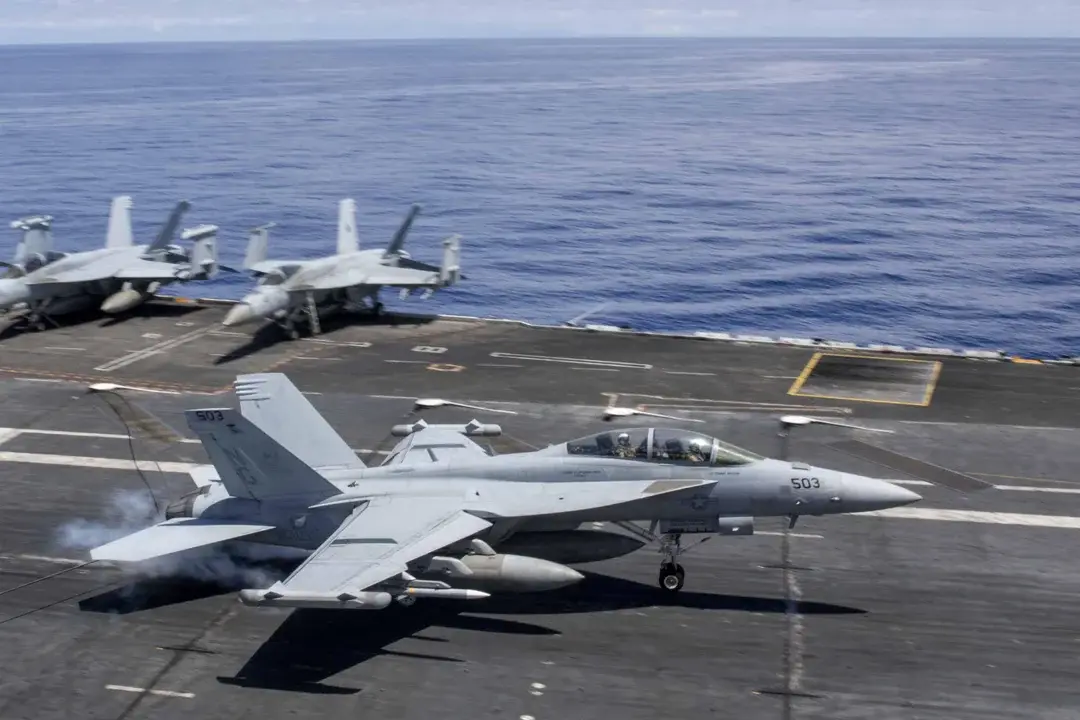
Sailing a 100,000-ton ship without an AIS transponder in the busy shipping lanes of the Arabian Sea presents a massive collision risk. To mitigate this, the Lincoln relies on its escort destroyers, like the USS Spruance, to act as "sheepdogs." These ships sail miles ahead of the carrier to physically block or warn off civilian oil tankers and fishing dhows. This screen allows the carrier to remain completely dark and silent behind them, using the destroyers as a buffer against accidental contact with commercial traffic.
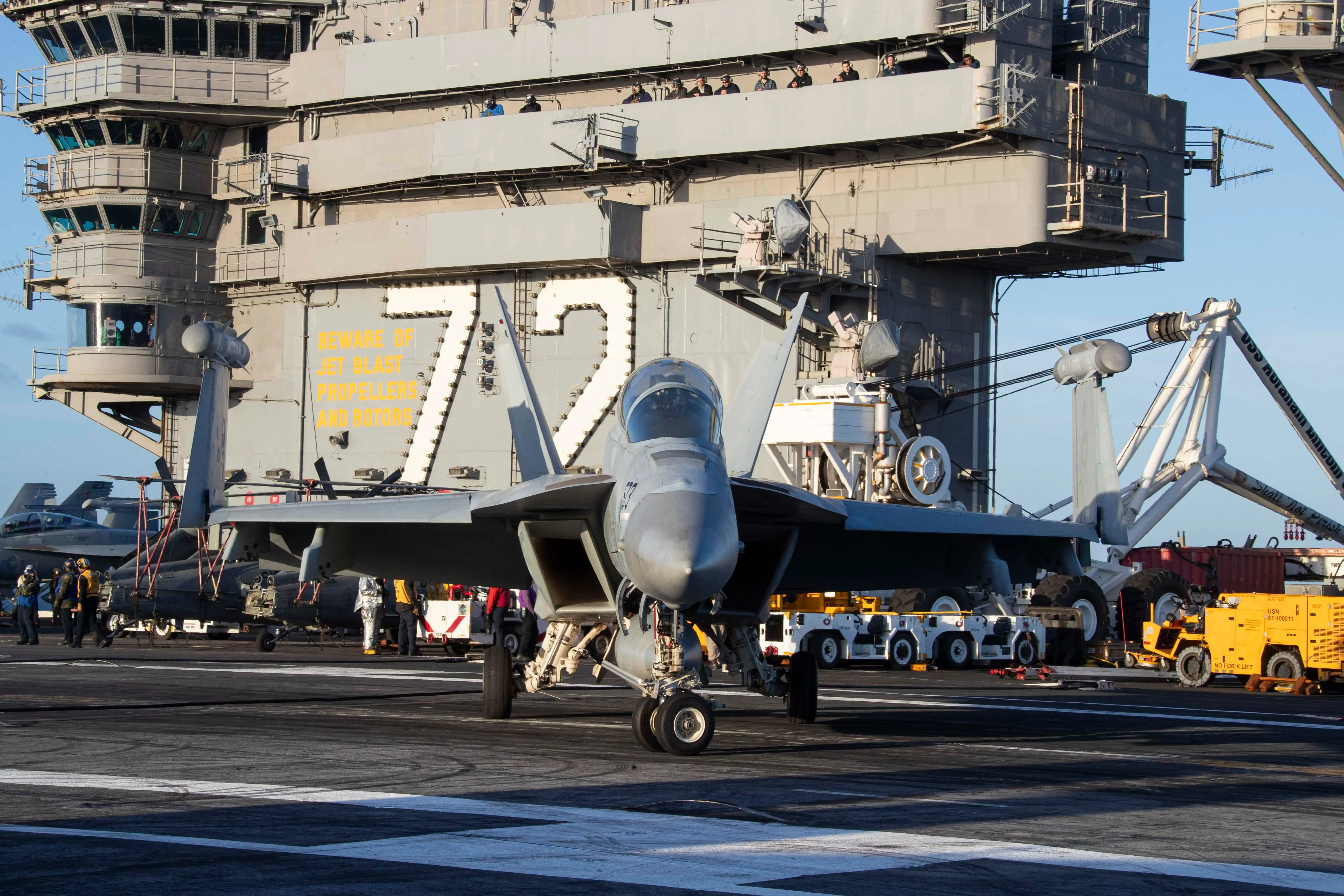
5. Enhanced "Vampire" Lookouts
Technology is replaced by human vigilance during a ghost transit. The ship doubles its watch standing with "Vampire" lookouts stationed on the catwalks and flight deck, equipped with advanced night-vision goggles. These sailors are the last line of defense against "low-tech" threats that passive sensors might miss, such as wooden fishing boats or floating mines. In total darkness, the "Mark I Eyeball" becomes the most critical sensor for ensuring the ship can move safely at high speeds.
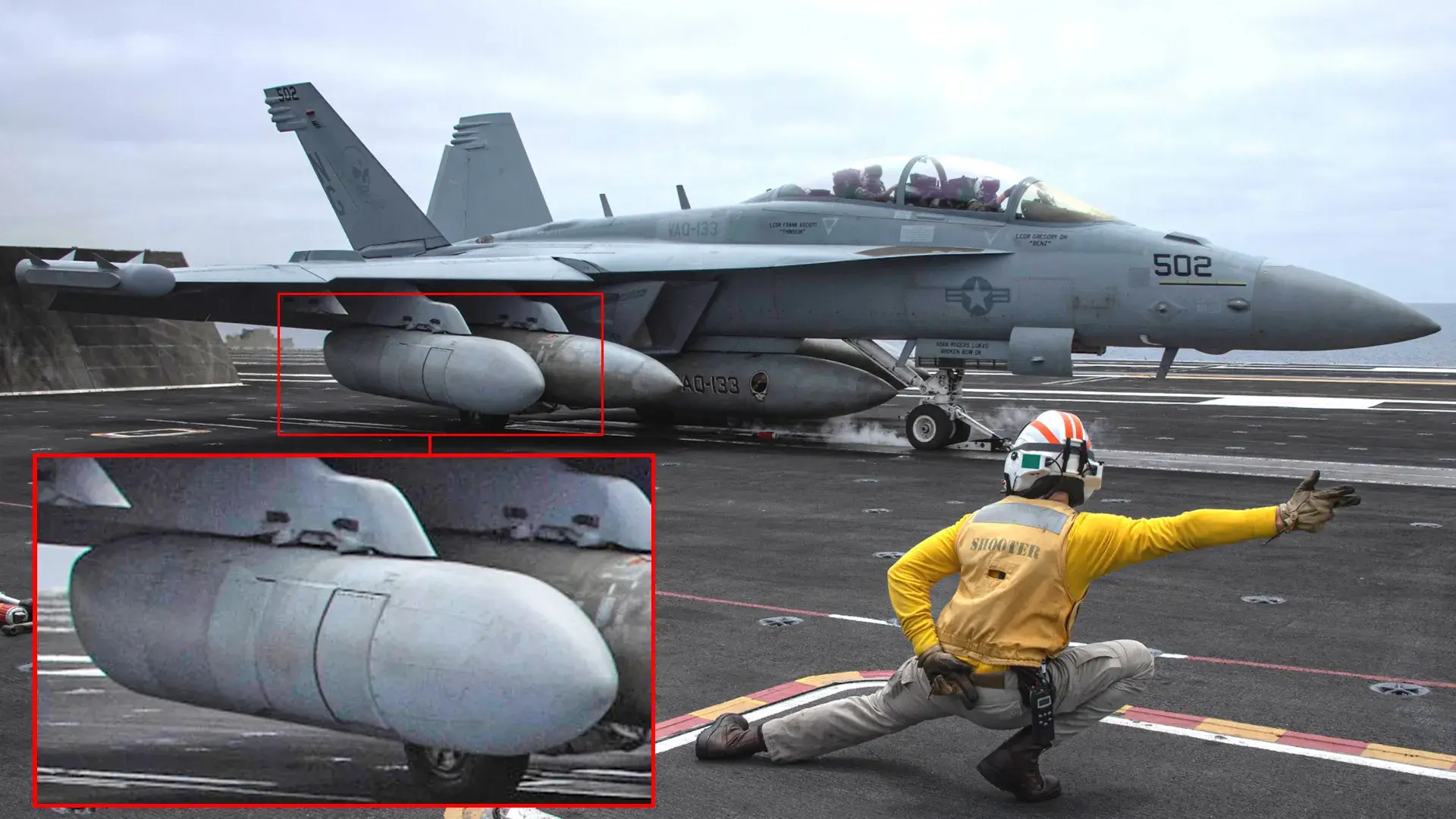
6. Silent Light-Based Communication
To maintain total radio silence, the Lincoln cannot use standard voice comms to talk to its own escorts. Instead, the strike group utilizes directional flashing lights (Aldis lamps) and secure laser-link systems to send messages. These narrow beams of light are invisible to anyone not directly in the path of the receiver, allowing the Admiral to coordinate complex maneuvers and course changes with the rest of the Armada without Iranian listening posts picking up a single whisper of radio traffic.
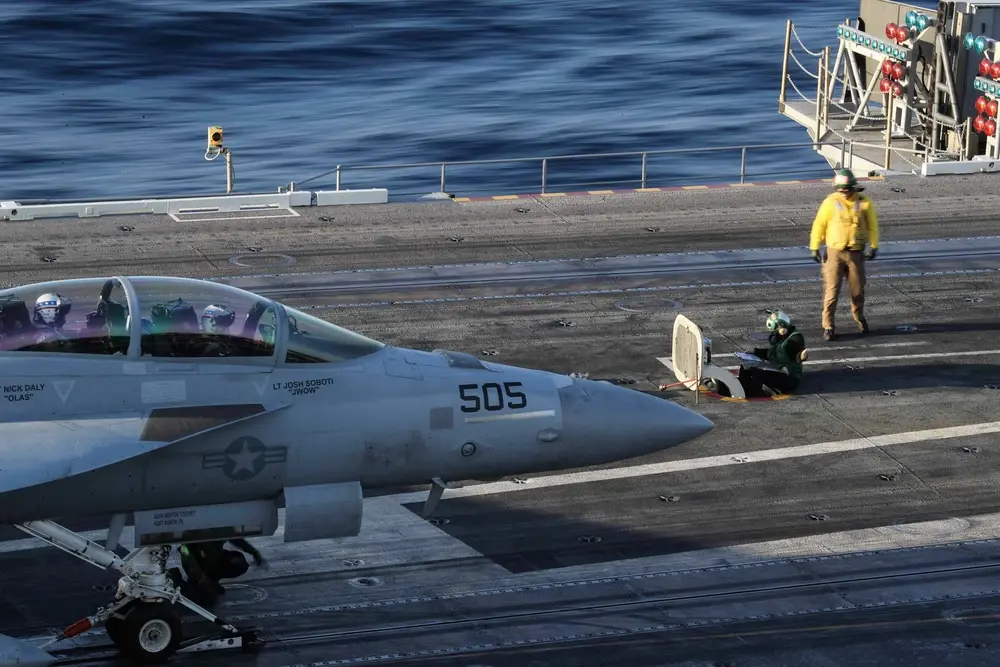
7. Wake Turbulence Management
A major vulnerability of a supercarrier is the massive white wake it creates, which can be visible to satellites even when the ship is electronically dark. To defeat orbital imagery, the Lincoln practices strict wake management, often slowing to a "crawl" of under 10 knots during daylight hours or when known satellite overflights are occurring. This minimises the churning white foam trailing the hull, allowing the dark grey ship to blend more effectively into the deep blue waters of the Indian Ocean.
)
)
)
)
)