'S-300 or Bavar-373': Why Iranian-made air defence cannot stop American F-35C fighter jet

US F-35C stealth fighters outperform Iran's S-300 and Bavar-373 defences due to advanced jamming, sensor fusion, and low radar visibility that prevents effective missile tracking.

Stealth vs Defence
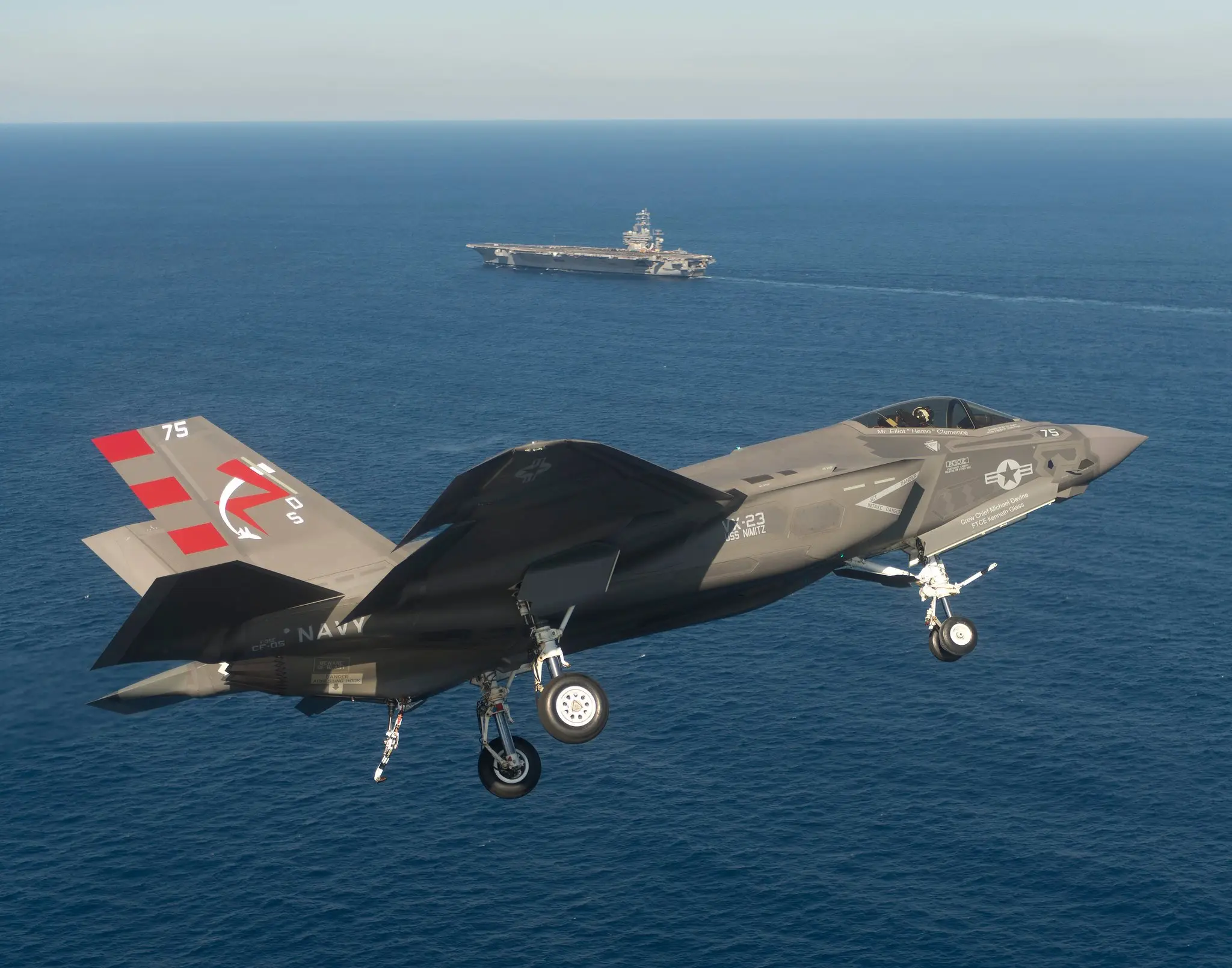
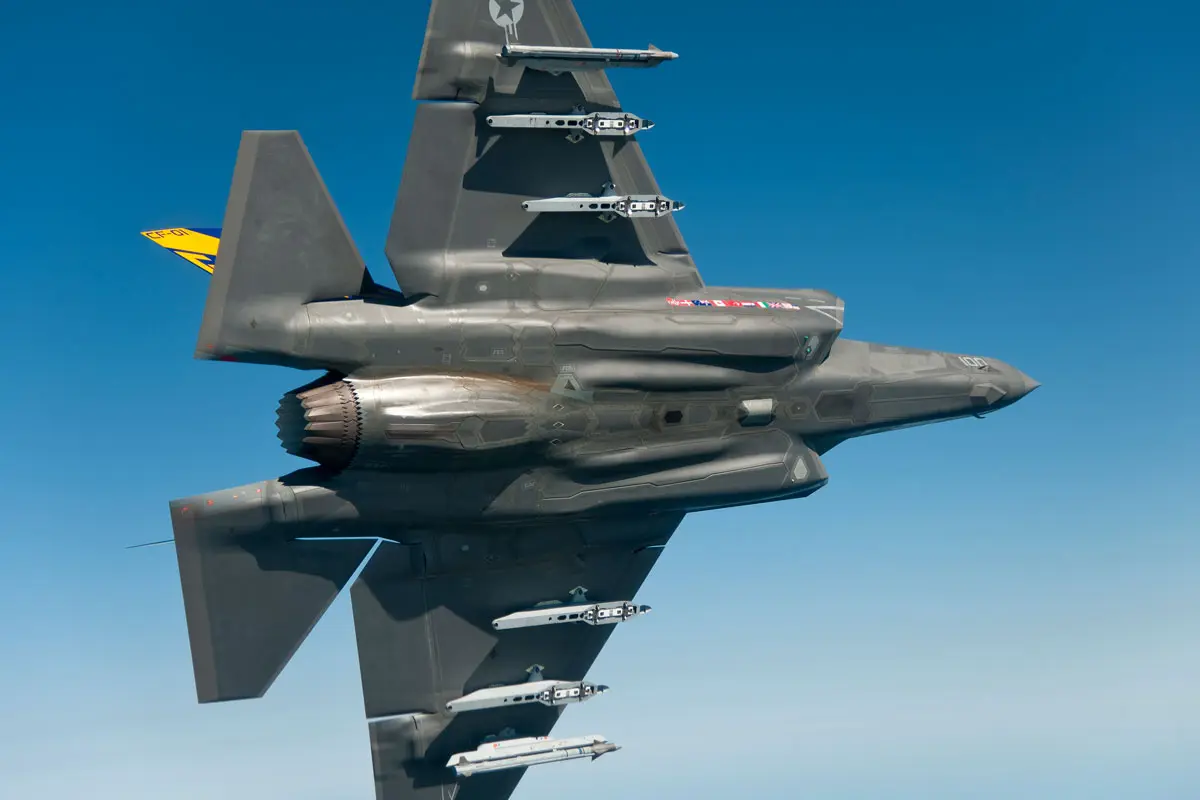
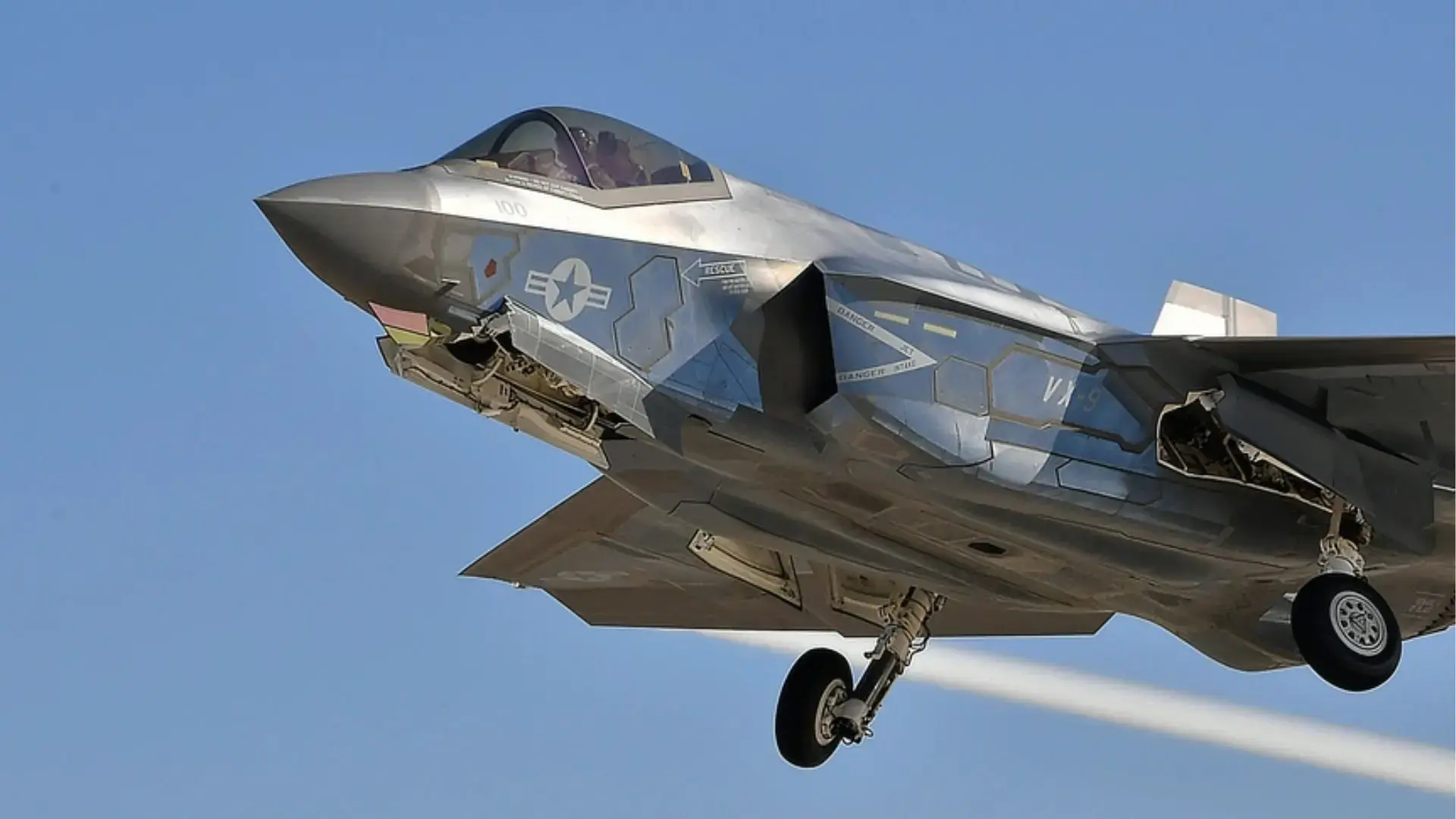
The US Navy's F-35C Lightning II brings fifth-generation stealth capabilities to aircraft carriers, creating a significant challenge for ground-based radars. Iran relies on Russian S-300 systems and its domestic Bavar-373, but neither has a proven combat record against such advanced low-observable technology.
Golf Ball Size
The F-35C is designed with a minimal radar cross-section, often compared to the size of a golf ball on enemy screens. This makes it incredibly difficult for the engagement radars of the S-300 or Bavar-373 to establish the continuous lock needed to guide a missile.
S-300 Age Factor
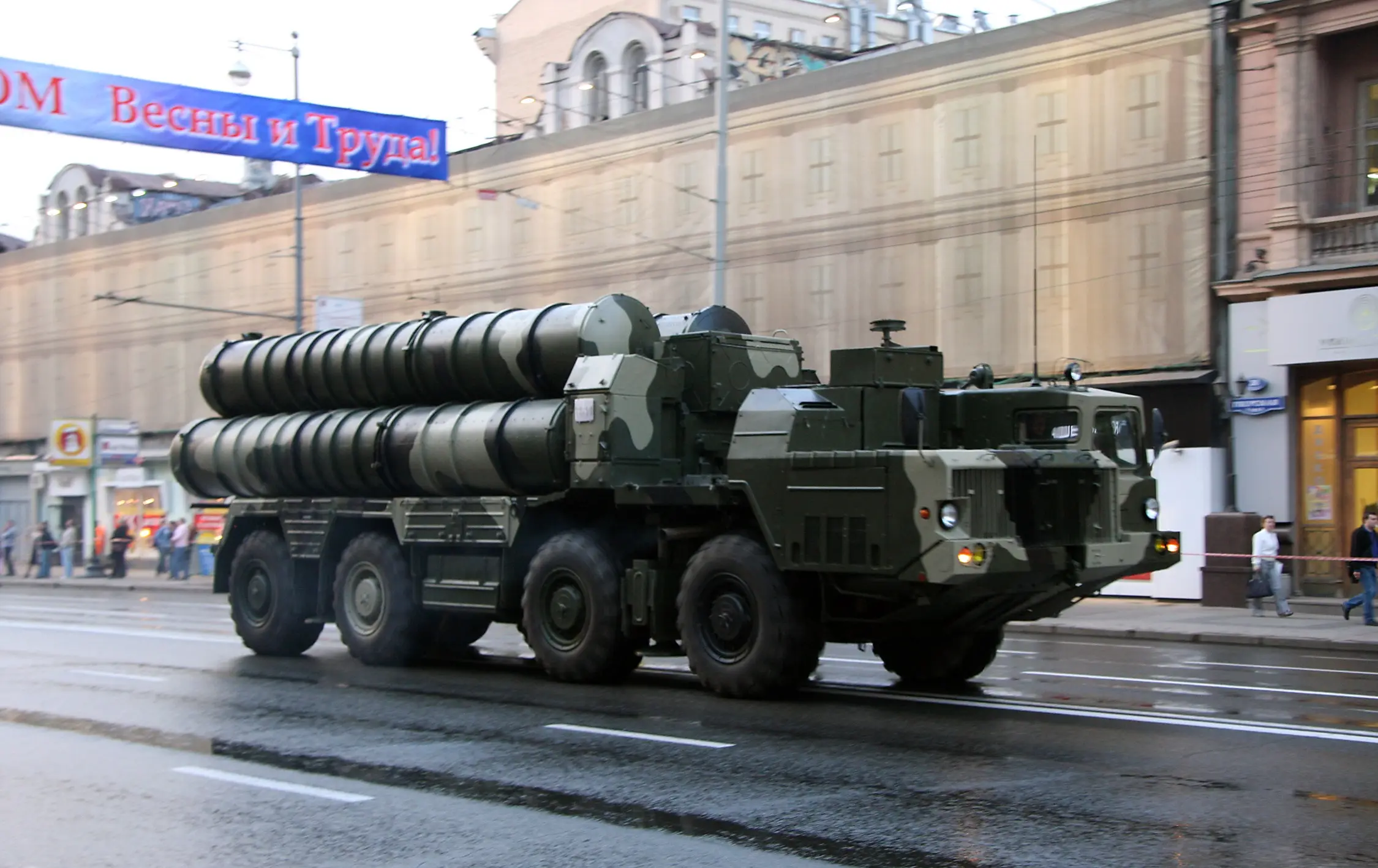
Iran operates the S-300 PMU2, a system originally designed in the late 1990s to counter fourth-generation jets. While it remains potent against older aircraft, its radar technology struggles to detect and track modern stealth fighters before they are already within strike range.
Bavar-373 Unproven
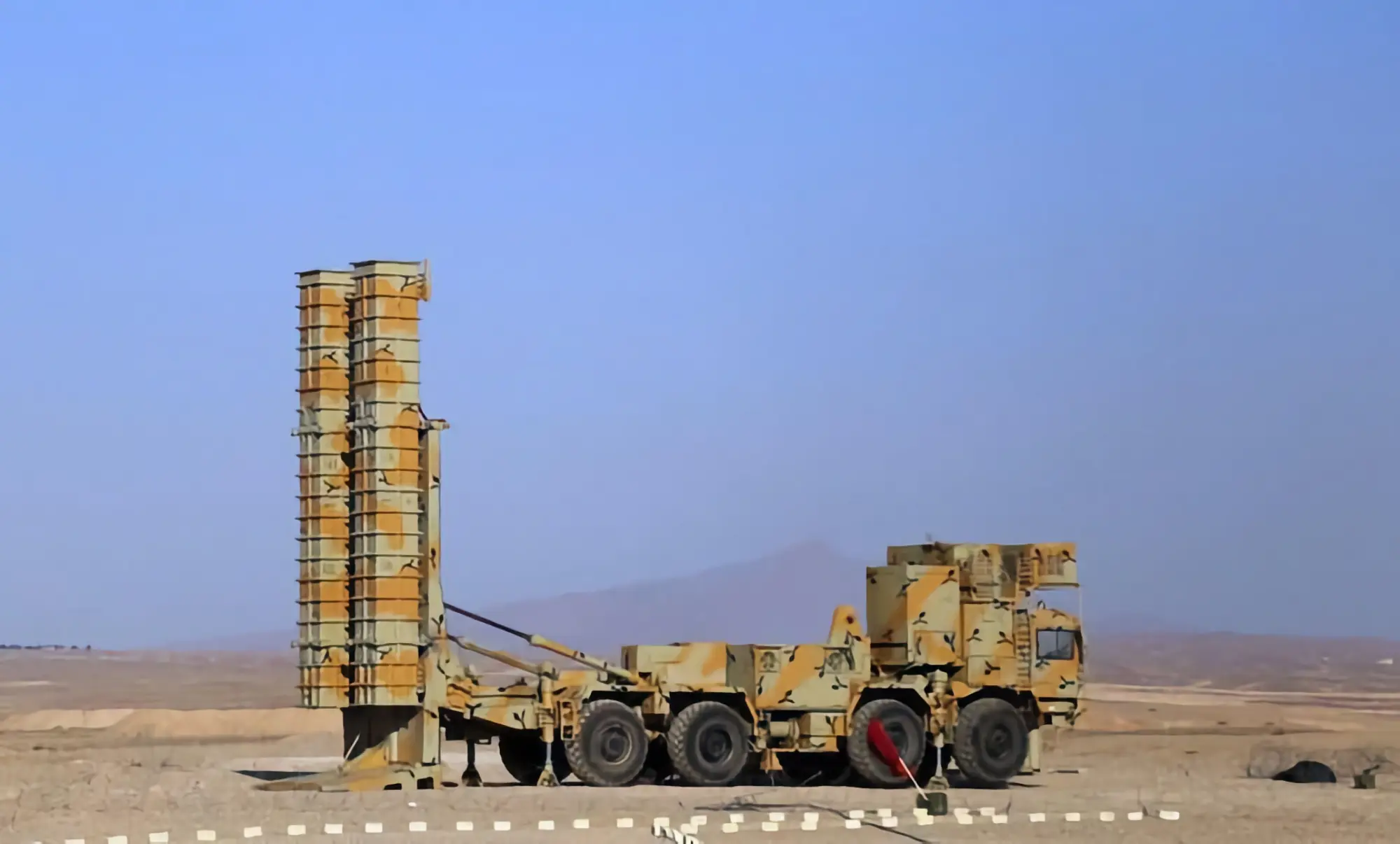
Tehran claims its domestically built Bavar-373 rivals the Russian S-400, boasting a detection range of over 250 kilometres. However, this system has not been tested in combat against high-end electronic warfare or stealth platforms, leaving its actual effectiveness highly doubtful.
Electronic Warfare Suite
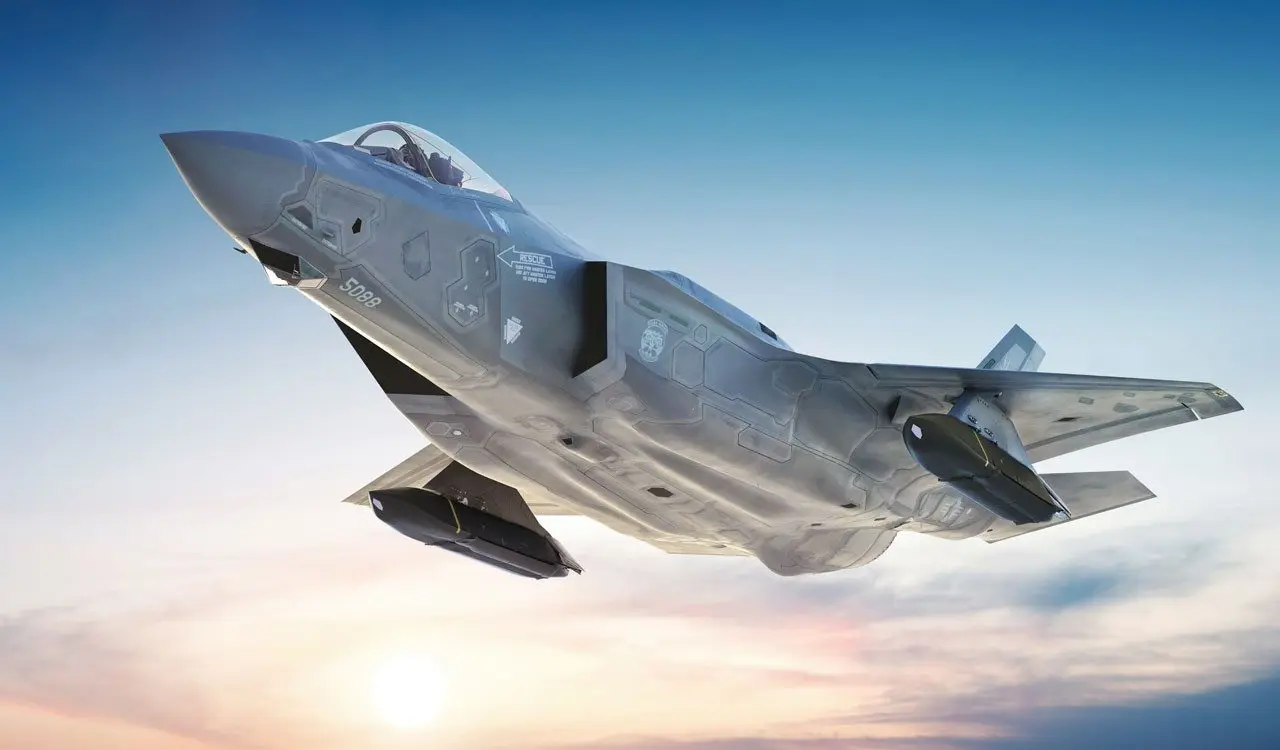
The F-35C carries the advanced AN/ASQ-239 Barracuda electronic warfare suite, which actively jams enemy frequencies. This system can locate and blind Iranian fire-control radars without the pilot needing to emit a signal, keeping the aircraft hidden while it neutralises threats.

Stand-off Strikes
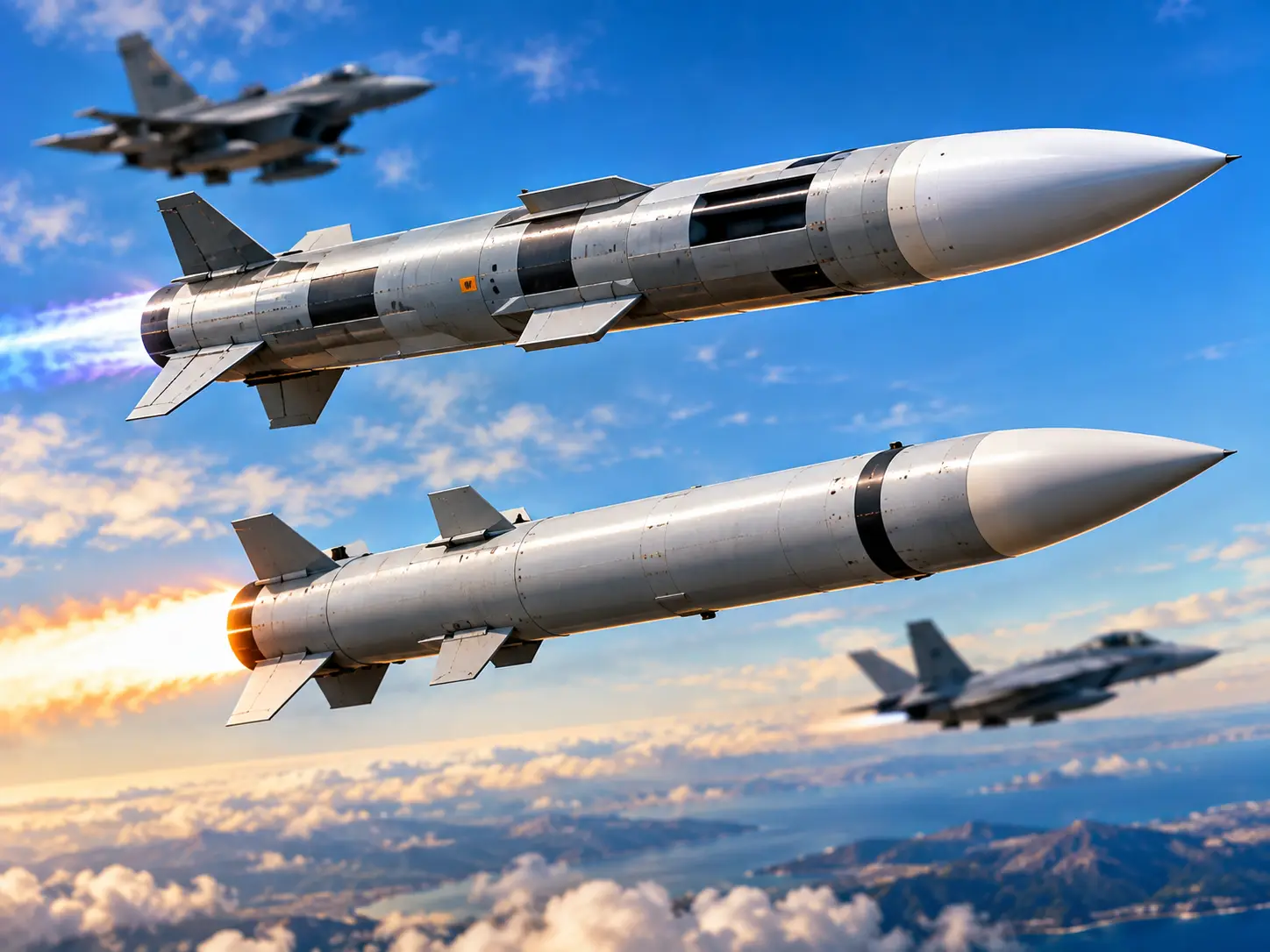
American stealth jets can release precision-guided munitions from well outside the effective engagement envelope of Iranian batteries. This allows the F-35C to destroy S-300 radar components or command posts while remaining safely beyond the reach of defensive missiles.

Sensor Fusion Tech
F-35 pilots utilise 360-degree sensor fusion to gather and share data instantly across the formation. This superior situational awareness allows them to identify gaps in Iran's air defence coverage and navigate through them, a capability that older radar networks cannot counter.

Isfahan Radar Failure
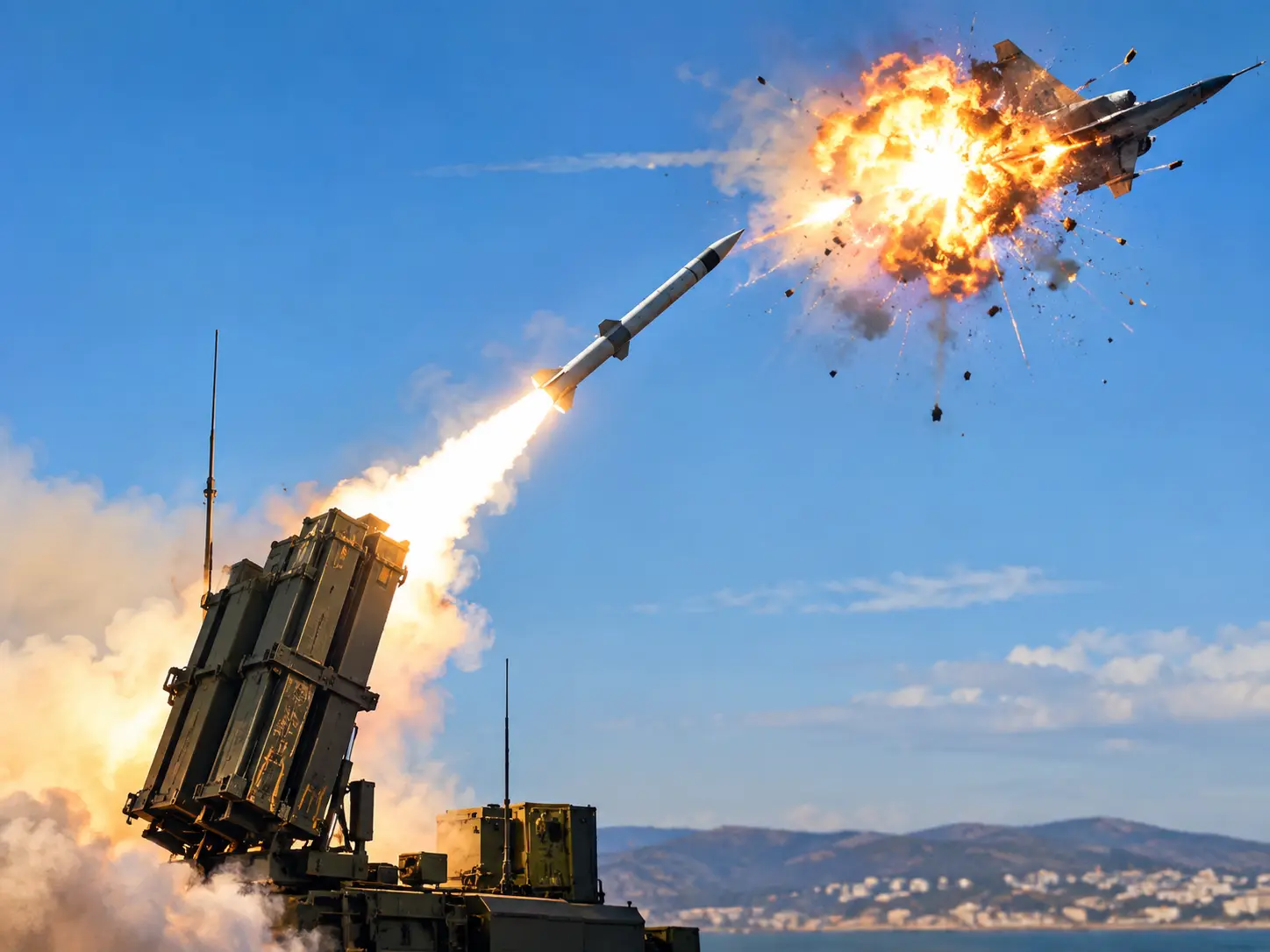
Recent precision strikes on military sites in Isfahan reportedly damaged an S-300 radar without triggering an interception. This incident exposed the inability of these systems to detect or stop incoming attacks from advanced platforms, validating doubts about their reliability.
Low Frequency Limits
While some VHF radars can detect the general presence of stealth aircraft, they lack the precision required to guide a missile to the target. The F-35C exploits this critical gap between broad detection and actual engagement, rendering the warning useless.
The Tech Disparity
The technological disparity between fifth-generation stealth integration and legacy ground-based defence remains vast. Without a fully networked, multi-band radar system capable of countering electronic attacks, stopping the F-35C remains nearly impossible for Iran's current arsenal.
)
)
)
)
)