‘Rutan Voyager’: This 1986 plane that flew around the world without refuelling

Voyager was the first plane to fly nonstop around the world without refuelling covering 40,212 km in 9 days in 1986, powered by over 7,000 lb of fuel. Its unique design and record flight changed aviation history.
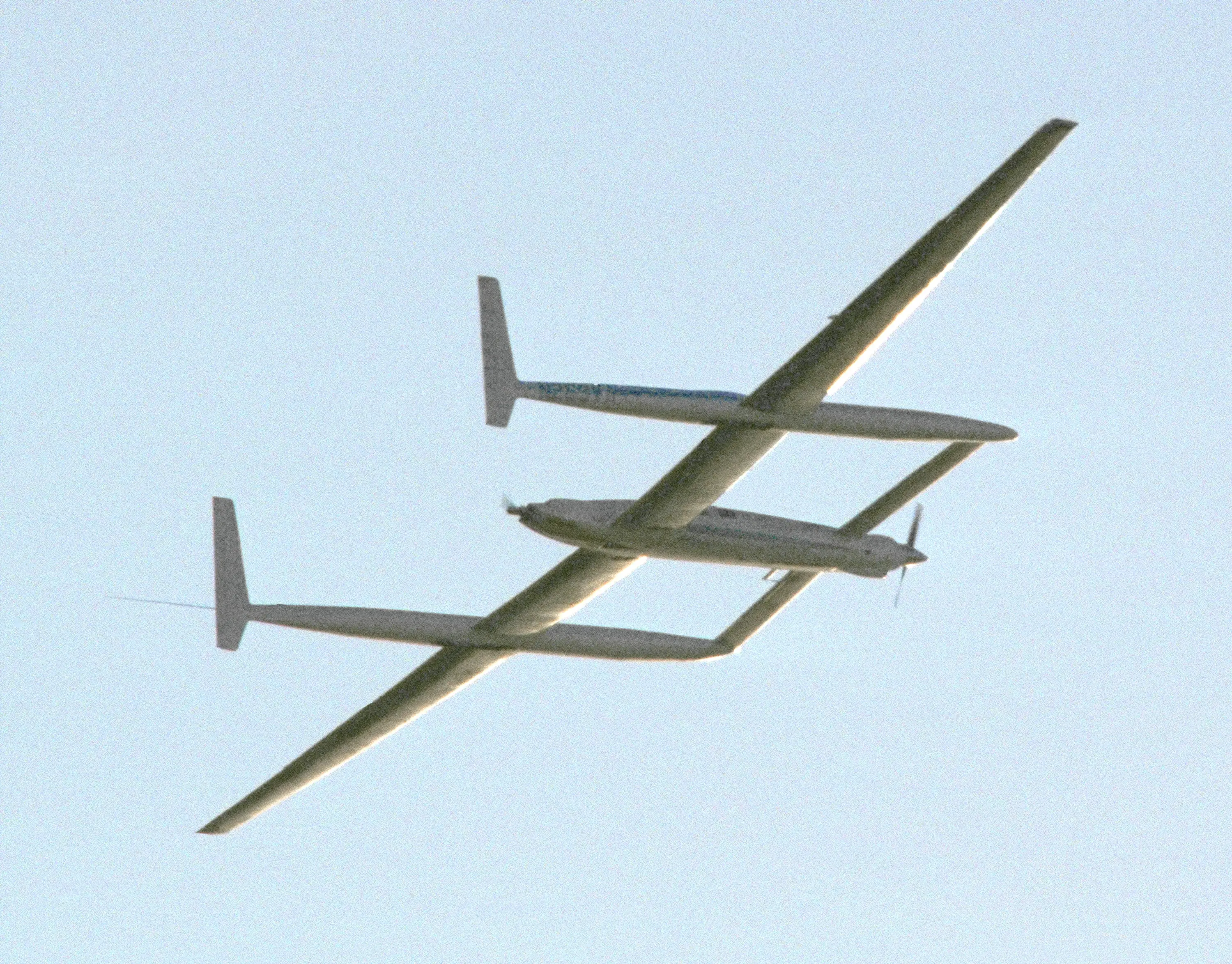
Nonstop Global Flight
The idea of flying around the world without refuelling seemed impossible until the Rutan Model 76 Voyager changed history. Designed by engineer Burt Rutan, this lightweight and innovative plane aimed to prove that a nonstop, unrefuelled circumnavigation was possible. The journey began on 14 December 1986 from Edwards Air Force Base, California, with pilots Dick Rutan and Jeana Yeager on board.
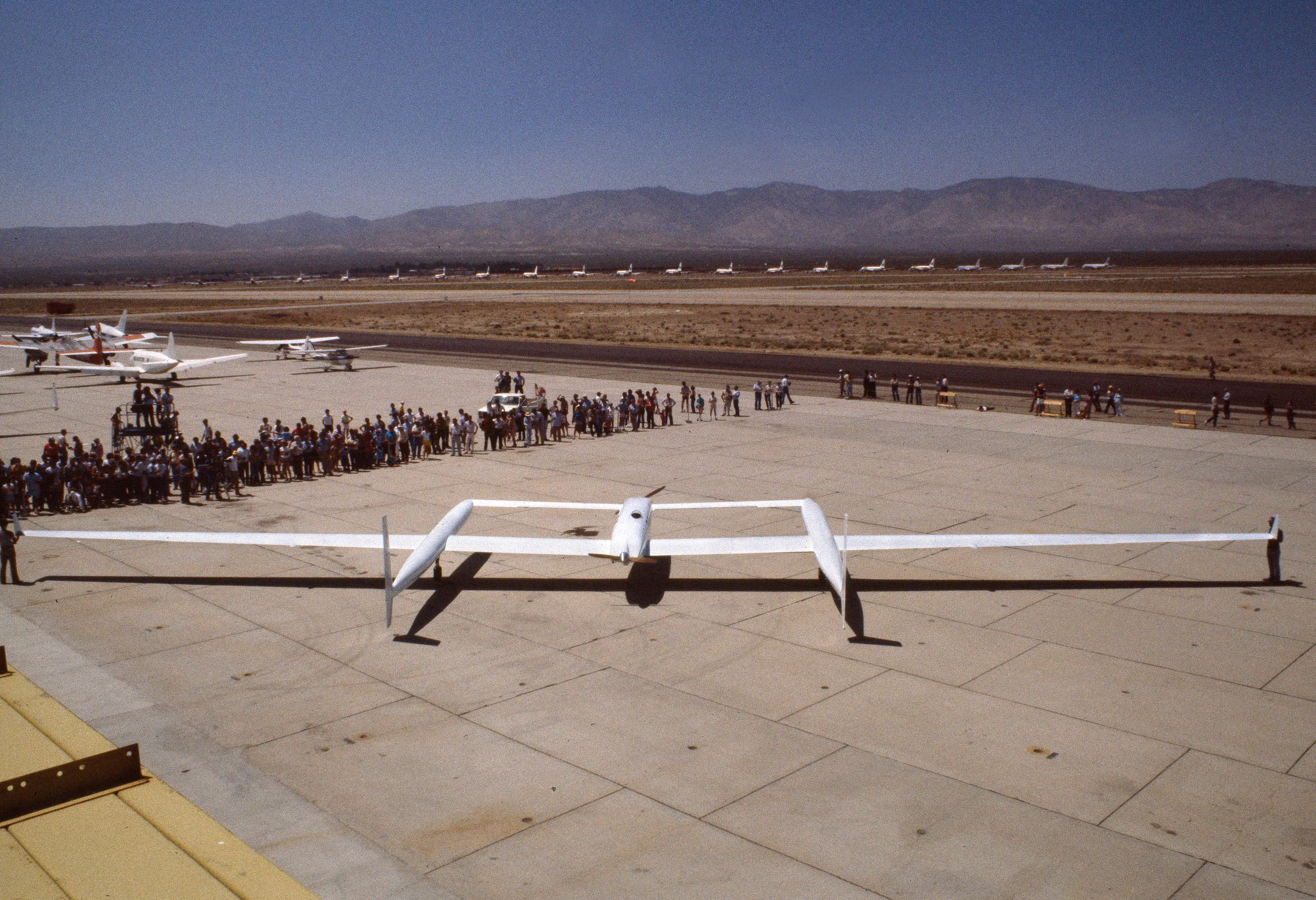
Design and Structure
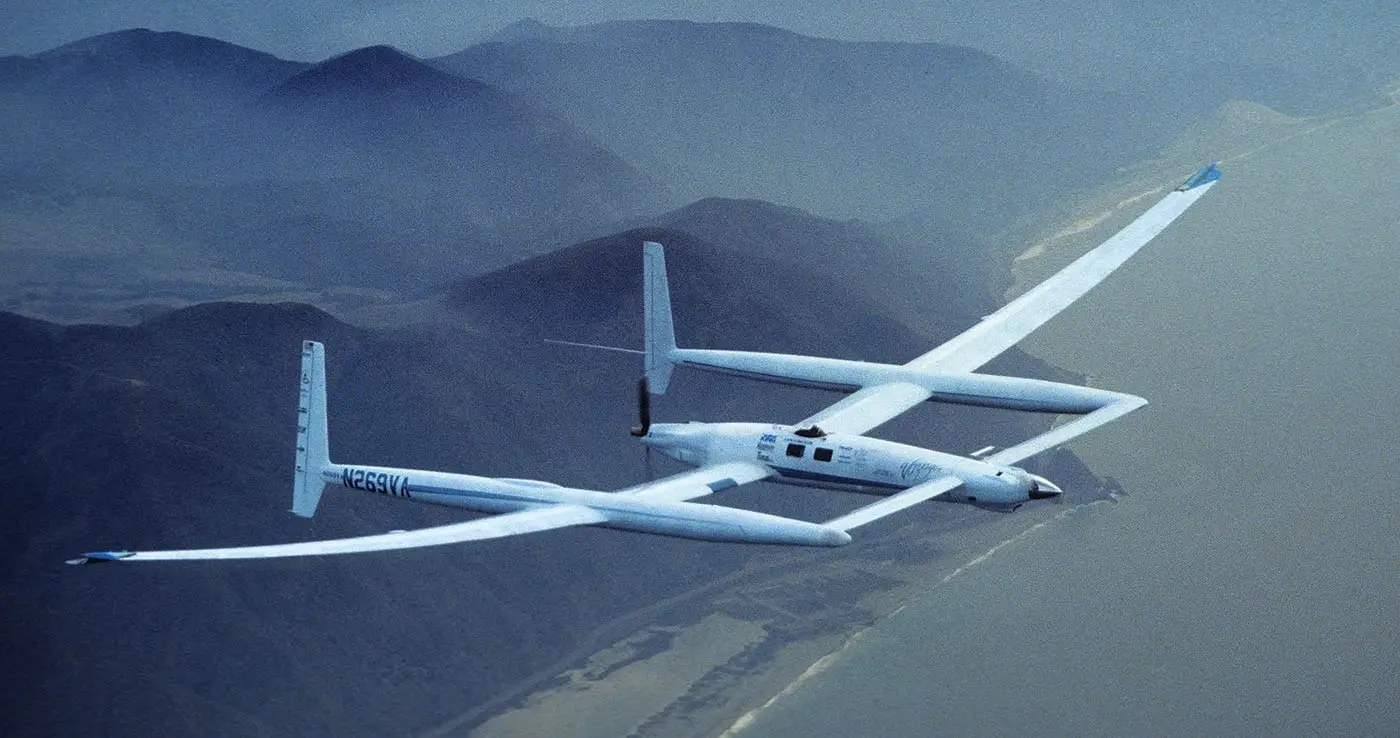
Voyager used modern composite materials, including graphite and honeycomb sandwich, to keep weight low and strength high. The plane had a wingspan of 110 feet 8 inches (33.73 m) but weighed just 2,250 lb (1,021 kg) empty. Its long, thin wings gave it high efficiency, while a tiny cockpit meant cramped conditions for the pilots during the 9-day flight.
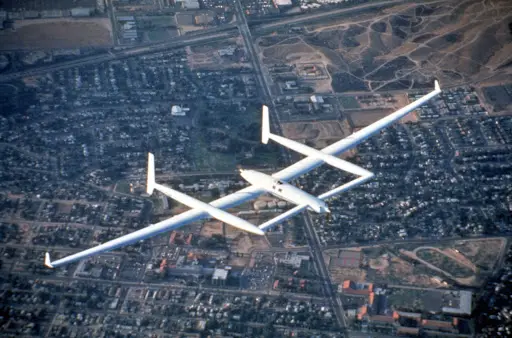
Fuel Tanks and Capacity
Voyager was all about fuel storage. At takeoff, it carried 3,180 kg (7,011 lb) of fuel, making up nearly 68 per cent of its takeoff weight. The tanks could hold about 1,168 gallons (4,423 litres). This huge fuel load allowed Voyager to fly over 40,000 kilometres almost 25,000 miles without landing.
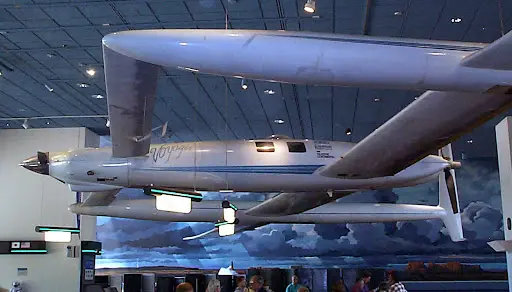
Engines and Power
The aircraft had two Teledyne Continental piston engines: a front O-240 model (130 hp) and a rear IOL-200 (110 hp). The engines were optimised for fuel efficiency, running mostly on aviation gasoline (avgas) and paired with lightweight propellers. For most of the flight, only one engine was used at a time to save fuel.
The Global Mission Flight and Challenges
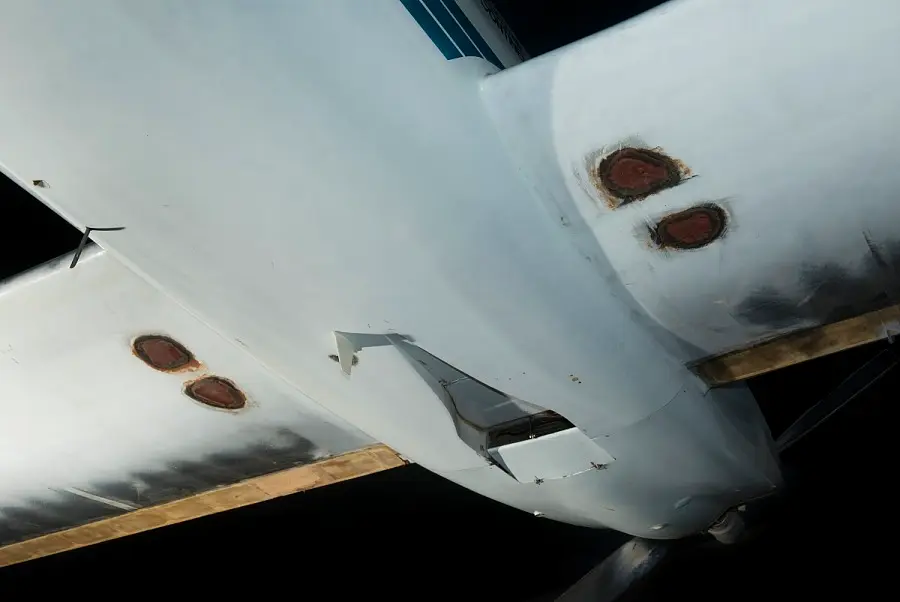
Voyager’s journey lasted 9 days, 3 hours, and 44 minutes, covering 40,212 km (25,012 miles). The crew faced severe storms, system failures, and political issues like denied airspace. By the end of the trip, only 48 kg (about 1.5 per cent of the original fuel) remained in the tanks. Despite setbacks, the aircraft touched down safely at the very spot where it started, greeted by thousands.
The Global Mission Flight and Challenges
Voyager’s journey lasted 9 days, 3 hours, and 44 minutes, covering 40,212 km (25,012 miles). The crew faced severe storms, system failures, and political issues like denied airspace. By the end of the trip, only 48 kg (about 1.5 per cent of the original fuel) remained in the tanks. Despite setbacks, the aircraft touched down safely at the very spot where it started, greeted by thousands.
World Records and Recognition
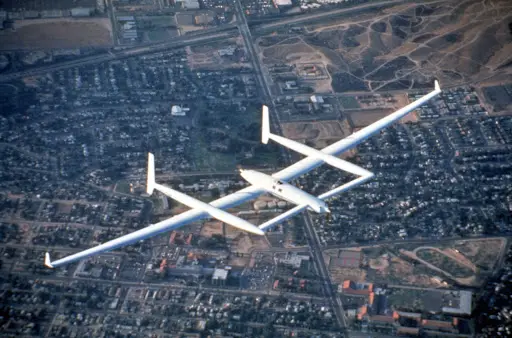
Voyager became the first aircraft to circumnavigate the globe nonstop without refuelling and without landing. The achievement was monitored by the FAI and AOPA and sparked huge media coverage. Pilots Dick Rutan and Jeana Yeager, along with Burt Rutan, won the 1986 Collier Trophy for their success and innovation.
Legacy and Future Inspiration
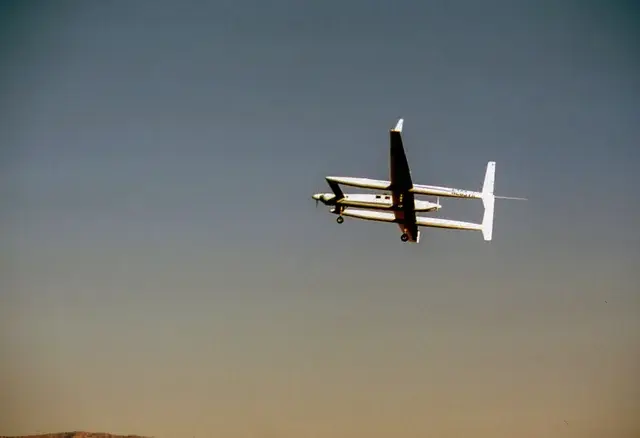
Voyager’s feat showcased how creative engineering and teamwork can stretch what’s possible in aviation. Only one other aircraft has since matched the unrefuelled earth-circling record: Steve Fossett’s GlobalFlyer, also designed by Rutan. Today, Voyager inspires the use of composites and fuel-saving designs in new long-range aircraft.
)
)
)
)
)