How can the USS Abraham Lincoln go more than 20 years without refueling?

The USS Abraham Lincoln operates on nuclear power, allowing it to sail for over two decades without refueling. However, when it finally needs new fuel, the process known as RCOH takes roughly four years and costs billions to complete.
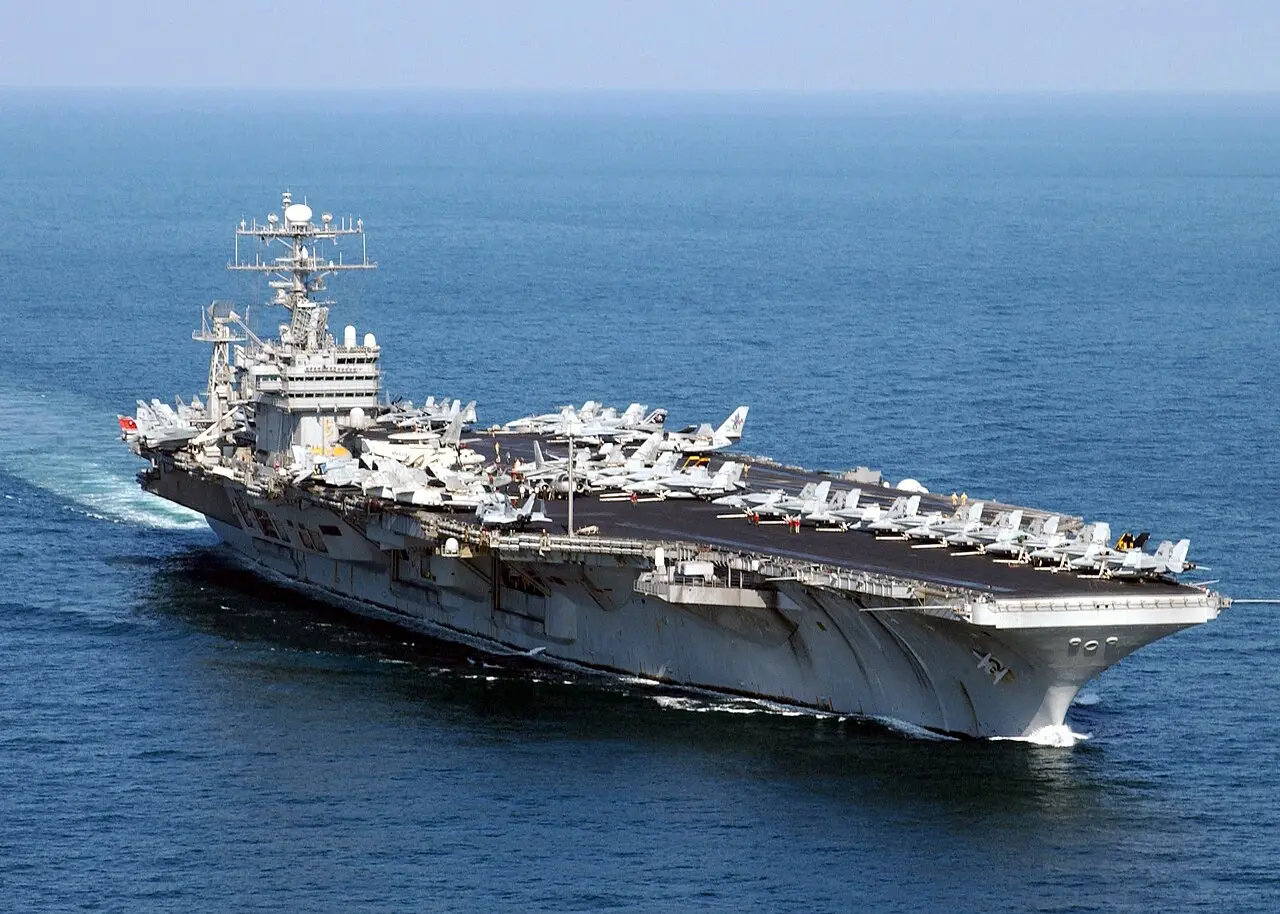
Two nuclear reactors power it
The USS Abraham Lincoln is a Nimitz-class aircraft carrier powered by two Westinghouse A4W nuclear reactors. Unlike conventional ships that need frequent oil top-ups, these reactors generate enough energy to propel the 100,000-tonne vessel for decades. This advanced propulsion system allows the carrier to reach speeds of over 30 knots efficiently.
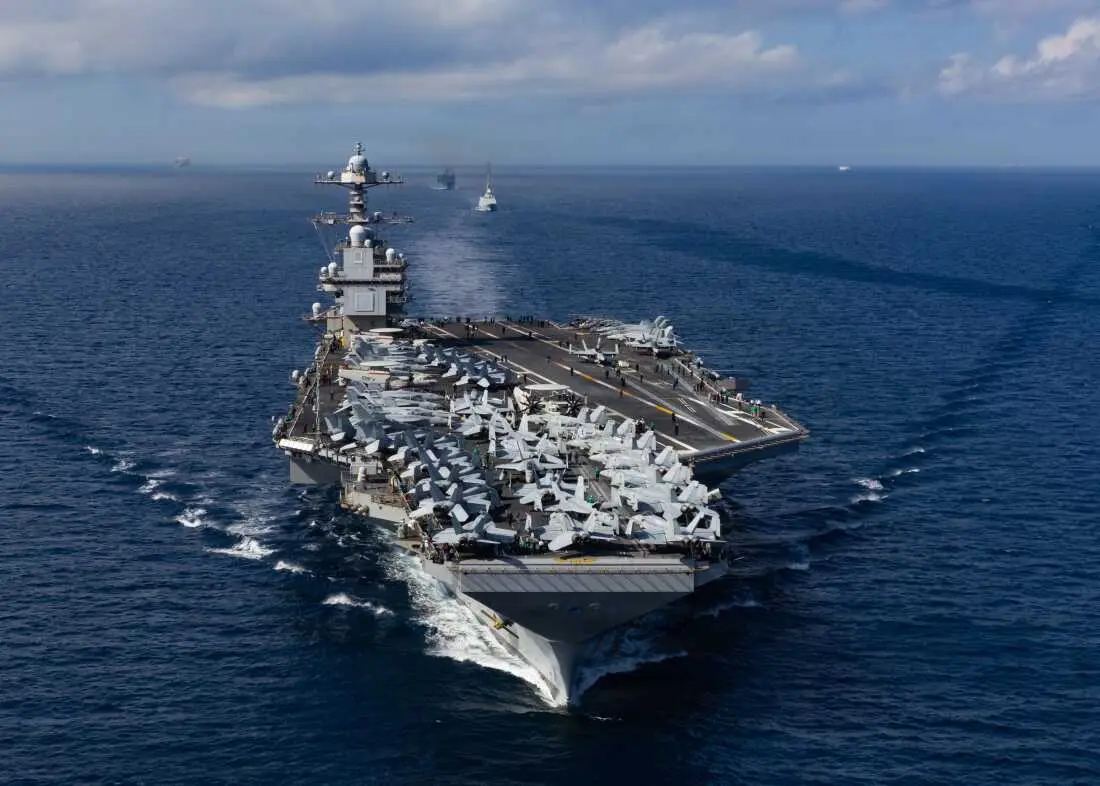
25 years without a fuel stop
The nuclear fuel assemblies inside the carrier are designed to last for approximately 20 to 25 years of active service. This incredible endurance capability means the ship can travel millions of miles before its uranium cores are depleted. It effectively gives the vessel unlimited range, constrained only by food and supplies for the crew.
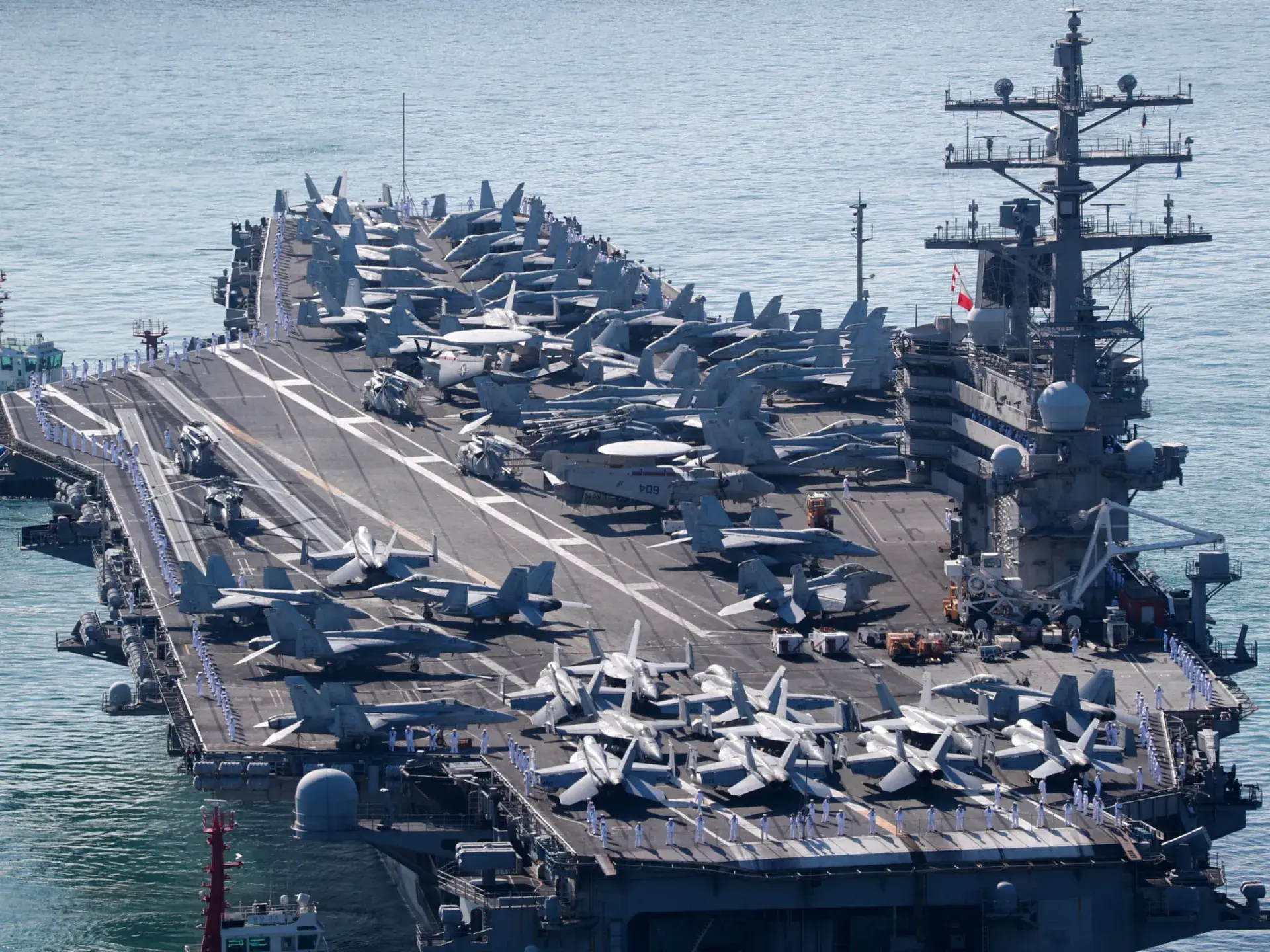
44 months to refuel fully
Refueling a nuclear carrier is not a quick pit stop but a massive industrial undertaking known as Refueling and Complex Overhaul (RCOH). For the USS Abraham Lincoln, this process took just over four years to complete. The ship must return to a dry dock, as this complex engineering feat cannot be performed at sea.
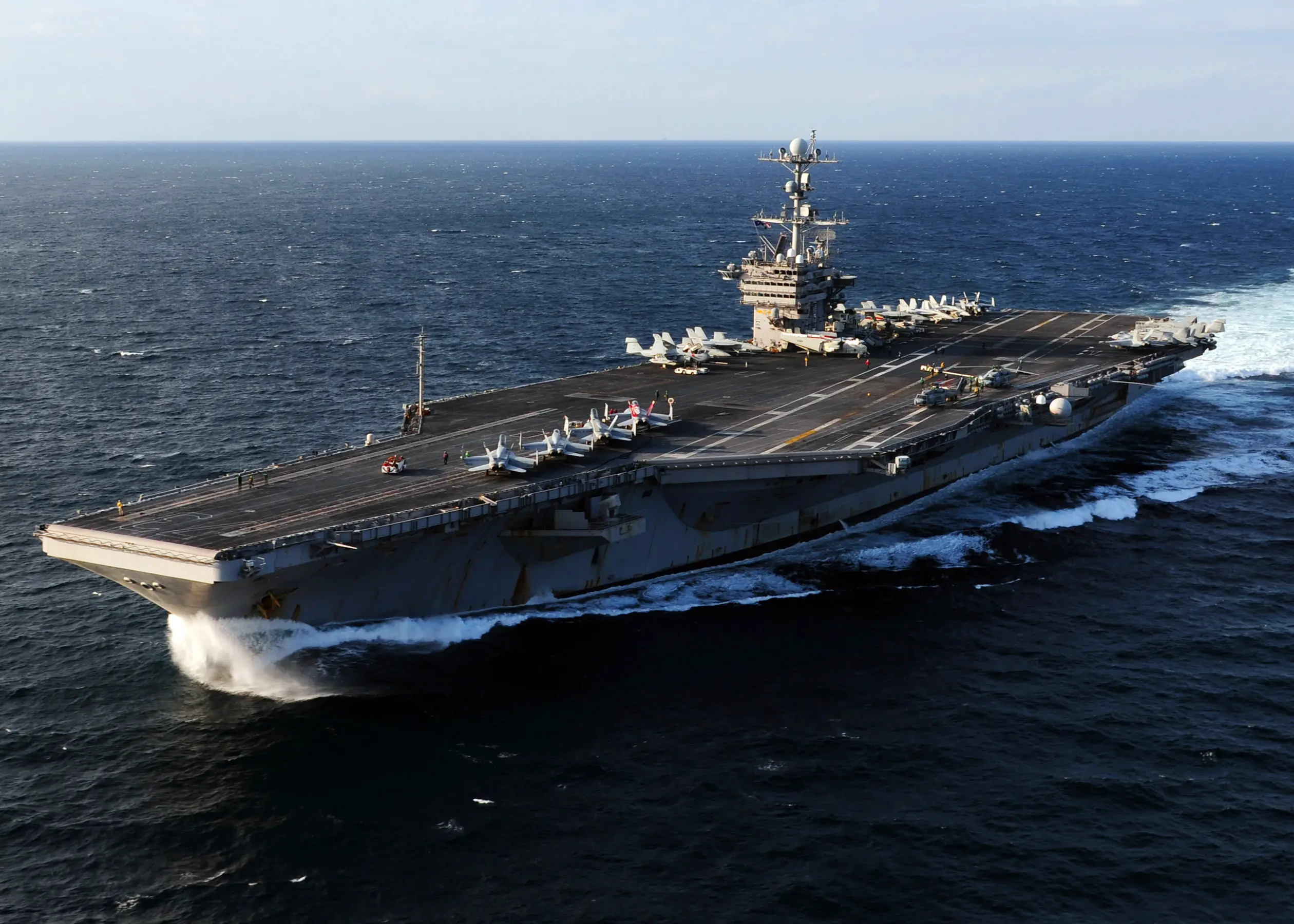
$4.9 billion maintenance bill
The RCOH process is incredibly expensive, costing the US Navy approximately $4.9 billion for the Abraham Lincoln. This massive budget covers both the refueling and the extensive modernisation of the ship’s critical systems. It ensures the carrier remains combat-ready for the second half of its 50-year service life.
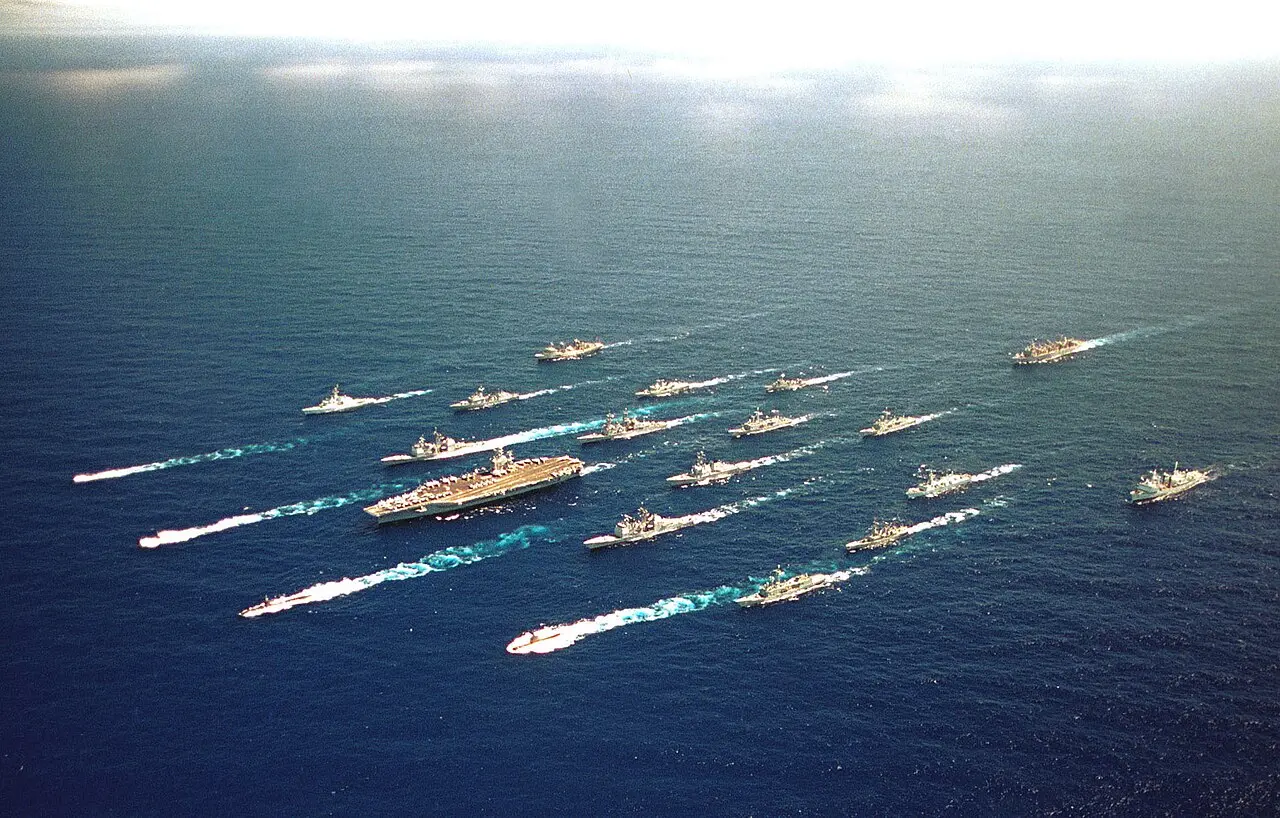
Cutting through the flight deck
To access the reactors buried deep within the ship, workers effectively peel back the layers of the vessel. Heavy machinery is used to cut through the flight deck and several levels of steel structure. This invasive procedure is necessary to remove the spent nuclear fuel and insert new uranium assemblies safely.
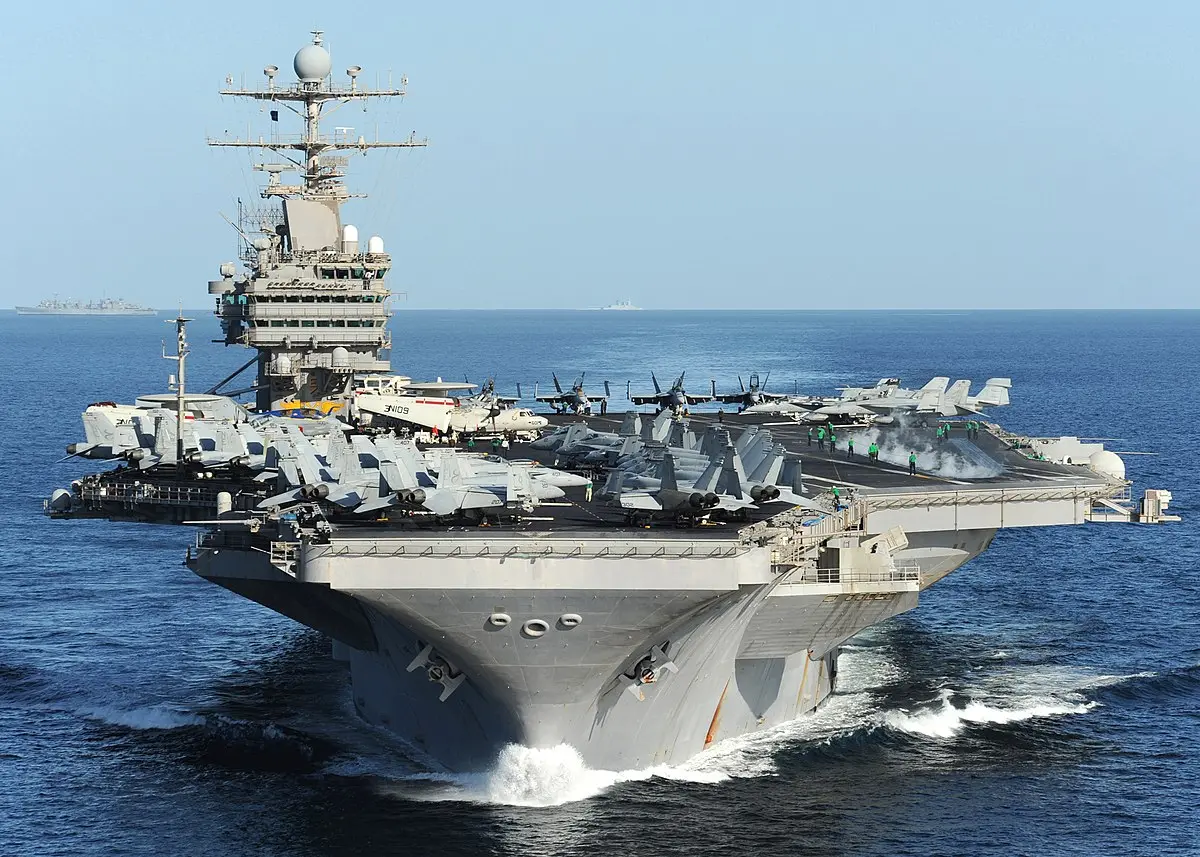
35% of ship replaced
During the refueling period, nearly 35 per cent of the ship is either replaced or significantly refurbished. Engineers upgrade the combat systems, navigation equipment, and the flight deck to handle modern aircraft like the F-35C. The ship practically emerges as a new vessel after this comprehensive overhaul.
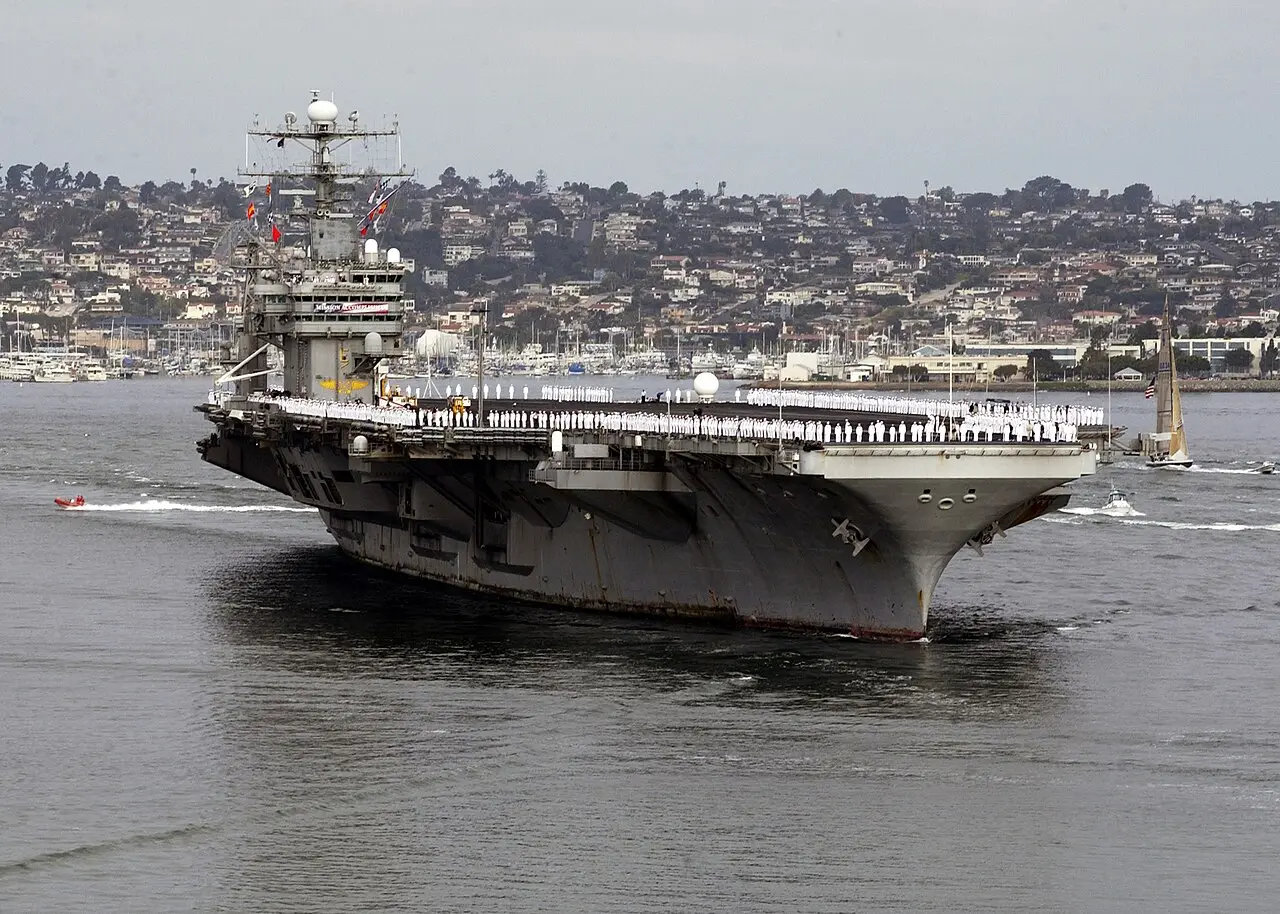
Completed overhaul in May 2017
The USS Abraham Lincoln began its mid-life refueling in March 2013 at Newport News Shipbuilding in Virginia. After more than four years of intense labour and upgrades, it was redelivered to the fleet in May 2017. It is now cleared to sail for another two decades without needing major fuel work.
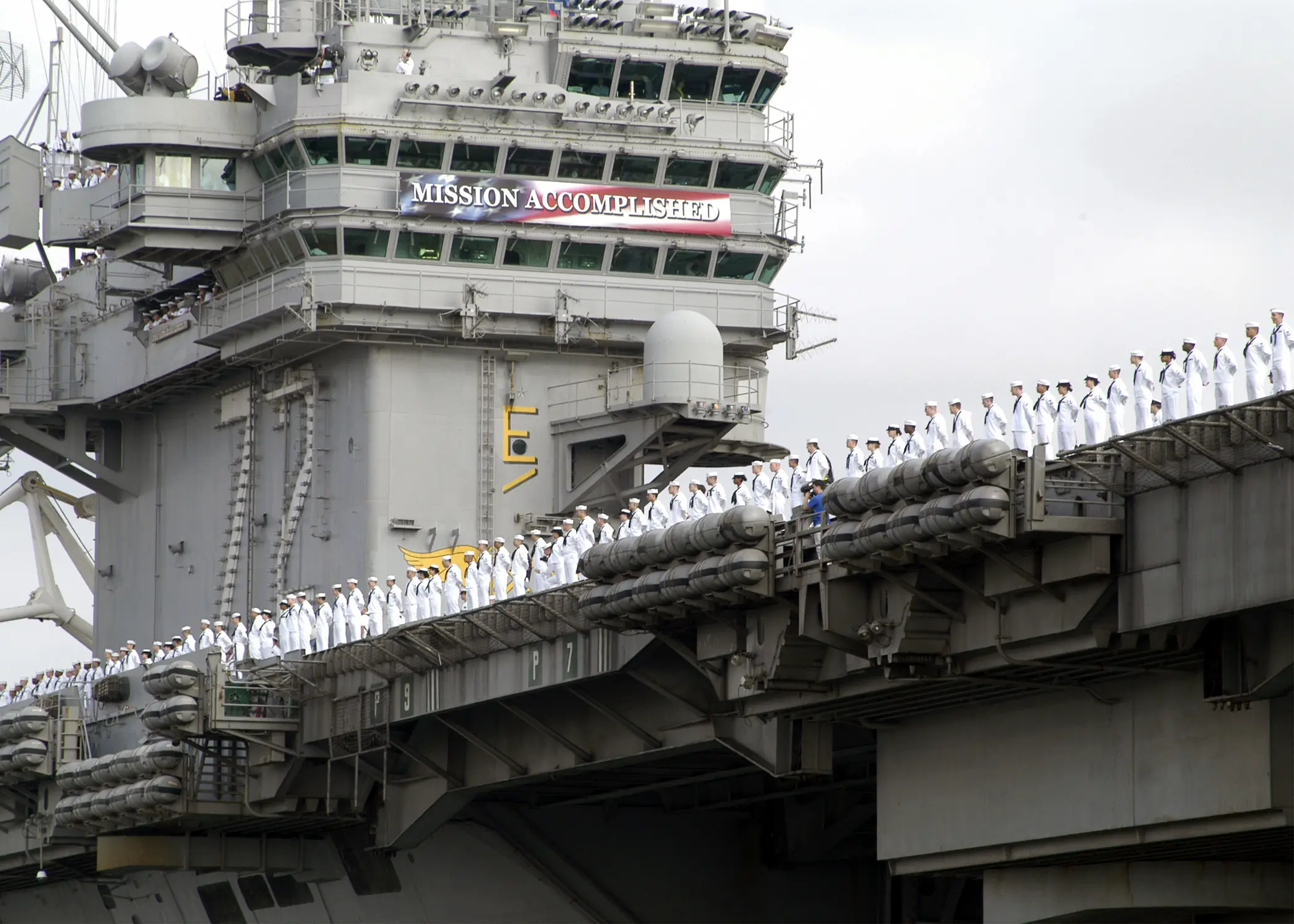
Only one shipyard can do it
The complexity of handling nuclear fuel limits where this work can happen. Huntington Ingalls Industries in Newport News is the only shipyard in the United States capable of performing an RCOH. It requires a highly specialised workforce certified to handle radioactive materials and complex naval architecture.
90 days of food storage
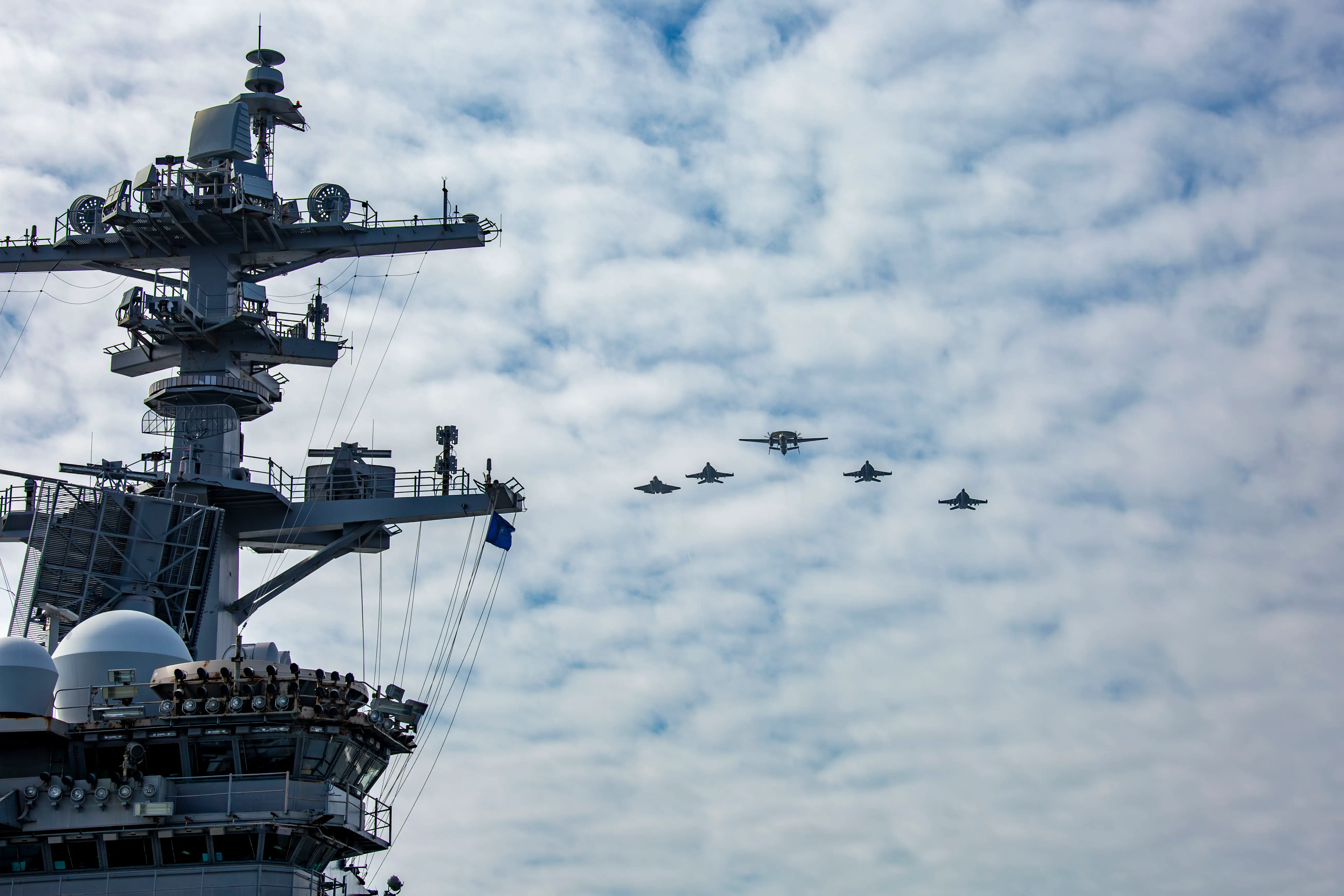
While the fuel lasts 20 years, the crew’s endurance is much shorter. The ship carries enough food and stores to sustain its 6,000 personnel for about 90 days at sea. Replenishment ships must meet the carrier regularly to transfer pallets of food, jet fuel for aircraft, and spare parts.
50 years of total service life
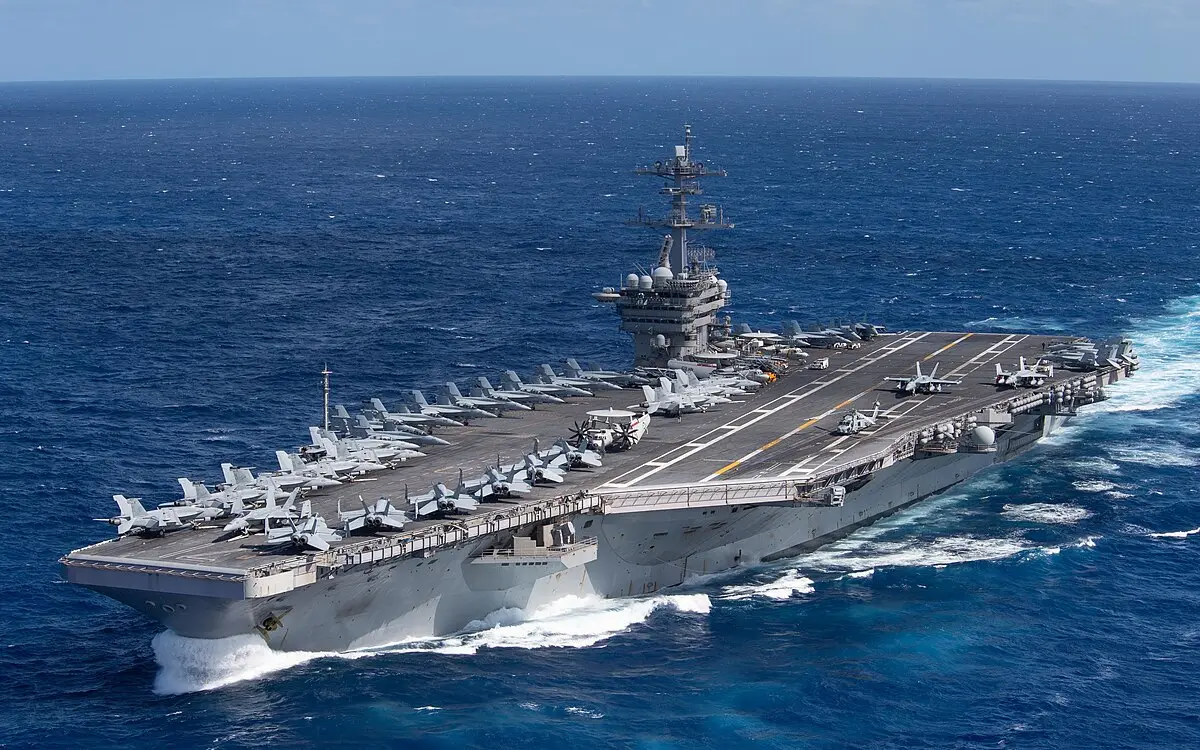
The massive investment of time and money during refueling extends the carrier's life to a full 50 years. Without this critical mid-life maintenance, the nuclear fuel would run out, rendering the ship inoperable. The Lincoln is expected to serve the US Navy effectively well into the 2040s.
)
)
)
)
)