'Rs 6,81,210 crore': Which ministry took biggest slice of Union Budget 2025 and why it matters?| Budget 2026

The allocation in 2025 marked a 9.53 per cent increase over the previous year’s estimate. Over the past few years, India has steadily increased defence spending to modernise its forces and strengthen self-reliance.
Understanding the Allocation Landscape
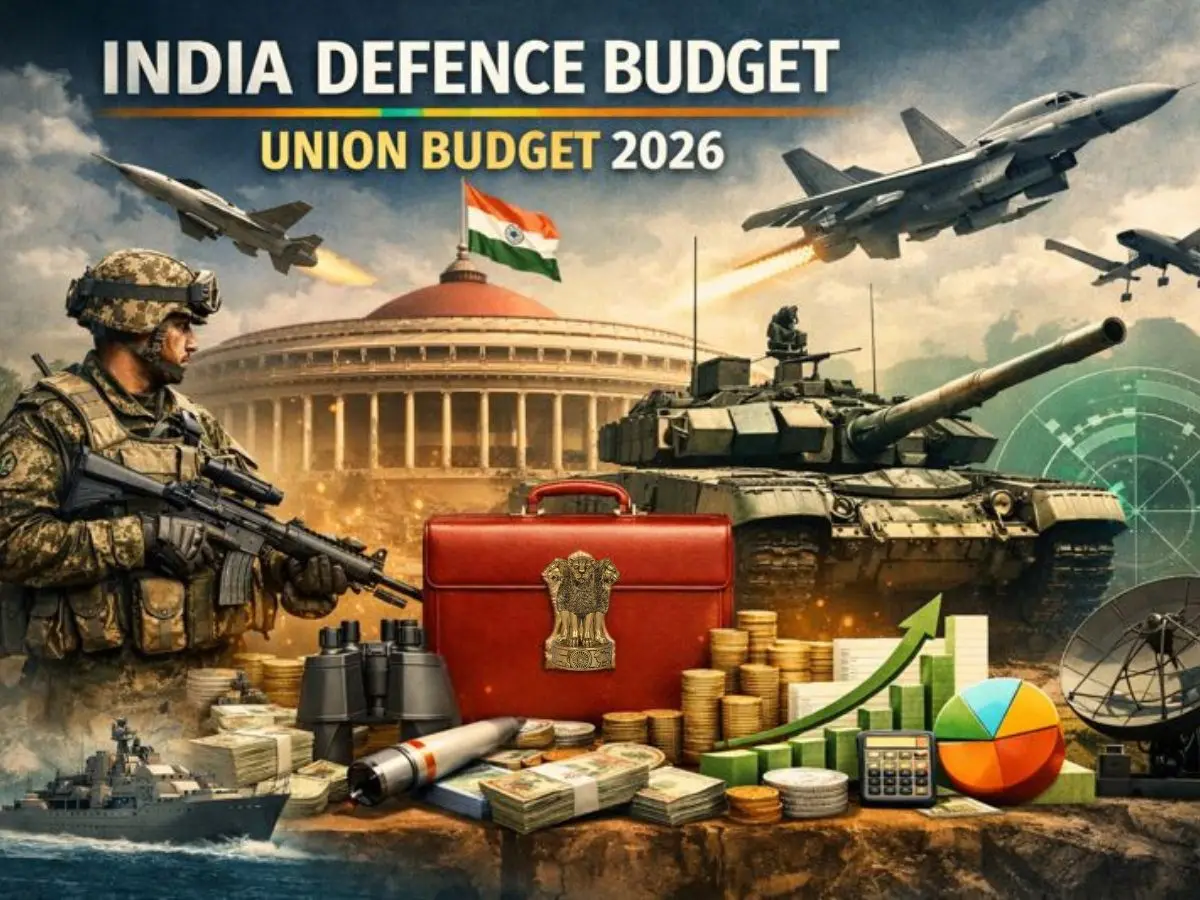
The Union Budget for 2026–27 will be presented by Finance Minister Nirmala Sitharaman in Parliament on Sunday, February 1. As attention builds around the forthcoming announcement, particularly over expected policy shifts and which ministries may receive the largest allocations, it is important to revisit the spending priorities set out in the Union Budget 2025–26. In that Budget, the Ministry of Defence emerged as the single largest recipient of funds, with an allocation of Rs. 6,81,210.27 crore, accounting for 13.45 per cent of total government expenditure. The allocation marked a 9.53 per cent increase over the previous year’s estimate. Over the past few years, India has steadily increased defence spending to modernise its forces and strengthen self-reliance.

Defence Retained the Top Position
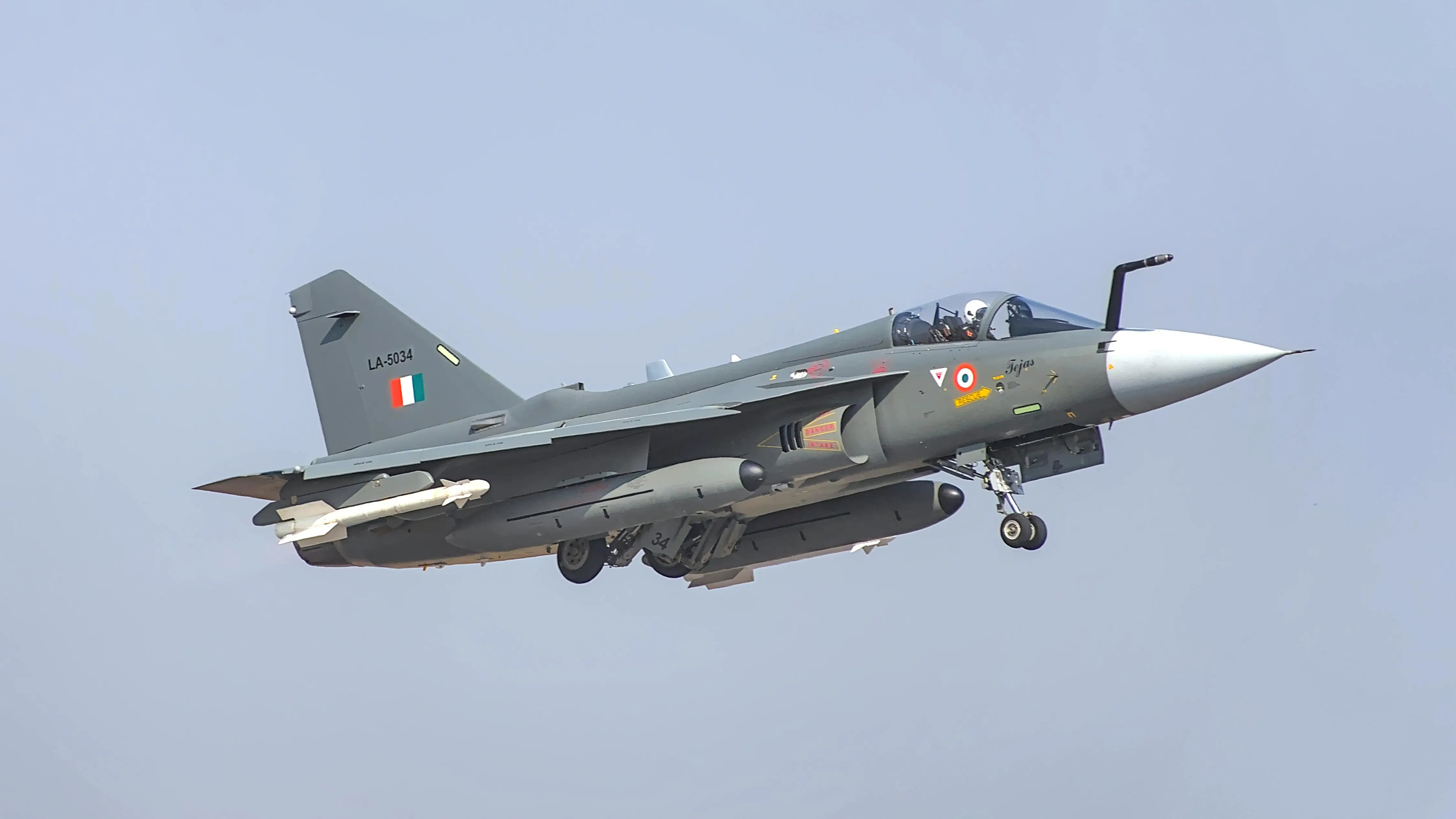
In Union Budget 2025–26, defence spending led all ministries. Of the Rs. 6.81 lakh crore allocation, Rs. 3,11,732.30 crore was earmarked for revenue expenditure, covering salaries, allowances and operational readiness. This constituted 45.76 per cent of the total allocation. Capital outlay was fixed at Rs. 1,80,000 crore for modernisation and acquisitions, while defence pensions accounted for Rs. 1,60,795 crore. Civil organisations under the Ministry of Defence received Rs. 28,682.97 crore.
Capital Spending and Indigenous Manufacturing
Capital expenditure remained a key focus. Of the capital allocation, Rs. 1,48,722.80 crore was set aside for capital acquisitions such as platforms and equipment, while Rs. 31,277.20 crore was earmarked for research, infrastructure and development. Notably, 75 per cent of the modernisation budget was reserved for procurement from domestic sources, reinforcing the push for indigenous defence manufacturing.
Higher Outlay for Defence Research
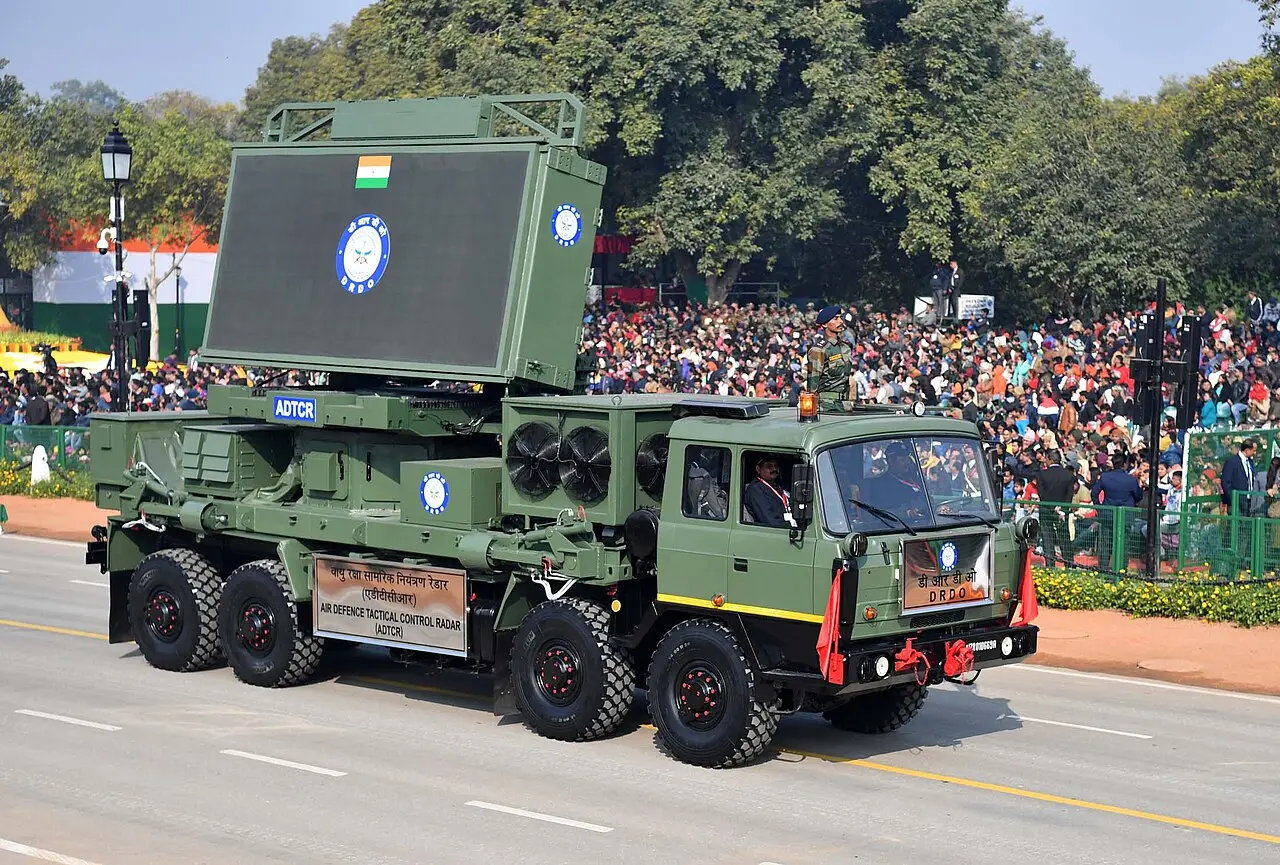
The Defence Research and Development Organisation received Rs. 26,816.82 crore in 2025–26, marking a 12.41 per cent increase over the previous year’s budget estimate which stood at Rs. 23,855.61 crore. The allocation supported work on advanced defence technologies and deeper collaboration with domestic industry.

Strategic and Security Infrastructure
Beyond core defence spending, the Indian Coast Guard was allocated Rs. 9,676.70 crore to strengthen maritime security. The Border Roads Organisation received Rs. 7,146.50 crore for strategic road and connectivity projects in border areas, combining security and regional development objectives.
Why This Allocation Shapes Budget 2026 Expectations
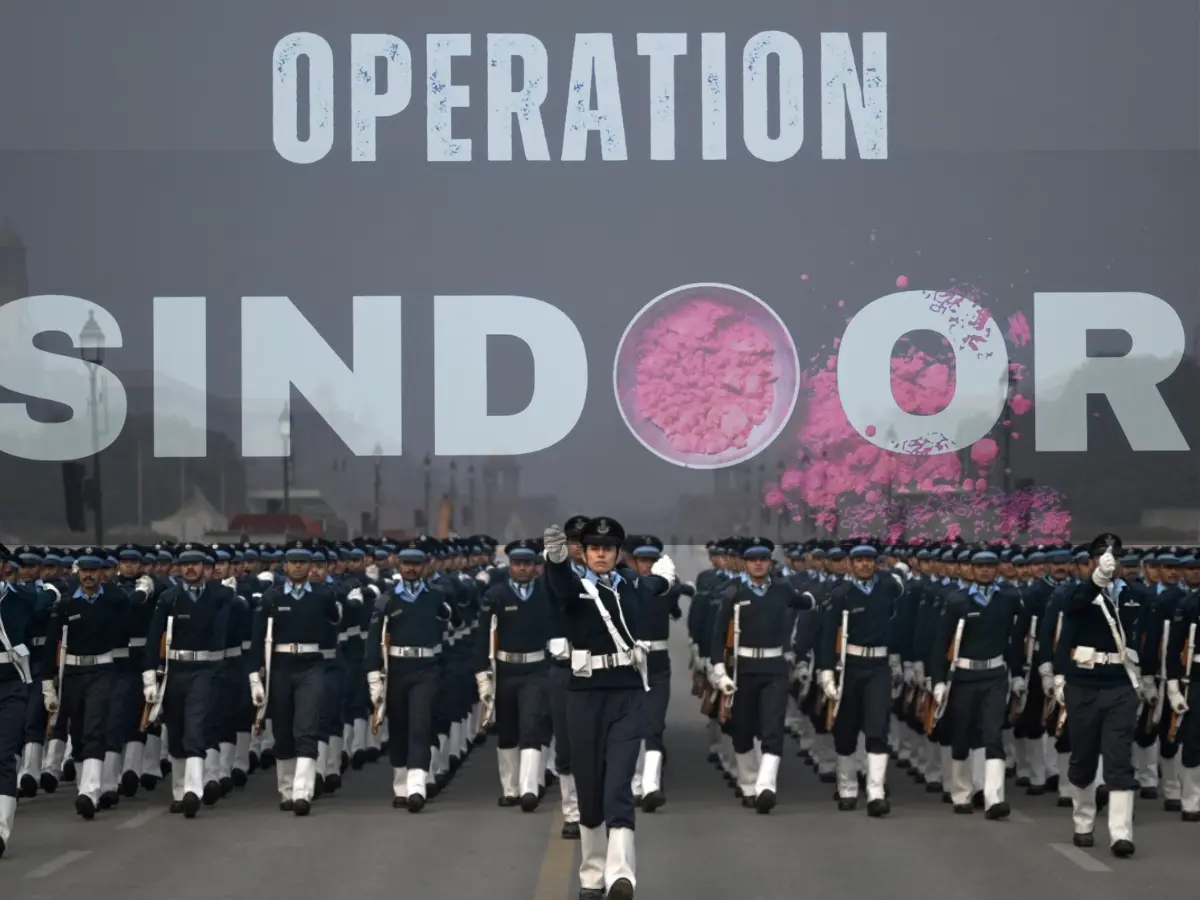
In May 2025, India’s swift military response to escalating cross-border threats under Operation Sindoor brought renewed focus on rapid mobilisation and operational readiness. The episode further sharpened attention within the Ministry of Defence on the need for adequate budgetary support, particularly for emergency procurement of frontline equipment, strengthened border surveillance and faster reaction capabilities, including drones and counter-UAV systems. As the nature of warfare continues to evolve, future battlefields are increasingly shaped by speed, data and automation. Against this backdrop, defence analysts expect Budget 2026 to place greater emphasis on artificial intelligence for command, control and decision-support systems, along with expanded investment in drone warfare, counter-drone technologies, and cyber and electronic warfare capabilities.
)
)
)
)
)