'Rogue waves': Can a massive hurricane sink the USS Abraham Lincoln?

The 100,000-tonne USS Abraham Lincoln uses a low centre of gravity, a 134-foot wide hull, and 30-knot speeds to survive extreme hurricanes and rogue waves without sinking.
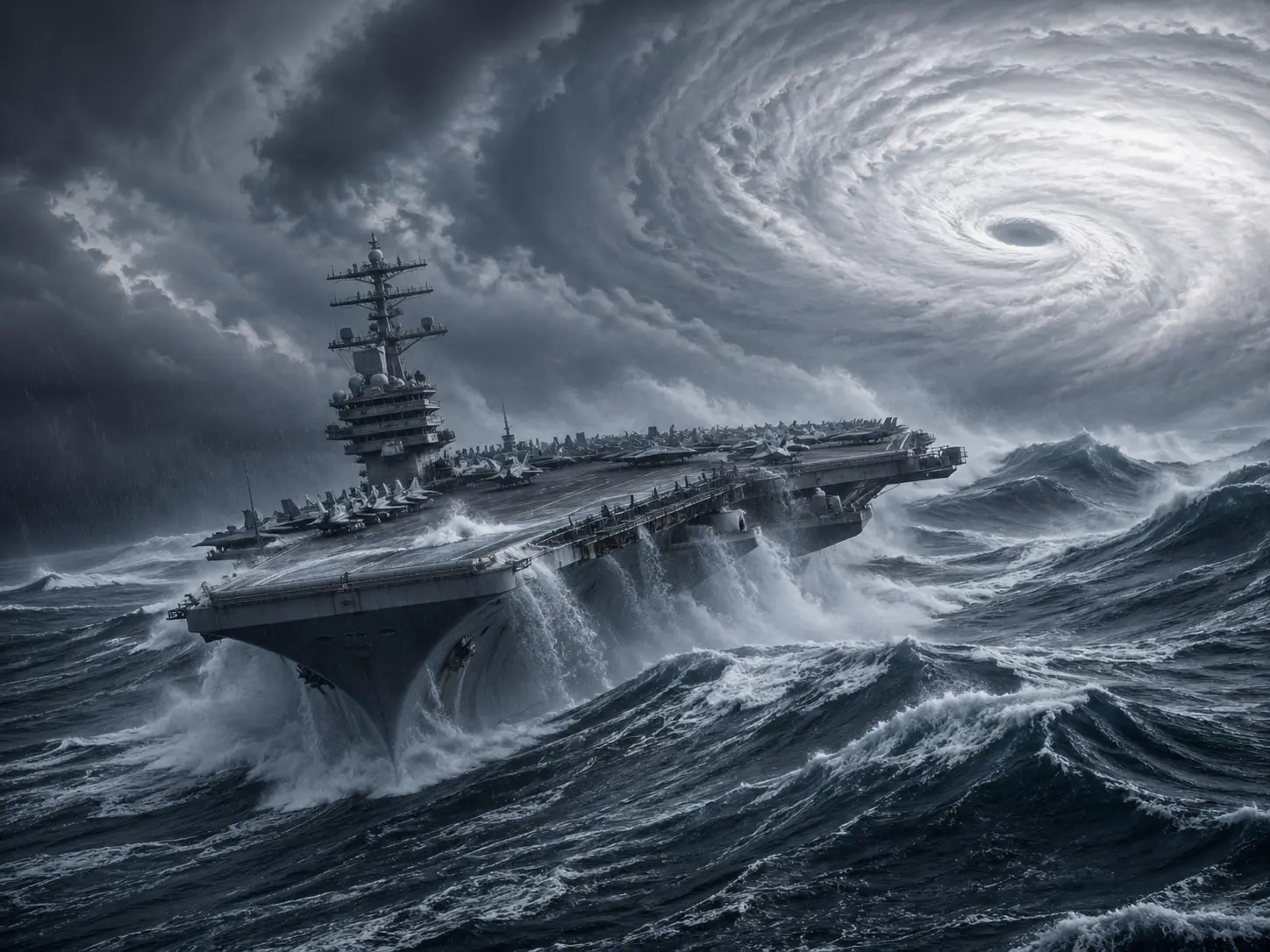
100,000-tonne low centre
The USS Abraham Lincoln displaces over 100,000 tonnes. Despite a massive flight deck, heavy nuclear reactors and machinery sit deep within its lower hull. This extremely low centre of gravity ensures the ship remains stable and resists capsizing in rough seas.
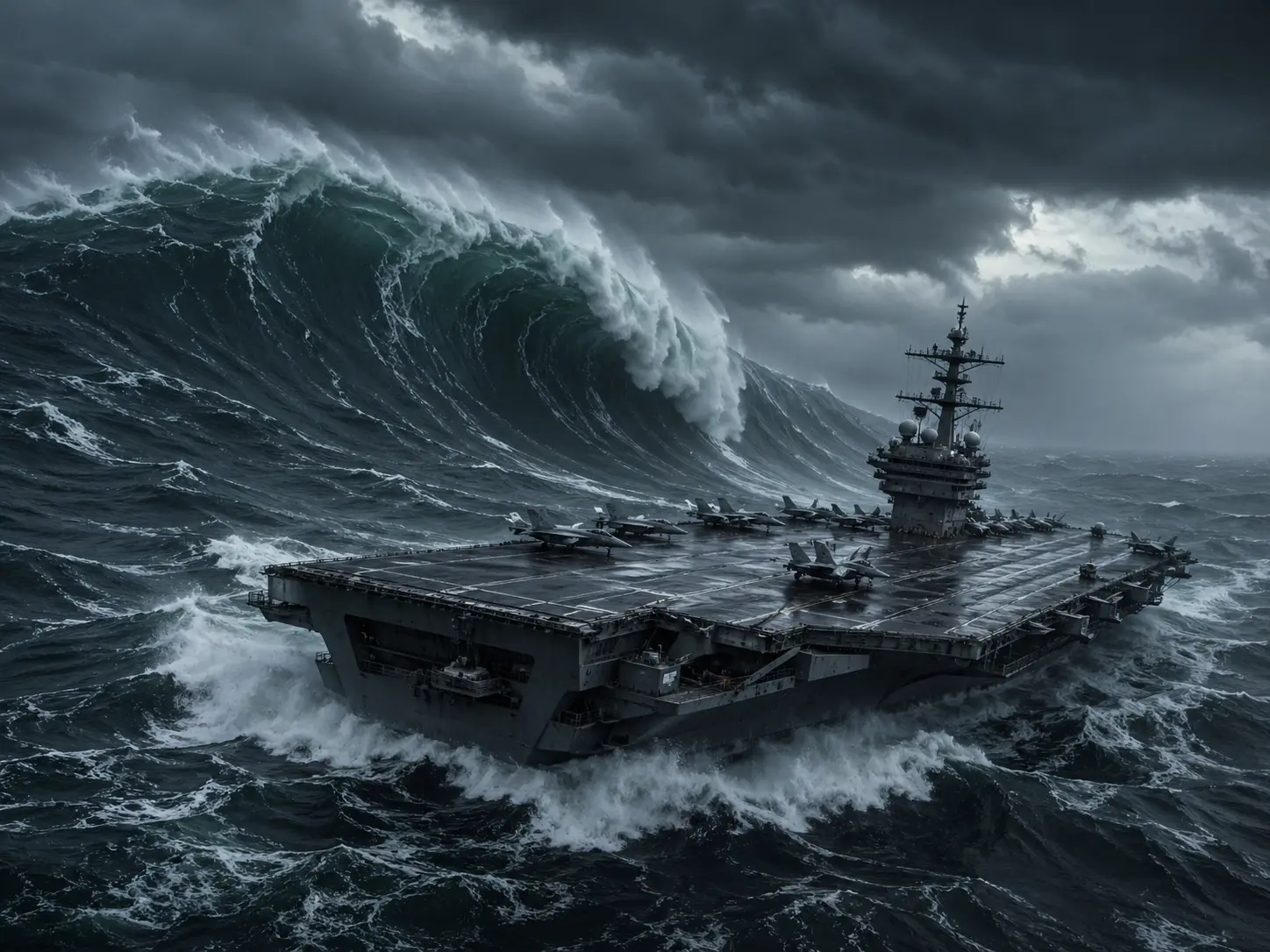
134-foot wide waterline
Nimitz-class carriers feature a waterline width of exactly 134 feet. This broad and flat hull acts as a highly stable platform on the ocean. When extreme winds tilt the ship, the massive water displacement pushes back, creating a powerful righting moment.
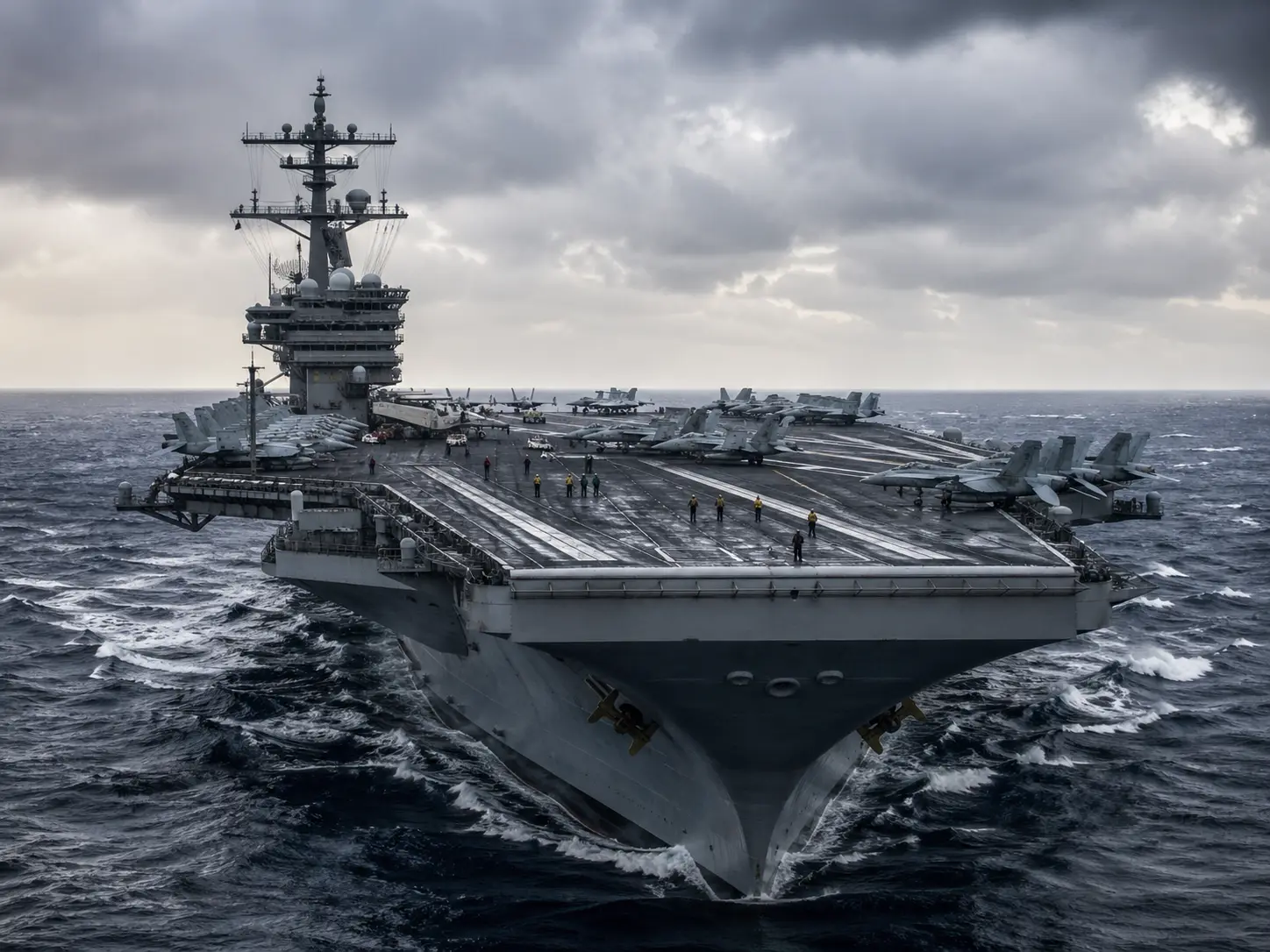
100-foot rogue waves
Rogue waves can suddenly tower up to 100 feet in the open ocean. With the carrier's flight deck roughly 60 feet above the waterline, giant waves could wash over it. However, heavy steel armour and secure watertight compartments prevent the vessel from sinking.
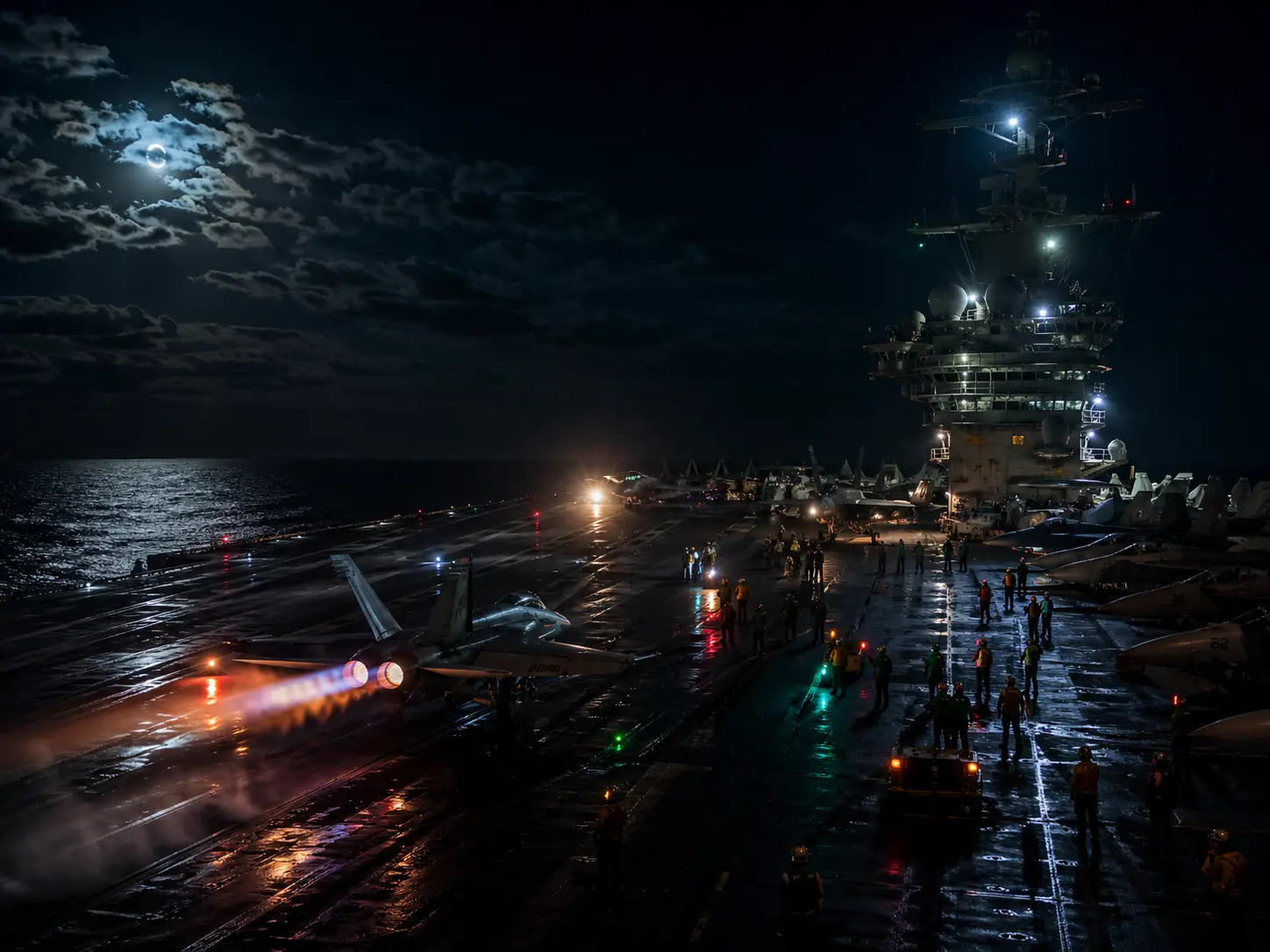
30-knot storm evasion
Modern carrier strike groups rely on advanced military radar to track extreme weather. Powered by two nuclear reactors, the ship travels at speeds exceeding 30 knots. This impressive speed allows the crew to simply outrun and bypass massive hurricanes altogether.
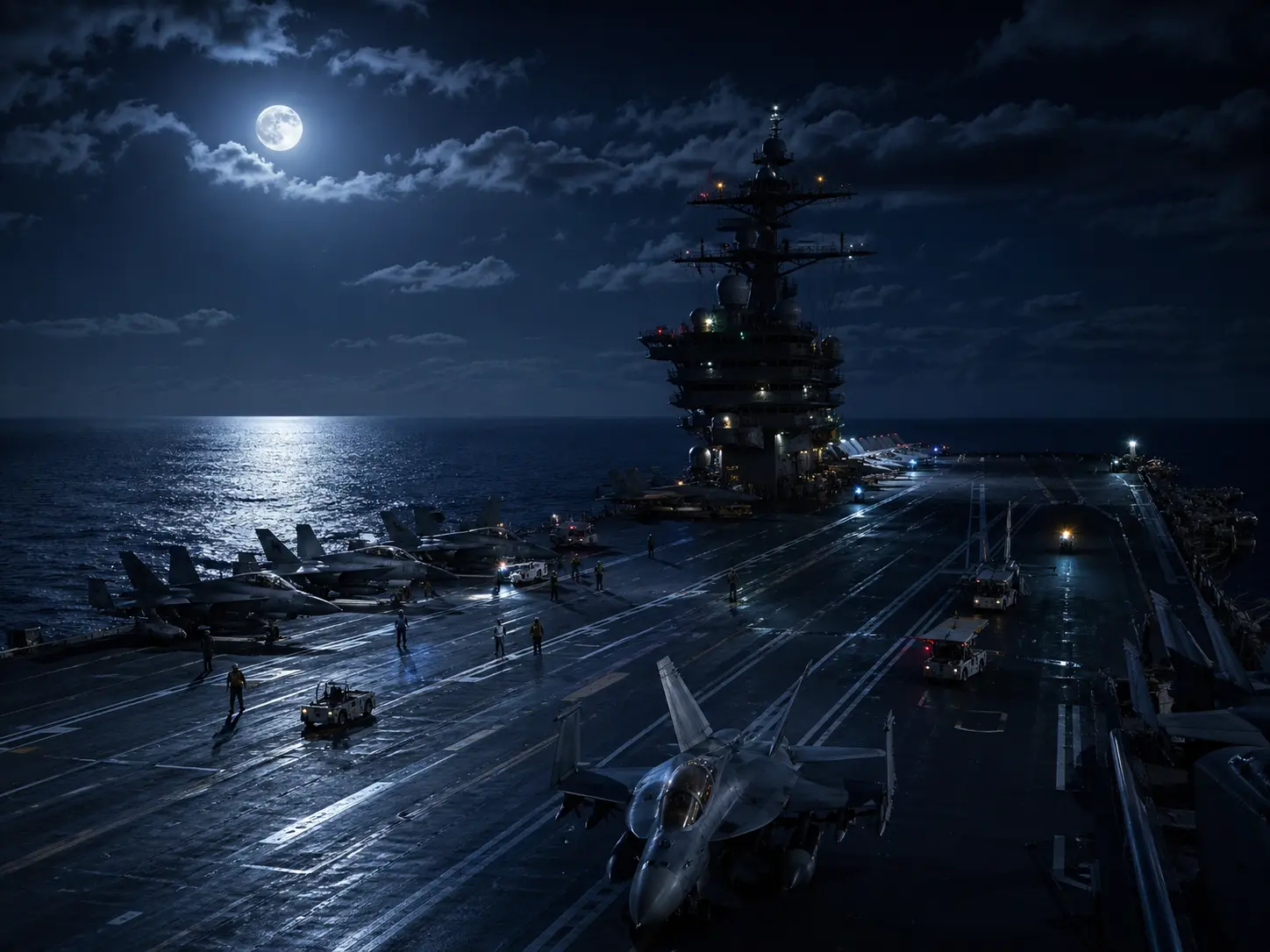
1,092-foot ship at sea
When a Category 5 hurricane approaches a naval base, supercarriers are often deployed directly to the open ocean. A 1,092-foot vessel is much safer riding out large swells at sea. Remaining tied to a pier risks catastrophic structural damage from repeated battering.
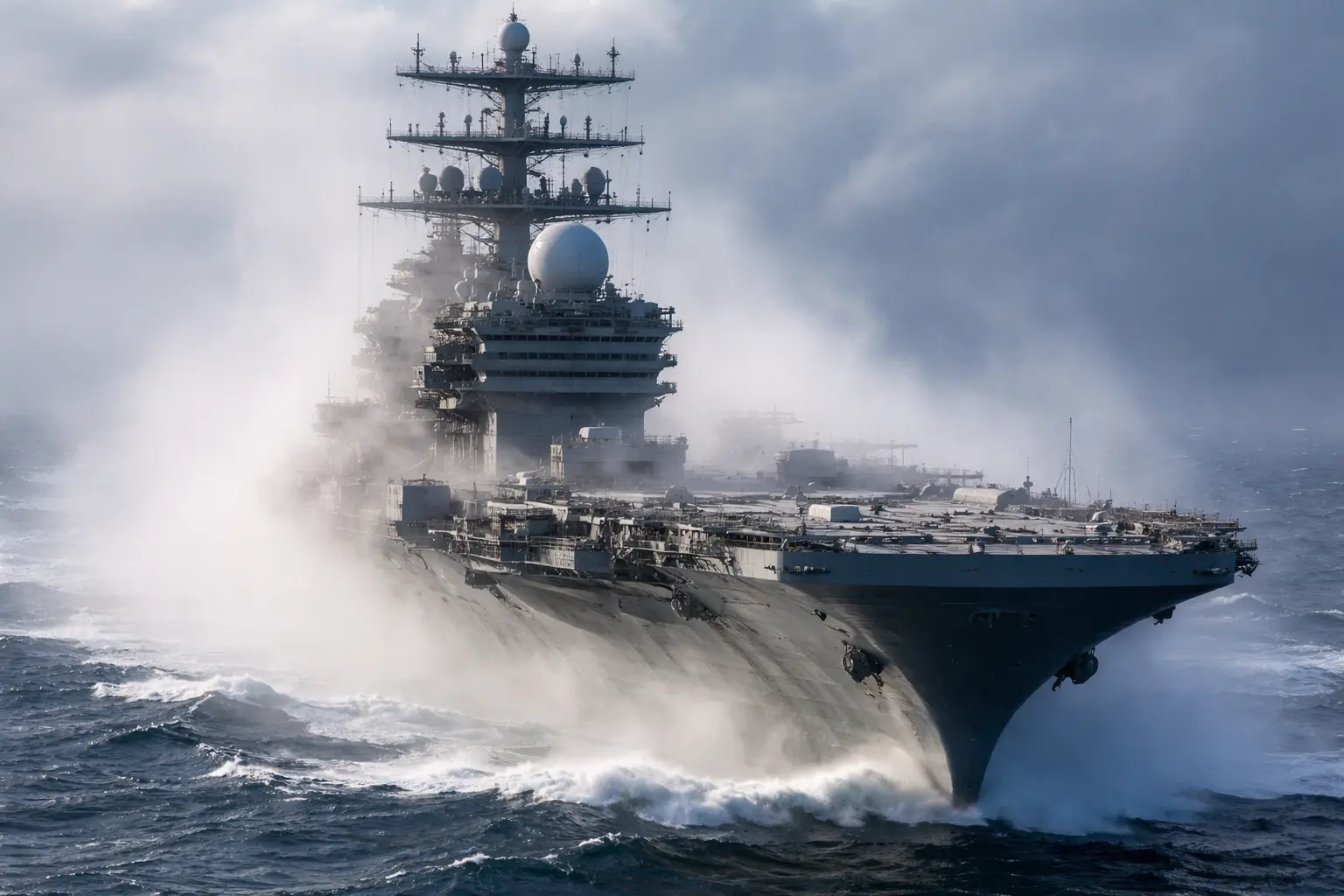
Facing 50-foot swells
If caught in severe weather, the crew secures all aircraft to the deck using heavy chains. The captain then steers the bow directly into the incoming waves. Cutting straight through the water prevents the ship from rolling dangerously from side to side.
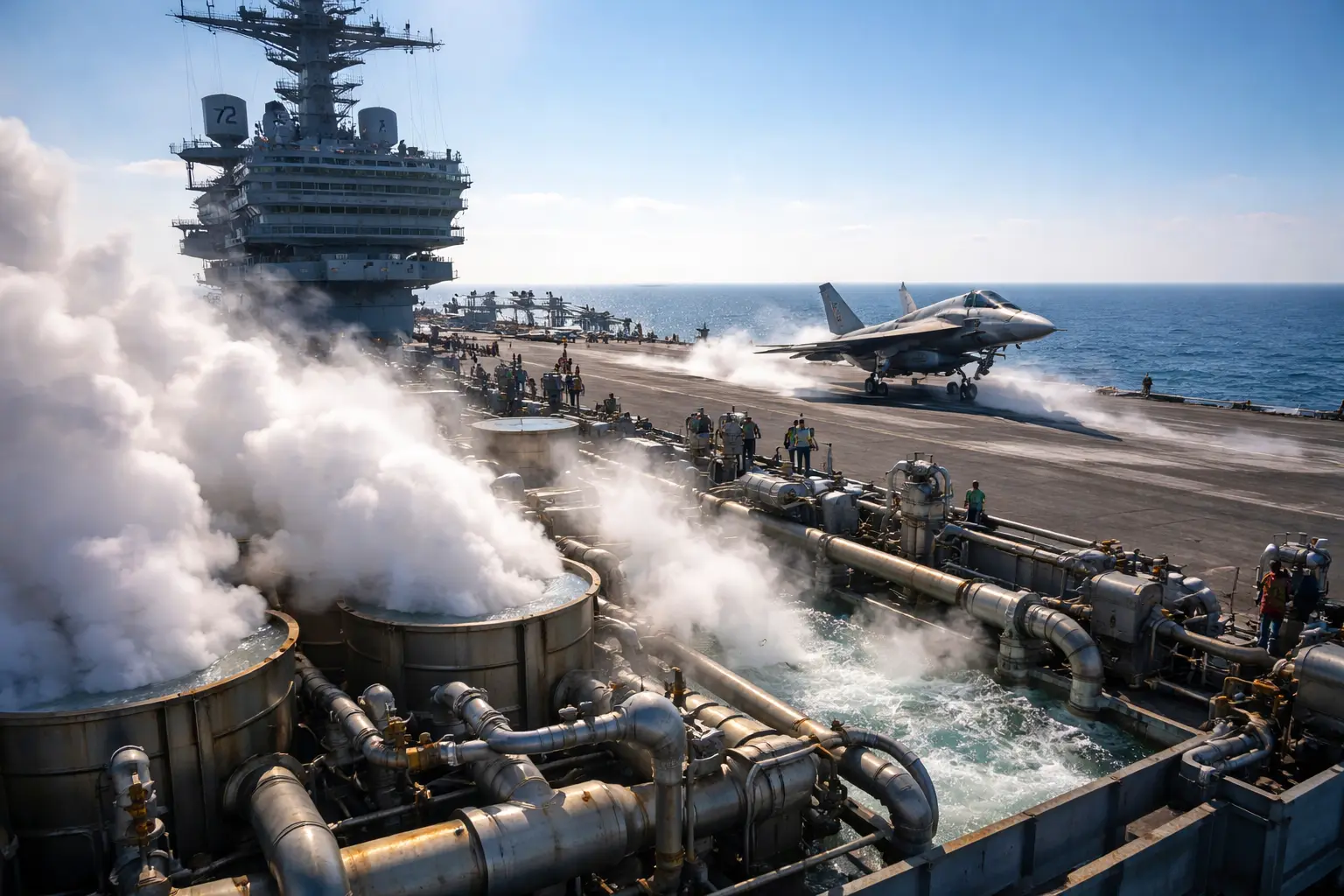
1944 Typhoon Cobra lesson
During World War II, Typhoon Cobra sank three US destroyers and damaged several smaller carriers. Today, supercarriers are vastly larger and rely on highly advanced technology. Sinking a modern nuclear carrier through weather alone is virtually impossible.
)
)
)
)
)