‘Ranked by thrust’: Top 10 most powerful rockets ever built

From SpaceX’s Super Heavy to NASA’s SLS are pushing launch power to record levels. SpaceX's Super Heavy generates 16.7 million pounds thrust, world's most powerful rocket. Saturn V delivered 7.5 million pounds during Apollo missions. SLS produces 8.8 million pounds thrust.
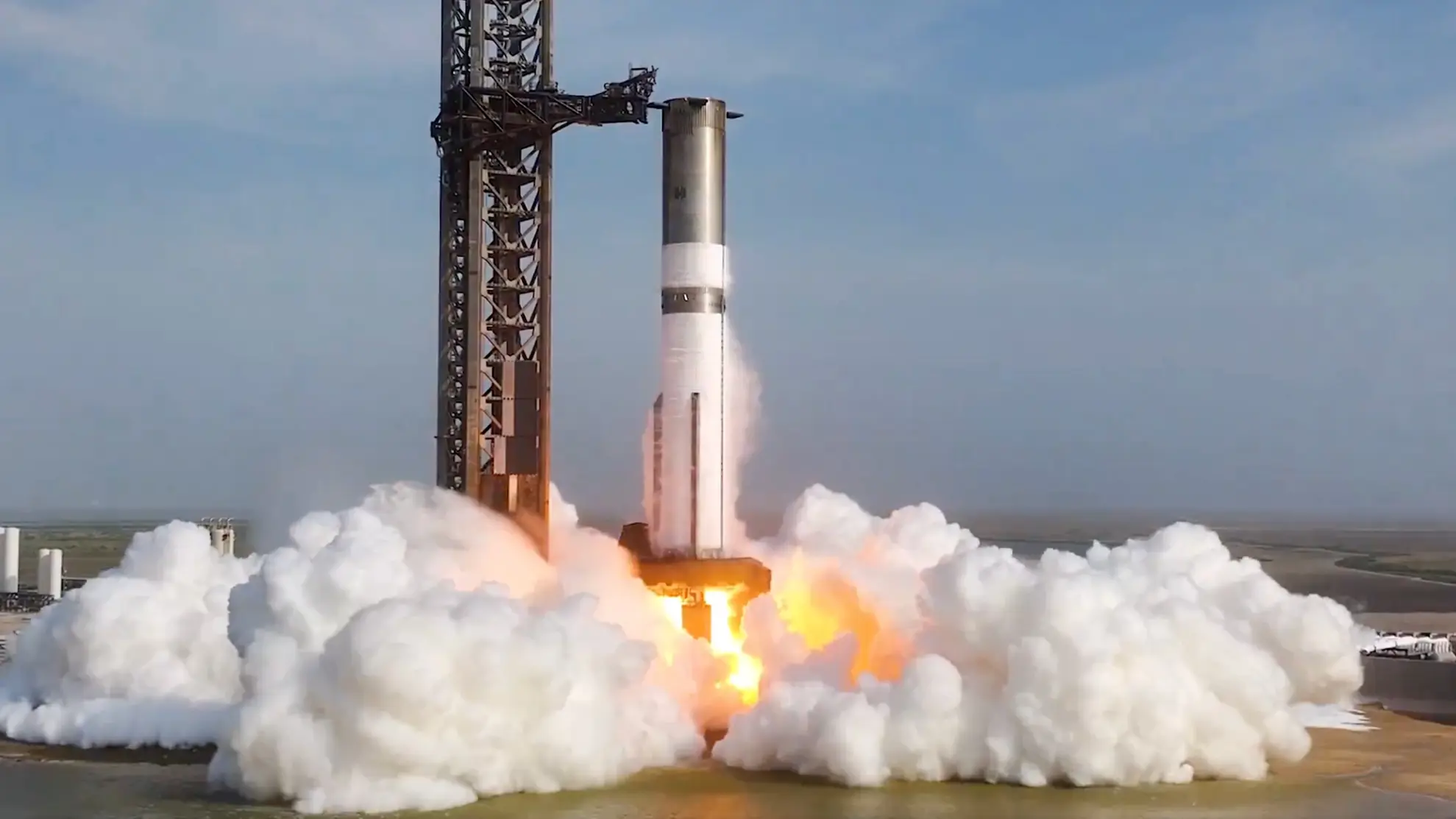
SpaceX Super Heavy - 16.7 Million Pounds Thrust
The SpaceX Super Heavy booster currently holds the world record as the most powerful rocket ever built, generating approximately 16.7 million pounds (74,000 kilonewtons) of thrust at launch. This compares to Saturn V's 7.5 million pounds, making Super Heavy over twice as powerful. The booster completed full-power testing during its second integrated flight test in November 2023 and continues regular launches. Plans include deploying Super Heavy for lunar missions and Mars transportation in coming years.
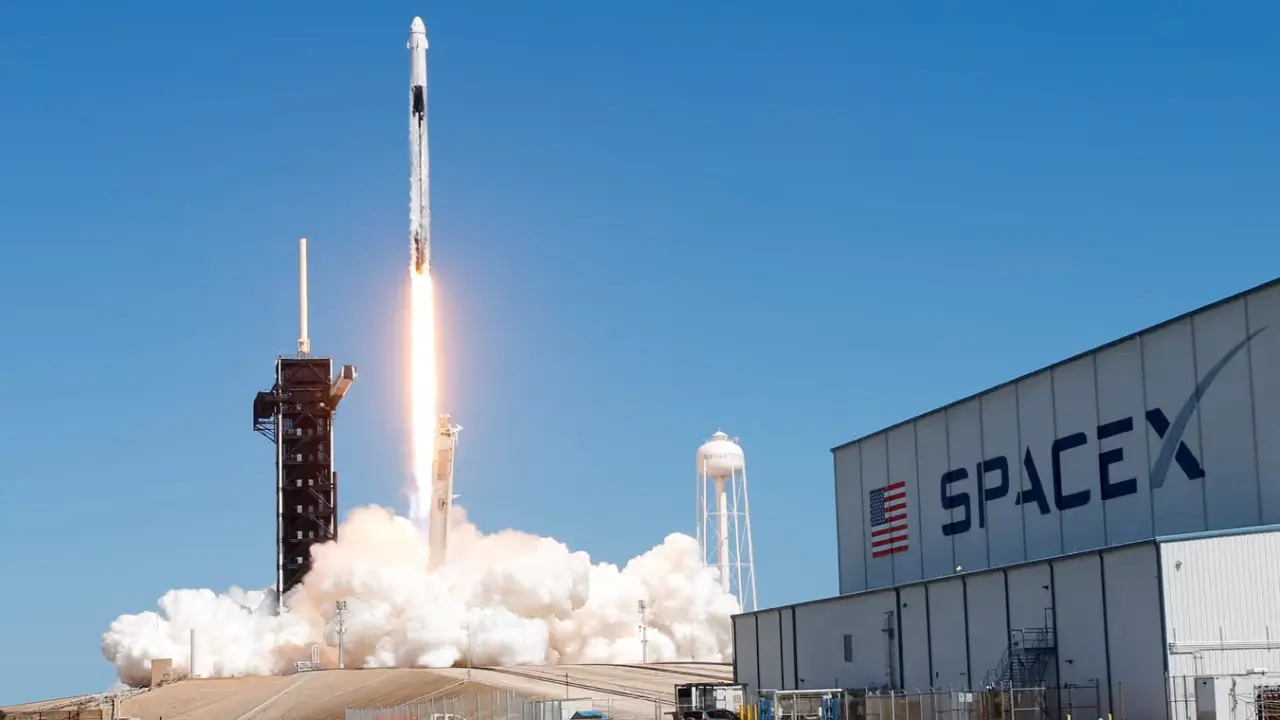
SpaceX Starship Full Stack - Over 29 Million Pounds Combined
When combined with the Starship second stage, the total system thrust exceeds 29 million pounds, making it humanity's most powerful fully-integrated launch vehicle. Starship is designed for full reusability and can carry up to 150 tonnes to low Earth orbit as a reusable system or 250 tonnes in expendable mode. SpaceX targets operational Mars transportation missions within the next decade using Starship's unmatched payload capacity and reusability features.
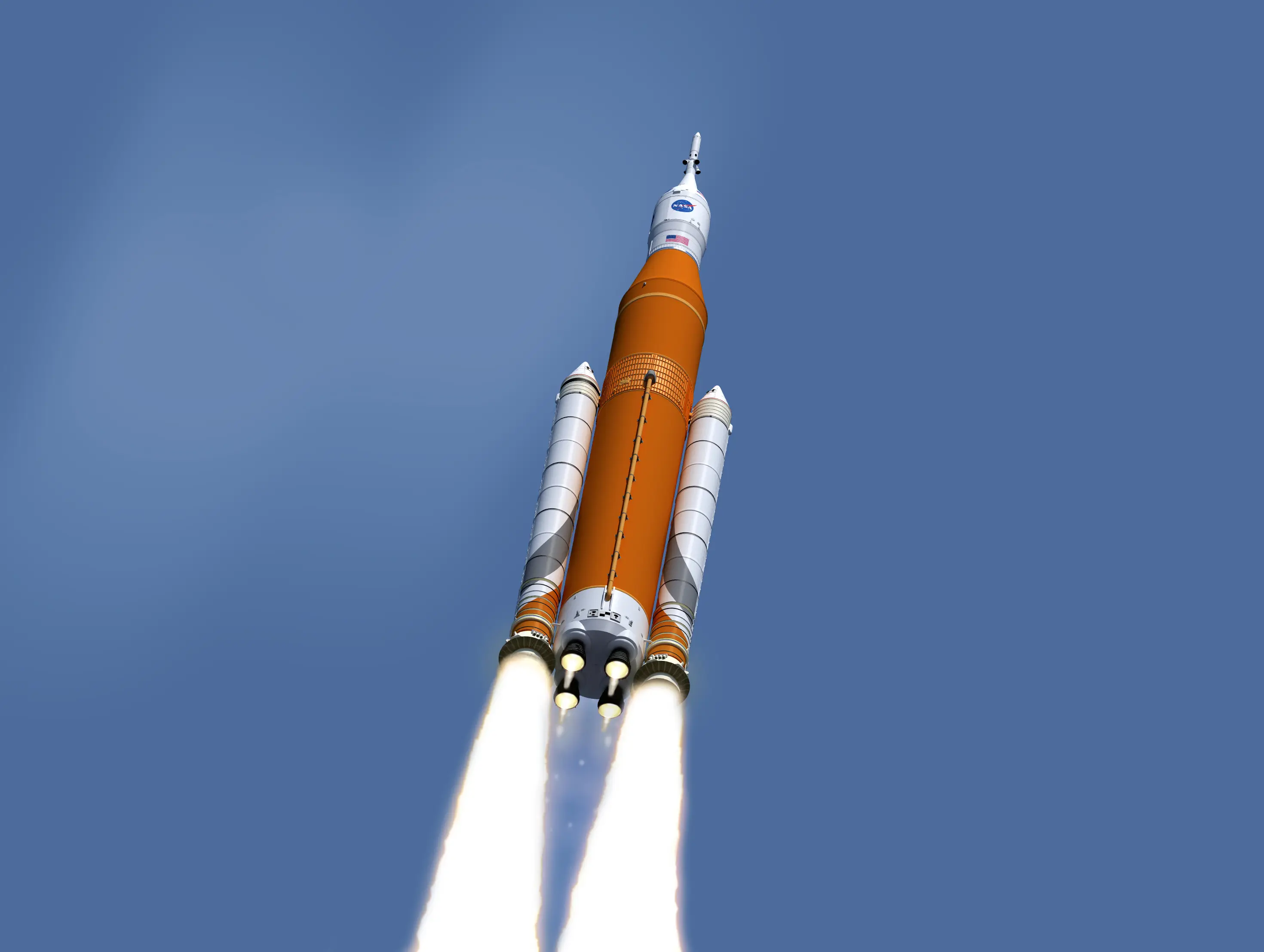
NASA Space Launch System - 8.8 Million Pounds Thrust
NASA's Space Launch System (SLS) produces 8.8 million pounds of maximum thrust at launch, approximately 15 per cent more powerful than Saturn V. The system combines four RS-25 engines plus two solid rocket boosters producing 3.2 million pounds each during the first two minutes of flight. SLS engines operate at 113 per cent of design thrust following 2018 upgrades. The rocket is purpose-built for deep space exploration and lunar missions beyond Earth orbit.

Saturn V - 7.5 Million Pounds
Saturn V remains the most powerful rocket ever operationally launched, generating 7.5 million pounds (33.4 meganewtons) of thrust with five F-1 first-stage engines. Designed for Apollo missions in the 1960s, Saturn V successfully launched twelve astronauts to the Moon. The rocket was 363 feet tall, consumed 13 tonnes of fuel per second, and delivered 310,000 pounds to low Earth orbit. Saturn V set the performance standard for all heavy-lift rockets developed afterwards.
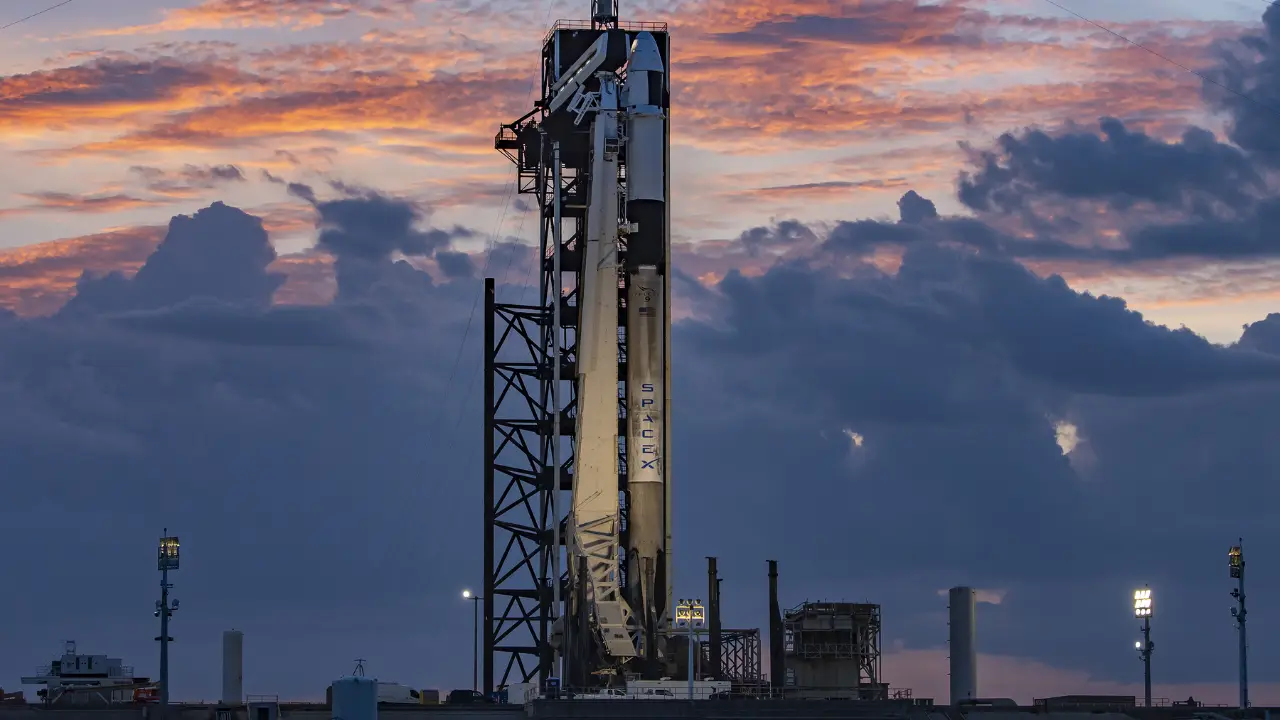
SpaceX Falcon Heavy - 5.1 Million Pounds Thrust
Falcon Heavy consists of three Falcon 9 cores with 27 Merlin engines combined generating 5.13 million pounds of thrust at liftoff. The rocket can lift nearly 64 metric tonnes to low Earth orbit and has successfully completed numerous missions including heavy satellite deployments. Falcon Heavy's three-core configuration allows landed recovery of all cores for reuse. The design provides approximately 18 times the thrust of a Boeing 747 at full power.

Long March 9 - Planned 330,000 Pound Payload Capacity
China's Long March 9 heavy-lift rocket is under development with planned capabilities exceeding Saturn V in payload capacity. The three-core design generates thrust comparable to Starship's Super Heavy, targeting approximately 16 million pounds. Initial testing phases began in 2025 with operational deployment anticipated within 5-7 years. Long March 9 will enable Chinese crewed lunar missions and deep space exploration programmes.
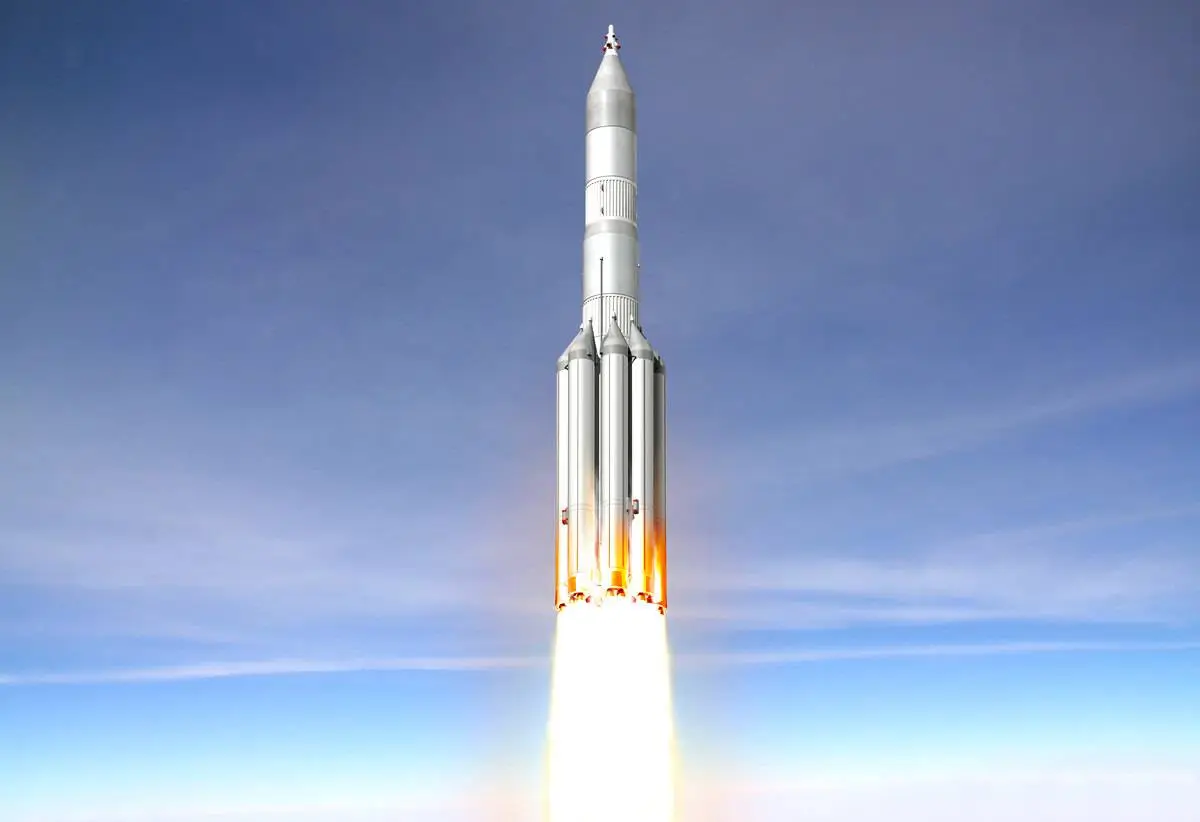
Russia's Yenisei - Planned 290,000 Pound Payload
Russia's Roscosmos developed the Yenisei heavy-lift launch vehicle as a competitor to SLS and Starship, designed to deliver 290,000 pounds (132 metric tonnes) to low Earth orbit. The rocket features development partnerships with European and other international agencies. Yenisei testing commenced in late 2024 with operational flights projected between 2028-2030. The design emphasises reliability and incremental capability demonstration.
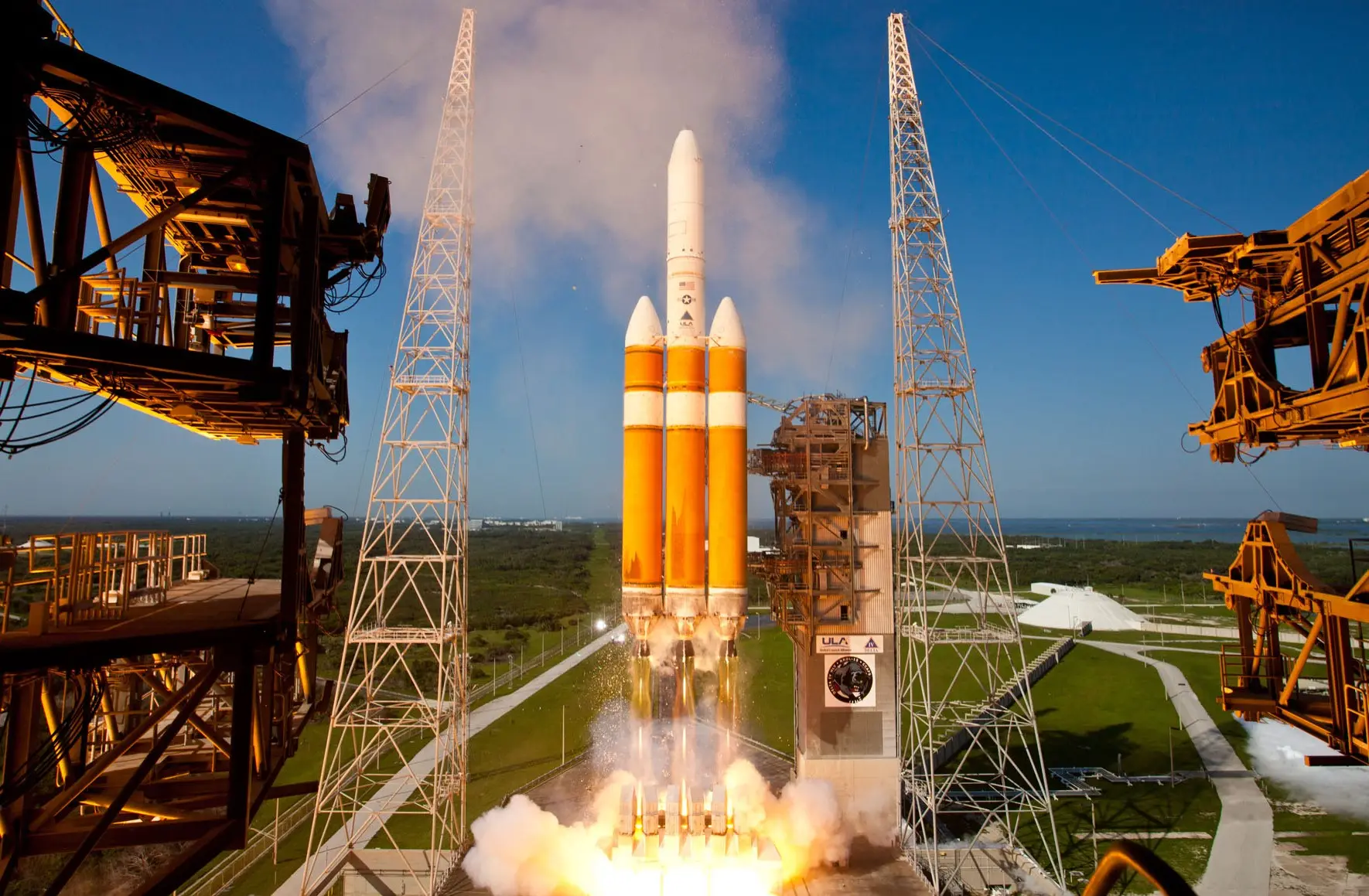
Delta IV Heavy - 4.2 Million Pounds Thrust
The United Launch Alliance Delta IV Heavy uses three common core booster modules generating 4.2 million pounds of thrust at launch. The rocket lifted extremely heavy national security payloads and scientific missions before SpaceX offerings became dominant. Delta IV Heavy maintains operational capability for specific mission requirements demanding exceptional reliability. The three-core architecture influenced subsequent heavy-lift rocket designs.
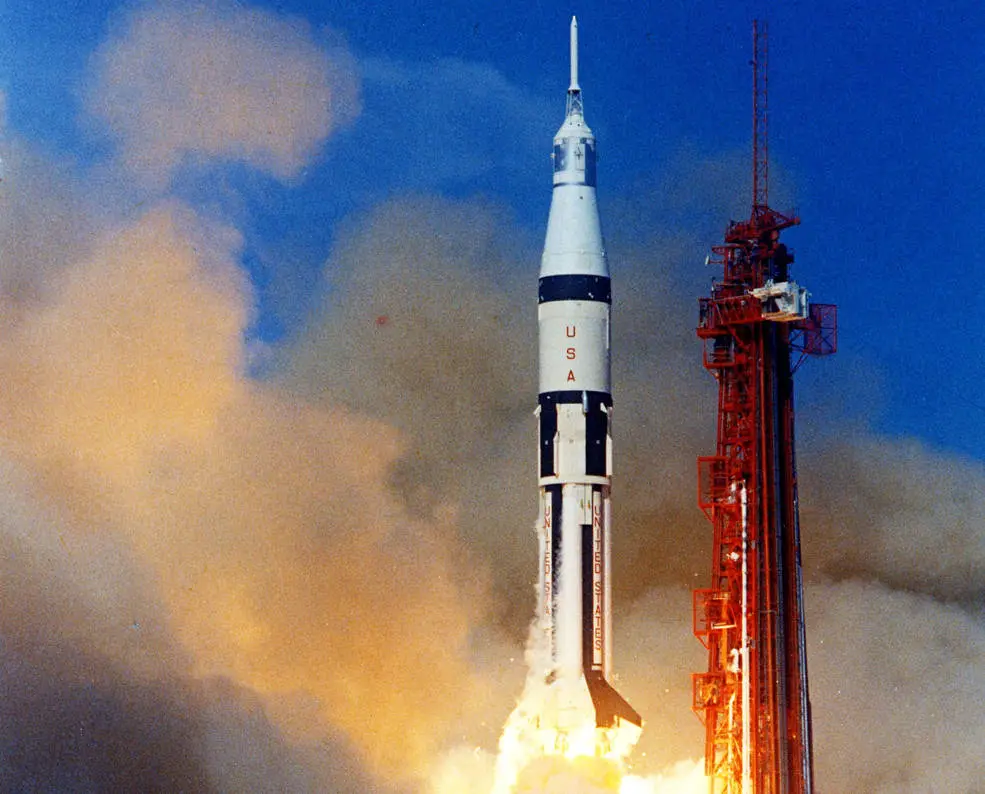
Saturn IB - 2.3 Million Pounds, Apollo Applications
Saturn IB represented an intermediate vehicle between Saturn I and Saturn V, producing 2.3 million pounds of thrust with a single F-1 first-stage engine and four J-2 second-stage engines. Saturn IB launched Skylab missions and Apollo-Soyuz missions during the 1970s. The vehicle demonstrated reliable performance across 17 operational flights, providing valuable development experience leading to Saturn V improvements and subsequent rocket designs.

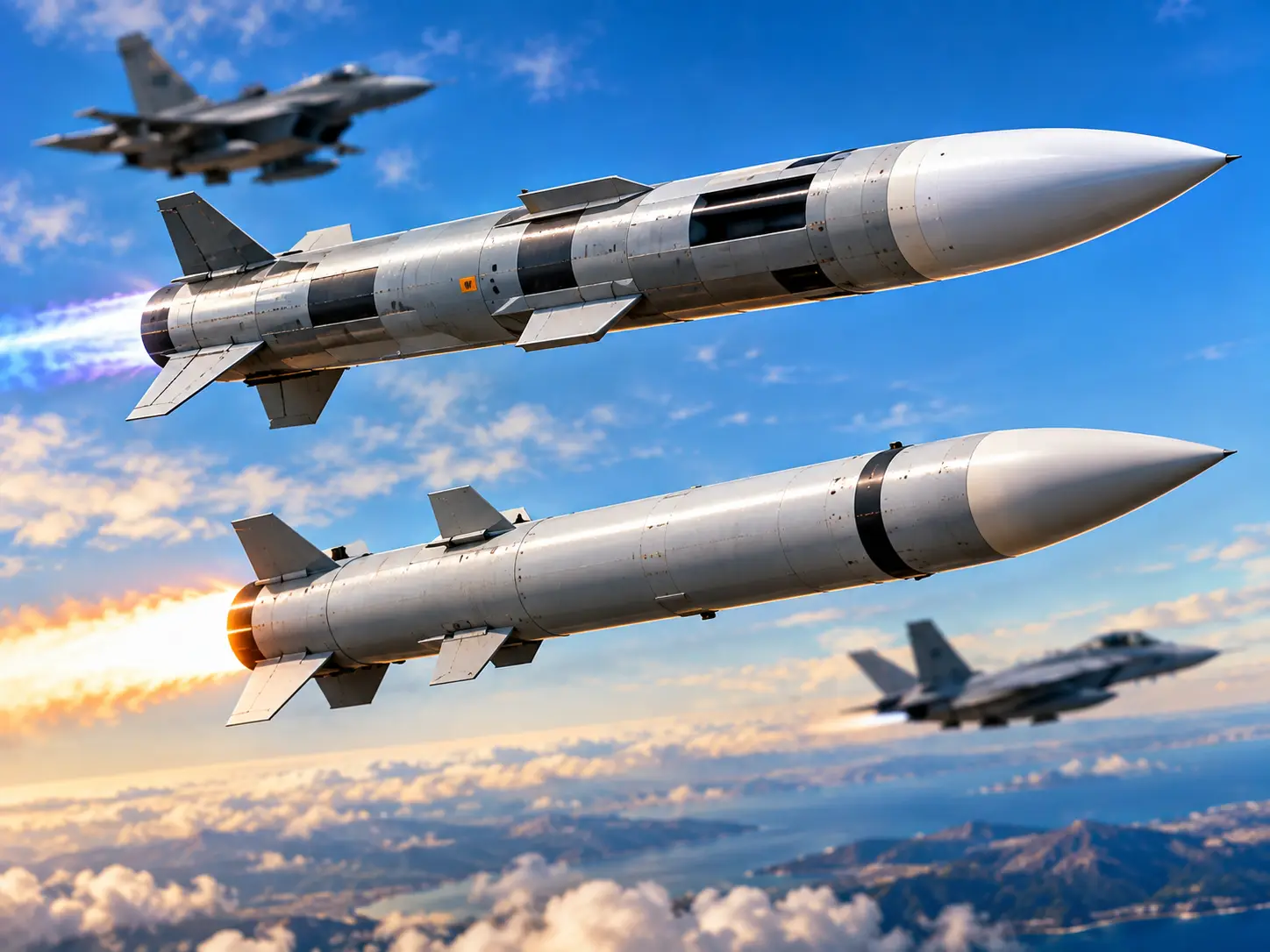
Future Developments - Next-Generation Hypersonic Vehicles
Future rocket designs aim for 25-50 million pounds of combined thrust through advanced engine technology and reusability optimisation. SpaceX plans Super Heavy upgrades targeting increased performance, whilst international programmes pursue competing heavy-lift concepts. Hypersonic propulsion development and air-breathing engine integration offer potential revolutionary improvements. Next-generation vehicles will enable sustained space infrastructure and routine deep-space missions beginning 2030-2035.
)
)
)
)
)