'Raghav Chadha, Swati Maliwal, Harbhajan Singh &..': Who are the 7 AAP Rajya Sabha MPs joining BJP?

The move, anticipated after Chadha’s removal as deputy leader earlier this month, still came as a shock when he confirmed the merger. This reduces AAP’s strength in the Rajya Sabha from 10 to just three—Sanjay Singh, Sant Balbir Singh Seechewal and ND Gupta.
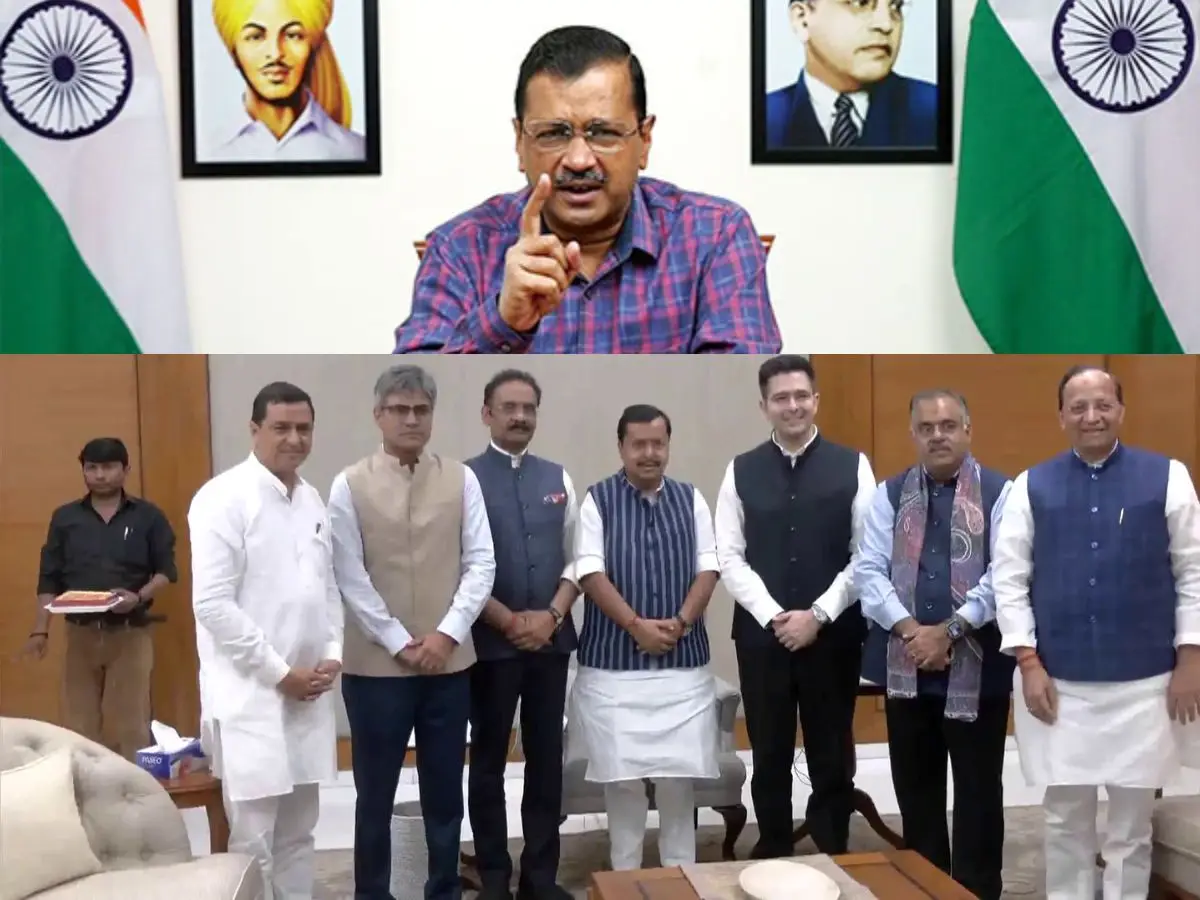
A dramatic political realignment
On Friday, the Aam Aadmi Party suffered a major setback as seven of its Rajya Sabha MPs moved to merge with the Bharatiya Janata Party. Led by Raghav Chadha, the group accounts for two-thirds of AAP’s strength, meeting the threshold under the anti-defection law and avoiding disqualification. The move, anticipated after Chadha’s removal as deputy leader earlier this month, still came as a shock when he confirmed the merger. This reduces AAP’s strength in the Rajya Sabha from 10 to just three—Sanjay Singh, Sant Balbir Singh Seechewal and ND Gupta. Chadha, along with Sandeep Pathak and Ashok Mittal, later met BJP national president Nitin Nabin in Delhi after the announcement.
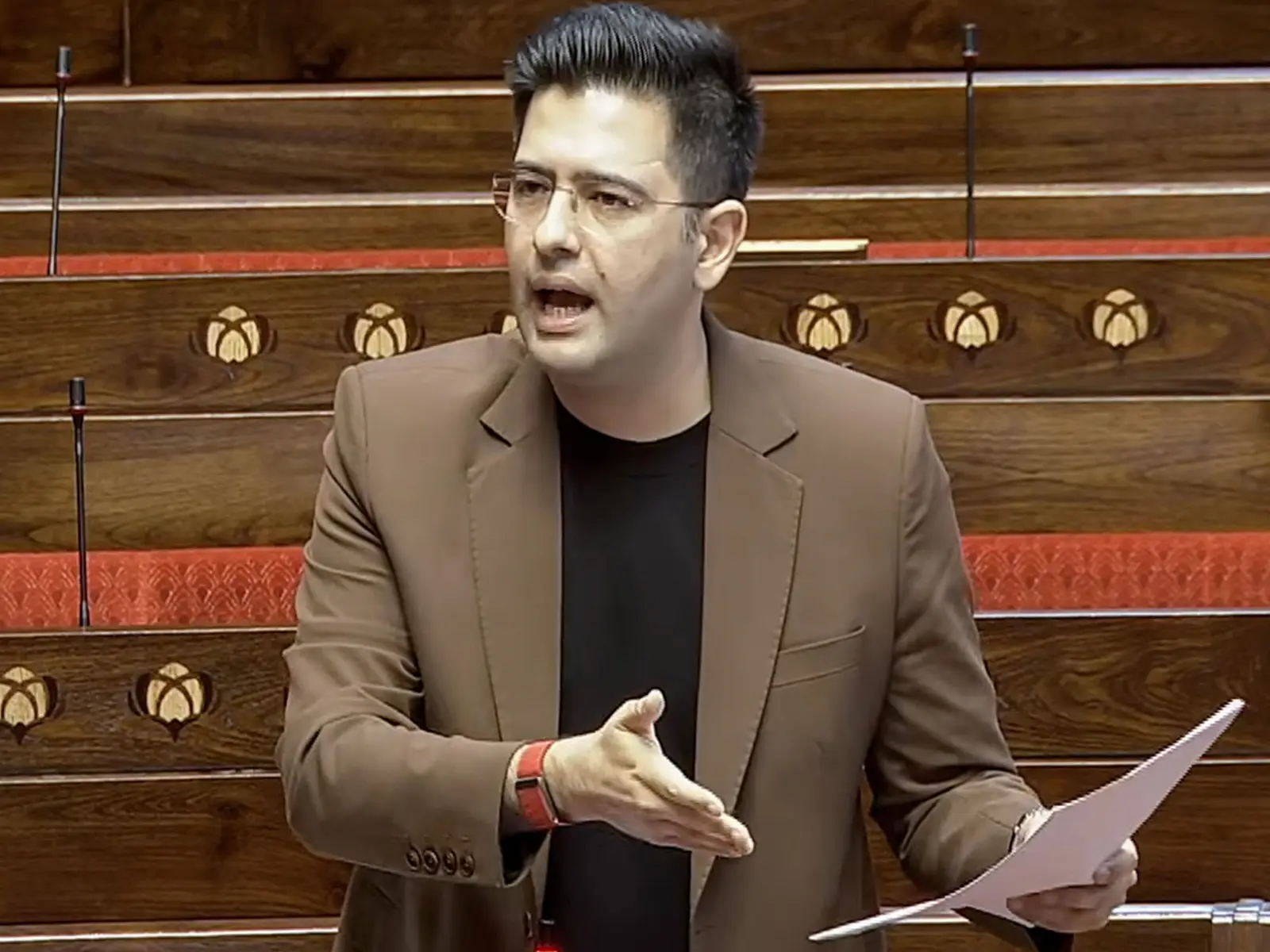
Raghav Chadha
Raghav Chadha, 37, was elected to the Rajya Sabha from Punjab in 2022 and served as AAP’s deputy leader before being removed from the post. A chartered accountant by training, he became one of the youngest Rajya Sabha MPs in 2022. Once seen as close to Arvind Kejriwal, he had earlier served as a Delhi MLA and was deeply involved in policy messaging and campaign strategy. He had earlier also been relieved of responsibilities in Punjab and was seen mostly absent from party campaigns. His exit follows a period of clear organisational sidelining and internal disagreement over his political role. His growing focus on niche public issues and absence from key party events had fuelled speculation of a rift.
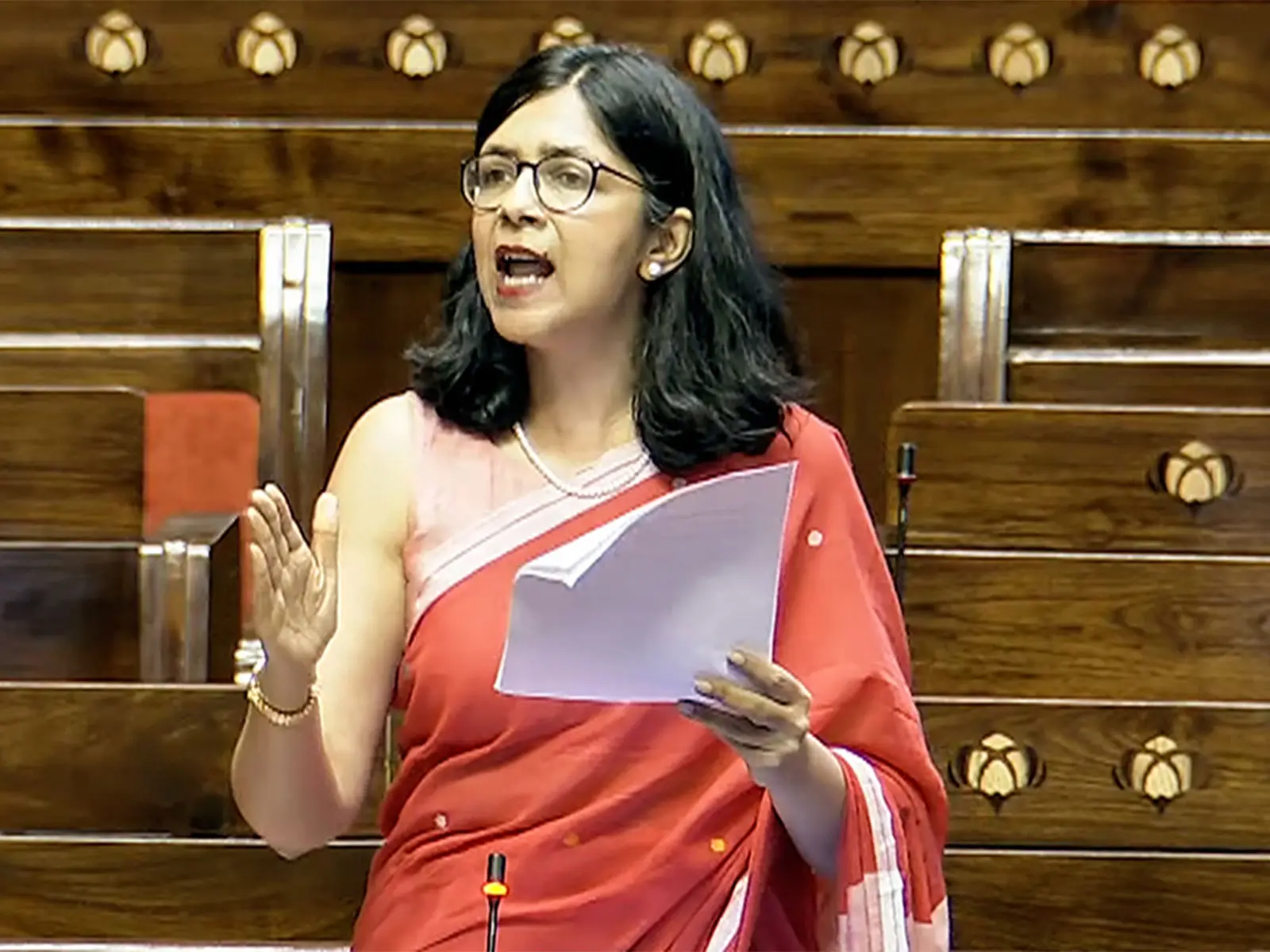
Swati Maliwal
A former chairperson of the Delhi Commission for Women, Maliwal became a Rajya Sabha MP in 2024. Once close to Kejriwal, she later emerged as a vocal critic, publicly questioning party leadership following a high-profile fallout. She had raised concerns over governance issues and internal functioning within AAP. Her public disagreements and absence during key political moments highlighted deepening internal discord. Maliwal announced her exit via X, alleging that AAP's founding values had been abandoned by Arvind Kejriwal. She cited assault, threats, rising corruption, and misconduct within the party as reasons for her decision to quit.
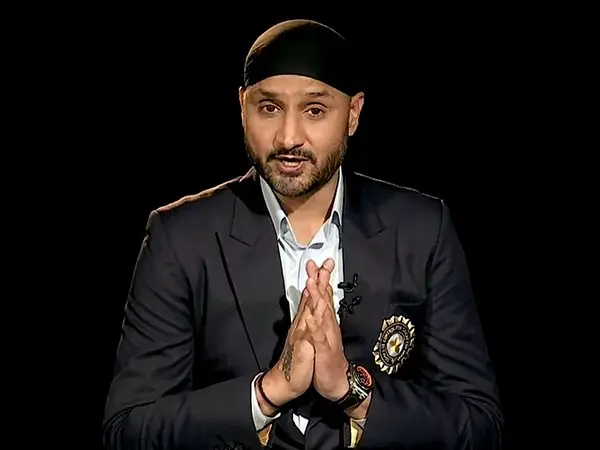
Harbhajan Singh
A former Indian international cricketer, Harbhajan Singh brought visibility and mass appeal to AAP. Elected to the Rajya Sabha in 2022, his presence strengthened the party’s outreach in Punjab, making his departure a symbolic loss. Popularly known as the “Turbanator”, he carried strong public recognition. His exit removes a key figure who connected the party with a broader non-political audience.
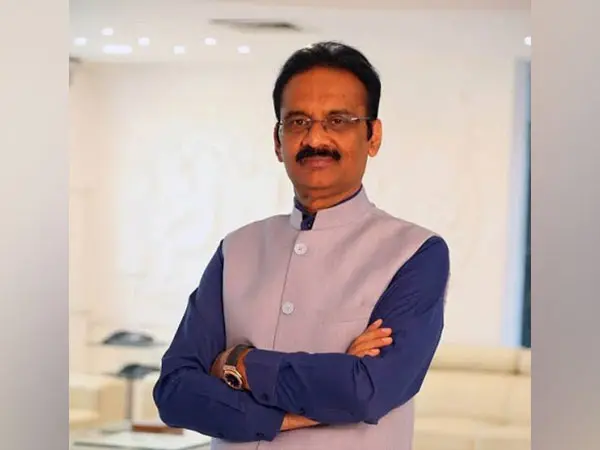
Ashok Mittal
Mittal, founder of Lovely Professional University, entered politics in 2022 and was elected to the Rajya Sabha from Punjab. A businessman and educationist, he was recently appointed AAP's deputy leader in the Rajya Sabha following Chadha’s removal. He also heads the Lovely Group, a major education enterprise in India. His transition reflects the departure of AAP’s business-linked leadership from Punjab.
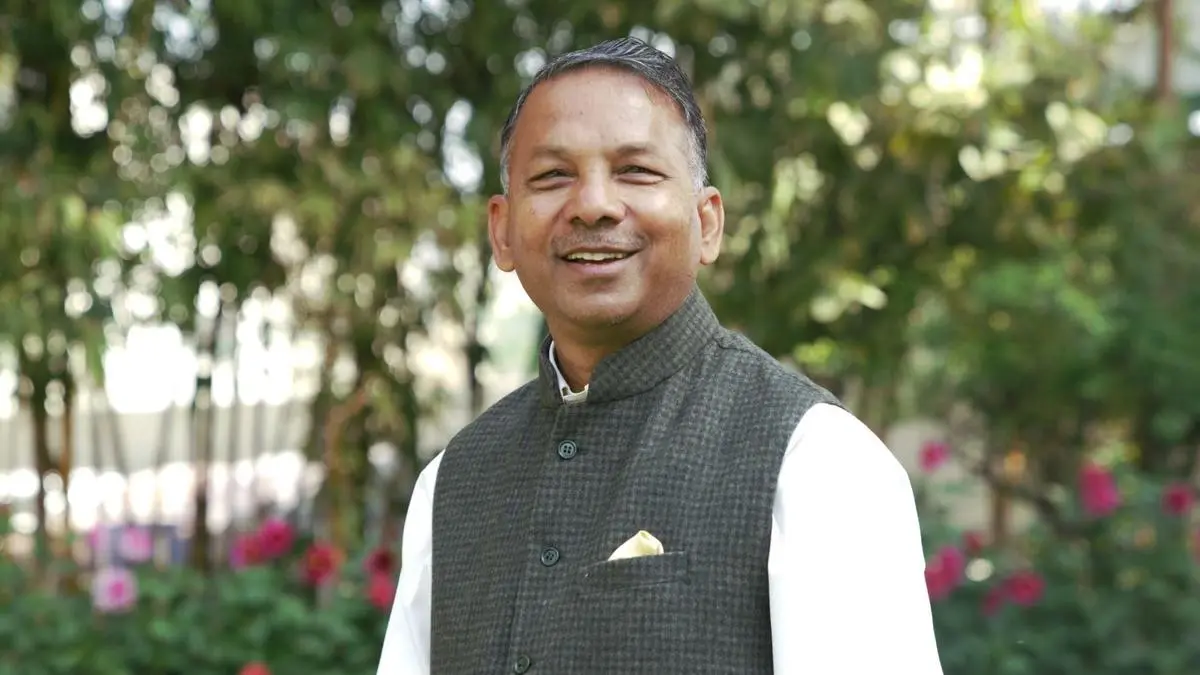
Rajinder Gupta
Rajinder Gupta, chairman emeritus of Trident Group, was elected to the Rajya Sabha from Punjab in 2022. He has a long association with industry bodies, including the Confederation of Indian Industry, and brought corporate sector representation into AAP’s parliamentary ranks. His exit removes a key industrial voice from the party.
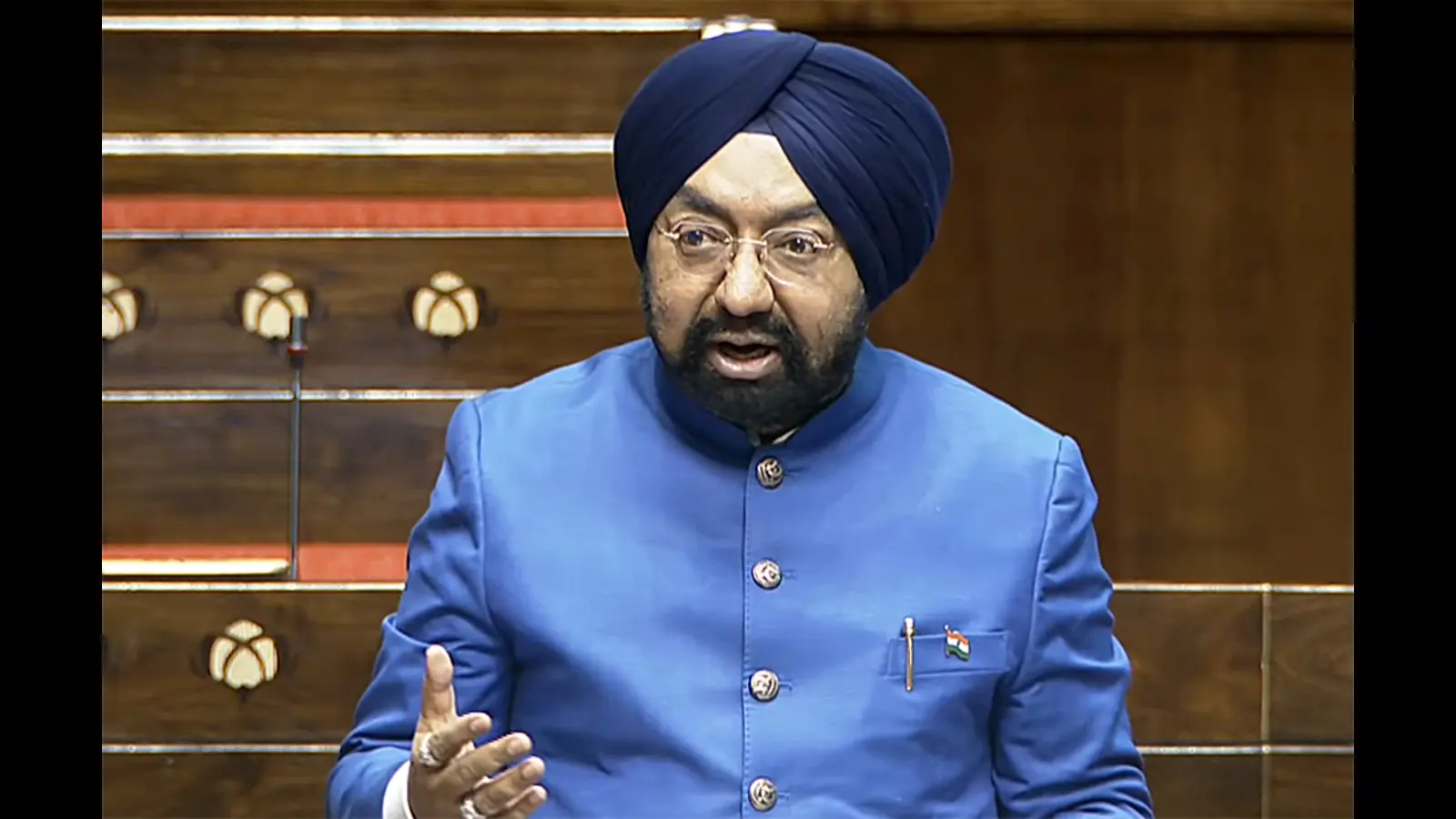
Vikramjit Singh Sahney
Vikramjit Singh Sahney, chairman of Sun Group and a Padma Shri awardee, also entered the Rajya Sabha in 2022 from Punjab. He is known for his work through the Sun Foundation, focusing on healthcare, education and humanitarian relief. His departure takes away a figure associated with organised social outreach and philanthropy.
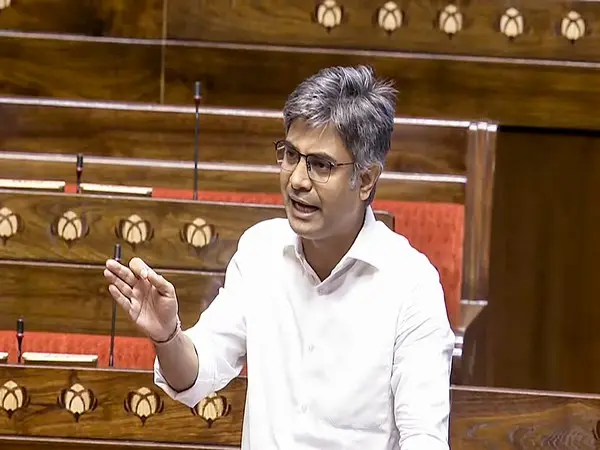
Sandeep Pathak
An academic-turned-politician, Pathak has been central to AAP’s organisational expansion. A Cambridge-educated scholar and former IIT Delhi faculty member, he played a crucial role in building the party’s structure beyond Delhi, particularly in Punjab and Gujarat. Known for working behind the scenes, he was widely regarded as the party’s chief strategist. His exit signals a loss of organisational continuity and electoral planning expertise.
)
)
)
)
)