'Rafale, BrahMos, S-400 & more': 7 Indian weapons that could easily shoot down Bangladesh's Eurofighter Typhoon

While the potential acquisition of the Eurofighter Typhoon by the Bangladesh Air Force (BAF) makes headlines, the military reality is that India has spent the last decade building an "Air Defence Wall" specifically designed to counter 4.5-generation threats.
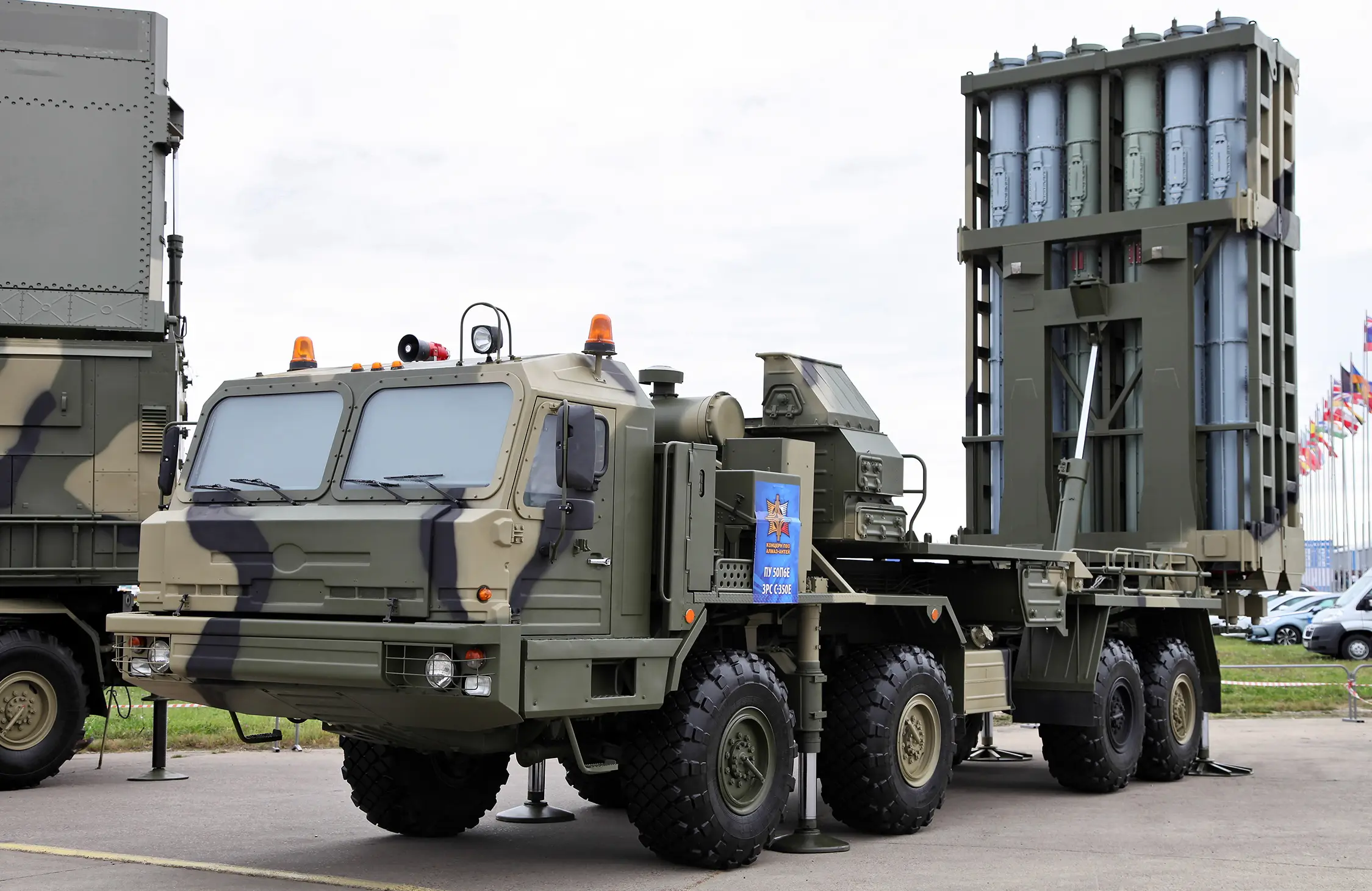
1. S-400 Triumf (The "No-Fly Zone" Enforcer)
The S-400 is the primary reason BAF Typhoons would struggle to even take off. deployed in India's Eastern sector, its massive 91N6E radar can track targets up to 600km away deep inside Bangladeshi airspace.
The Kill: Its 40N6 missile has a range of 400km. This means a Typhoon pilot taking off from Dhaka (Kurmitola Air Base) is technically within the "kill zone" the moment their wheels leave the runway, forcing them to fly dangerously low to survive.
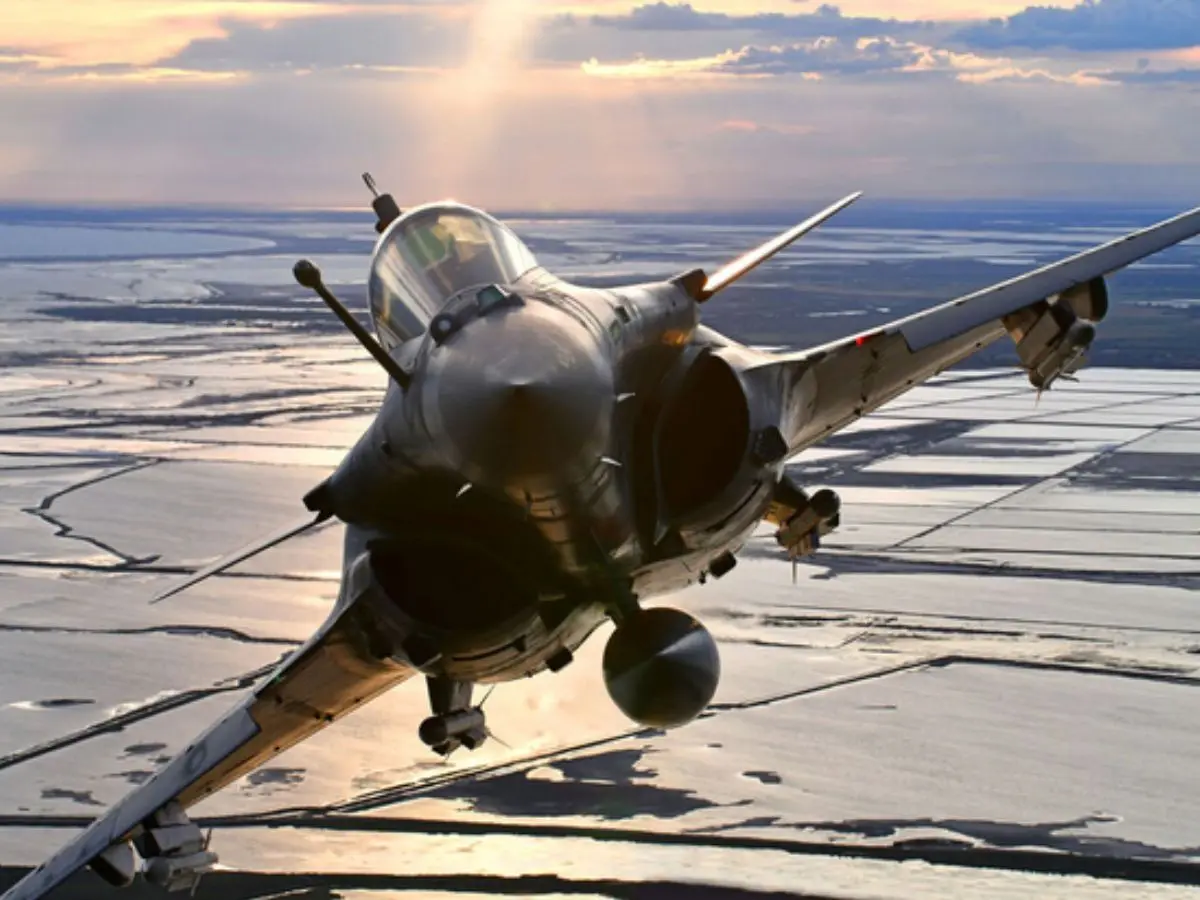
2. Dassault Rafale (The "Meteor" Sniper)
In an air-to-air duel, the Indian Rafale holds the decisive edge: the MBDA Meteor missile.
The Kill: The Meteor uses a Ramjet engine to maintain Mach 4 speed all the way to the target, creating a "No-Escape Zone" of 100km+. While the BAF Typhoon might carry the same missile, India’s Rafales are backed by the SPECTRA electronic warfare suite, which can jam the Typhoon's radar while the Rafale takes the shot.
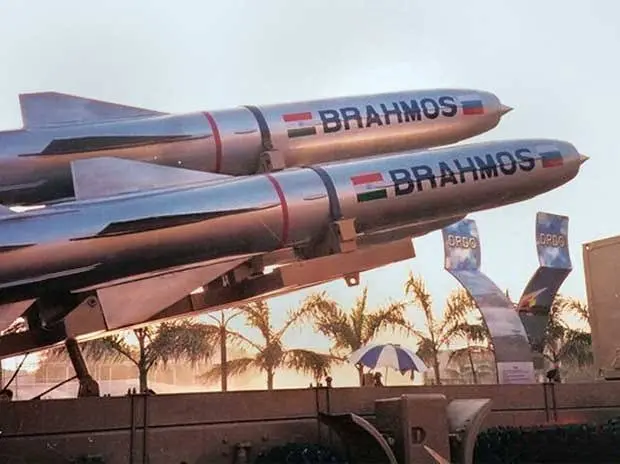
3. BrahMos Supersonic Cruise Missile (The "Runway Killer")
India’s doctrine isn't just to shoot the jet; it is to destroy the runway it flies from. The BrahMos flies at Mach 2.8 and has a range of 450km+.
The Kill: With a flight time of less than 5 minutes from the border to Dhaka, the BrahMos can crater the runways at Kurmitola and Zahurul Haque bases before the Typhoons can scramble. A Typhoon trapped on a destroyed runway is a “mission kill.”
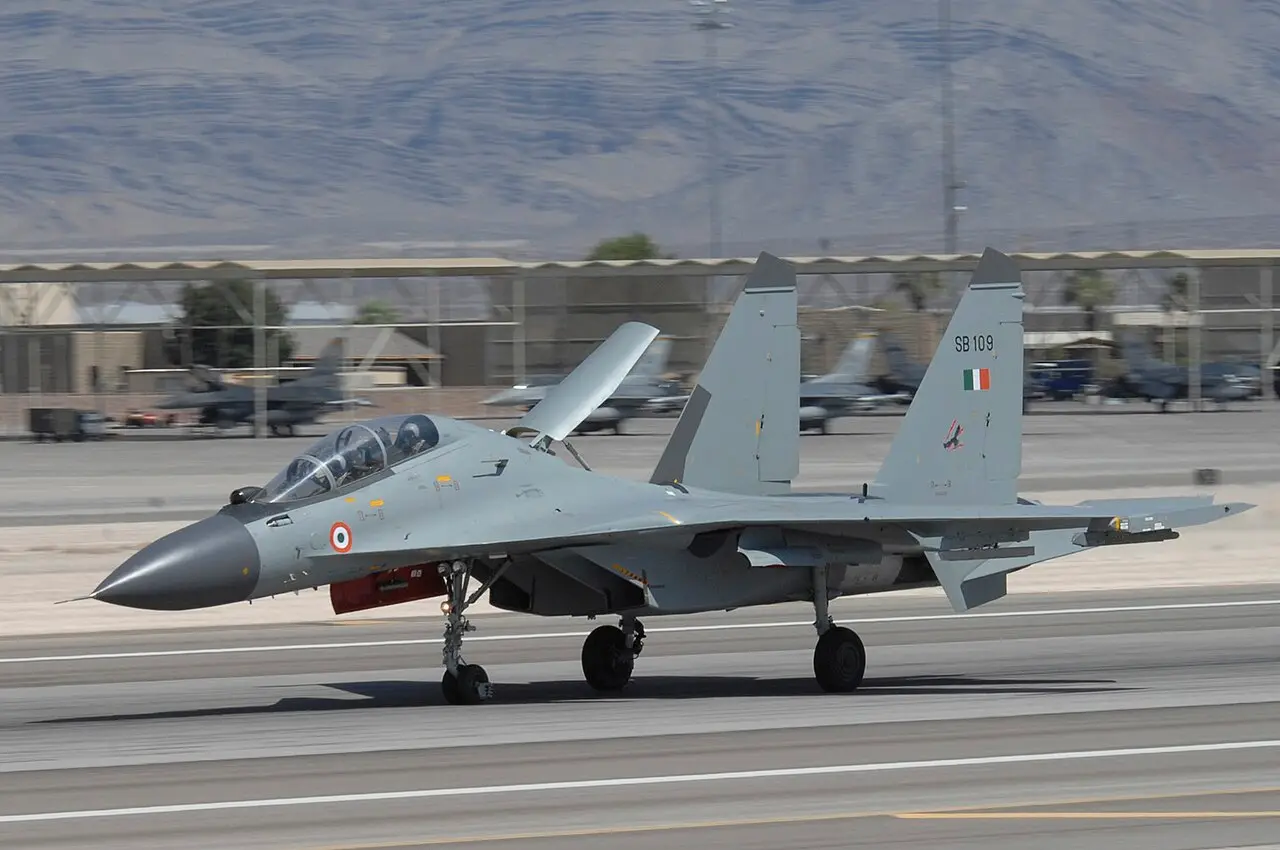
4. Su-30MKI (The "Radar Hunter")
The Su-30MKI is India’s heavy lifter. With its massive NIIP N011M Bars radar and OLS-30 IRST (Infrared Search and Track), it acts as a "Mini-AWACS."
The Kill: The Su-30MKI can detect the Typhoon’s heat signature from long range without turning on its own radar (staying silent). It can then launch a saturation attack using multiple Astra or R-77 missiles, overwhelming the Typhoon’s defences with sheer volume of fire.
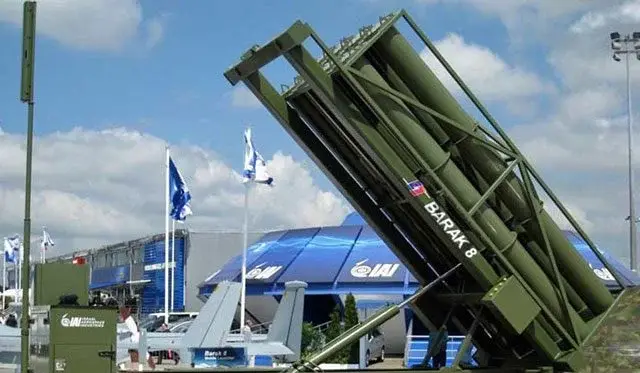
5. MR-SAM / Barak-8 (The "360-Degree" Shield)
Used by both the Indian Air Force and Navy (on destroyers like the INS Visakhapatnam), the MR-SAM provides a dense medium-range shield.
The Kill: If a BAF Typhoon tries to attack Indian warships in the Bay of Bengal or airbases near the border, the MR-SAM can engage it from 70–100km away. Its advanced seeker allows it to intercept highly manoeuvrable jets even if they are pulling 9G evasive turns.
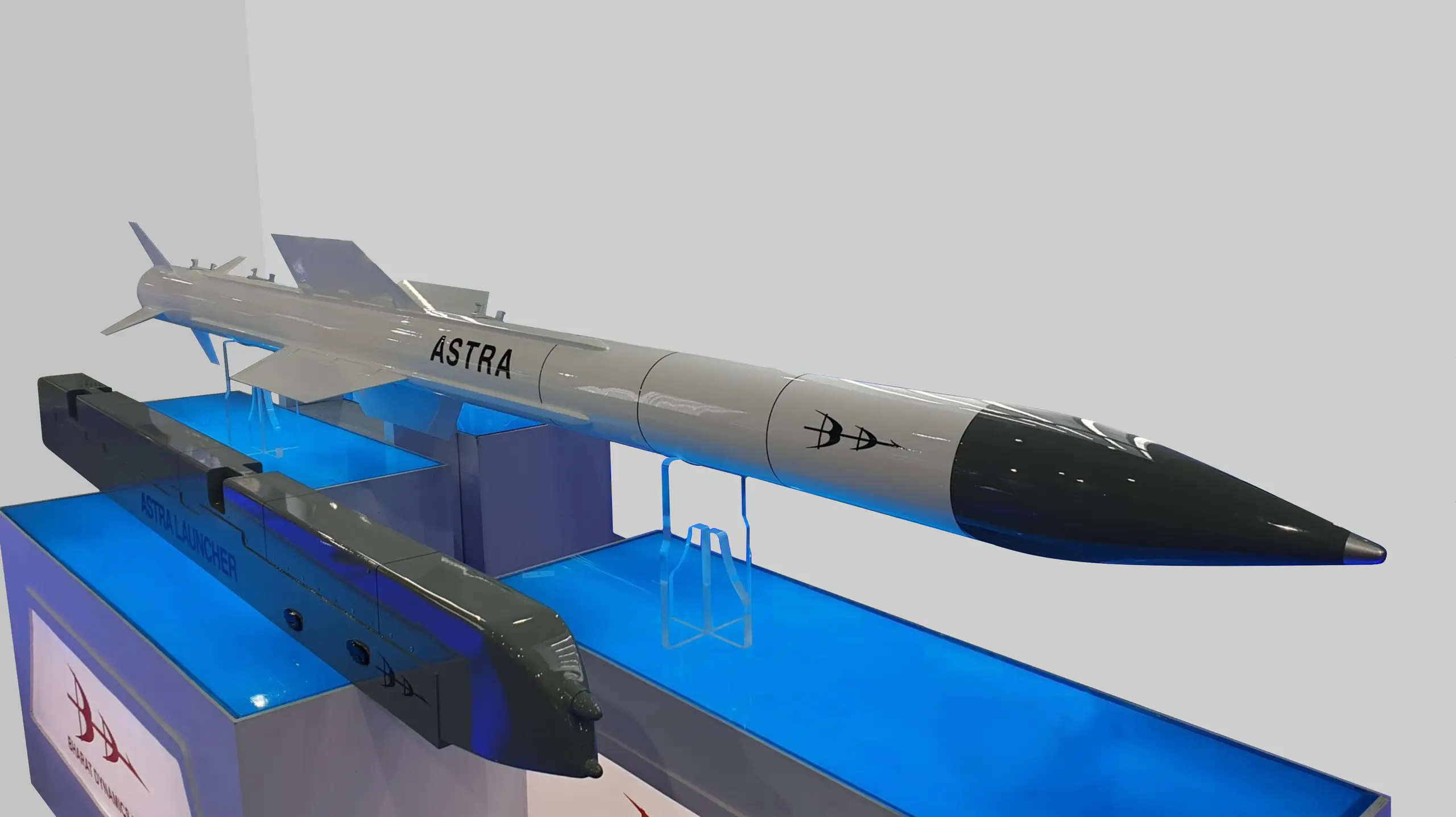
6. Astra Mk1 (The "Indigenous" BVR)
The Astra Mk1 is India’s homegrown Beyond Visual Range (BVR) air-to-air missile, fully integrated into the Su-30MKI and Tejas fleets.
The Kill: With a range of 110km, the Astra offers a cost-effective way to engage the Typhoon from a safe distance. It features an active radar seeker, meaning once fired, the Indian pilot can turn away ("Fire and Forget") while the missile hunts the Typhoon autonomously.
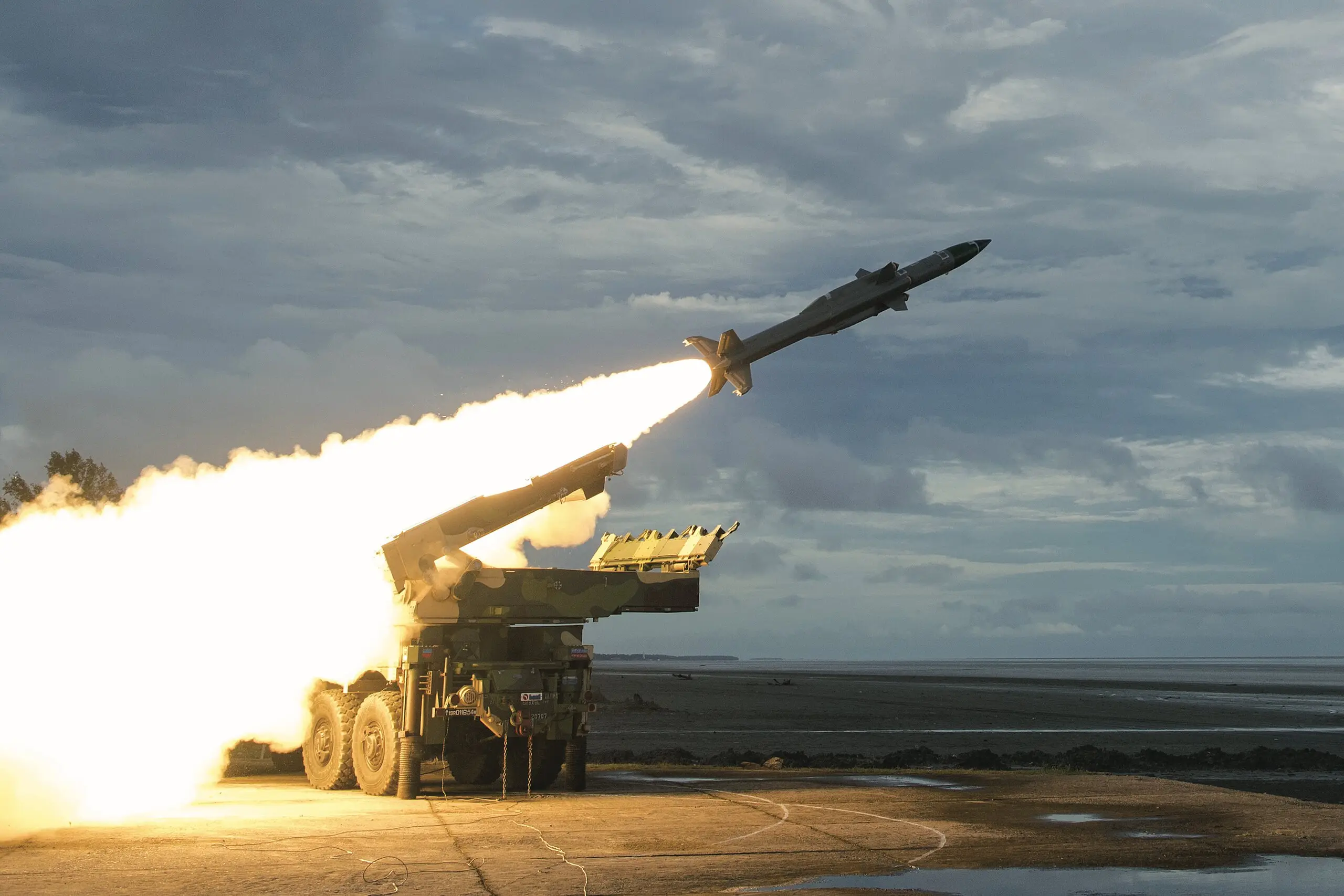
7. Akash Prime (The "Base Defender")
Should a Typhoon slip past the long-range defenses to attack an Indian airbase, it faces the Akash missile system.
The Kill: The Akash is designed for saturation defence. It can track 64 targets and guide 12 missiles simultaneously. In a recent (simulated) conflict timeline, the Akash has proven capable of neutralising fast-moving jets at ranges of 25–30km, acting as the final "goalkeeper" that ensures no enemy weapon hits Indian soil.
)
)
)
)
)