‘Radar blind spot’: Can the F-35’s advanced radars see China’s J-20 fighter jet coming?

A clash between the F-35 and China's J-20 hinges on radar physics. While the J-20's frontal stealth deflects the F-35's advanced AESA radar, US pilots will rely on passive infrared sensors to track the Chinese jet's engine heat at compressed ranges.
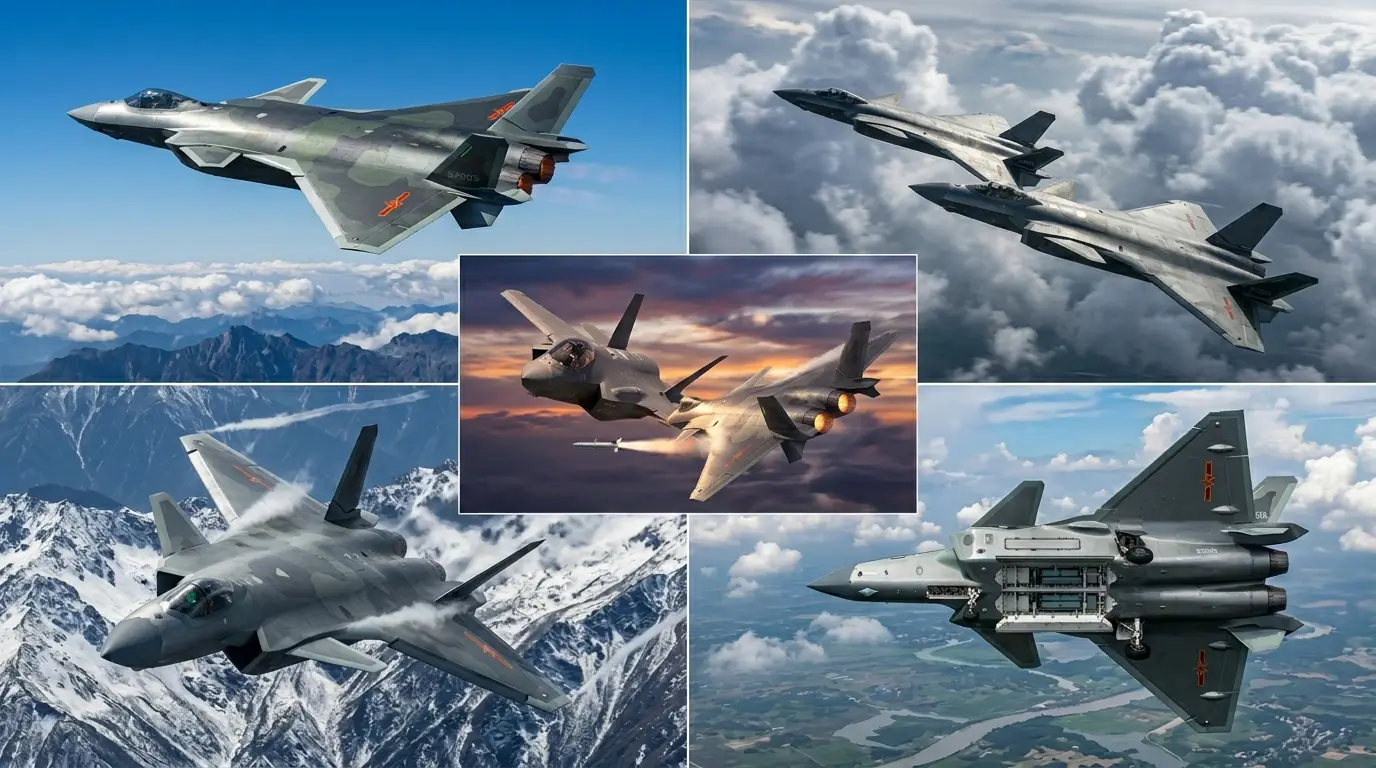
The AESA Advantage
The US F-35 Lightning II relies on the AN/APG-81 Active Electronically Scanned Array (AESA) radar. This multibillion-dollar system emits rapid, frequency-hopping beams designed to track multiple targets without revealing the F-35’s own position.
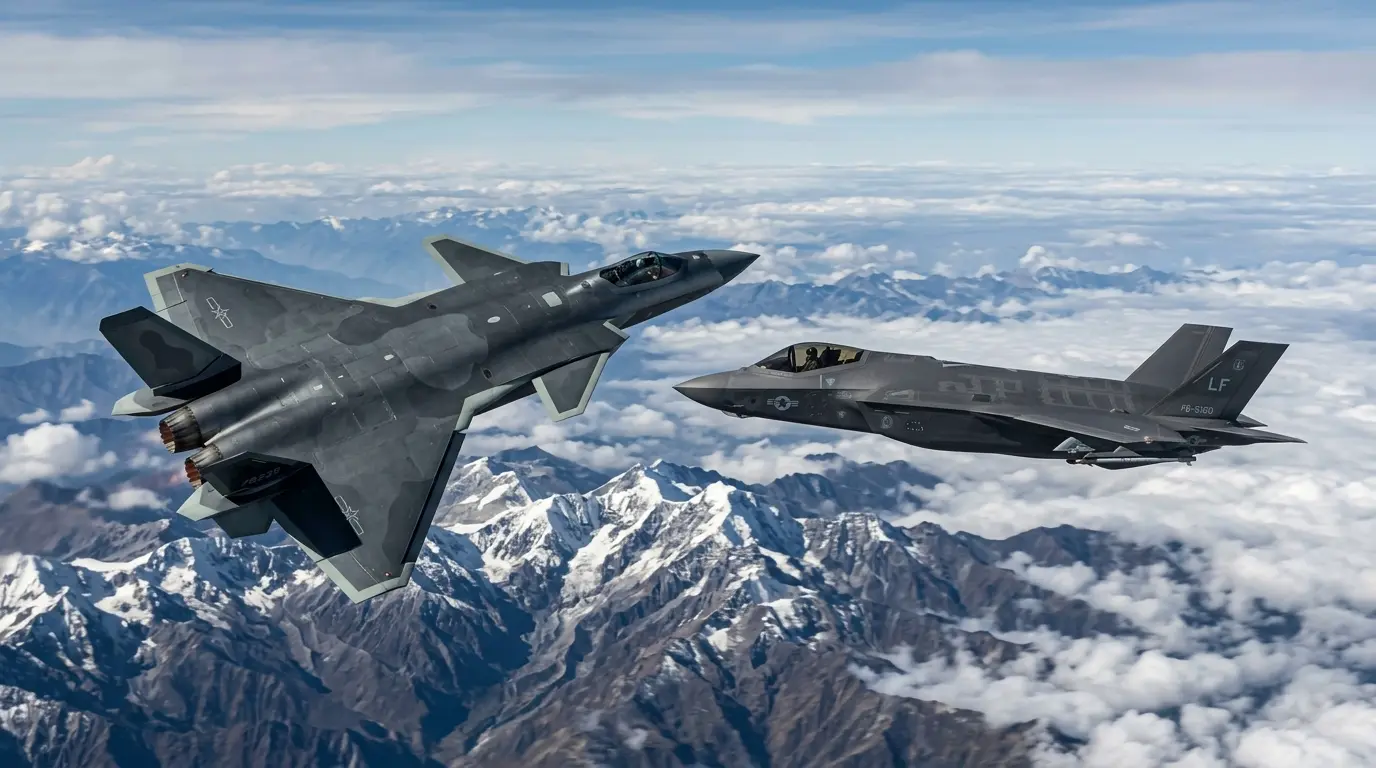
China's Stealth Geometry
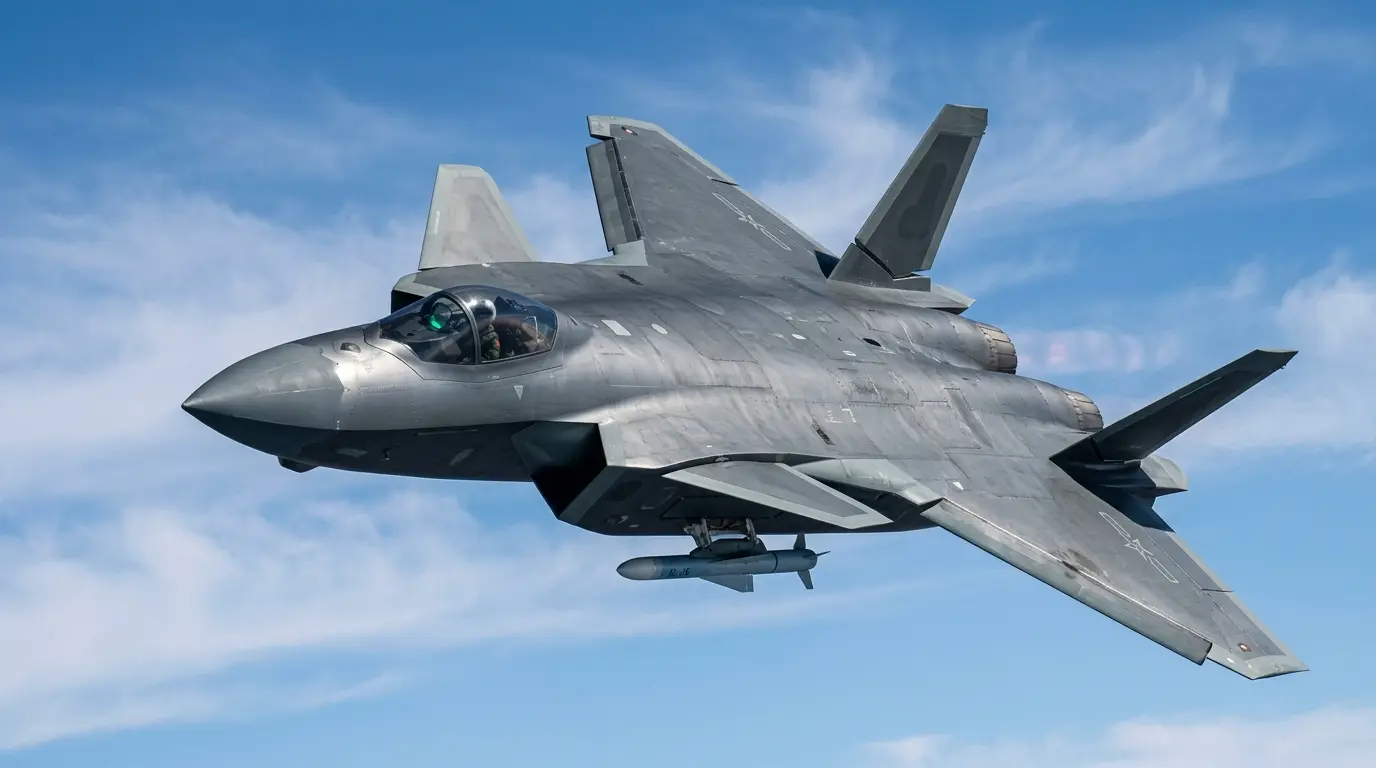
The Chengdu J-20 utilises a chiseled nose, faceted fuselage, and advanced radar-absorbent material (RAM) to deflect incoming radar waves. Frontally, the USD 120 million Chinese jet presents a minuscule Radar Cross Section (RCS), making long-range detection incredibly difficult.
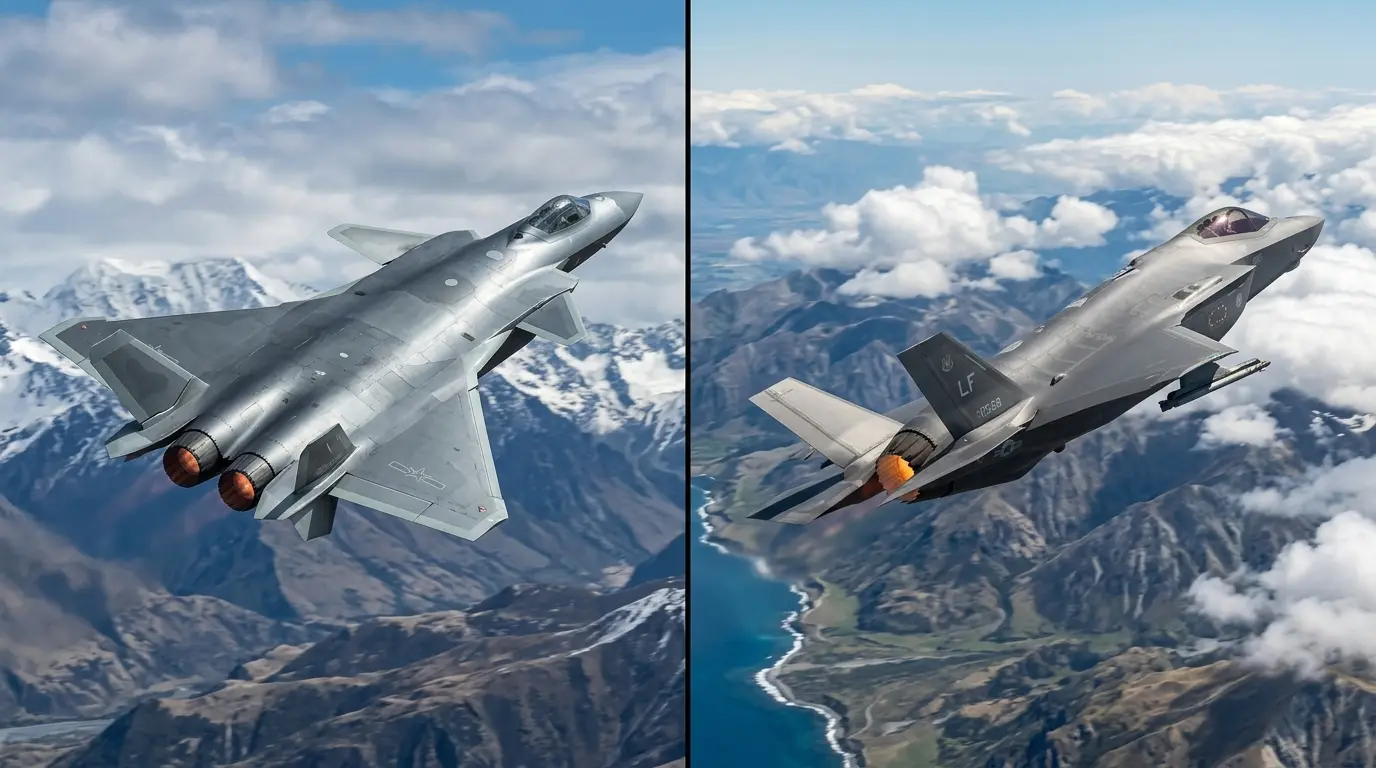
The Canard Vulnerability
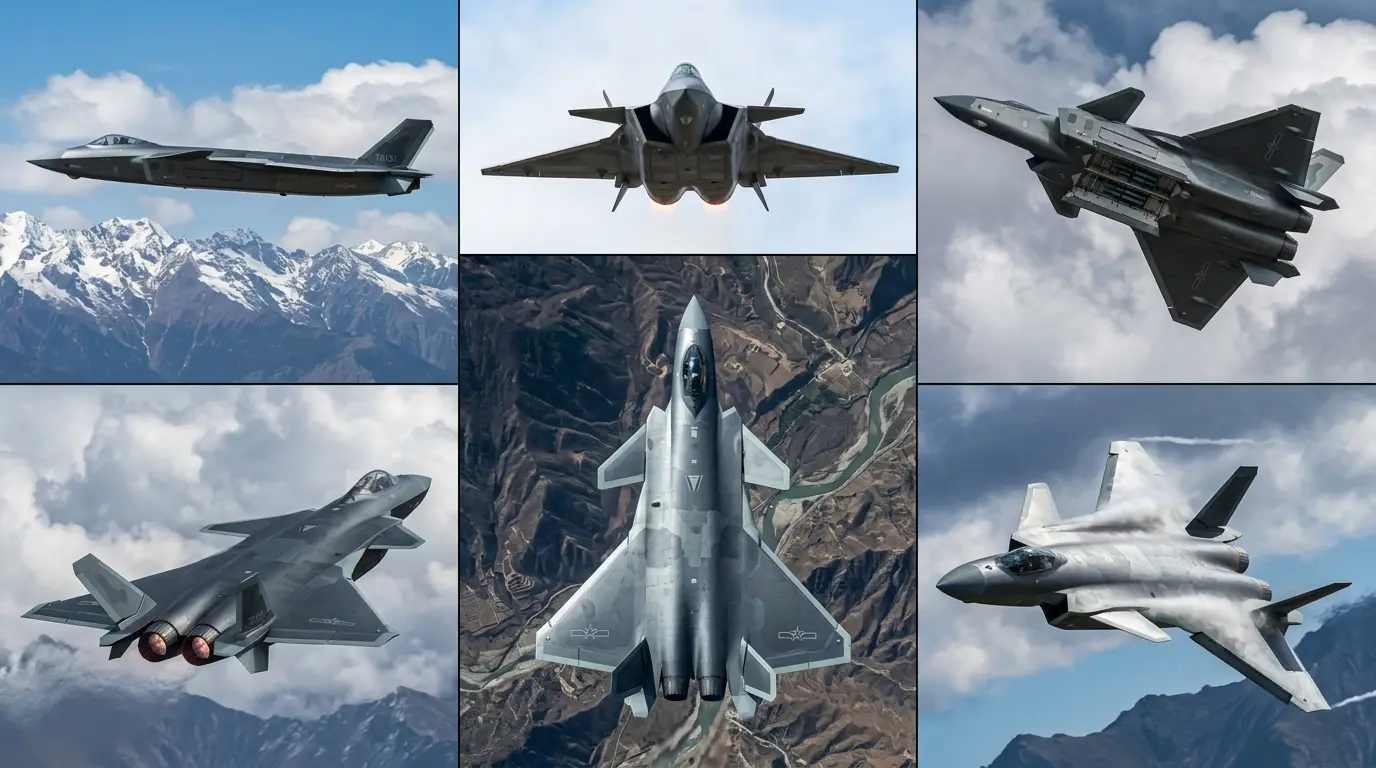
Unlike the F-35, the J-20 features forward-mounted canards to increase its supersonic manoeuvrability. Western defence analysts argue these moving surfaces temporarily compromise the jet's stealth profile, creating brief radar spikes that an AESA system can track.
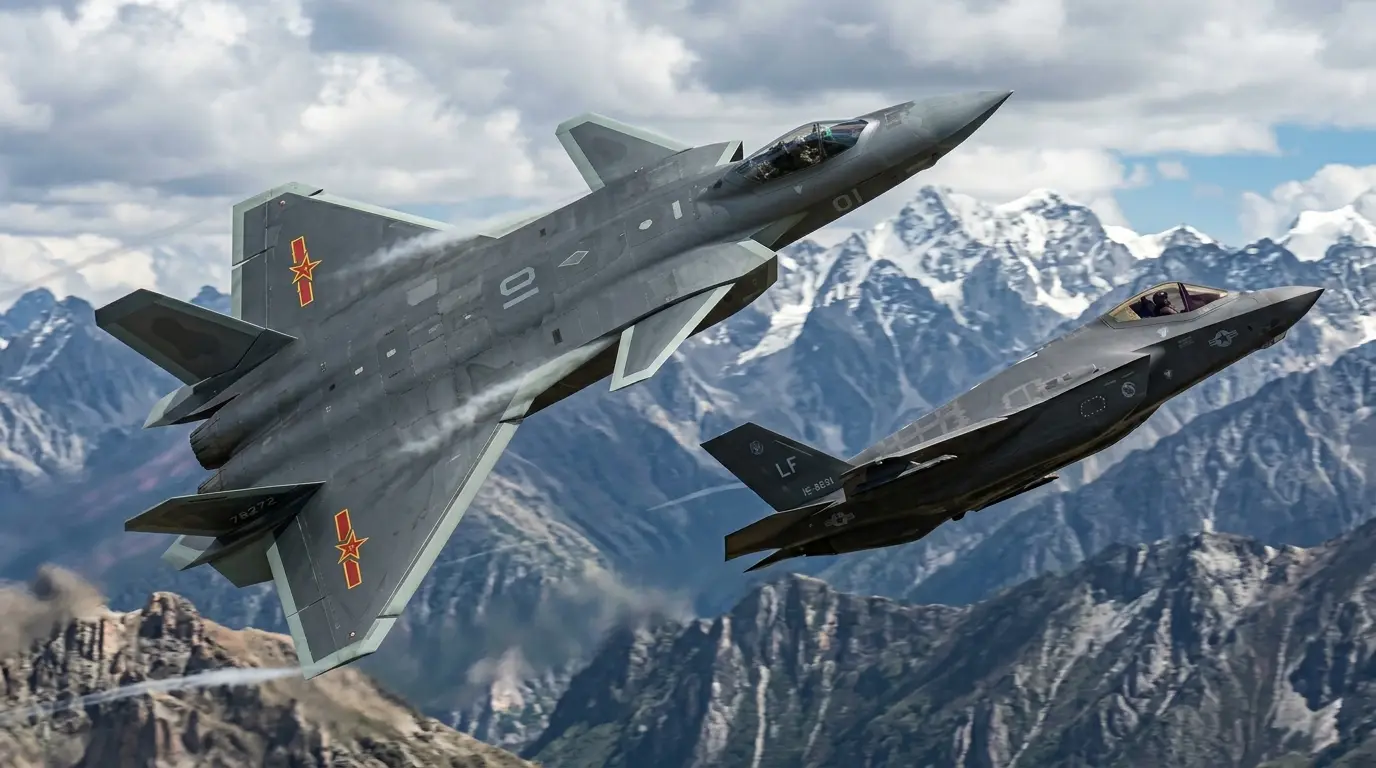
Compressing the Kill Zone
Because both aircraft are heavily stealth-optimised, traditional detection ranges of over 150 kilometres are completely nullified. In a real-world scenario, the F-35's radar would likely only register the J-20 at extremely close ranges, compressing the timeline for missile locks to mere seconds.
The Passive Sensor Shift
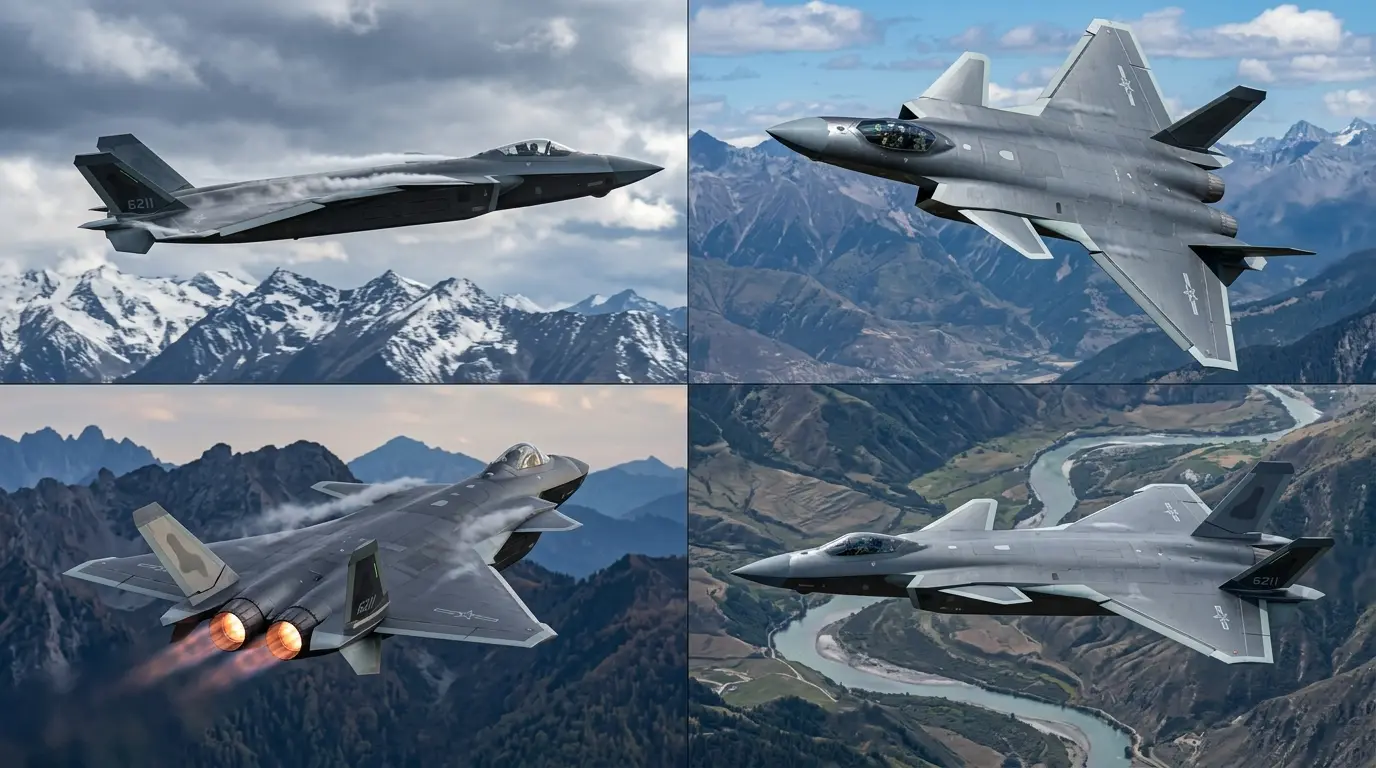
Knowing radar might fail, US pilots rely on the F-35's Electro-Optical Targeting System (EOTS) and Distributed Aperture System (DAS). These passive infrared sensors scan for the immense heat generated by the J-20’s twin WS-15 engines, bypassing radar stealth entirely.
China's Counter-Sensors
The J-20 is not flying blind; it features its own advanced EORD-31 infrared search and track (IRST) system. This allows Chinese pilots to hunt the single-engine F-35 through thermal friction without emitting detectable radar signals that would give away their location.
Who Shoots First?
Ultimately, the clash between the F-35 and J-20 will be decided by data processing rather than raw speed. The victor will be the jet whose onboard computers can fuse radar and thermal data fast enough to secure a lock before the enemy even knows they are there.
)
)
)
)
)