'Purim Prophecy': Why Benjamin Netanyahu is framing Iran War as a religious crusade

As military strikes continue to echo across the Middle East, Israeli Prime Minister Benjamin Netanyahu is not just relying on intelligence briefings and tactical maps to justify the war against Iran. He is reaching for something far more powerful: biblical prophecy.

1. The Ancient Persian Parallel
To understand Netanyahu’s rhetoric, you have to look at the Jewish holiday of Purim, which centers on the Book of Esther. The story takes place in the ancient Persian Empire—modern-day Iran. According to the text, a wicked vizier named Haman plotted the total extermination of the Jewish people, only to be outmaneuvered and defeated. For Netanyahu, the geographic and narrative parallels are not a coincidence; they are a historical blueprint. By constantly referencing ancient Persia, he subconsciously links the modern regime in Tehran to an ancient, eternal enemy.

2. The "Modern Haman" Complex
Netanyahu has a long, documented history of explicitly mapping Iranian leadership onto the villain of the Purim story. He has repeatedly compared the Ayatollahs to Haman in speeches to both the Israeli public and the US Congress. By casting Iranian leaders, from the late Ali Khamenei to his successors, as modern incarnations of a biblical exterminator, Netanyahu effectively strips away the complexities of modern diplomacy. You cannot negotiate with Haman; you can only defeat him.

3. Galvanizing the Hard-Right Coalition
Netanyahu’s domestic political survival depends entirely on his right-wing, religious nationalist coalition. Amidst fierce internal debates over the military draft and his ongoing legal trials, invoking biblical themes is a highly calculated domestic shield. Framing the war against Iran and its proxy network as a holy crusade keeps his ultra-Orthodox and religious-Zionist political partners locked in. It transforms his leadership from a matter of political convenience into a matter of divine necessity.

4. The "Amalek" Doctrine of Absolute Victory
In biblical tradition, Haman is a descendant of the Amalekites, an ancient tribe that represents the ultimate, irredeemable enemy of the Jewish people. Scripture commands the absolute destruction of Amalek. Netanyahu has previously invoked the memory of Amalek when discussing conflicts in Gaza, and the same theological framework applies to Iran. By subliminally tying Tehran to the Amalekite bloodline, the Prime Minister justifies a strategy of "total victory" and regime decapitation, leaving zero room for a negotiated ceasefire.

5. A Calculated Message to Washington
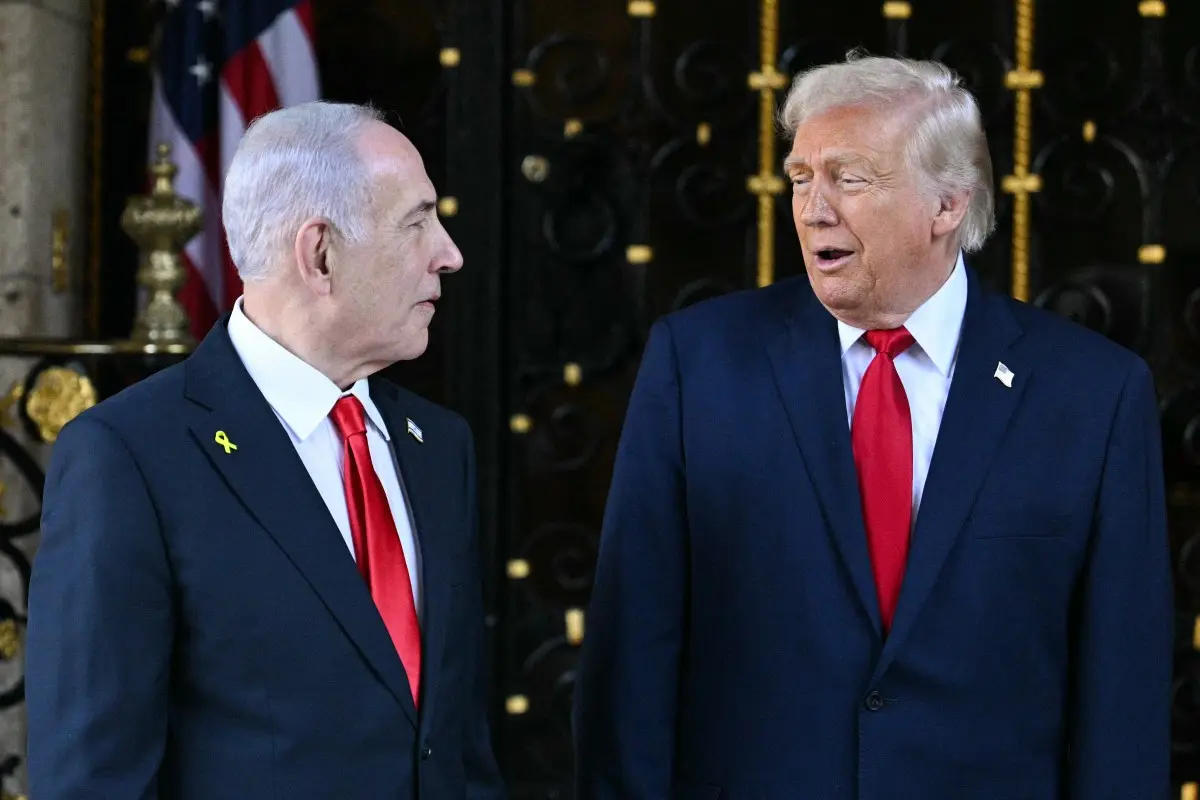
Netanyahu does not just use this rhetoric for domestic consumption; he weaponizes it diplomatically. In 2012, during a meeting with then-President Barack Obama regarding Iran’s nuclear program, Netanyahu famously gifted the US President a copy of the Book of Esther. He uses these biblical metaphors to signal to Washington and now to Donald Trump, that Israel views the Iranian threat in absolute, existential terms, attempting to force the US military machine into aligning with an uncompromising, historic mandate.
6. Erasing the "Political" Nature of the War
When a conflict is framed purely in geopolitical terms, involving ballistic missiles, uranium enrichment percentages, and maritime blockades, it is subject to the rules of international law, UN resolutions, and ICC arrest warrants. However, by elevating the war to a religious crusade, Netanyahu attempts to transcend the secular international order. It is a rhetorical strategy designed to make international criticism look petty in the face of a perceived 2,500-year-old fight for survival.
7. The Danger of Messianic Rhetoric
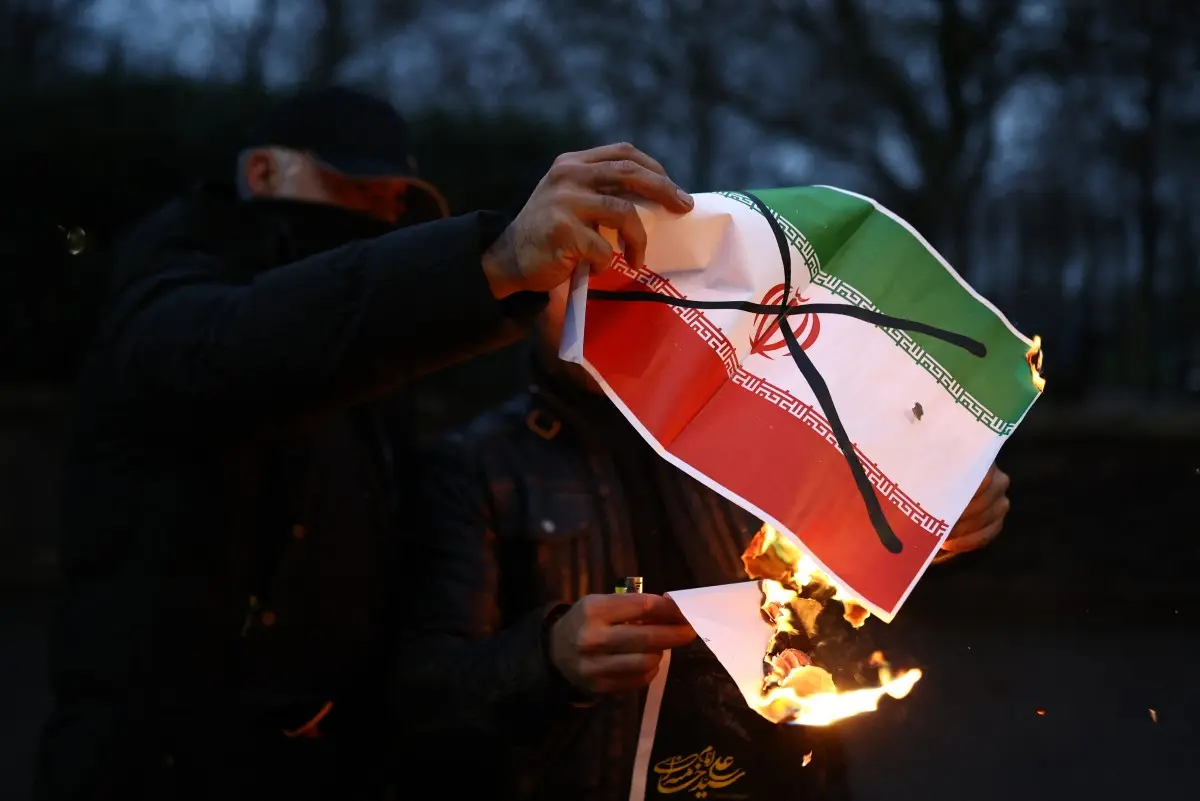
Geopolitical and military analysts warn that when a prime minister frames a modern war as a religious prophecy, the off-ramps disappear. Wars fought over land or resources can be settled with treaties. Wars fought to fulfill a divine mandate or to prevent a biblical extermination cannot end in compromise. By leaning so heavily into the Purim narrative, Netanyahu has backed himself into a corner where anything less than the total destruction of the Iranian regime will be viewed by his religious base as a historical failure.
)

)
)
)