'Psychology of doomsday': Why people believe alien invasion rumours around every space event like 3I/ATLAS?

Stories of alien invasions, secret government knowledge, and hidden messages are inherently more exciting than orbital data and telescopic observations.
1. The Doomsday Effect: Why Cosmic Events Trigger Fear
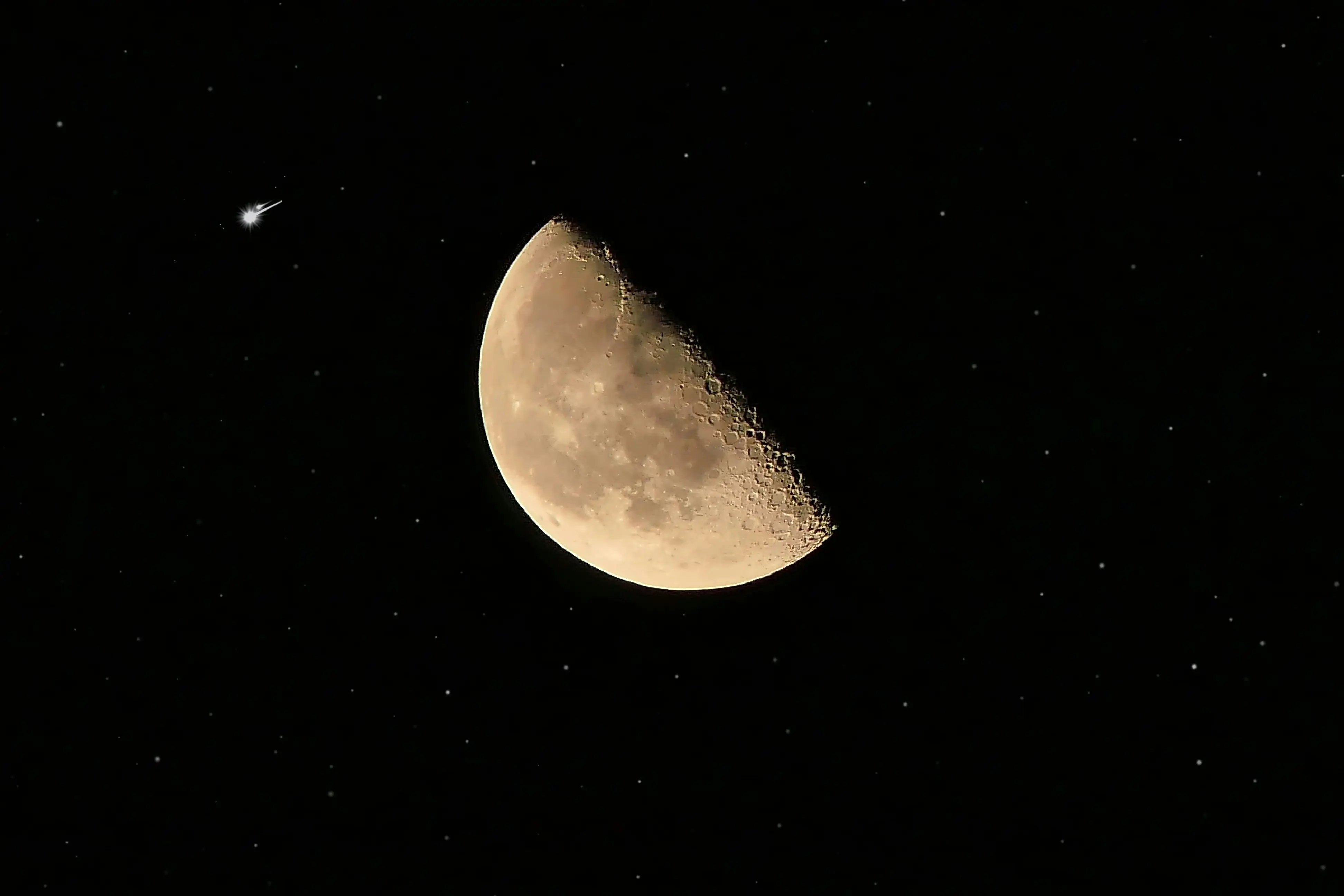
Every time a new comet, asteroid, or interstellar object is spotted, doomsday rumours begin to circulate almost instantly. The phenomenon has a psychological basis. Humans are naturally wired to detect threats, a survival mechanism that dates back to our earliest ancestors. When space agencies announce something unfamiliar, like comet 3I/ATLAS, people fill the gaps in their understanding with apocalyptic narratives. This tendency is amplified by modern communication tools that spread information faster than scientists can debunk it.
2. Uncertainty Fuels Imagination
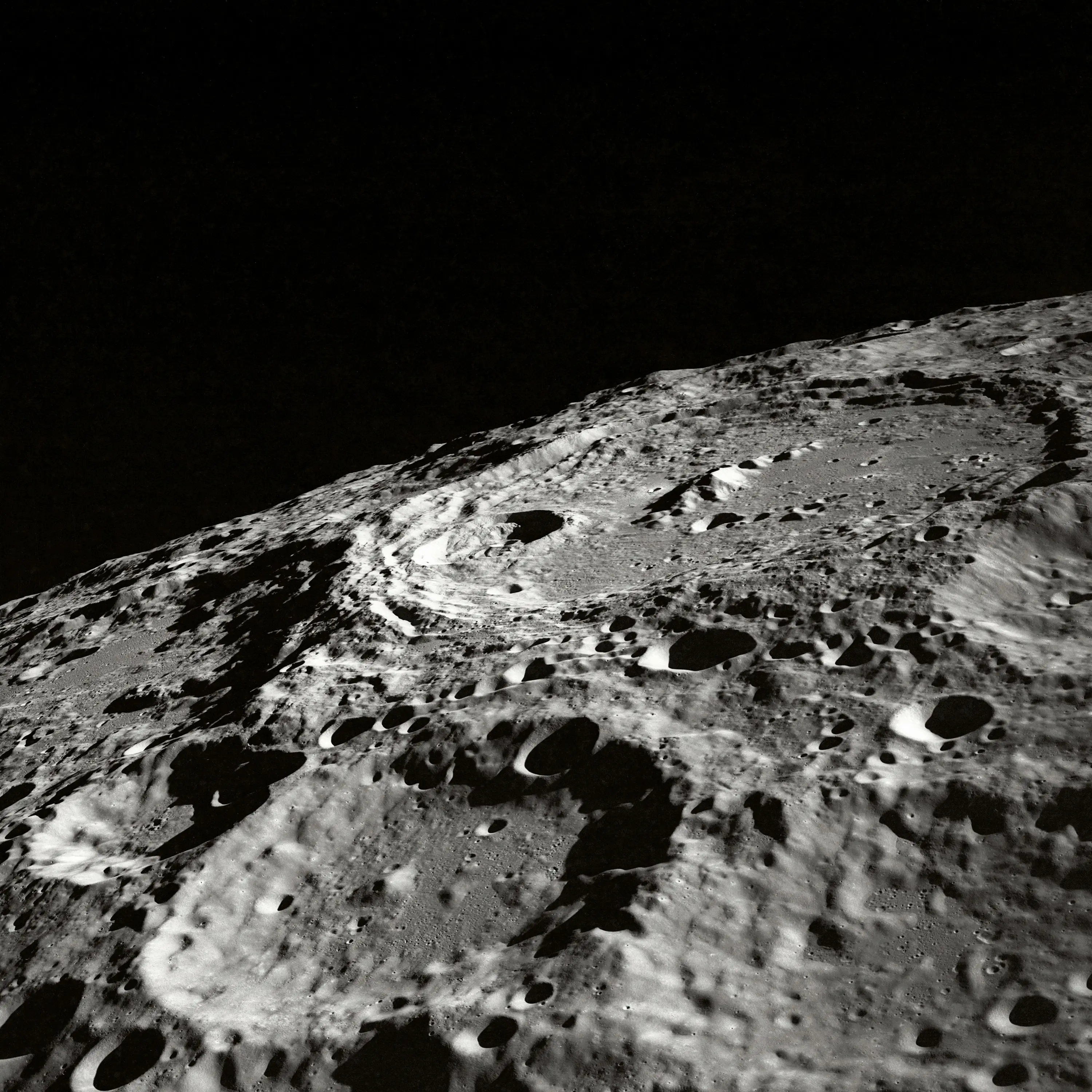
Scientific announcements often come with technical language, data ranges, and evolving estimates, for example, when the trajectory or brightness of a new comet is still being studied. This uncertainty, while normal in science, is unsettling for many. Into this uncertainty steps imagination: if the experts don’t have all the answers yet, rumours and wild theories find fertile ground. That’s how a routine astronomical discovery can quickly morph into talk of alien invasions or doomsday prophecies.
3. Social Media Turns Speculation Into ‘Fact’
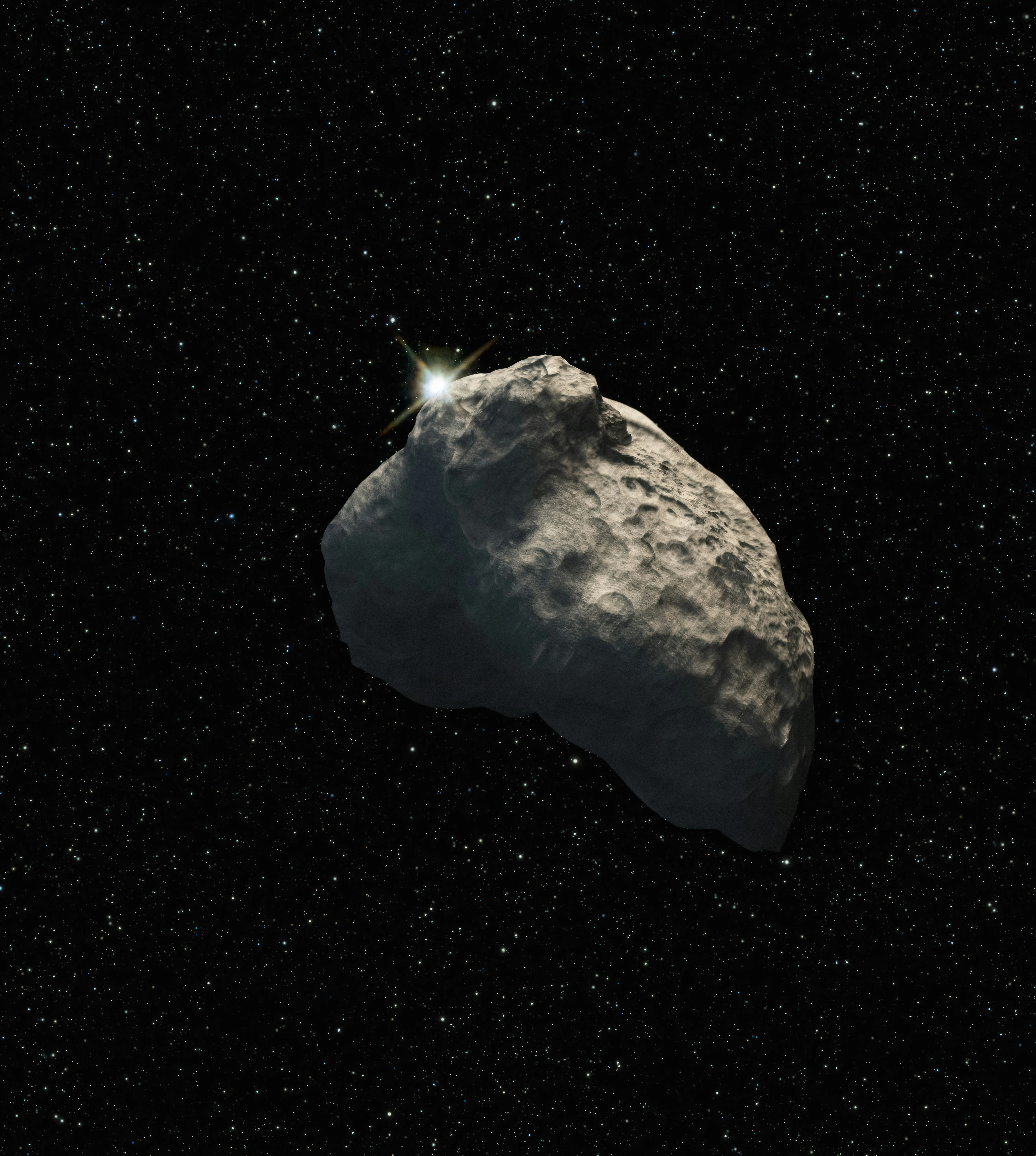
Platforms like TikTok, X (Twitter), and YouTube are central to the modern rumour mill. A few viral posts claiming “NASA is hiding something” about 3I/ATLAS can reach millions in hours. Repetition gives the illusion of credibility, a cognitive bias known as the illusory truth effect. Once a claim is repeated enough, people begin to believe it, even if it started as satire or misinterpretation.
4. Aliens Make a Good Story
Stories of alien invasions, secret government knowledge, and hidden messages are inherently more exciting than orbital data and telescopic observations. Psychologists call this the narrative bias, we’re drawn to stories with drama and stakes. A comet silently passing through space doesn’t grab attention; an “alien mothership hiding in a comet’s tail” does. That’s why rumours about 3I/ATLAS quickly took on an alien theme.
5. History Repeats Itself — From Halley’s Comet to Nibiru
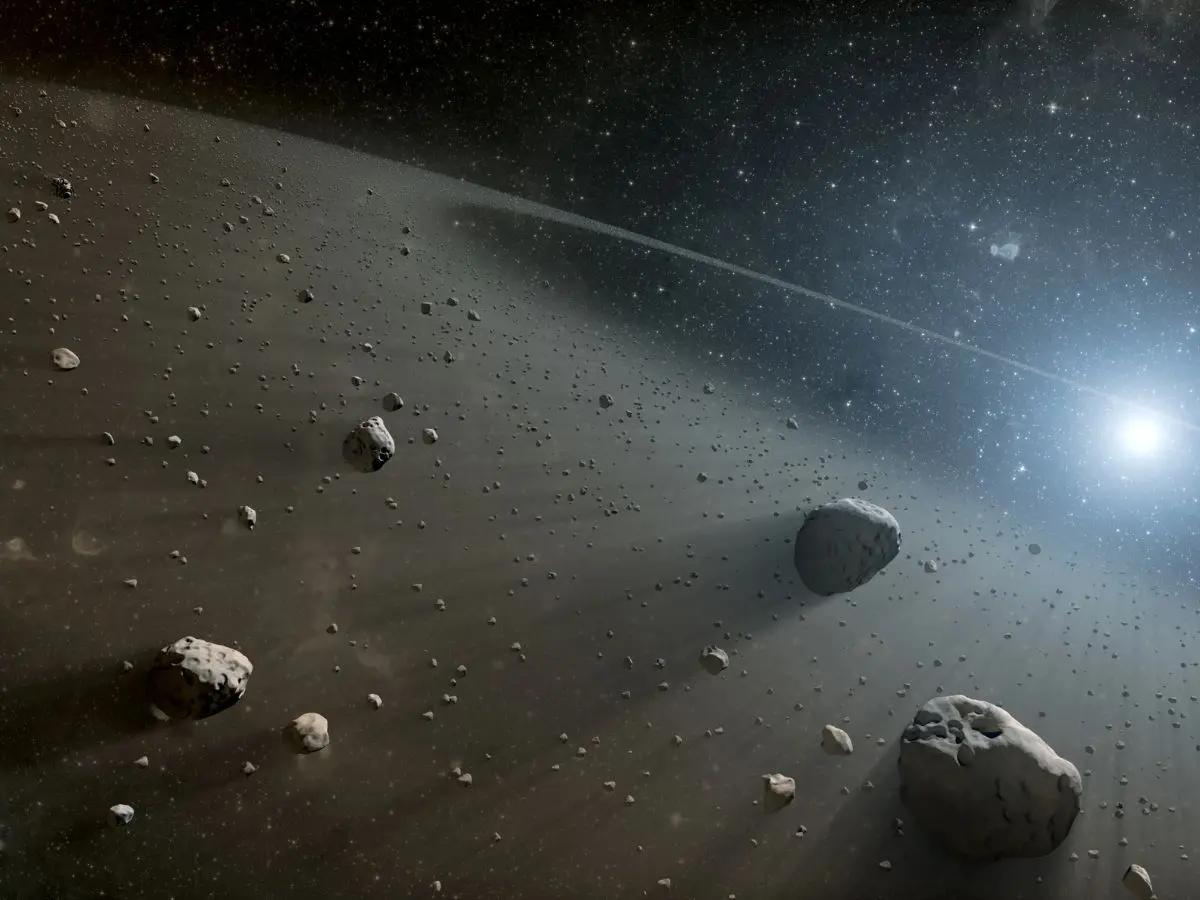
This isn’t new. In 1910, panic spread that Halley’s Comet would release deadly gases into Earth’s atmosphere. In the 1990s, conspiracy theories about Nibiru, a fictional rogue planet, predicted catastrophic collisions. In 2017, when the interstellar object ʻOumuamua was detected, alien ship theories exploded online. 3I/ATLAS is just the latest in a century-long pattern: every unusual celestial visitor becomes a canvas for human fears.
6. The Role of Authority and Distrust
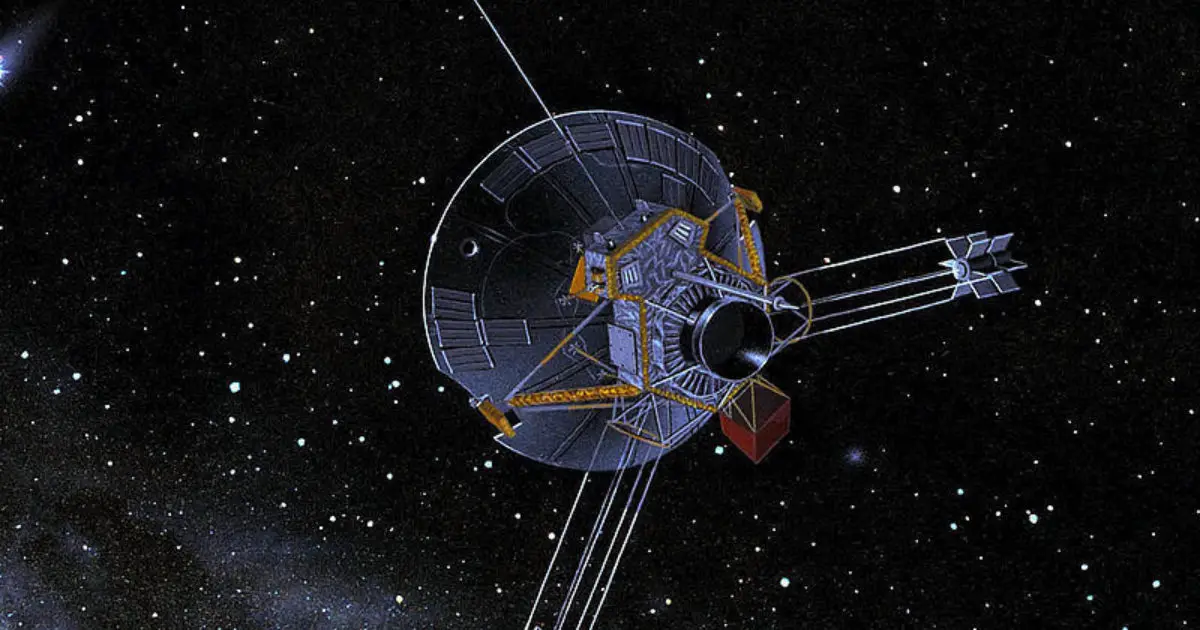
Mistrust in institutions fuels these beliefs. Many conspiracy theories around 3I/ATLAS begin with the assumption that NASA or governments are “hiding the truth.” This distrust is often stronger in groups that already feel alienated from mainstream science or media. When official statements are cautious or filled with jargon, they can inadvertently sound evasive, reinforcing suspicions.
7. Education and Communication Can Break the Cycle
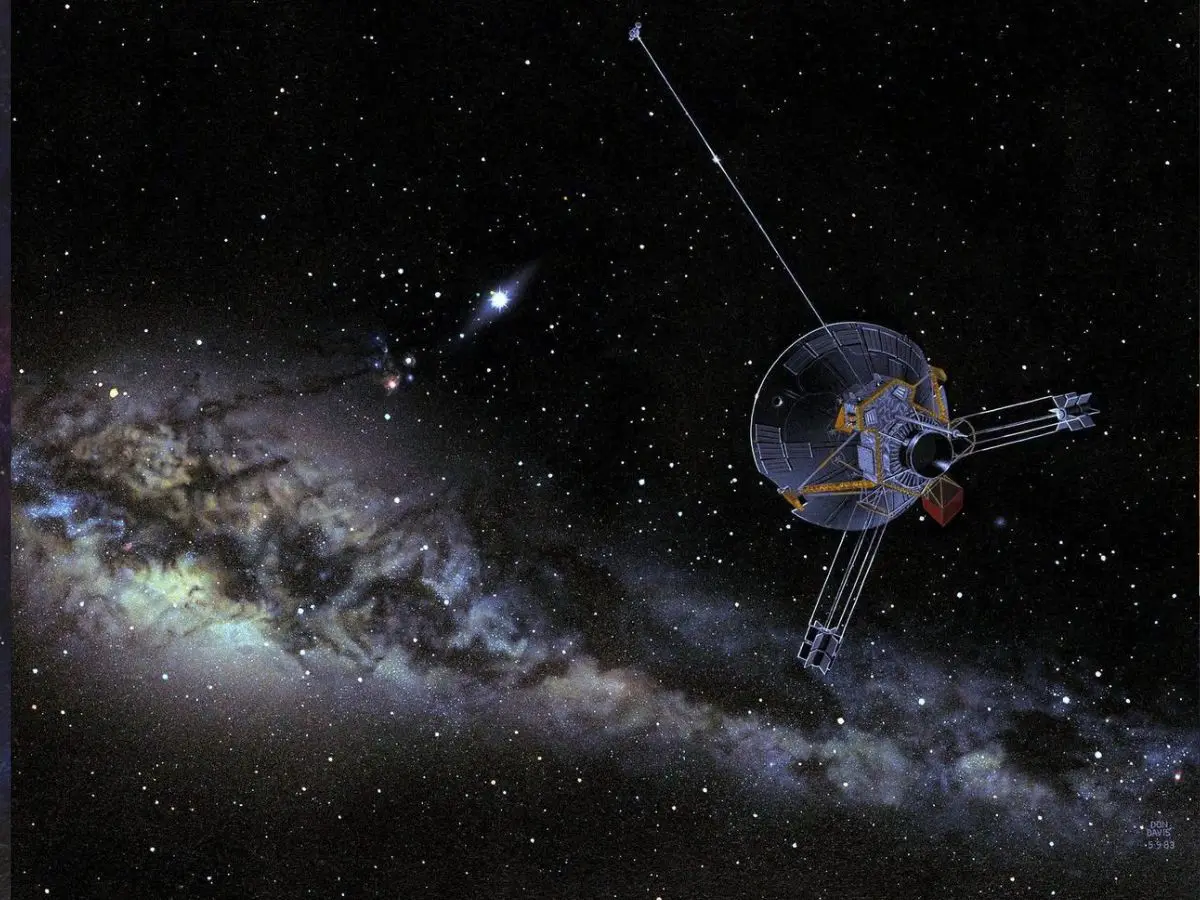
Experts say the solution lies in better science communication. Clear, timely explanations about objects like 3I/ATLAS, how they’re tracked, what their trajectories mean, and why they pose no threat, can reduce misinformation. Skywatching events, live trackers, and explainers in local languages can help replace fear with curiosity. After all, every comet is a chance to learn more about the universe, not to panic about alien invasions.
)
)
)
)
)