'Protected by faith': Richest country in world has no army to defend its enormous treasures

The Vatican City is the world’s richest country by GDP per capita, yet it has no army. Protected by faith, diplomacy, and the Swiss Guard, this tiny city-state survives through global influence, wealth, and divine politics instead of military might.
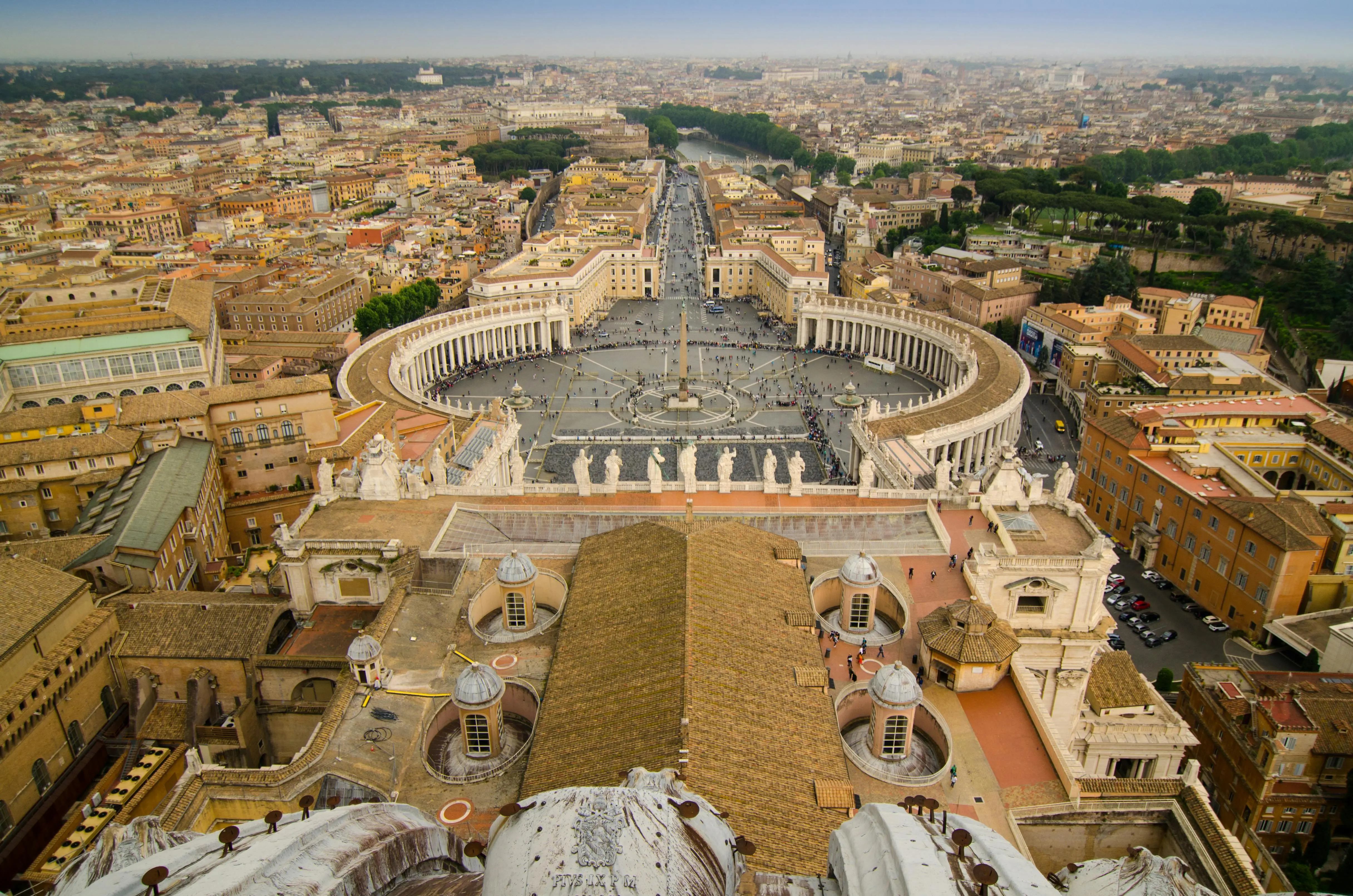
1. The World’s Smallest and Richest Nation
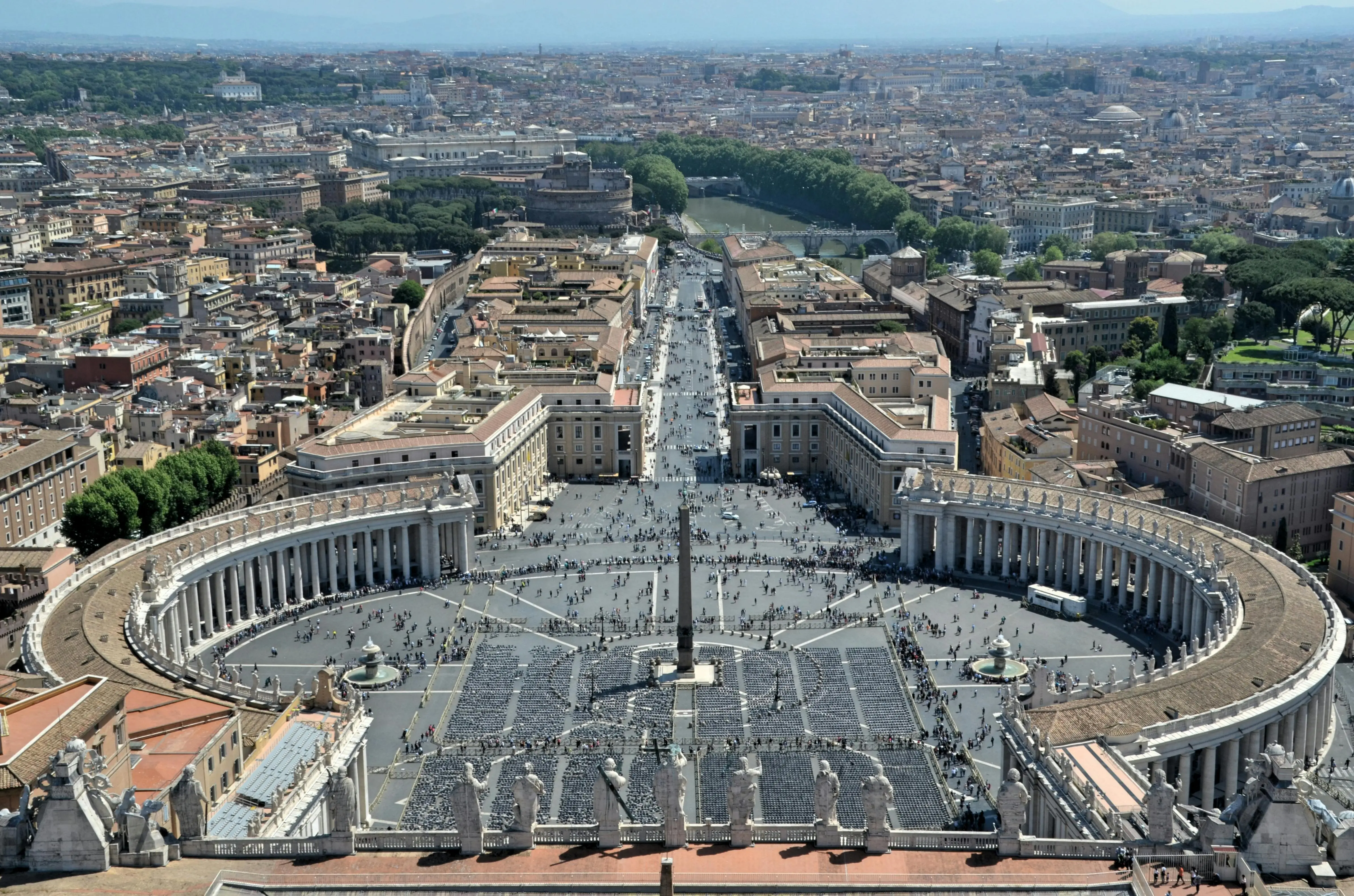
Vatican City spans just 0.49 sq km, making it the smallest country on Earth. Yet, because of its enormous art treasures, global donations, and financial holdings, it boasts one of the highest GDP per capita figures in the world, often exceeding $400,000.
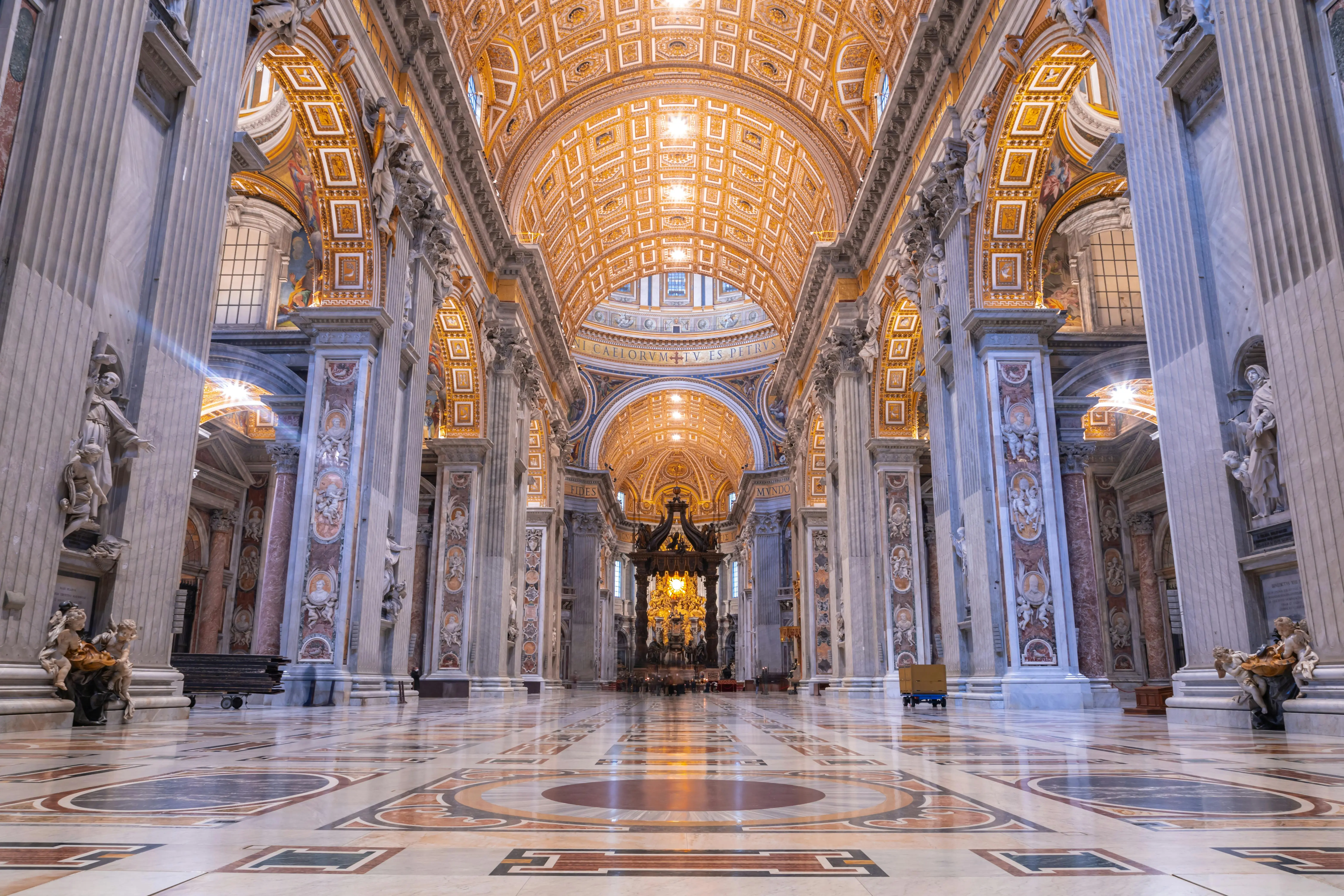
2. No Army, No Tanks — Just Faith and Guards in Stripes
Vatican City has no military of its own. Instead, it relies on the Swiss Guard, a ceremonial yet elite unit of 135 soldiers who protect the Pope. They may look colourful in their Renaissance-style uniforms, but they’re trained in modern security tactics.
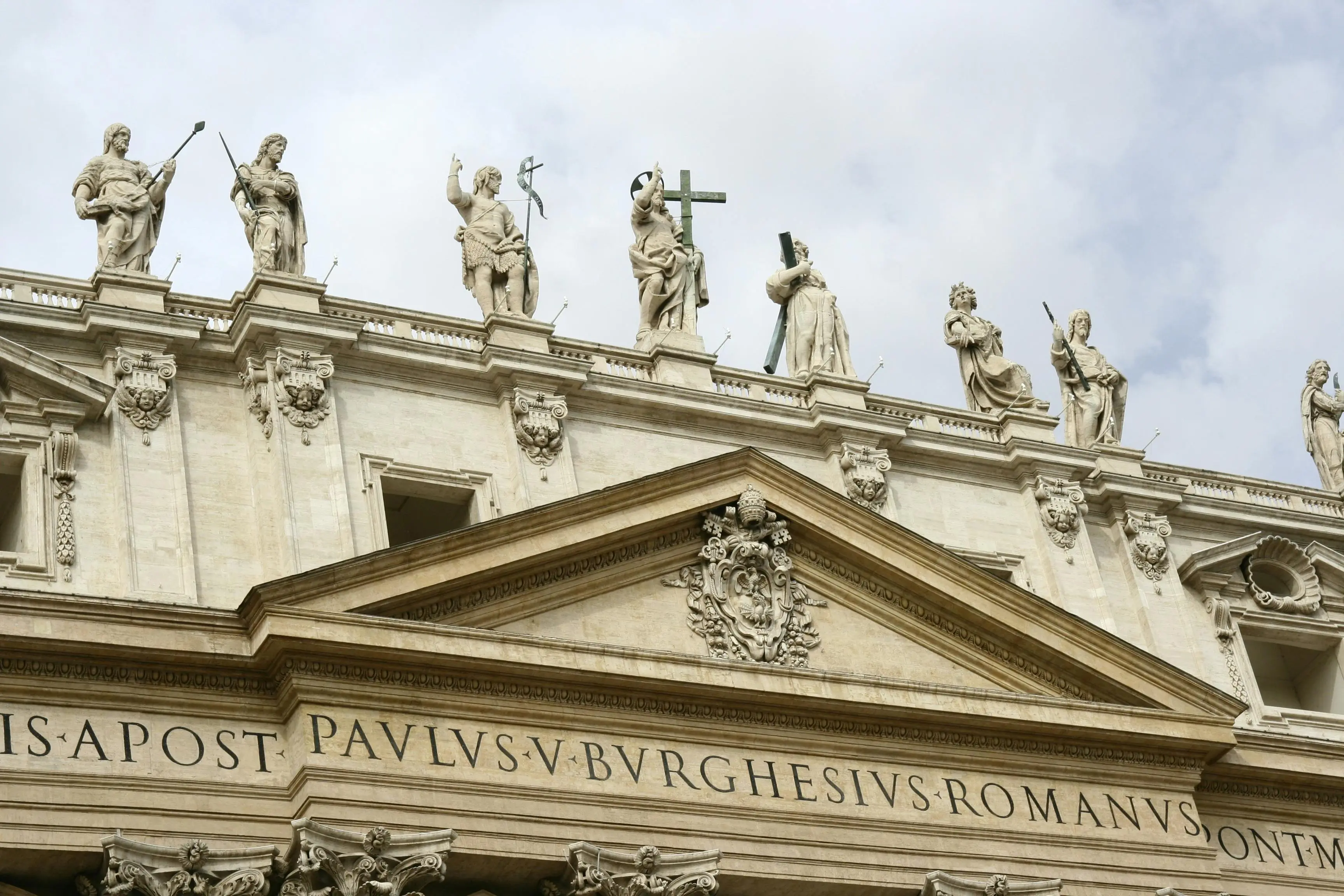
3. Who Protects the Vatican If War Breaks Out?
Vatican City’s defence is effectively guaranteed by Italy through the 1929 Lateran Treaty. Any external threat would prompt the Italian government (and NATO allies, indirectly) to intervene. Its neutrality and moral standing also make it diplomatically untouchable.
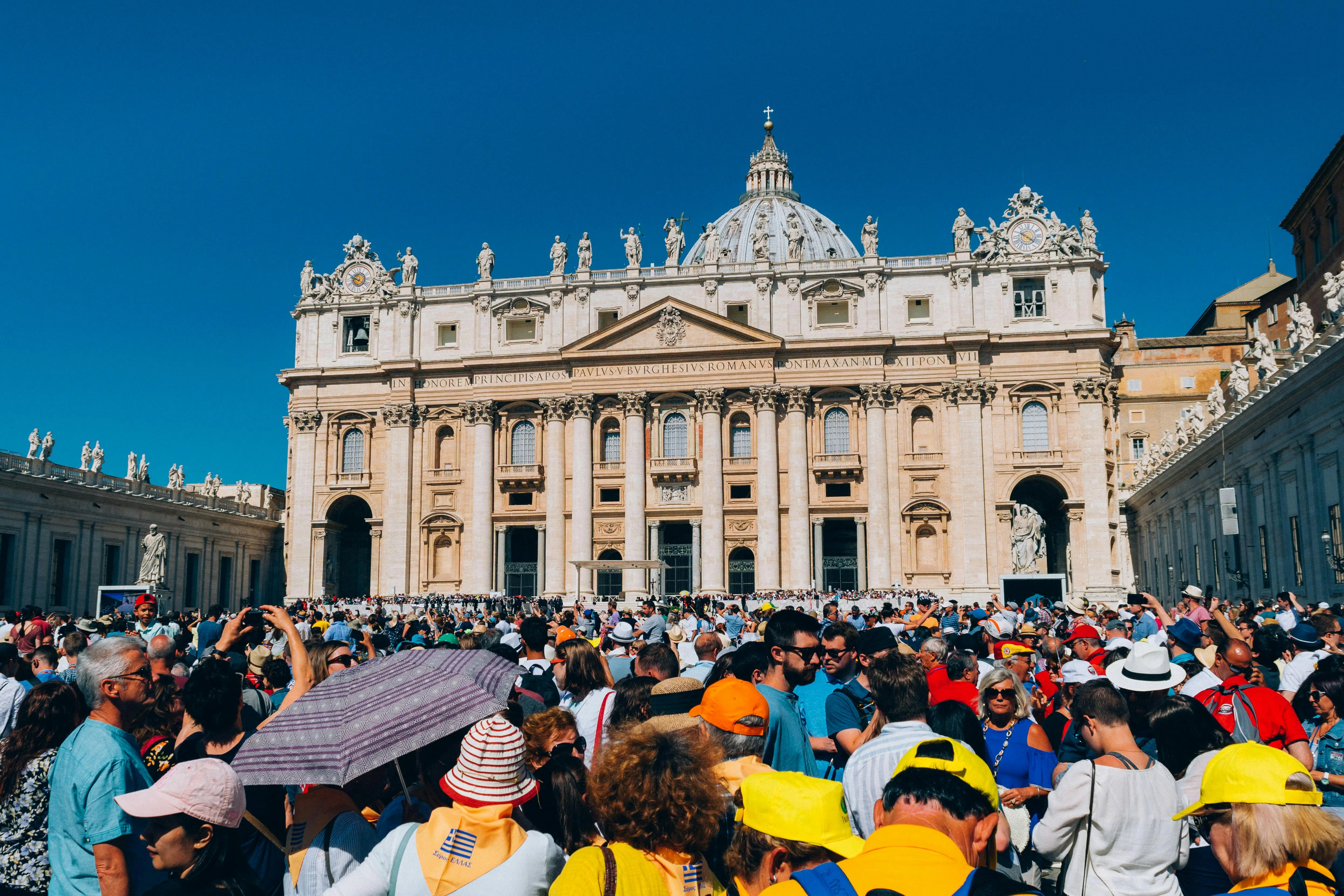
4. Where Does the Vatican’s Money Come From?
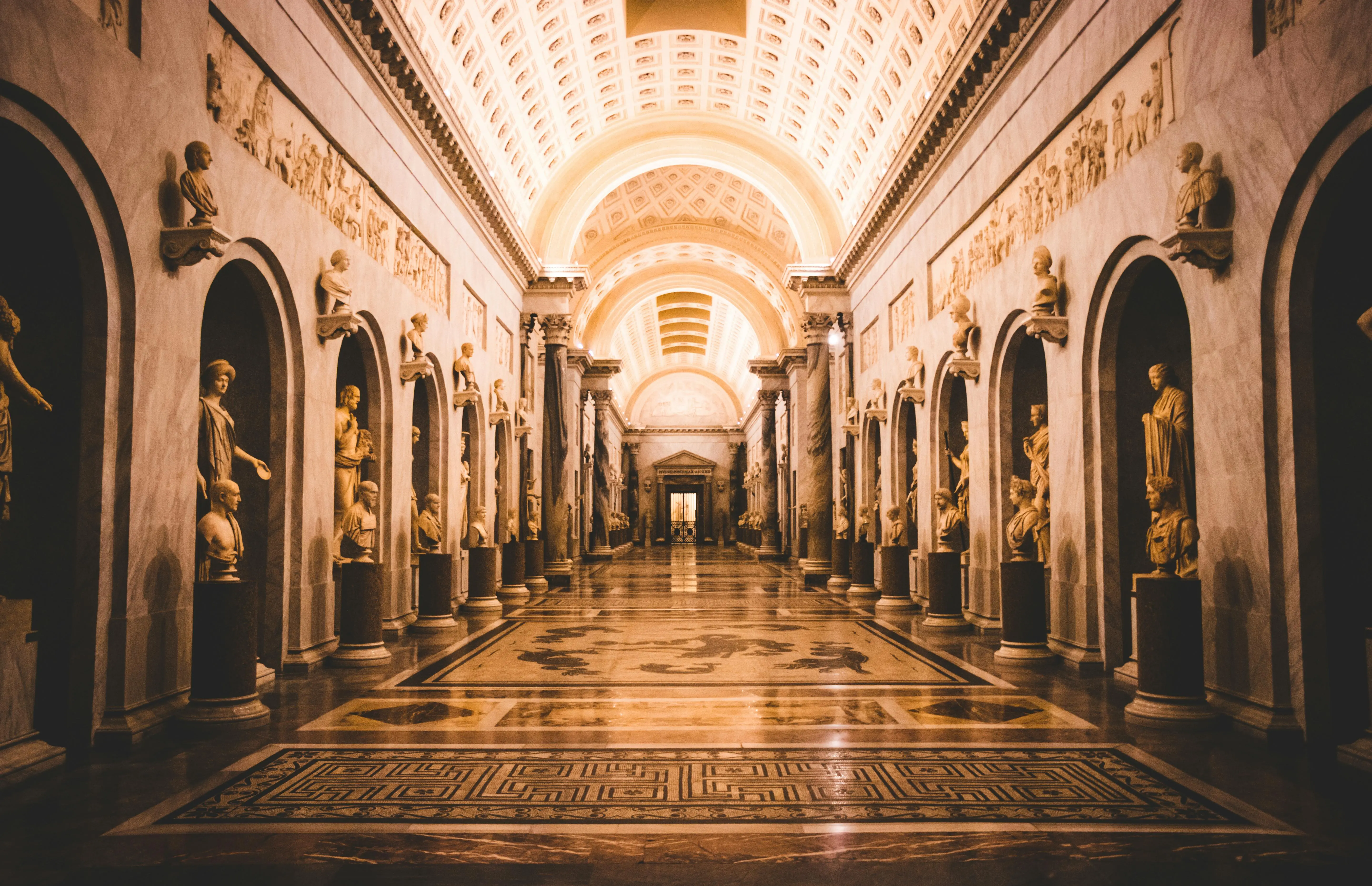
The Vatican earns revenue through global church donations, investments, tourism, and the Vatican Bank (IOR). It owns priceless art, including works by Michelangelo and Raphael that form part of its cultural and economic power.
5. The Pope — A Spiritual Leader and a Head of State
As head of both the Catholic Church and the Vatican City State, the Pope holds unique political power. He meets world leaders regularly, influencing global policy on peace, climate, and ethics, without commanding a single soldier.
6. How Does Security Work Without a Military?
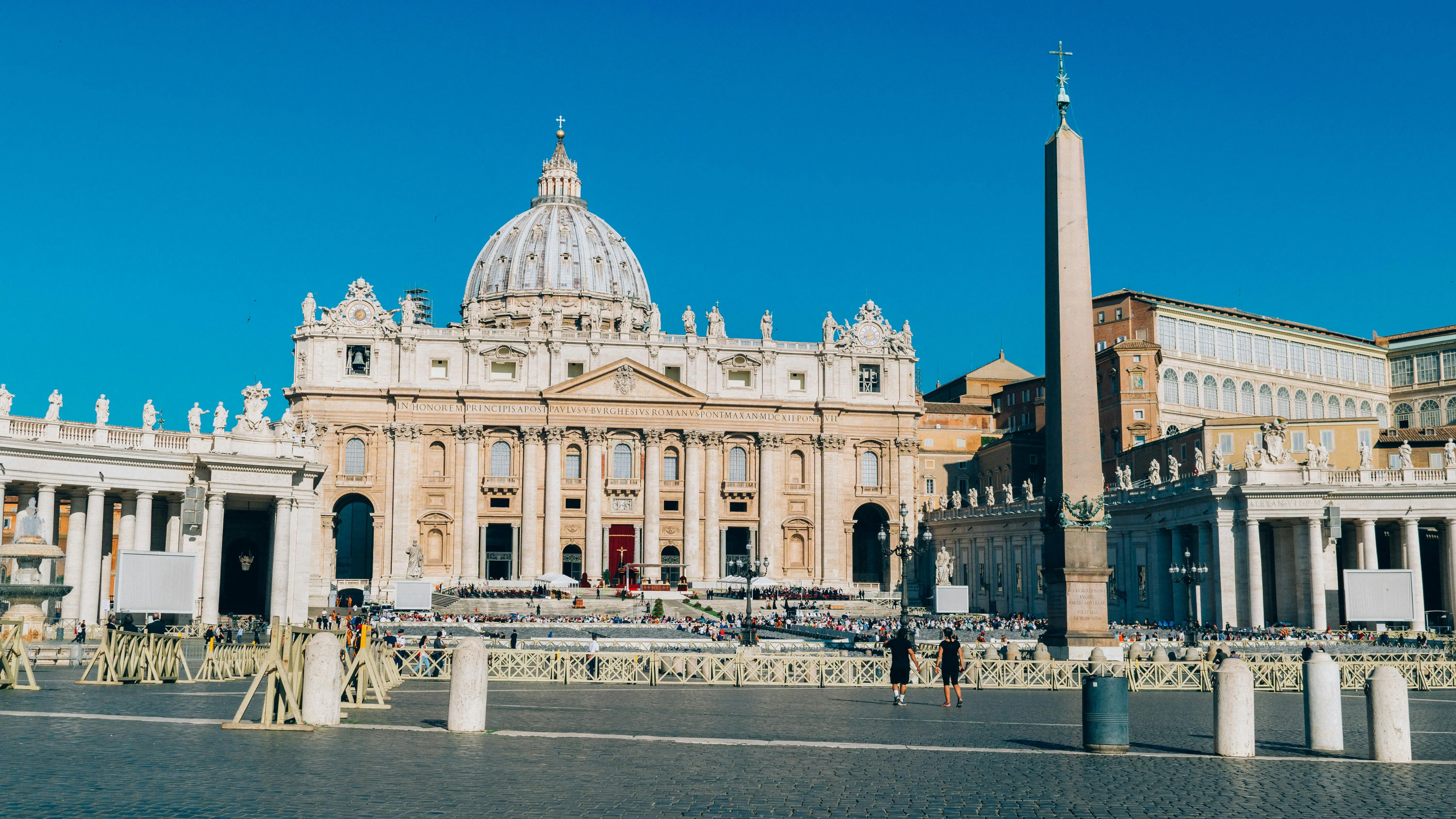
Aside from the Swiss Guard, the Vatican Gendarmerie handles internal law enforcement, surveillance, and cybersecurity. Major events, such as Papal Masses or foreign visits, are jointly secured by Italian police and Interpol coordination.
7. Why the Vatican Will Probably Never Need an Army
The Vatican’s power lies not in weapons but in soft power, faith, diplomacy, and moral authority. Its neutrality during conflicts, recognised globally, has ensured its survival and influence for over 1,000 years.
)
)
)
)
)