'Pri-Fly': Who runs the chaotic USS Abraham Lincoln airport tower

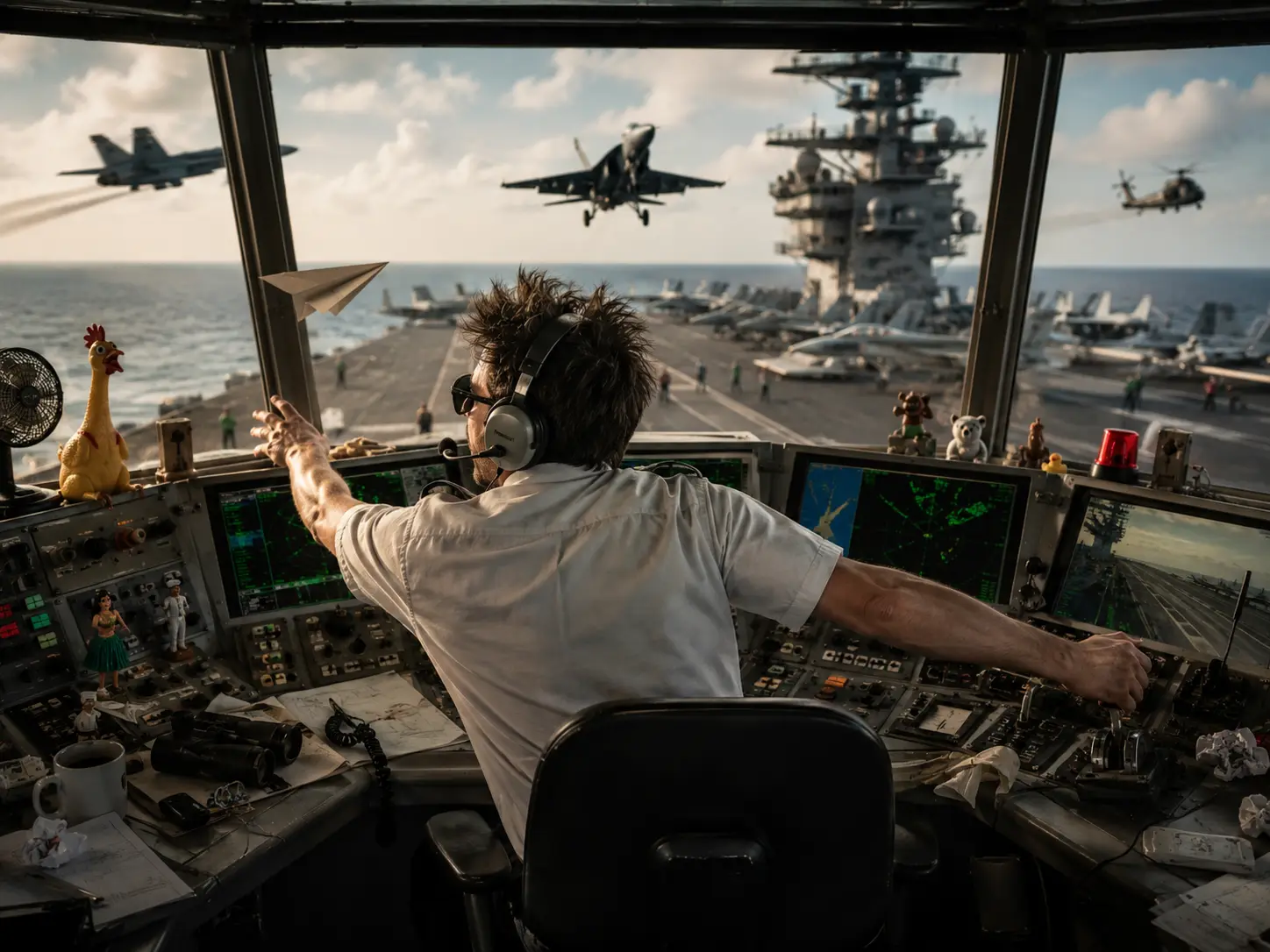
Pri-Fly is the USS Abraham Lincoln's control tower. It manages a five-nautical-mile radius, guiding 48,000-pound jets from zero to 165 mph, ensuring safe operations on the 332.8-metre carrier.
Towering 332.8-Metre Giant
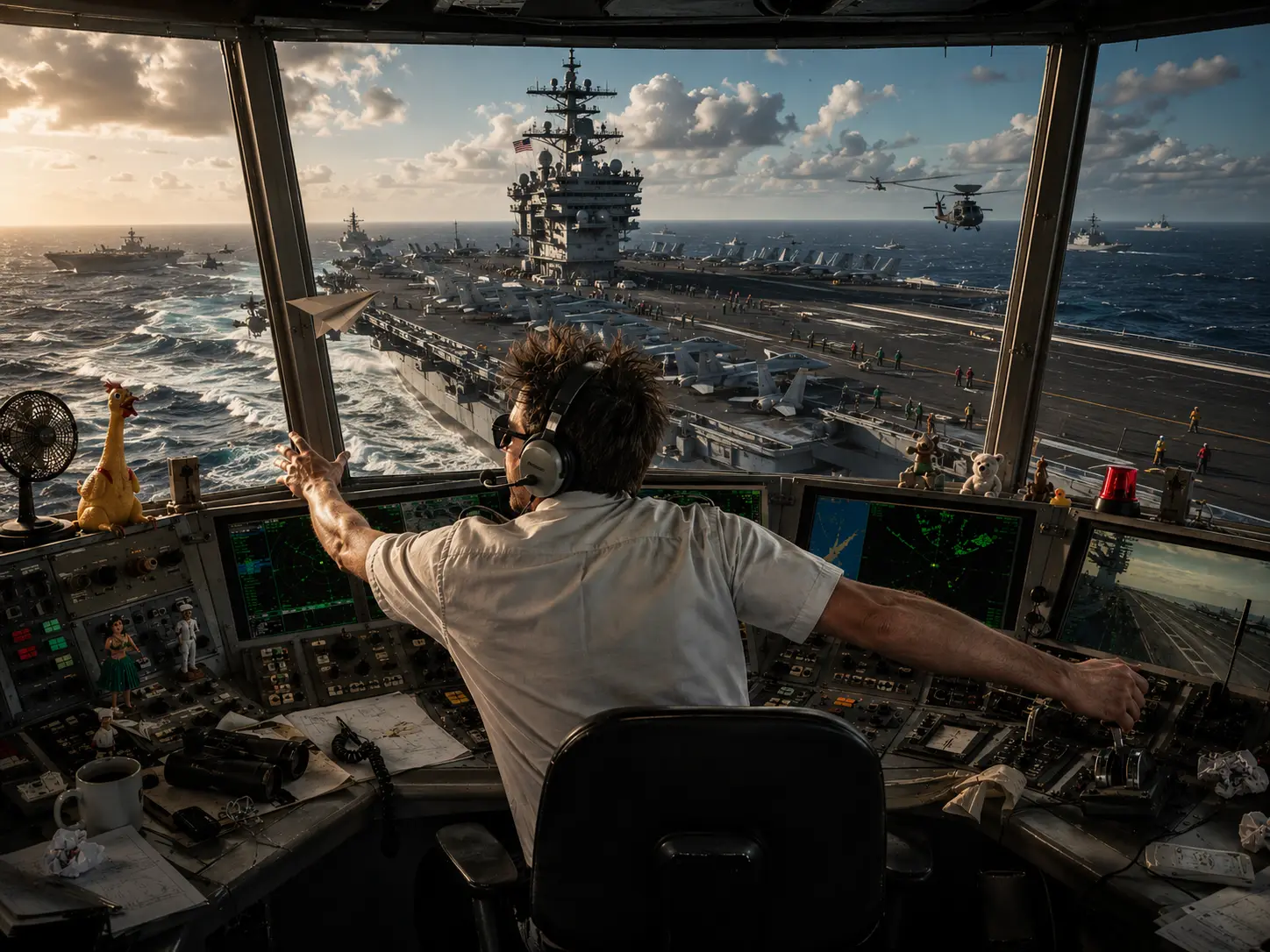
Pri-Fly is the Primary Flight Control tower situated high above the flight deck of the USS Abraham Lincoln. The Nimitz-class aircraft carrier spans an overall length of 332.8 metres. This elevated small room provides operators with a panoramic view of the massive deck below.
2 Bosses Run Operations
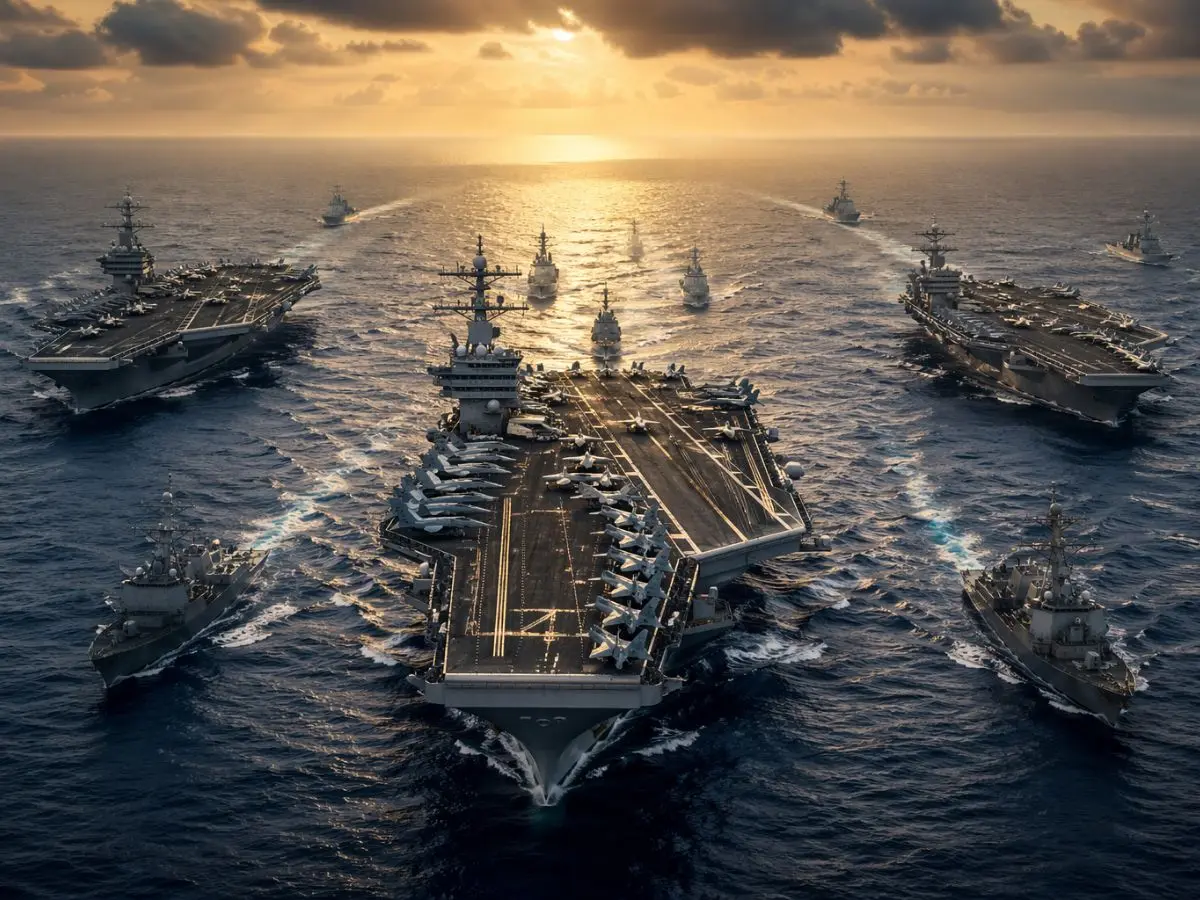
The Air Officer, widely known as the Air Boss, leads the high-stakes operations alongside the Mini Boss. They are responsible for all aspects of aircraft movement on the flight and hangar decks. These officers hold ultimate authority over aircraft launches and recoveries.
5-Nautical-Mile Flight Zone
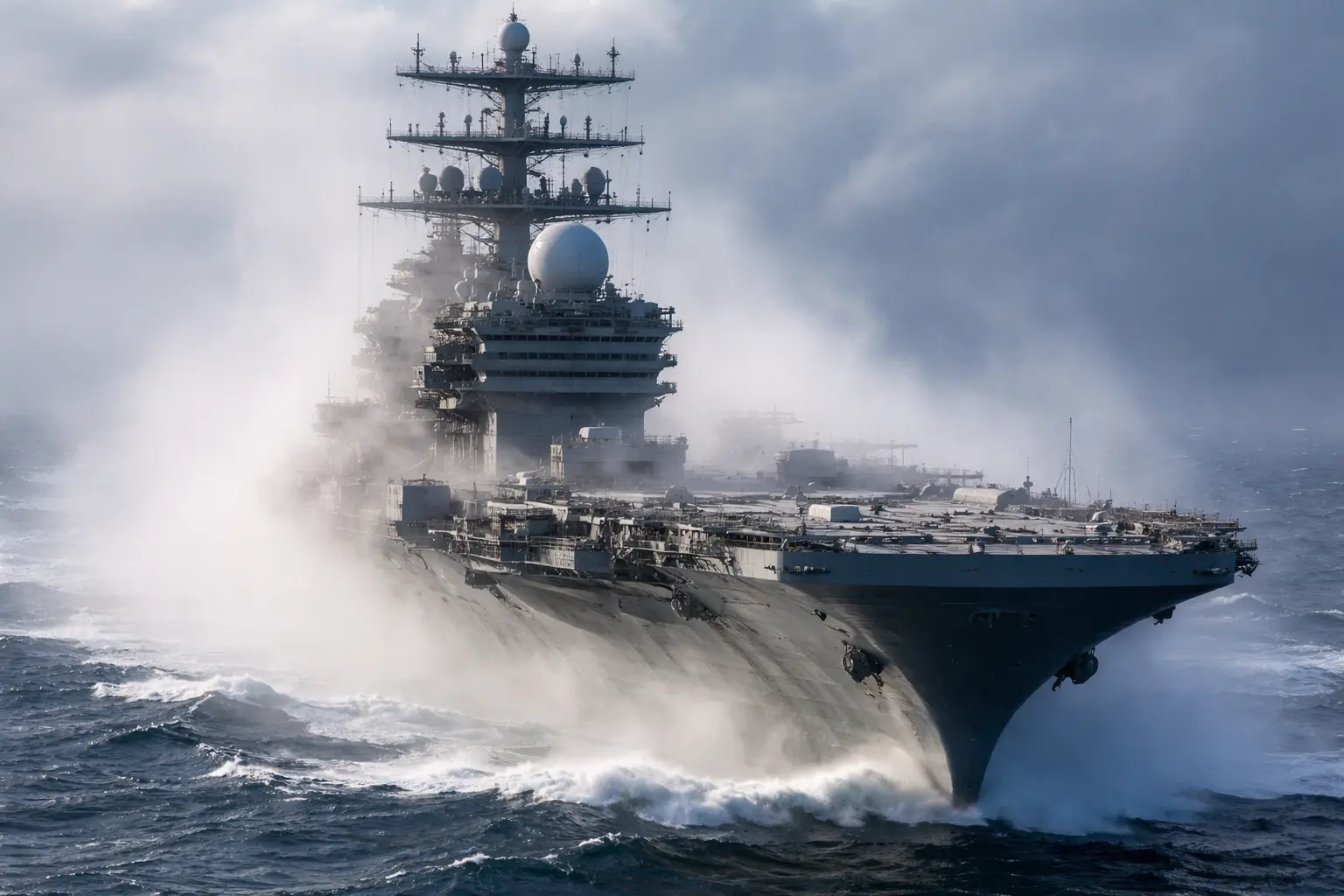
Pri-Fly operations extend far beyond the immediate edges of the massive ship. The Air Boss maintains visual control of all airborne aircraft within a five-nautical-mile radius of the carrier. The active control zone stretches from the surface up to 2,500 feet in the air.
Launching 48,000-Pound Jets
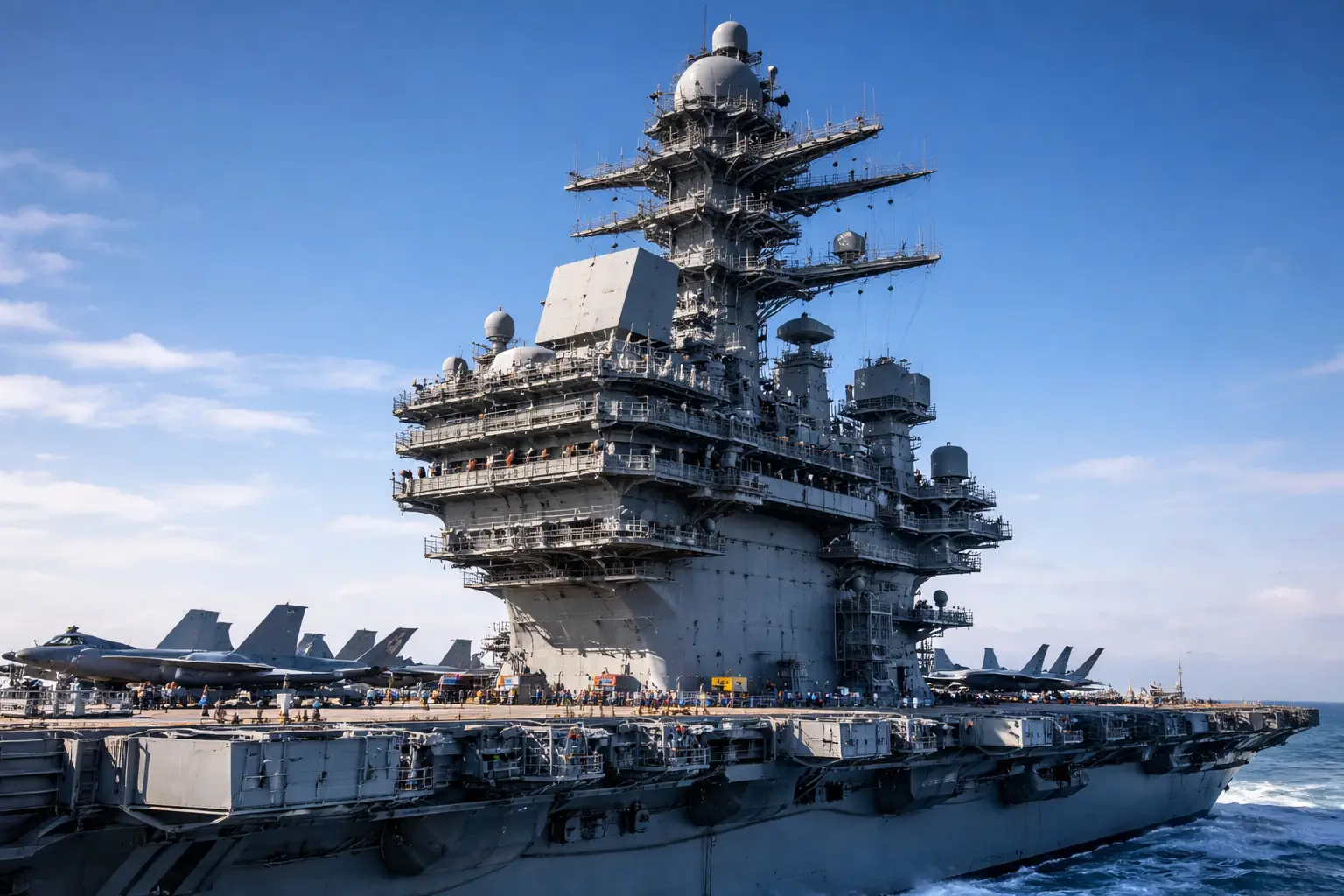
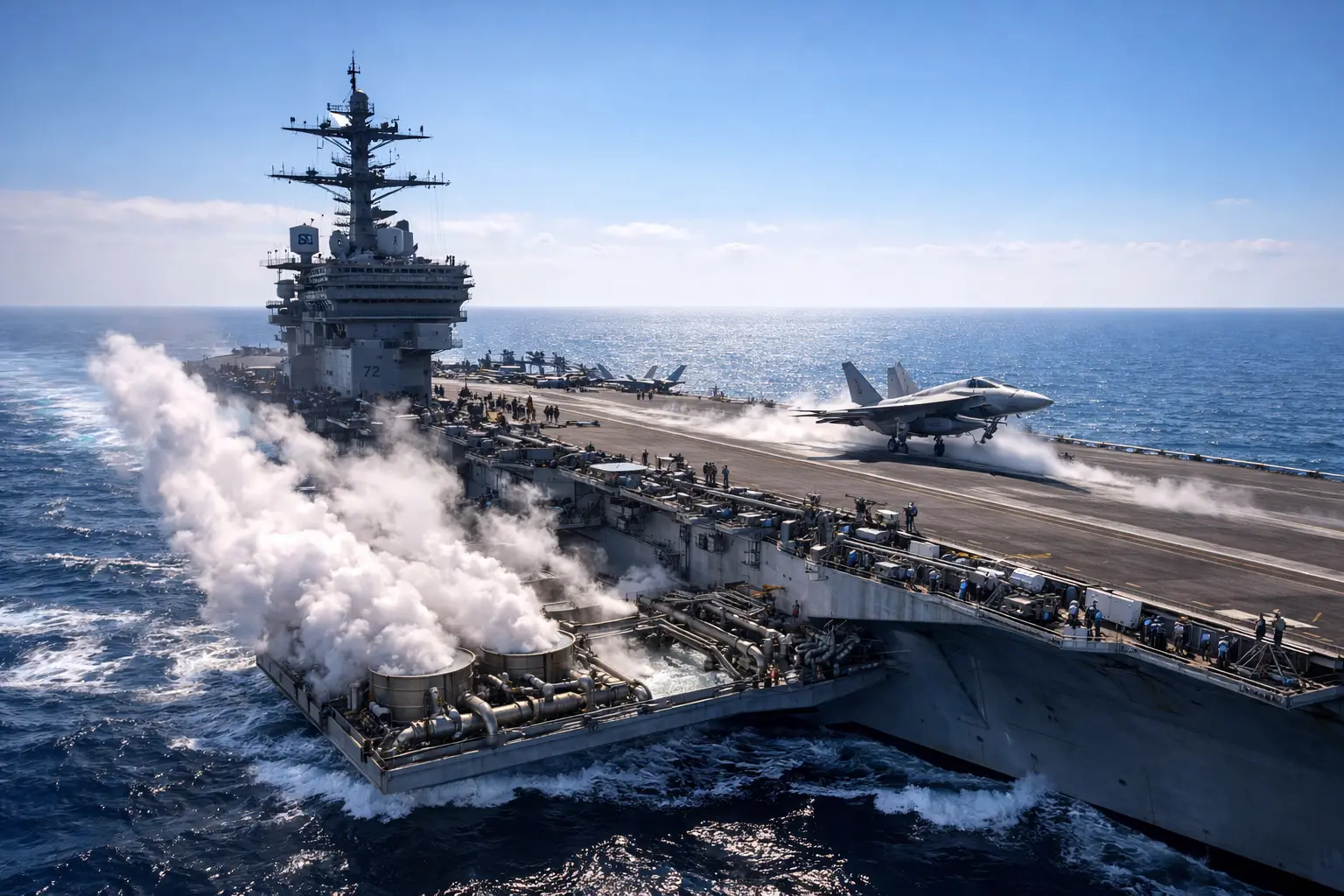
During active operations, the flight deck relies on four powerful steam-powered catapults. These catapults can thrust a 48,000-pound aircraft from zero to 165 miles per hour. This rapid, high-pressure acceleration sequence is completed in just two seconds.
Landing 1 Jet Every Minute
Aircraft recovery is a carefully timed process that requires intense coordination between the tower and the deck. During daylight, the crew can launch two planes and safely land one every 37 seconds. During night operations, the recovery pace shifts to one landing per minute.
Halting Jets In 320 Feet
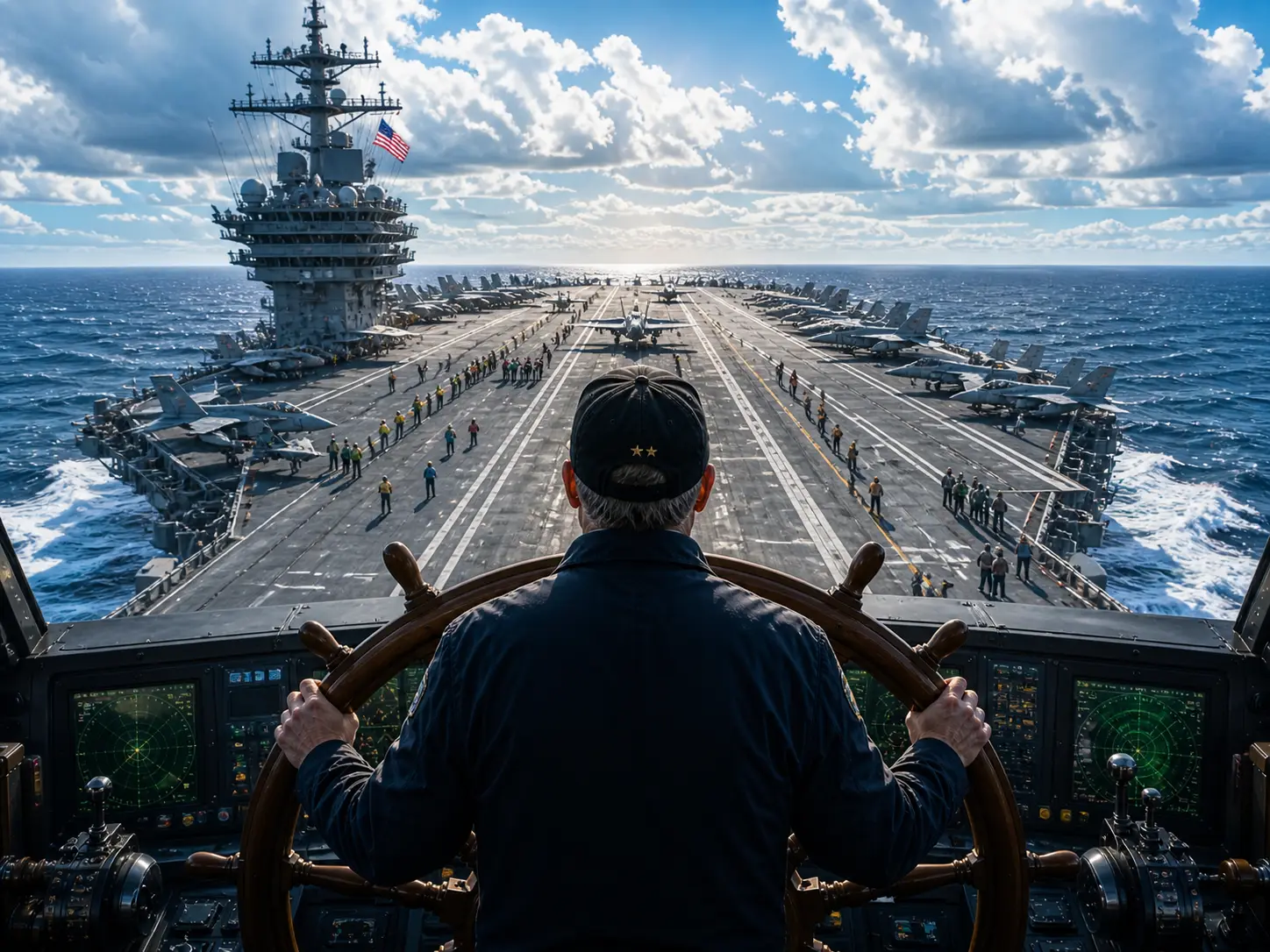
Bringing a fast-moving fighter jet down onto a short runway requires extreme precision from Pri-Fly. Arresting gear engines are adjusted to specific weight settings for each type of incoming aircraft. The steel cables stop a plane travelling at 150 miles per hour in just 320 feet.
12 To 20 Aircraft Events
Daily flight operations are structured into sequentially numbered events over a 24-hour cycle. A single event typically involves launching and recovering 12 to 20 aircraft. The deck is pre-arranged so the first jets can quickly taxi to the catapults for immediate takeoff.
)
)
)
)
)