'Powered by 2 nuclear reactors': Why Iran should fear USS Abraham Lincoln to its core?

A carrier is only as lethal as its supply chain. The Lincoln is supported by the USNS Henry J. Kaiser (T-AO-187), a fleet replenishment oiler that acts as a mobile gas station and pantry.
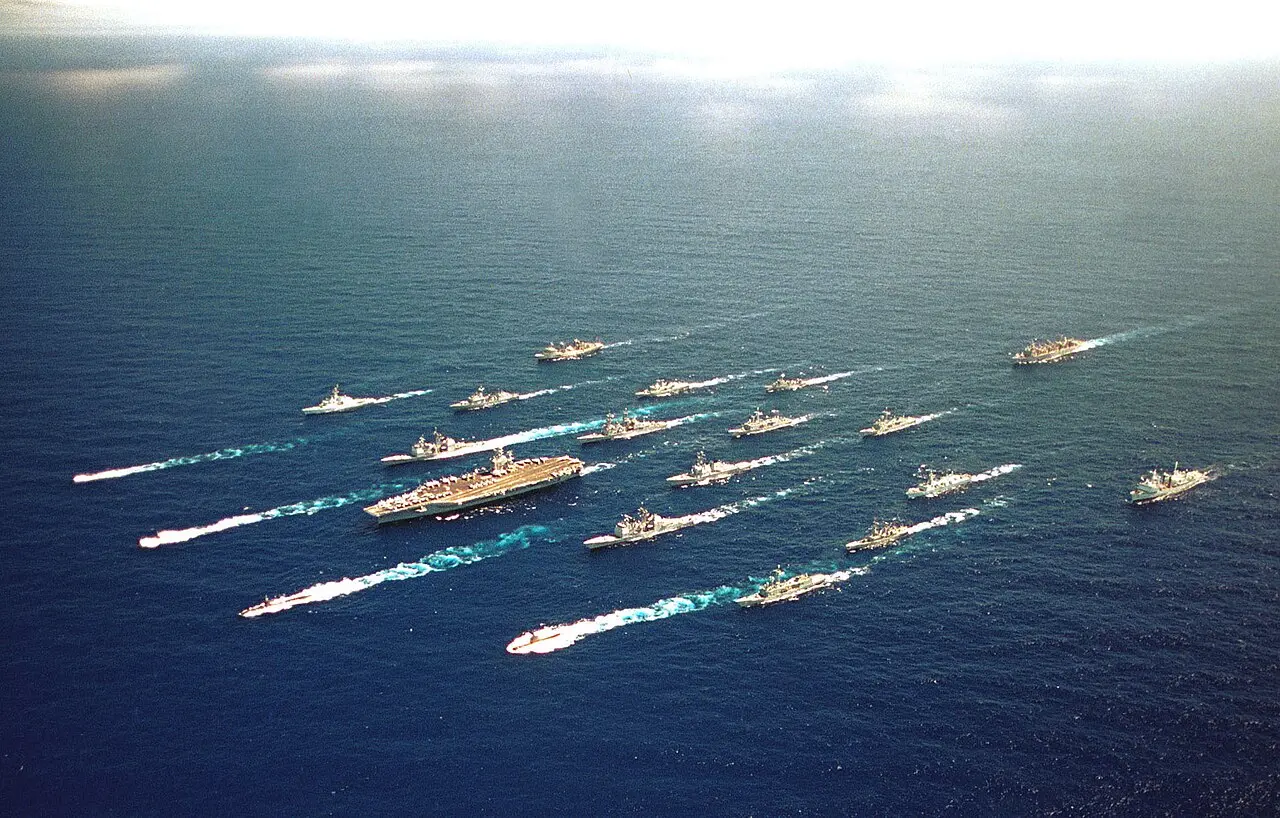
USS Abraham Lincoln
As the USS Abraham Lincoln (CVN-72) takes its station in the North Arabian Sea, military analysts are focusing on a concept known as the "60-Day Siege." While traditional land-based forces require complex diplomatic permissions and vulnerable airfields, the Lincoln’s "Armada" is designed to operate as a completely autonomous, sovereign sea-base.
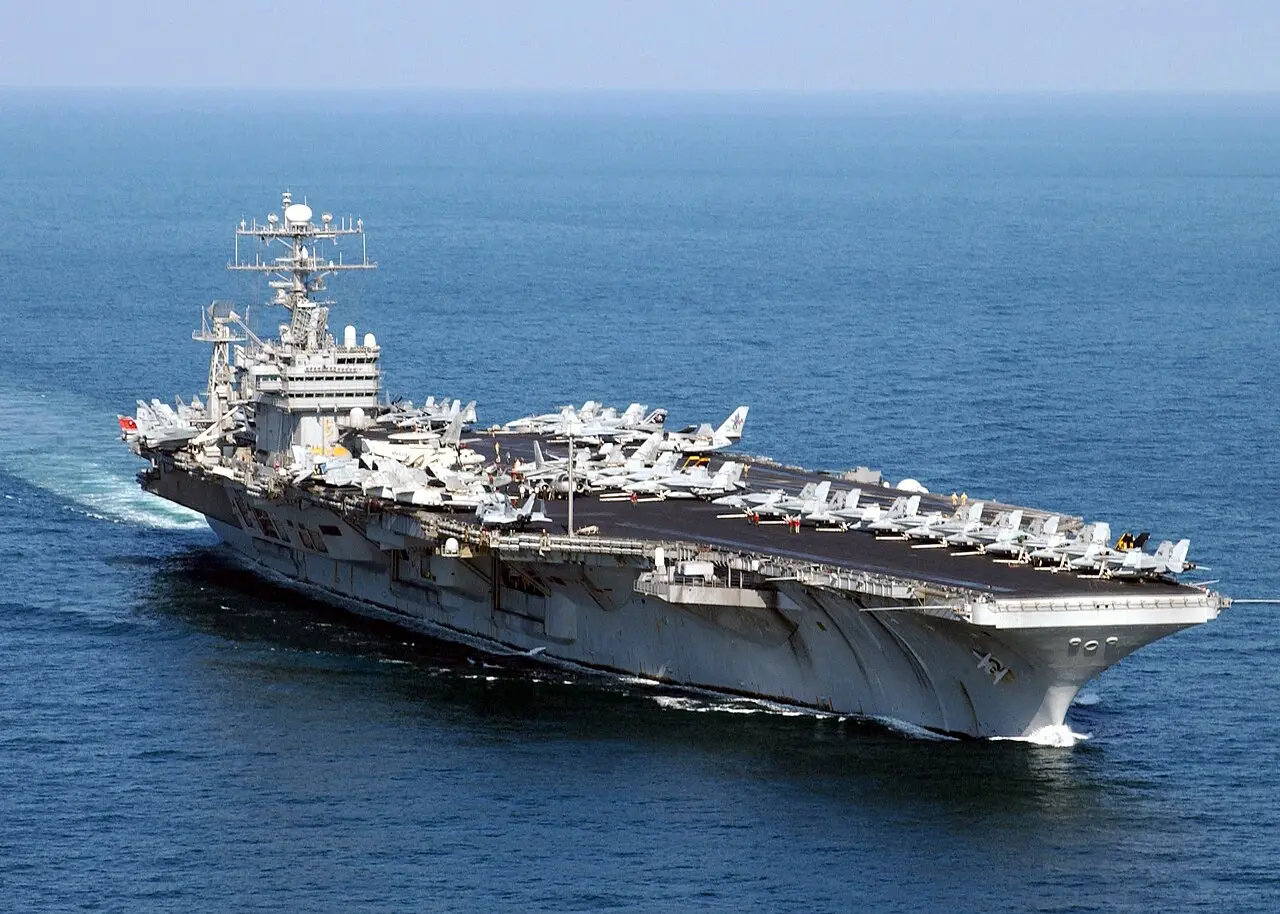
1. Nuclear Endurance: The "Forever" Engine
The foundation of the 60-day siege is the Lincoln’s propulsion. Powered by two A4W nuclear reactors, the ship has "unlimited" range and can operate for over 20 years without refueling. This allows the carrier to maintain high speeds (over 30 knots) indefinitely, staying out of reach of Iranian coastal threats while keeping its flight deck positioned for optimal wind-over-deck launch conditions. Unlike conventional ships, the Lincoln never needs to "stop for gas," allowing it to remain in the "Red Zone" for as long as the mission requires.
2. The USNS Henry J. Kaiser "Lifeline"
A carrier is only as lethal as its supply chain. The Lincoln is supported by the USNS Henry J. Kaiser (T-AO-187), a fleet replenishment oiler that acts as a mobile gas station and pantry. During Underway Replenishment (UNREP), the Kaiser can transfer millions of gallons of JP-5 jet fuel and diesel to the strike group while both ships are moving at 13 knots. This "shuttle ship" system ensures that the Lincoln’s tanks remain "topped off," providing the fuel necessary for the "1,000-aimpoint day" without the carrier ever having to break station.
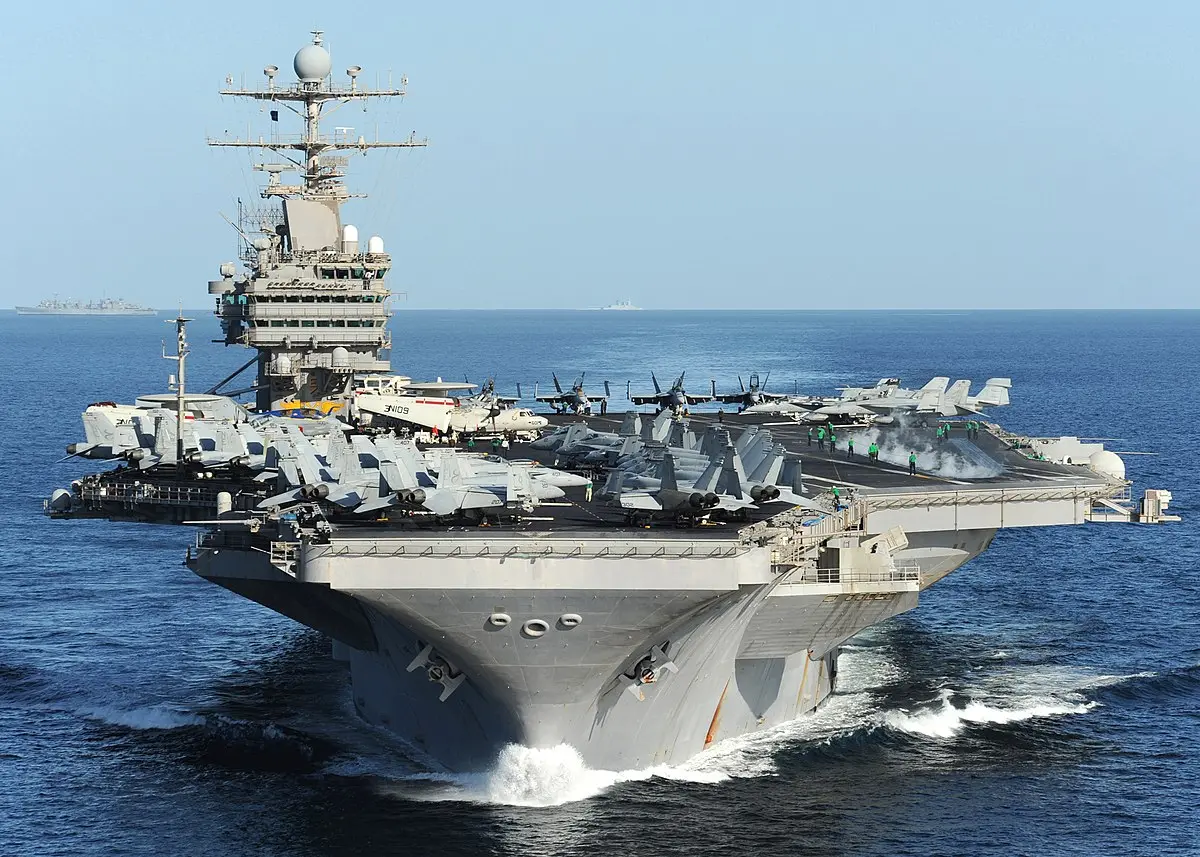
3. "Vertical Replenishment" (VERTREP)
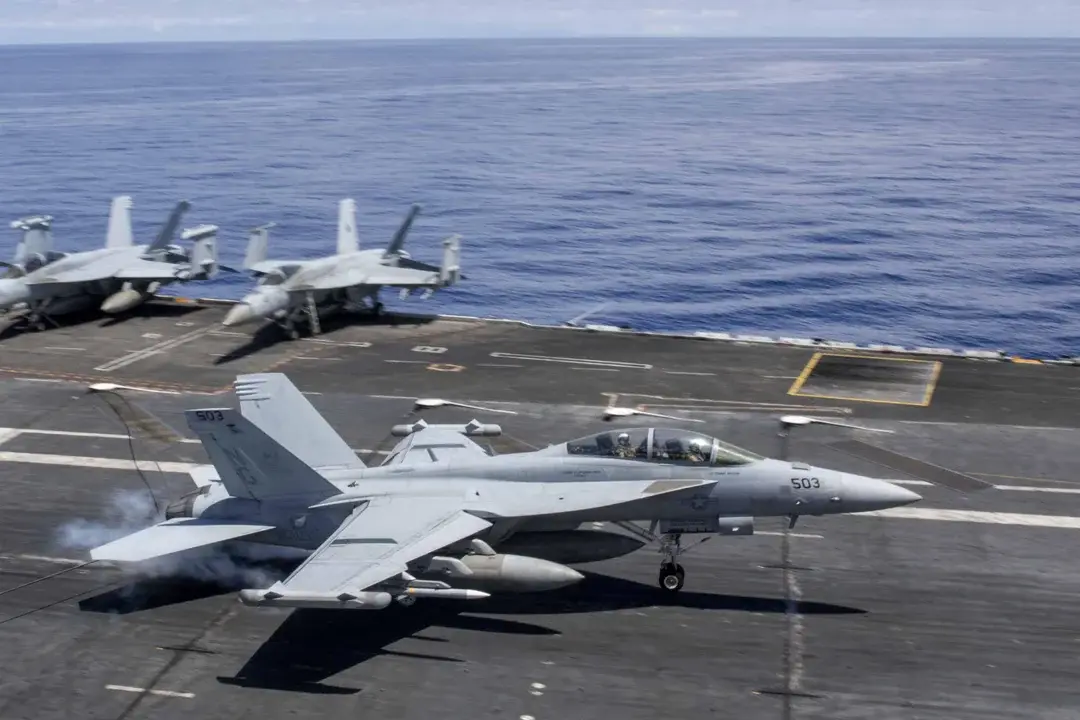
When sea states are too rough for ship-to-ship cables, the Lincoln utilises VERTREP. MH-60S Seahawk helicopters from the carrier’s air wing fly "slings" of cargo, ammunition, spare parts, and fresh food, from supply ships directly to the carrier's deck. This allows for a 24/7 flow of critical supplies, ensuring that even during a high-intensity engagement, the "Black Knights" of VMFA-314 have a constant supply of precision-guided munitions like the StormBreaker.

4. The 70-Day "Pantry" Capacity
While the ship is nuclear, the crew is not. The Lincoln carries enough dry and refrigerated food to support its 6,000 personnel for approximately 70 days. This internal storage capacity is what defines the "60-day siege" window. By managing rations and utilizing the "shuttle ship" logistics train, the Lincoln can maintain peak crew performance and morale far from any friendly coastline, effectively outlasting the psychological and logistical endurance of a besieged adversary.
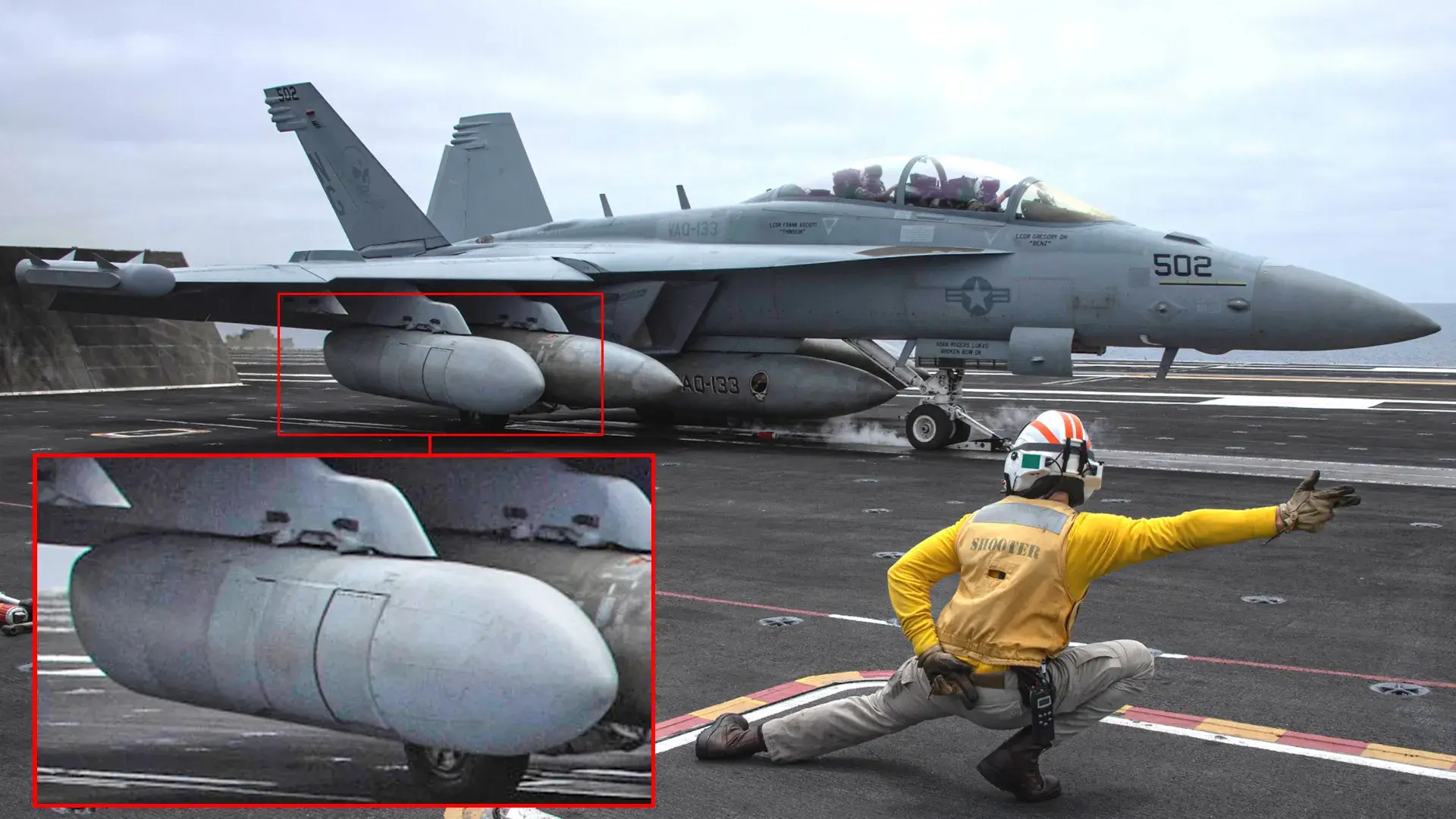
5. Reverse Osmosis: Infinite Fresh Water
A major logistical hurdle for any large force is water. The Lincoln’s nuclear reactors provide the massive energy required to run its reverse osmosis desalination plants, which can produce over 400,000 gallons of fresh water daily. This water is used for everything from drinking and cooking to cooling the electromagnetic systems and washing the salt off the F-35C airframes. This self-sufficiency removes one of the most common reasons a naval force would be forced to return to port.
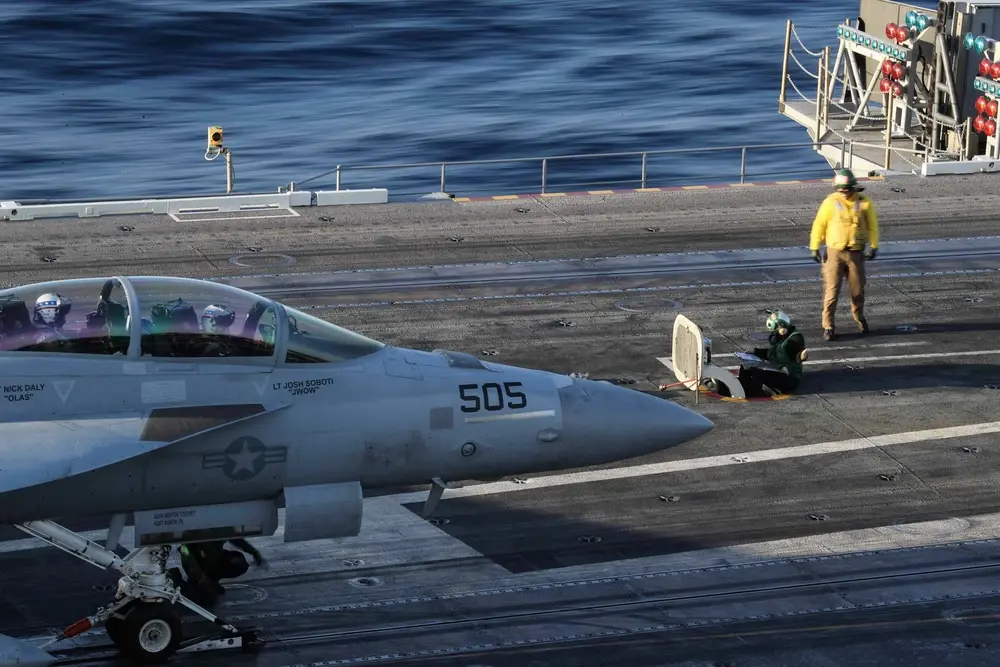
6. Onboard "Micro-Factories" and Repair
The Lincoln is more than a runway; it is a floating industrial hub. It features extensive intermediate-level maintenance shops capable of repairing everything from jet engines to complex radar components. In 2026, these capabilities include advanced 3D printing for critical spare parts, allowing the ship to "manufacture" solutions to mechanical failures while on station. This reduces the reliance on a "parts bridge" from the U.S. mainland and keeps the air wing at 80% surge readiness throughout the siege.

7. The "Steel Umbrella" Protection
For a 60-day siege to work, the carrier must be invulnerable. The Lincoln is protected by the "Steel Umbrella" of Destroyer Squadron 21, including the USS Spruance and USS Michael Murphy. These ships use the Aegis Combat System to provide a 360-degree shield against Iranian "swarm" boats, submarines, and ballistic missiles. This defensive layer ensures that the logistics ships (like the Kaiser) can safely approach and resupply the carrier, maintaining the "siege" without the carrier ever being forced to retreat to safer waters.
)
)
)
)
)