'Portal for dragons': Why do Hong Kong’s high-rise buildings have holes?

Edited By Subhadra Srivastava
Published: May 23, 2025, 19:09 IST | Updated: May 24, 2025, 23:32 IST
These architectural cut-outs, known locally as 'dragon gates', have long intrigued both residents and visitors.

1 / 6
(Photograph: Hongkong and Shanghai Hotels)
Unusual feature in the architecture
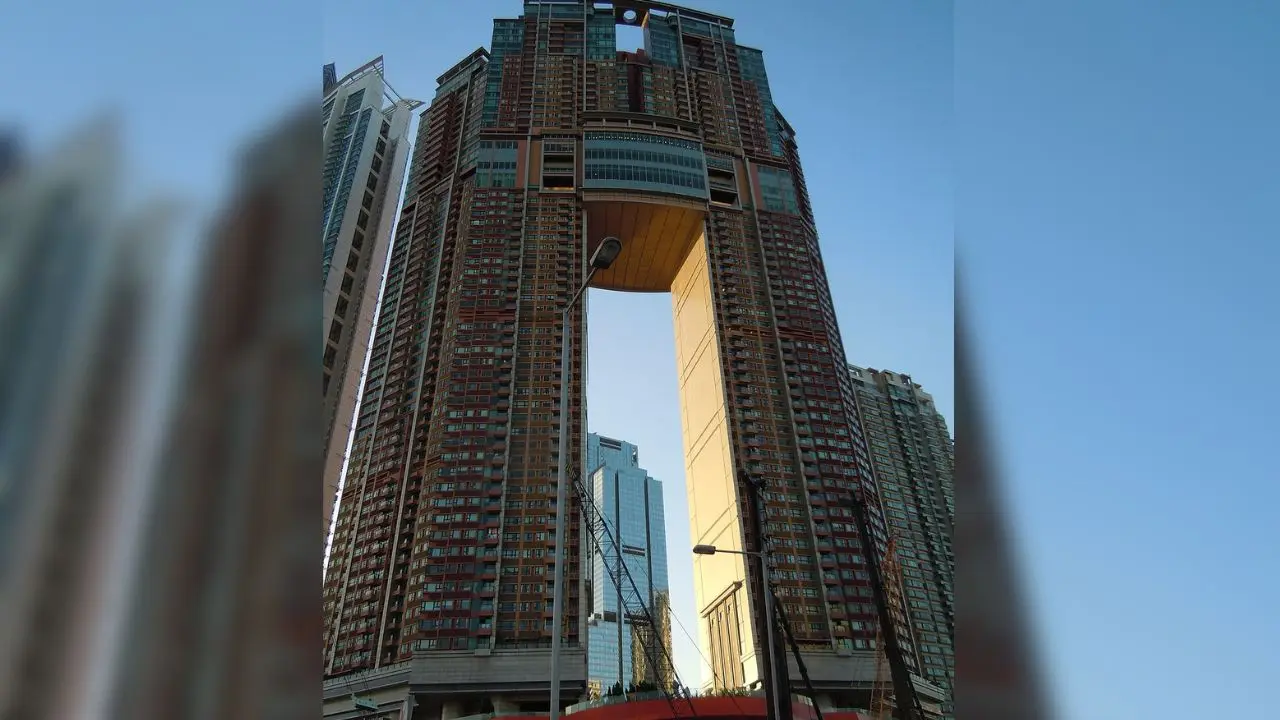
In the dense urban landscape of Hong Kong, several high-rise buildings feature big, conspicuous openings—gaps that appear as though prime real estate has been deliberately left empty. But such opening are not new, and have existed for a long time. These architectural cut-outs, known locally as 'dragon gates', have long intrigued both residents and visitors.
2 / 6
(Photograph: Hongkong and Shanghai Hotels)
Repulse Bay and the myth
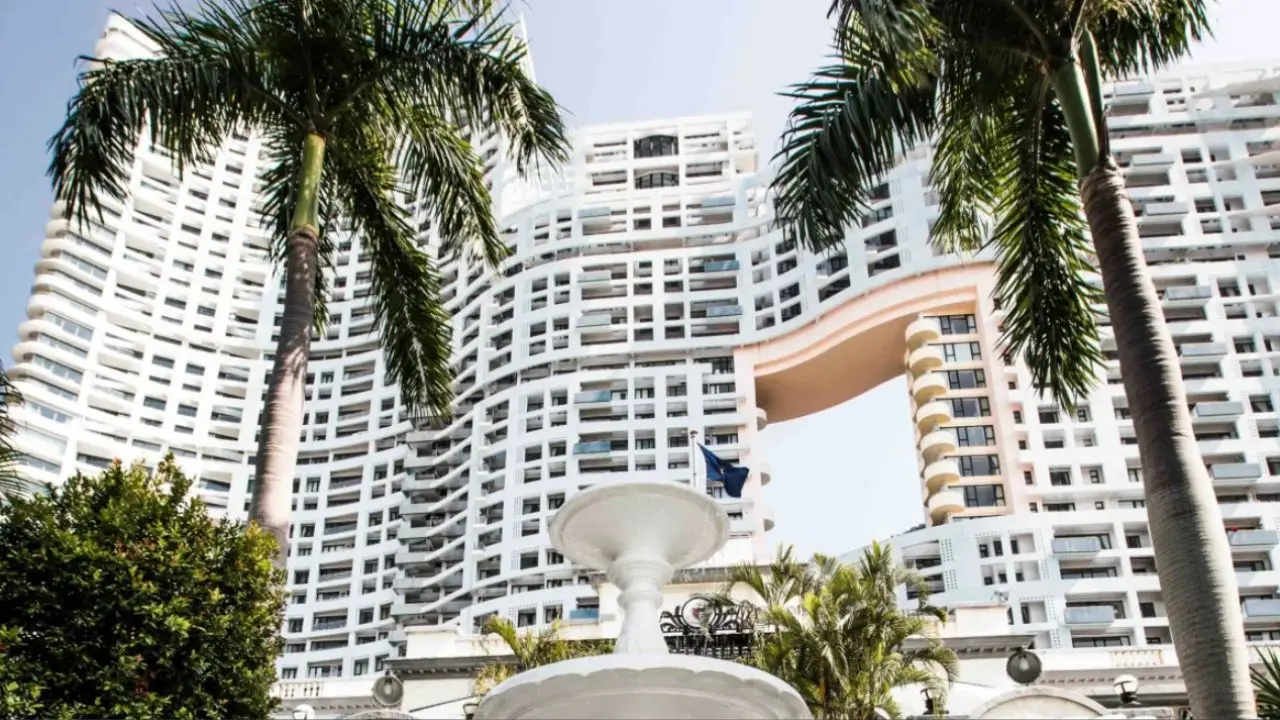
Among the most famous buildings with such holes is The Repulse Bay, a luxury apartment complex on the island’s southern coast. Built in 1986 on the site of the demolished Repulse Bay Hotel, the structure’s hollow design had sparked widespread curiosity. Though not originally inspired by feng shui a local narrative had emerged that the hole was to allow 'spirit dragons' to pass unimpeded from the hills to the sea, preserving harmony and fortune.
3 / 6
(Photograph: Wikimedia Commons)
Feng Shui’s cultural significance
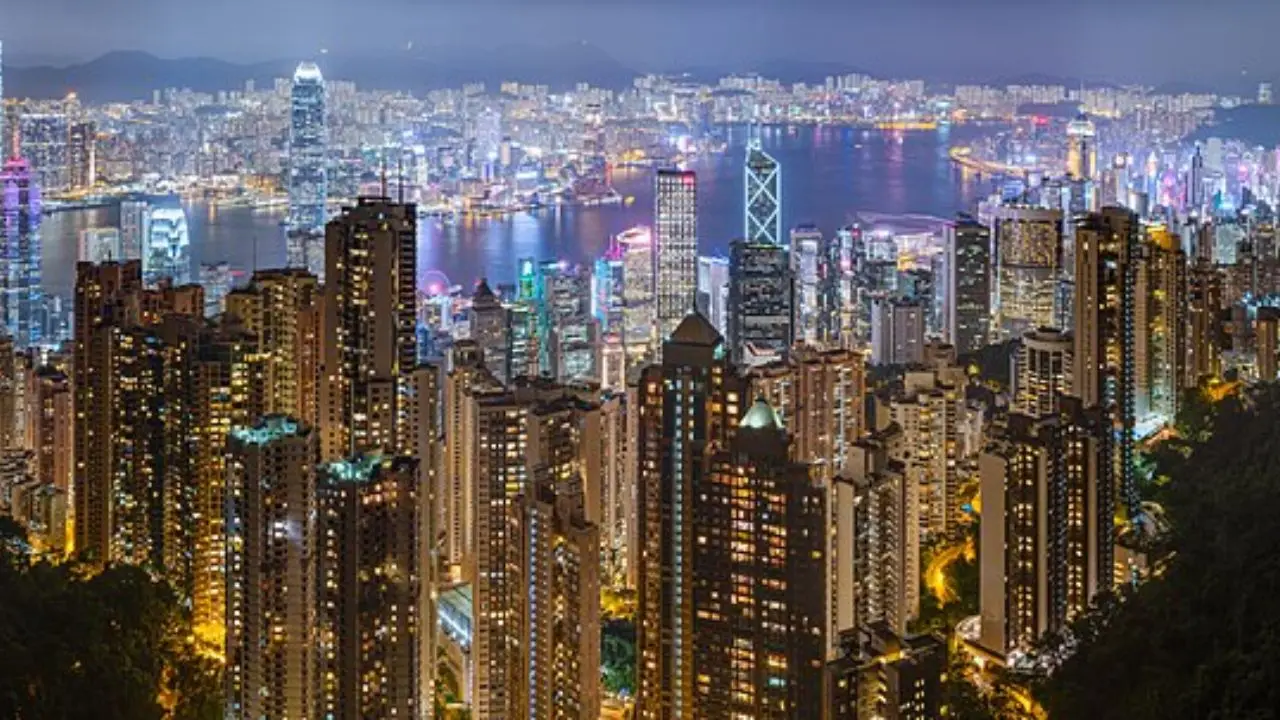
The concept draws inspiration from traditional Chinese feng shui—a system that seeks to align human-made structures with natural energies. In fact, the curious design of the Bank of China Tower has often been cited in local discourse as having poor feng shui, with nearby businesses reportedly suffering as a result.
4 / 6
(Photograph: Wikimedia Commons)
The myth to practicality
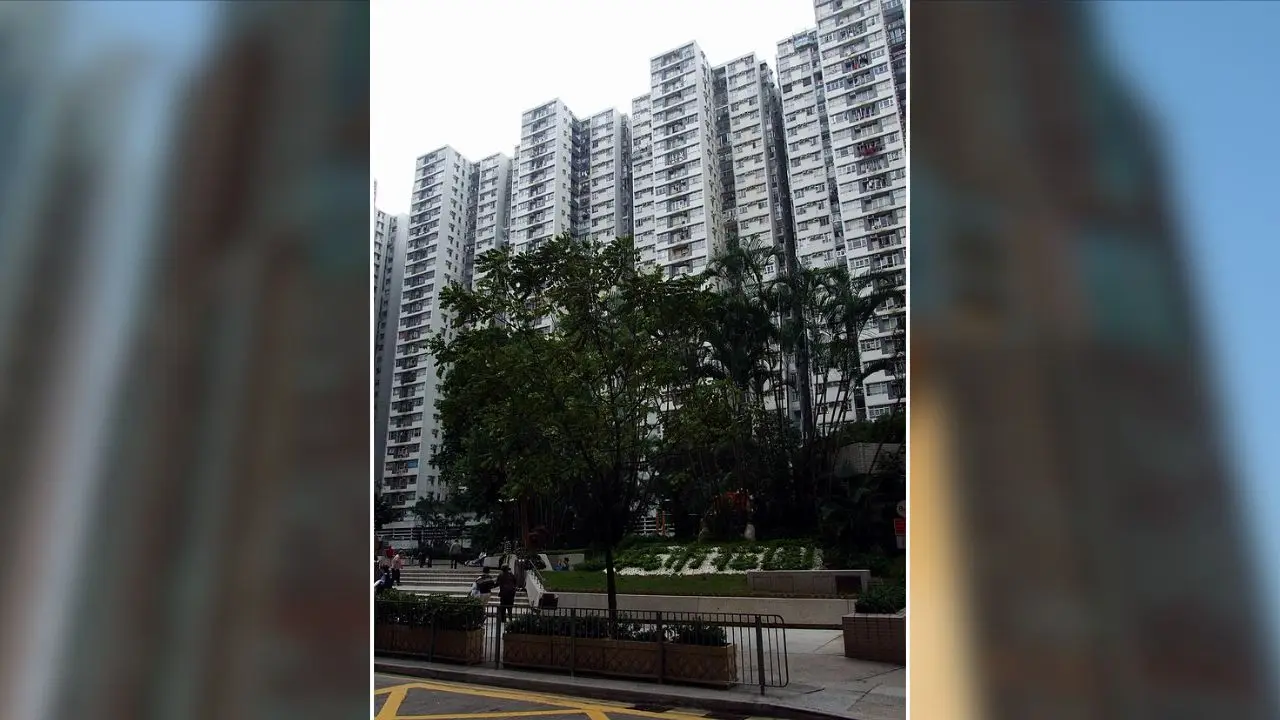
Yet, not all dragon gates are mystical in origin. The rise of so-called "wall-effect buildings" in the mid-1980s—high-density developments designed to maximise land use—also contributed to the trend.
5 / 6
(Photograph: Wikimedia Commons)
The City-Garden project
The City Garden project in North Point, completed in 1986, exemplifies this shift. Developers began incorporating these gaps for ventilation, light access, and to mitigate the visual and environmental impact of these tightly packed towers especially during natural disasters.

6 / 6
(Photograph: Pexels)
The conclusion
Today, these holes in buildings serve a mix of cultural, environmental and practical purposes. While the myth of dragon portals may not be rooted in architectural intent always, it till remains a powerful cultural lens through which Hong Kong continues to view its ever-changing skyline.
)
)
)
)
)