'Physics always wins in the end’: Iran may have found & hit an F‑35 fighter jet using a heat sensor

Iran claims to have hit a US F-35 jet using infrared sensors. While the $100 million aircraft is invisible to radar, its engine emits massive heat. Experts note physics always wins, as stealth coatings cannot hide thermal energy from passive sensors.
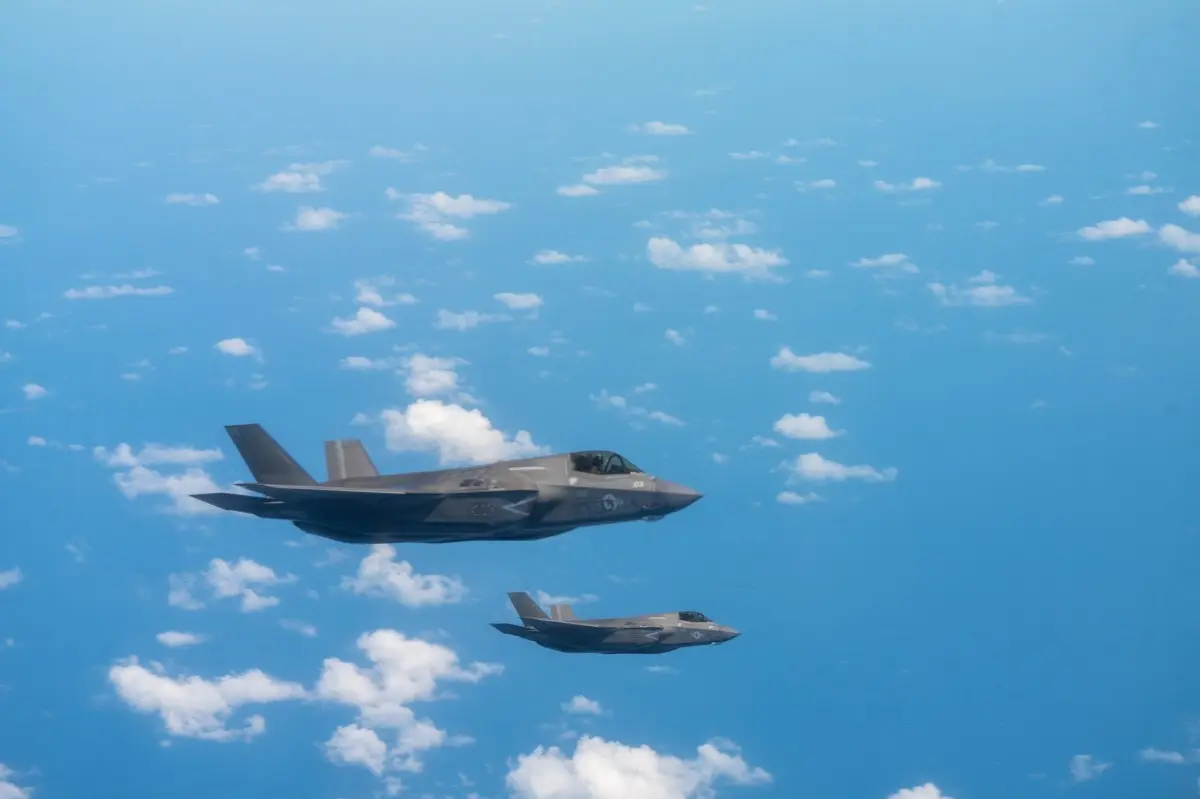
Iran's claim
Iran’s Islamic Revolutionary Guard Corps claims its air defence systems successfully tracked and struck a US F-35 fighter jet. They released unverified thermal footage purporting to show the exact moment of the strike.
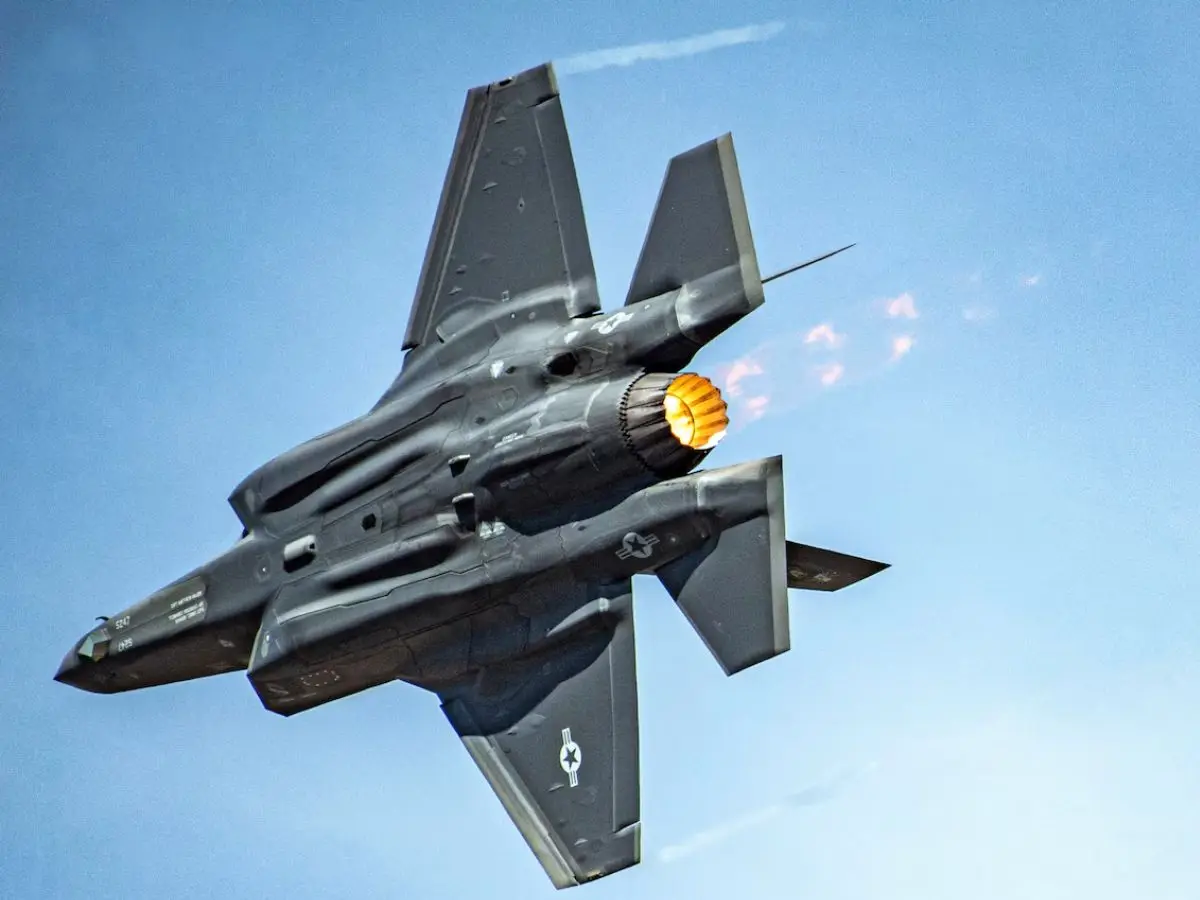
The official US response
US Central Command confirmed an F-35 was forced to make an emergency landing following a combat mission over Iran. Officials stated the pilot is in stable condition, but the exact cause of the damage remains under investigation.
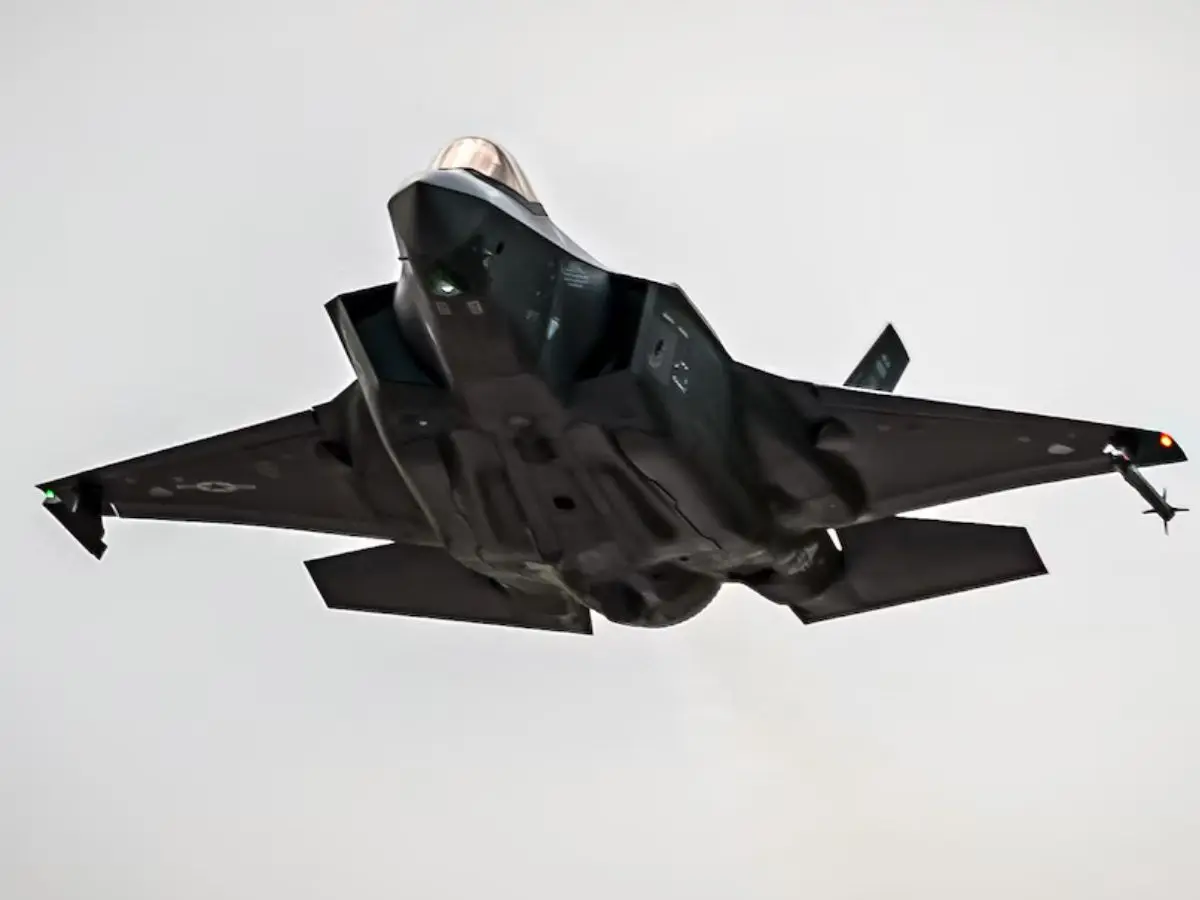
The illusion of total stealth
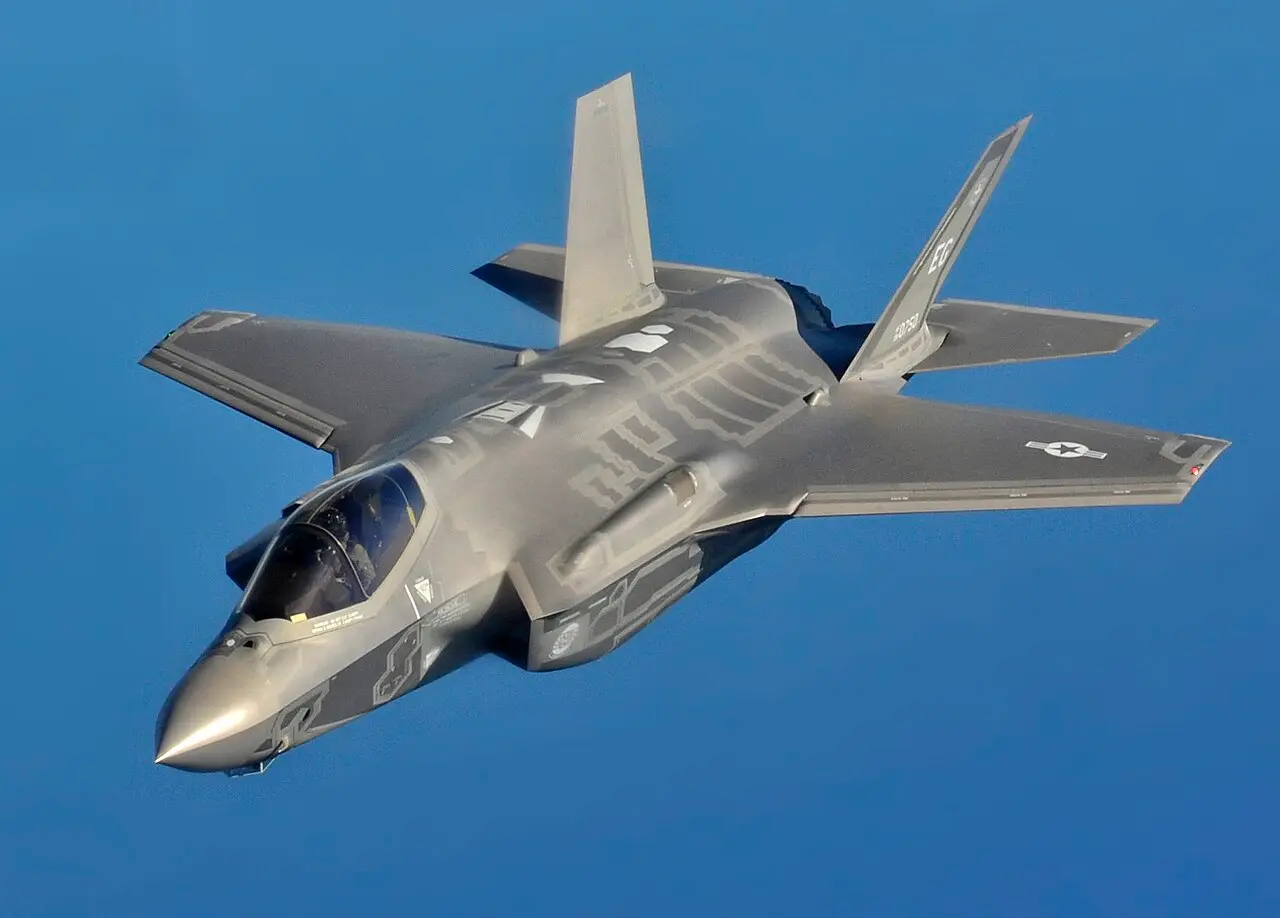
The F-35 is the most expensive weapons programme in human history, built entirely on the idea that the enemy cannot see it. However, its advanced stealth coatings are only designed to deflect and absorb traditional radar waves.
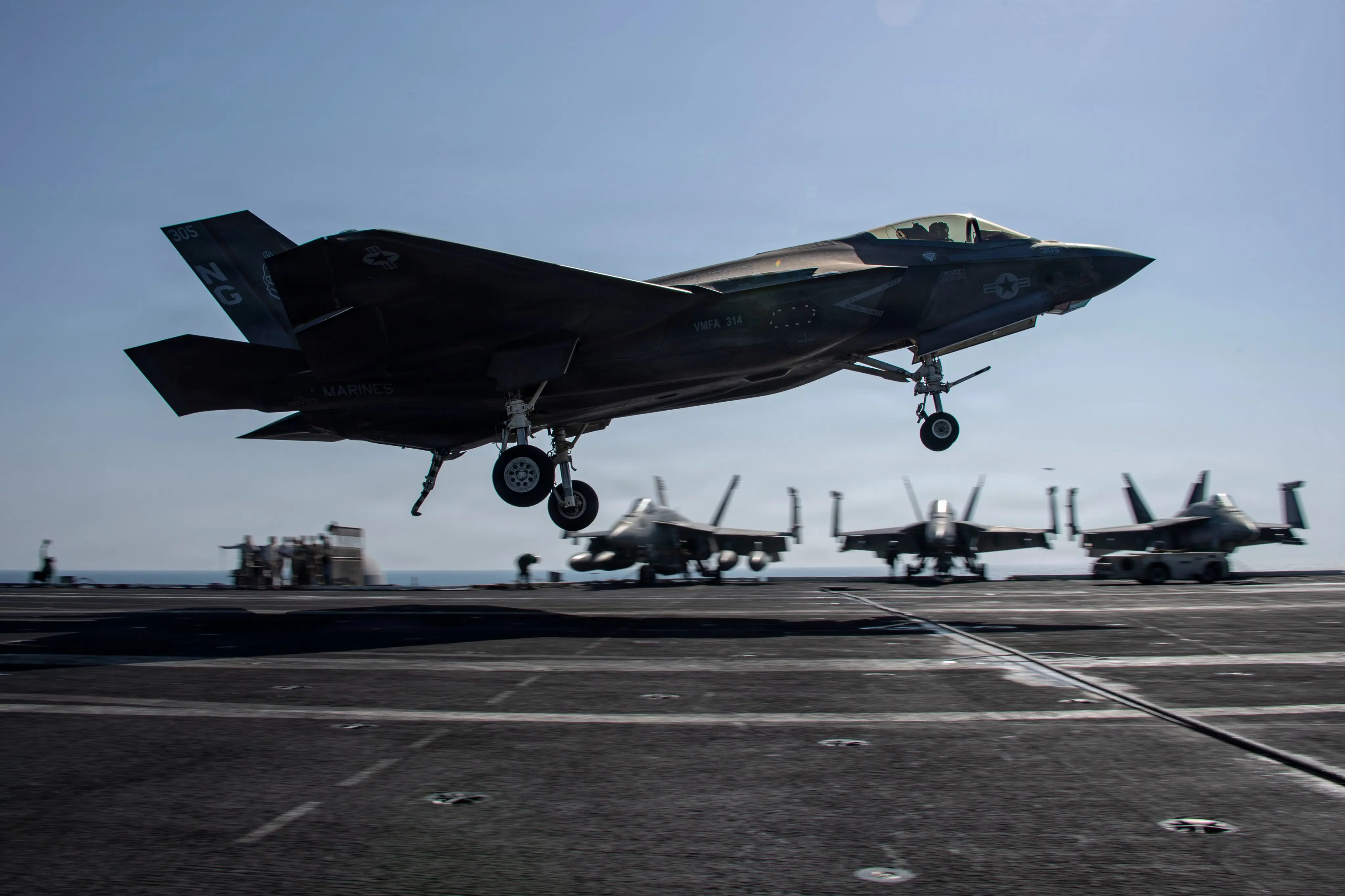
Physics always wins
While the aircraft uses advanced coatings to remain completely invisible to radar, it cannot hide the massive thermal energy of its engine. Defence experts note that physics always wins in the end, as heat signatures cannot be fully masked.
The glowing thermal signature
The F-35 relies on a single, highly powerful engine that runs exceptionally hot during flight. To a thermal camera, this concentrated heat makes the so-called invisible jet glow brightly against the cold upper atmosphere.
Passive infrared sensors
Military analysts believe Iran may have found and targeted the jet using passive Infrared Search and Track (IRST) sensors. These systems scan the sky purely for heat, completely bypassing the aircraft's radar-evading technology.
A silent and deadly threat
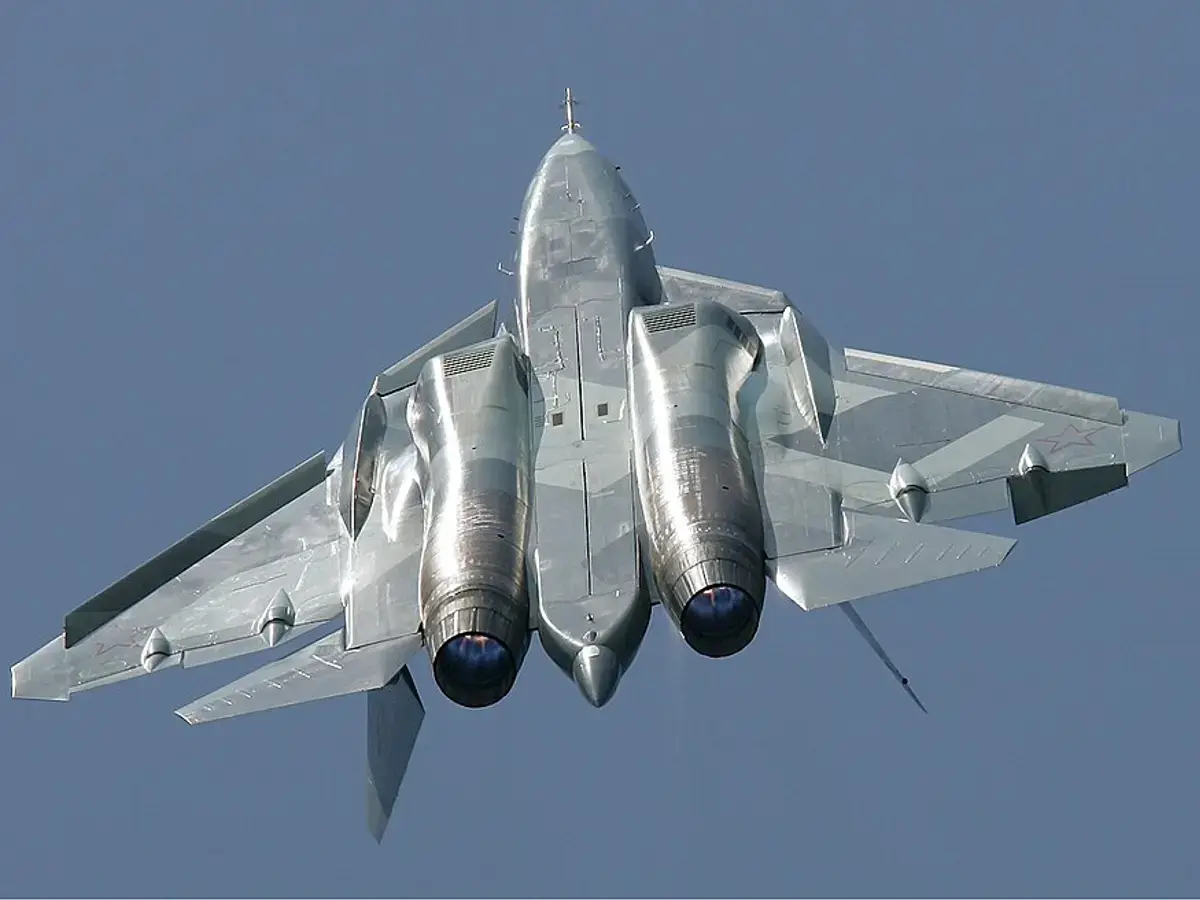
Because infrared sensors are entirely passive and do not emit radio signals, the F-35's advanced threat detection systems likely received no warning. This gave the pilot almost no time to react to the incoming heat-seeking threat.
)
)
)
)
)