'Petrol vs CNG emissions': What’s better for India’s air quality?

CNG cuts particulate matter by 90 per cent and CO2 by up to 28 per cent compared to petrol. With running costs around Rs 3 per kilometre, it offers a highly economical and environmentally vital alternative to combat India's severe urban pollution.
The Particulate Matter Problem
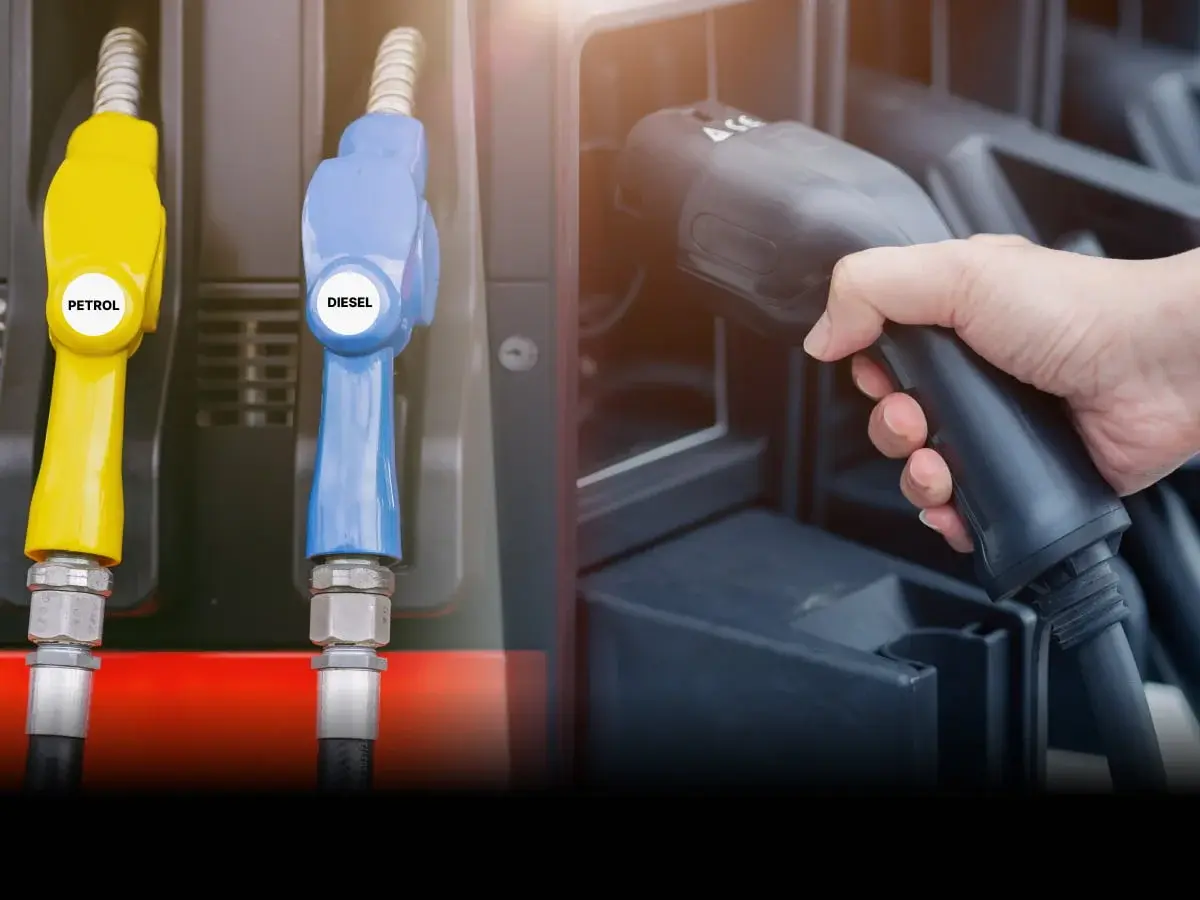
Petrol combustion releases moderate levels of toxic particulate matter (PM), a primary contributor to India's severe urban smog. In stark contrast, Compressed Natural Gas burns exceptionally clean, eliminating nearly 90 per cent of these dangerous PM emissions. This massive reduction drastically lowers the risk of respiratory illnesses in densely populated cities.

Slashing Carbon Footprints
India's carbon dioxide emissions remain a major climate concern, but switching fuel types offers immediate relief. Studies show that CNG vehicles typically emit between 20 to 28 per cent less CO2 than their petrol and diesel counterparts. Because natural gas boasts a higher hydrogen-to-carbon ratio, it generates significantly less carbon per unit of energy.
The Nitrogen Oxide Factor
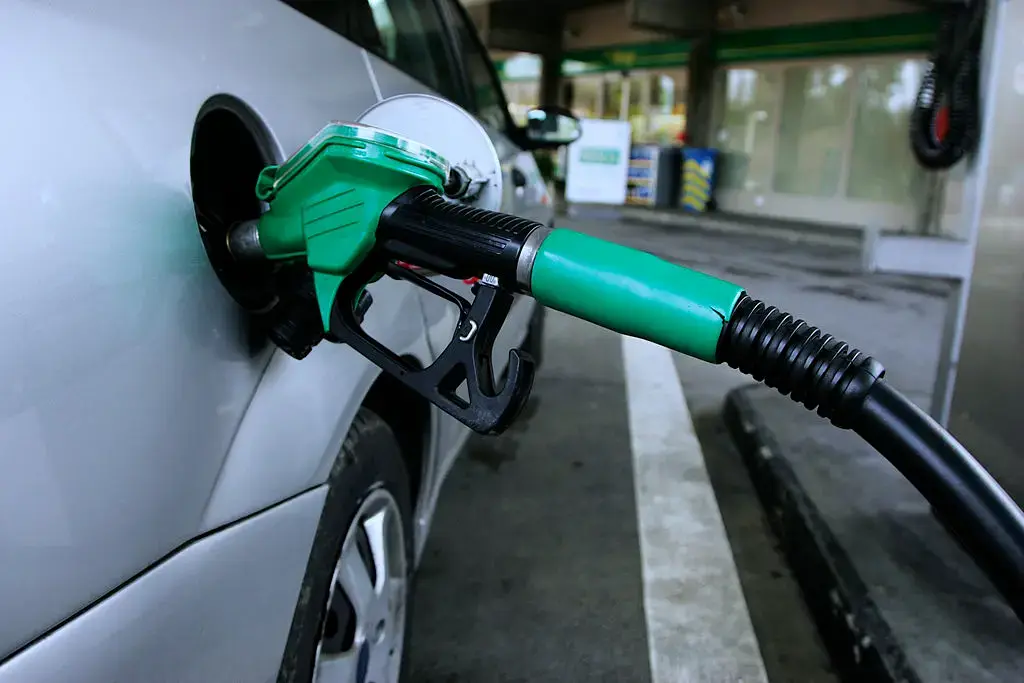
Petrol engines are notorious for emitting high levels of nitrogen oxides (NOx), gases that directly fuel the creation of ground-level ozone. Upgrading to factory-fitted CNG systems slashes NOx emissions by up to 65 per cent. This chemical advantage makes natural gas a vital tool for meeting India's increasingly strict emission standards.

The Nitrogen Oxide Factor
Beyond environmental benefits, CNG provides massive financial relief for daily commuters facing volatile global oil prices. Running a petrol car costs roughly Rs 6 to Rs 8 per kilometre, whereas CNG slashes that expense to just Rs 3 to Rs 4. This 50 to 60 per cent saving makes it the ultimate choice for commercial fleets and city drivers.

Engine Health and Longevity
Petrol combustion notoriously leaves behind carbon deposits that degrade engine components and contaminate oil over time. Because CNG is a gaseous fuel that contains no sulphur or lead, it leaves virtually zero corrosive residue. This clean-burning process drastically increases the engine's lifespan and lowers long-term maintenance expenses.
The Performance Trade-off
While CNG dominates in emissions and cost, it does force drivers to compromise on raw vehicle performance. Natural gas engines typically experience a 10 to 15 per cent reduction in power and acceleration compared to petrol engines. Furthermore, the heavy reinforced cylinders consume critical boot space, making long-distance family travel less practical.
Safety and Combustion
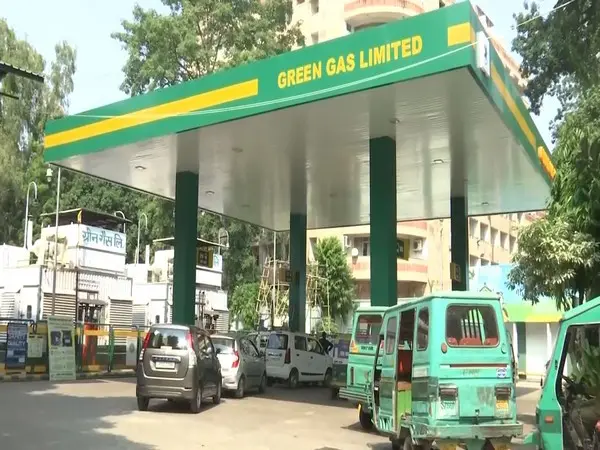
Despite widespread misconceptions, CNG is significantly safer than liquid petrol during an accidental leak. It boasts a massive ignition point of 540 degrees Celsius and is lighter than air, meaning it instantly disperses rather than pooling on the ground. Modern factory-fitted tanks undergo extreme impact testing, ensuring high security for Indian roads.
)
)
)
)
)