'Pentagon's soft target': How Stryker hack is hitting US military hospitals

When Handala paralysed Stryker, they didn't just hit a corporate boardroom; they effectively bottlenecked the exact supply chain the US Armed Forces relies on to treat wounded soldiers and aging veterans.
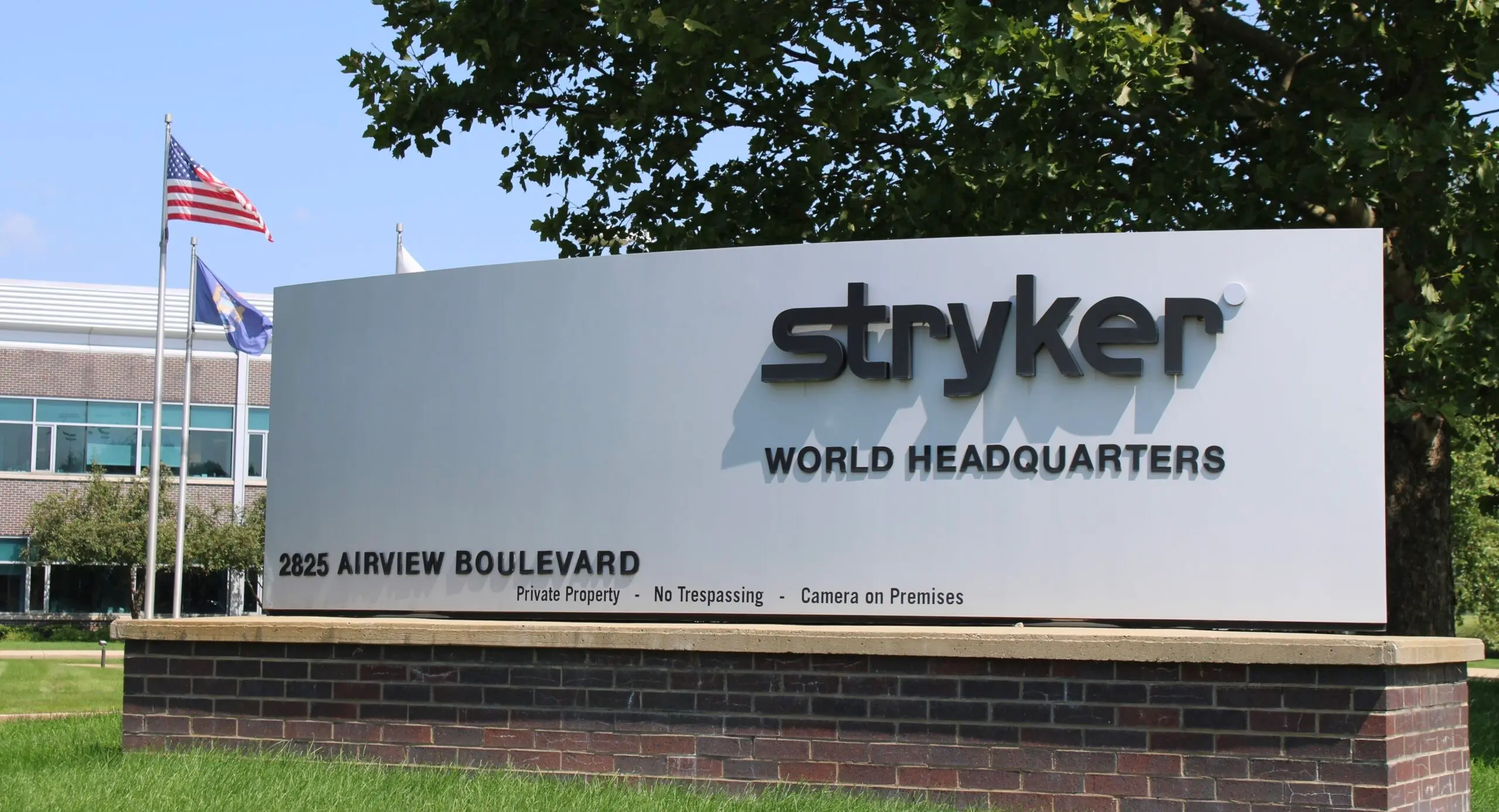
1. The 'Tank' Misconception vs. The Real Asset
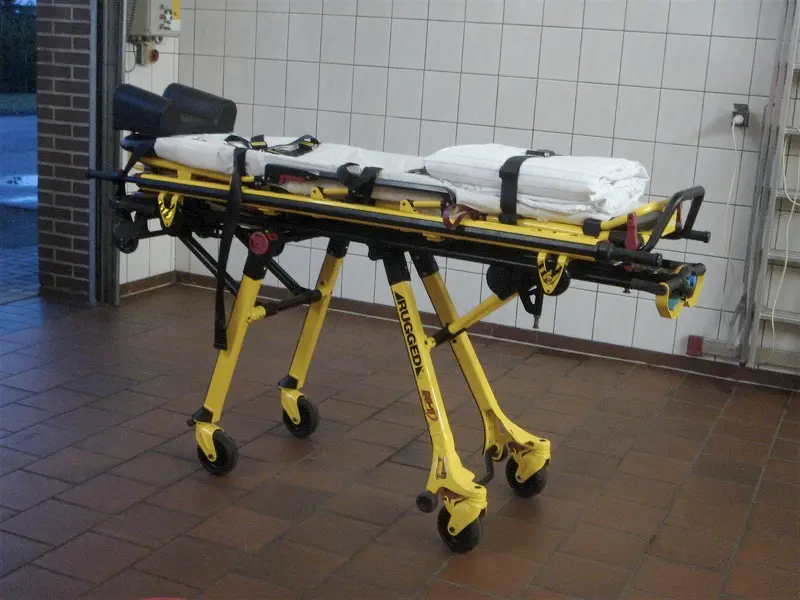
To understand the gravity of this hack, we have to look past the name. Stryker Corporation doesn't build the eight-wheeled armoured combat vehicles that transport U.S. troops into battle; they build the critical trauma equipment that keeps those troops alive when they get hit. From the specialised, automated stretchers used in MedEvac Blackhawk helicopters to the advanced surgical drills used in field hospitals, Stryker is deeply embedded in the U.S. military's trauma response infrastructure.
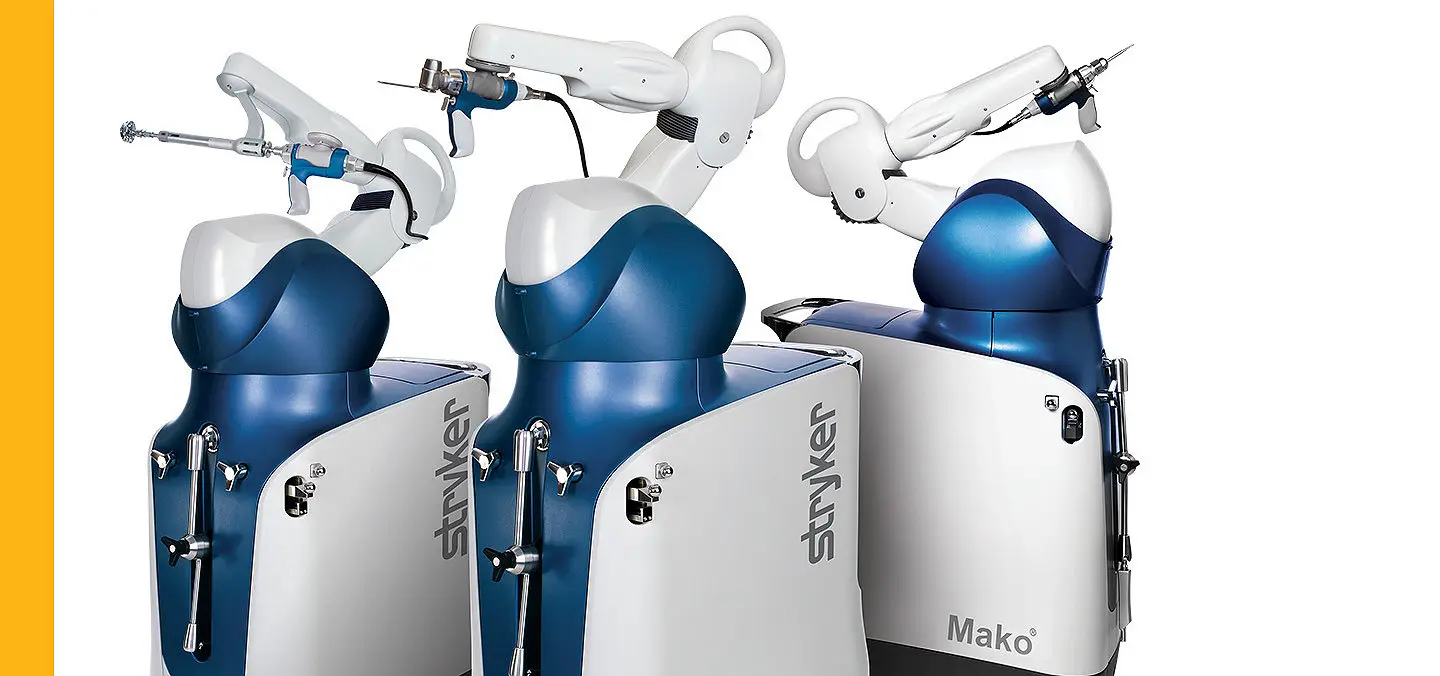
2. The DHA and VA Lifeline
Stryker is not just a civilian supplier; it is a massive, multi-million dollar contractor for the Defence Health Agency (DHA) and the Department of Veterans Affairs (VA). The U.S. government relies on this exact corporation to supply military hospitals like the Walter Reed National Military Medical Center. By bringing Stryker’s global network to a standstill, Iranian-linked hackers have successfully frozen the supply of joint replacements, surgical robotics, and monitoring equipment required to treat both active-duty personnel and millions of American veterans.
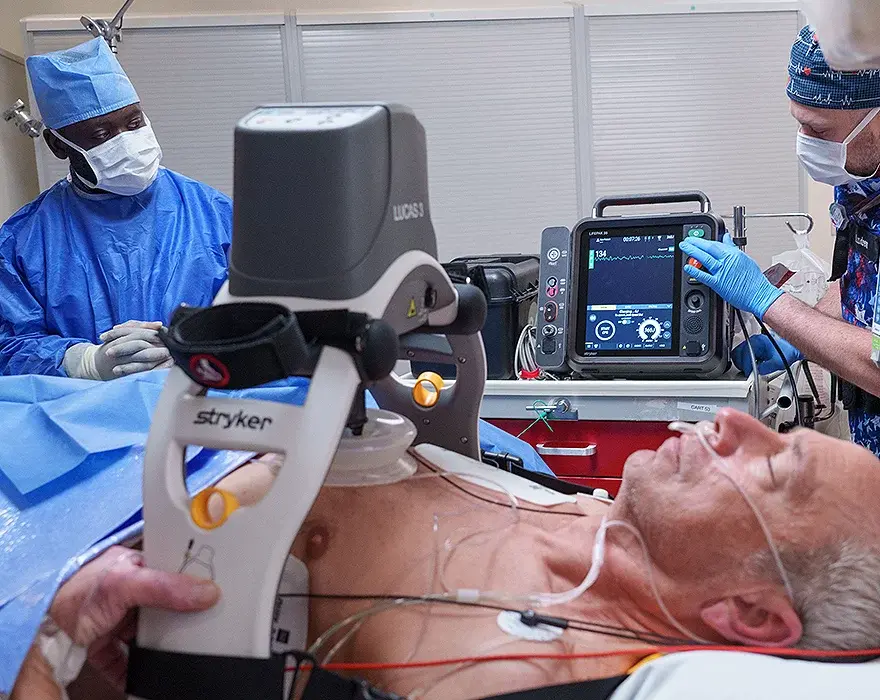
3. Handala's Asymmetrical Strategy
This is the textbook definition of asymmetrical warfare. The Iranian regime knows it cannot successfully launch a kinetic strike against a U.S. aircraft carrier in the Persian Gulf without facing total annihilation. Instead, their cyber-proxies, like Handala, are targeting the "soft underbelly" of the American war machine. If you cannot bomb the US military, you paralyse the civilian corporations that manufacture their life-saving medical supplies.
4. The Global Inventory Freeze
The military healthcare system operates on a highly precise logistical chain. With Stryker's massive European manufacturing hub in Cork, Ireland, completely incapacitated and its global IT systems wiped, the flow of medical hardware has stopped. If this outage stretches from days into weeks, U.S. military hospitals will be forced into an inventory crisis, unable to easily replenish highly specialised surgical tools and neurotechnology parts that only Stryker manufactures.
5. The 'Golden Hour' Combat Threat
In military medicine, the "Golden Hour" refers to the crucial 60 minutes following a combat injury where rapid medical intervention is the difference between life and death. The field medics and forward operating bases deployed across the Middle East rely heavily on Stryker's portable trauma gear, including their specialised bone drills and hemorrhage control tools. A prolonged supply chain freeze directly threatens the combat readiness and survival rates of US troops deployed in hostile zones.

6. The Digital Operating Room Vulnerability
The Pentagon is now facing a terrifying secondary threat: the Internet of Medical Things (IoMT). Stryker recently launched its highly connected "SmartHospital Platform." Because Handala hackers were sophisticated enough to wipe the personal mobile phones of thousands of Stryker employees, US intelligence must now ask a horrifying question: Are the Stryker-manufactured networked beds and robotic surgery arms currently sitting inside US military hospitals also vulnerable to remote sabotage?

7. Washington's 'Critical Infrastructure' Wake-Up Call
This cyberattack is forcing a massive paradigm shift inside the Pentagon. For decades, the US defined "critical infrastructure" as power grids, water plants, and financial systems. Handala just proved that in 2026, a medical device manufacturer is just as critical to national security. The Stryker hack is a brutal wake-up call to Washington that America's defence posture is only as strong as the civilian corporations supplying it.
)
)
)
)
)