'Passive Sonar': How the USS Abraham Lincoln listens for threats while blinded

The USS Abraham Lincoln halts active sonar to evade detection in hostile waters. It relies on escort destroyers, towed arrays, and helicopter sonobuoys to silently track enemy submarines, ensuring the Rs 600 billion supercarrier survives.
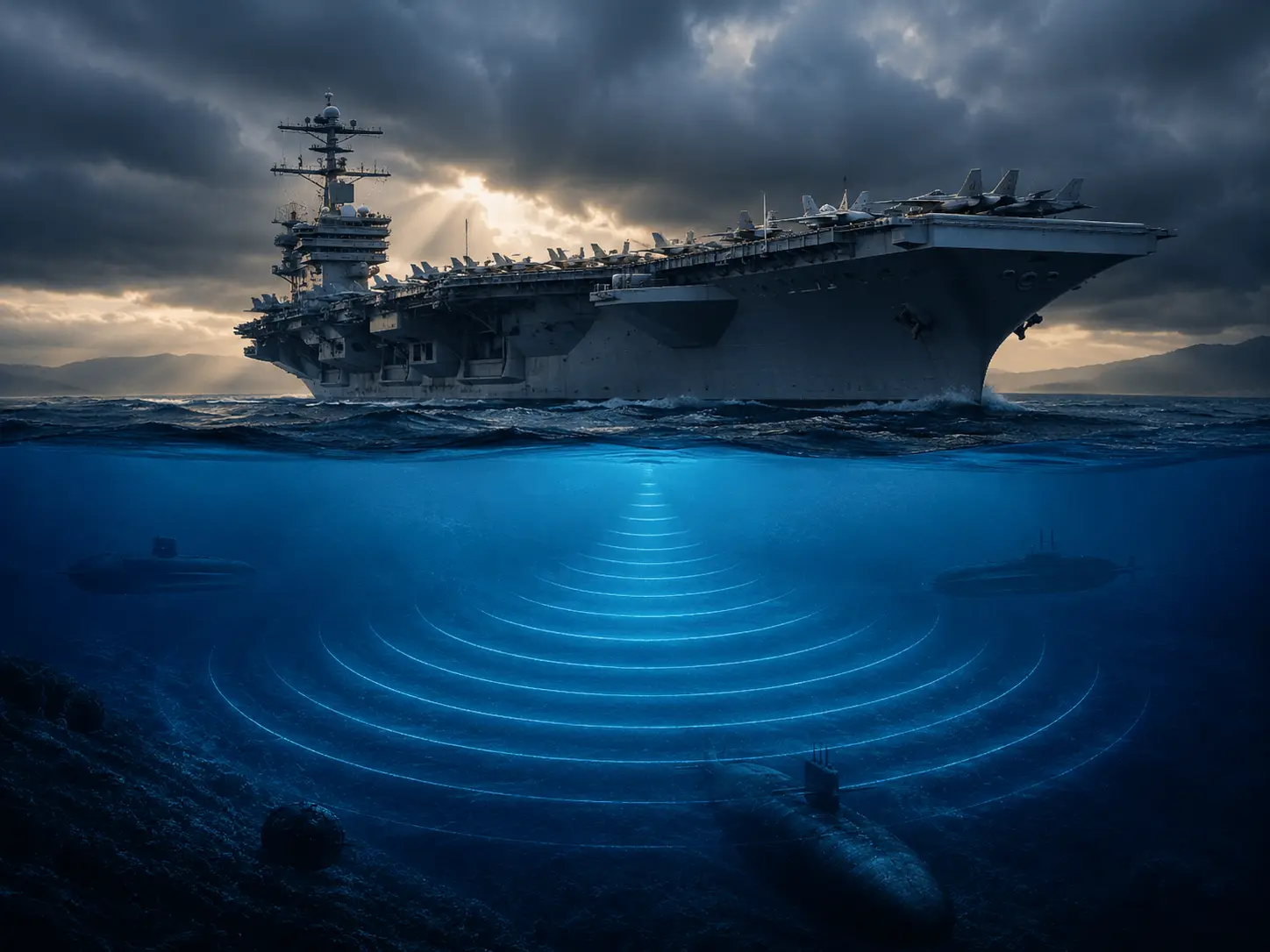
104,000-Tonne Carrier Silence
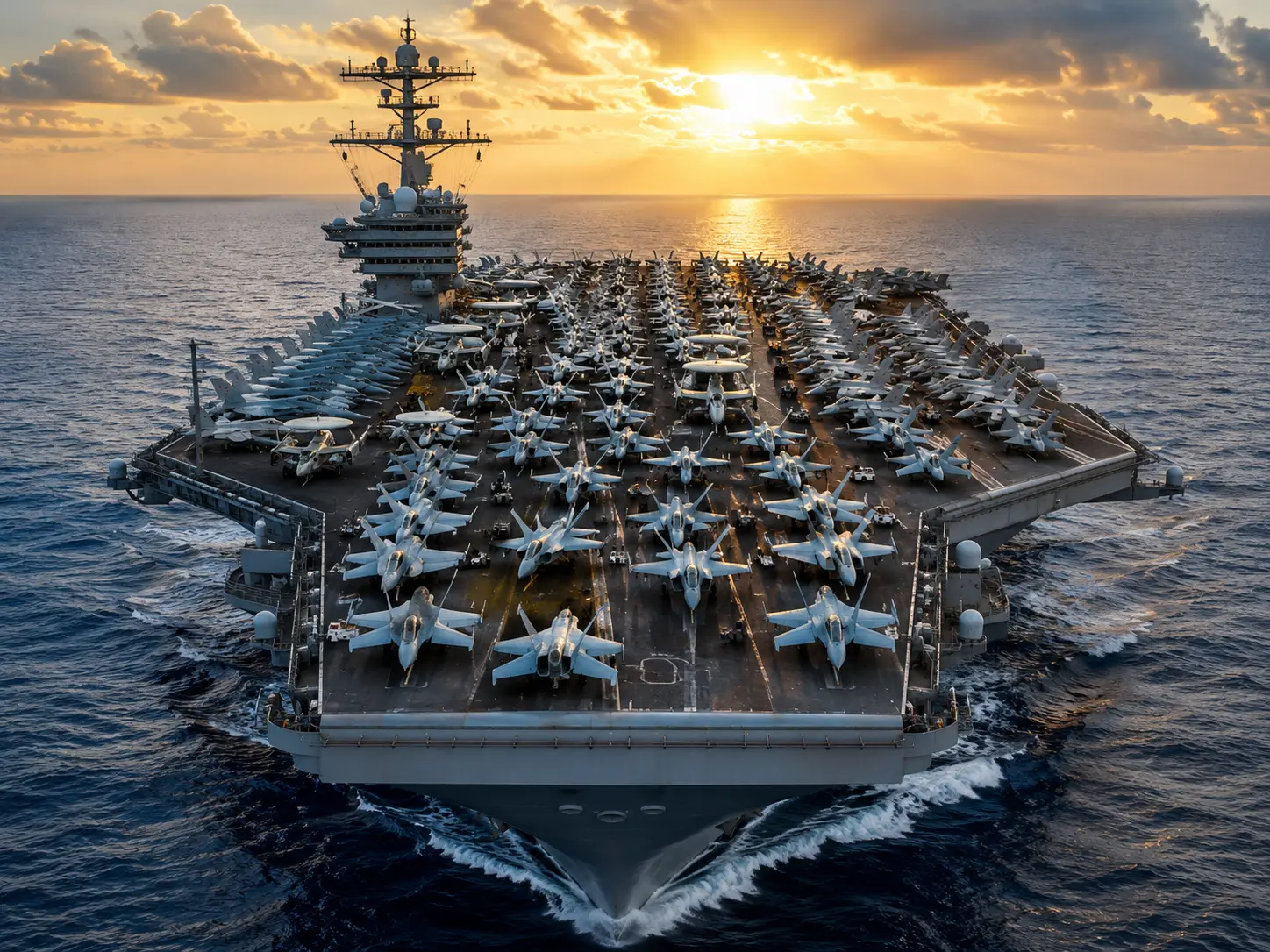
The USS Abraham Lincoln displaces over 104,000 tonnes, making it a massive target in hostile waters. To avoid revealing its exact coordinates to enemy forces, the carrier initiates strict Emission Control (EMCON). This protocol orders all escort ships to halt their active sonar pulses, effectively blinding the fleet and forcing the strike group to rely entirely on silent, passive acoustic sensors.
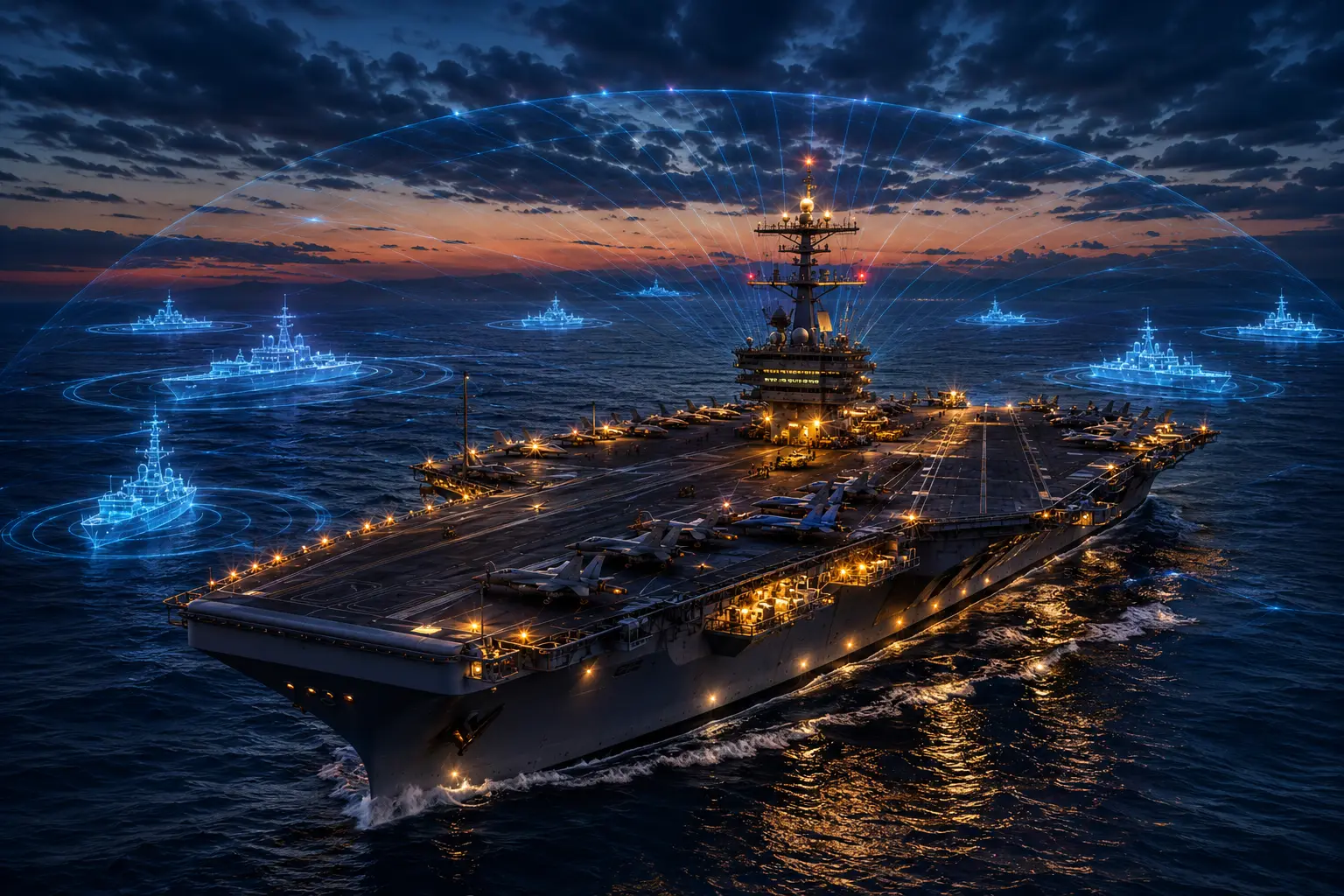
300-Mile Defensive Perimeter
Without active sonar, the flagship depends on a carrier strike group spreading across a 300-nautical-mile radius. Arleigh Burke-class destroyers and cruisers form a layered acoustic shield around the carrier. These escort ships use highly sensitive underwater microphones to listen for the faint vibrations of hostile submarines.
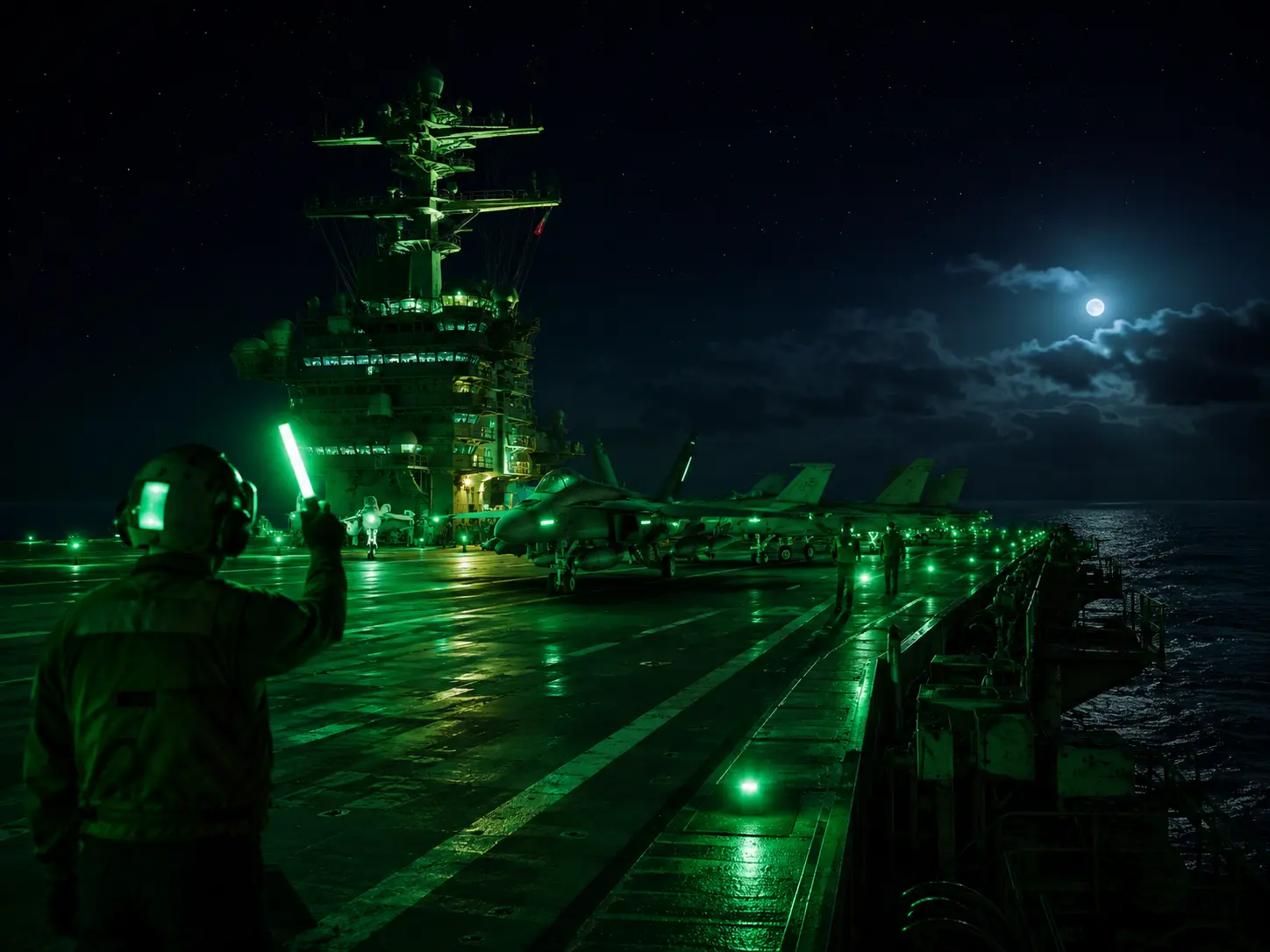
2,000-Metre Towed Arrays
To eliminate interference from their own propulsion systems, destroyers deploy long tactical cables stretching thousands of metres behind their hulls. These towed arrays drag deep beneath the turbulent ocean surface. They passively capture the low-frequency hums of diesel-electric submarines attempting to creep towards the flagship.
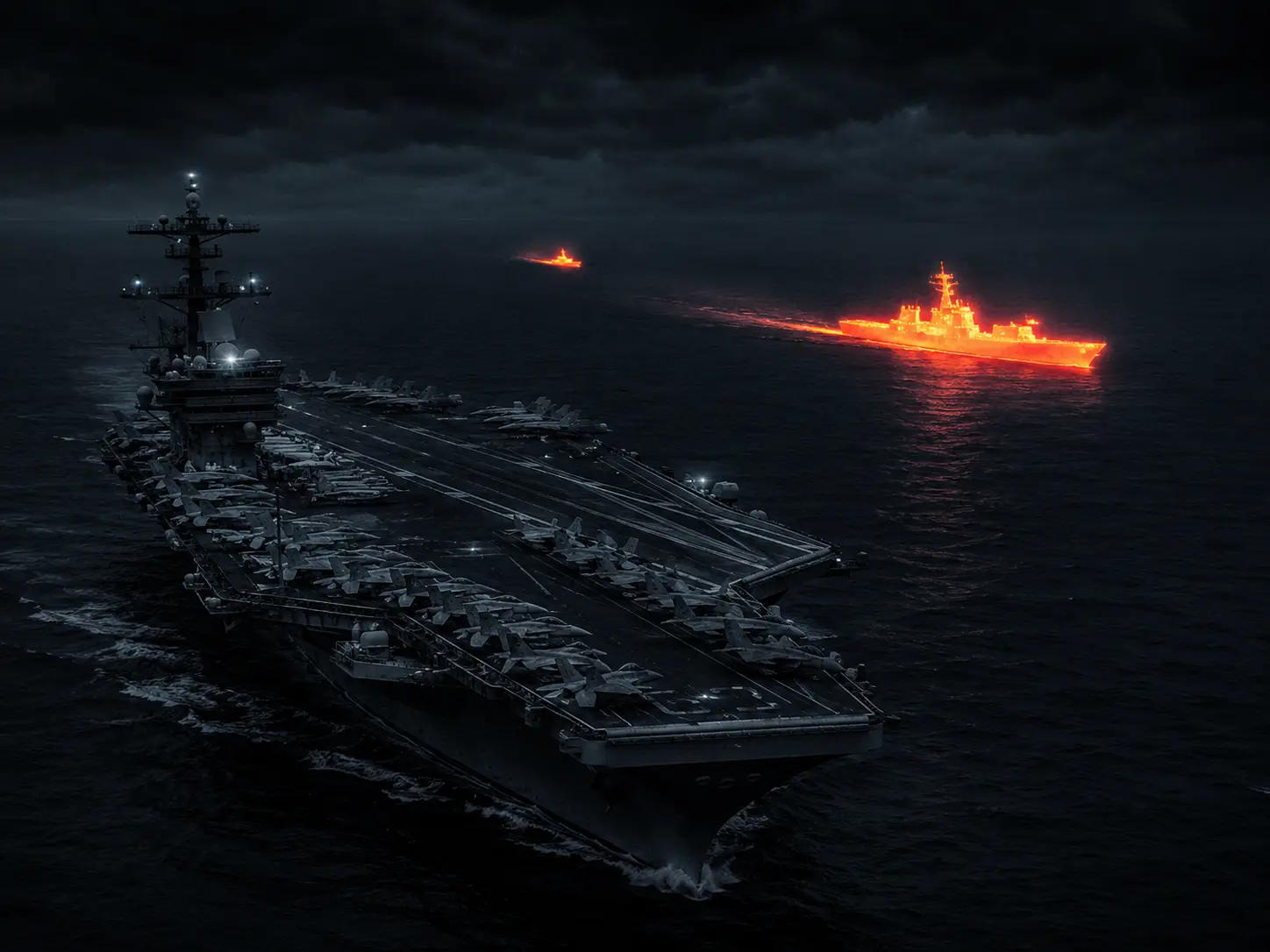
25 Passive Sonobuoys Dropped
When strict silence is mandated, MH-60R Seahawk helicopters serve as the primary forward acoustic scouts. These aircraft rapidly drop a network of up to 25 floating passive sonobuoys across the contested maritime perimeter. The buoys silently gather underwater intelligence and securely transmit the acoustic data back to the fleet.
100 Per Cent Noise Filtering
The Arabian Sea is a chaotic acoustic environment filled with marine life, tidal shifts, and heavy commercial shipping traffic. Advanced combat systems aboard the escort ships work to filter out nearly 100 per cent of this civilian noise. Highly trained operators isolate specific mechanical frequencies to identify rogue underwater threats.
1 Attack Submarine Vanguard
Passive sonar requires immense patience to track slow-moving threats through the deep ocean. Allied nuclear attack submarines often patrol ahead of the strike group to silently ambush enemy vessels. By emitting zero sound energy, the American naval network pinpoints hostile targets without giving away its own tactical position.

Rs 600 Billion Warship Decoy
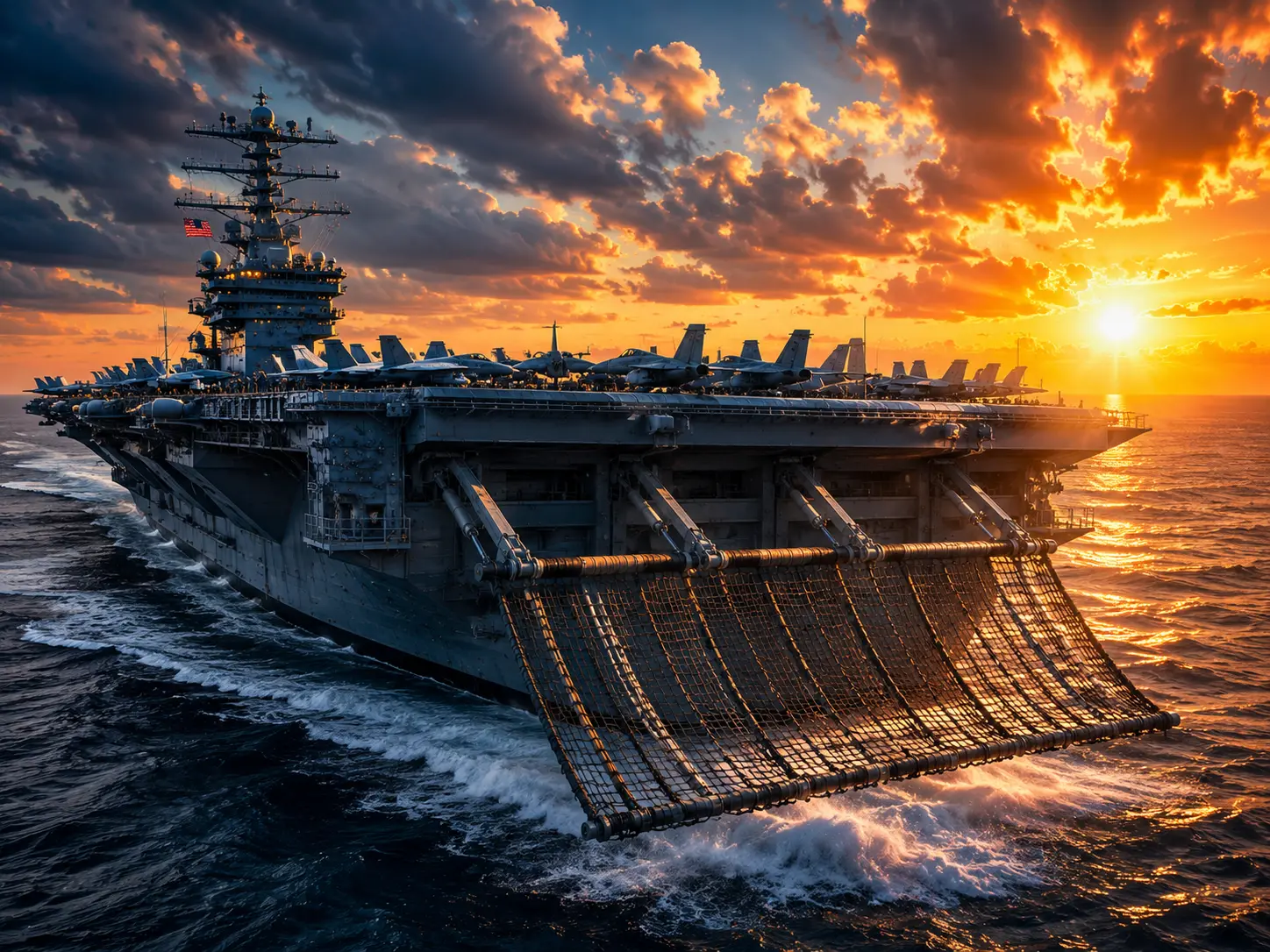
If a stealthy weapon bypasses the listening network, the carrier deploys the SLQ-25A Nixie torpedo countermeasure. Dragged directly behind the vessel, this defensive decoy generates a louder, entirely false acoustic profile. This critical piece of engineering misdirects incoming strikes, protecting the Rs 600 billion nuclear-powered supercarrier.
)
)
)
)
)