'Pad Eyes': Why the USS Abraham Lincoln deck is covered in tiny holes

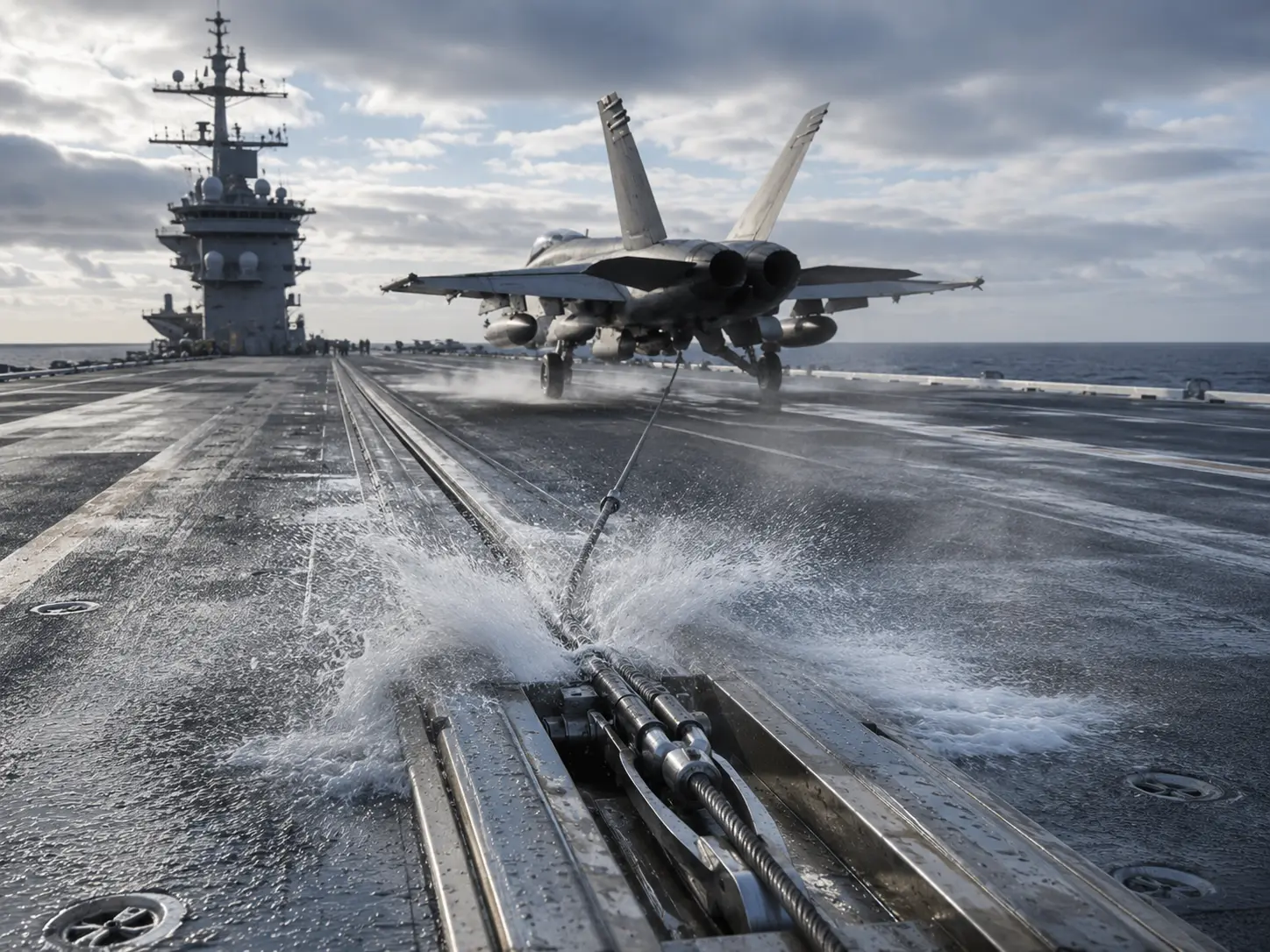
The USS Abraham Lincoln flight deck uses thousands of metal pad eyes to chain down heavy aircraft. This vital grid stops jets from sliding overboard during rough ocean storms.
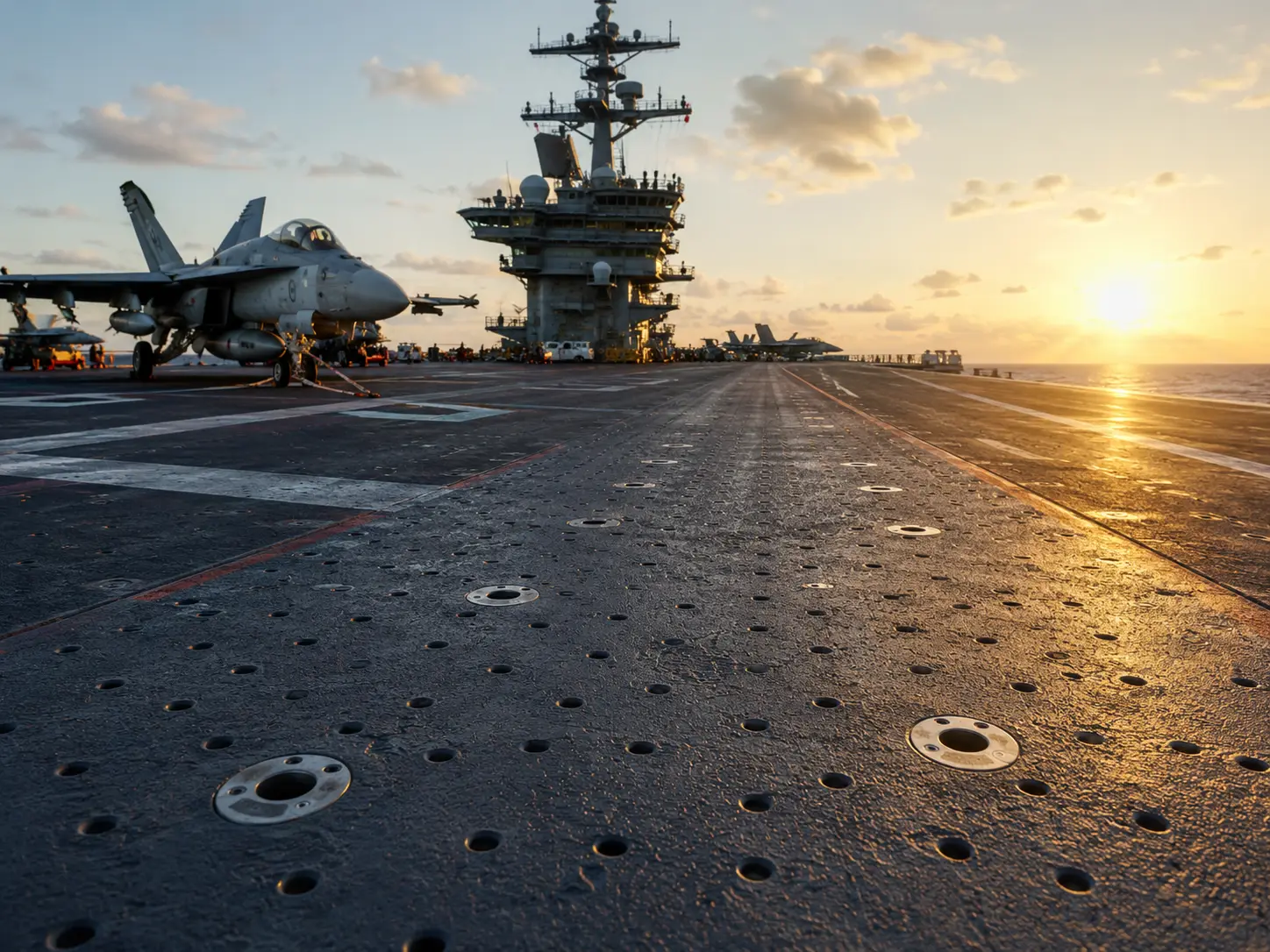
Thousands of Deck Holes
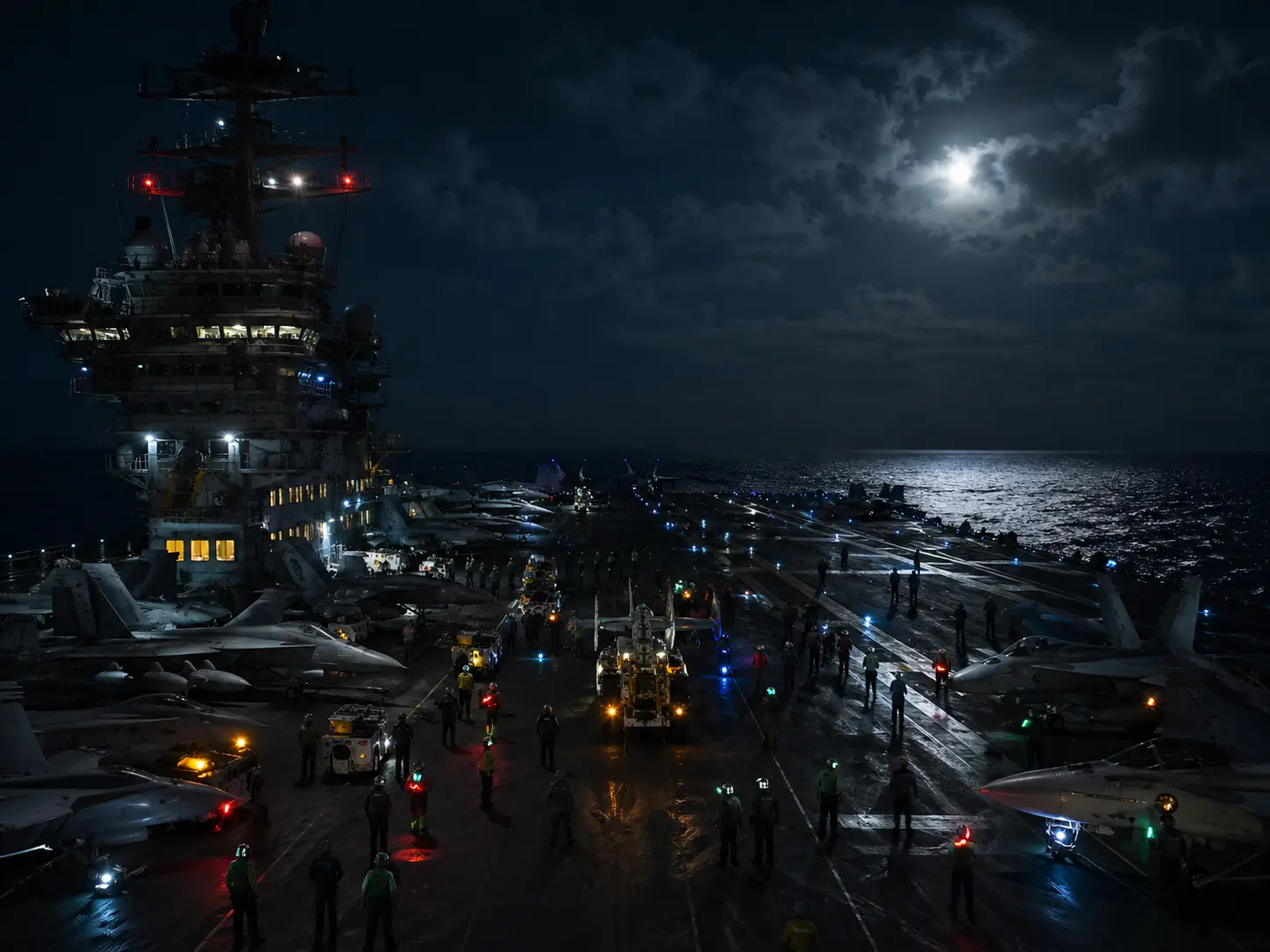
The Nimitz-class USS Abraham Lincoln features thousands of bowl-shaped indentations across its massive flight deck. Known as pad eyes, these heavy-duty metal anchor points are arranged in a precise grid to manage flight operations.
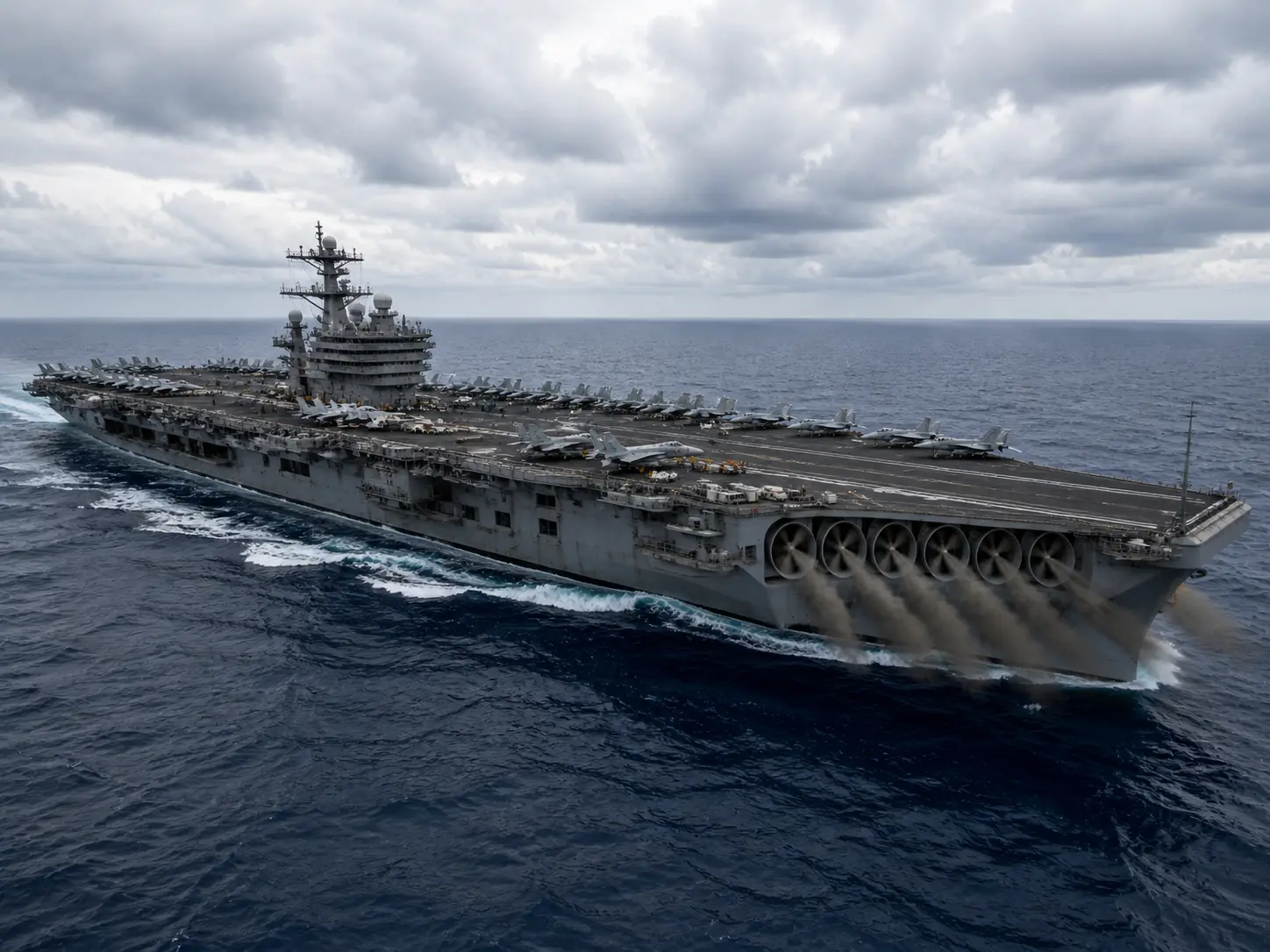
Holding 44,000-Pound Jets
Rather than a basic crossbar, each pad eye features a reinforced 'cloverleaf' steel casting. This unique multi-bar design allows flight deck crews to securely attach heavy tie-down chains from multiple angles simultaneously. These critical anchor points must withstand immense tension to lock down modern F/A-18 Super Hornets, which strike the deck with a maximum carrier landing weight of exactly 44,000 pounds.
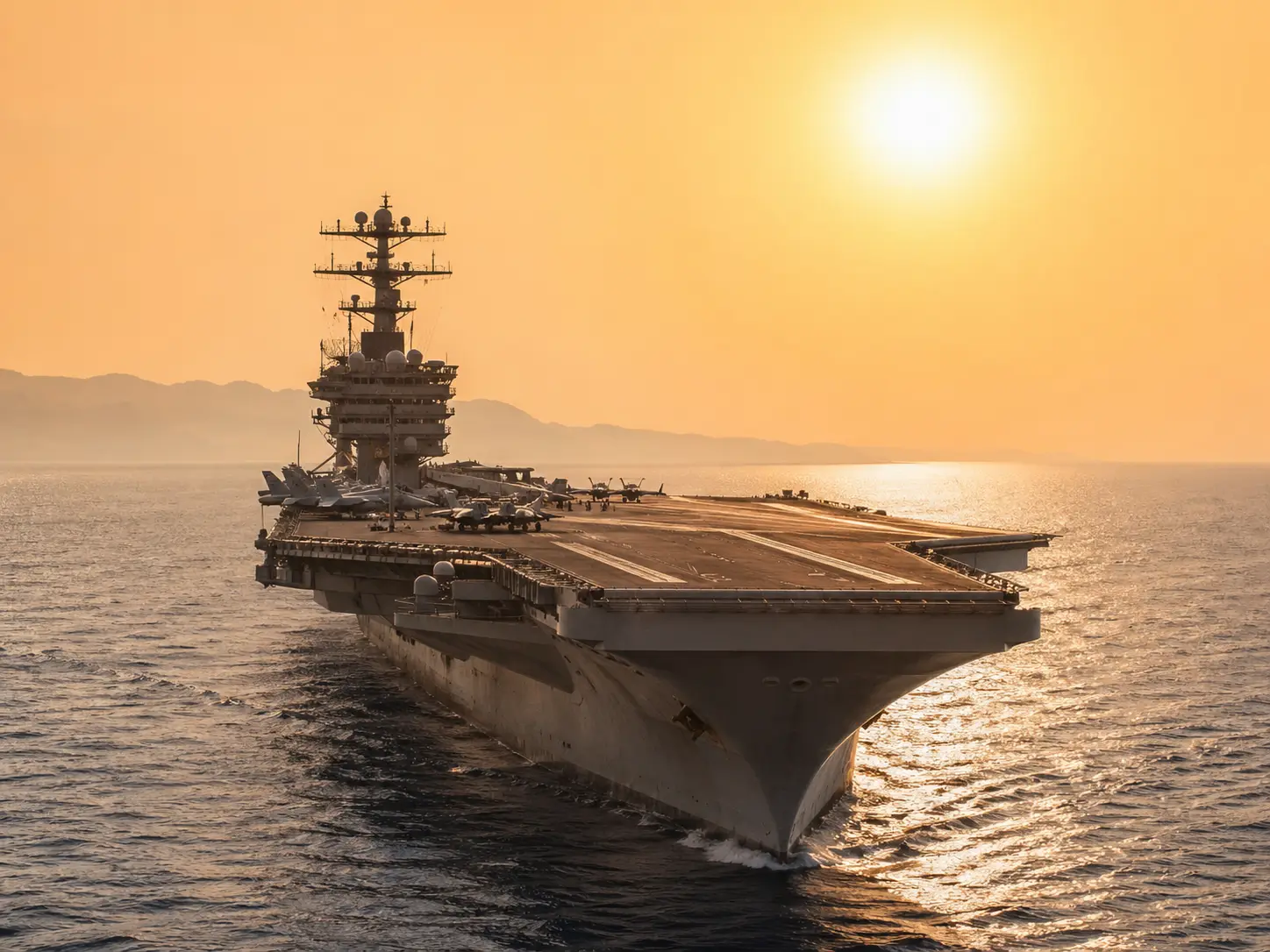
Surviving 30-Knot Manoeuvres
When the aircraft carrier turns sharply or faces severe ocean storms, the ship can reach speeds exceeding 30 knots. The pad eye tie-down system guarantees that parked fighter jets do not slide or fall overboard into the sea during these extreme conditions.
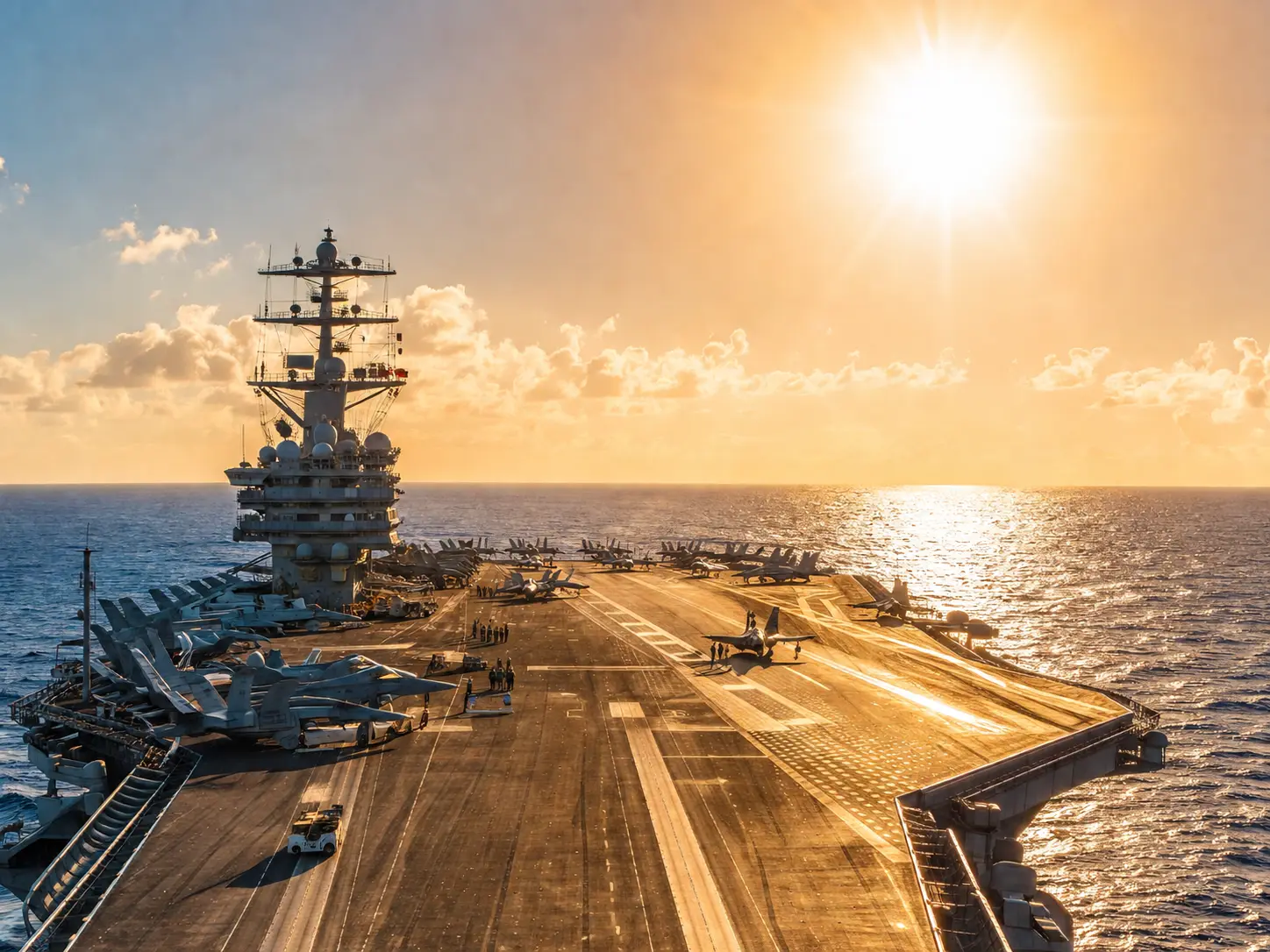
The Threat of Debris
Because of their bowl-like shape, the holes naturally collect saltwater, grease, and tiny metal fragments. If left unchecked, this debris can get sucked into jet engines, causing catastrophic foreign object damage.
Daily Cleaning Operations
Aviation Boatswain's Mates perform constant manual labour to maintain the grid. Sailors conduct regular safety walkdowns, scrubbing the pad eyes with wire brushes to eliminate hazardous debris and prevent rust.

Welded into Carrier Steel
Engineers weld the anchor points directly into the thick steel plating of the ship's hull. The structural design ensures that the heavy chains can pull against the deck without tearing the metal during turbulent weather.
A 50-Year Operational Life
The USS Abraham Lincoln was commissioned with an expected 50-year service lifespan. As a result, the deck tie-downs are built to endure decades of punishing use, heavy loads, and constant saltwater corrosion without failing.
)
)
)
)
)