‘Outnumbering the F-22 Raptor’: How China secretly built a massive J-20 stealth fighter fleet

China has accelerated production of its Chengdu J-20 stealth fighter, quietly building a fleet of over 250 jets. By utilizing domestic engines and advanced assembly lines, Beijing has officially outnumbered America's capped inventory of 187 F-22s.
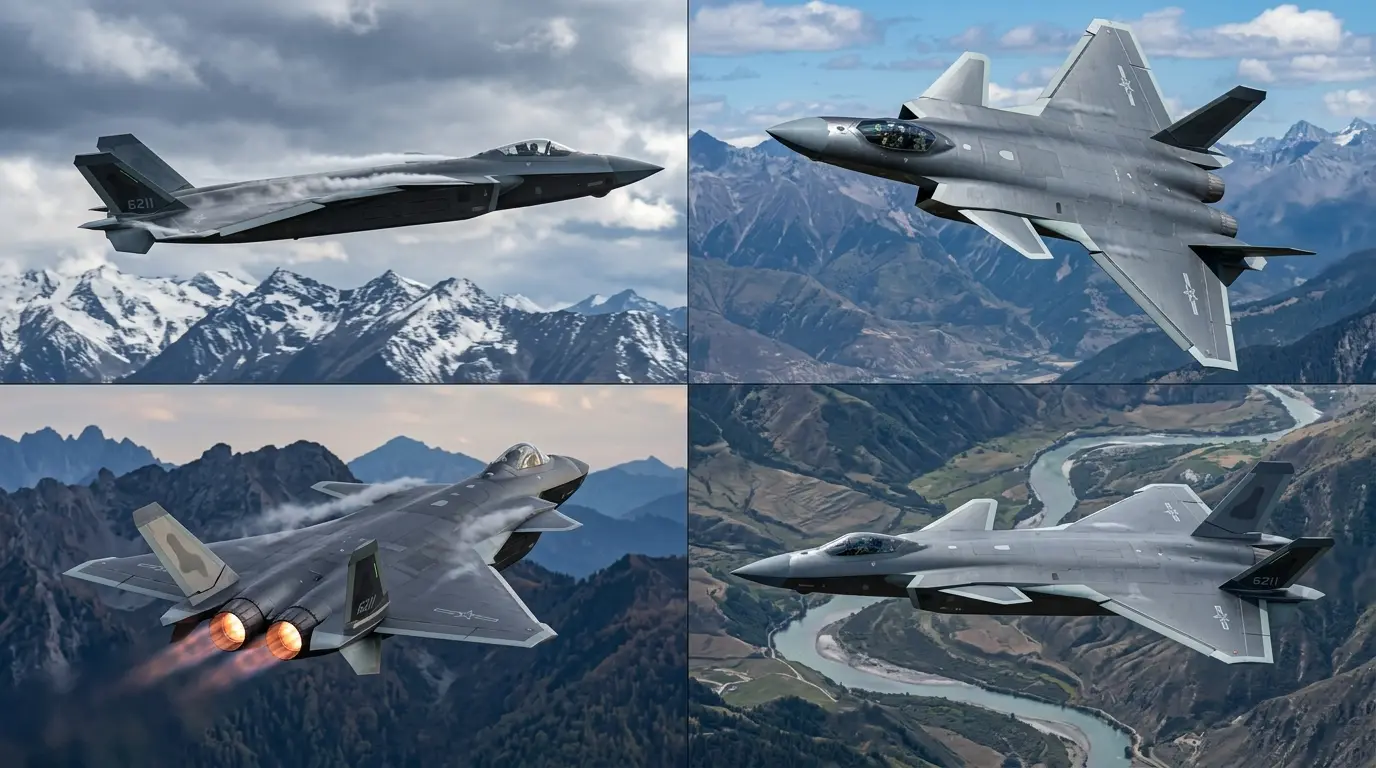
Surpassing the Raptor
The US Air Force permanently halted F-22 Raptor production in 2011, capping its operational combat inventory at exactly 187 jets. Western intelligence estimates confirm China has now built over 250 Chengdu J-20 stealth fighters, officially outnumbering America's premier air superiority aircraft.
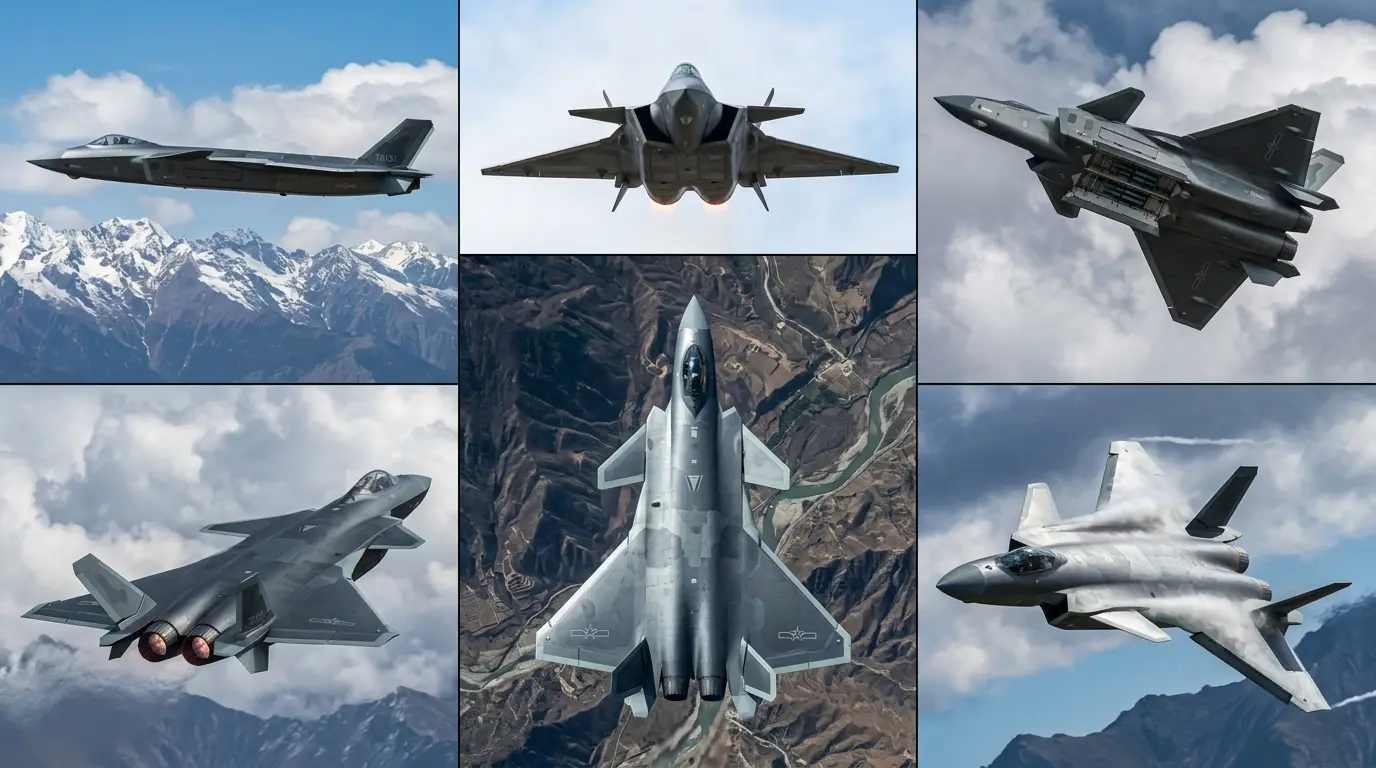
World-Class Assembly
To achieve this massive scale, the Chengdu Aircraft Industry Group upgraded its manufacturing facilities with advanced 'pulsation' assembly lines. This automated, continuous-flow production method slashed manufacturing time, allowing China to rapidly roll out up to 100 new stealth airframes annually.
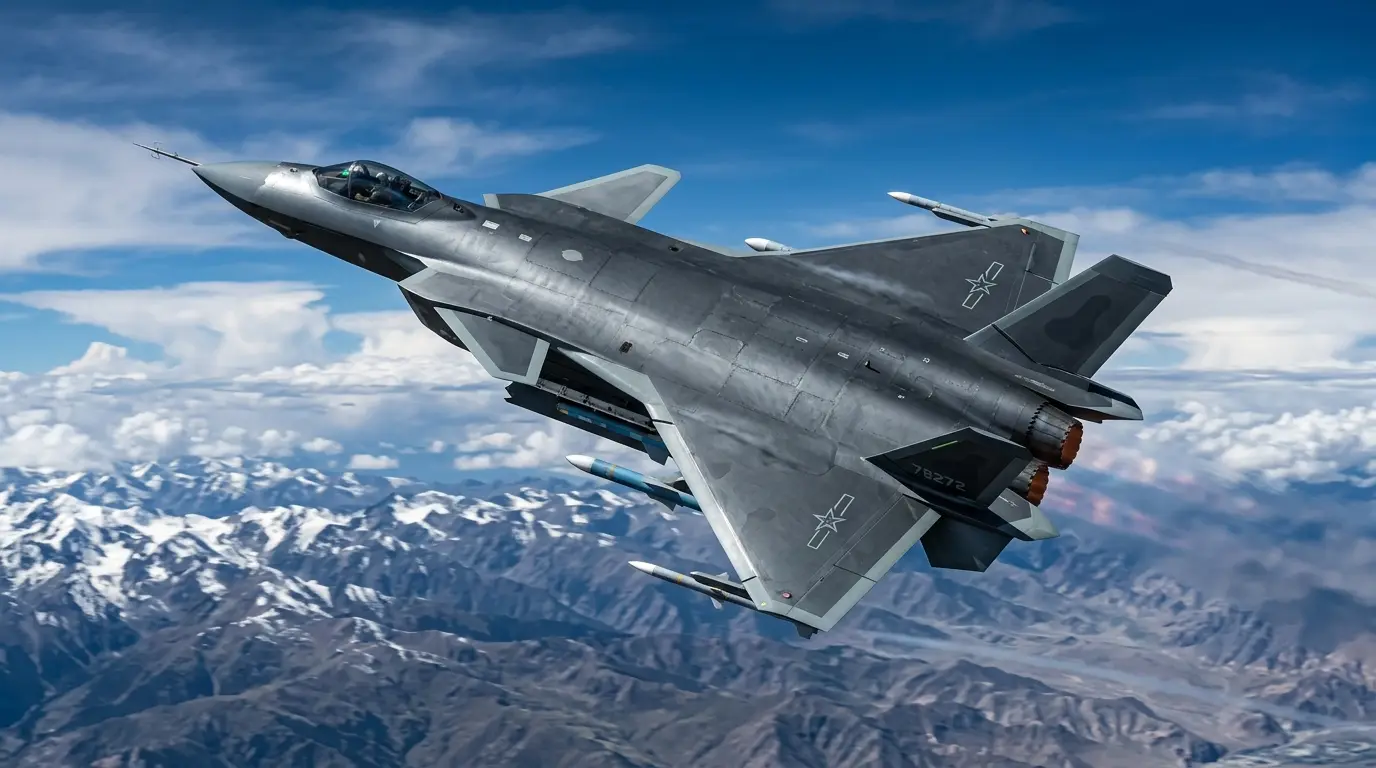
The Domestic Engine Fix
Early J-20 variants relied on imported Russian AL-31 engines, a dependency that severely bottlenecked China's production capacity. Beijing solved this by mass-producing its indigenous WS-10C turbofan, cutting supply chain delays and allowing its assembly lines to run at maximum capacity.
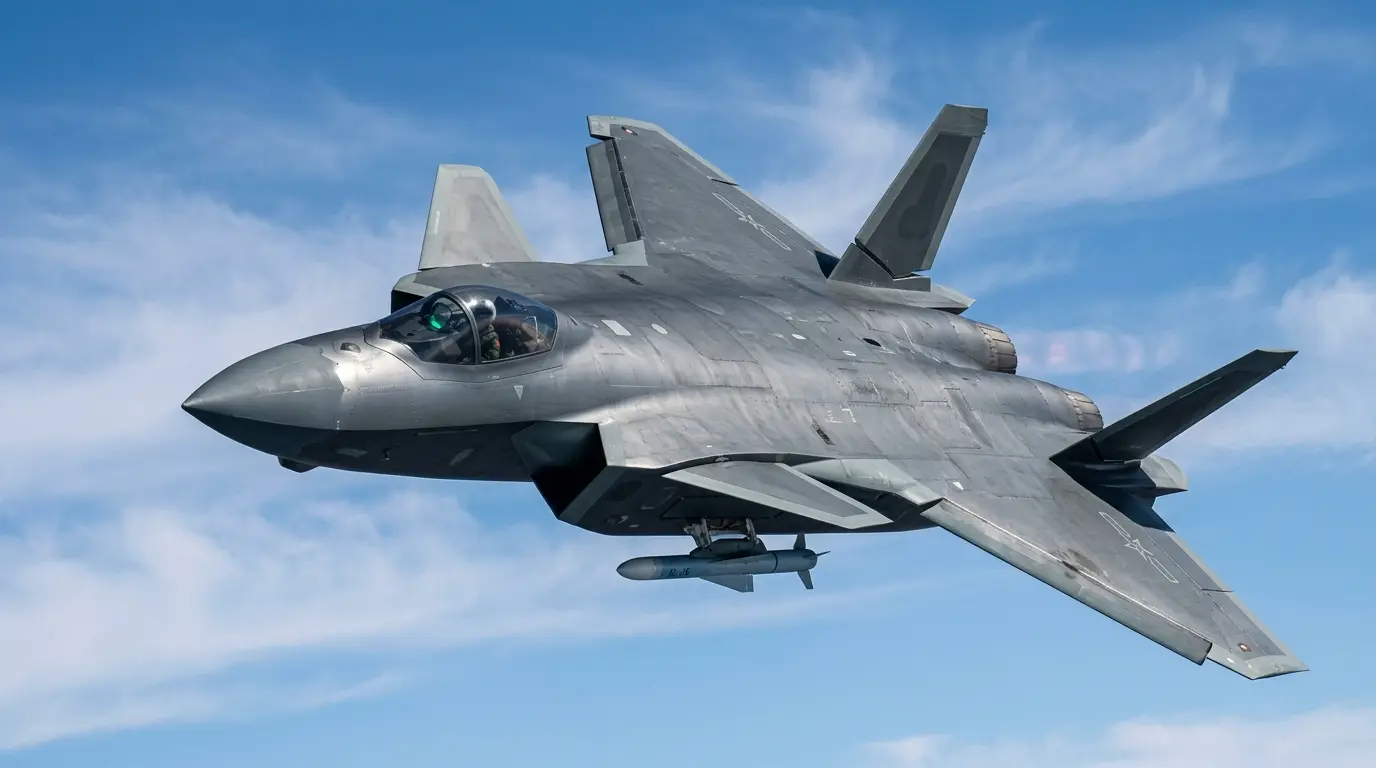
Unlocking Supercruise
The newest J-20 production batches feature the highly anticipated WS-15 engine, generating roughly 36,000 pounds of thrust. This massive propulsion upgrade grants the jet 'supercruise' capability, allowing it to fly at supersonic speeds without relying on fuel-heavy afterburners.
Spanning the Coastline
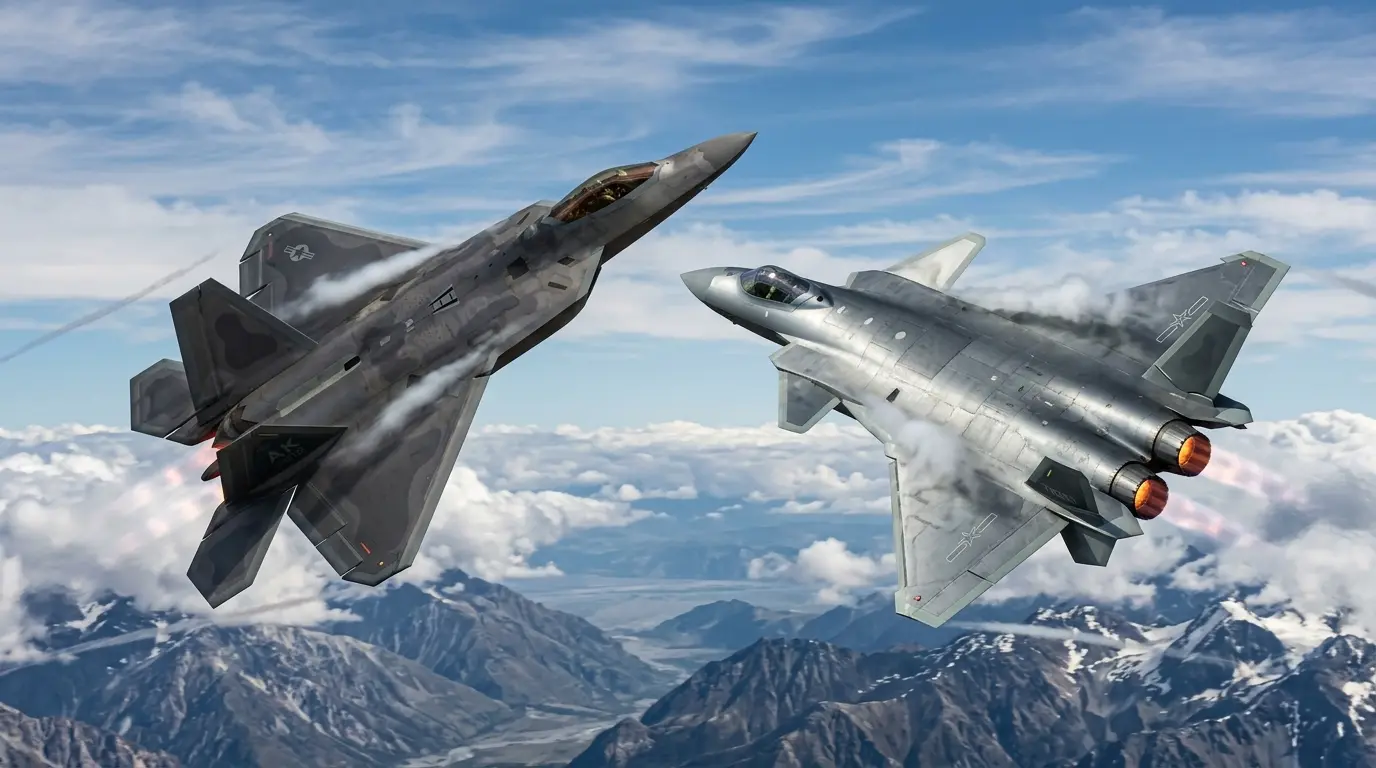
The People's Liberation Army Air Force (PLAAF) has now deployed operational J-20 squadrons across all five of its regional theatre commands. This strategic positioning allows China to rapidly project stealth power over Taiwan, the South China Sea, and the East China Sea.
The F-35 Dilemma
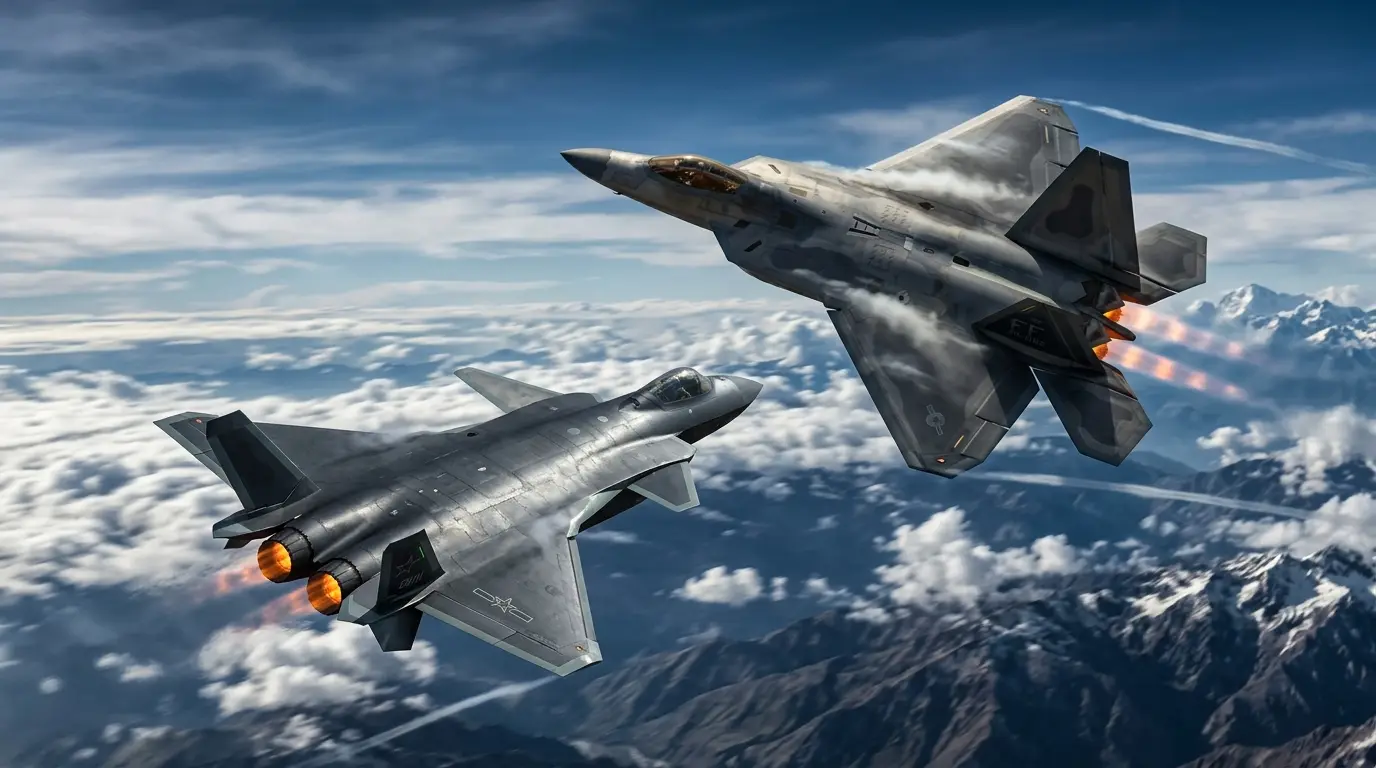
While the US operates hundreds of F-35s, that specific jet is a multi-role strike aircraft rather than a dedicated dogfighter like the F-22 or J-20. China's growing fleet of heavy, twin-engine J-20 interceptors creates a serious air-to-air threat that US commanders must now confront.
A Billion-Dollar Armada
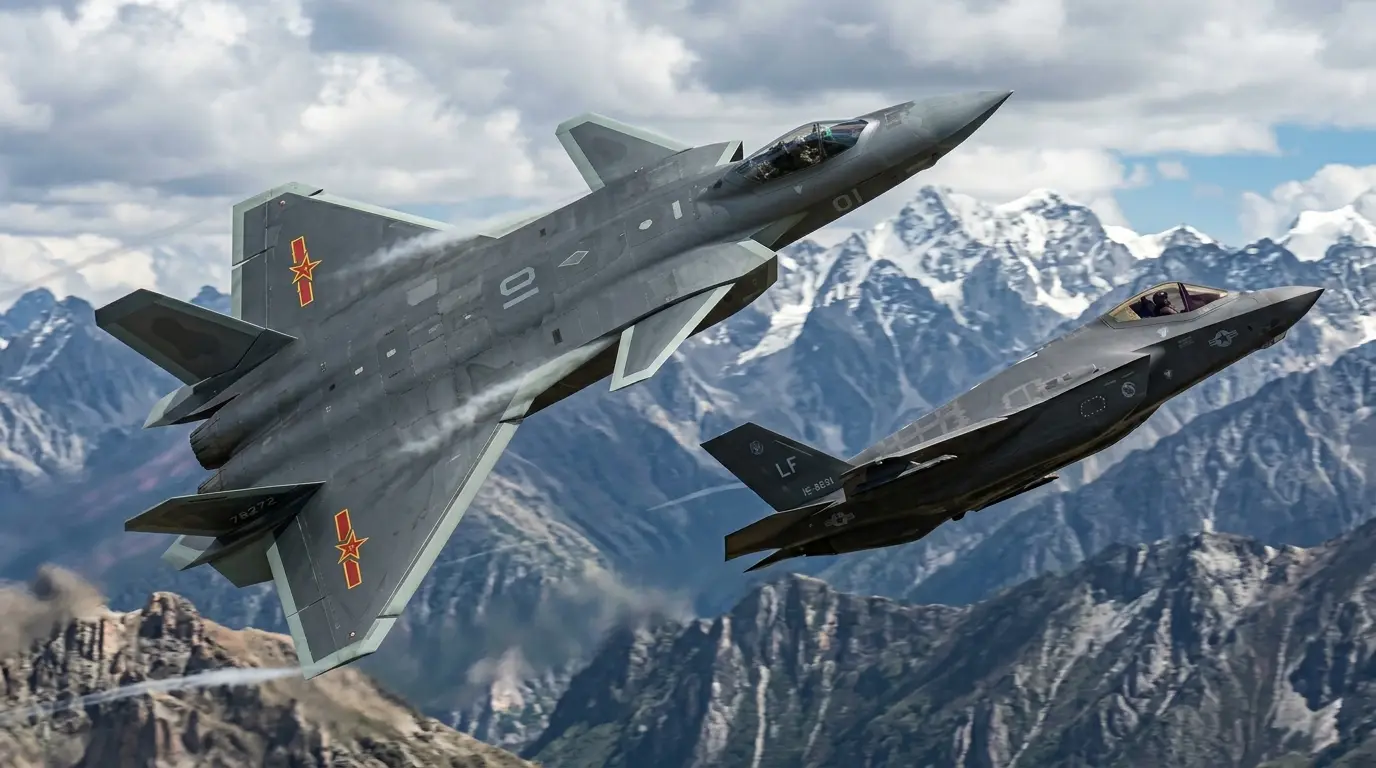
Defence analysts estimate that each J-20 carries a production cost of roughly USD 100 million to USD 120 million. China's willingness to pour tens of billions of dollars into this stealth fighter fleet highlights its absolute commitment to dominating Indo-Pacific airspace.
)
)
)
)
)