‘Out of Range’: How the USS Abraham Lincoln is dodging Iran's cheap drone swarms

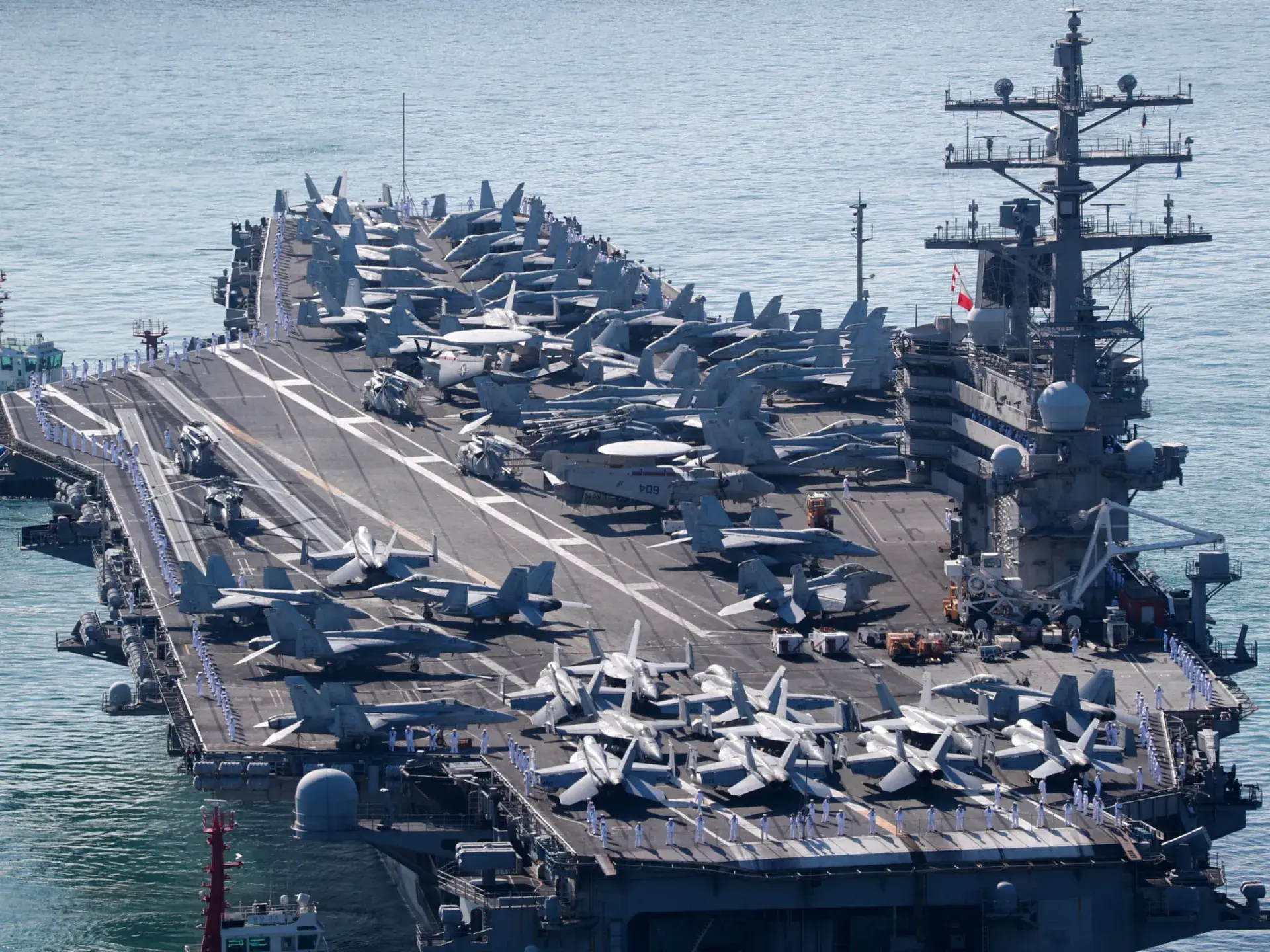
The USS Abraham Lincoln uses distance, electronic warfare, and escort destroyers to dodge Iranian drone swarms. By operating in the Arabian Sea, the US Navy protects its carrier while maintaining full strike capabilities.

The 1,000-km Buffer
The USS Abraham Lincoln is operating roughly 1,000 kilometres away from the Iranian coast. According to US Central Command, this physical distance acts as the primary defence tactic against incoming attacks.
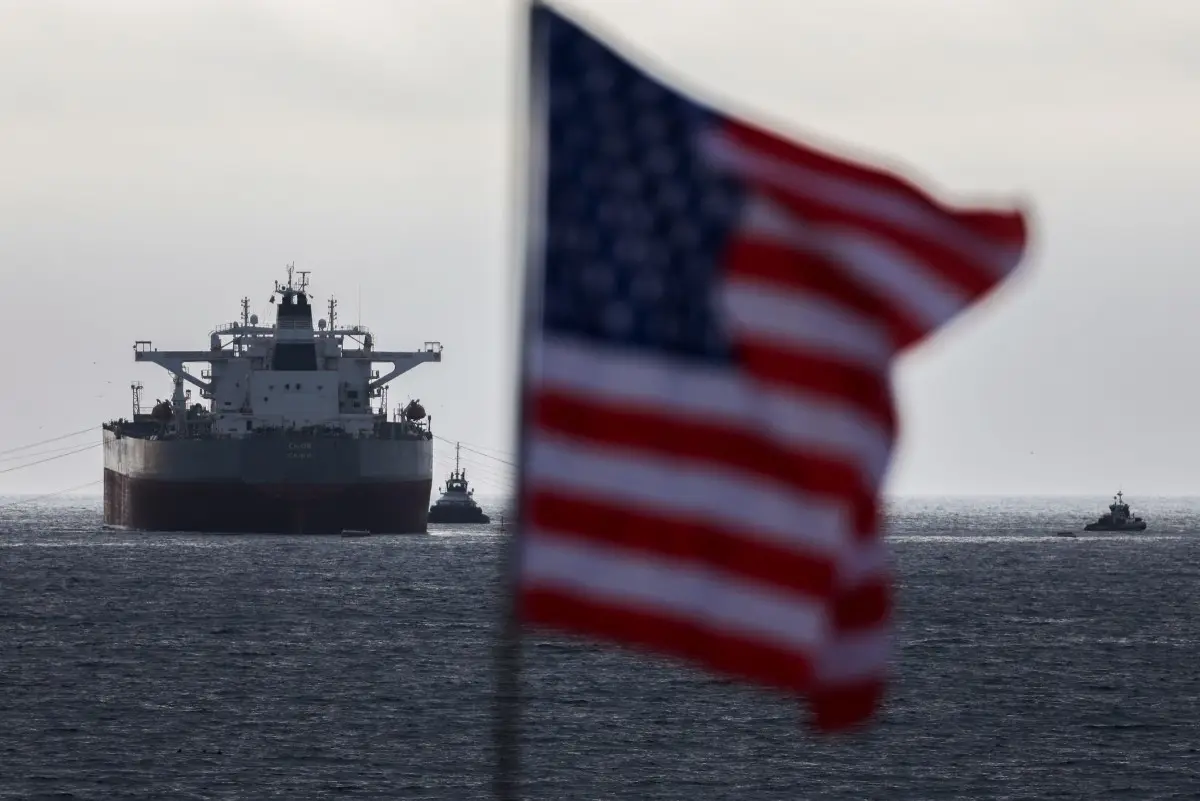
Defeating the Shahed-136
Iran relies on Shahed-136 drones to overwhelm targets at sea. By staying far out in the ocean, the US Navy forces these drones to fly longer, giving radar operators more time to track them.
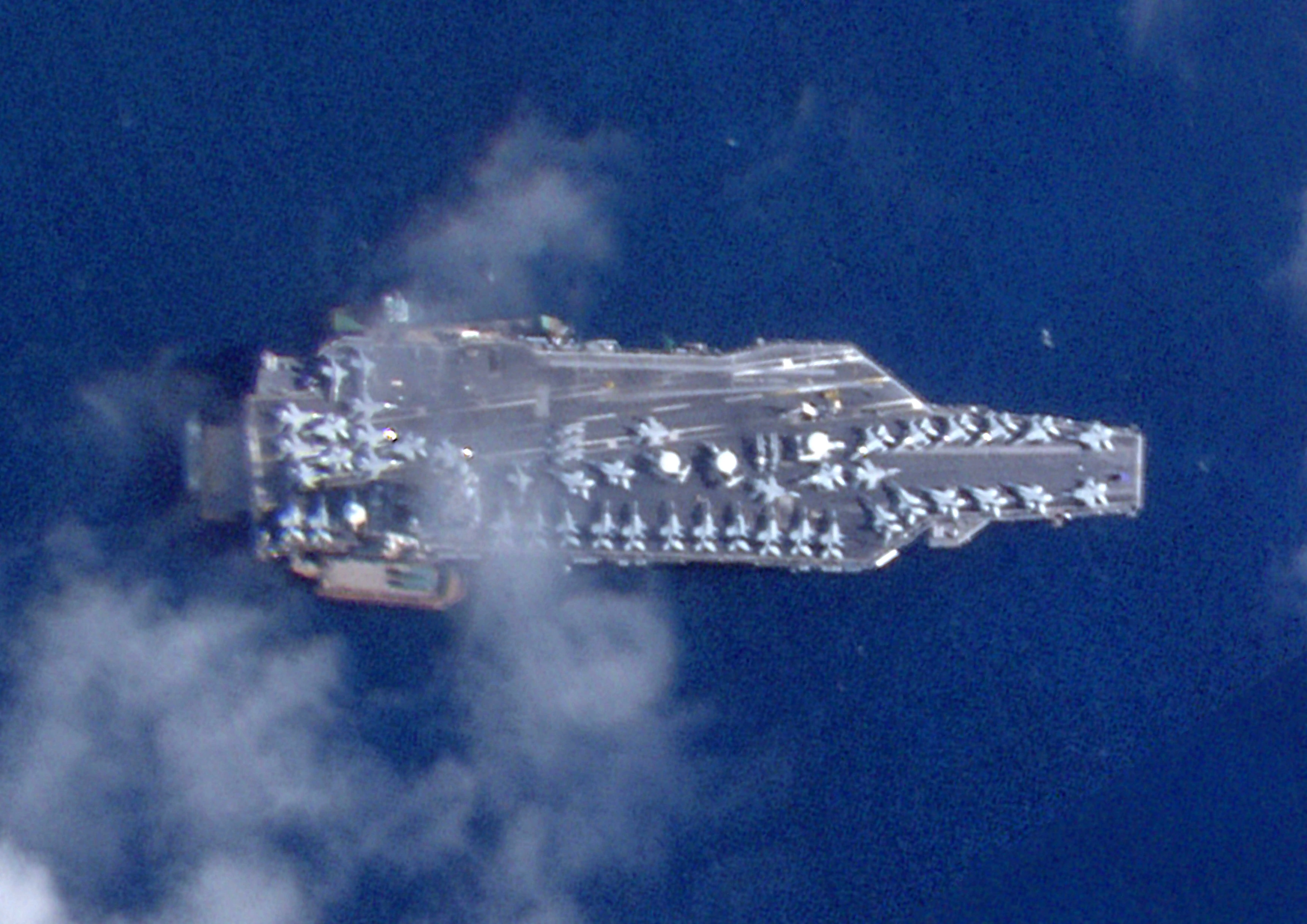
Layered Defence by Escorts
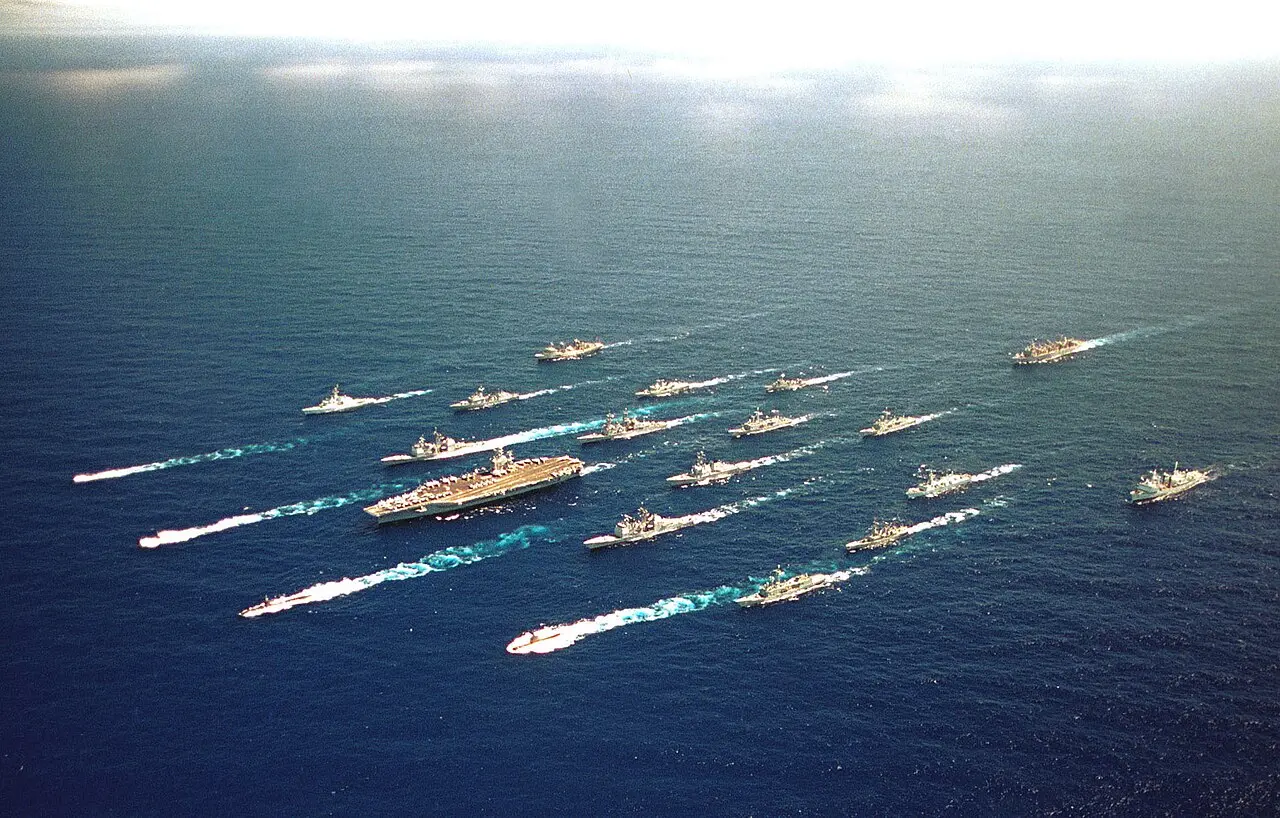
The aircraft carrier never travels alone and is heavily guarded by destroyers like the USS Spruance. These escort ships use the Aegis radar system to shoot down threats long before they reach the main carrier.
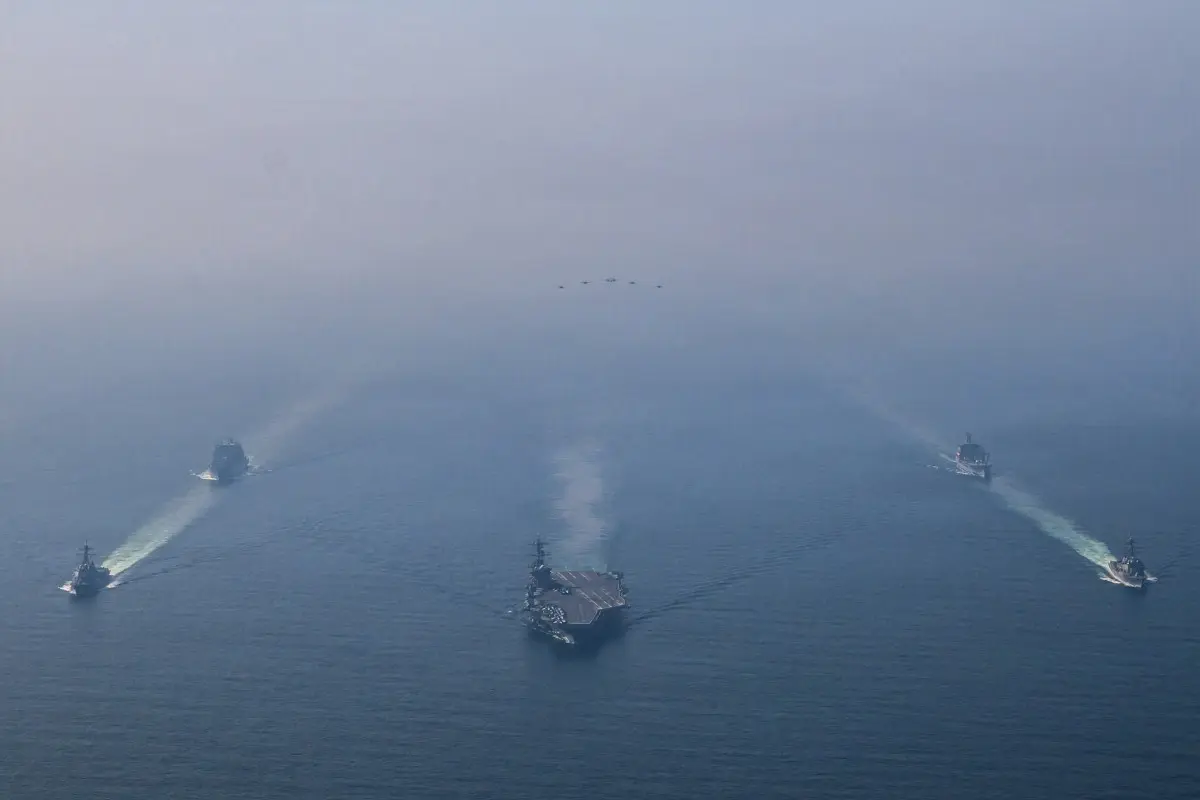
The Cost Factor: USD 50,000 vs Millions
An Iranian drone costs roughly USD 50,000 (about Rs 41 lakh), which is a fraction of a per cent of a US interceptor missile's price. Using distance as a shield is a zero-cost method to exhaust enemy swarms.
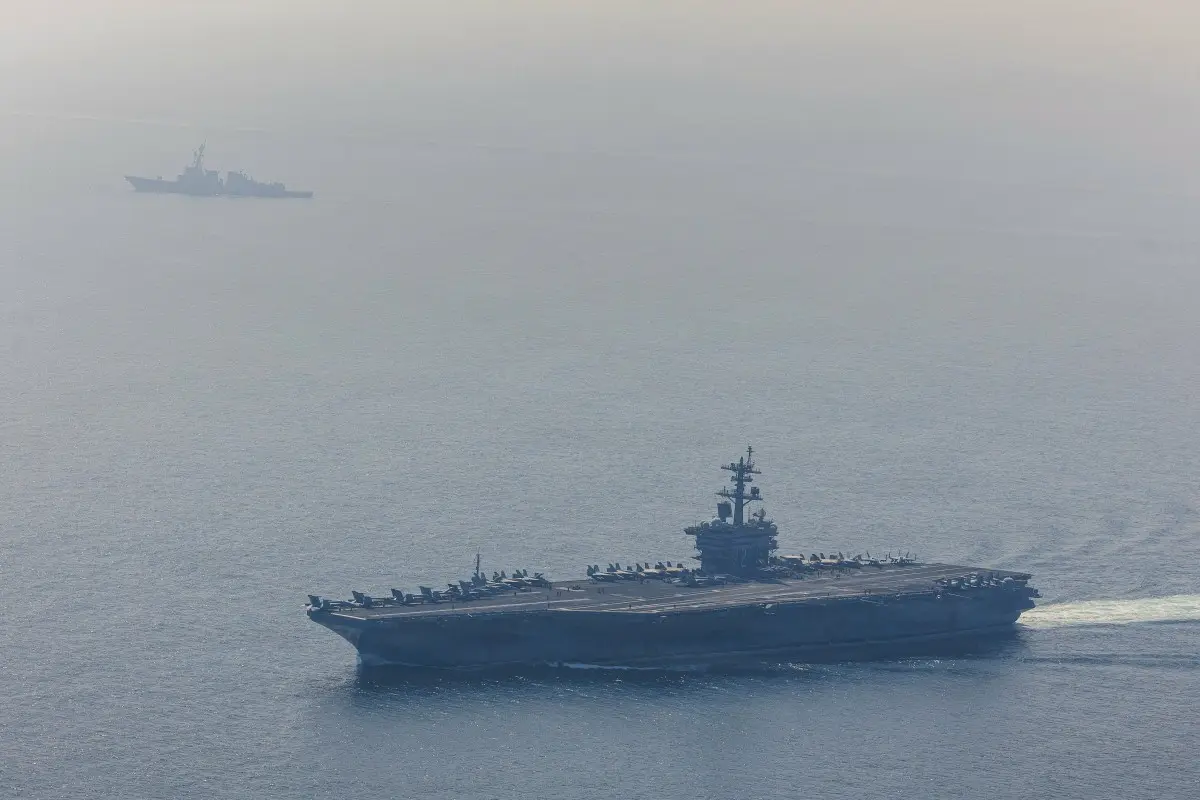
Electronic Warfare Tactics
Escort ships use advanced electronic jammers to block and intercept enemy signals. Defence Security Asia notes that these systems confuse the GPS navigation of incoming drones mid-air.
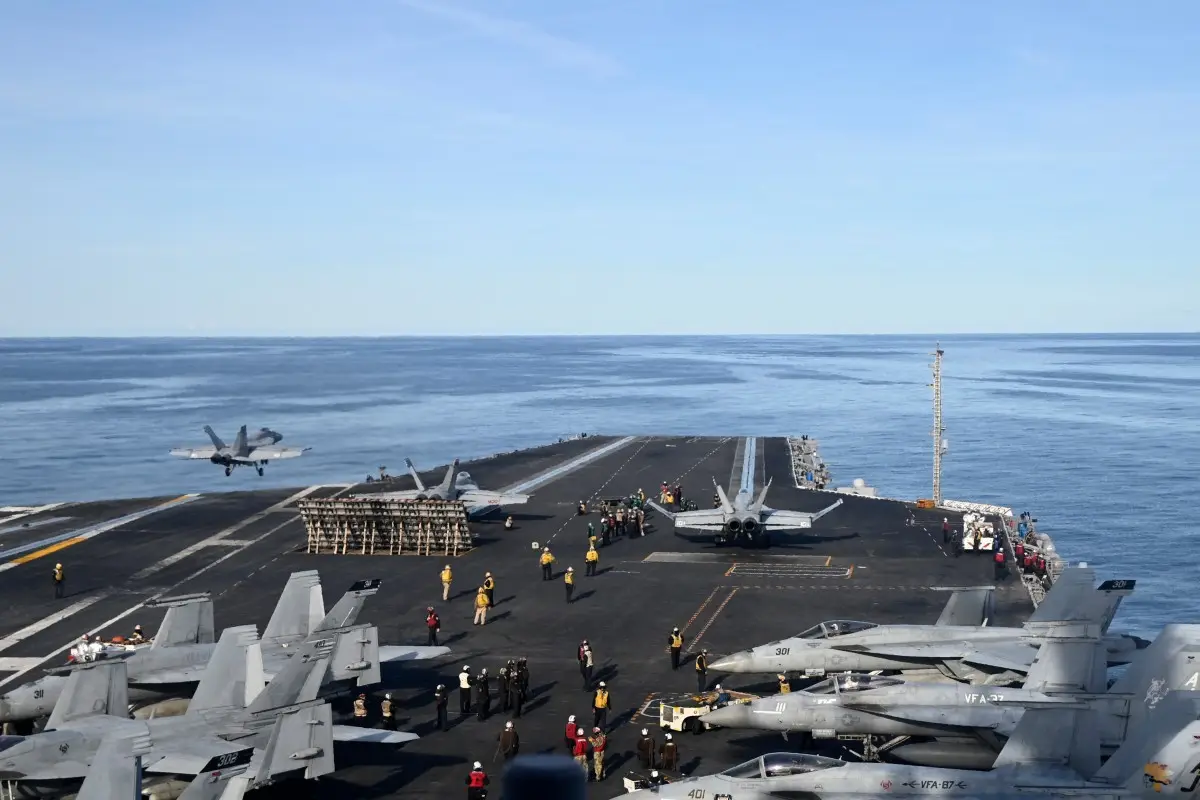
Laser Weapons in Action
To avoid wasting expensive missiles, the US Navy increasingly employs directed-energy weapons. These ship-mounted lasers blind and destroy unmanned aerial vehicles instantly.
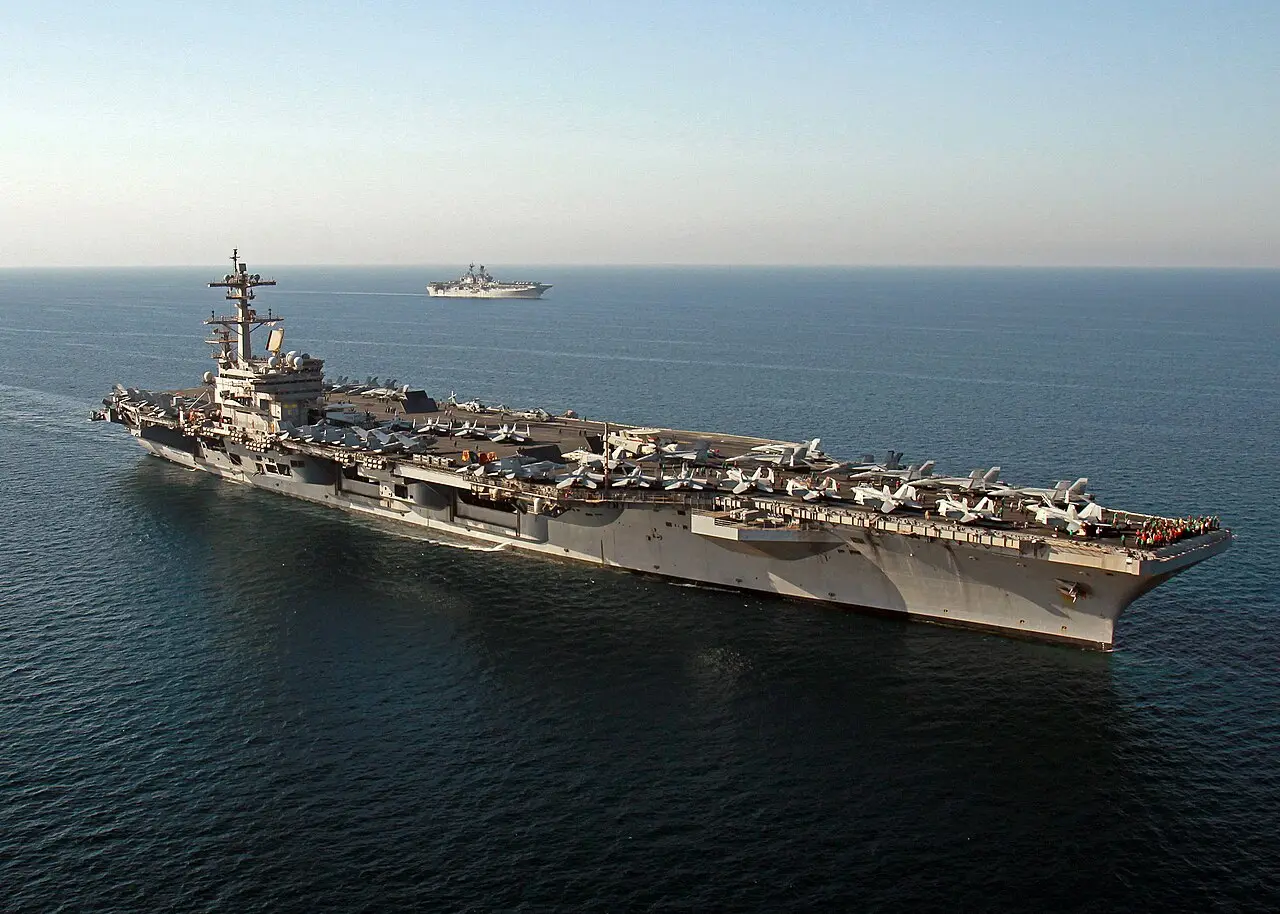
Constant Movement at 30 Knots
The Arabian Sea provides massive operational space compared to the narrow Persian Gulf. The nuclear-powered carrier constantly moves at speeds over 30 knots, making it incredibly hard to target.
F/A-18E Super Hornet Patrols
Fighter jets launch from the carrier deck to maintain constant combat air patrols. These aircraft intercept low-flying drones far away from the main fleet.
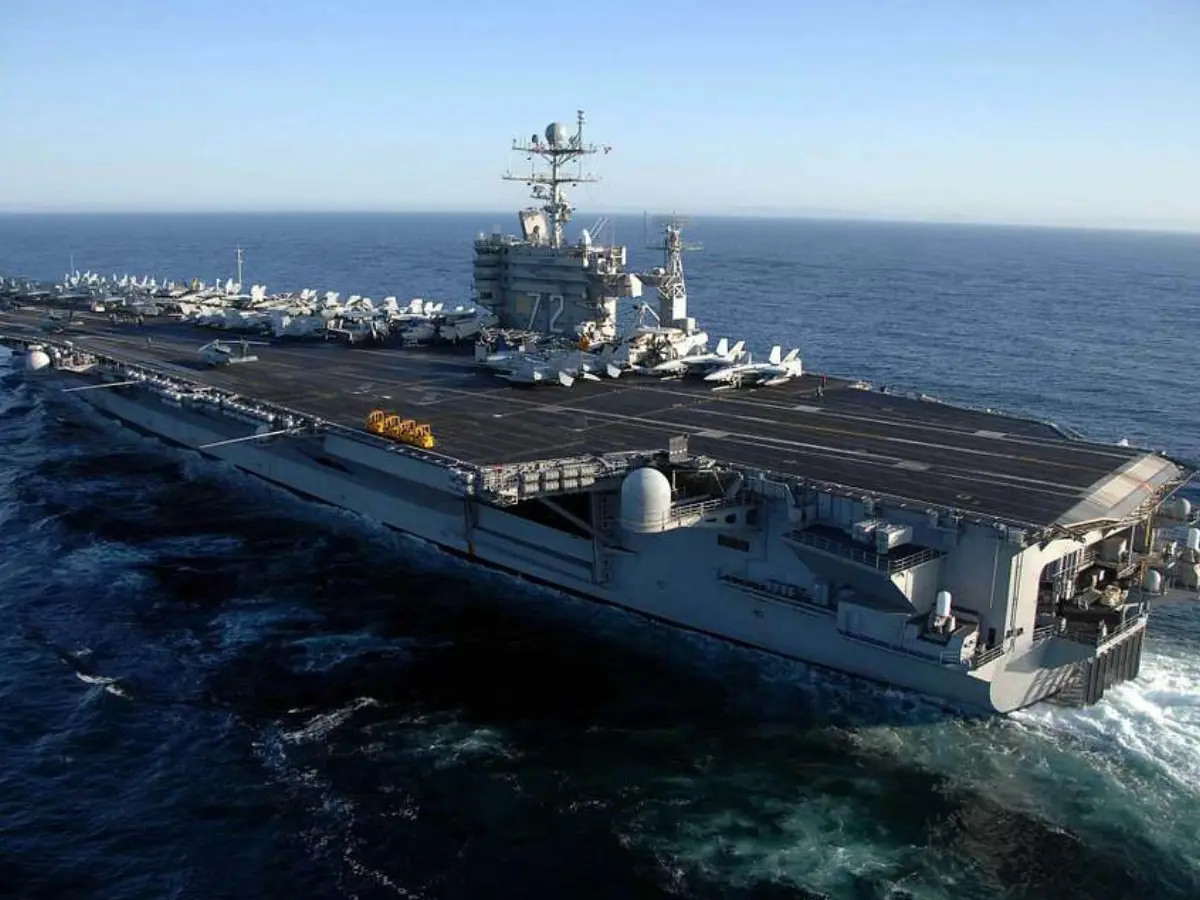
The E-2D Hawkeye Radar
E-2D Hawkeye aircraft fly high above the strike group to scan the distant horizon. They provide early warnings by spotting drones that attempt to hide close to the ocean surface.
A Strategic Military Manoeuvre
Moving the carrier away is a calculated military manoeuvre, not a retreat. It protects the 5,000 sailors on board while keeping US strike capabilities fully active.
)
)
)
)
)