'Operation Silicon Siege': How Trump could use AI against Iran to take out S-400 defence system

The S-400 is a highly computerised system. Operation Silicon Siege reportedly involves using AI to identify "Zero-Day" vulnerabilities in the system’s firmware.
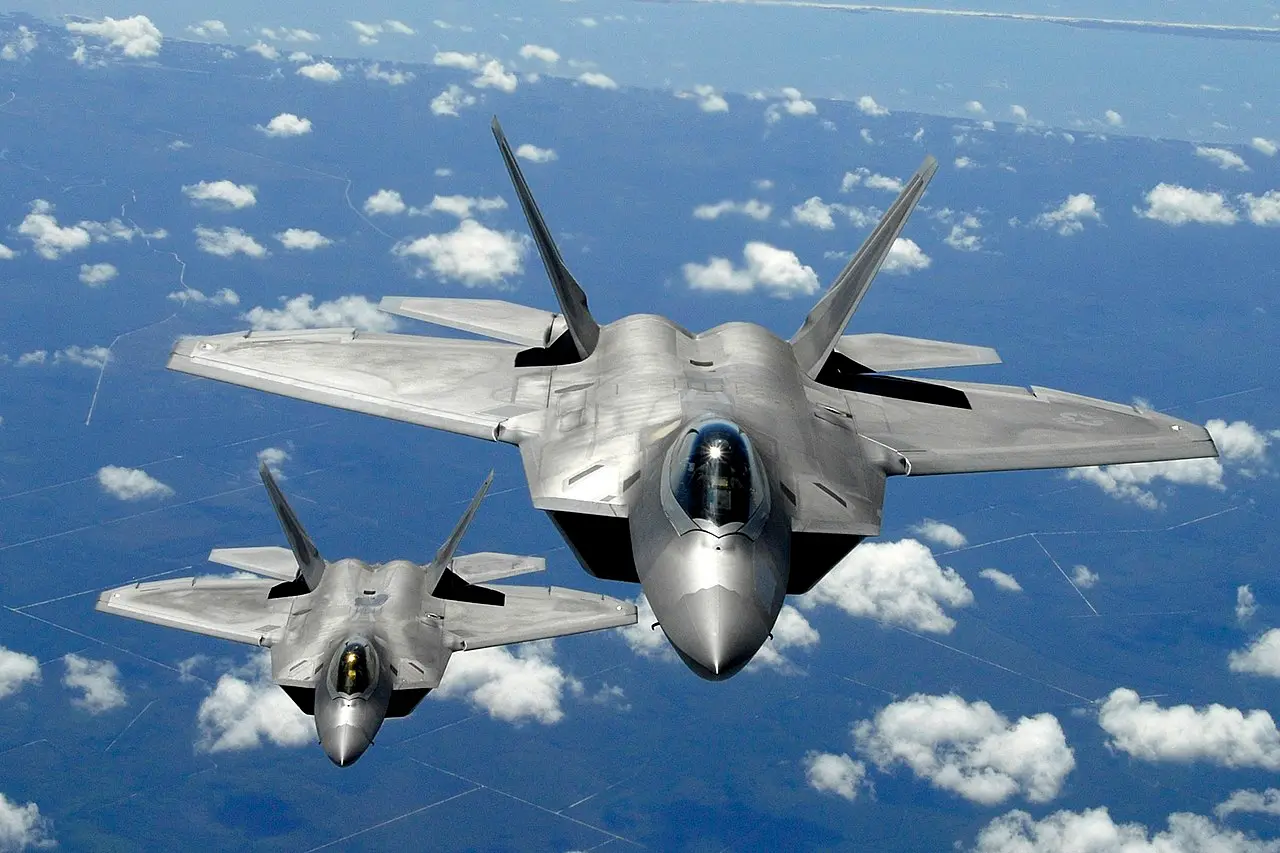
1. AI-Driven "Electronic Ghosting"
Traditional jamming involves overwhelming a radar with noise, but AI allows for "cognitive electronic warfare." US systems can now use AI to analyse the specific frequencies of the S-400’s 92N6E Grave Stone radar in real-time. The AI then generates “digital ghosts” thousands of fake incoming targets, that trick the system into launching its expensive missiles at nothing, effectively emptying Iran’s interceptor silos within minutes.
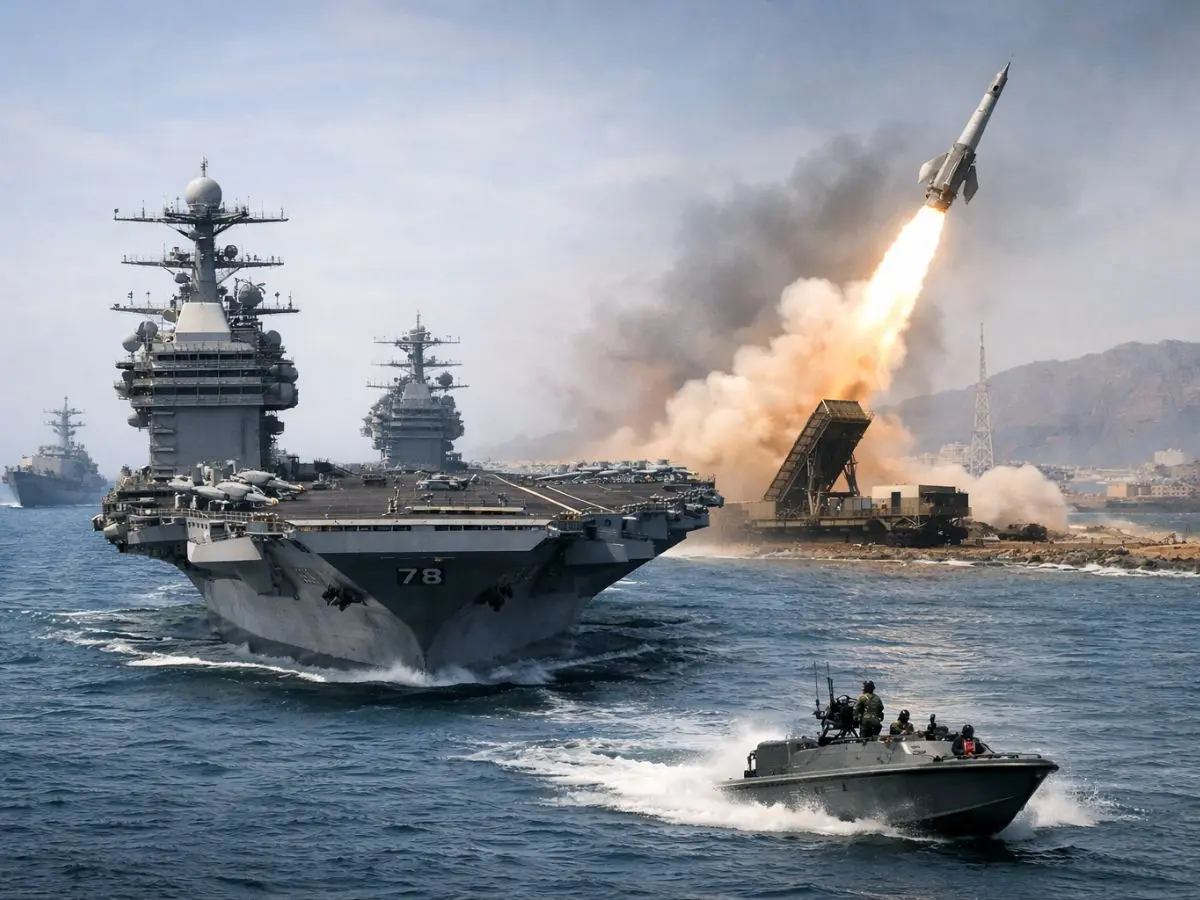
2. Neural Network Terrain Mapping for Stealth Infiltration
To bypass the S-400’s long-range detection, AI-powered mission planning tools analyse satellite topography with millimeter precision. This allows F-35s and B-21 Raiders to fly "blind" through radar-dead zones (valleys and canyons) at ultra-low altitudes. The AI calculates the exact flight path where the curvature of the earth and the terrain shield the aircraft from the S-400’s signal, making the strike force invisible until it is directly over the target.
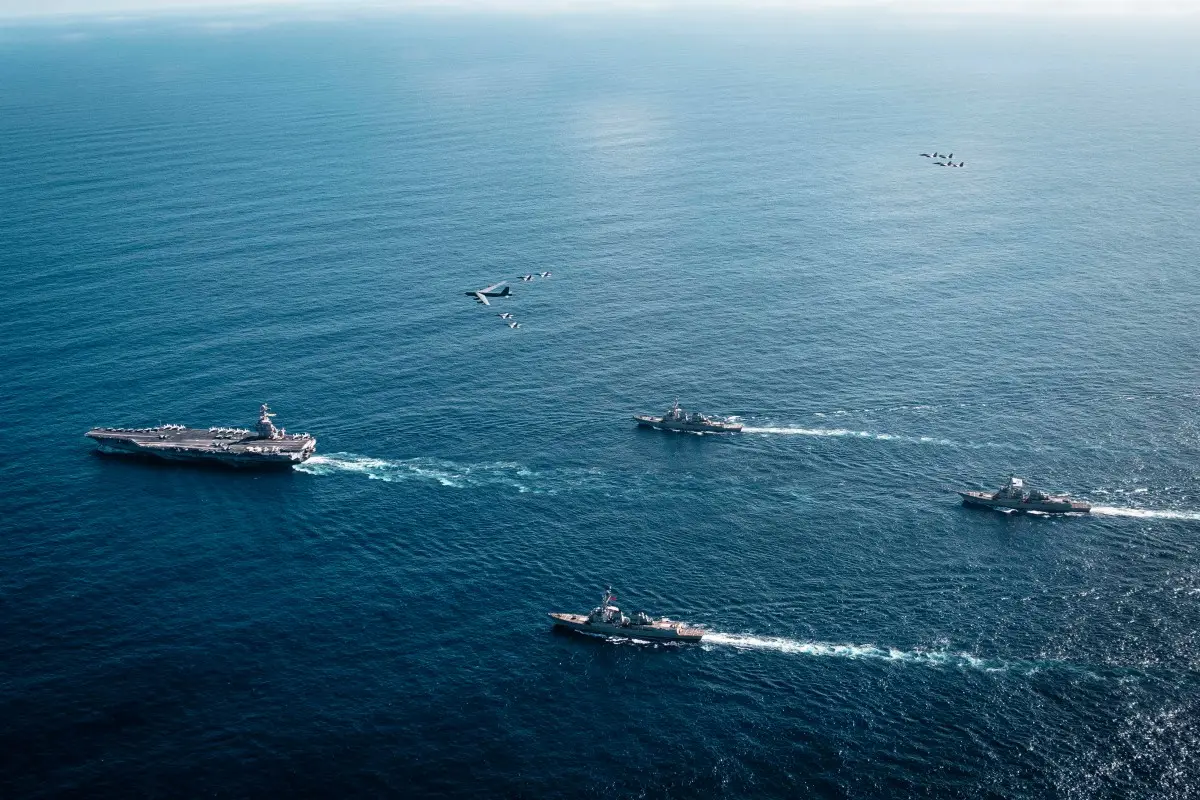
3. The "Zero-Day" Cyber Injection
The S-400 is a highly computerised system. Operation Silicon Siege reportedly involves using AI to identify "Zero-Day" vulnerabilities in the system’s firmware. By injecting a "logic bomb" via a remote cyber-attack, the US could cause the S-400’s command and control center to malfunction during a critical engagement, either by reporting "all clear" while jets are overhead or, more devastatingly, by misidentifying its own IRGC aircraft as hostile.
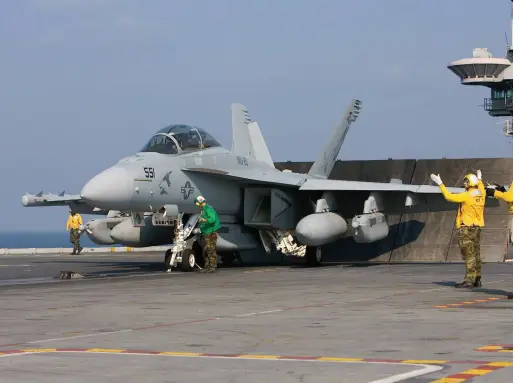
4. Autonomous "Swarm" Decoys
Instead of risking human pilots, the US is prepared to deploy AI-controlled drone swarms. These "loitering munitions" are programmed to mimic the radar signature of a B-2 Stealth Bomber. When the S-400 locks onto the swarm, it reveals its own position. Simultaneously, the AI swarm communicates to coordinate a "multi-axis" strike, saturating the defence system from 360 degrees until the radar hardware is physically destroyed by a high-speed anti-radiation missile (HARM).
5. Predictive Maintenance Sabotage
AI isn't just used during the battle; it's used before it. By monitoring the "digital exhaust" and supply chain communications of the Iranian military, US intelligence uses AI to predict which S-400 units are undergoing maintenance or have faulty components. Trump's "Silicon Siege" prioritizes striking the logistics hubs that provide spare parts, ensuring that once a battery goes down, it can never be repaired due to a targeted “economic and physical blockade.”

6. Real-Time "Deepfake" Voice Commands
In a terrifying psychological twist, AI can be used to hijack Iranian communication channels. Using voice-cloning technology, AI can broadcast orders in the exact voice of senior IRGC commanders, telling S-400 operators to "stand down" or "cease fire" because of a "friendly flight" in the area. This creates a "fog of war" that paralyses decision-making at the exact moment the US strike begins.

7. Autonomous Kill-Chains for Mobile Launchers
The S-400 is mobile, making it hard to hit with traditional coordinates. However, US Sentient AI platforms (like Maven) now process live feeds from hundreds of satellites and high-altitude drones simultaneously. When an S-400 launcher moves even a few meters, the AI detects the movement and re-tasks a nearby Tomahawk missile or an autonomous X-58 drone to hit the new location in under 60 seconds, a speed of engagement that human operators simply cannot match.
)
)
)
)
)