'Only 56,000 people live in Greenland': What makes it so valuable?

Greenland, an autonomous territory of Denmark, has a population of just over 56,000. However, its immense value lies in its untapped rare earth minerals, potential oil reserves, and critical strategic location for military defence and new Arctic shipping routes.
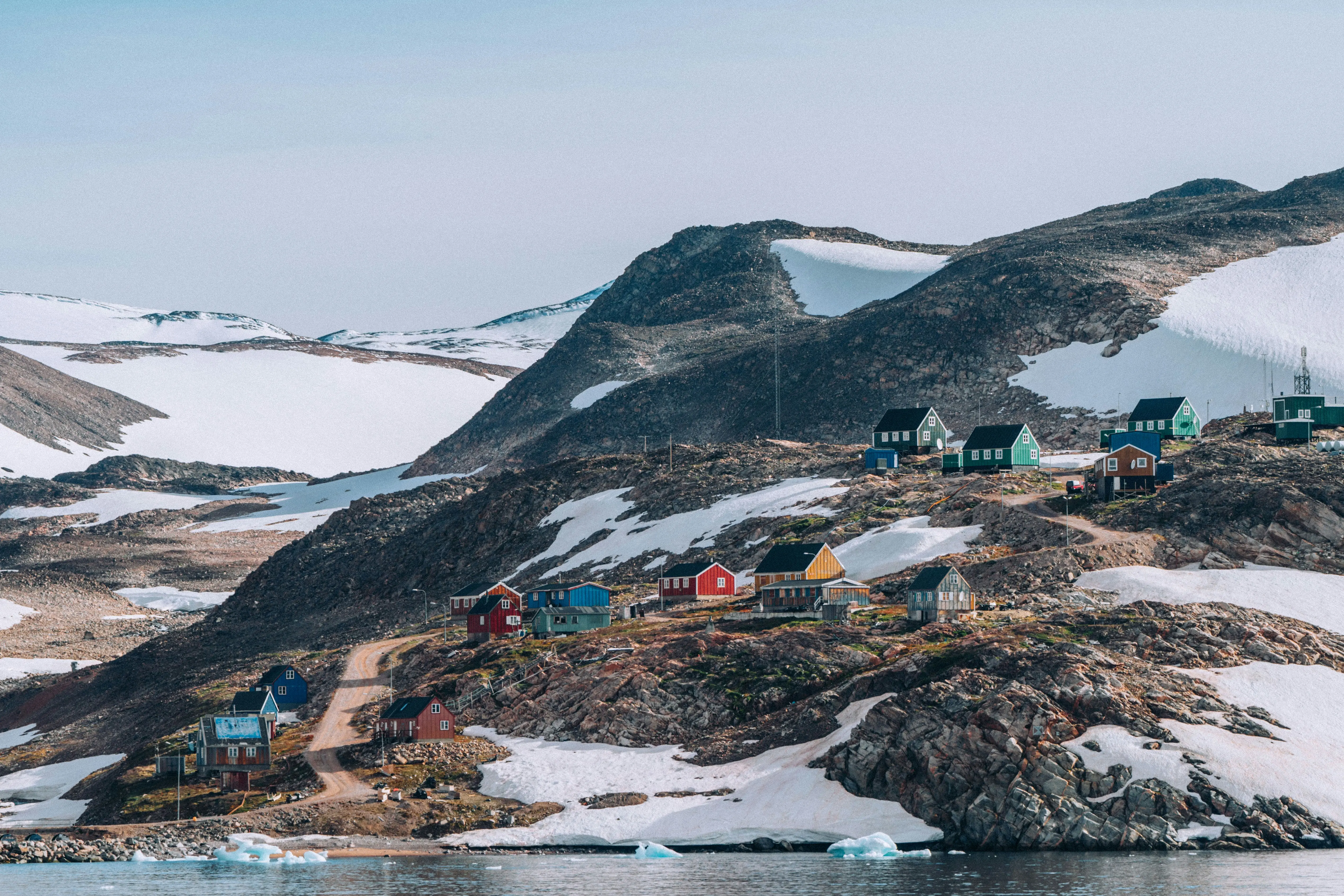
A treasure of rare earth minerals
Greenland holds one of the world's largest deposits of rare earth metals, essential for EVs and phones. The Geological Survey of Denmark and Greenland estimates the Kvanefjeld mine alone contains over 100 million tonnes of ore.
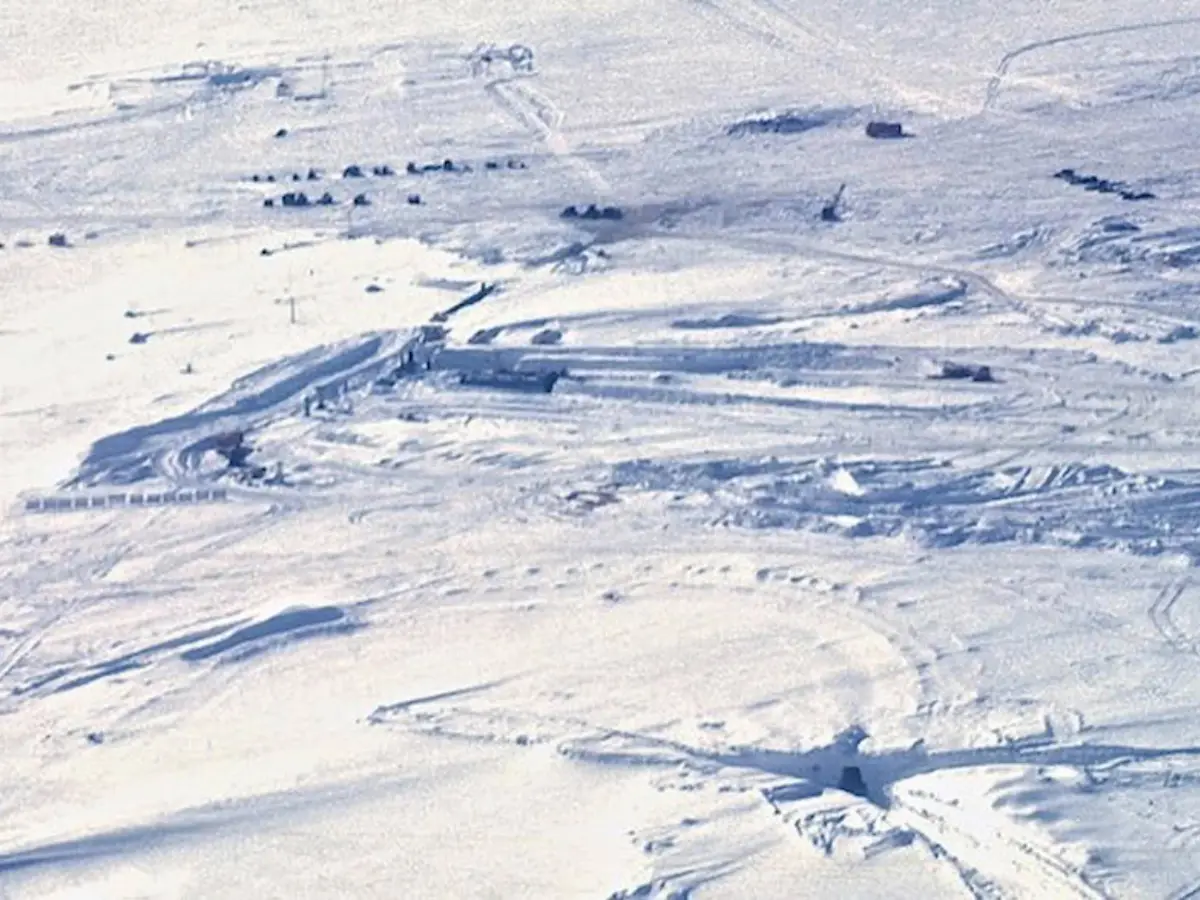
The watchful eye of the North Pituffik Space Base
Its location is critical for North American defence. The US operates the Pituffik Space Base (formerly Thule) here, which the US Space Force uses to track ballistic missiles and satellites over the Arctic.
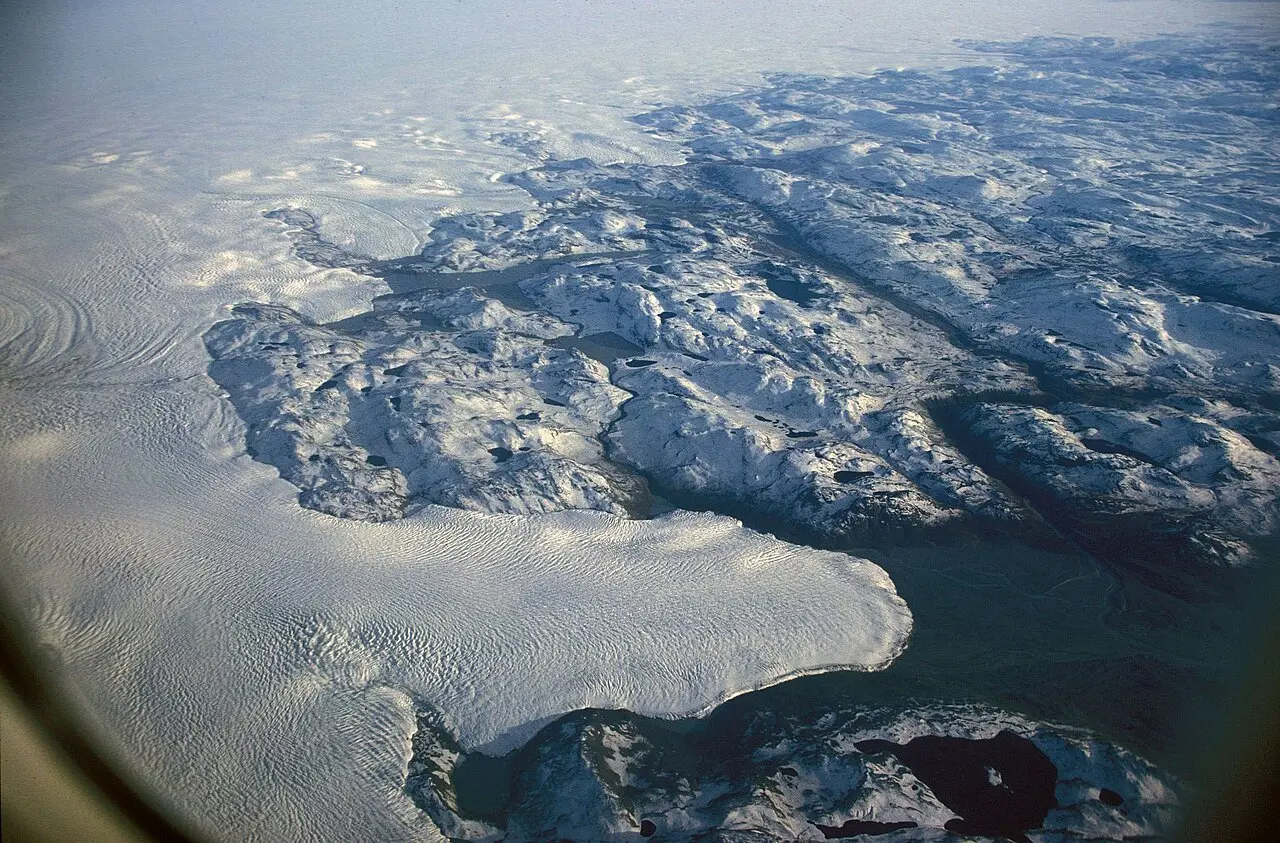
Untapped oil and gas potential Billions of barrels beneath the ice
The US Geological Survey estimates that the Arctic circle, much of it around Greenland, holds 13 per cent of the world's undiscovered oil and 30 per cent of its gas, potentially worth trillions.
New global shipping lanes Cutting travel time by 40 per cent
As polar ice melts, new shipping routes are opening up north of the island. Arctic Council reports suggest these lanes could reduce travel distance between Europe and East Asia by up to 40 per cent compared to the Suez Canal.
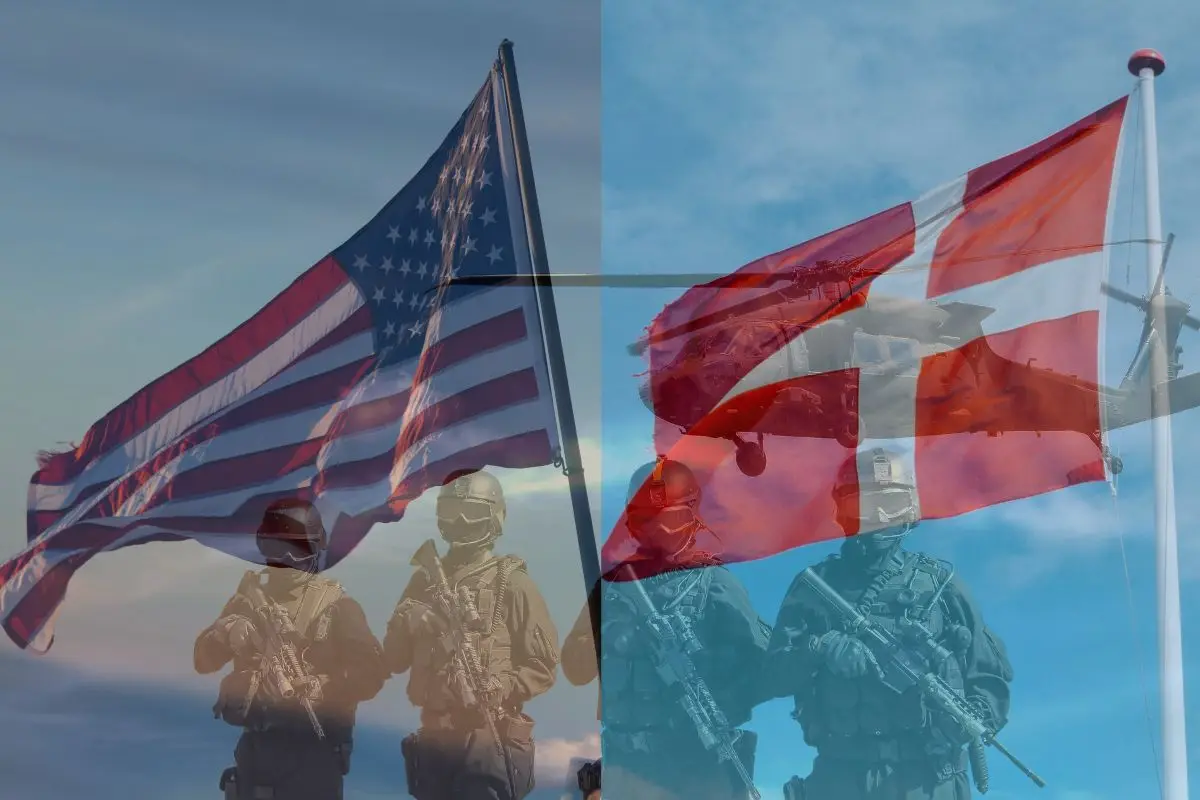
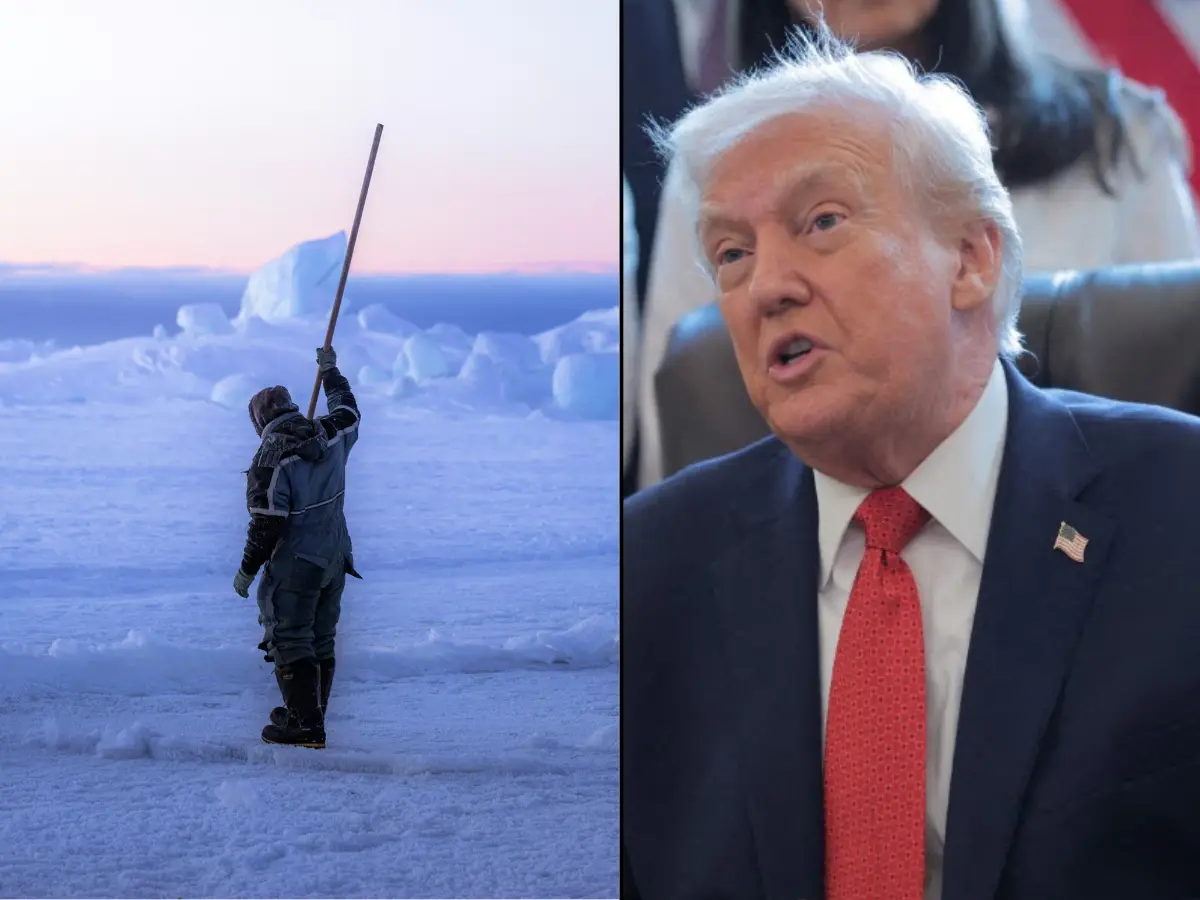
US attempts to buy it Trump’s 2019 offer
The island is so valuable that the US has tried to buy it multiple times. In 2019, President Donald Trump confirmed interest in purchasing Greenland for strategic reasons, echoing a similar offer made by the US in 1946 for $100 million.
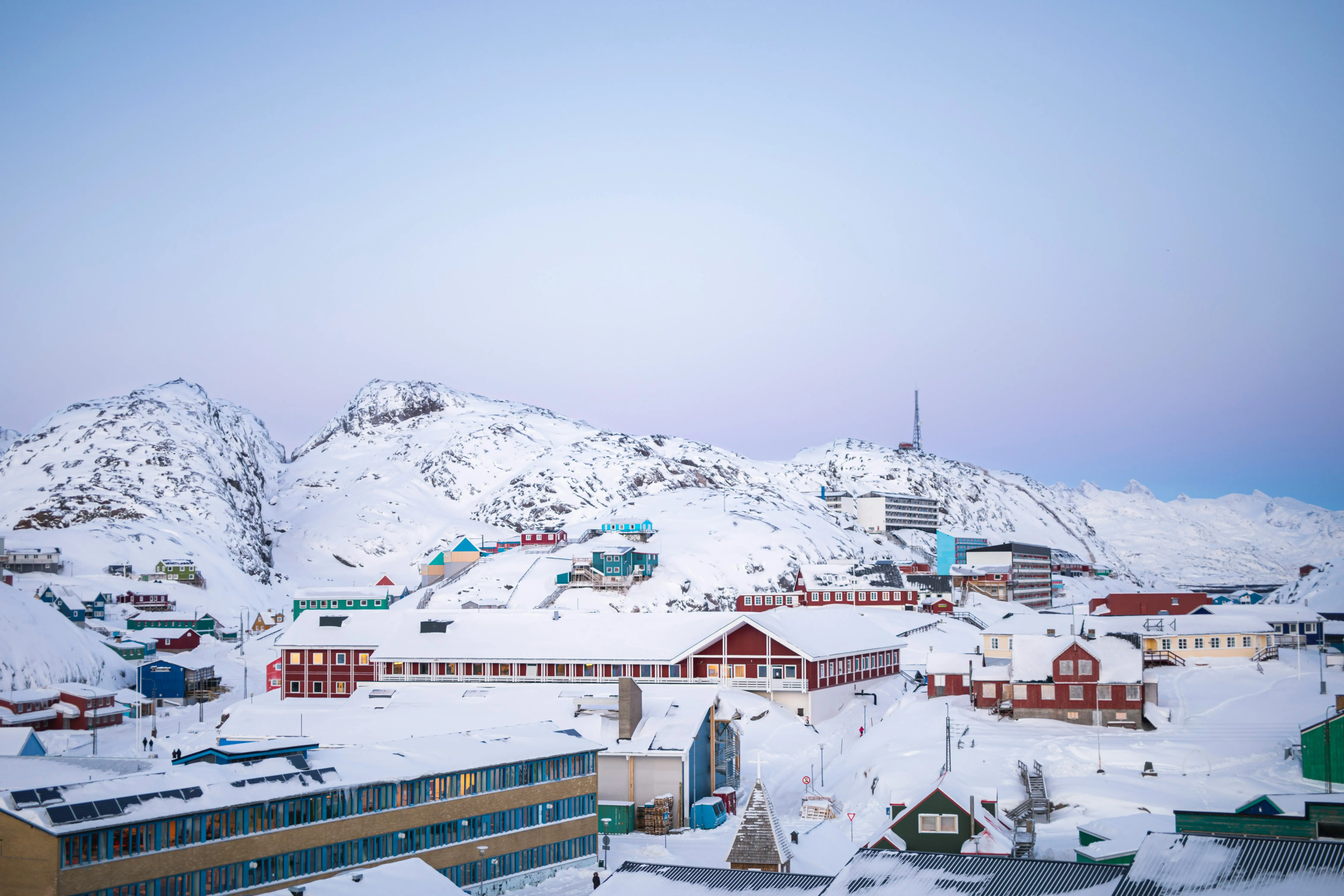
China’s Polar Silk Road Infrastructure ambitions
Beijing views Greenland as a key hub for its 'Polar Silk Road'. The Brookings Institution notes that Chinese state-owned firms have sought to invest in Greenland's airports and mining sectors to gain a foothold in the Arctic.
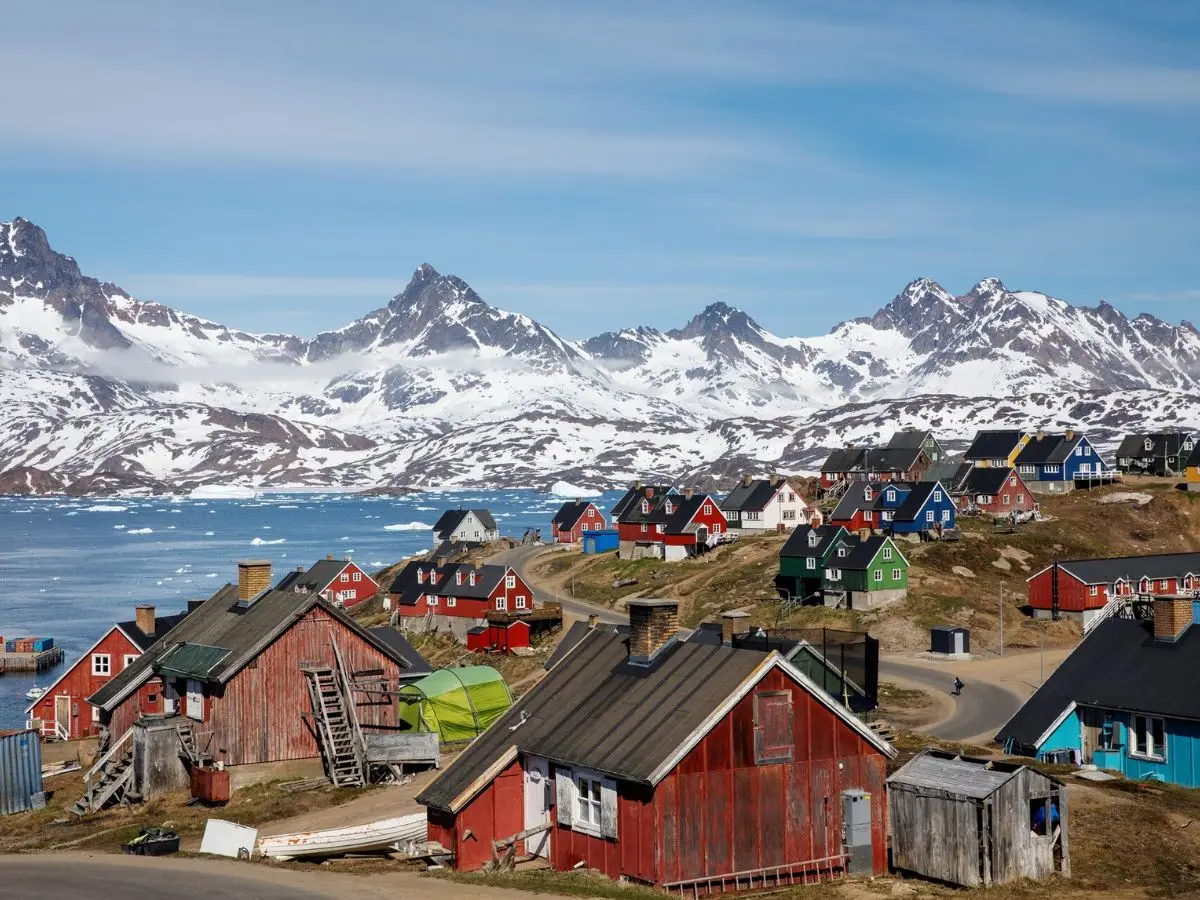
10 per cent of global fresh water The massive ice sheet
Beyond politics, the island is an environmental giant. The National Snow and Ice Data Center states that the Greenland Ice Sheet covers 1.7 million square kilometres and holds about 10 per cent of the world's fresh water reserves.
)
)
)
)
)