'Only 4 light-years away': NASA's James Webb Space Telescope discovers new exoplanet in our solar system's neighbourhood

The team used JWST’s Mid-Infrared Instrument (MIRI) with a coronagraphic mask to block the star’s glare, enabling the detection of objects around 10,000 times fainter than Alpha Centauri A.
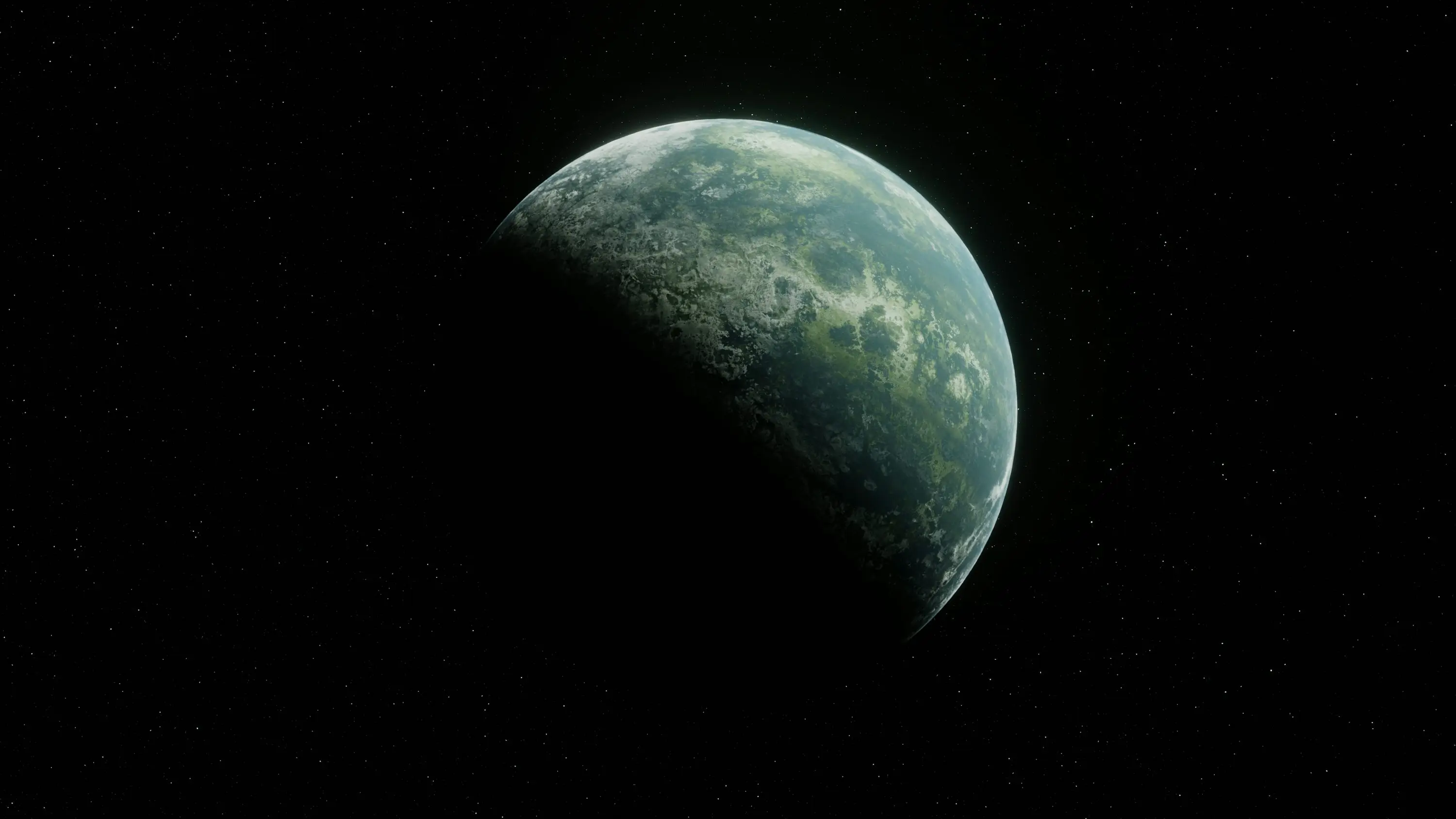
Discovery Near Our Closest Sun-Like Neighbour
Astronomers using NASA’s James Webb Space Telescope (JWST) have found strong evidence for a possible gas giant planet orbiting Alpha Centauri A, part of the triple-star Alpha Centauri system located just four light-years from Earth.
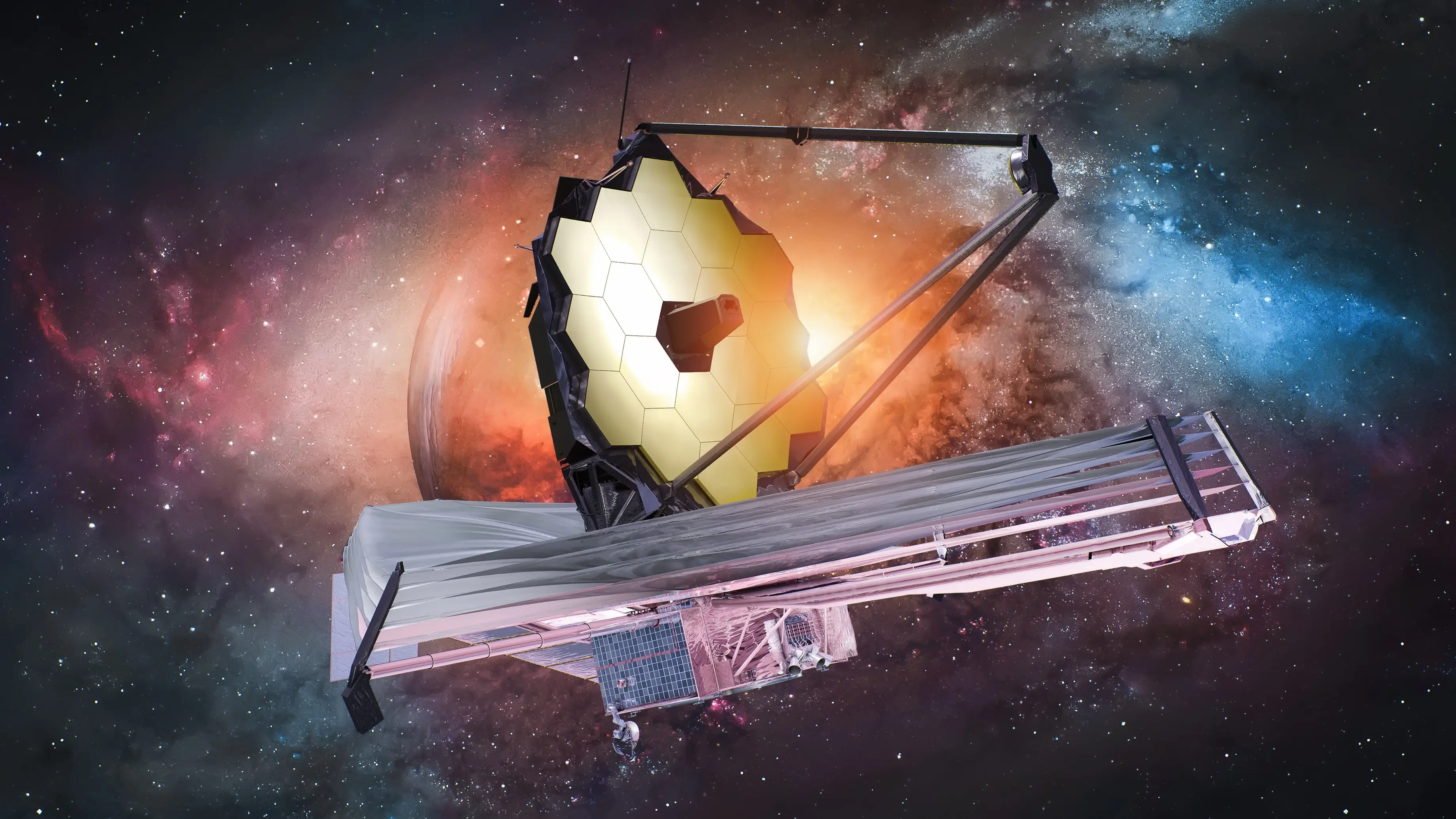
Advanced Imaging Technique Used
The team used JWST’s Mid-Infrared Instrument (MIRI) with a coronagraphic mask to block the star’s glare, enabling the detection of objects around 10,000 times fainter than Alpha Centauri A.
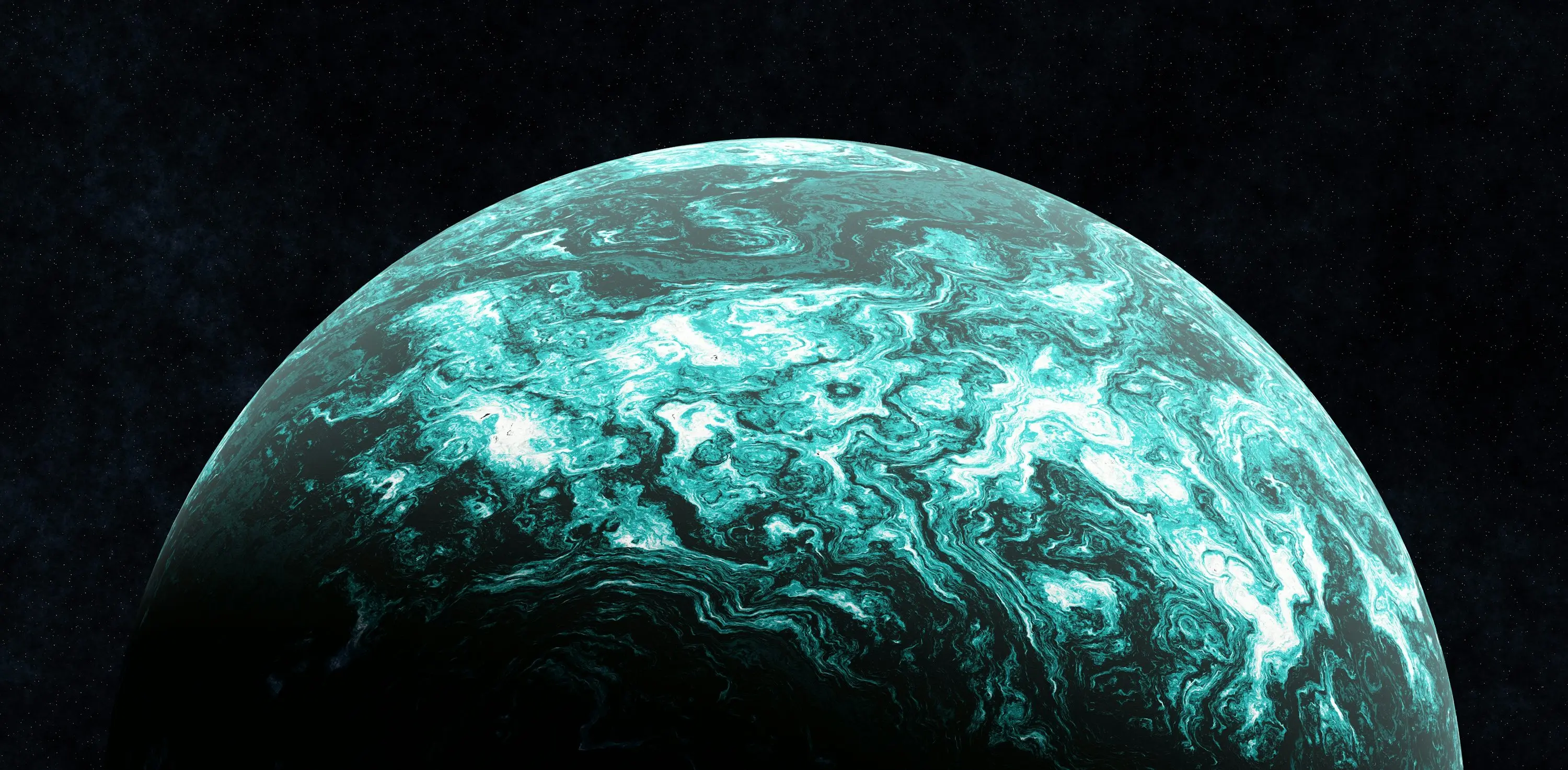
Position in the Habitable Zone
The planet candidate lies within Alpha Centauri A’s habitable zone, the range where liquid water could exist, but being a gas giant, it is unlikely to support life in a form familiar to Earth.
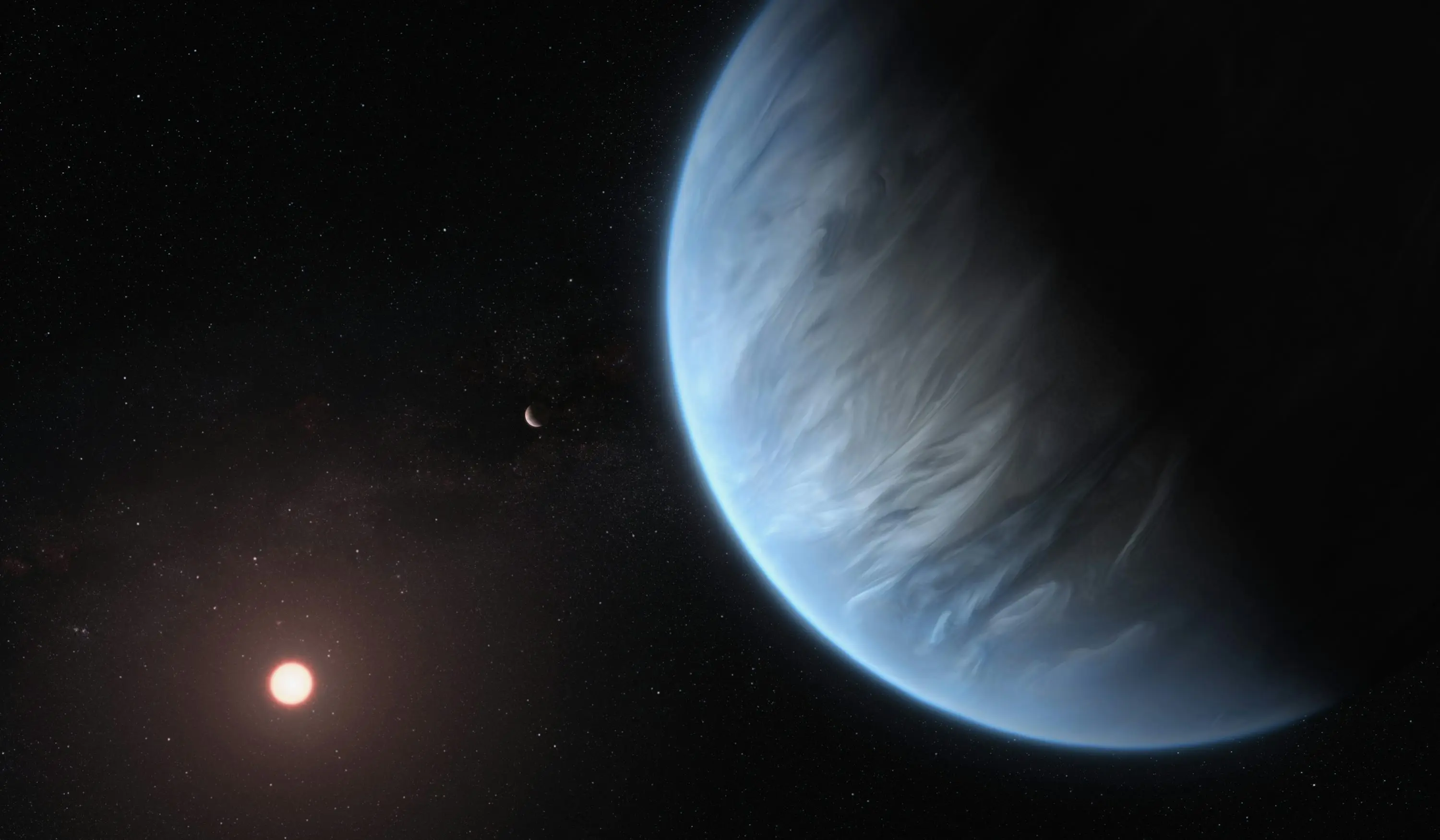
Record-Setting Observation
If confirmed, the planet would be the closest to its host star ever directly imaged, at a distance of about two astronomical units, and the first directly imaged planet around a star with a similar age and temperature to the Sun.

Scientific and Cultural Interest
Beyond scientific value, the location has cultural links, Alpha Centauri A is depicted as the home star of the fictional moon Pandora in the Avatar films.

Confirmation Challenges
Follow-up JWST observations did not find further evidence, and simulations suggest the planet may have been temporarily too close to its star to detect. Its confirmation will require additional telescope time.
Future Observations Planned
The Nancy Grace Roman Space Telescope, due to launch in 2027, is expected to provide new opportunities to confirm the discovery and study how planets form and survive in binary star systems.
)
)
)
)
)