• Wion
  • /Photos
  • /‘One of the world’s fastest supersonic cruise missile, yet far from invincible’: What are the hidden limits of BrahMos?

‘One of the world’s fastest supersonic cruise missile, yet far from invincible’: What are the hidden limits of BrahMos?

For nations seeking credible deterrence against high-value maritime targets, BrahMos is not just a weapon, it is a strategic game-changer, a symbol of technological prowess, and a tool that has reshaped regional security calculations.
Introduction: a capability with clear limits
1 / 8
(Photograph: Wikimedia Commons)

Introduction: a capability with clear limits

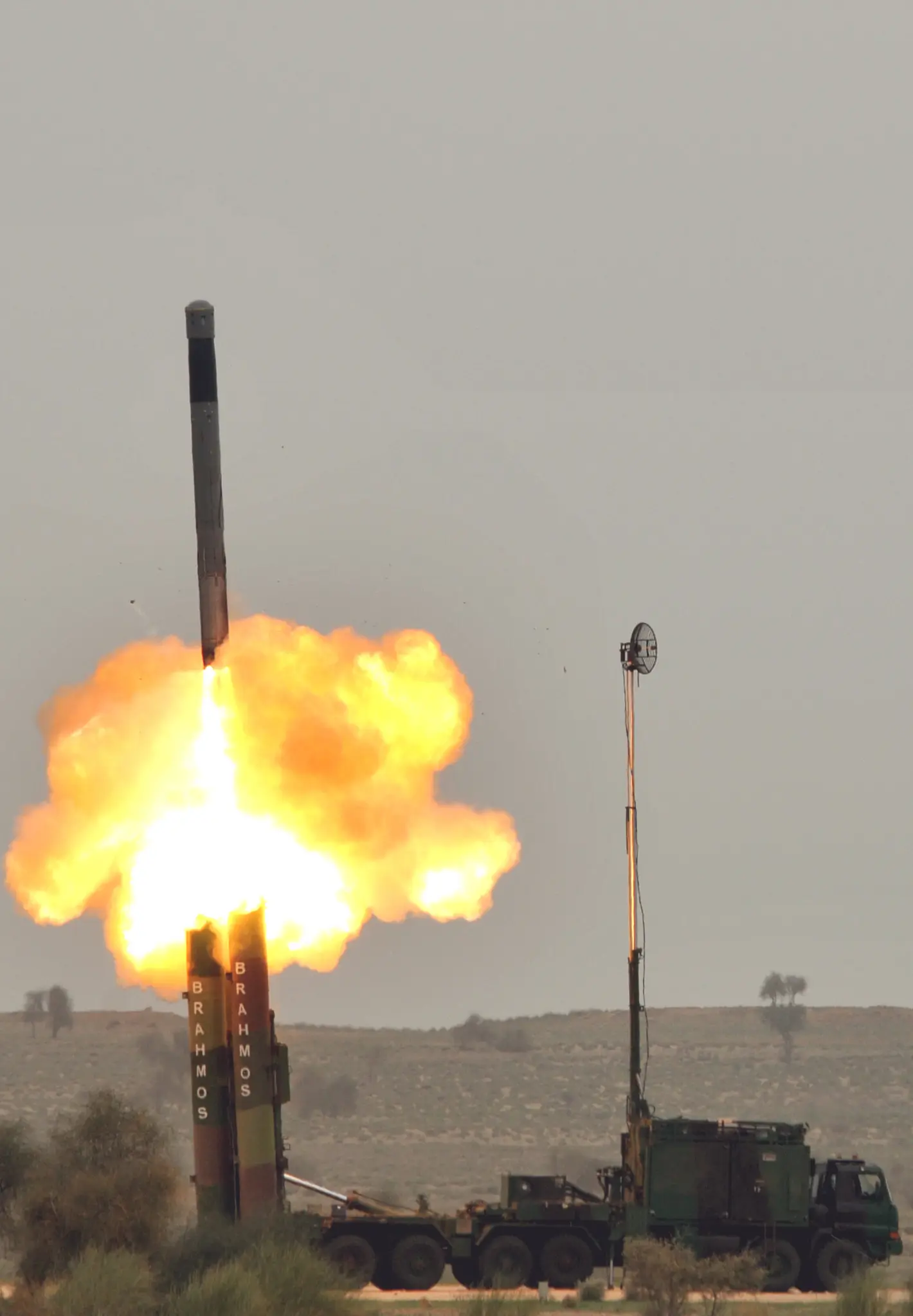
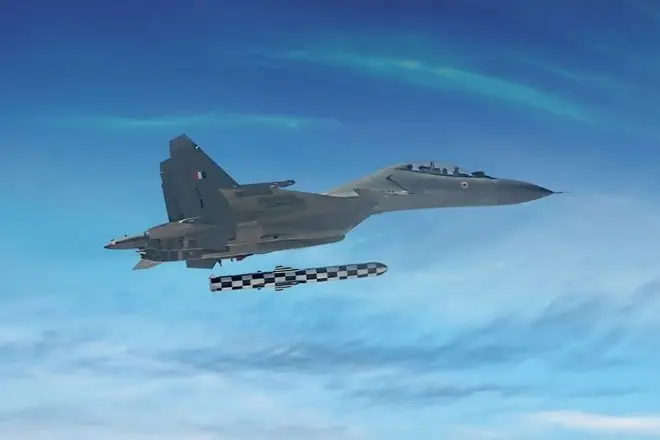
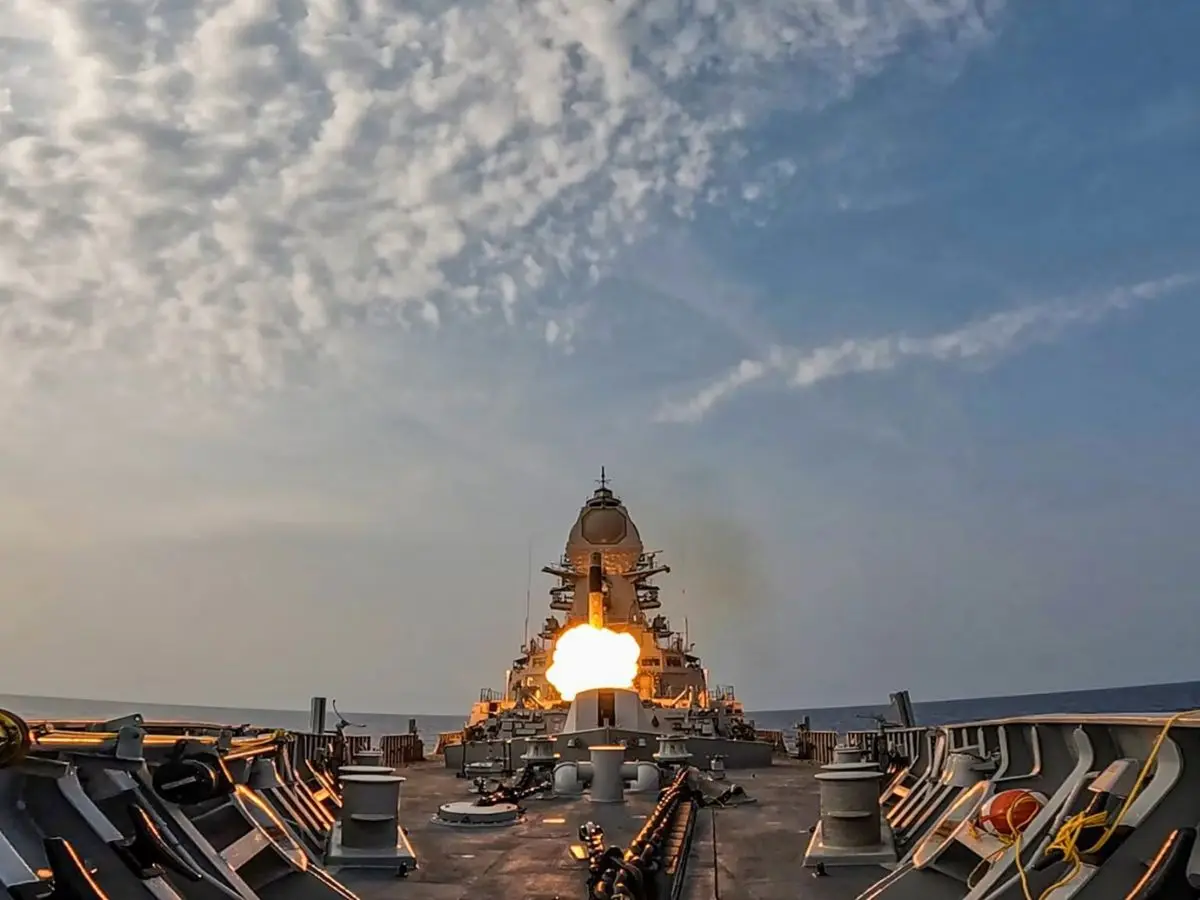
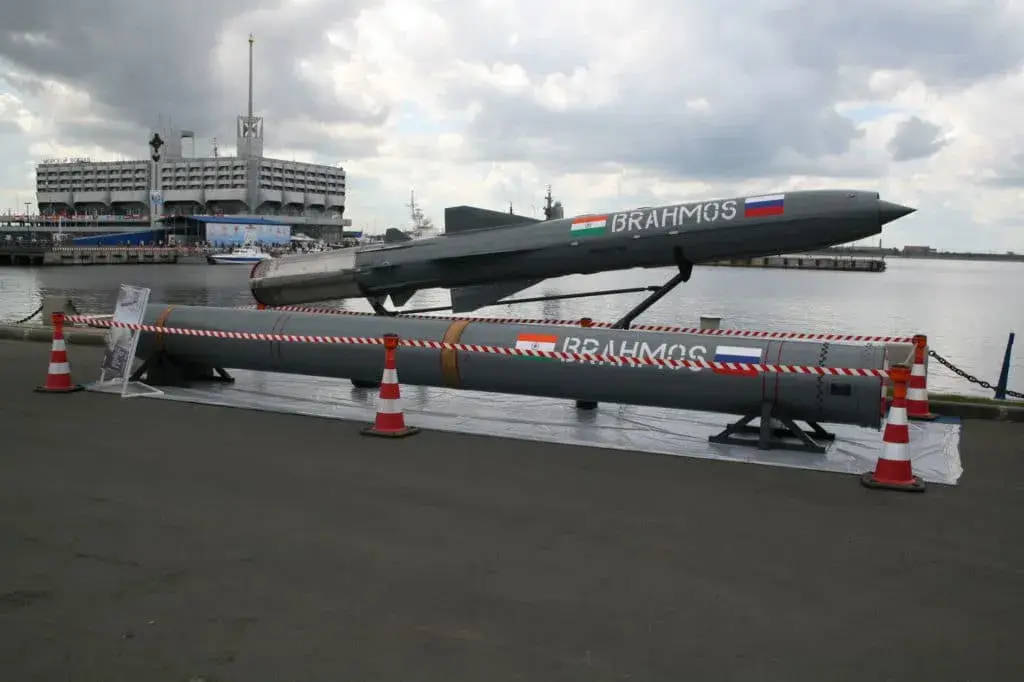
The BrahMos missile is widely recognised as one of the most advanced supersonic cruise missiles in the world, capable of sustaining near-Mach 2.5-2.8 speeds with pinpoint accuracy. Developed jointly by India and Russia, it has redefined modern naval and coastal warfare, offering a combination of speed, precision, and versatility that few other systems can match. Its ability to strike from land, sea, and air platforms gives operators unprecedented flexibility, while its low-altitude, sea-skimming trajectory makes it extremely difficult to intercept. For nations seeking credible deterrence against high-value maritime targets, BrahMos is not just a weapon, it is a strategic game-changer, a symbol of technological prowess, and a tool that has reshaped regional security calculations.
Engineering stress and thermal loads
2 / 8
(Photograph: PTI)

Engineering stress and thermal loads

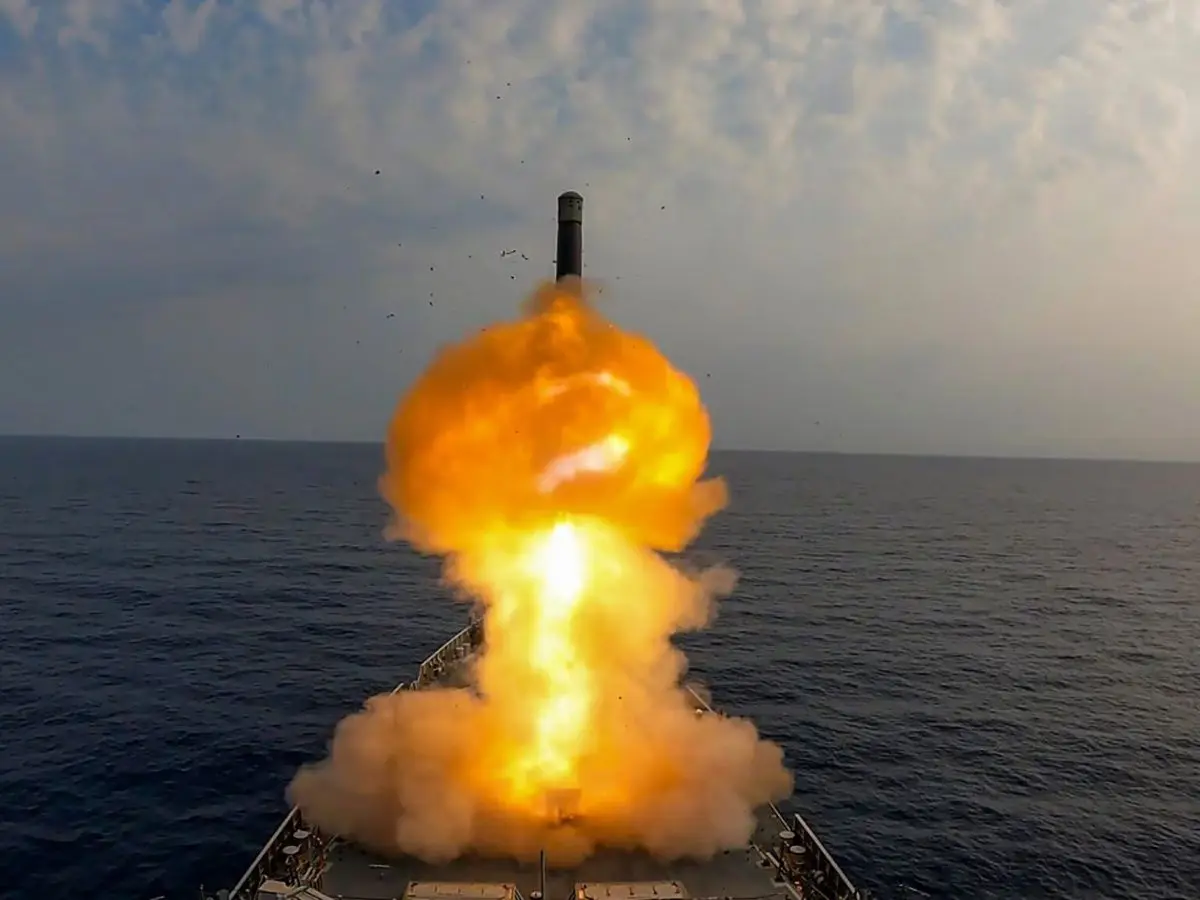
Sustained supersonic flight imposes extreme heat and structural stress on the airframe, propulsion system, and sensors. Materials and thermal-management systems must withstand high skin temperatures and plasma effects at speed, increasing production complexity and maintenance demands compared with subsonic designs. This represents an inherent engineering limit for any sustained supersonic cruise weapon.

Size, weight and platform integration
3 / 8
(Photograph: Wikimedia Commons)

Size, weight and platform integration

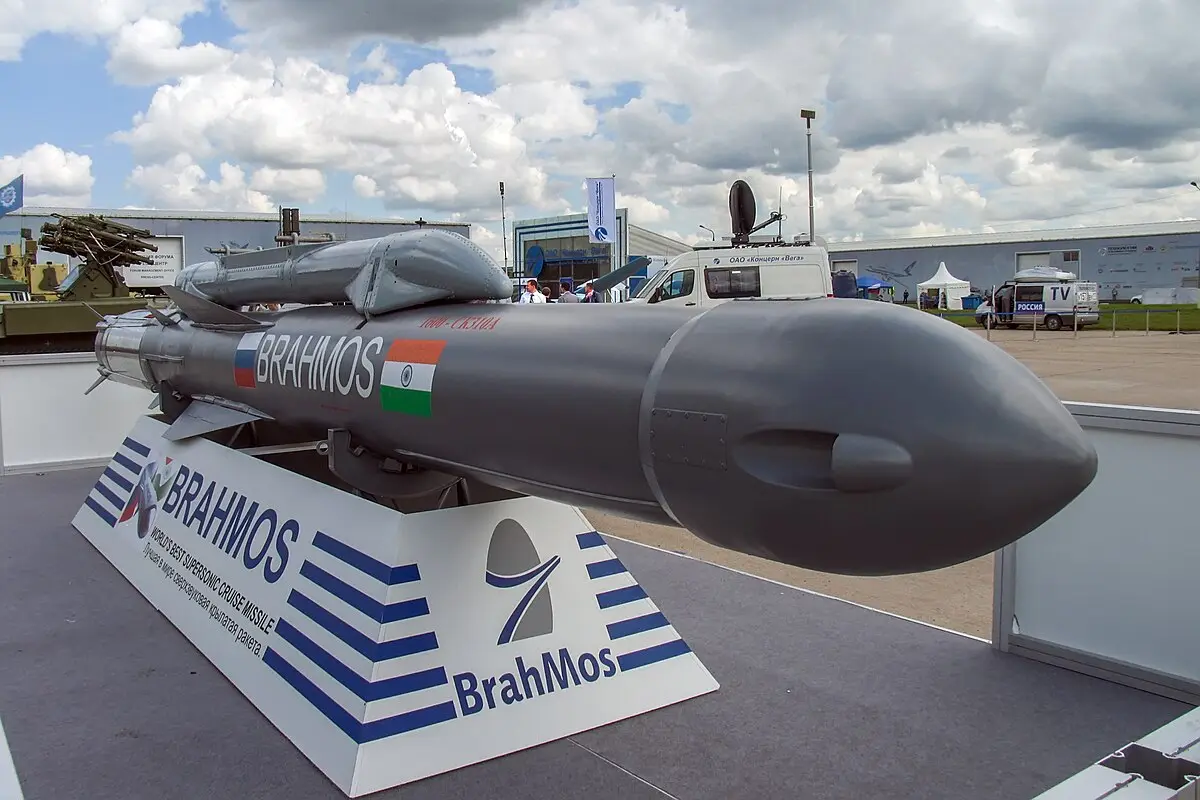
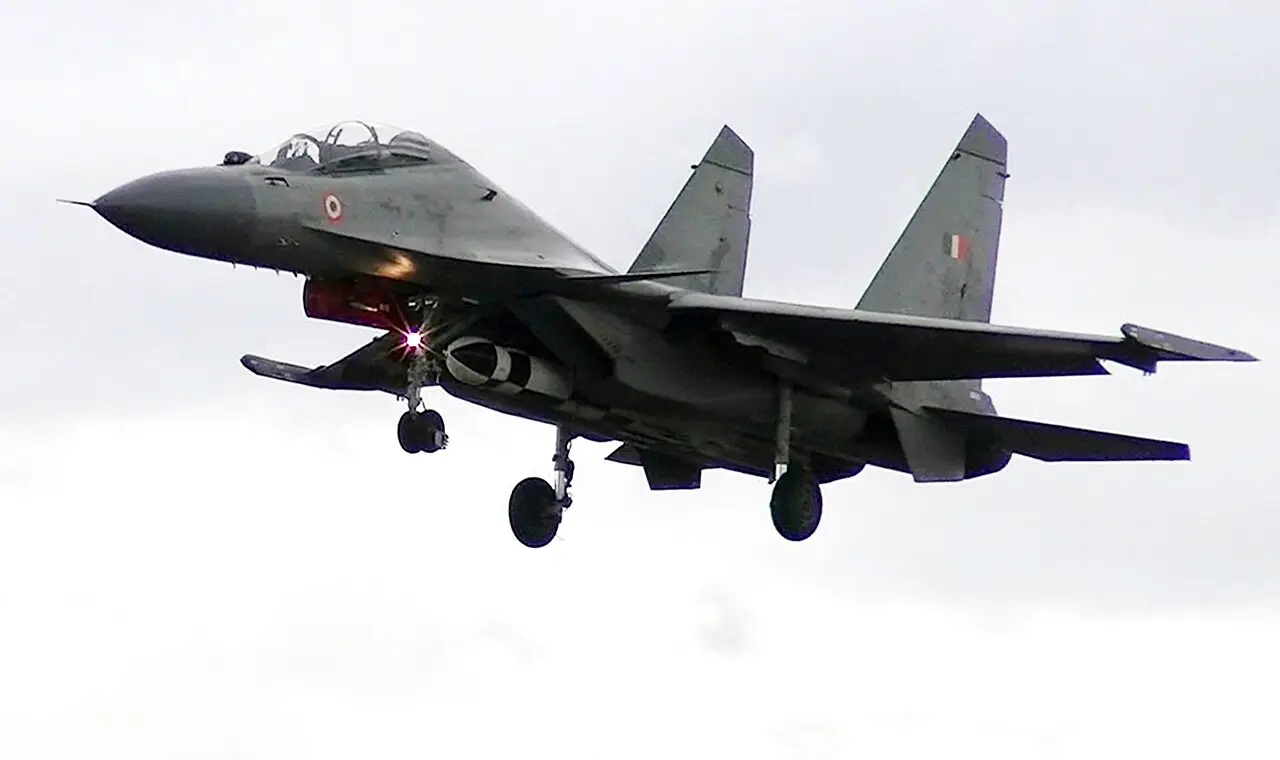
The standard BrahMos is large and heavy by cruise-missile standards, restricting carriage to ships, large land launchers, and selected fighter aircraft. Integrating it on smaller platforms requires structural modifications, limits payload options, and raises costs for buyers. Efforts to produce a smaller BrahMos-NG aim to overcome this, but until then size remains a practical bottleneck.

Cost and industrial footprint
4 / 8
(Photograph: Wikimedia Commons)

Cost and industrial footprint

Advanced propulsion, heat-tolerant materials, and sophisticated seekers make BrahMos comparatively expensive to build and maintain. Unit costs and lifecycle expenses affect procurement decisions, particularly for smaller navies that must weigh platform upgrades, training, and logistics against alternative, cheaper systems. Cost therefore limits widespread adoption despite the missile’s capabilities.

Supply chains and joint-venture complexity
5 / 8
(Photograph: Wikimedia Commons)

Supply chains and joint-venture complexity

BrahMos is the product of an Indo-Russian joint venture; production and component supply chains are binational. While this structure provides technical strengths, it also creates dependency on coordinated manufacturing, approvals, and political ties, which can delay deliveries or complicate exports if one partner faces sanctions or production pressure.

Export controls and geopolitical constraints
6 / 8
(Photograph: PTI)

Export controls and geopolitical constraints

Export versions of BrahMos are shaped by international regimes and bilateral clearances. The system’s range and capabilities are often limited for customers to comply with technology-transfer rules and diplomatic considerations. While India has exported BrahMos systems, broader sales involve protracted negotiations and political balancing that constrain market growth.

Operational logistics and sustainment
7 / 8
(Photograph: Wikimedia Commons)

Operational logistics and sustainment

Fielding BrahMos requires trained crews, secure storage, and specialised transport and maintenance infrastructures for ramjet engines and high-temperature components. That logistical burden raises the entry bar for operators and increases the time and cost of achieving operational readiness, a significant impediment for many prospective users.

Conclusion: capability matched by caveats
8 / 8
(Photograph: Wikimedia Commons)

Conclusion: capability matched by caveats

BrahMos delivers notable tactical advantages through speed, precision, and multi-platform design, but those strengths come with real limits: engineering stresses, platform integration issues, cost, complex supply chains, and export politics. The next-generation BrahMos-NG aims to address several of these constraints, yet the current system’s operational and strategic value must be considered alongside the practical challenges that temper its proliferation and use.