Top 7 biggest arms exporters and where their weapons are going: ‘One nation controls 42% of global arms’

For the first time in two decades, Europe accounted for the largest share of United States arms exports at 38 per cent, with shipments to the region surging by 217 per cent. Military aid to Ukraine alone made up 25 per cent of US transfers to Europe during the period.
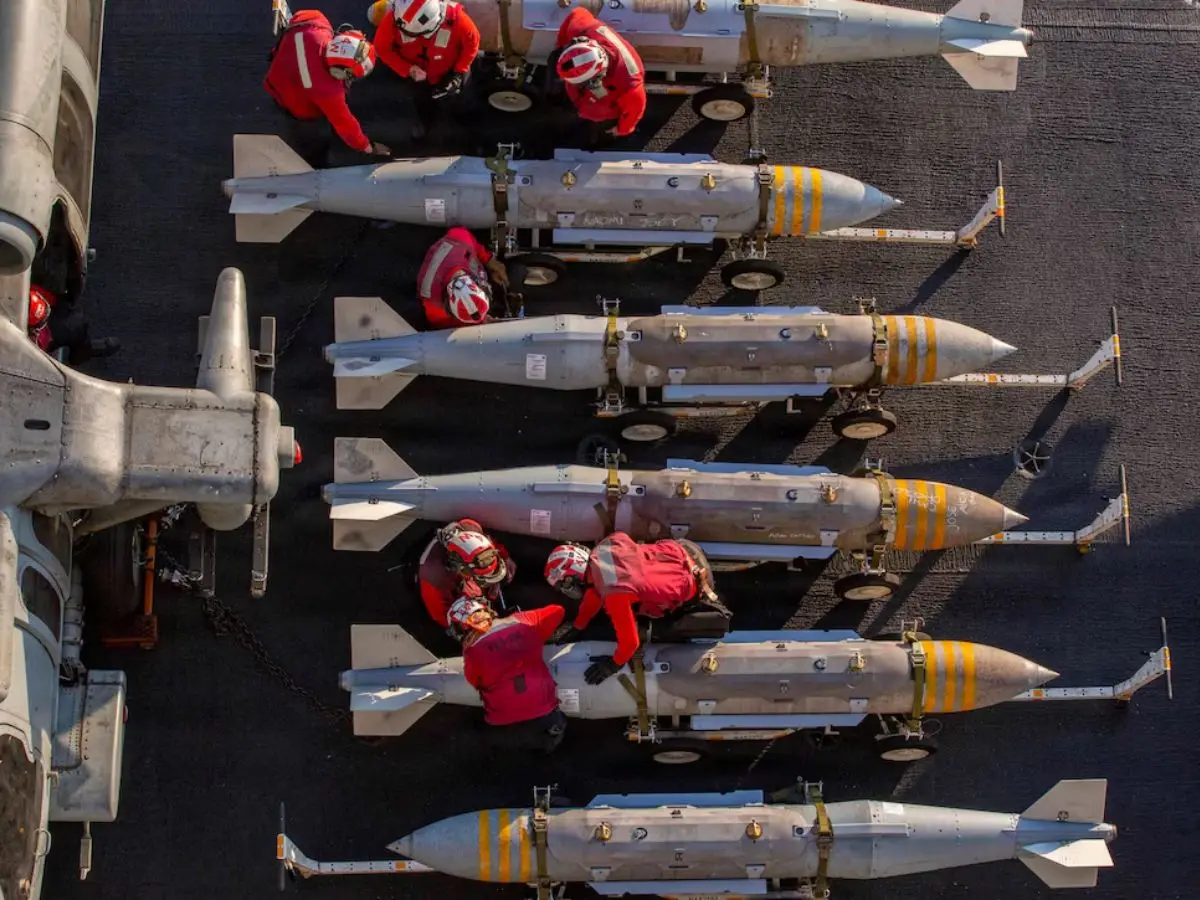
A shifting global arms landscape
The volume of international transfers of major arms increased by 9.2 per cent between 2016–20 and 2021–25, marking the sharpest rise since 2011–15, according to the Stockholm International Peace Research Institute (SIPRI). The figures reflect a shifting global security landscape, shaped by intensifying geopolitical tensions and sustained regional conflicts. Notably, for the first time in two decades, Europe accounted for the largest share of United States arms exports at 38 per cent, with shipments to the region surging by 217 per cent. Military aid to Ukraine alone made up 25 per cent of US transfers to Europe during the period. Against this backdrop, here is a structured look at the world’s leading arms exporters and the countries that receive the bulk of their weapons:-
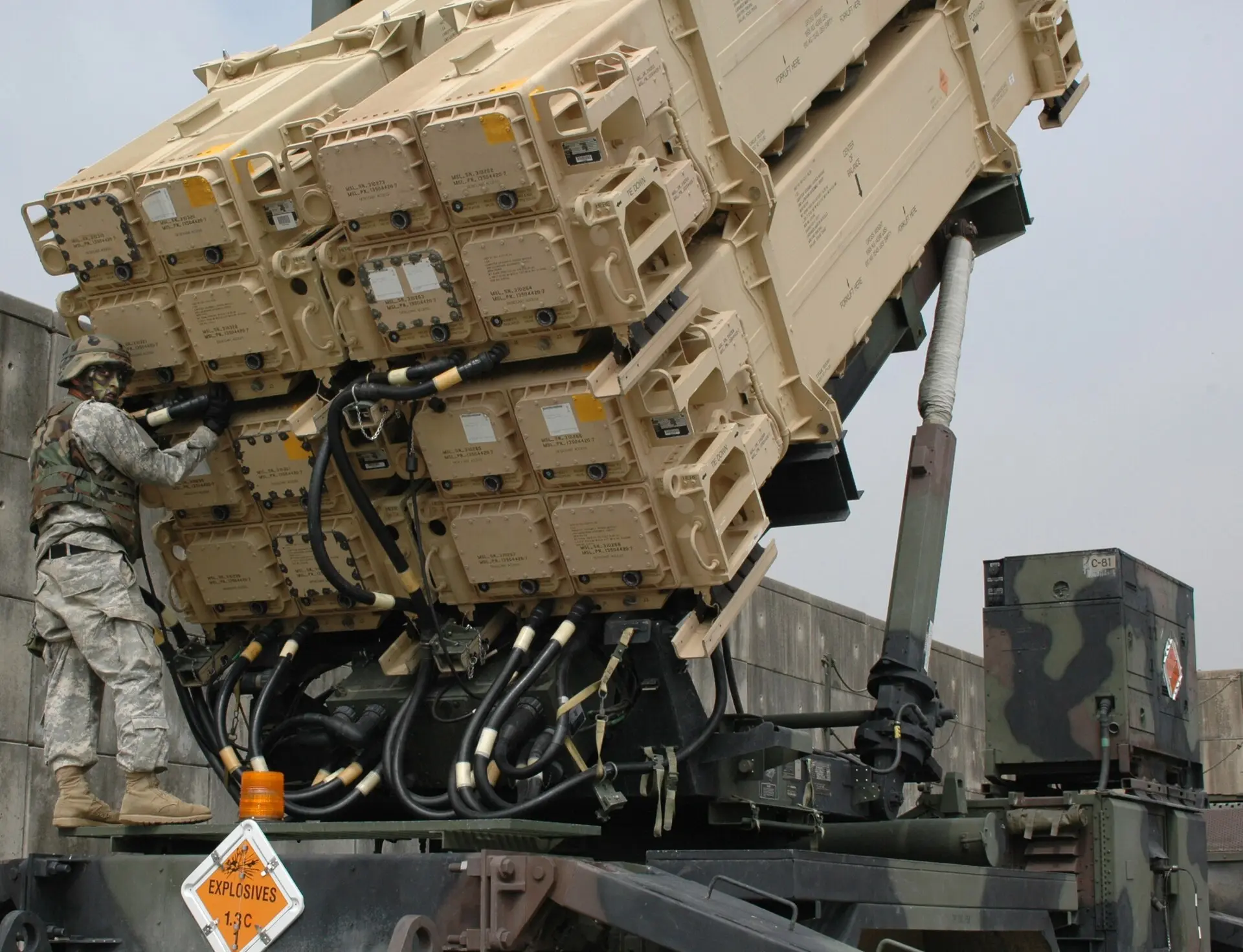
1. United States
The United States remains the world’s largest arms exporter with a commanding 42 per cent share of global exports in 2021–25, following a 27 per cent rise in deliveries. SIPRI notes its share is “more than the next seven largest suppliers combined”. It supplied arms to 99 countries, with Europe emerging as the largest destination (38 per cent), driven by a 217 per cent surge in transfers. Saudi Arabia alone accounted for 12 per cent of US exports, while significant volumes also went to Ukraine, Qatar and Kuwait.
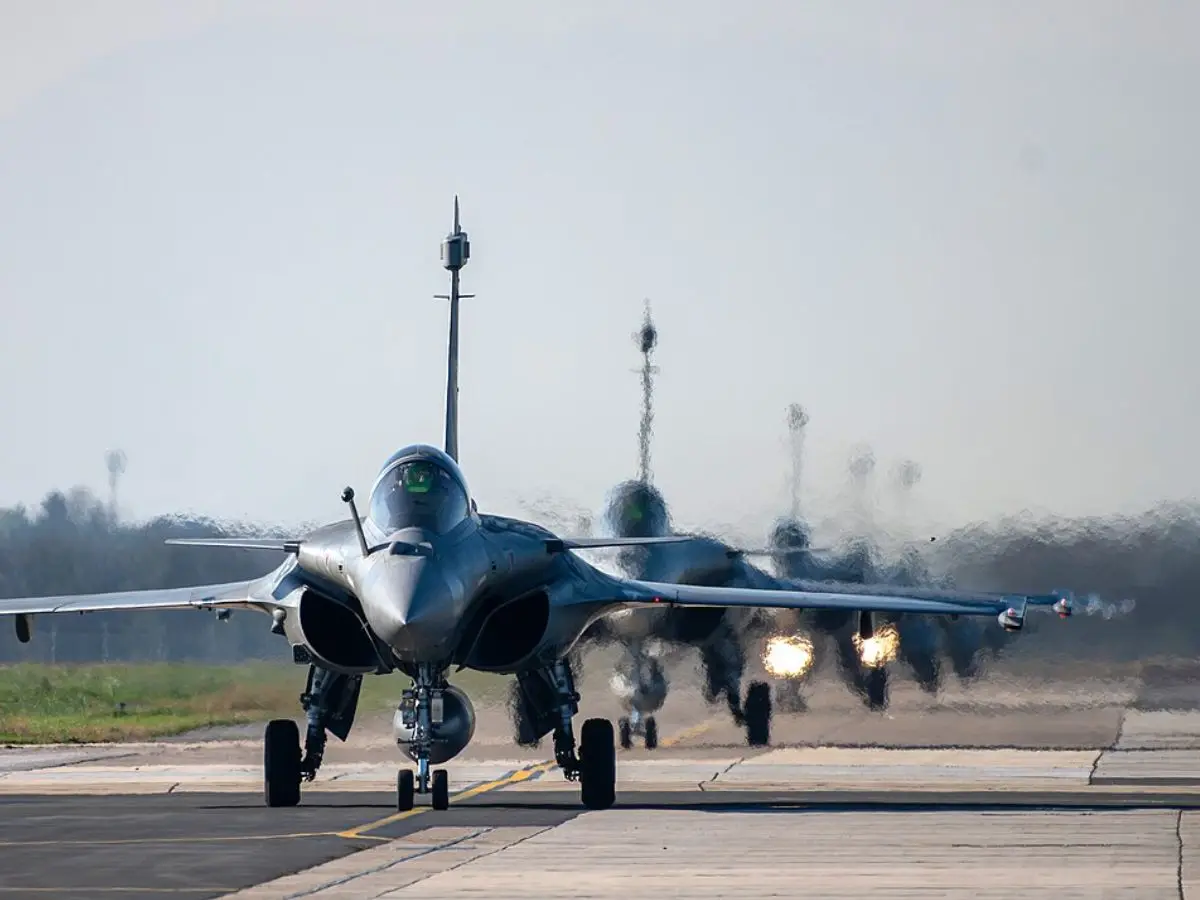
2. France
France ranks second, accounting for 9.8 per cent of global exports, with shipments increasing by 21 per cent. Its export network is heavily concentrated in Asia, where India alone received 24 per cent of French arms exports. Egypt (11 per cent) and Greece (10 per cent) were also key recipients, underlining France’s expanding role across both Asia and the Mediterranean.
Where the weapons are going
The five largest arms importers were Ukraine, India, Saudi Arabia, Qatar and Pakistan. Saudi Arabia remained the largest recipient of US arms, accounting for 12 per cent of its exports, followed by Qatar and Kuwait. India ranked as the second-largest arms importer globally, with an 8.2 per cent share. While imports fell by 4 per cent, SIPRI highlights a strategic shift away from Russia towards Western suppliers such as France, Israel and the United States, alongside efforts to strengthen domestic production despite persistent delays.
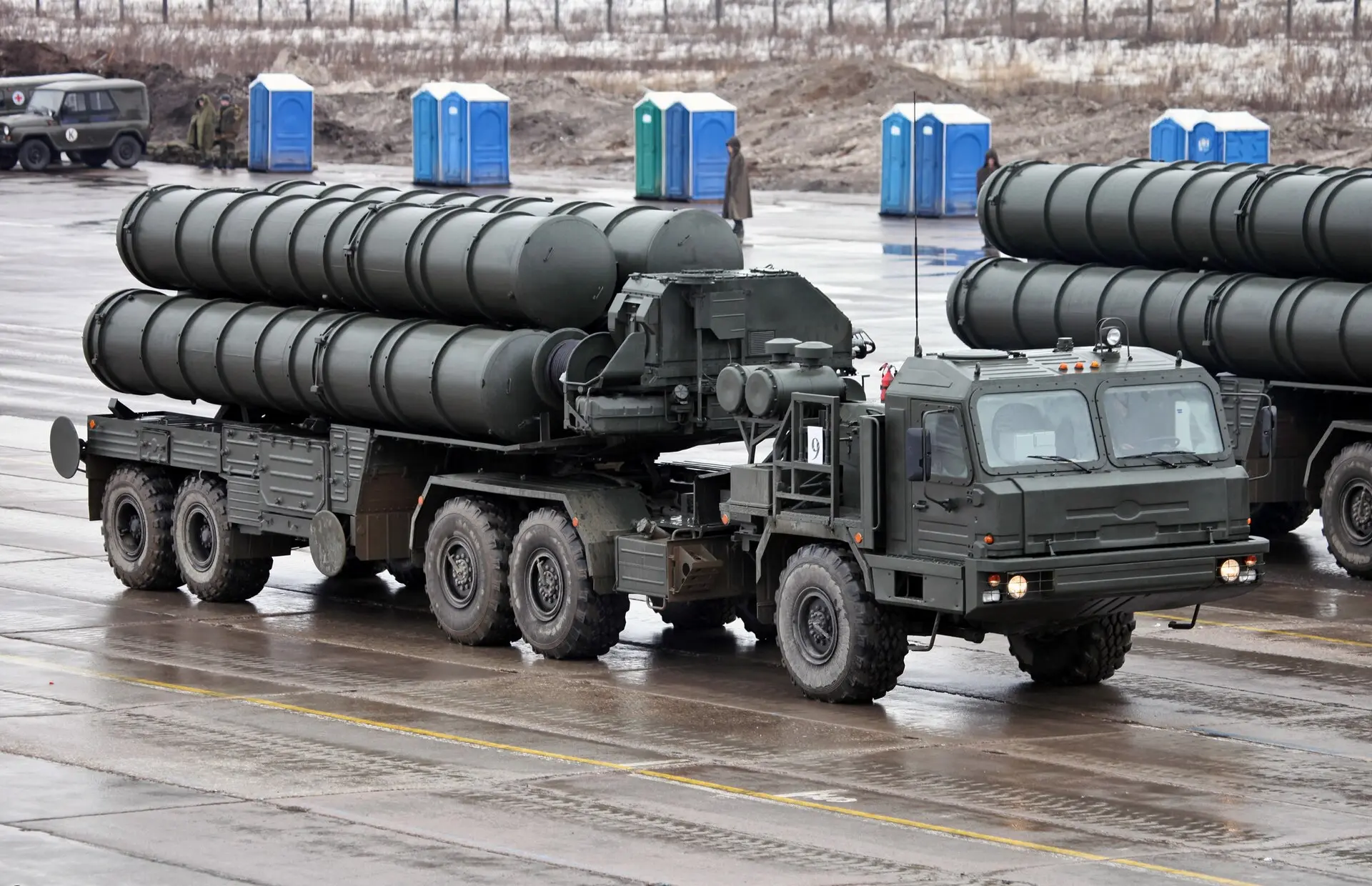
3. Russia
Russia’s share fell dramatically to 6.8 per cent after a 64 per cent drop in exports, the steepest decline among major suppliers. SIPRI attributes this to reduced deliveries to traditional partners. Despite this, India remained its largest client, accounting for 48 per cent of exports, followed by China and Belarus at 13 per cent each, with most transfers directed towards Asia and Oceania.
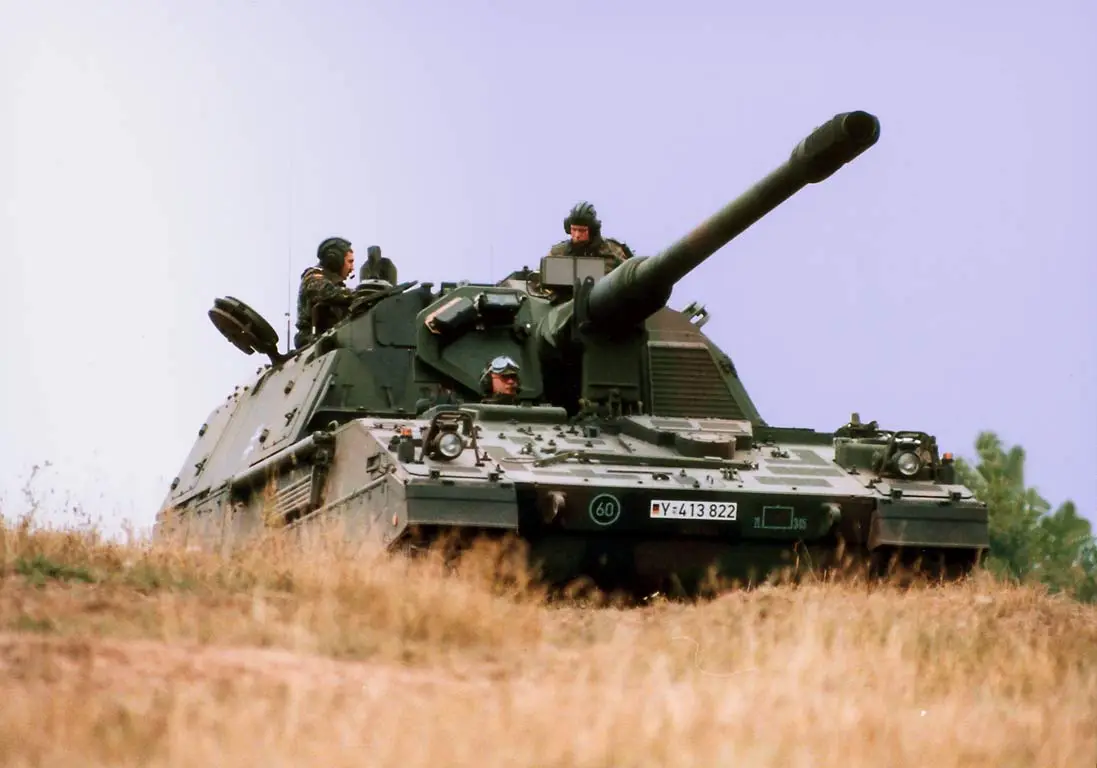
4. Germany
Germany held a 5.7 per cent share of global exports, with moderate growth of 5.4 per cent. Its exports were widely distributed, with Ukraine and Egypt among the leading recipients. Germany’s position reflects Europe’s broader expansion in defence production amid rising regional security concerns.
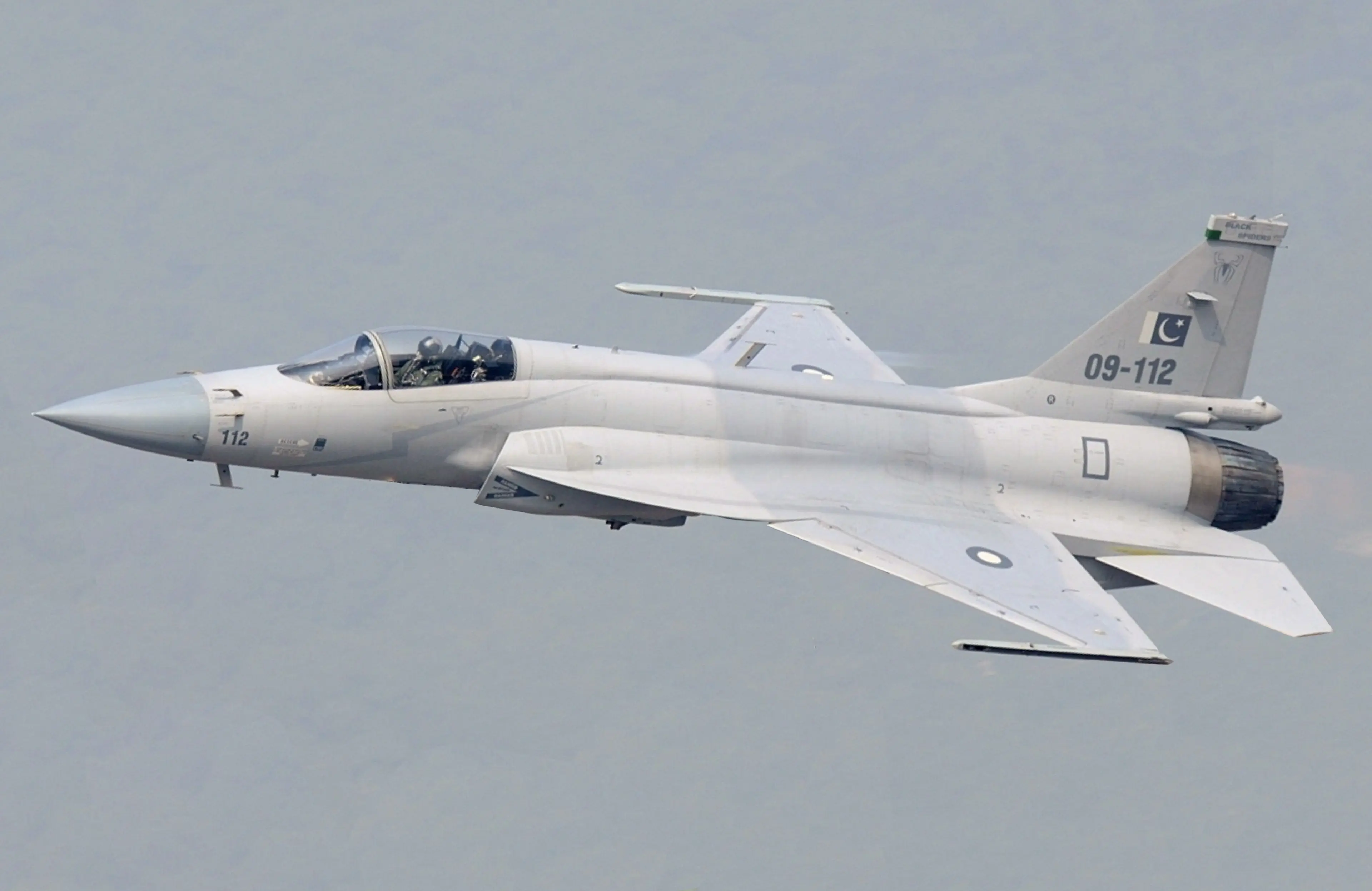
5. China
China accounted for 5.6 per cent of global exports, registering an 11 per cent increase. Its arms trade remains regionally focused, with 77 per cent of exports going to Asia and Oceania. Notably, 61 per cent of Chinese exports were directed to a single country, Pakistan.
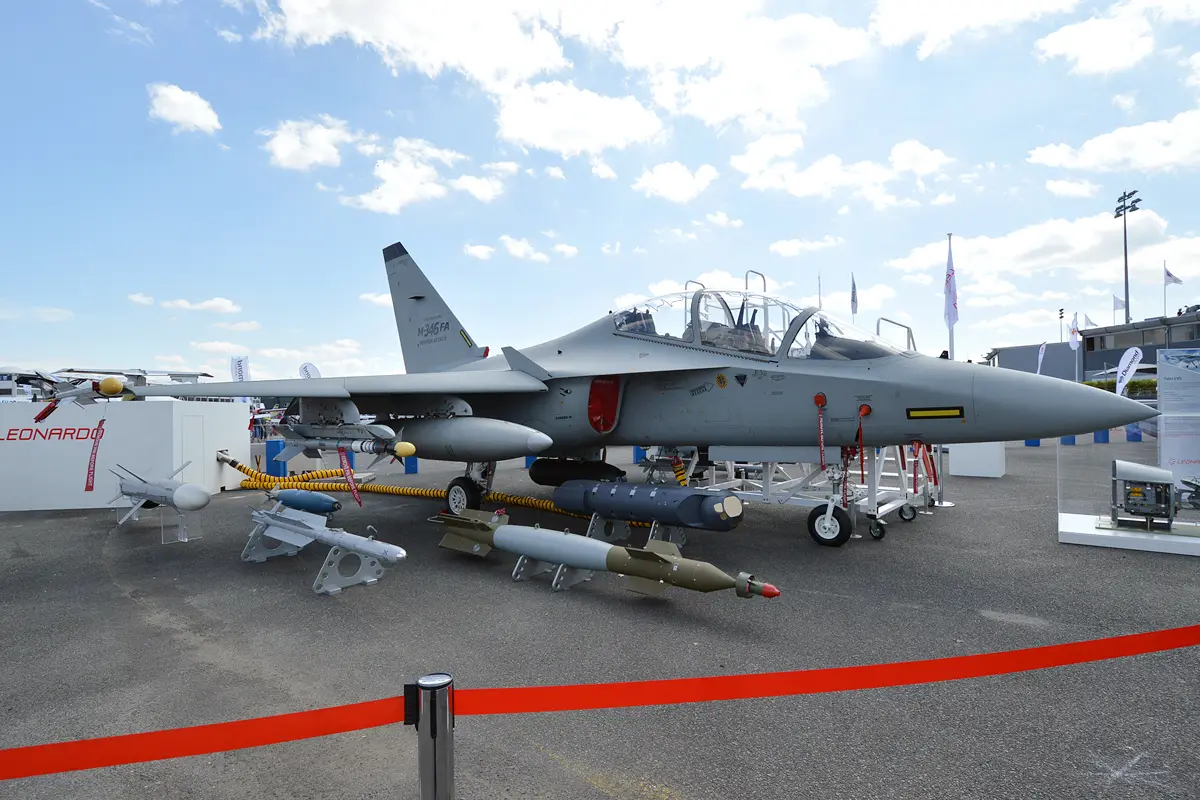
6. Italy
Italy contributed 5.1 per cent of global exports and recorded the sharpest growth among top exporters, with a 157 per cent increase. Its key markets included Qatar, Kuwait and Indonesia, reflecting growing demand from the Middle East and Southeast Asia.
7. Israel
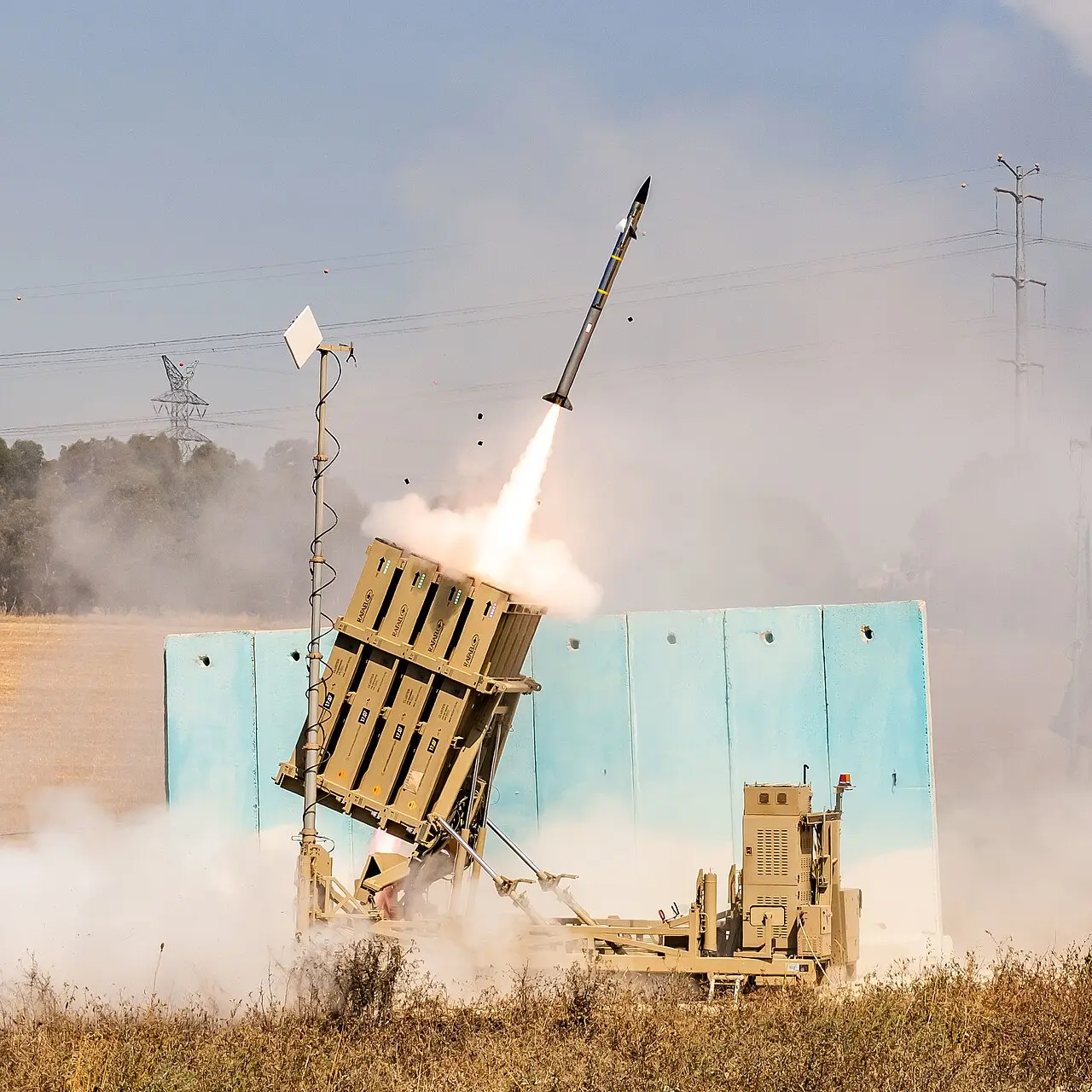
Israel ranked seventh with a 4.4 per cent share, marking a 56 per cent increase in exports. It overtook the United Kingdom for the first time, with major recipients including India, Germany and the United States. SIPRI links this growth to strong demand for advanced defence systems and the expansion of its domestic arms industry.
)
)
)
)
)