'One missile, multiple targets': The deadly MIRV capability of Agni-V

India's Agni-V missile successfully tested MIRV technology, allowing a single launch to strike up to multiple targets hundreds of kilometres apart. This makes India the fifth nation to master this capability.
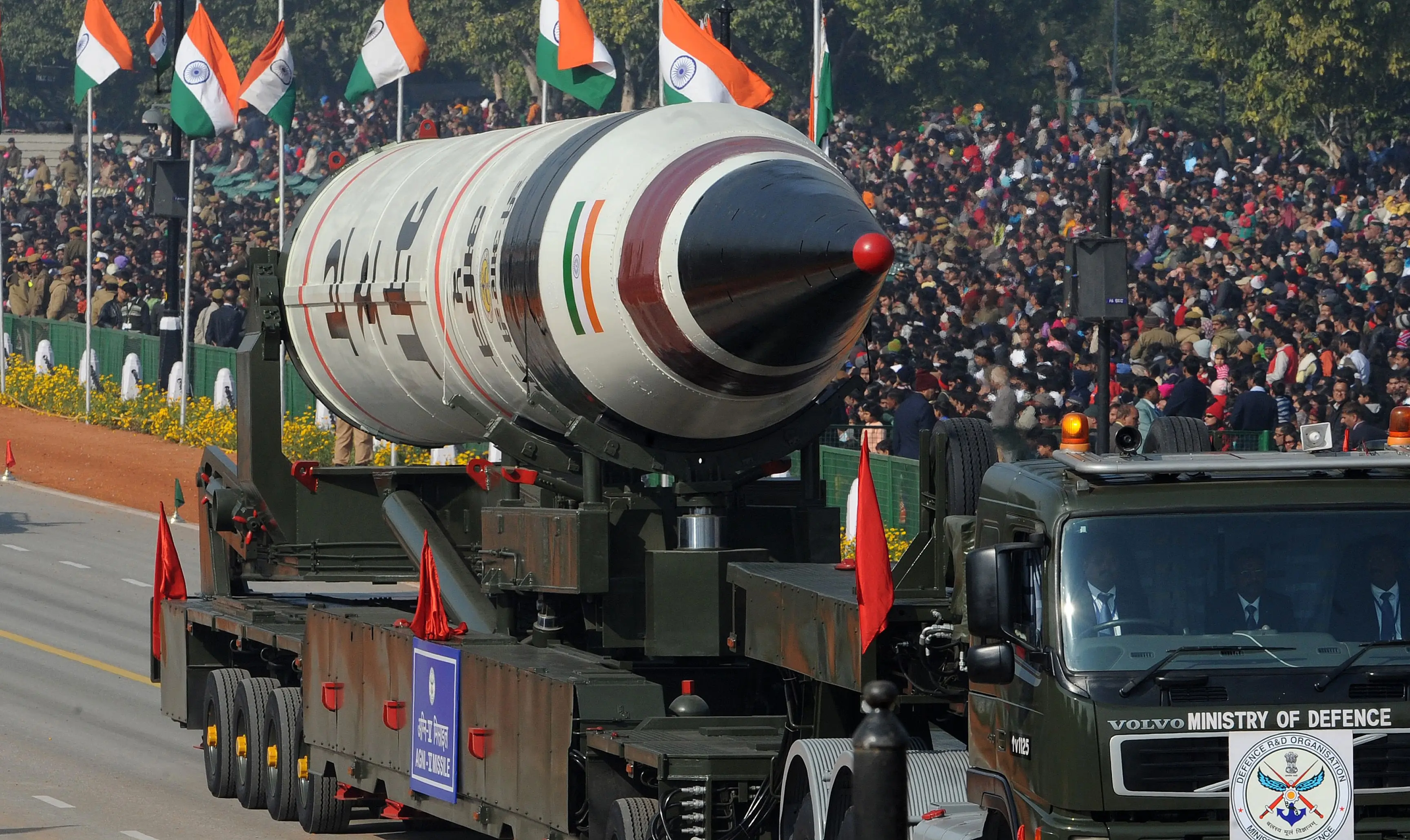
What is MIRV Technology?
Multiple Independently Targetable Re-entry Vehicles (MIRV) allows a single missile to carry and deploy several warheads to different targets. Instead of one missile hitting one location, MIRV technology releases multiple warheads mid-flight, each guided independently to its own destination. This makes detection and defence significantly harder, as missile defence systems must now track and intercept multiple targets instead of one.
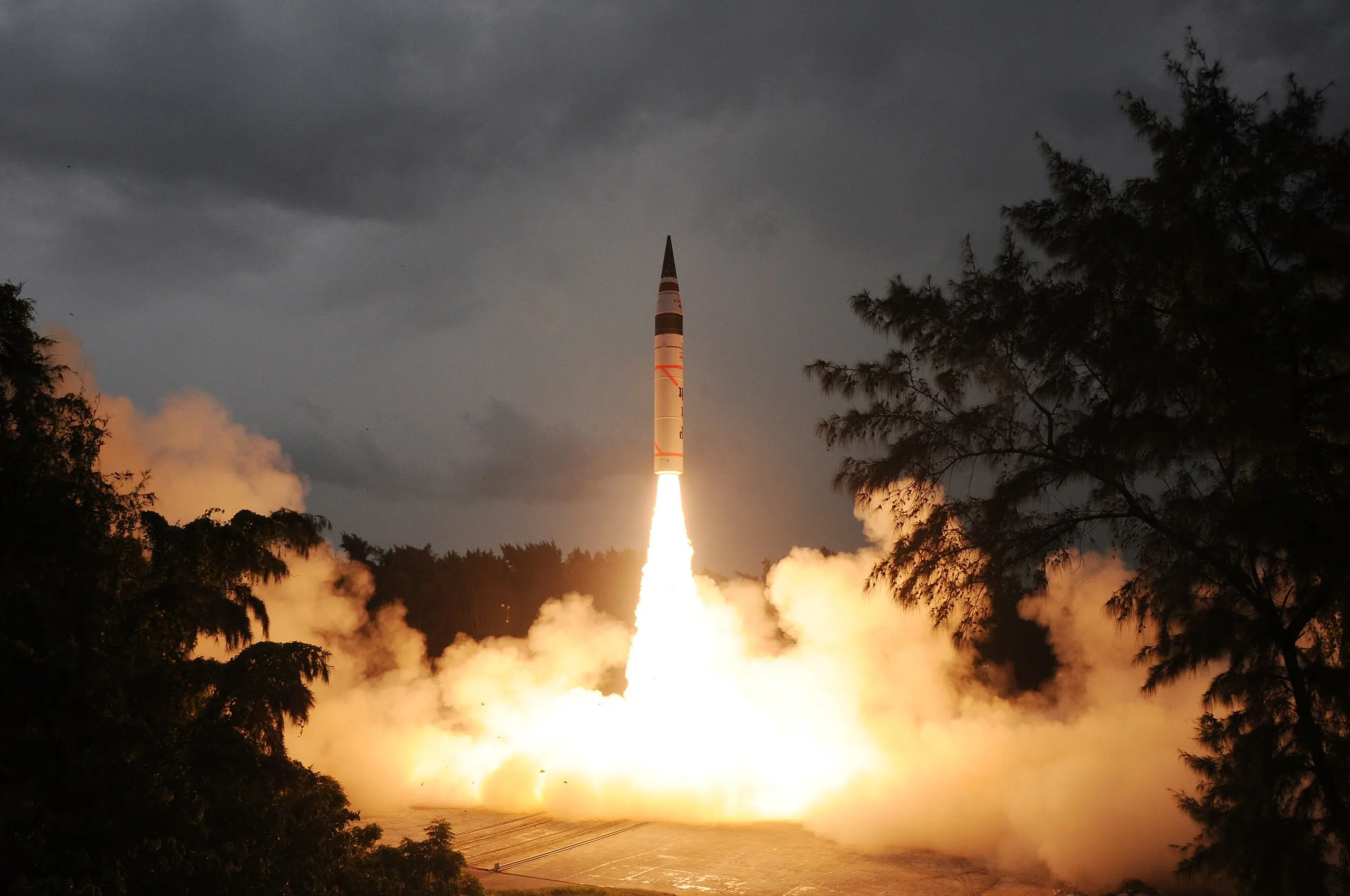
Agni-V's Capability - One Missile, Multiple Targets
The Agni-V is capable of carrying between 3 to 6 separate, independently targetable nuclear warheads as mentioned Each warhead can be assigned to a different target, separated by hundreds of kilometres apart. Alternatively, multiple warheads can strike the same location for increased destructive power. This flexibility gives India's military unprecedented options in deployment strategy and makes the missile significantly more lethal than its predecessor versions.
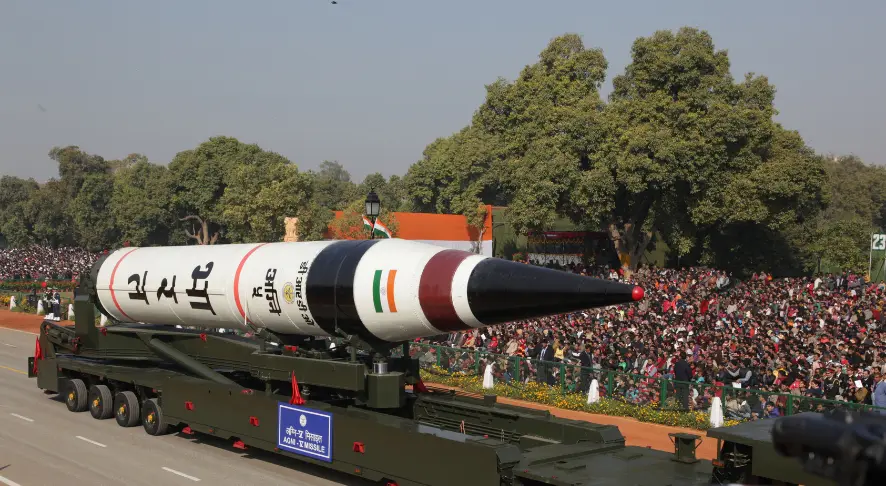
The March 2024 Test - Mission Divyastra
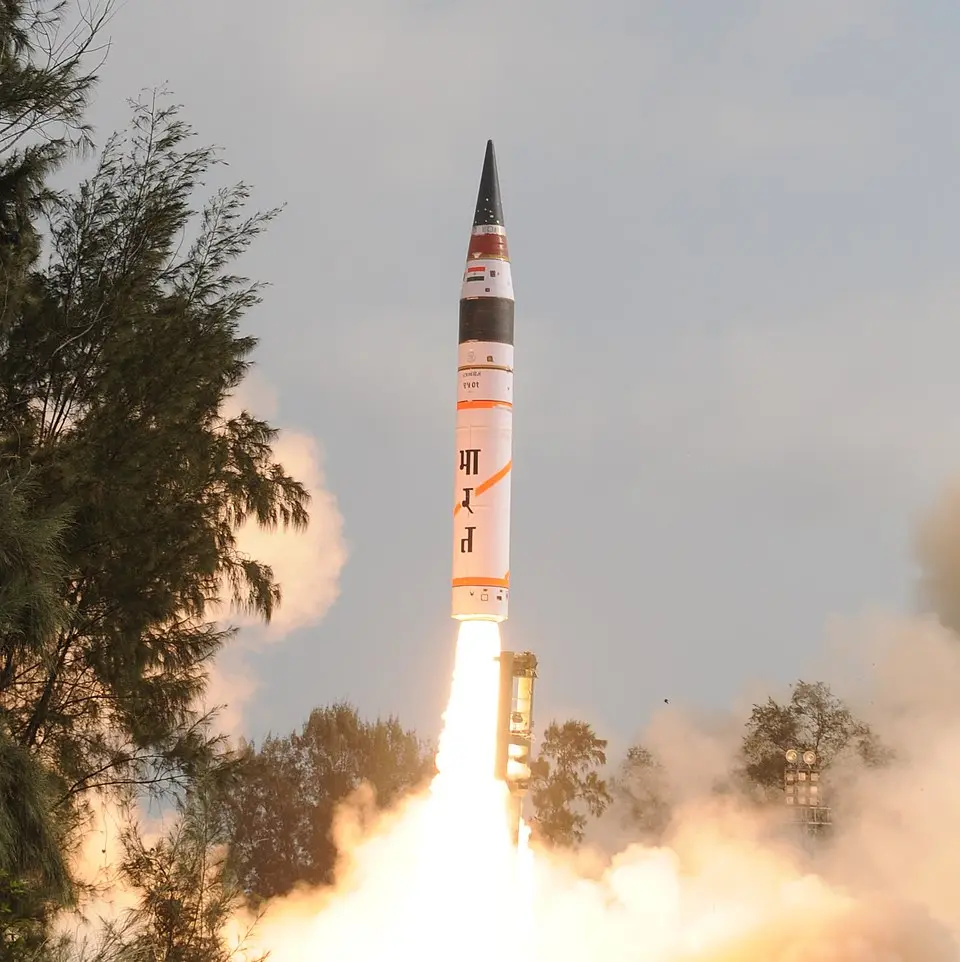
India successfully tested the Agni-V with MIRV capability on March 11, 2024, from Dr. APJ Abdul Kalam Island off Odisha's coast. The test, named Mission Divyastra (divine weapon in Indian mythology), demonstrated the deployment of four re-entry vehicles, each independently striking pre-designated targets in the Bay of Bengal. DRDO confirmed that all warheads maneuvered accurately through the atmosphere, landing within designated zones with high precision.
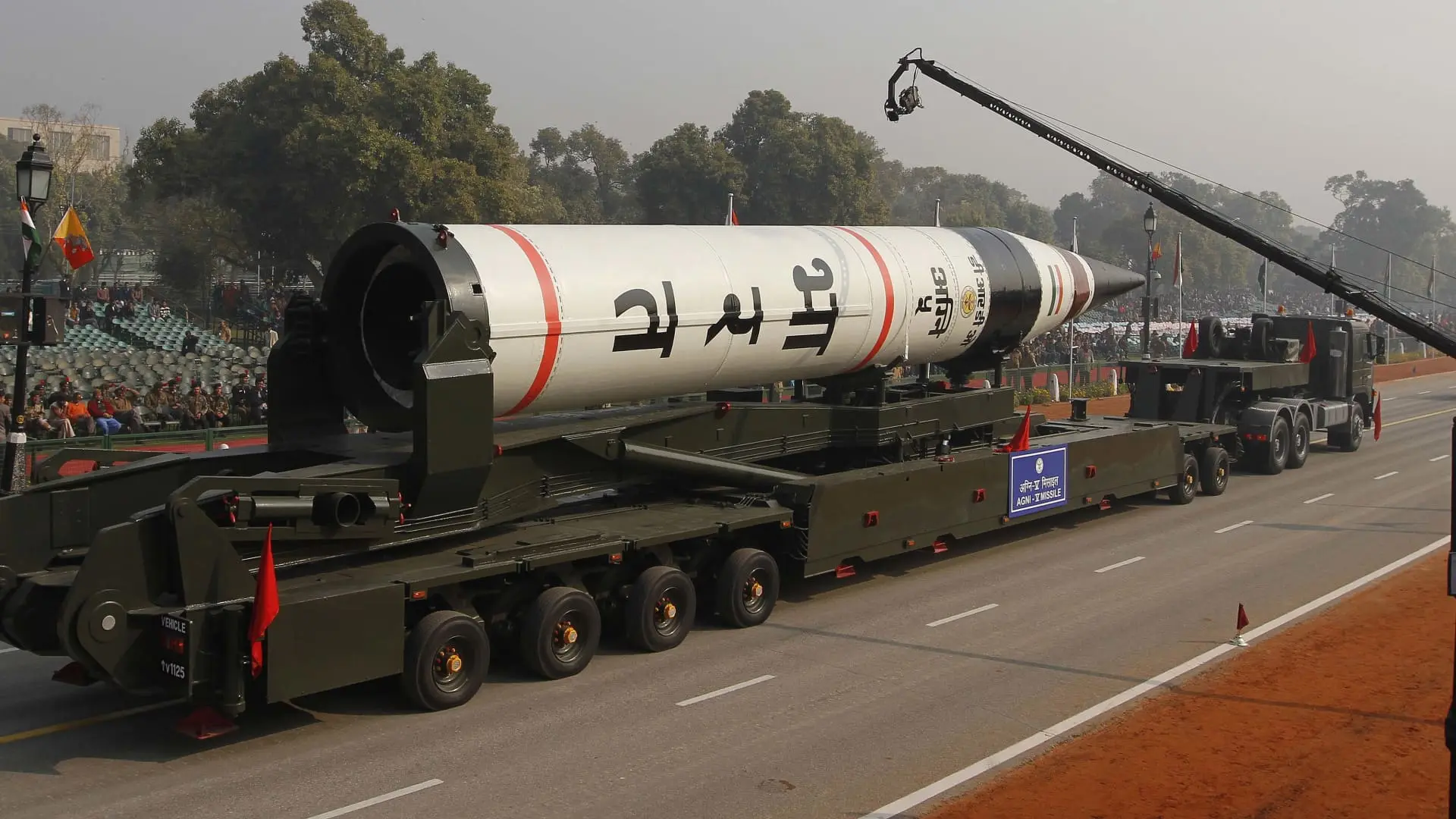
Range and Reach - Covering South Asia and Beyond
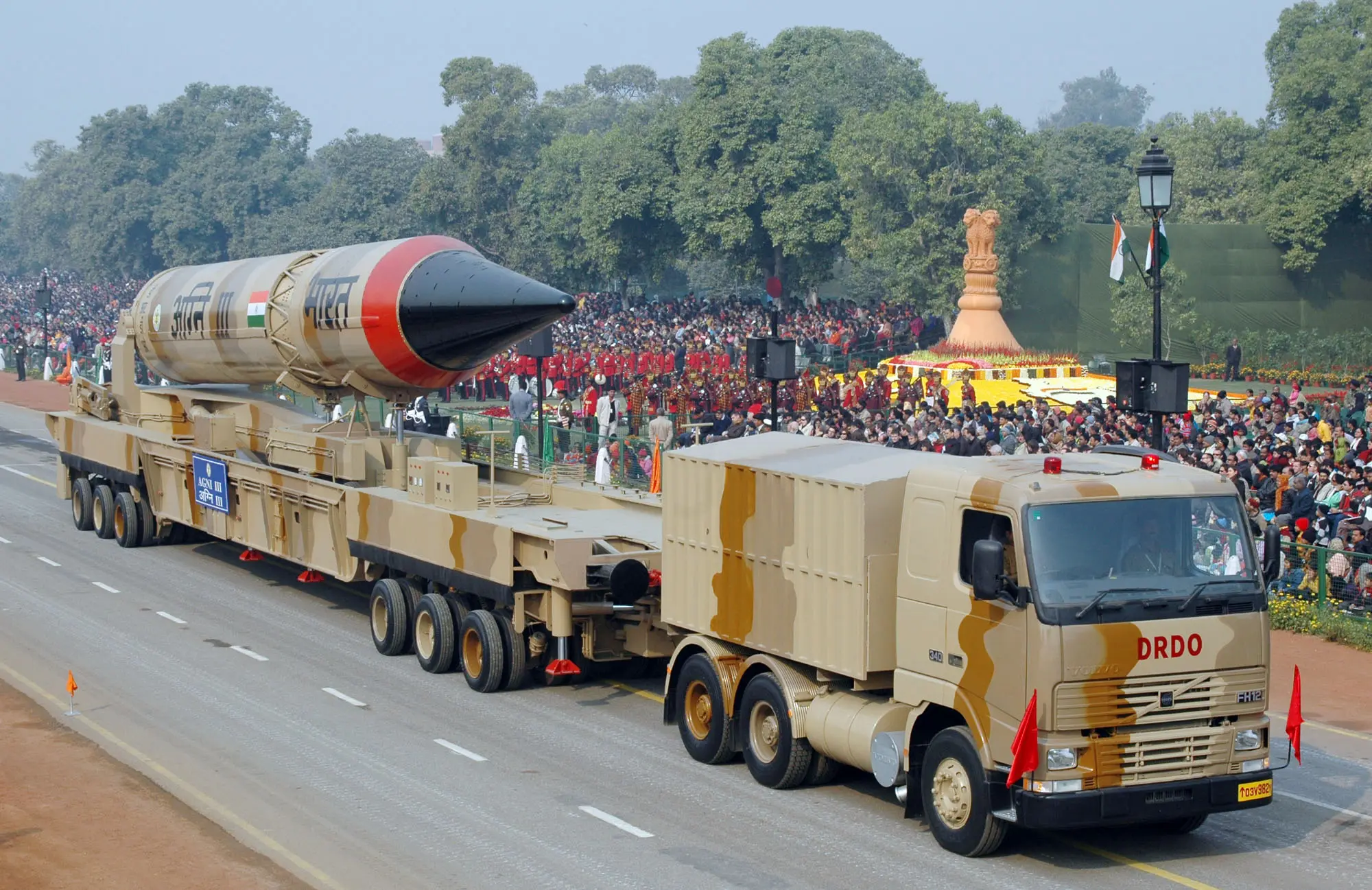
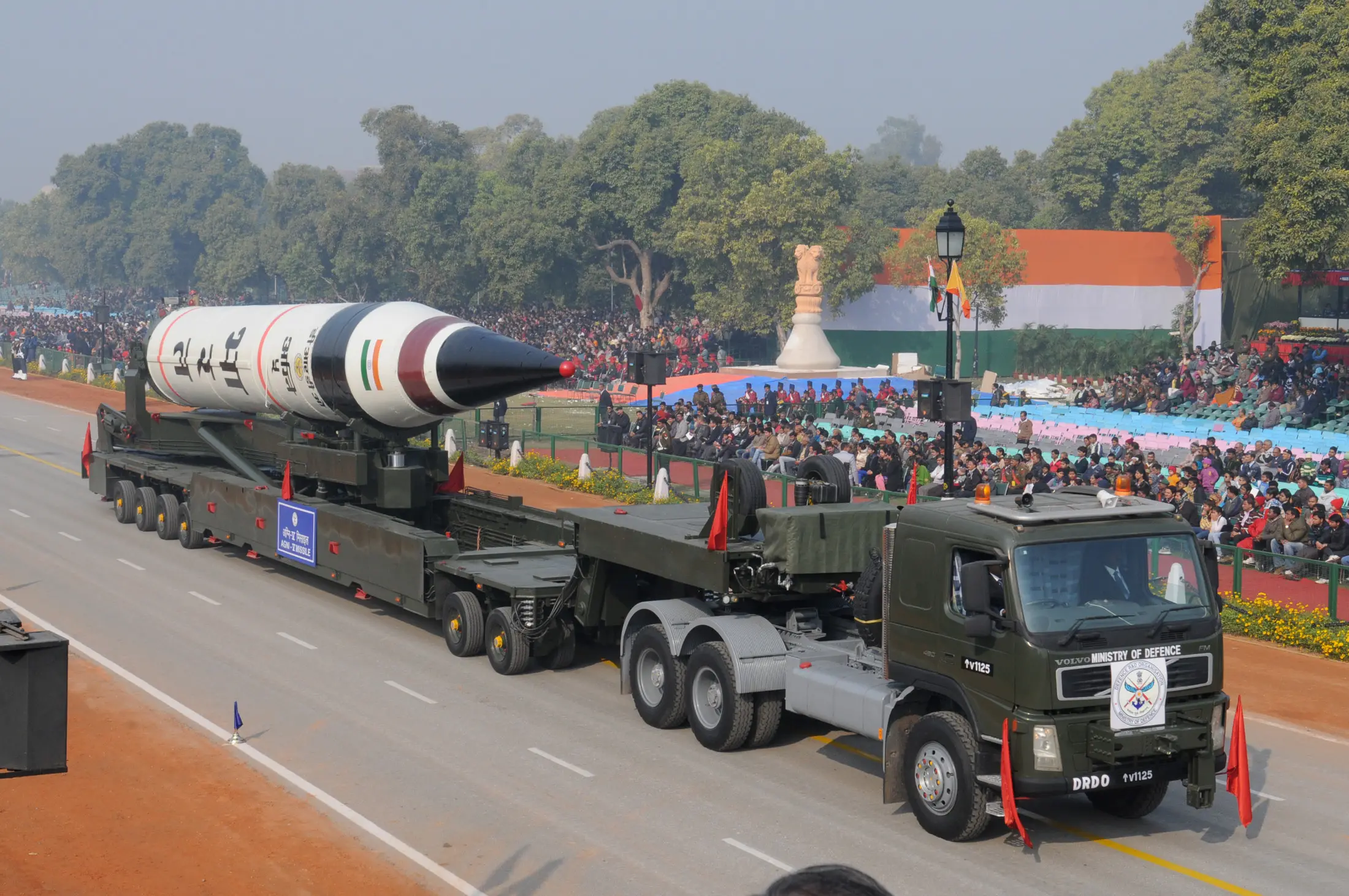
The Agni-V has a declared range exceeding 5,000 kilometres, with estimates suggesting capability up to 8,000 kilometres. This range puts China, Pakistan, and other regional adversaries well within its reach. The three-stage, solid-fuel engine design allows for rapid deployment from mobile launchers, making the system difficult to track before launch. The missile's long reach combined with MIRV technology significantly expands India's strategic deterrence capability.
Why MIRV Changes Everything
MIRV technology enhances India's nuclear deterrence by allowing a smaller number of missiles to threaten more targets. Instead of needing multiple launches, one Agni-V can now simultaneously threaten up to 6 locations. This complicates enemy defence planning and makes India's deterrent more credible. Additionally, MIRV-equipped missiles can carry decoys alongside real warheads, further confusing enemy missile defence systems.
The Elite Club - India Joins Select Nations
India now becomes only the fifth nation to successfully test MIRV technology, joining the United States, Russia, China, and France. This achievement demonstrates India's advanced indigenous technological capabilities in miniaturized warheads, precision guidance systems, and complex re-entry vehicle separation. The test was a significant milestone for India's Defence Research and Development Organisation (DRDO) and strengthens India's position as a technological power in the nuclear field.
Strategic Implications for South Asia
The Agni-V's MIRV capability reshapes the strategic balance in South Asia. It enhances India's ability to deter potential adversaries through credible nuclear deterrence. However, it also raises questions about regional arms control and escalation dynamics. Military analysts note that this development will likely prompt neighbouring nations to reassess their own defence strategies. The test underscores India's commitment to maintaining a credible, survivable, and effective nuclear deterrent amid changing regional security dynamics.
)
)
)
)
)