'One city, one nation': Why Singapore is the world’s most unusual country?

It consistently ranks among the safest, cleanest and most connected cities on earth, and its achievements in governance, infrastructure and innovation continue to draw study from countries far larger in scale.
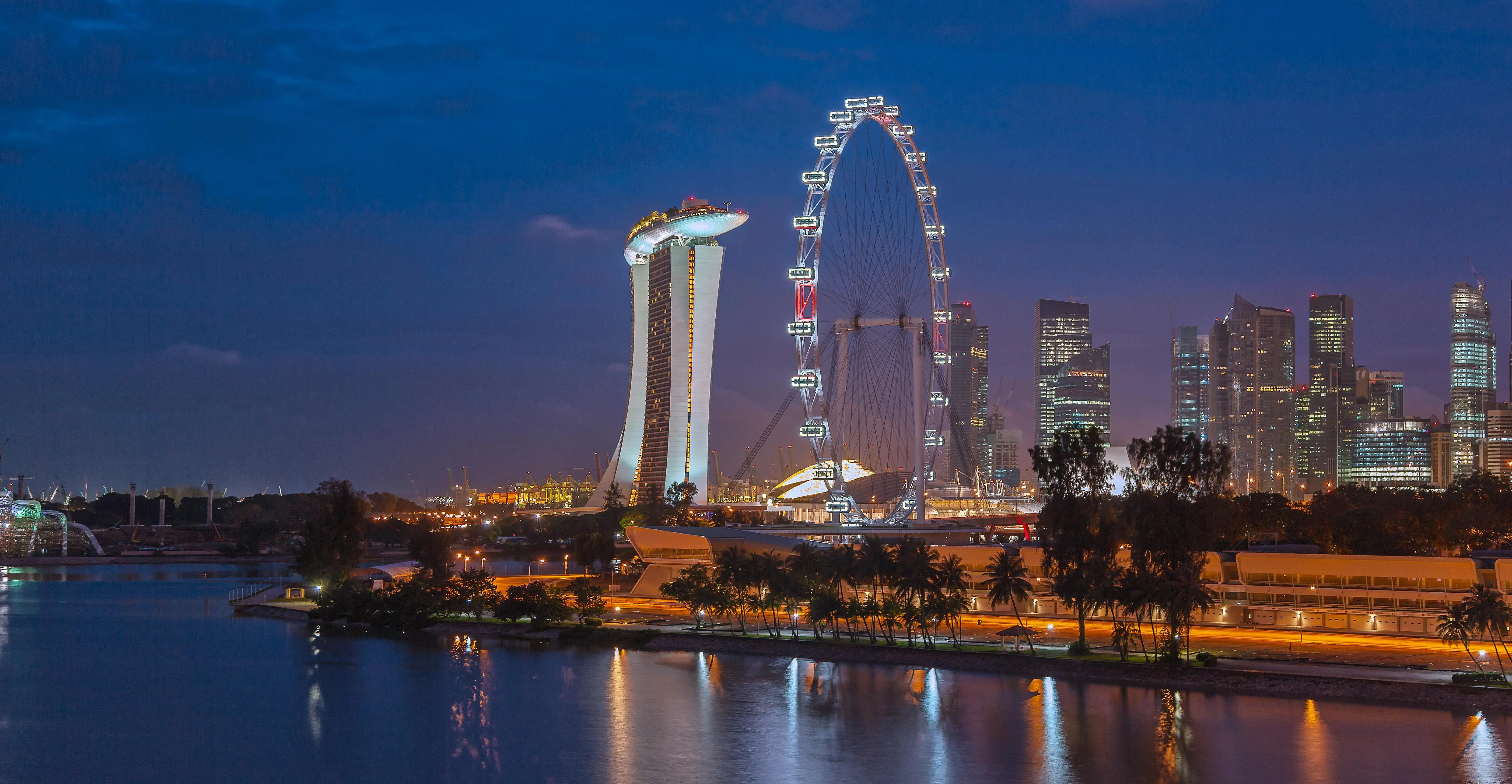
introduction — a nation within a city
There is no other place quite like Singapore, a nation squeezed onto a single island, where city lights double as national borders. Officially both a country and a city, it defies geography and convention alike. From trading port to global powerhouse, Singapore has transformed itself into a model of efficiency, innovation and multicultural balance. Officially the Republic of Singapore, this island nation in Southeast Asia occupies just over 730 square kilometres but functions as a fully sovereign state. It is one of the smallest countries on earth, yet among the most economically advanced, with a global influence far beyond its size.
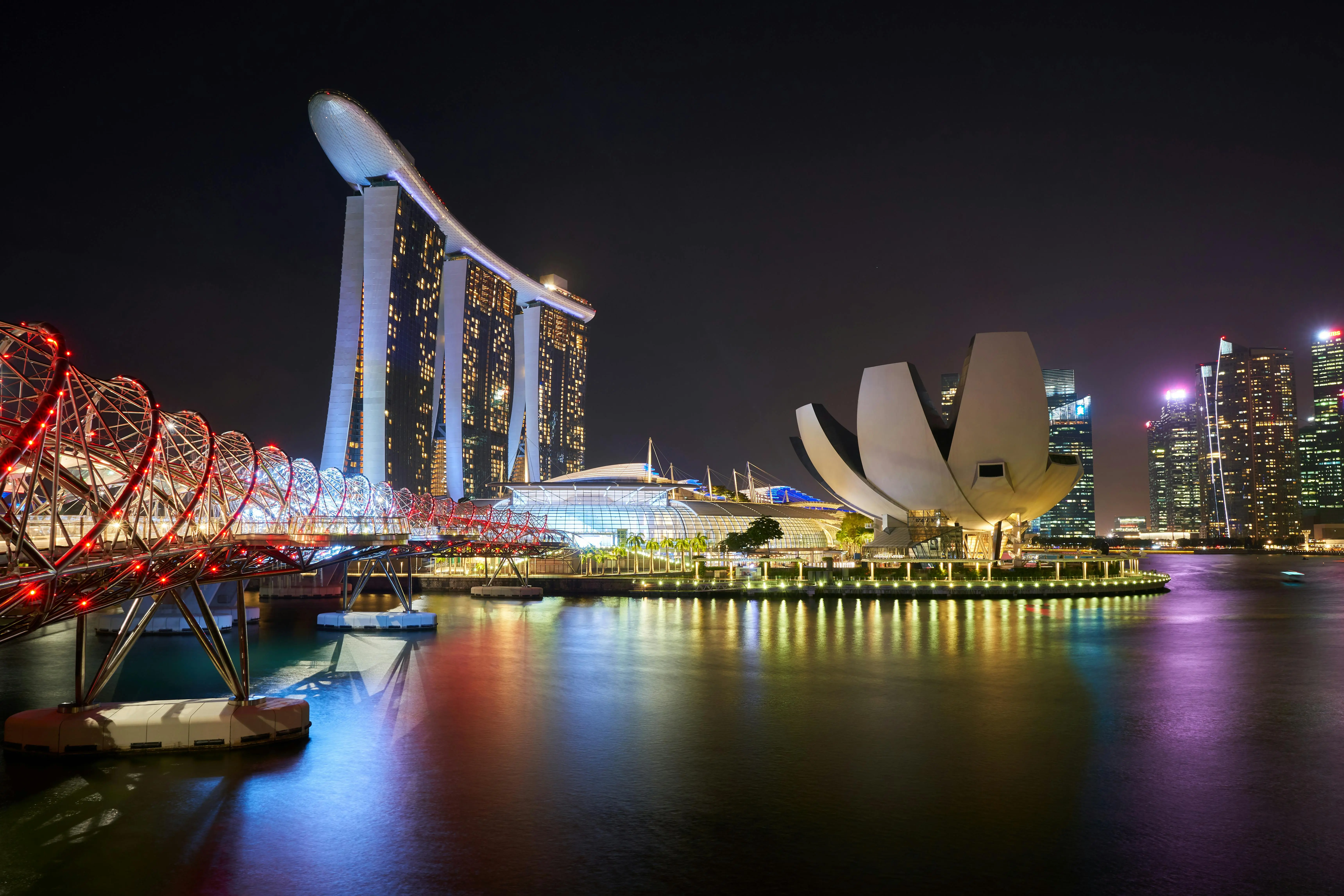
1. from british outpost to independence
Singapore’s modern history began in 1819 when Sir Stamford Raffles established it as a trading settlement for the British East India Company. It became part of the Straits Settlements, later a British crown colony. After a brief and turbulent union with Malaysia in 1963, Singapore separated and became an independent nation on August 9, 1965. The split forced the island to stand on its own, without natural resources or hinterland, a rare position for any city.
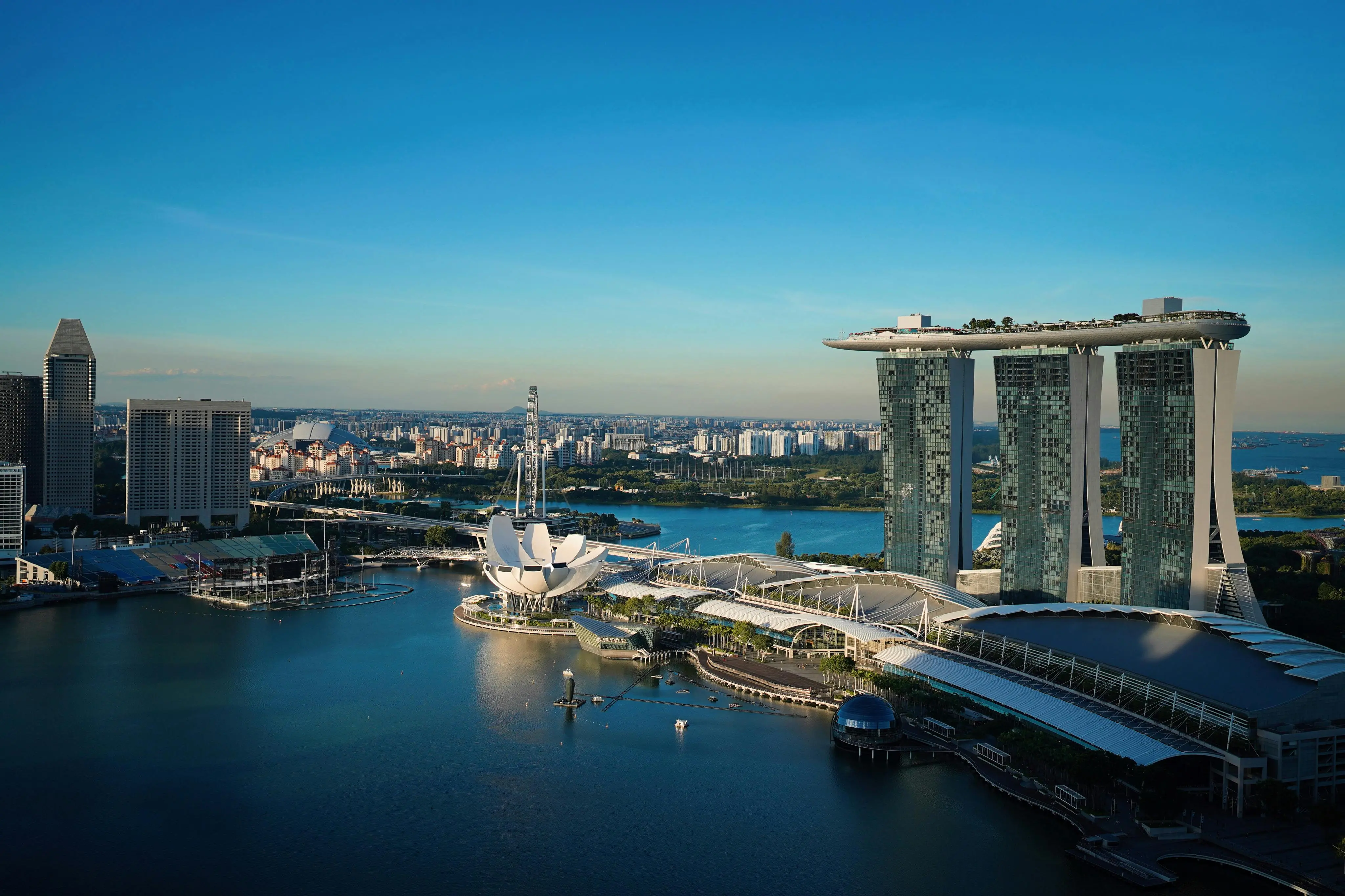
2. a city-state by necessity and design
Unlike traditional countries with multiple cities, Singapore’s entire territory is urbanised and centrally governed. The president is head of state, but executive power lies with the prime minister and cabinet. Local governance and national government are effectively the same, since the ‘city council’ is also the national administration. This unity of scale and structure allows policy decisions to be implemented swiftly across the whole country.
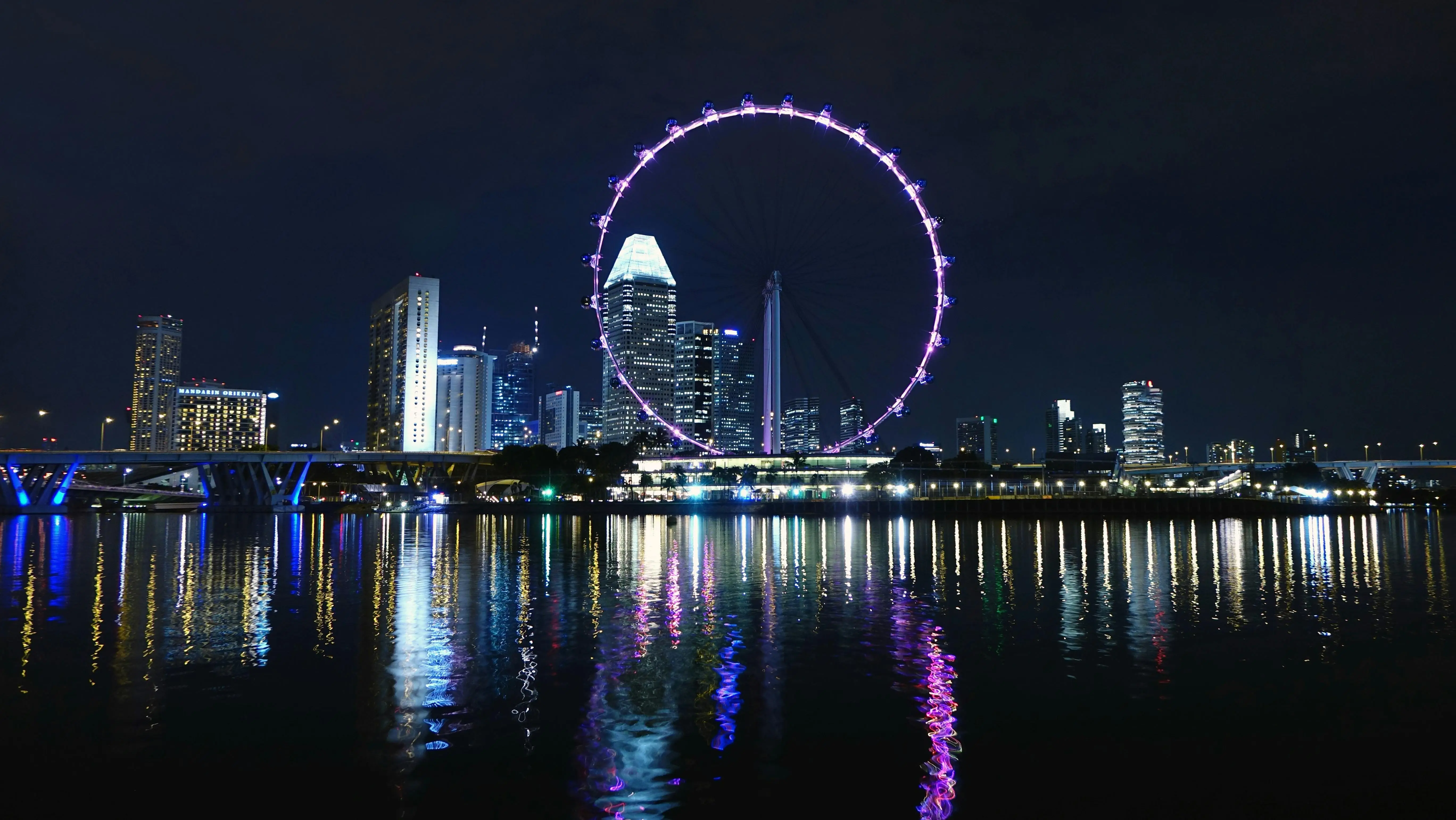
3. an economic transformation
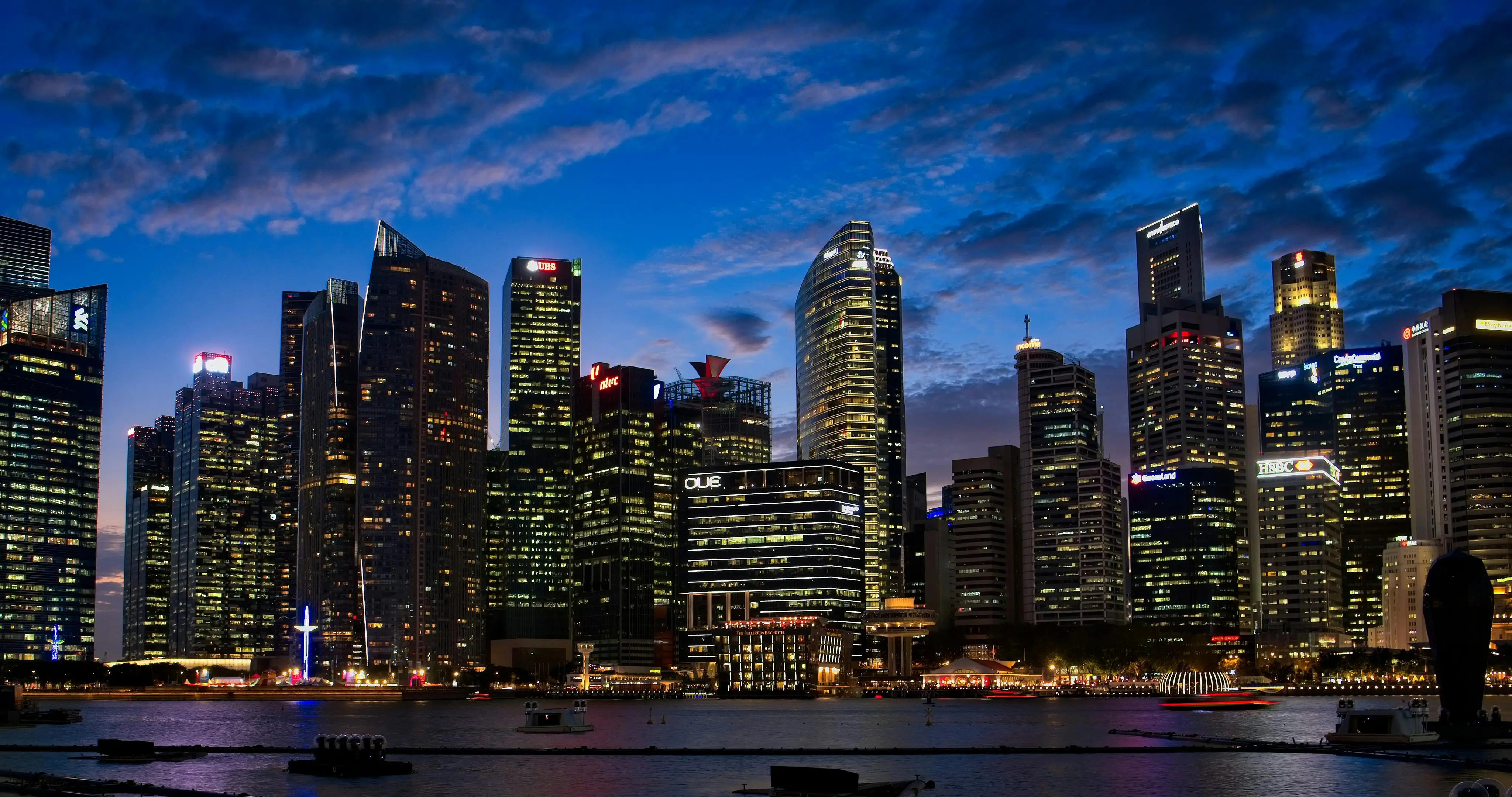
From the 1960s onward, Singapore pursued rapid industrialisation, foreign investment and export-led growth. Its strategic position on major shipping routes helped it become one of the world’s busiest ports. Today it ranks among the top global financial centres, with thriving electronics, biotechnology and service industries. Despite limited land, Singapore consistently records one of the highest GDPs per capita worldwide.
4. diversity and governance
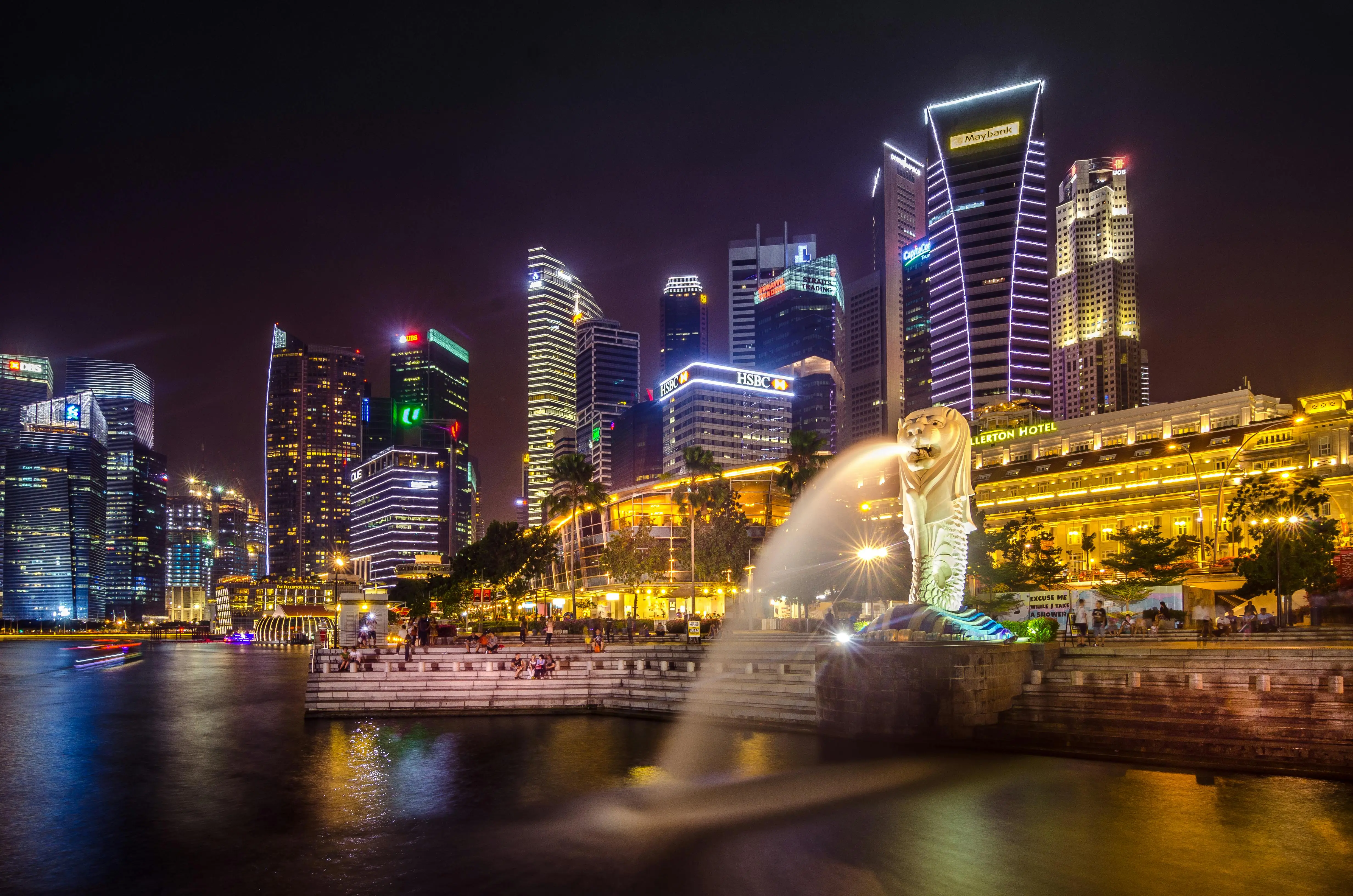
Singapore’s population of around 5.9 million is ethnically and linguistically diverse: about three-quarters Chinese, with Malay, Indian and Eurasian minorities. The government promotes social cohesion through policies balancing housing, education and representation. Four official languages, English, Malay, Mandarin and Tamil, reflect this multicultural heritage.
5. strict laws, clean image
Singapore is known for its rigorous laws and efficient enforcement. Littering, vandalism and chewing gum bans have become part of its international image, contributing to one of the world’s cleanest and safest urban environments. The emphasis on order and civic responsibility supports the city’s reputation for discipline and reliability.
6. green city in a dense space
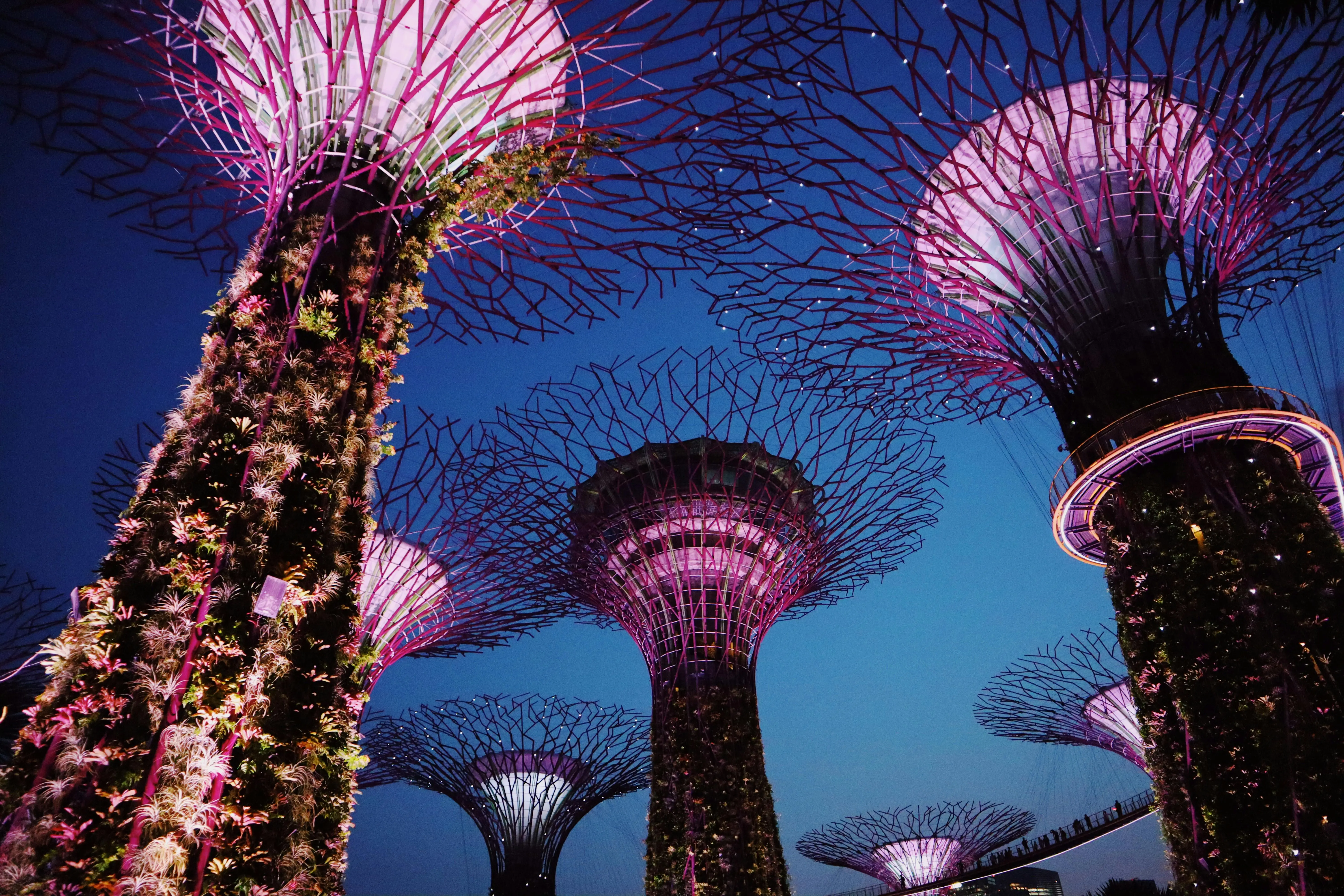
Although densely built, Singapore integrates greenery into its design. The ‘City in a Garden’ initiative began in the 1960s and continues through extensive parks, rooftop gardens and vertical greenery. Nearly half the island is covered by vegetation, a remarkable figure for such an urbanised area.
7. small island, global influence
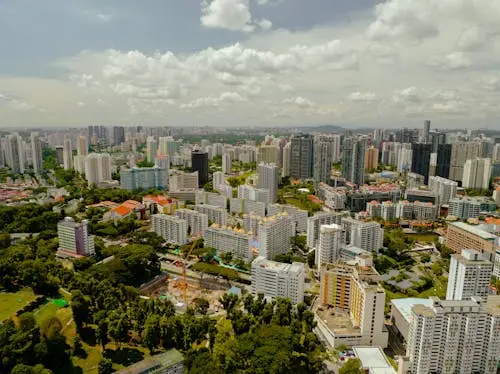
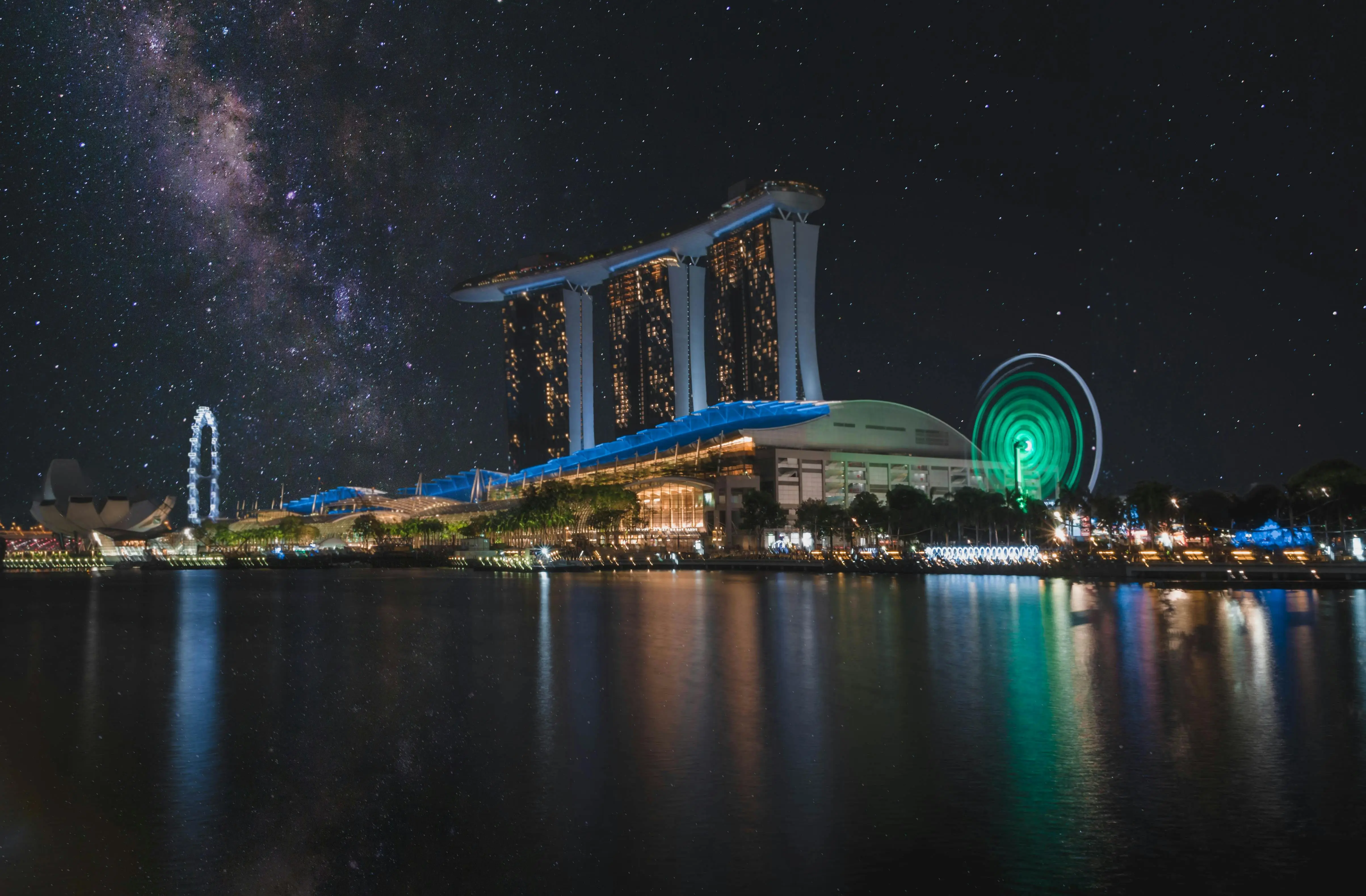
Singapore’s status as both a city and a country gives it a unique agility in global affairs. It hosts major international summits, manages one of the world’s best airports and maintains strong diplomatic ties with both East and West. For a single city to hold sovereignty and global stature is extraordinary, Singapore proves that size need not limit success.
Conclusion
Singapore remains one of the most remarkable political and economic experiments of the modern world, a nation that functions entirely within the boundaries of a single city. Unlike Monaco or Vatican City, which are either microstates or religious enclaves, Singapore has developed a full industrial economy, a professional military and a global diplomatic presence. It consistently ranks among the safest, cleanest and most connected cities on earth, and its achievements in governance, infrastructure and innovation continue to draw study from countries far larger in scale.
)
)

)
)