'Nuclear inspections but no missile curbs!' Can US‑Iran talks survive Tehran’s stance defying Trump’s ‘no nukes, no missiles’ push?

This steadfast stance presents a significant challenge to ongoing US‑Iran diplomatic talks, raising questions about whether negotiations can progress without addressing missile-related concerns.
Tehran’s Red Line on Missiles
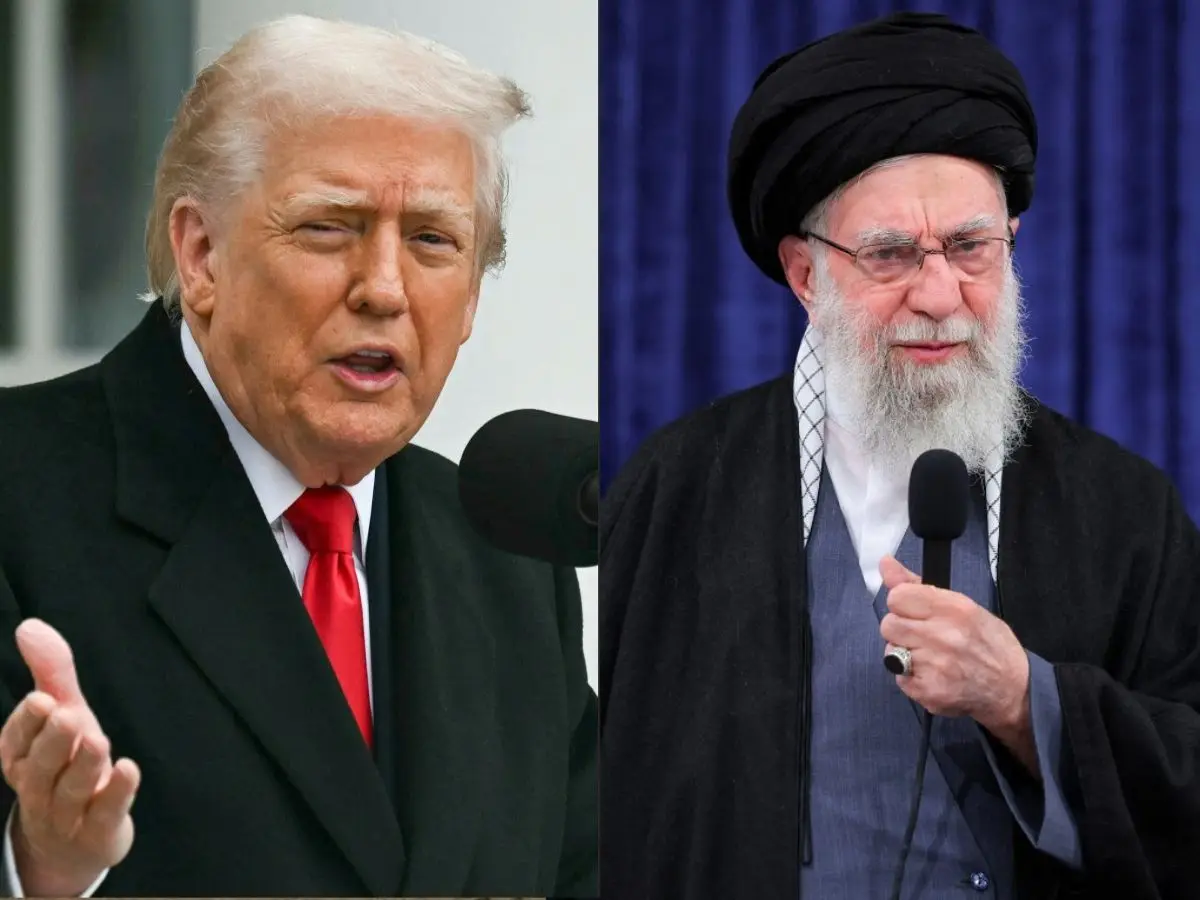
Iran has firmly stated that its ballistic missile programme is non‑negotiable. Officials maintain that these capabilities are essential for national defence and deterrence, particularly given the country’s limited conventional air power. Ali Shamkhani, an adviser to the Supreme Leader, reiterated this position at a public event, emphasising that any restrictions would infringe on Iran’s sovereign security. While the United States and Israel continue to press Tehran to curb its missile programme, Iran insists it will not compromise. This steadfast stance presents a significant challenge to ongoing US‑Iran diplomatic talks, raising questions about whether negotiations can progress without addressing missile-related concerns.
Nuclear Oversight Agreement
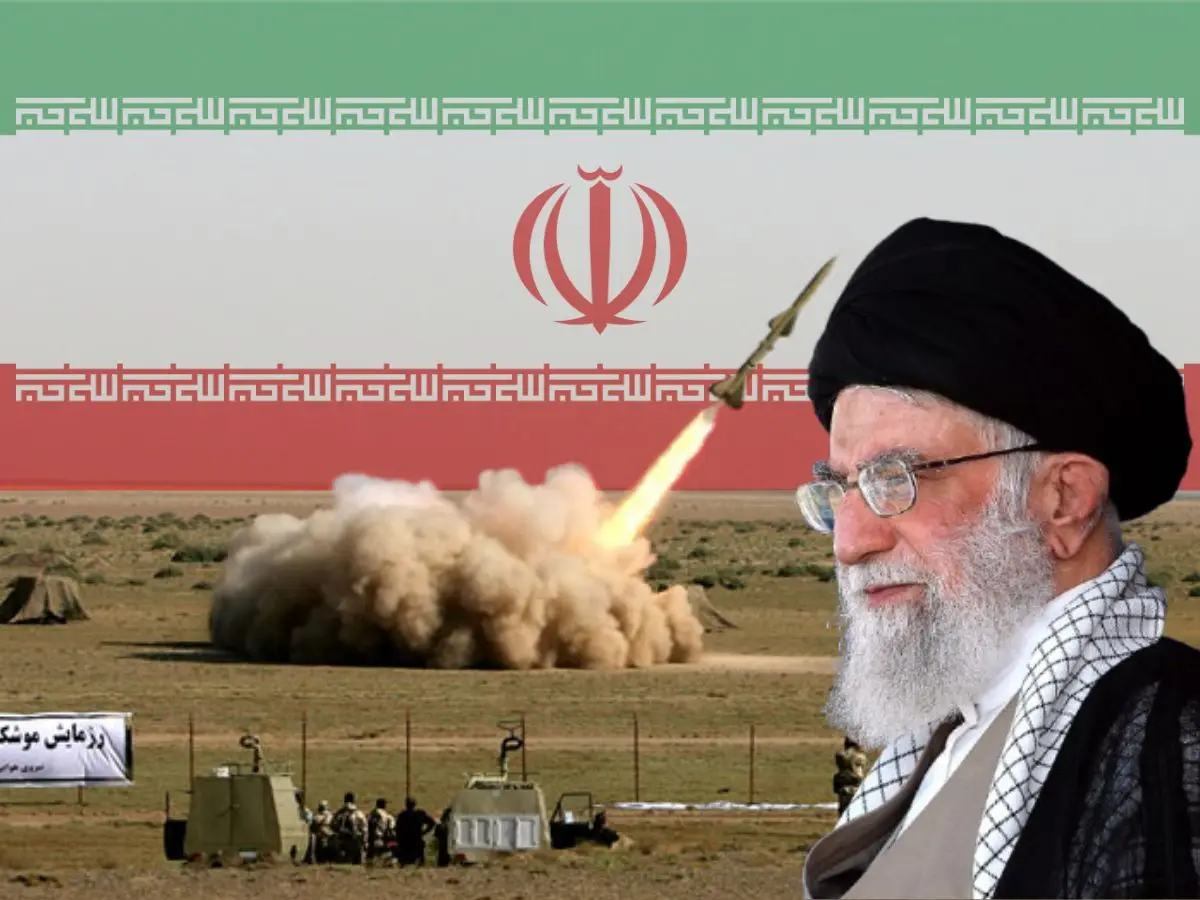
"The Islamic Republic's missile capabilities are non-negotiable," said Ali Shamkhani, an adviser to Iran's Supreme Leader, according to state media, while speaking at a march marking the 47th anniversary of the Islamic Revolution. Despite this firm stance on missiles, Iranian President Masoud Pezeshkian stated on Wednesday that the country is open to “any verification” of its nuclear programme, emphasising that Tehran has no intention of developing atomic weapons. Officials reiterated that Iran’s nuclear activities are entirely civilian in nature. While this conditional cooperation could allow limited progress in negotiations, it does not resolve the broader regional security concerns surrounding the country’s missile arsenal.
US Demands and the ‘No Nukes, No Missiles’ Policy
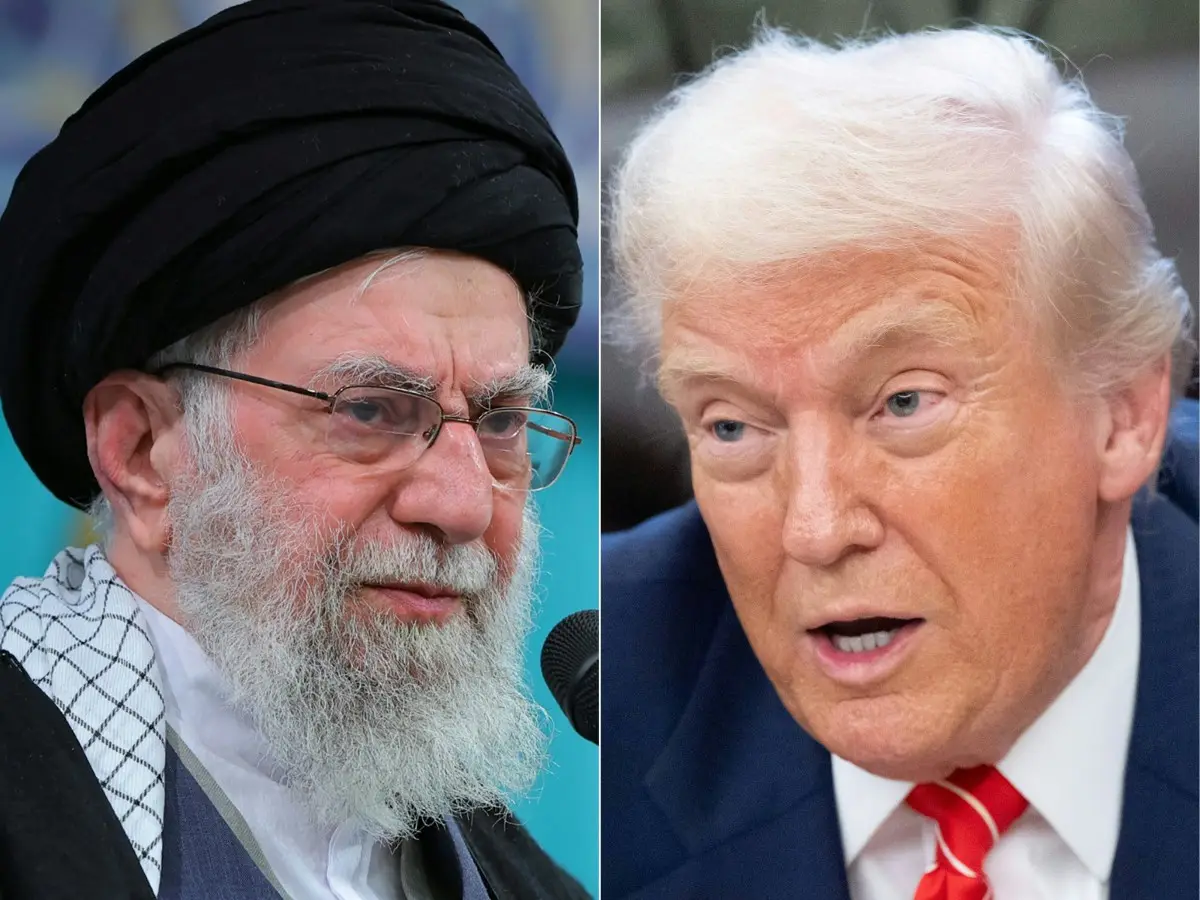
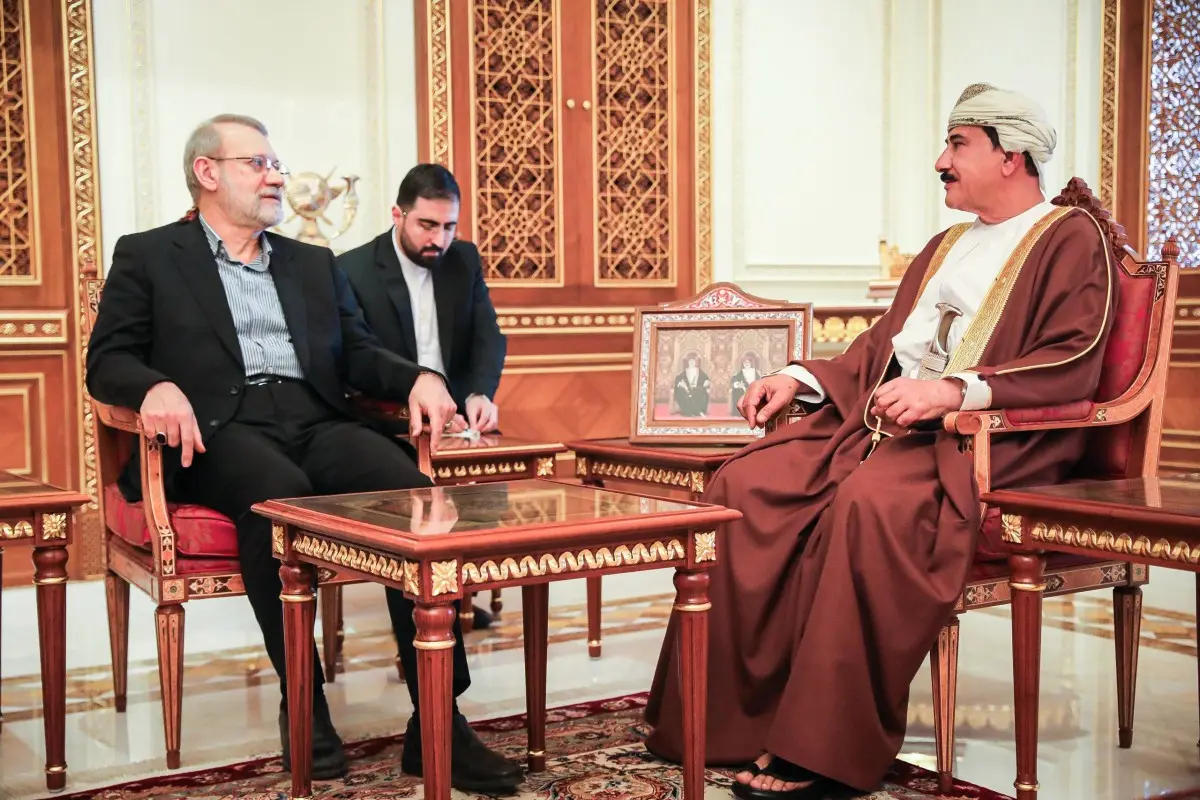
US President Donald Trump told Fox Business that a good deal with Iran would mean “no nuclear weapons, no missiles,” without elaborating The US administration has coupled these demands with warnings of severe consequences should an agreement fail. The US administration has coupled these demands with warnings of severe consequences should an agreement fail. Iran and the US are preparing for the next round of nuclear negotiations after the first took place in Oman on Friday.
Threat to regional security
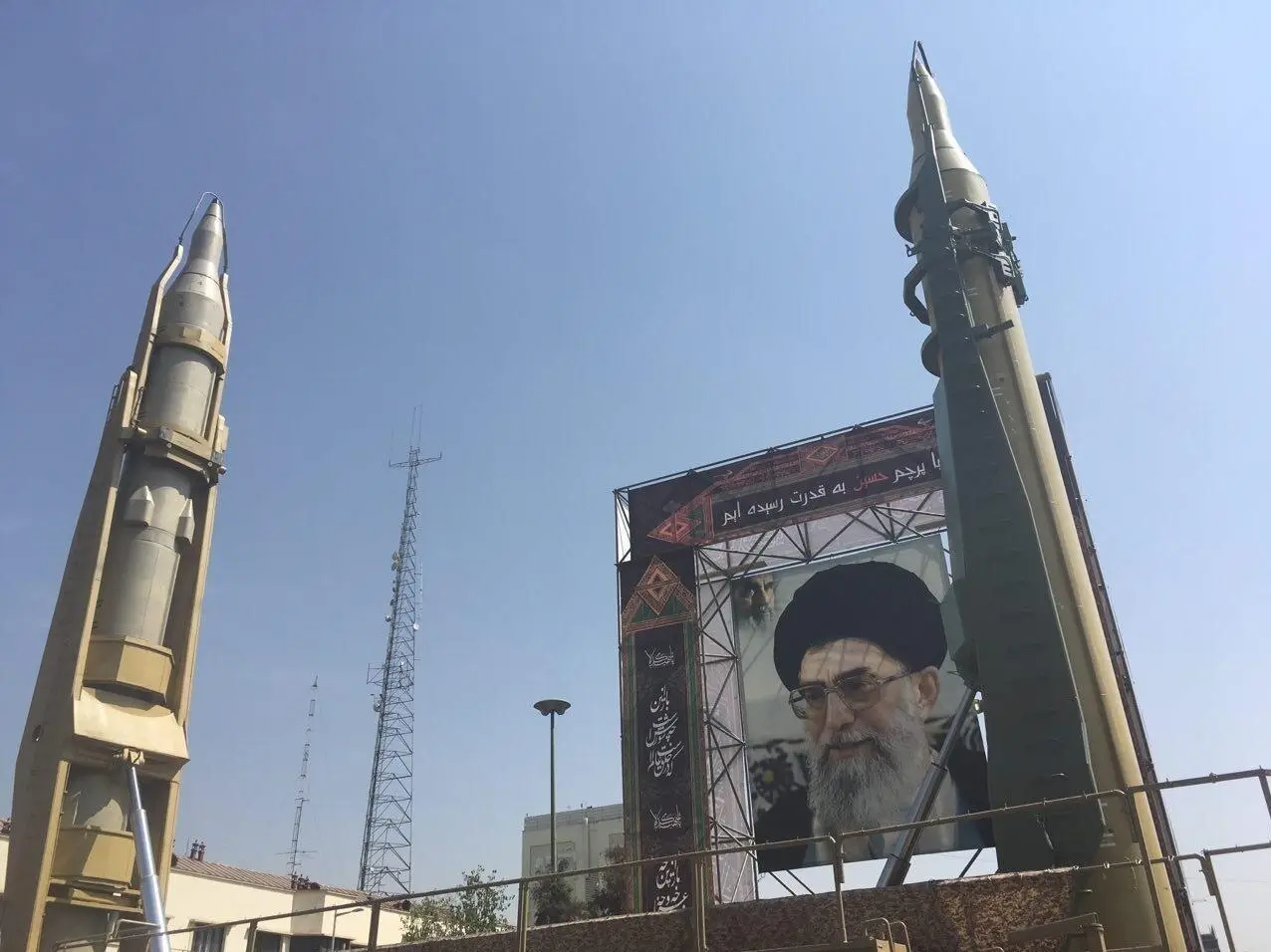
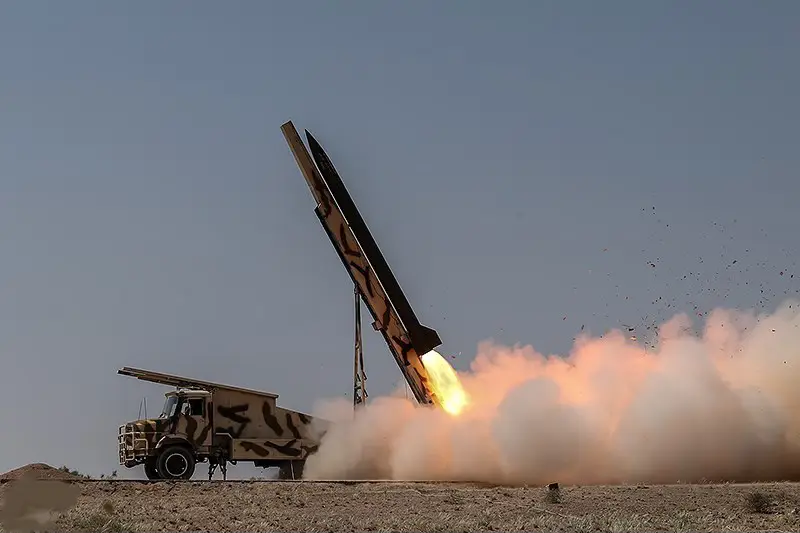
The United States wants Iran to curb its ballistic missile programme because many of Tehran’s missiles can reach critical American military bases across the Middle East. Systems such as the Khorramshahr and Sejjil (ranges up to 2,000 km), Emad and Ghadr‑1 (1,700 km), as well as Fattah‑1, Haj Qasem, Kheibar Shekan (1,400 km), and the shorter‑range Dezful are capable of targeting installations in Qatar, Bahrain, Kuwait, Iraq, the UAE, Saudi Arabia, Jordan, Turkey and Syria, putting dozens of US bases within reach. This persistent range threat drives Washington’s insistence that missile limits be part of any comprehensive deal.
Recent Negotiation Developments
Beyond immediate threat perceptions, Washington and Jerusalem want missile restrictions included in negotiations to prevent Iran from using its arsenal as leverage in broader geopolitical disputes. US officials, and Israeli Prime Minister Netanyahu ahead of talks with President Trump, have said that any durable agreement must address not only nuclear activities but also ballistic missiles and Iran’s support for proxy groups. Limiting Tehran’s missile capabilities is seen as a way to reduce the likelihood of escalation, constrain Iran’s military reach, and strengthen diplomatic outcomes by tying security assurances to enforceable limits.
Diplomatic Impasse
As tensions escalate, the United States has deployed missile defence systems, including Patriot batteries, to bases such as al‑Udeid in Qatar to safeguard personnel and reassure Gulf allies, underscoring the Pentagon’s assessment of the Iranian missile threat. Simultaneously, the USS Abraham Lincoln is already stationed in the Middle East, and Trump told Axios that he is “considering” sending an additional aircraft carrier strike group, following recent reinforcements of US military forces in the region.

Looking Ahead
While both sides are engaging in discussions, Iran’s refusal to negotiate missile restrictions effectively challenges the US demand for a comprehensive security pact.
)
)
)
)
)