‘Not just chest pain’: 5 warning signs your body gives before a heart attack

Recognising early biological warning signs like unprovoked cold sweats, radiating jaw pain, and severe fatigue can prevent fatal cardiac events. Identifying these subtle symptoms accelerates emergency intervention before permanent heart muscle death.

The 'Silent' Onset
Medical data indicates that nearly half of all myocardial infarctions begin with subtle, non-traditional symptoms days or even weeks beforehand. Dismissing these early biological distress signals severely limits the critical window for emergency intervention.
Unexplained and Crushing Fatigue
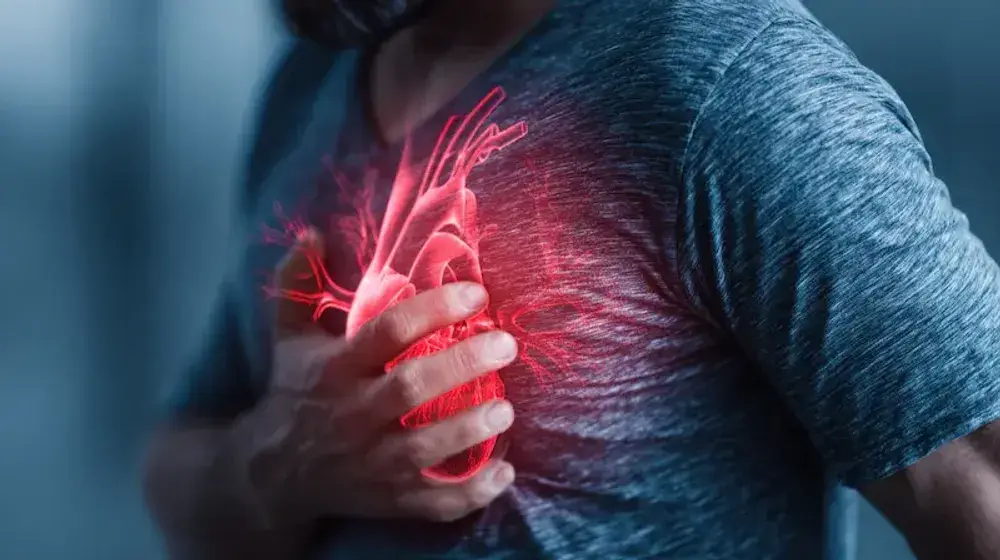
A sudden, overwhelming sense of exhaustion that disproportionately follows minor physical exertion is a primary indicator of reduced blood flow. The American Heart Association notes this profound lethargy frequently presents in women weeks before a major cardiac event.
Radiating Jaw and Back Pain
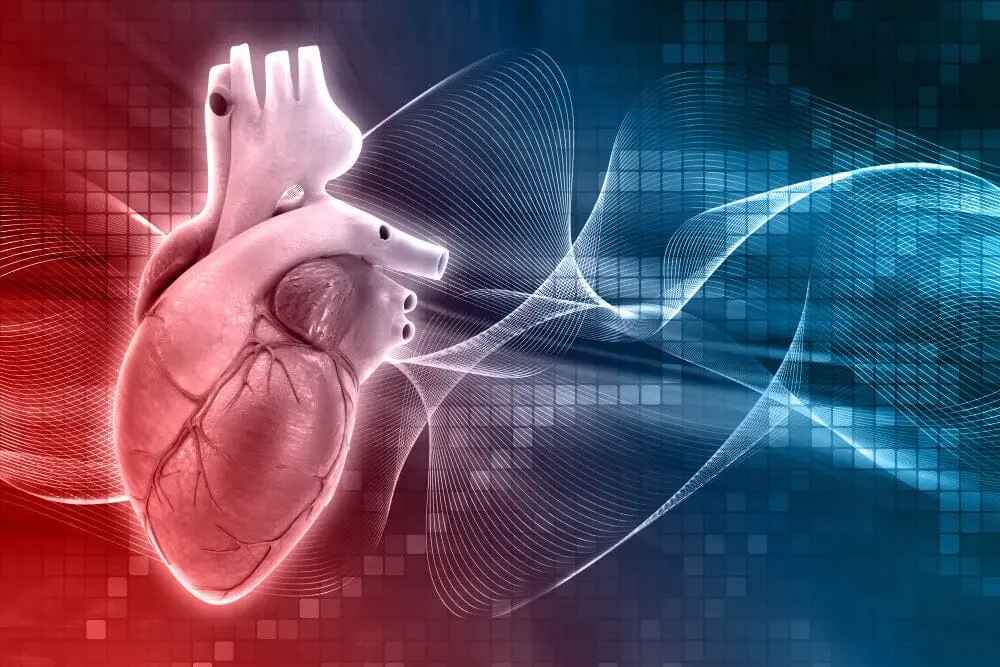
Cardiac distress often masquerades as muscular tension, projecting pain along the vagus nerve into the lower jaw, neck, or upper back. This radiating discomfort is frequently misdiagnosed as dental or spinal issues, delaying life-saving electrocardiogram (ECG) assessments.

Unprovoked Cold Sweats
Sudden, unexplainable diaphoresis or breaking out in a cold sweat signals that the nervous system is reacting to a massive drop in cardiac output. This physiological response occurs as the body attempts to manage the intense stress of a blocked coronary artery.

Sudden Shortness of Breath
Dyspnea, or severe breathlessness occurring without physical exertion, is a critical warning that the heart is failing to pump blood effectively to the lungs. Clinical studies show this can occur alongside or completely independent of traditional chest pressure.
Gastrointestinal Distress and Nausea
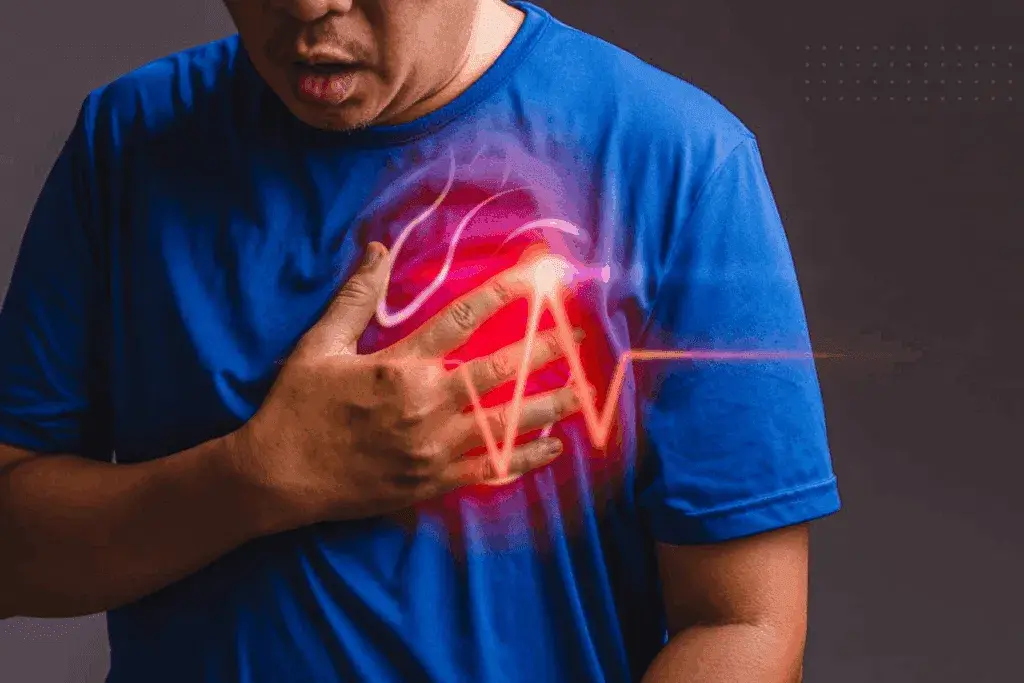
The proximity of the lower heart to the stomach means that severe cardiac ischemia is frequently mistaken for acid reflux or acute indigestion. Persistent nausea, vomiting, or stomach pain especially when combined with lightheadedness requires immediate clinical evaluation.

The Critical Two-Hour Window
Cardiologists warn that over 85 per cent of irreversible heart muscle death occurs within the first two hours of an arterial blockage. Seeking immediate emergency medical care upon recognising these five signs is the single most effective way to ensure survival.
)
)
)
)
)