'Not even NATO': Why B-2 Bomber can’t be exported to any ally

The US has exported fighter jets like the F-16, F-35, and even nuclear-capable missiles to allies. But when it comes to the B-2 Spirit stealth bomber, Washington draws a hard line. Here are seven reasons why the world’s most advanced bomber will never be shared, not even with NATO partners.
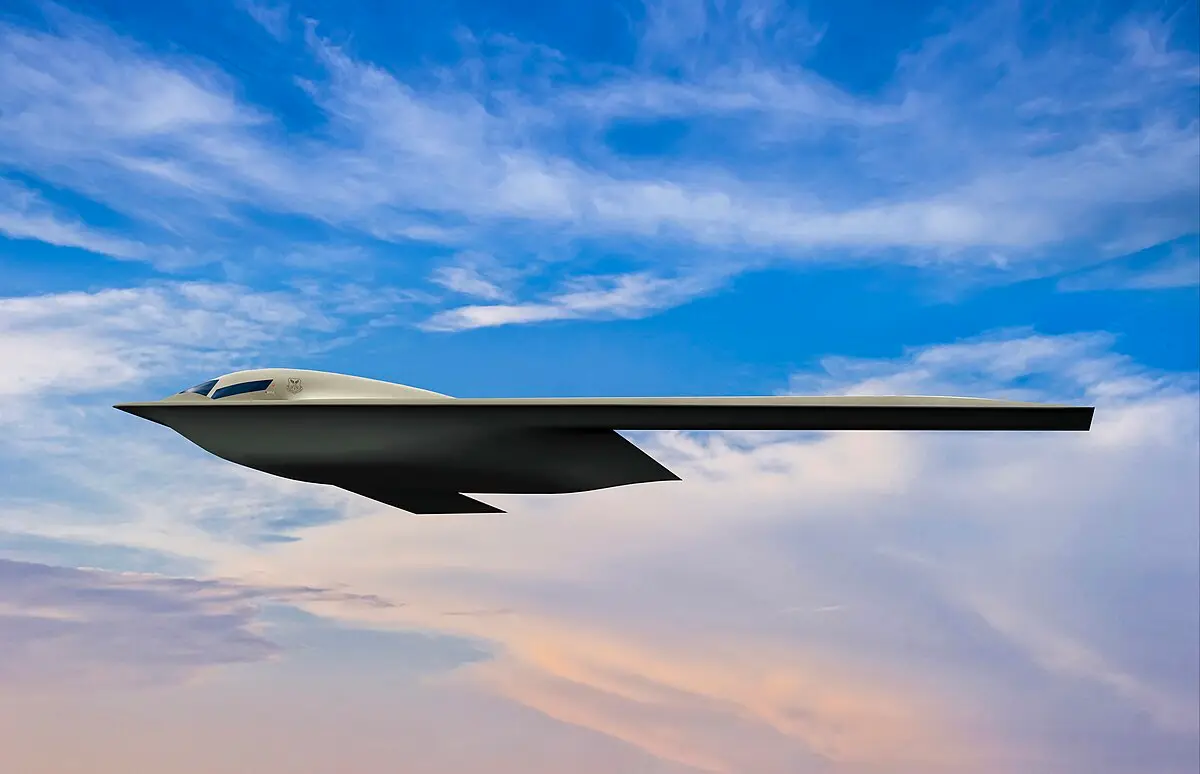
Nuclear Role Makes It Untouchable
The B-2 isn’t just a bomber, it’s part of America’s nuclear triad. Because it can carry nuclear payloads across continents, U.S. law prohibits transferring it to any other nation. Giving allies such a platform would blur nuclear control lines and raise global security risks.
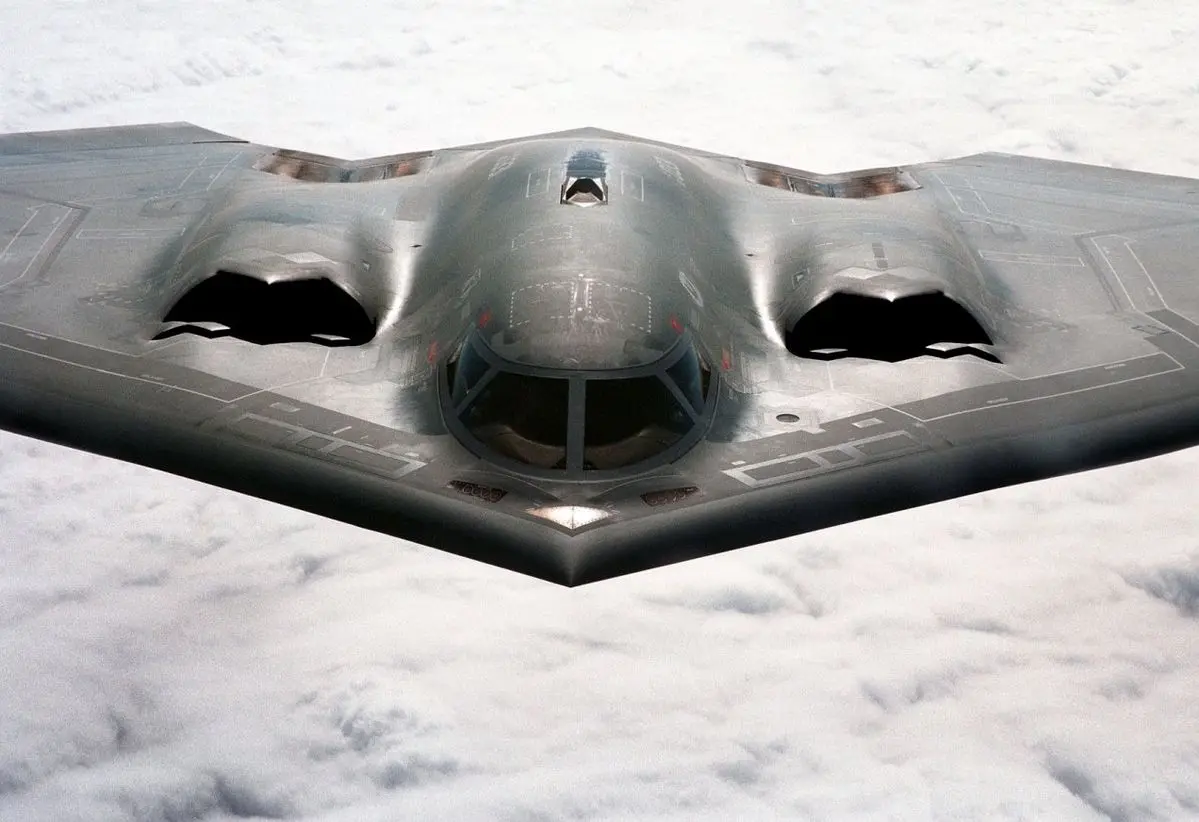
Stealth Technology Is Ultra-Classified
The B-2’s radar-absorbing skin, sensor systems, and heat signature reduction methods remain among America’s most closely guarded military secrets. Exporting even a downgraded version risks adversaries gaining access through espionage or reverse engineering.
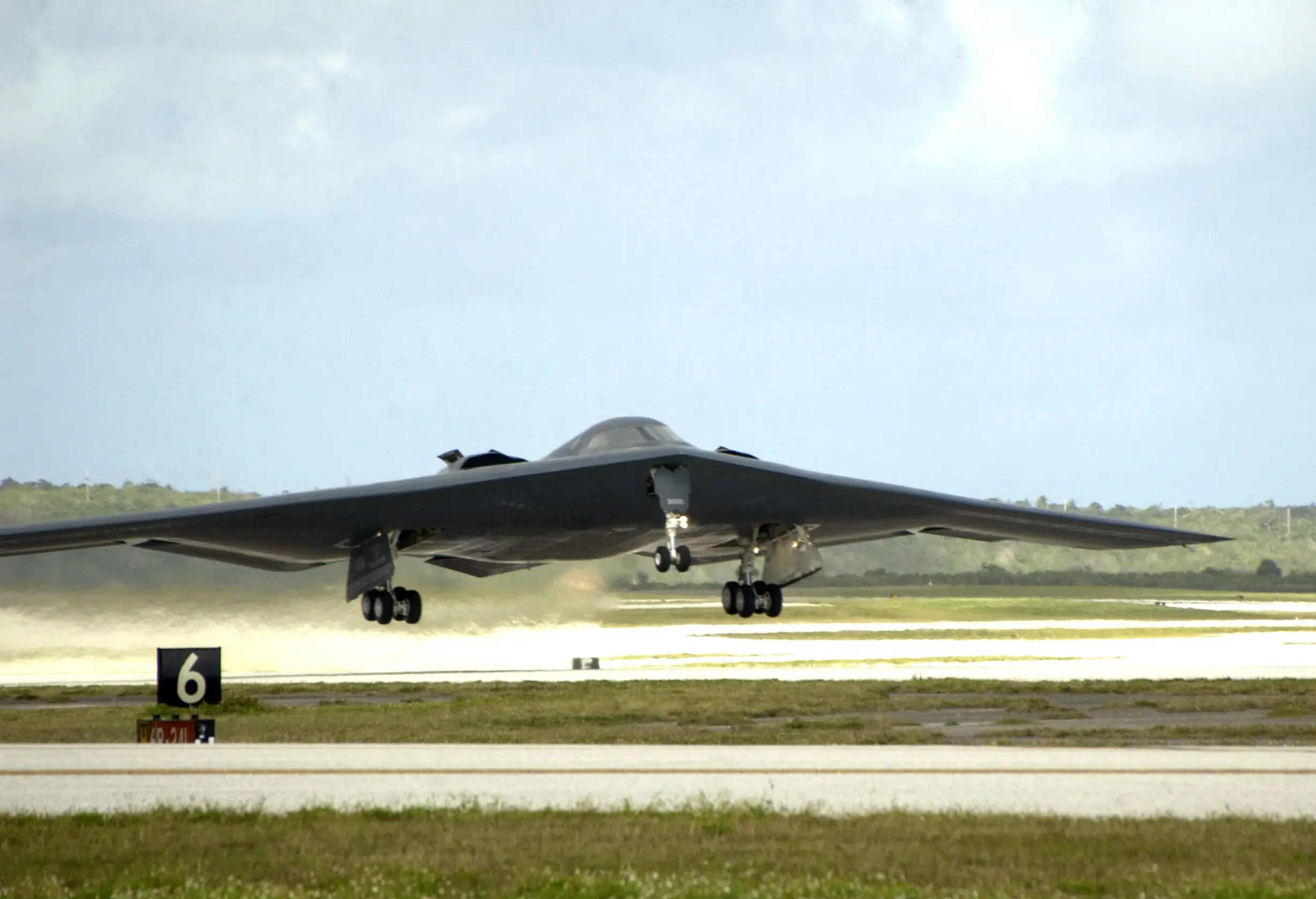
It’s Too Expensive to Operate
At $2 billion per unit and nearly $60 million per year in maintenance, even wealthy allies like the UK, France, or Japan would struggle to afford it. The aircraft requires specialised hangars and constant technical upkeep, making it impractical for foreign militaries.
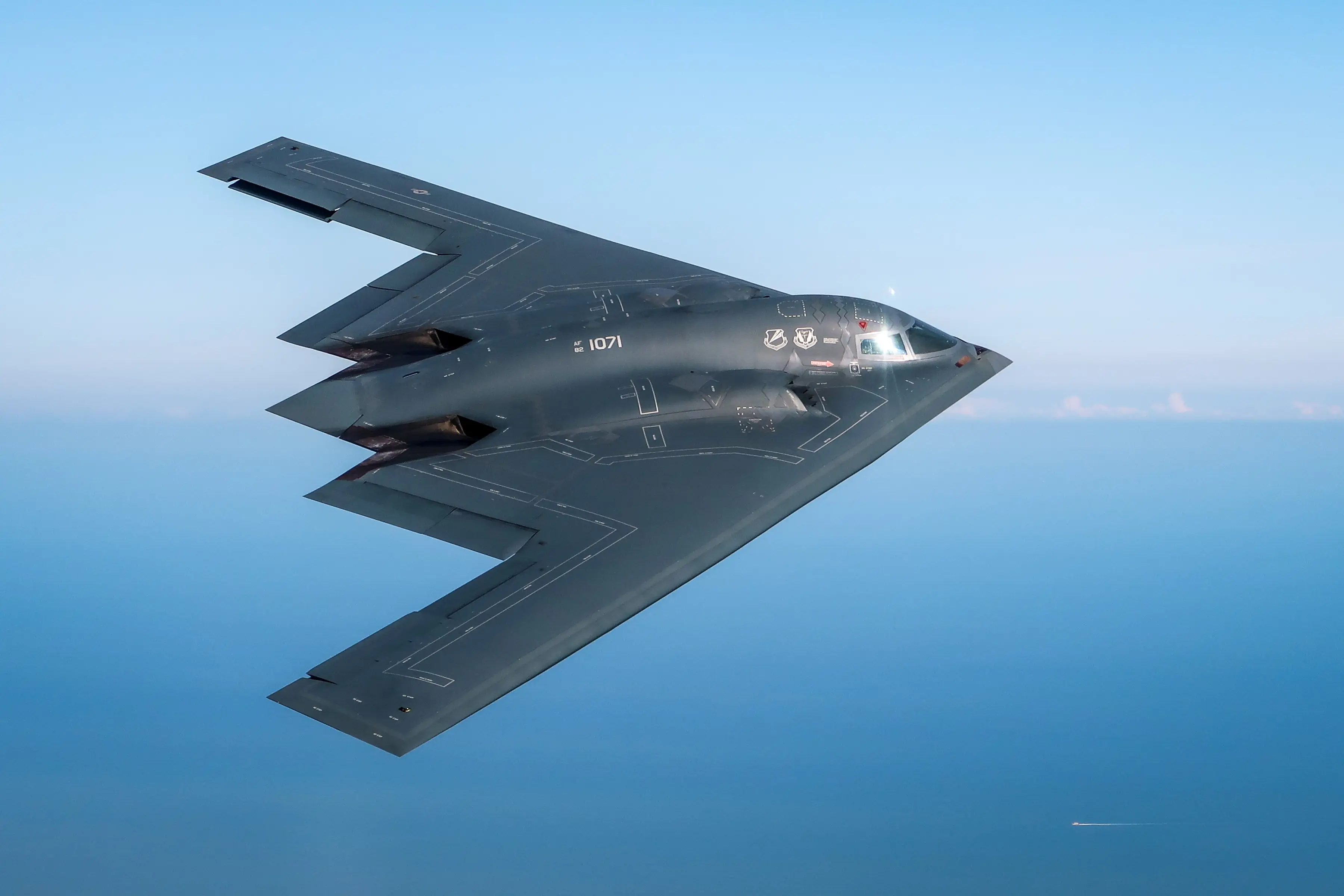
Extremely Limited Numbers
Only 21 B-2s were ever built, and fewer than 20 remain operational today. The US Air Force can’t spare any without compromising its own long-range strike capacity.
Strategic Monopoly for the US
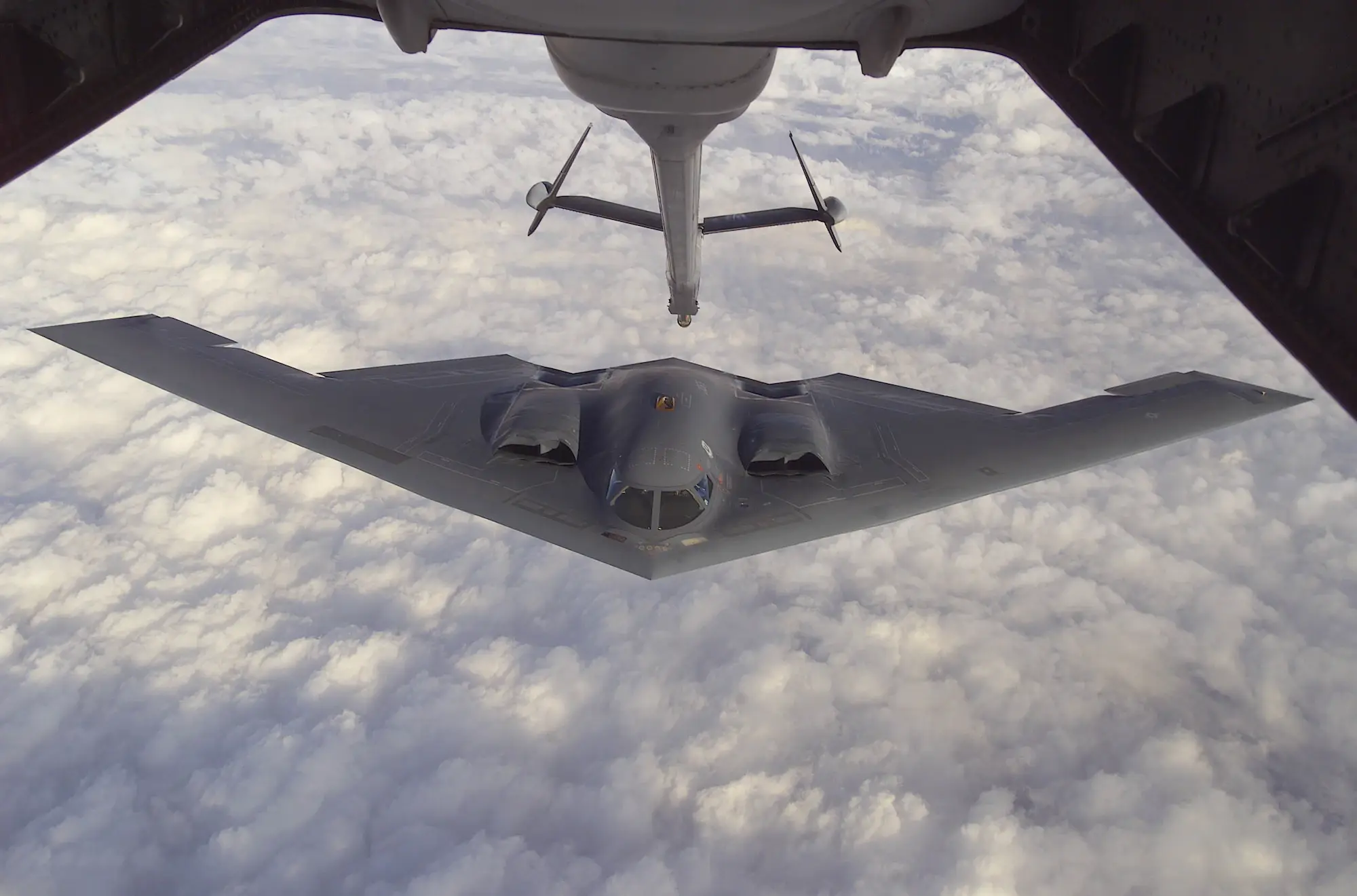
By keeping the B-2 exclusively American, Washington maintains a monopoly on global stealth bombing capability. This ensures the US holds a unique military advantage in any conflict where strategic long-range strikes are needed.
Complex Pilot & Crew Training
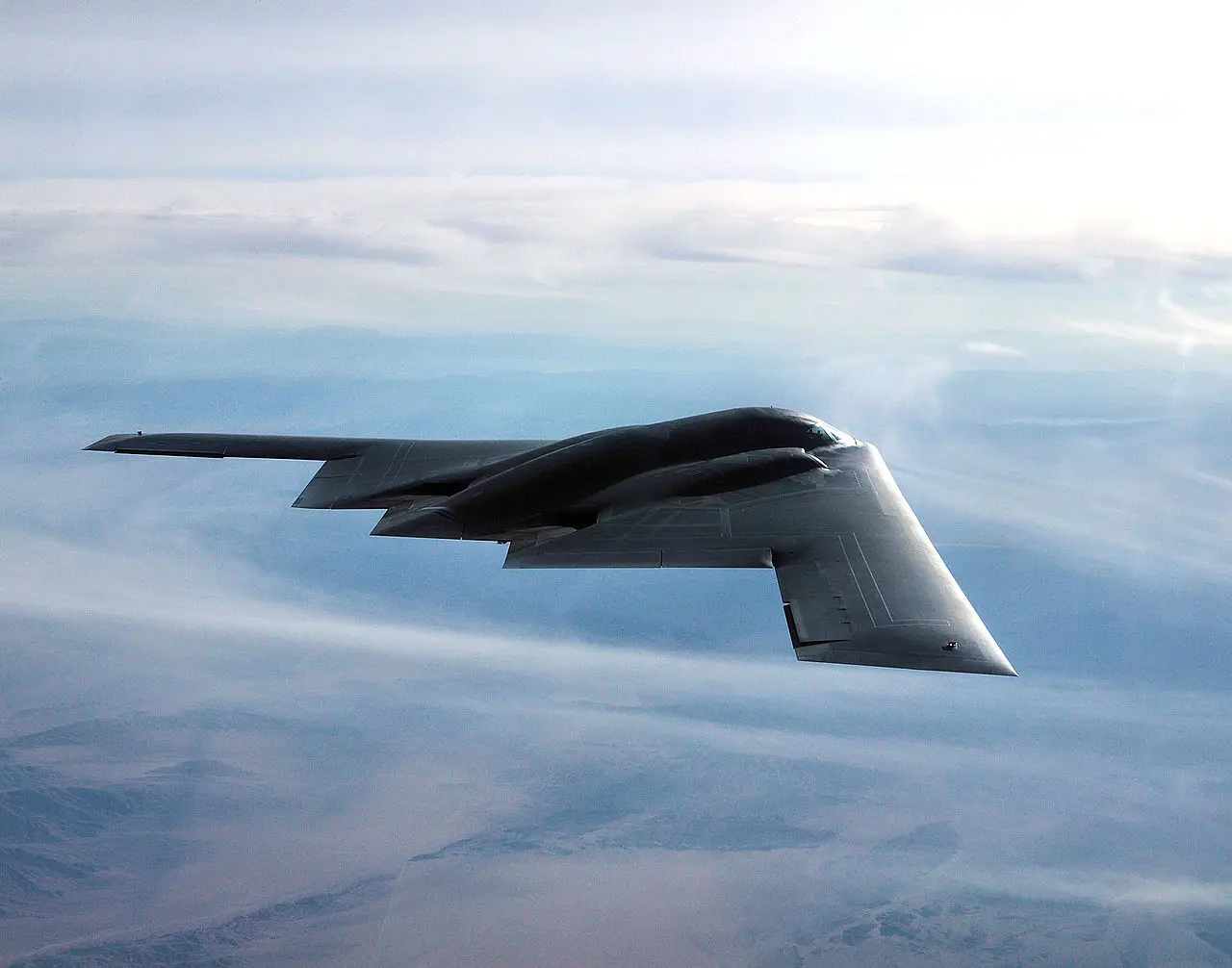
Flying a B-2 isn’t just about handling the controls, pilots undergo years of training for stealth operations, nuclear protocols, and long-endurance missions lasting up to 40 hours. Replicating this system abroad would be nearly impossible.
Risk of Political Fallout
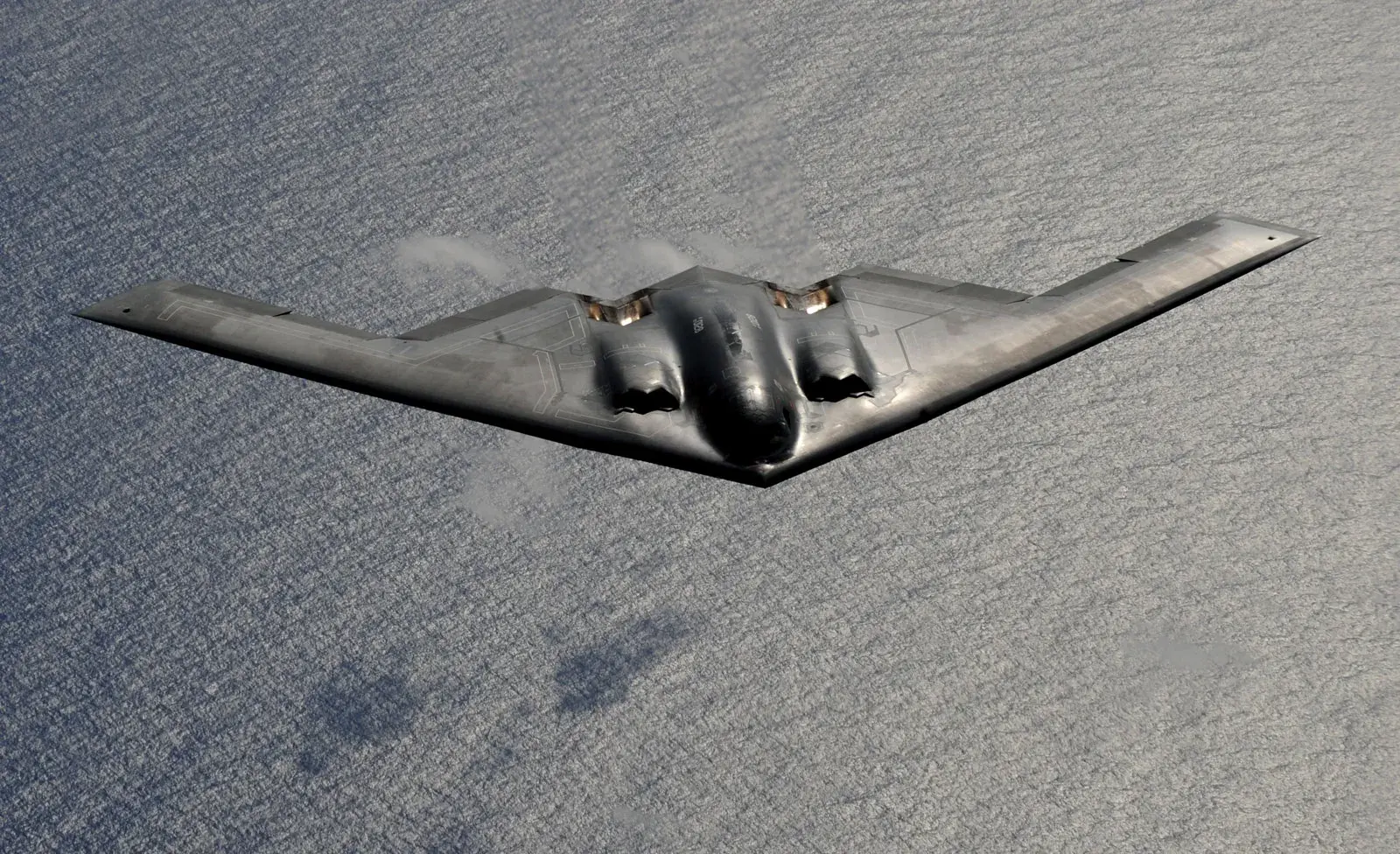
If even one B-2 were transferred abroad and later compromised, through espionage, hacking, or a political shift in an allied nation, it would jeopardise U.S. dominance. Washington prefers to keep such high-value assets strictly under its own control.
)
)
)
)
)