'No' vote option, overseas ballots and absence of Hasina: Many firsts of Bangladesh Elections

Bangladesh votes in its first post-Hasina elections alongside a referendum on the July National Charter 2025. With Awami League banned, BNP and Jamaat lead the race. The referendum seeks constitutional reforms, while interim chief Muhammad Yunus has ruled out continuing in power.
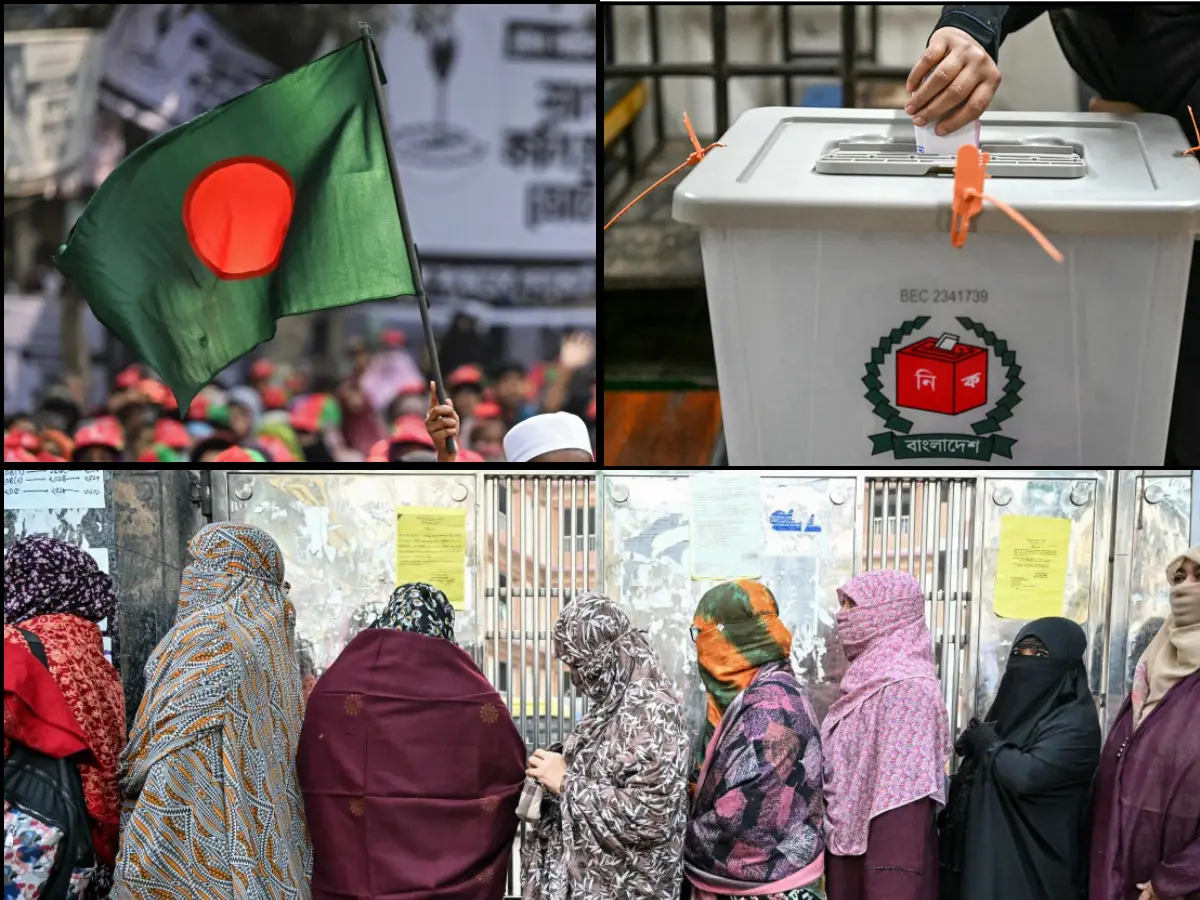
Bangladesh votes in first post-Hasina era elections
Bangladesh is voting in country's first elections since the ouster of former Prime Minister Sheikh Hasina in August 2024. The polling time stretches from 7.30 am to 4.30 pm local time. The elections are a bipolar contest between Bangladesh Nationalist Party (BNP) and Jamaat-e-Islami (JI) coalition as Hasina's Awami League has been banned. Apart from Hasina's absence, here's are the many FIRSTS of the polls
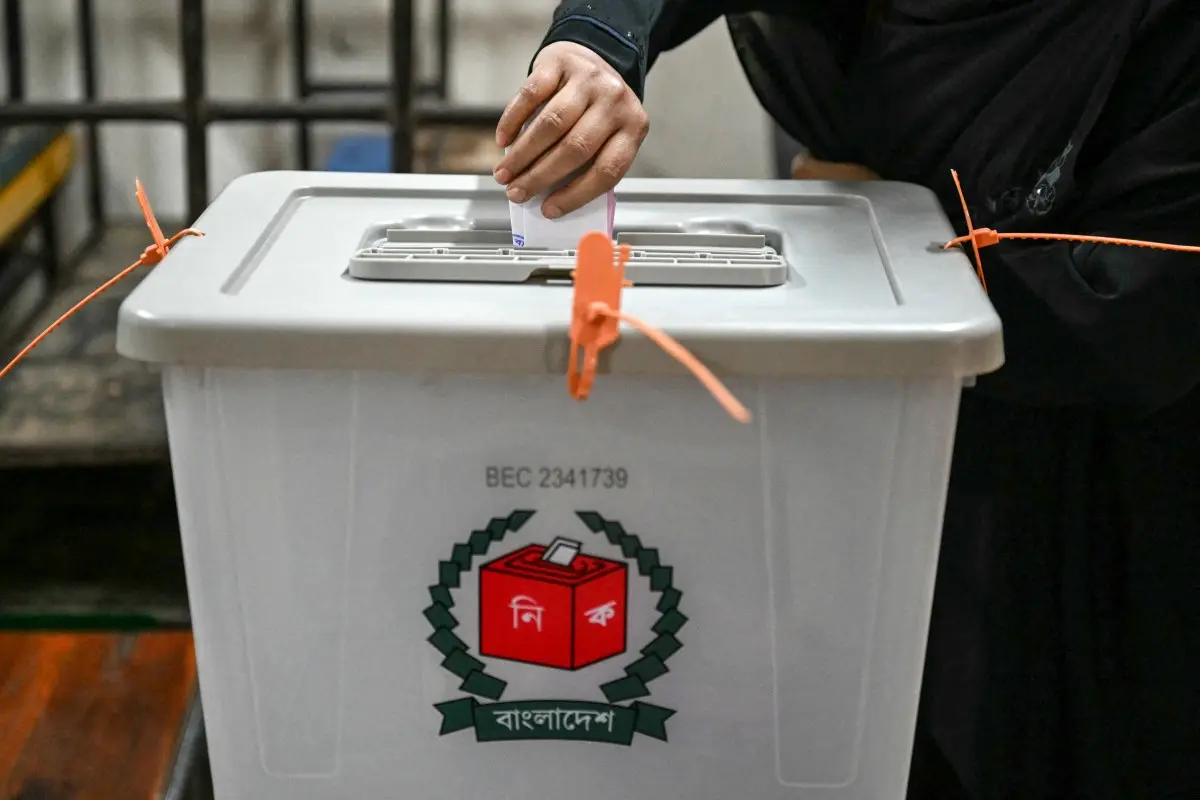
Simultaneous elections and referendum
Apart from the polls, Bangladesh is also holding a referendum that seeks to legitimise the “July National Charter-2025.” According to reports, voters will be issued two distinct ballots at the polling station. For the Parliamentary Election, voters will choose the candidate of their choice by clicking on the representative for their constituency. Referendum ballot is called pink ballot and it features a single question covering four major reform areas of the July Charter, while voters are instructed to vote 'Yes' if they agree more strongly with the proposals and 'No' if they disagree.
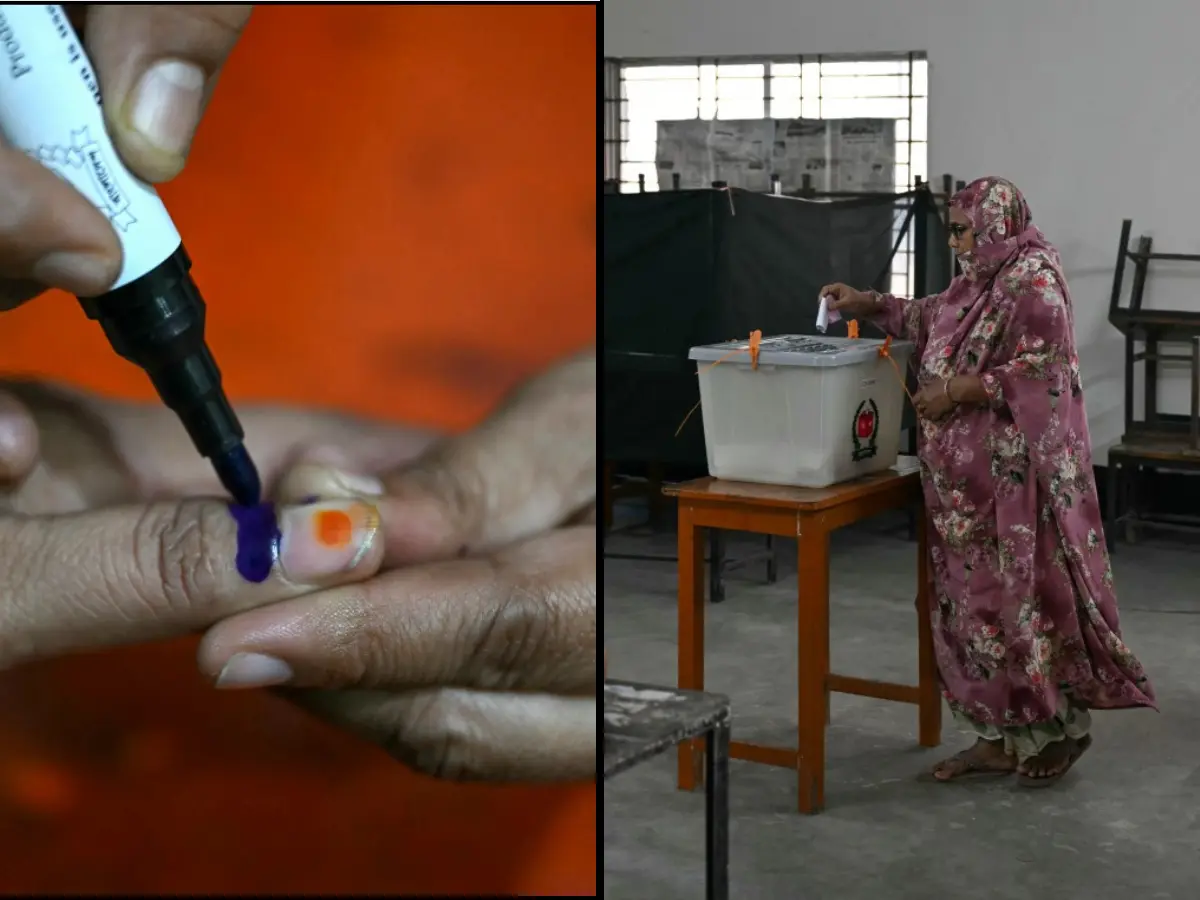
Expatriate vote
The 767,142 expatriates are allowed to vote in this year's elections through the EC’s digital postal voting system. Postal ballots for expatriates for both the national election and the referendum were dispatched by January 8
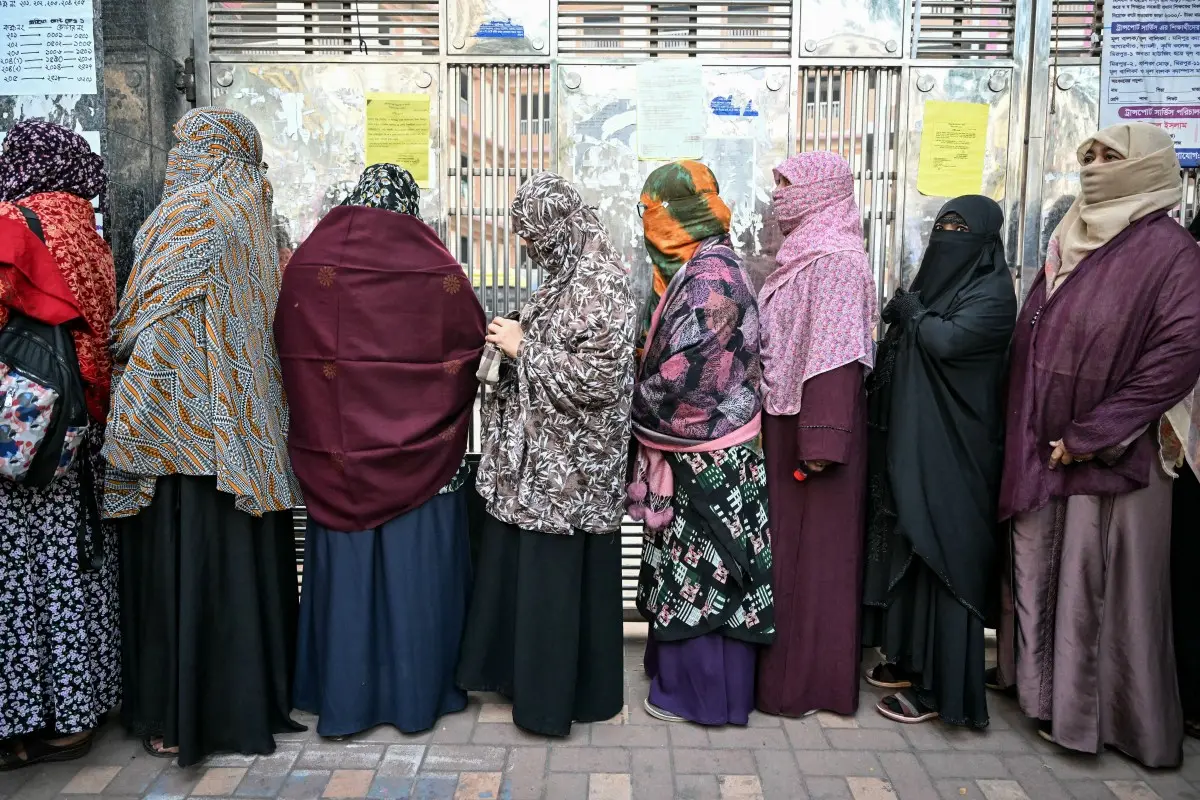
No vote option
This allows voters to choose 'No' for constituencies where only one candidate is running. If "no" receives more votes than the candidate, a fresh election schedule will be announced. This was discontinued by Hasina's government but has been restored now
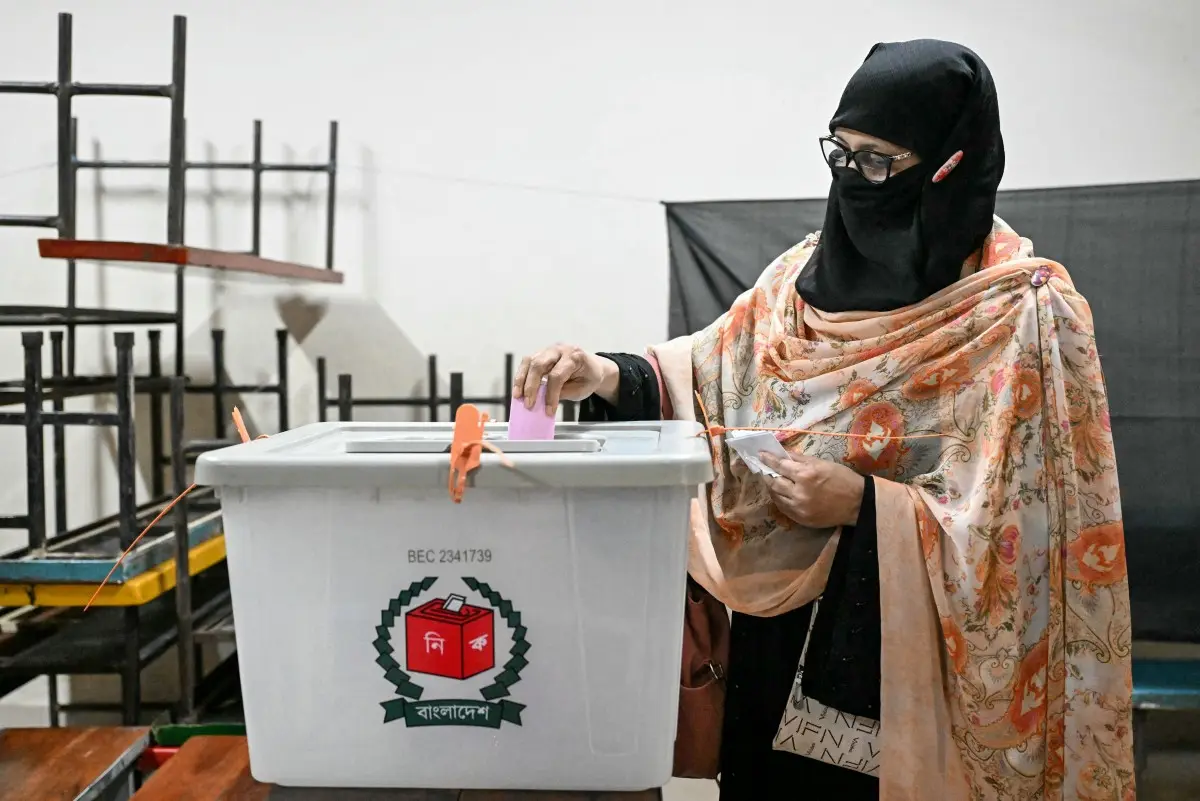
What we know about the polls and referendum?
While the polls will replace Muhammad Yunus-led interim administration, the referendum will make it mandatory for upcoming governments to constitutionally recognise students and leaders of July 2024 uprising. It proposes creation of a bicameral legislature and limit the term of the PM. It proposes to make the charter legally binding.
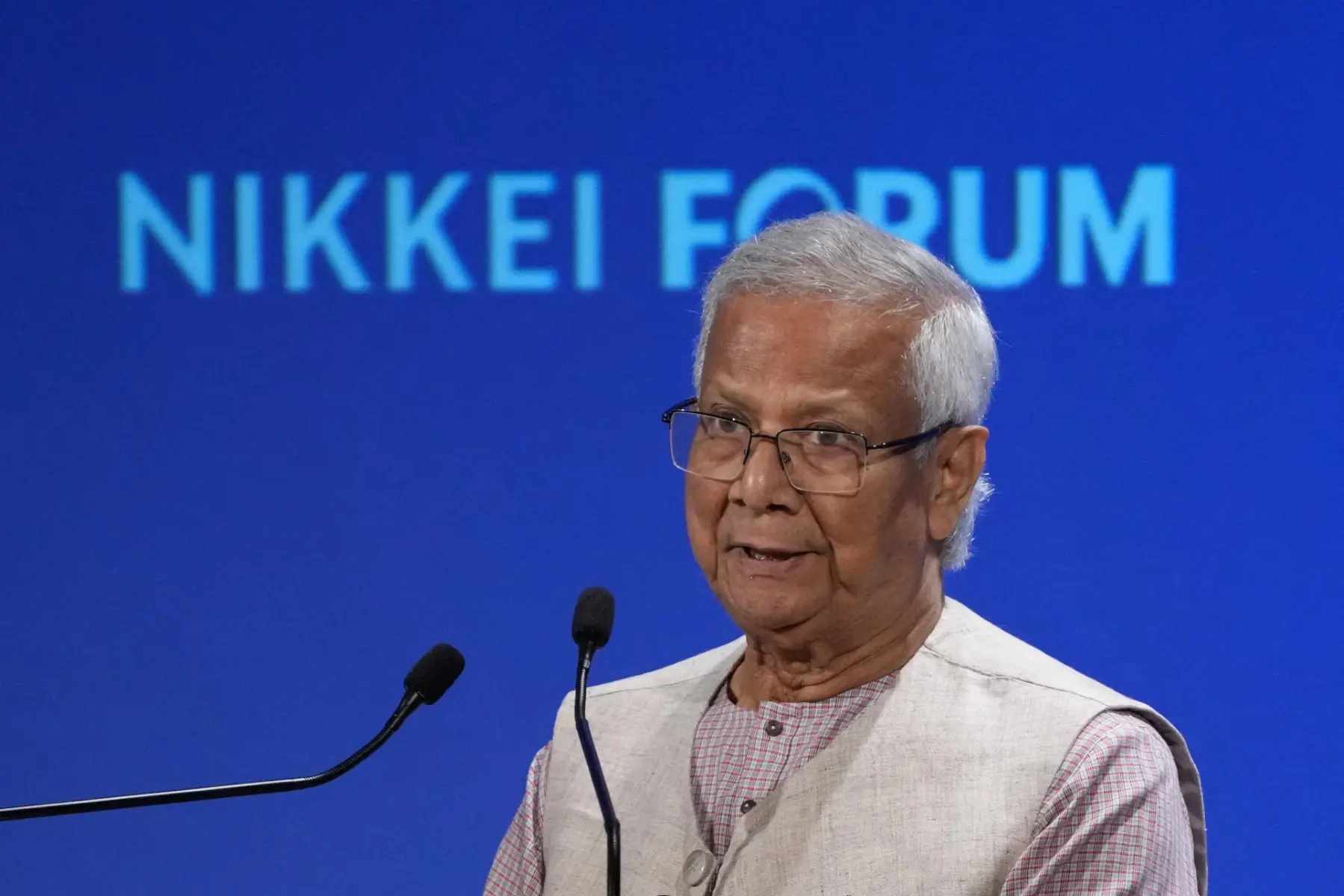
Can Yunus continue to rule Bangladesh if he secures 'Yes' on referendum?
Yunus has ruled out any talks that suggest that he will continue as the head of the country after the polls or seek a new political role for himself. He views his position as an interim "guardian of the transition" rather than a candidate for office. Reports even suggest that once the new government is sworn in, Yunus intends to return to his work at the Yunus Centre.
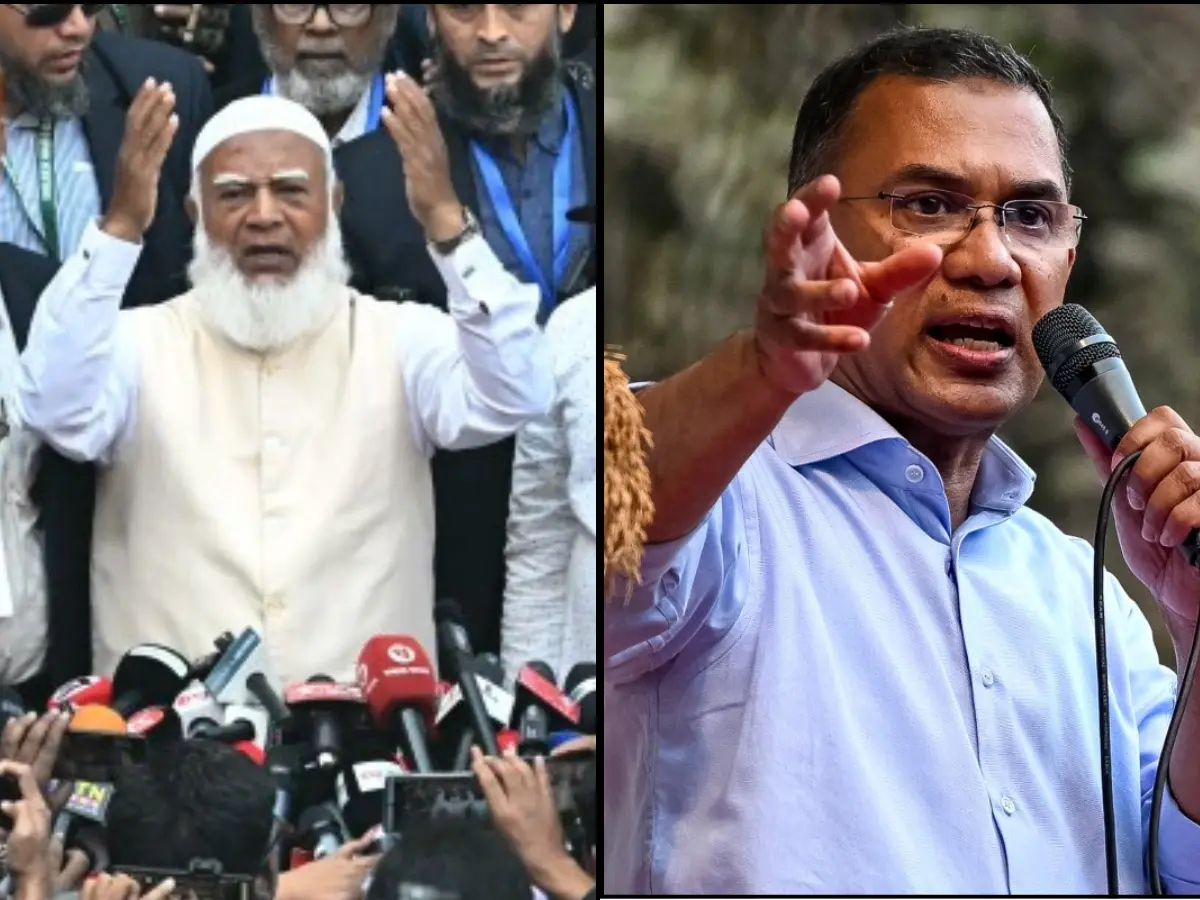
Who are the frontrunners?
BNP leader Tarique Rahman, son of late former PM Khaleda Zia is being seen as the frontrunner. He has returned from 17 years of exile. Several opinion polls have showed 30-40 per cent support for BNP at and 20-30 per cent for Jamaat-e-Islami coalition. Jammat's PM-face is Shafiqur Rahman, who is also the chief of the Islamist party. While Tarique Rahman is riding on the sympathy wave of the death of her mother and first woman PM of Bangladesh - Begum Khaleda Zia -, Jamaat enjoys support of GenZ voters and has stitched an alliance with 11 parties including the National Citizen Party (NCP) that finds its beginning in the 2024 uprising against Hasina.
)
)
)
)
)