Pay to Sail? Iran mulling new law to impose tolls on ships seeking safe passage through Strait of Hormuz

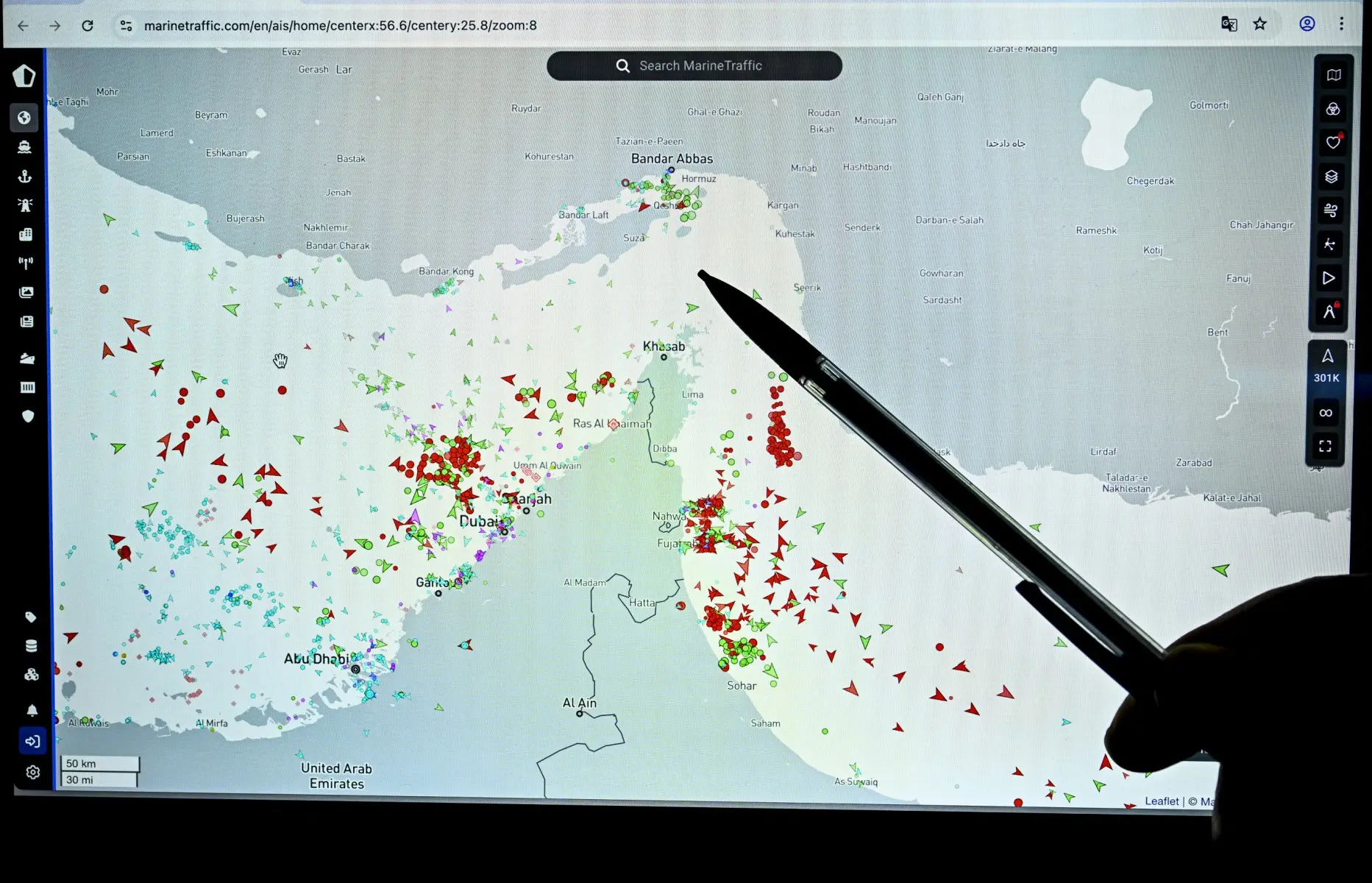
Shipping activity has been severely limited since the strikes began, with only a few vessels, primarily linked to Iran or China, receiving clearance from the Islamic Revolutionary Guard Corps.
Iran Prepares Toll Legislation
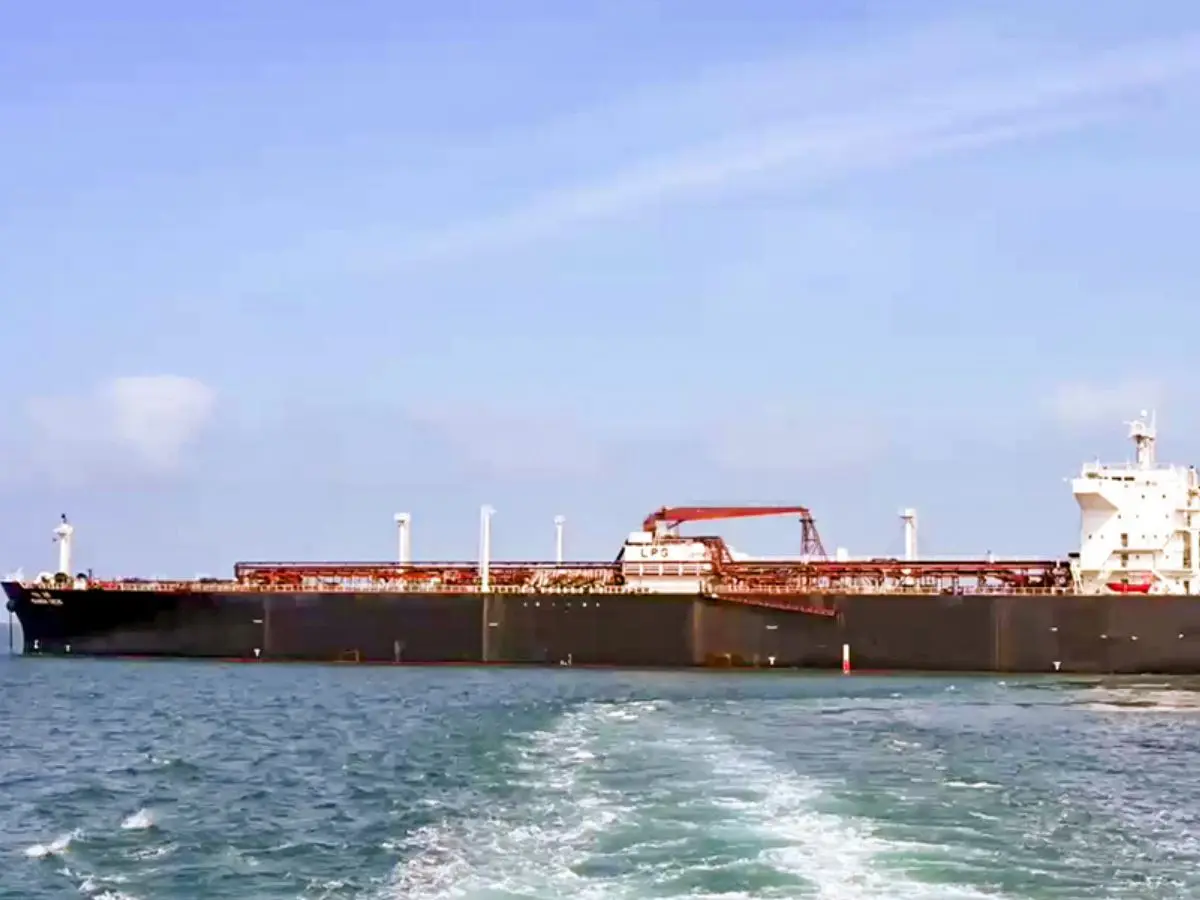
Iran is drafting legislation to introduce toll charges on vessels passing through the Strait of Hormuz, according to the Iranian news agency Fars, as reported by the Associated Press. The proposed move would formally recognise Iran’s authority over the strategic waterway, a critical route linking Persian Gulf oil and gas producers to global markets.
'We provide its security..'
Fars and Tasnim news agencies, both closely aligned with Iran’s paramilitary Revolutionary Guard, quoted lawmaker Mohammadreza Rezaei Kouchi as saying that parliament is working to formalise a mechanism to charge ships for transit, effectively allowing authorities to collect fees from vessels seeking safe passage through the strait, wrote AP. “We provide its security, and it is natural that ships and oil tankers should pay such fees,” Kouchi was quoted as saying, underlining Tehran’s justification for the proposed charges.
Conflict Context
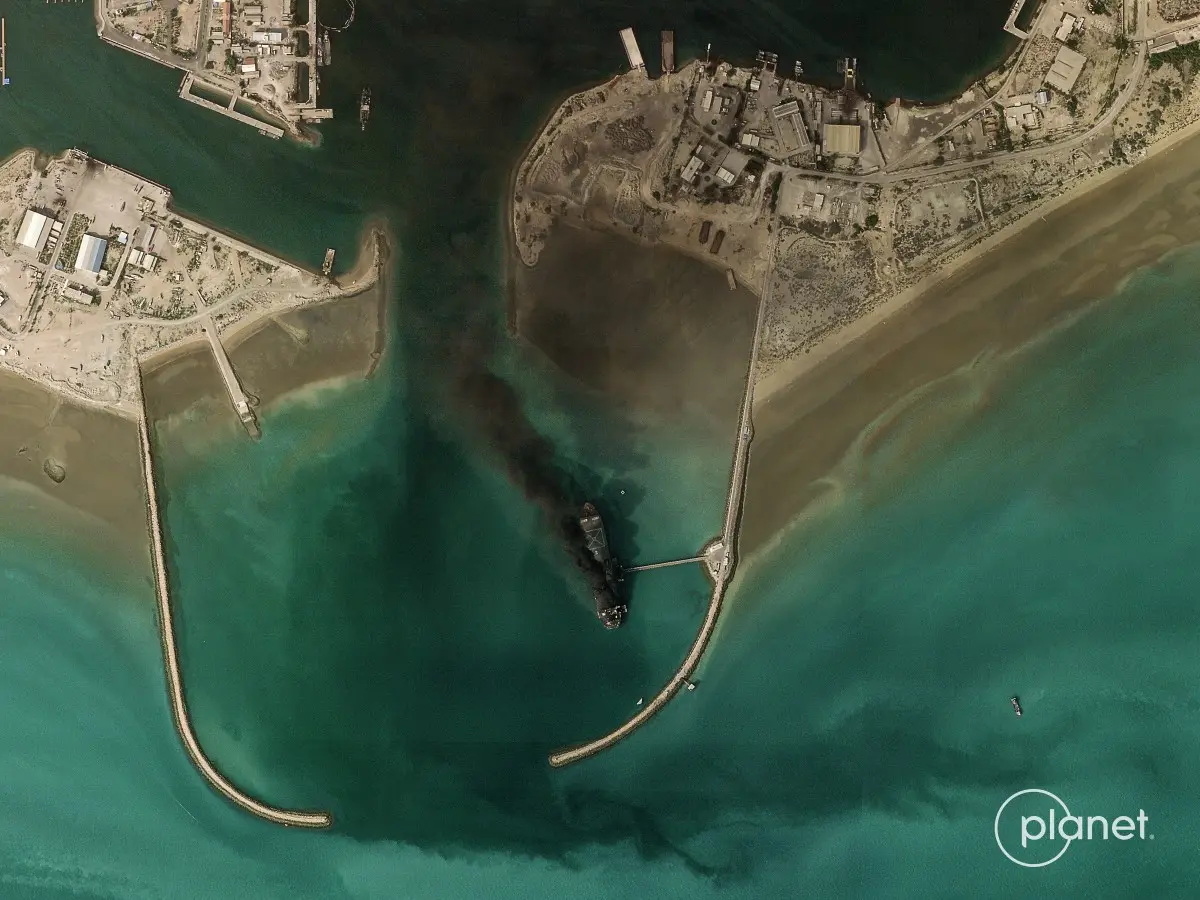
The legislation comes amid the ongoing US–Israel–Iran conflict, now entering its 27th day. The Israeli military reported that air defences responded to missile attacks from Iran on Thursday, leaving six people lightly wounded, according to AFP. Shipping activity has been severely limited since the strikes began, with only a few vessels, primarily linked to Iran or China, receiving clearance from the Islamic Revolutionary Guard Corps.
Assuring Safe Passage
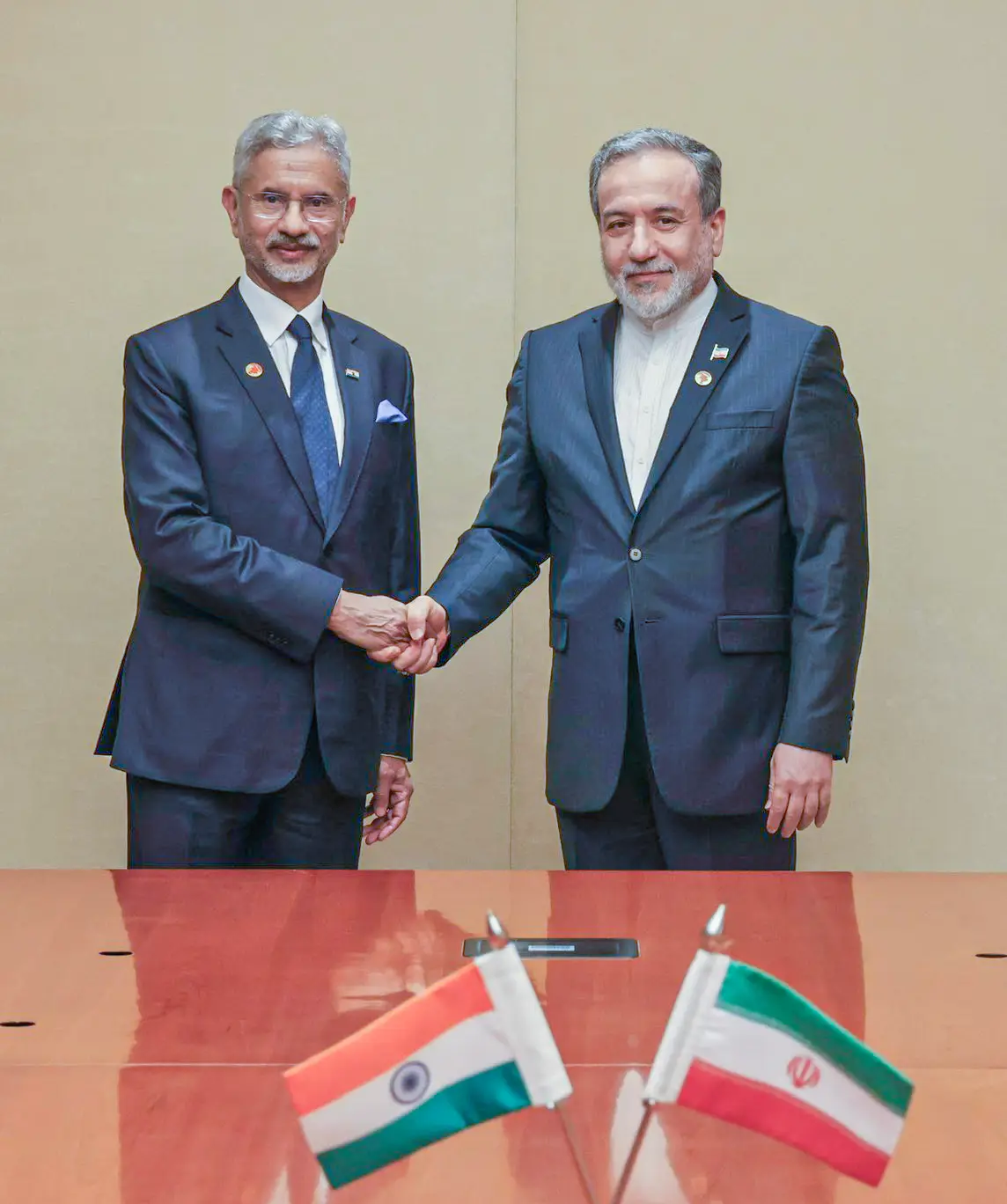
Earlier, Iranian Foreign Minister Abbas Araghchi had told state television that the Strait of Hormuz remains open for certain countries. “Many of the shipowners, or the countries that own these vessels, have contacted us and requested that we ensure their safe passage through the strait. For some of these countries that we consider friendly, our armed forces have provided safe passage,” he said, citing India, China, Russia, Pakistan and Iraq as examples.
International Notifications
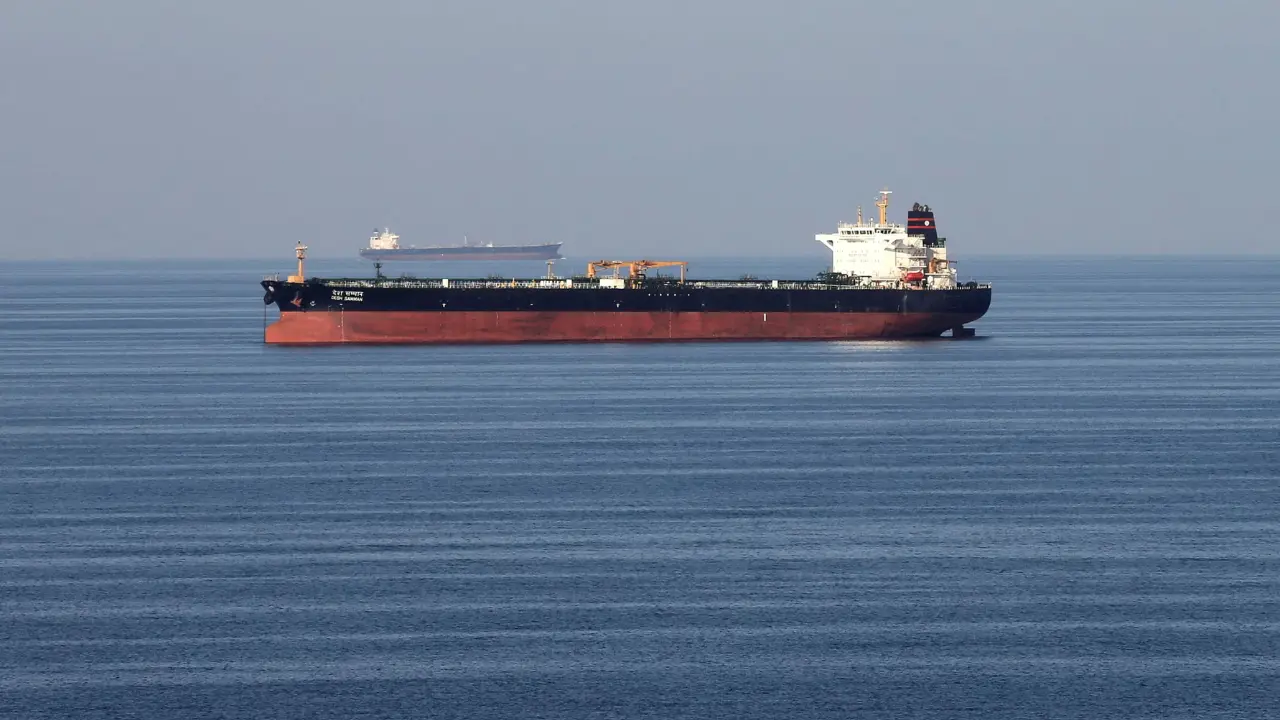
On Wednesday, Iran informed the United Nations Security Council and the International Maritime Organization that “non-hostile vessels” could transit the Strait if they coordinate with Iranian authorities. The note emphasised that vessels must not participate in or support acts of aggression against Iran and comply with declared safety regulations to benefit from safe passage.
Existing Informal System
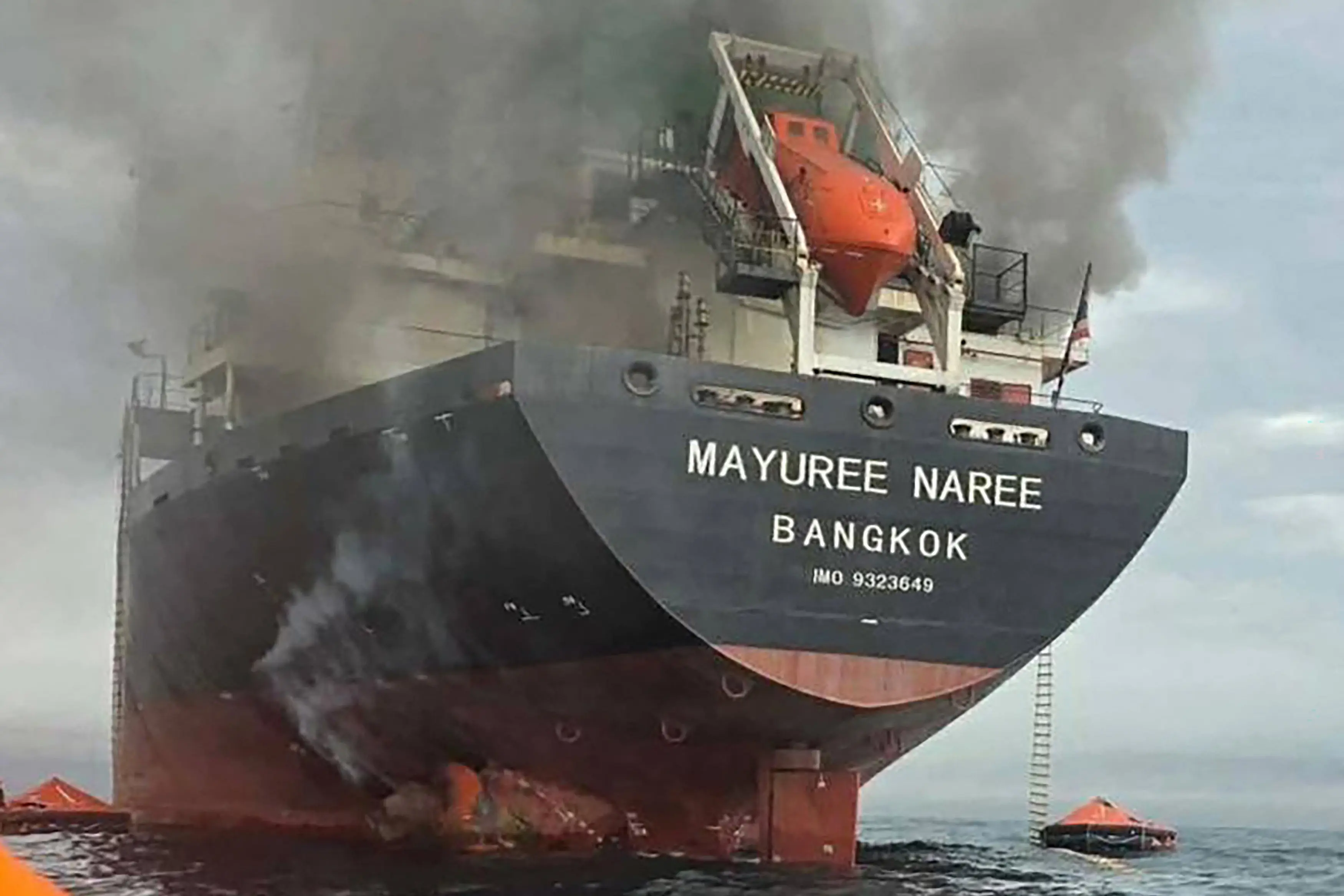
Reports from the shipping industry suggest an informal toll system is already in place, with some operators asked to share crew and cargo details and, in certain cases, pay up to $2 million for passage. The draft bill would formalise this arrangement, providing legal backing for Iran’s control of the strait.

International Law Considerations
Earlier on Tuesday, India’s shipping ministry dismissed reports of any proposed toll or levy on vessels transiting the Strait of Hormuz, describing such claims as “baseless” and reiterating that the vital maritime passage is governed by international conventions guaranteeing freedom of navigation. This statement followed a response from the Embassy of Iran in India on Monday, which officially denied reports of imposing $2 million charge on vessels navigating the strait.
Alternatives and Challenges
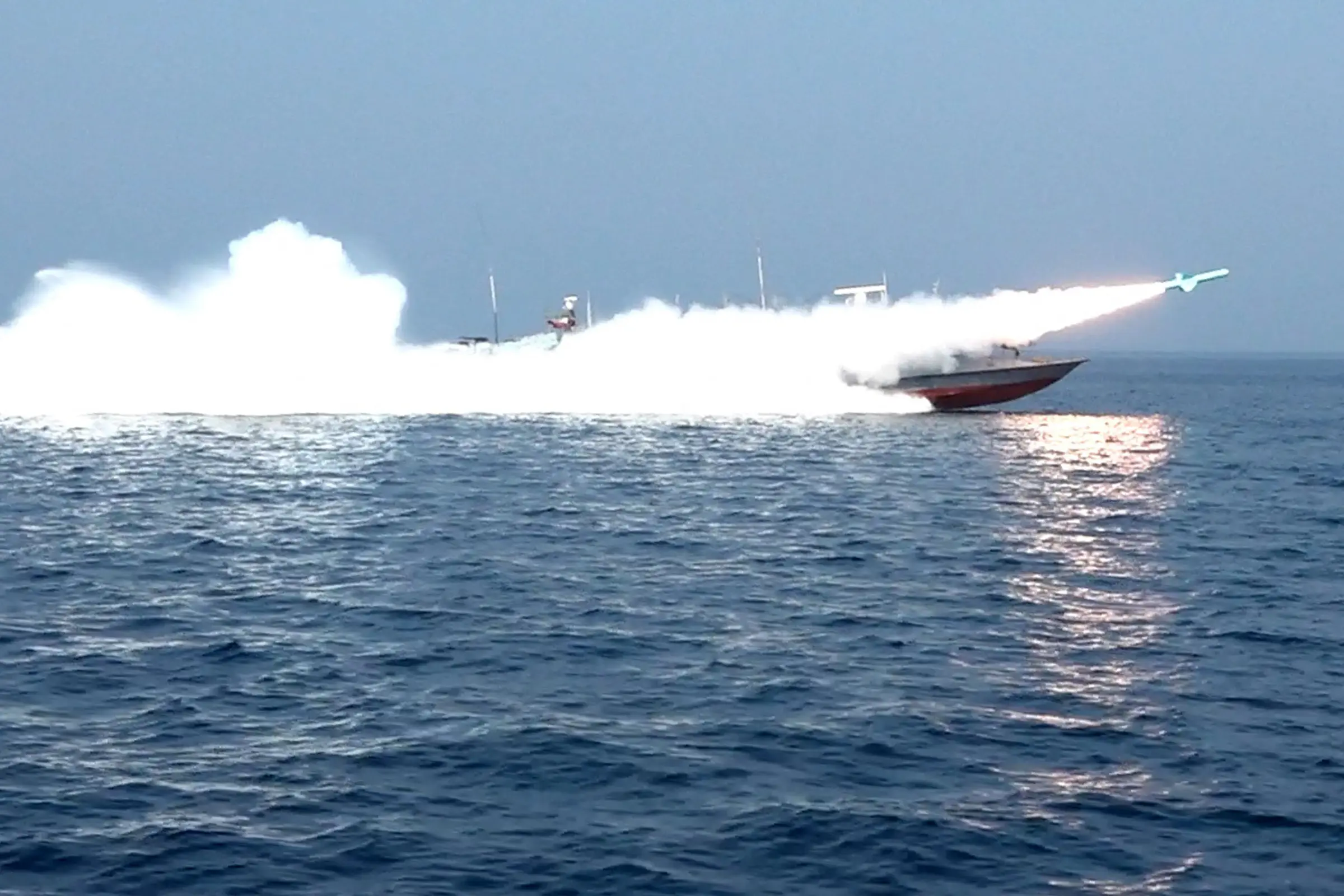
Alternative routes, such as the Bab el-Mandeb Strait in the Red Sea, carry their own risks, including threats from Iranian proxies. The Strait of Hormuz, narrowing to 25 miles at its tightest point, presents logistical and security challenges for reopening, including mine clearance, naval escorts, and air surveillance.
)
)
)
)
)