'No SIM card slot': Apple iPhone Air only comes with eSIM option! Here’s why

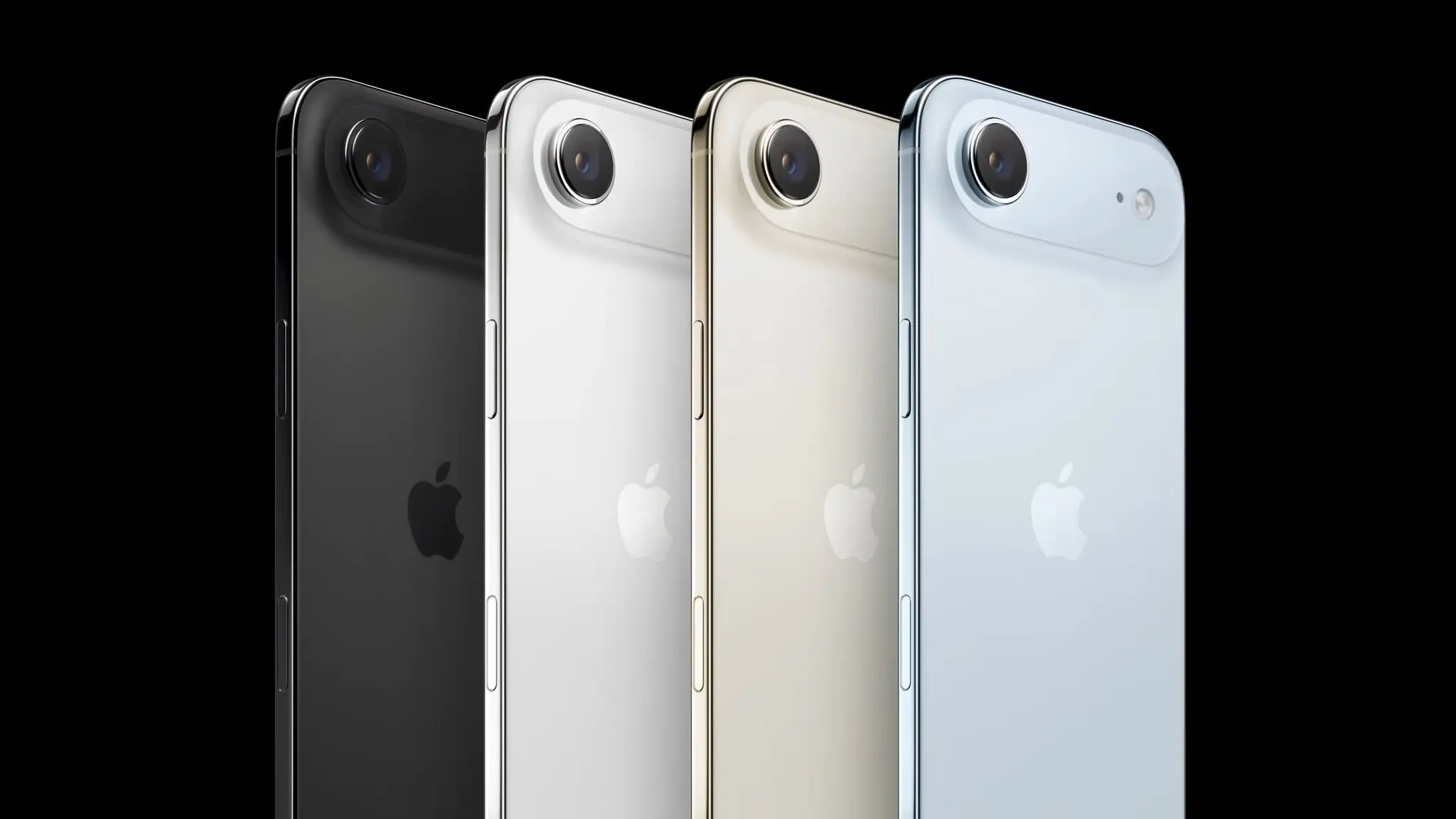
Apple has eliminated the SIM card tray in its newly announced iPhone Air, making it the company’s first iPhone to work exclusively with eSIM. The decision reflects both technological and design choices that shape the future of mobile connectivity.
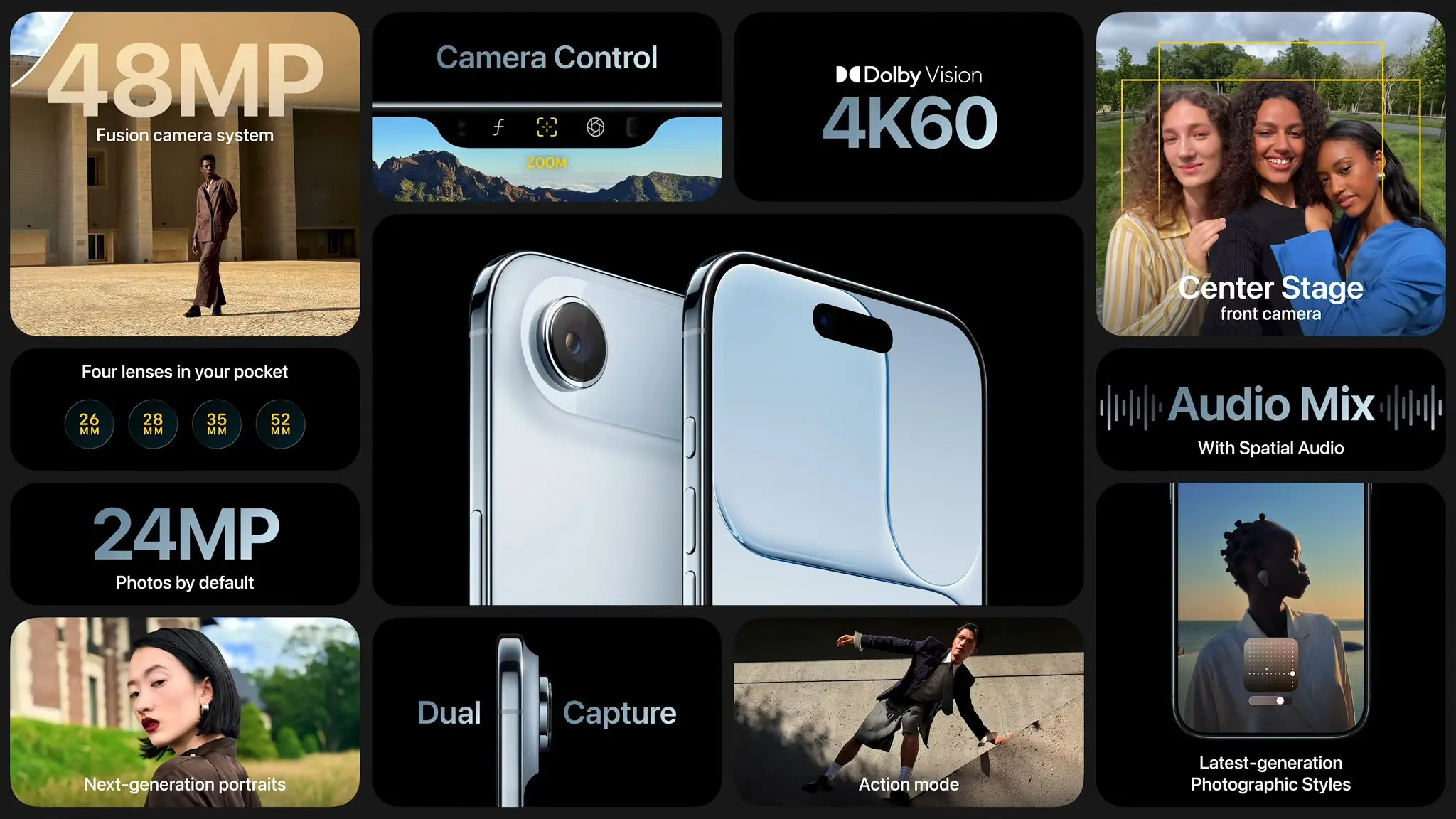
eSIM-only design
The iPhone Air ships without a physical SIM slot. Users can only activate their device through a digital eSIM profile provided by a mobile operator, making the change mandatory rather than optional.
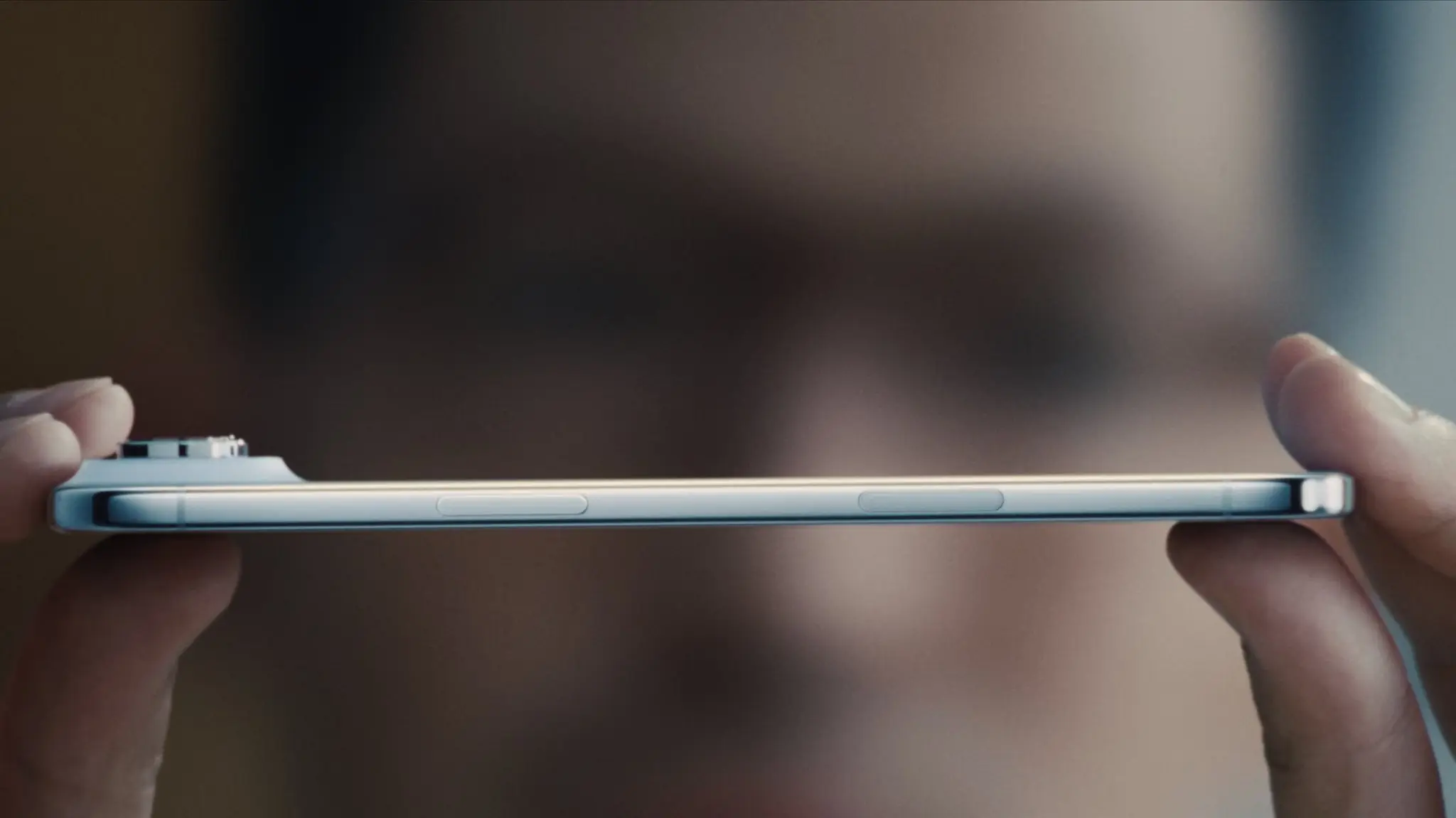
Internal space for other components
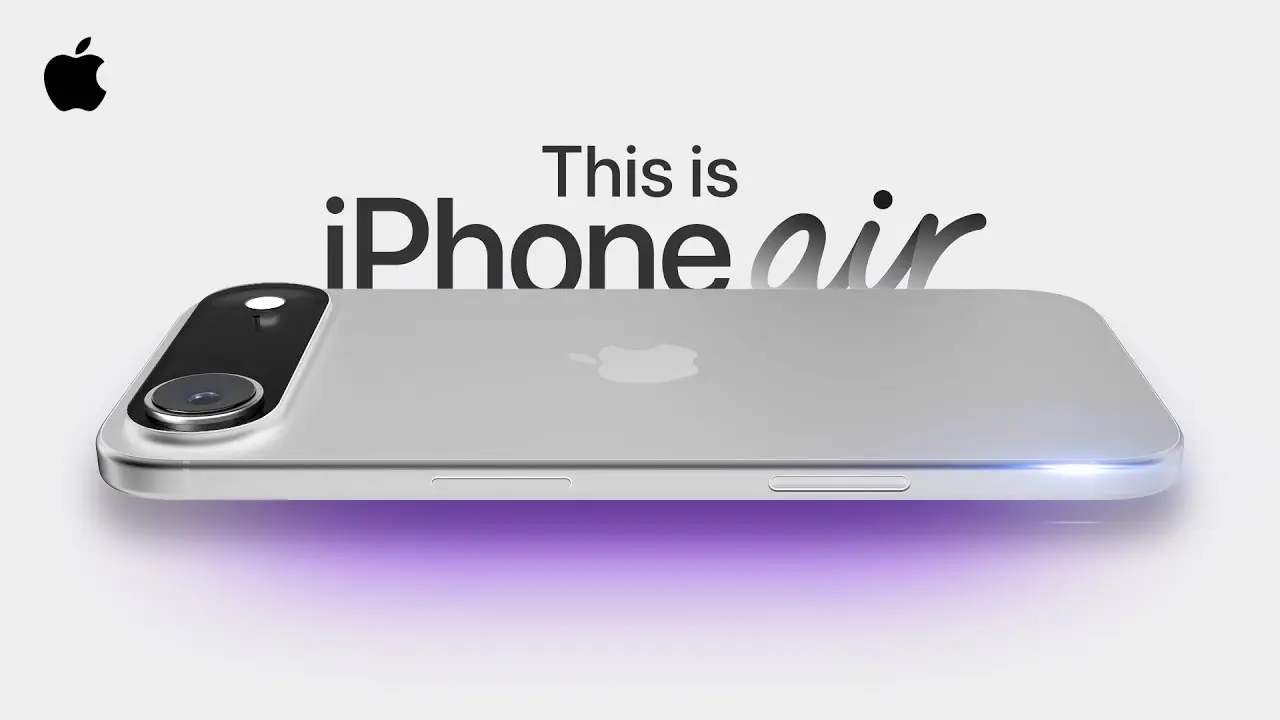
By removing the tray, Apple freed up internal space within the already slim 5.6 mm body. That space has been used for a larger high-density battery and the placement of Apple’s custom chips and modules.
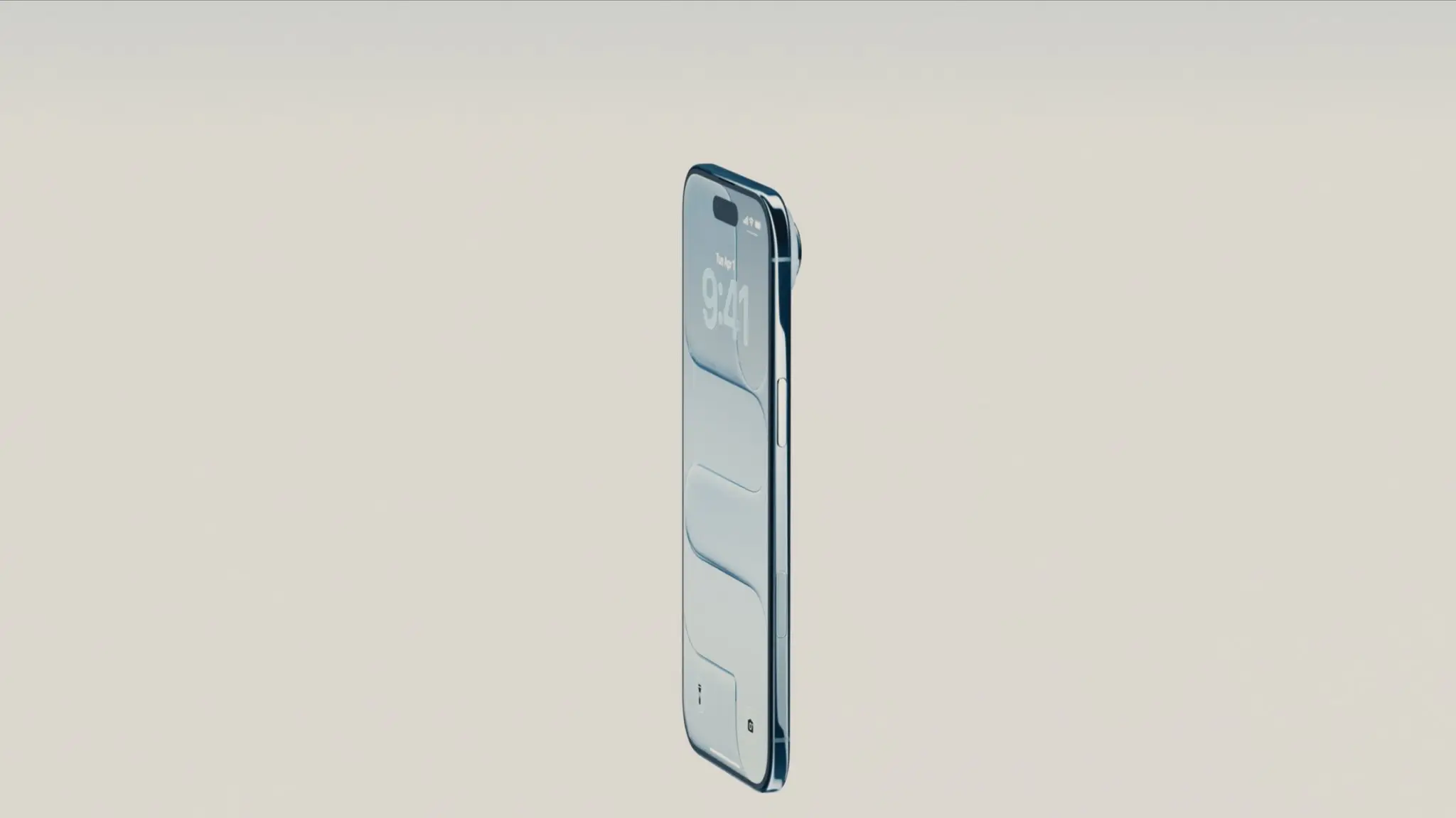
Security advantage
Unlike a physical SIM, an eSIM cannot be physically removed. This makes it harder for thieves to disable mobile connectivity, improving the chances of locating and recovering a stolen device.
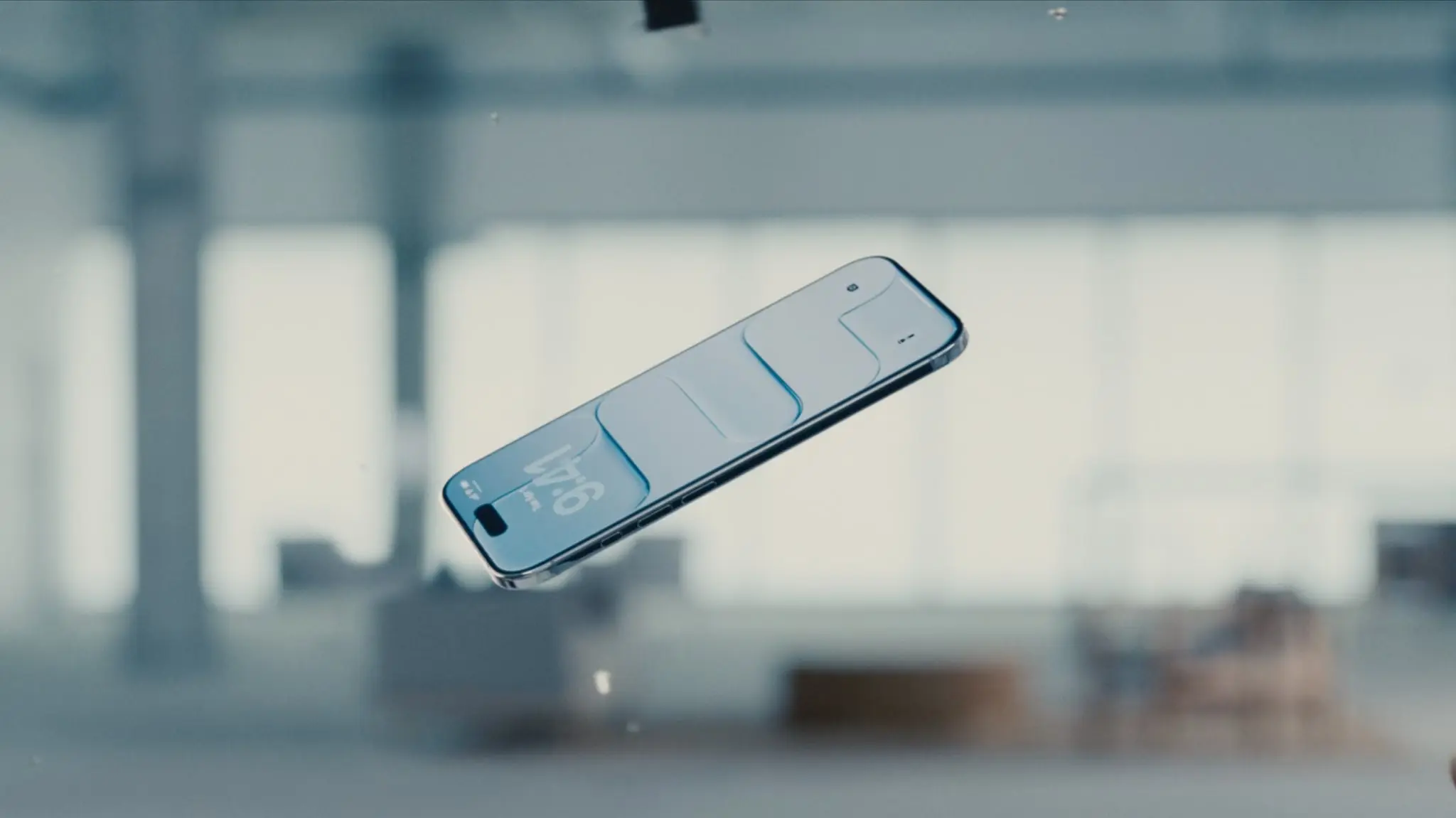
Simplified activation process
Setting up a new iPhone with eSIM does not require inserting a card. Instead, users scan a QR code or transfer their number digitally, which Apple says reduces setup time and avoids the need for store visits.
International use
Most major operators worldwide now support eSIM. Travellers can purchase local data plans digitally and activate them instantly, removing the need to find or carry physical SIM cards abroad.
Durability improvement
With one less port, iPhone Air has fewer openings in its frame. This reduces potential entry points for dust and water, which contributes to the overall durability of the phone.

A signal of industry change
Apple’s decision suggests that physical SIM cards may eventually disappear across the industry. By moving entirely to eSIM in a flagship device, Apple is signalling where the future of mobile connectivity is heading.
)
)
)
)
)