‘No safe passage’: Did Iran lose track of its own mines in the Strait of Hormuz?

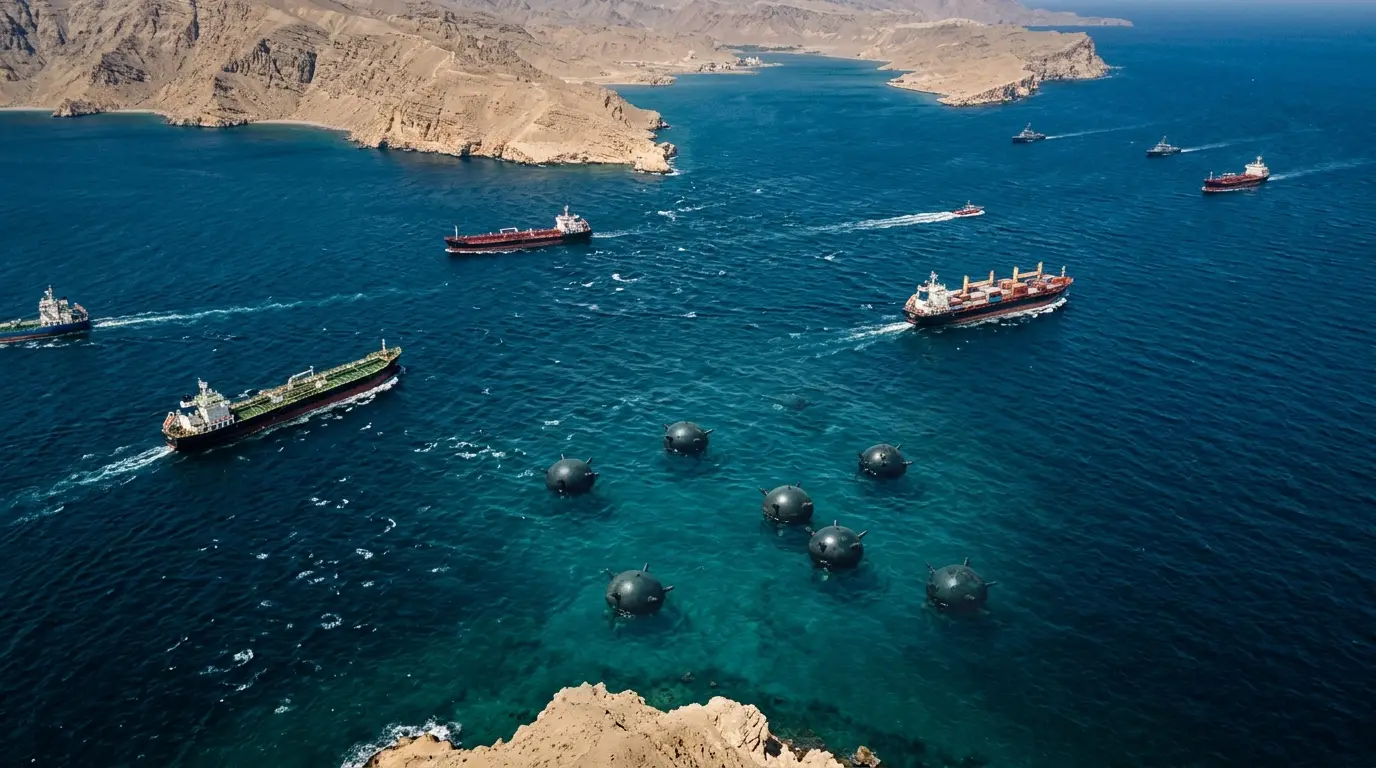
Iran's strategic attempt to blockade the Strait of Hormuz has severely backfired, creating a deadly hazard for global maritime trade. With a significant portion of the world's oil passing through this critical chokepoint.
A Blockade Backfires
Iran's strategy to choke off the Strait of Hormuz has hit a critical failure point. According to US officials speaking to The New York Times, Iranian forces can no longer locate or safely remove all the naval mines they deployed. This severe miscalculation leaves one of the world's most vital shipping lanes highly dangerous for commercial vessels.
The Mapping Failure
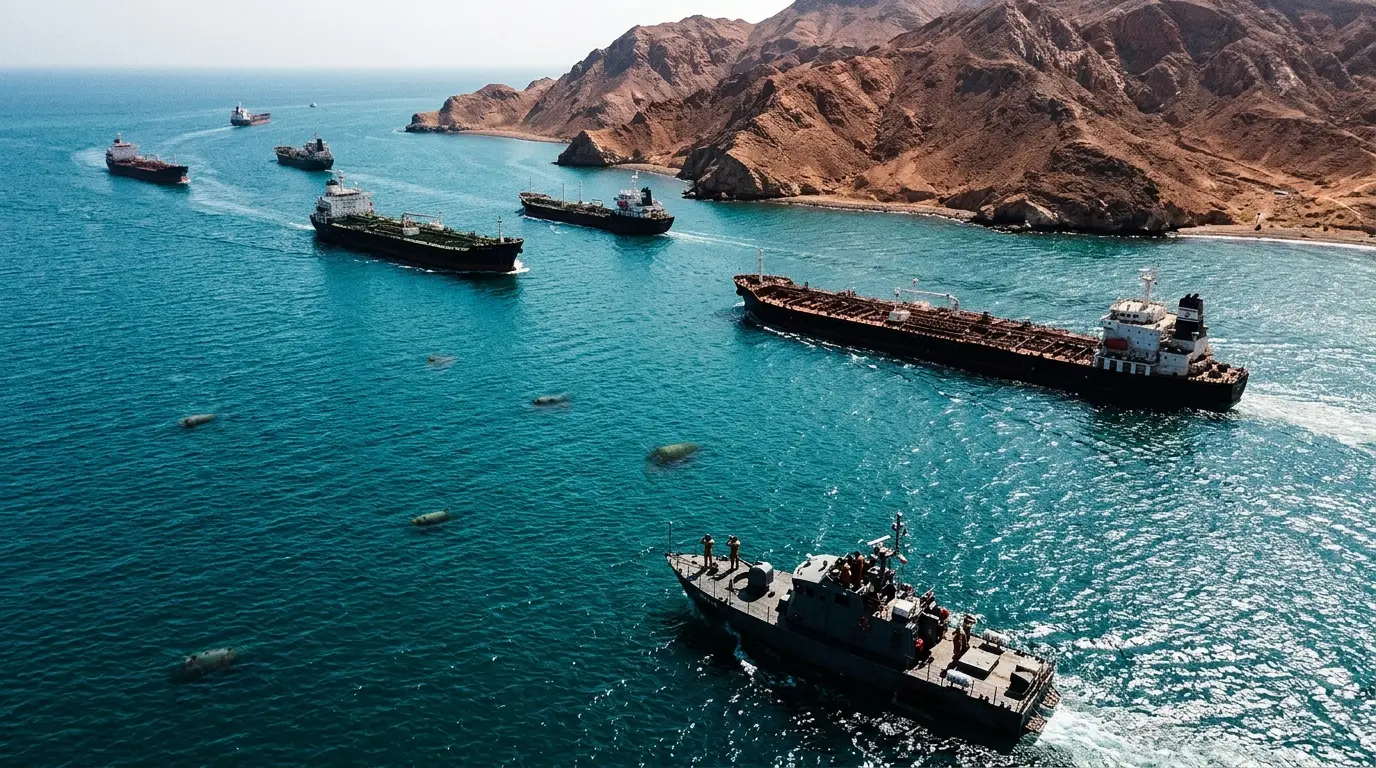
Safely clearing a minefield requires highly precise deployment mapping and advanced GPS tracking. US intelligence indicates that Iranian naval units suffered from poor initial mapping, meaning they lack the exact coordinates for hundreds of explosive devices. Consequently, quickly returning the strait to normal shipping operations remains highly unlikely.
Drifting Devices
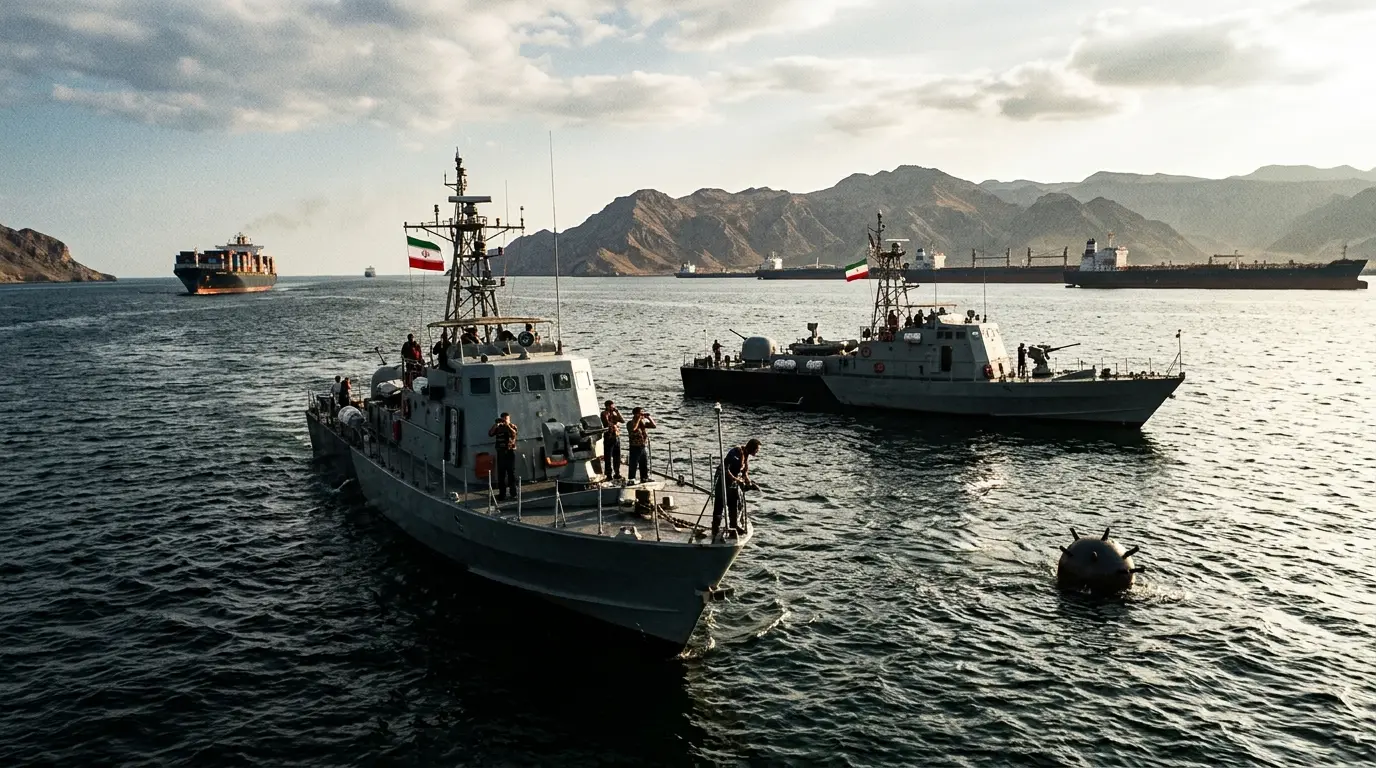
The maritime crisis is worsened by the volatile, unpredictable currents of the Persian Gulf. Many of the Iranian explosive devices have broken free from their initial moorings and are now actively drifting throughout the strategic waterway. These rogue mines pose an indiscriminate threat to military warships and civilian oil tankers alike.
The Islamabad Negotiations
This maritime disaster is now the absolute focal point of high-stakes diplomatic talks in Islamabad. Negotiators are directly linking the safe reopening of the commercial shipping route to any potential pause in regional hostilities. However, the physical reality of the uncleared mines severely complicates these delicate ceasefire discussions.
Washington Demands Action
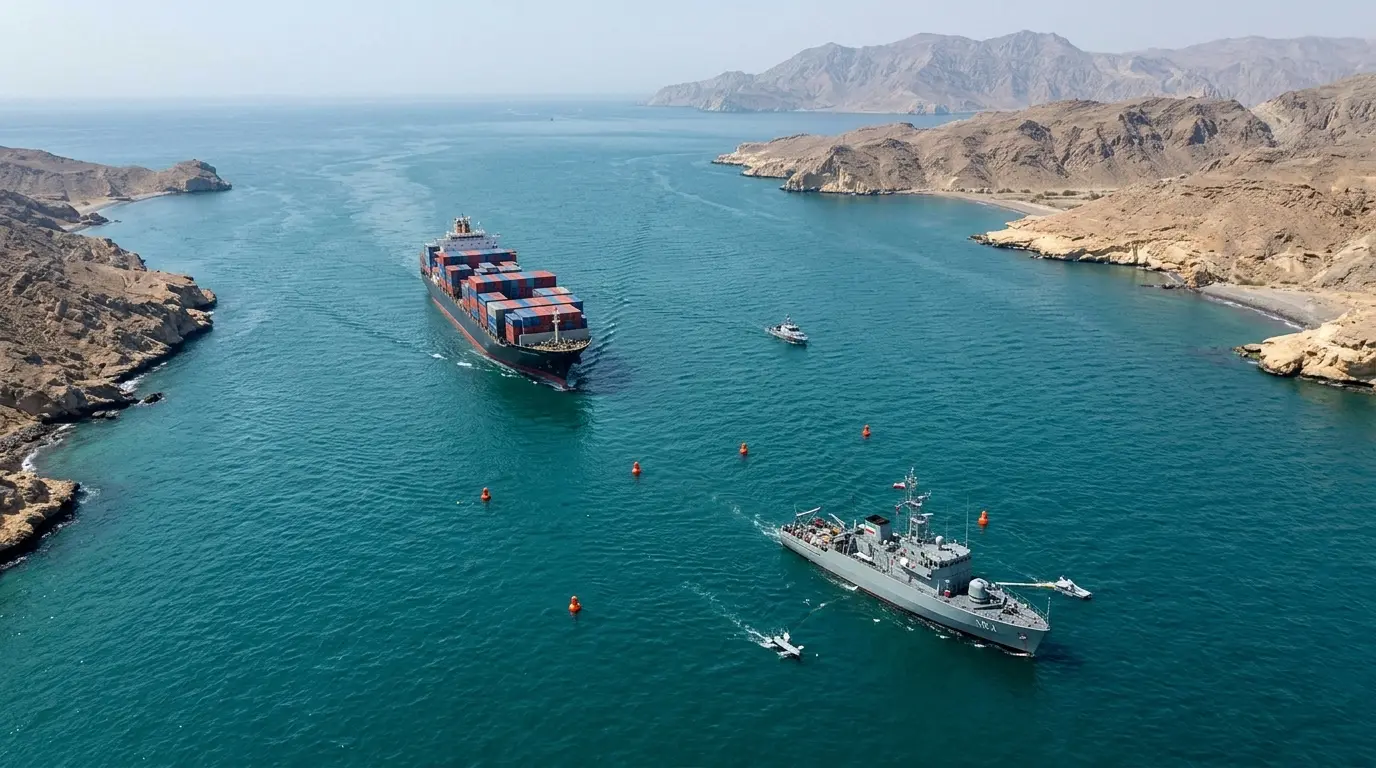
The United States is urgently pressing Tehran to reopen the chokepoint to allow international maritime traffic to resume safely. US officials argue that the blockade artificially inflates global energy prices and illegally restricts the freedom of navigation. Washington insists that Iran must bear the responsibility for clearing the lethal hazard it created.
Iran's 'Technical Limitations'
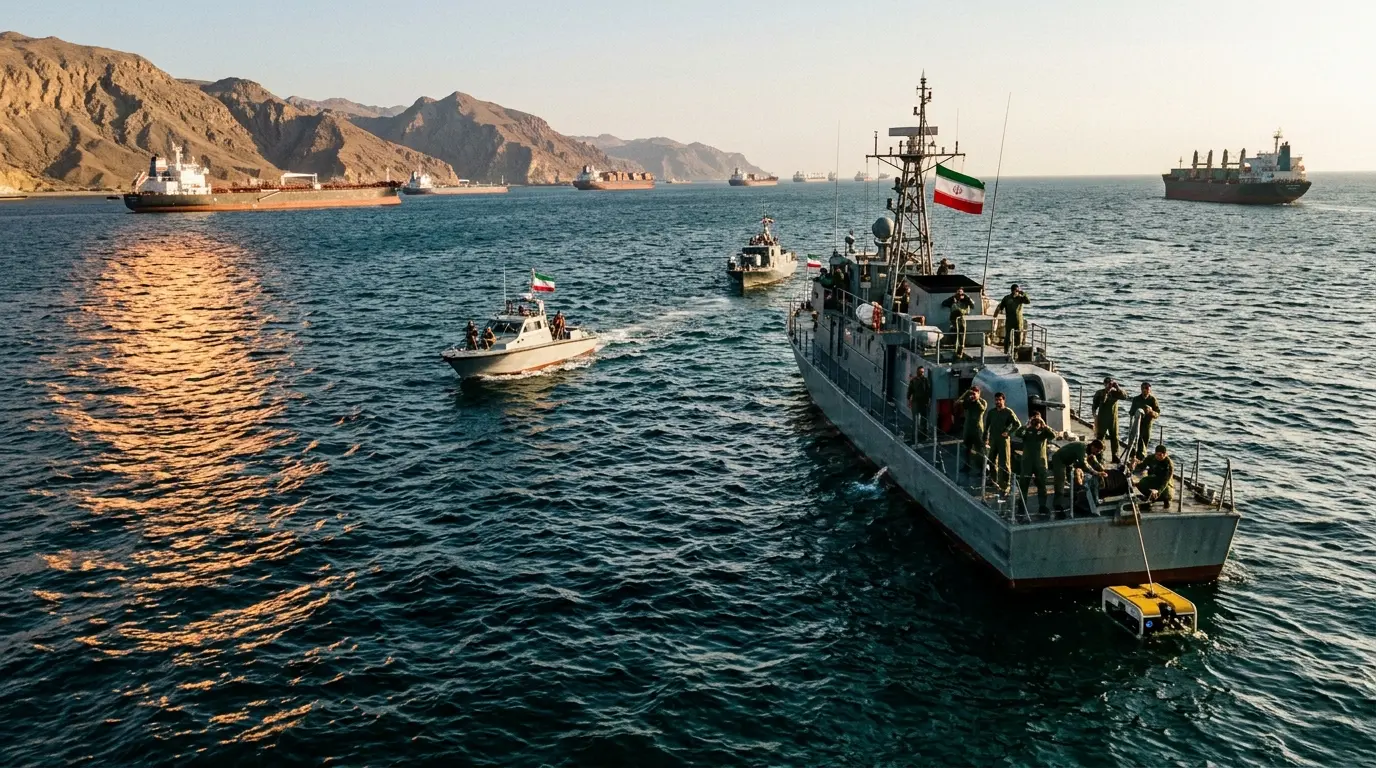
In response to international pressure, Tehran has admitted that increasing shipping traffic would face immediate "technical limitations". US intelligence analysts view this specific phrasing as a clear admission of failure. It strongly signals Iran's total inability to clear the heavily mined waters at the necessary scale.
A Threat to Global Oil
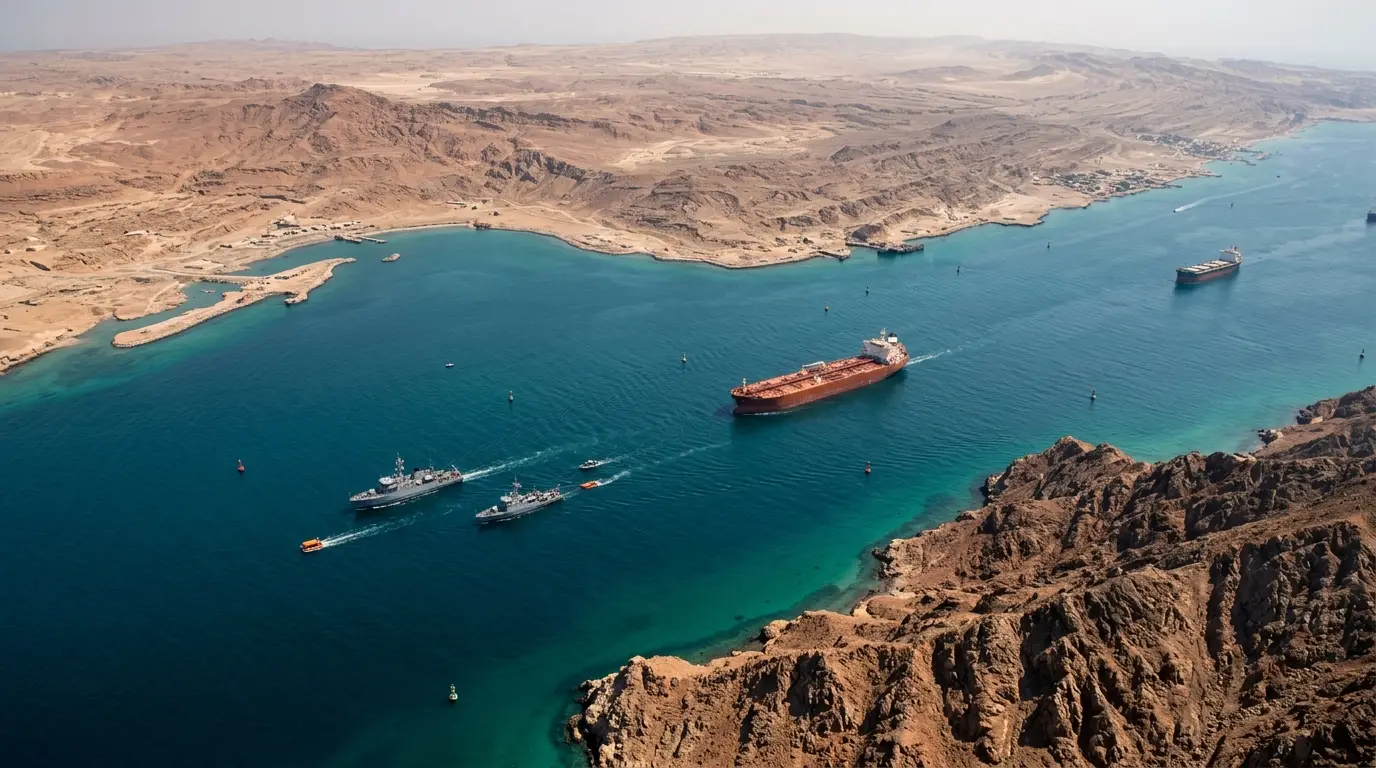
Roughly 20 per cent of the world's total oil consumption passes through the narrow Strait of Hormuz daily. Until specialised Western or allied mine-countermeasure fleets arrive to sweep the waters, millions of barrels remain trapped. This invisible underwater threat continues to hold global energy markets in a precarious chokehold.
)
)
)
)
)