‘No pilot, no runway’: Inside the world’s first AI-powered vertical take-off fighter jet

The system marks a turning point in military aviation, merging artificial intelligence, autonomy, and flexibility to enable combat operations in locations that would have been inaccessible to traditional aircraft.
A New Era in Air Combat
Aviation history has entered a new phase with the unveiling of what is claimed to be the world’s first fully autonomous vertical take-off and landing (VTOL) fighter jet. Developed by American defence technology company Shield AI, the aircraft is designed to fly without a pilot and without the need for a conventional runway. The system marks a turning point in military aviation, merging artificial intelligence, autonomy, and flexibility to enable combat operations in locations that would have been inaccessible to traditional aircraft.
Design and Development
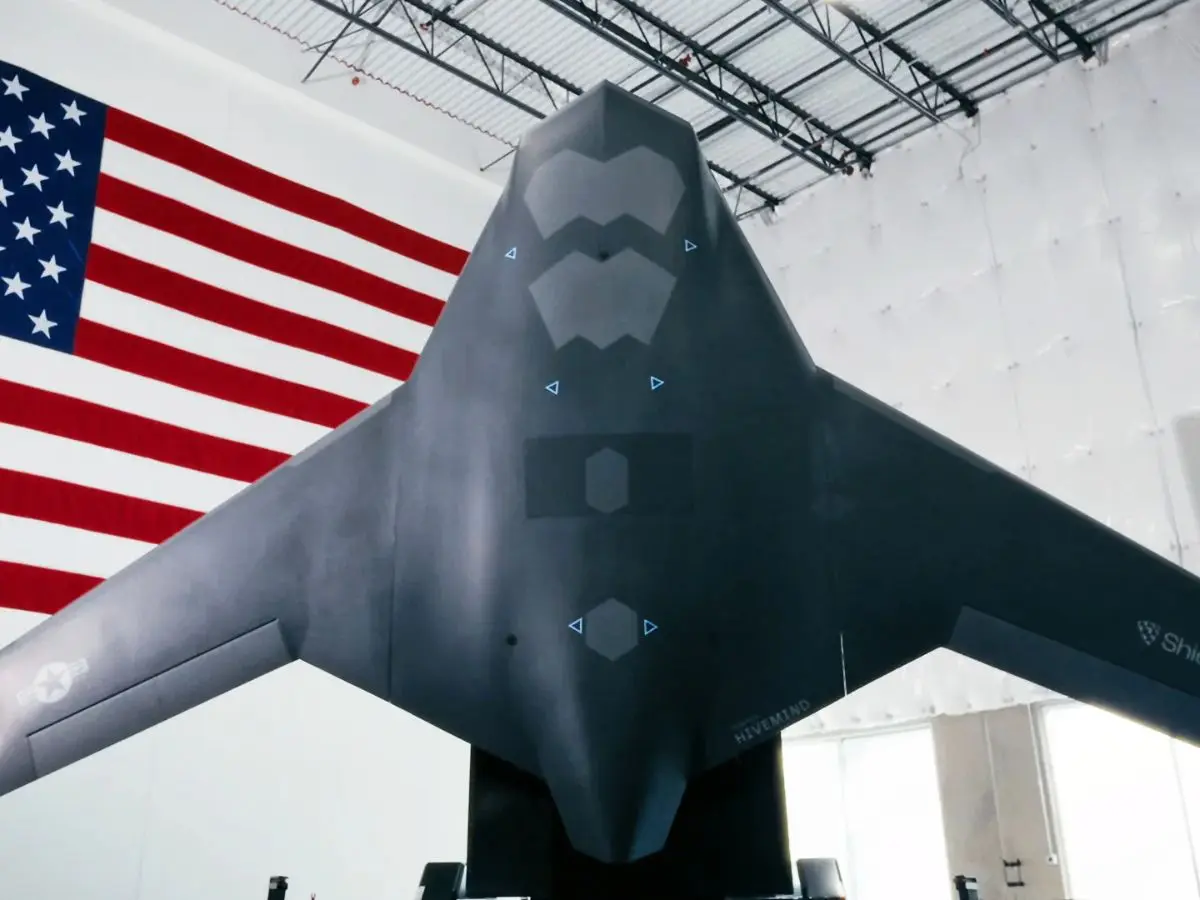
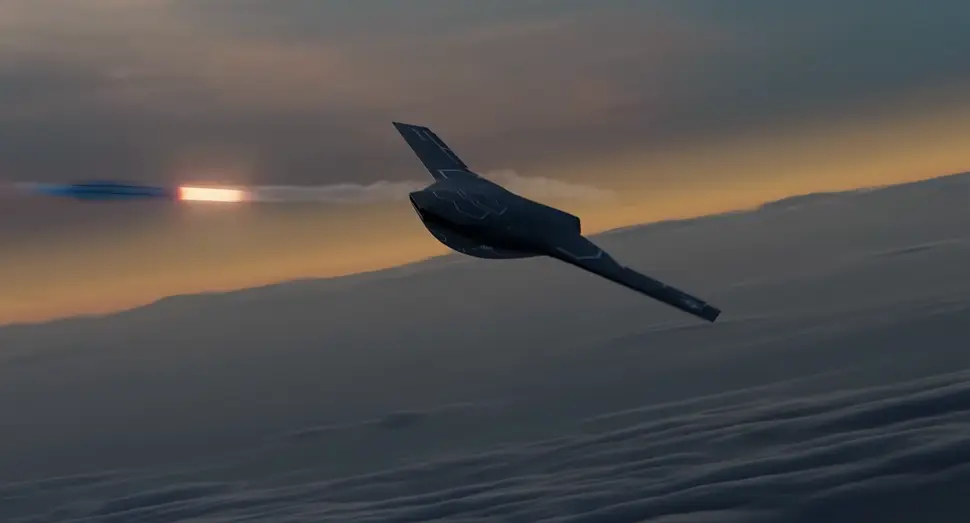
The fighter jet, named the X-BAT, is built around Shield AI’s 'Hivemind' artificial intelligence system, which allows the aircraft to operate independently even in environments where GPS and communications are denied. Its design combines the capabilities of vertical take-off with the reach and speed of a high-performance fighter, enabling it to perform multiple roles, from reconnaissance to strike missions. Development reportedly began several years ago, with the company planning operational readiness within the next few years.
Technical Capabilities
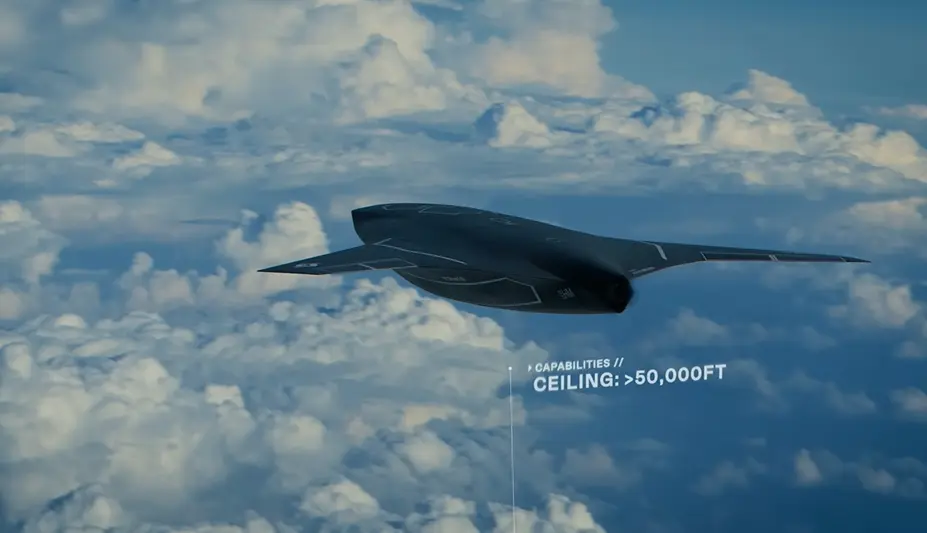
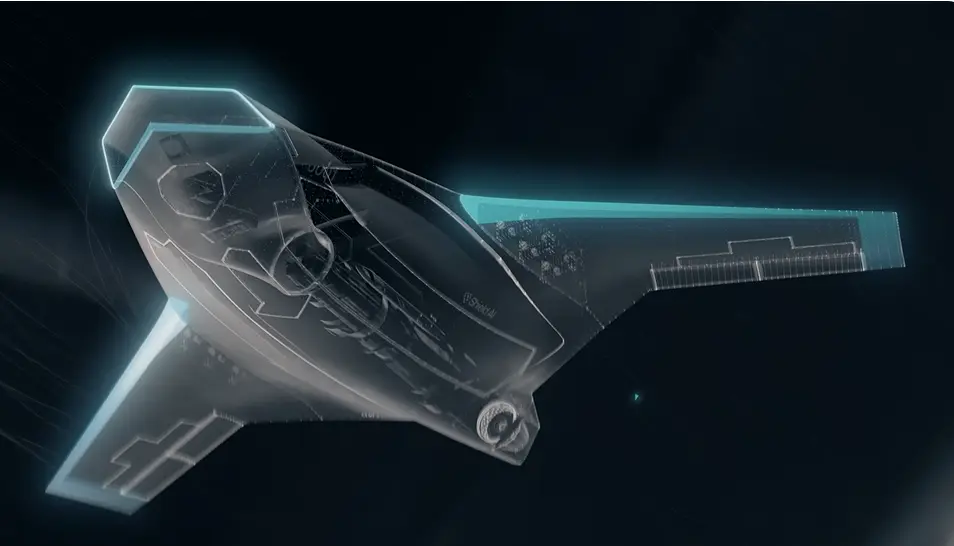
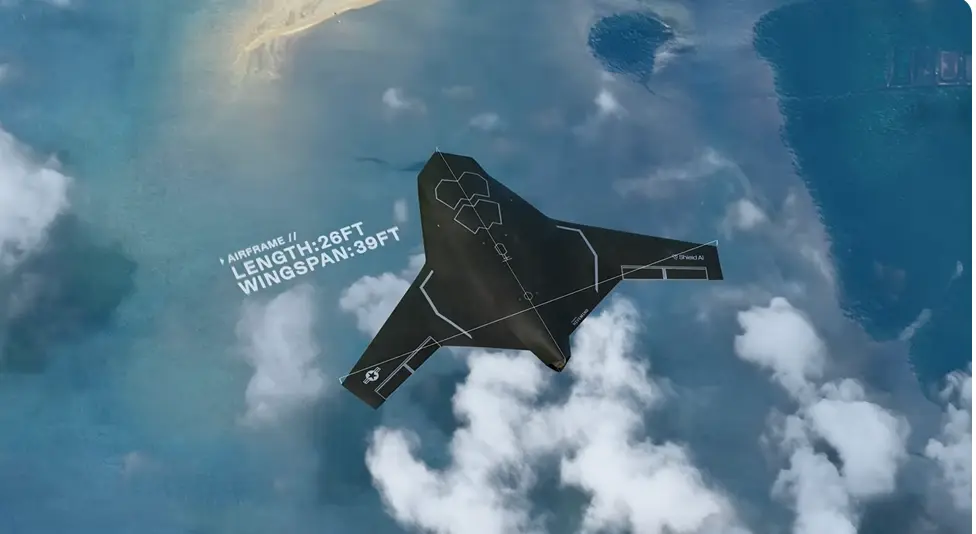
The X-BAT is a compact yet powerful aircraft, featuring a wingspan of just under 12 metres and a ceiling above 50,000 feet. It can cover more than 2,000 nautical miles and carry a substantial payload internally or on external hardpoints. The aircraft supports a range of missions, including strike, counter-air, intelligence gathering, and electronic warfare. With its modular design and AI-driven systems, it can adapt to varied operational requirements with minimal human oversight.
Runway Independence
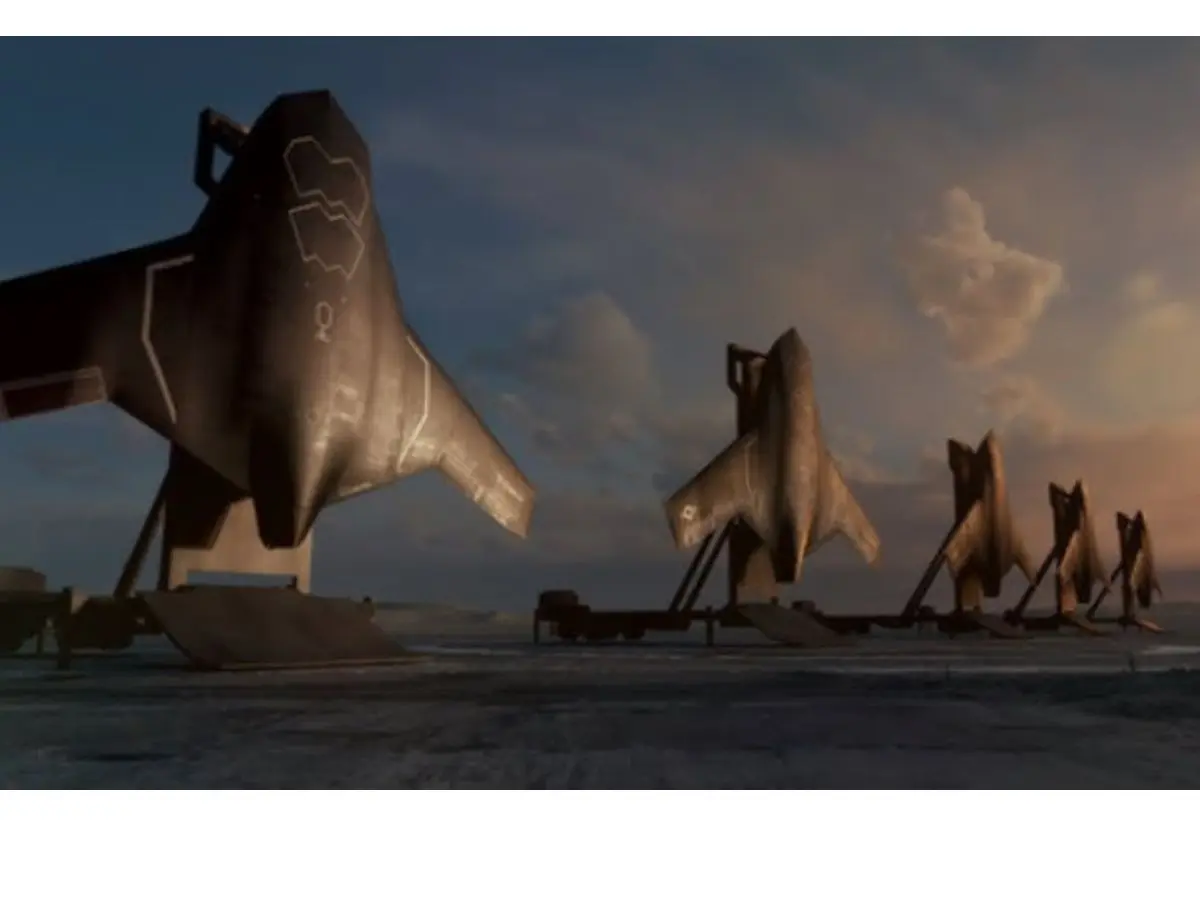
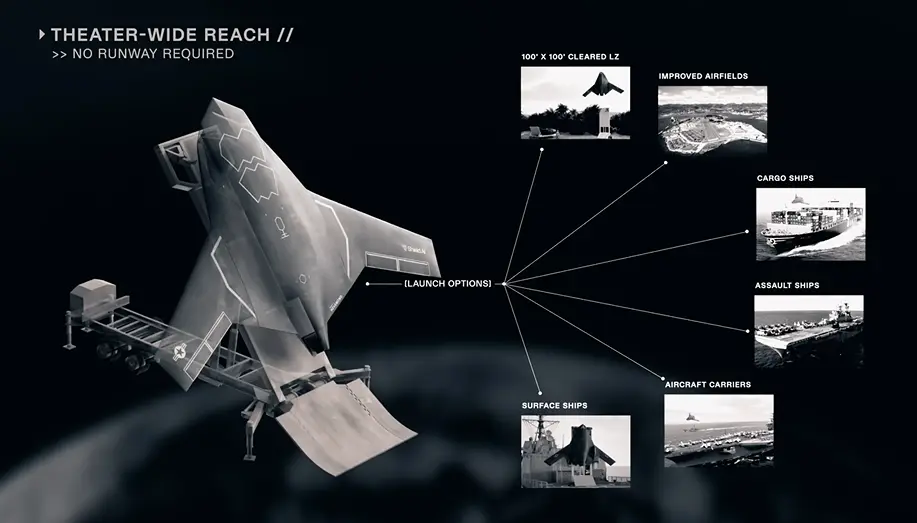
One of the defining features of the X-BAT is its ability to take off and land vertically, removing the need for airbases or long runways. This makes it ideal for deployment from ships, remote locations, or temporary forward operating bases. Shield AI has described this philosophy as 'the earth is our runway.' The design allows military forces to operate advanced combat aircraft in environments previously inaccessible to conventional jets, offering strategic flexibility and rapid deployment potential.
AI and Autonomous Operations
At the heart of the jet’s autonomy is the Hivemind AI system, which enables it to fly, navigate, and complete missions without human input. It can also collaborate with manned aircraft, acting as a drone wingman to provide additional situational awareness or firepower. This concept of manned-unmanned teaming represents a key shift in how future air combat operations will be structured, allowing human pilots to focus on tactical decisions while AI-controlled jets handle complex or high-risk tasks.
Strategic Significance
The X-BAT’s combination of AI autonomy, VTOL capability, and cost efficiency could redefine the economics and strategy of airpower. By eliminating pilot risk and reducing dependence on fixed infrastructure, the aircraft offers the potential for more agile and resilient air operations. It also represents a step toward 'attritable' combat aircraft, high-performance systems that are advanced yet affordable enough to be deployed in large numbers.
Challenges Ahead
Despite its promise, the X-BAT faces technical, operational, and ethical hurdles. The integration of fully autonomous systems into lethal combat roles raises questions about accountability, safety, and international regulation.
)
)
)
)
)