'No Open Flames': How the USS Abraham Lincoln cooks 18,000 meals without using fire

The USS Abraham Lincoln uses nuclear-powered electric ovens and steam kettles to safely cook 18,000 meals daily. This strict fire-free galley protects 5,000 sailors, ensuring the formidable United States Navy supercarrier maintains absolute combat readiness.
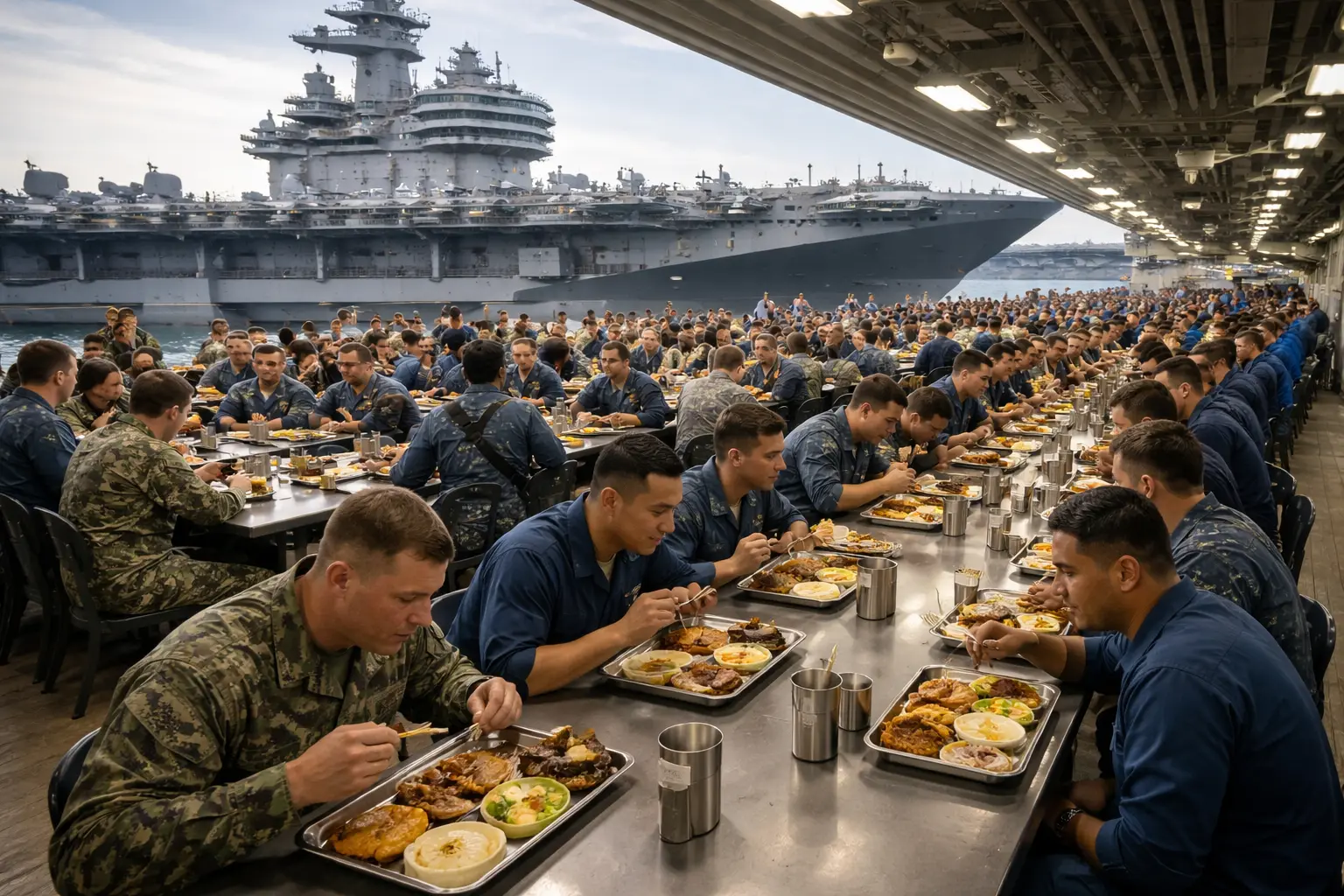
Feeding 5,000 Navy sailors
The USS Abraham Lincoln sustains over 5,000 troops during its global deployments. Because an uncontrolled fire is the absolute greatest threat to any active warship, the United States Navy enforces a strict ban on open flames. The ship's galley relies entirely on specialised flame-free systems.
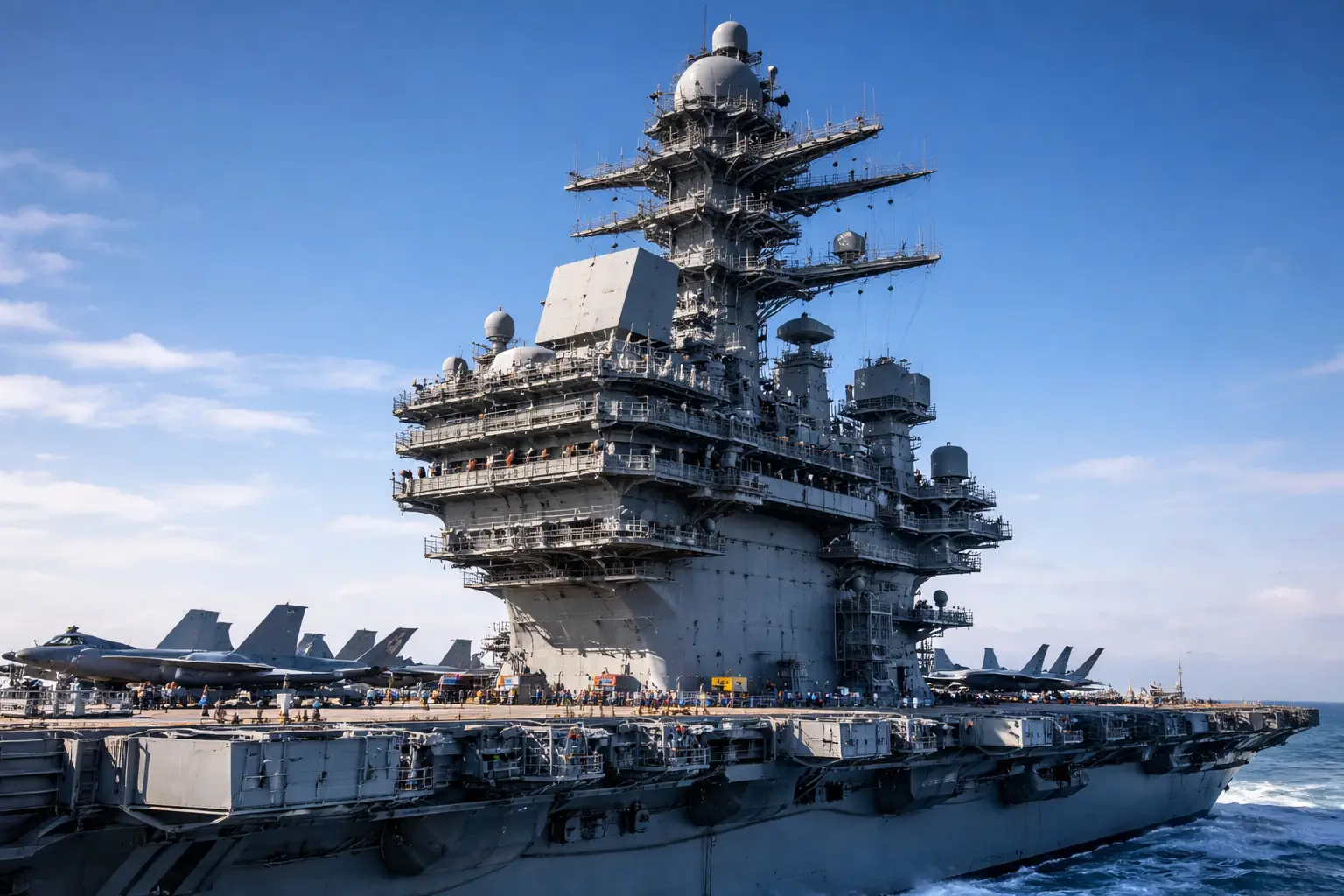
18,000 daily meals prepared
Operating in continuous shifts, culinary specialists prepare up to 18,000 meals in a single 24-hour cycle. This monumental logistical effort ensures the entire crew receives breakfast, lunch, dinner, and midnight rations. The highly organised kitchen runs without fail to sustain round-the-clock military operations.
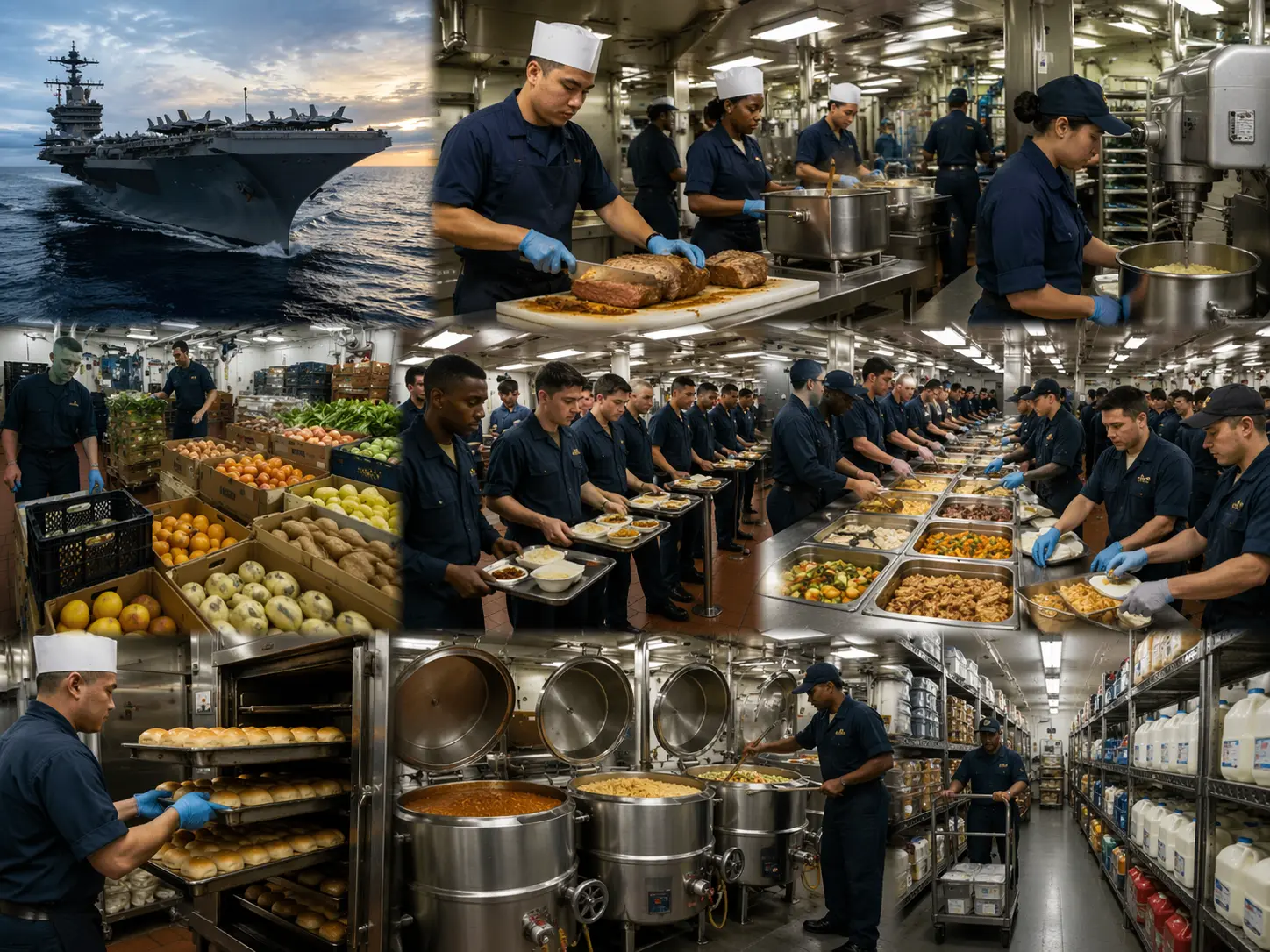
Advanced electric cooking equipment
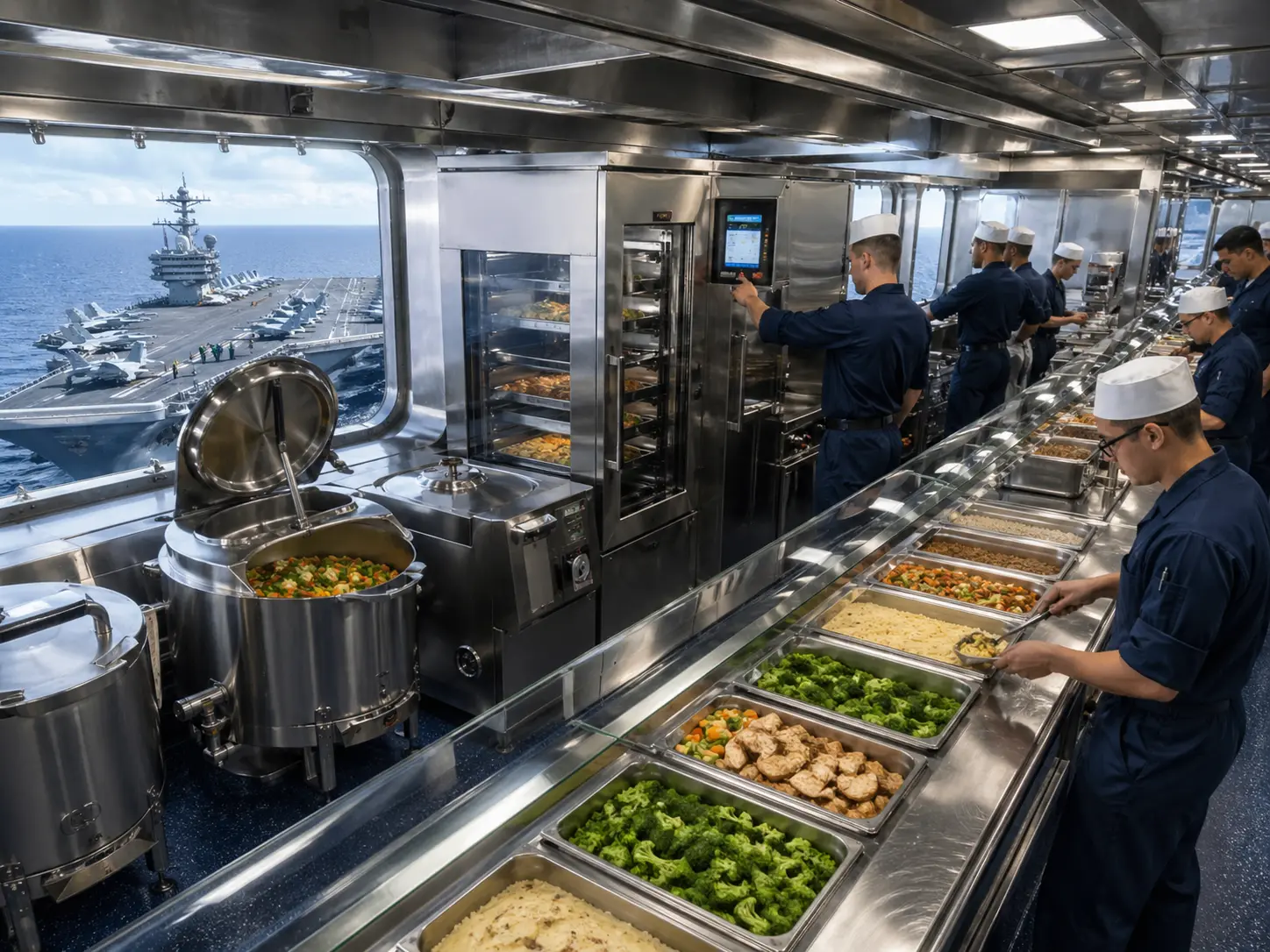
The galley replaces traditional gas burners with high-capacity electric ovens and heavy-duty flat-top griddles. These advanced electric systems allow the crew to safely roast meats and bake hundreds of loaves of fresh bread. Relying on electricity eliminates the lethal risk of combustible gas leaks.
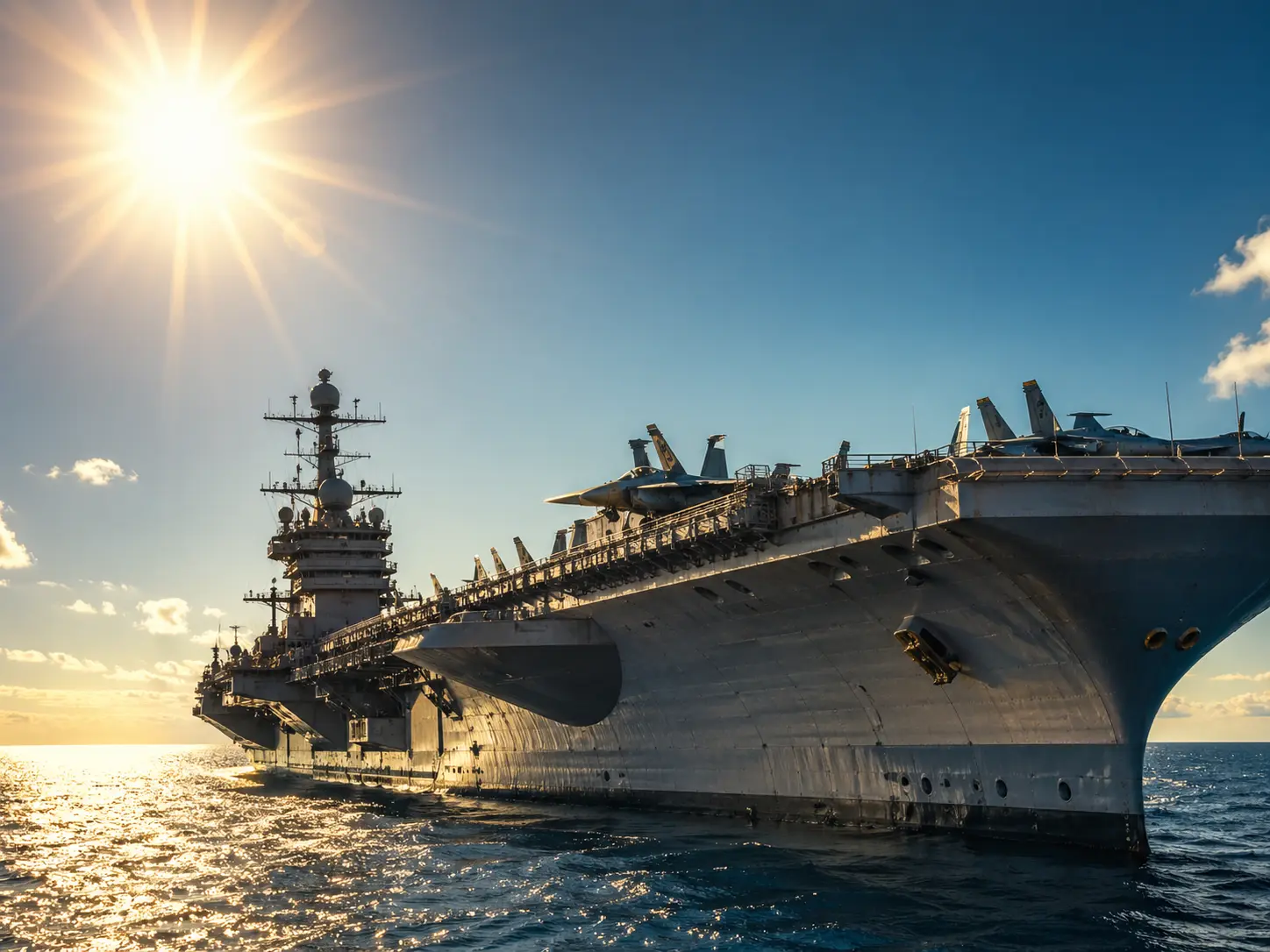
High-pressure steam kettles
For preparing soups, boiling pasta, and cooking massive quantities of rice, the kitchen utilises banks of large 100-gallon steam-jacketed kettles. These vast steel vessels draw thermal energy directly from the supercarrier's internal engineering network. The steam heats the heavy kettles evenly, allowing rapid, fire-free food preparation.
Powered by nuclear reactors
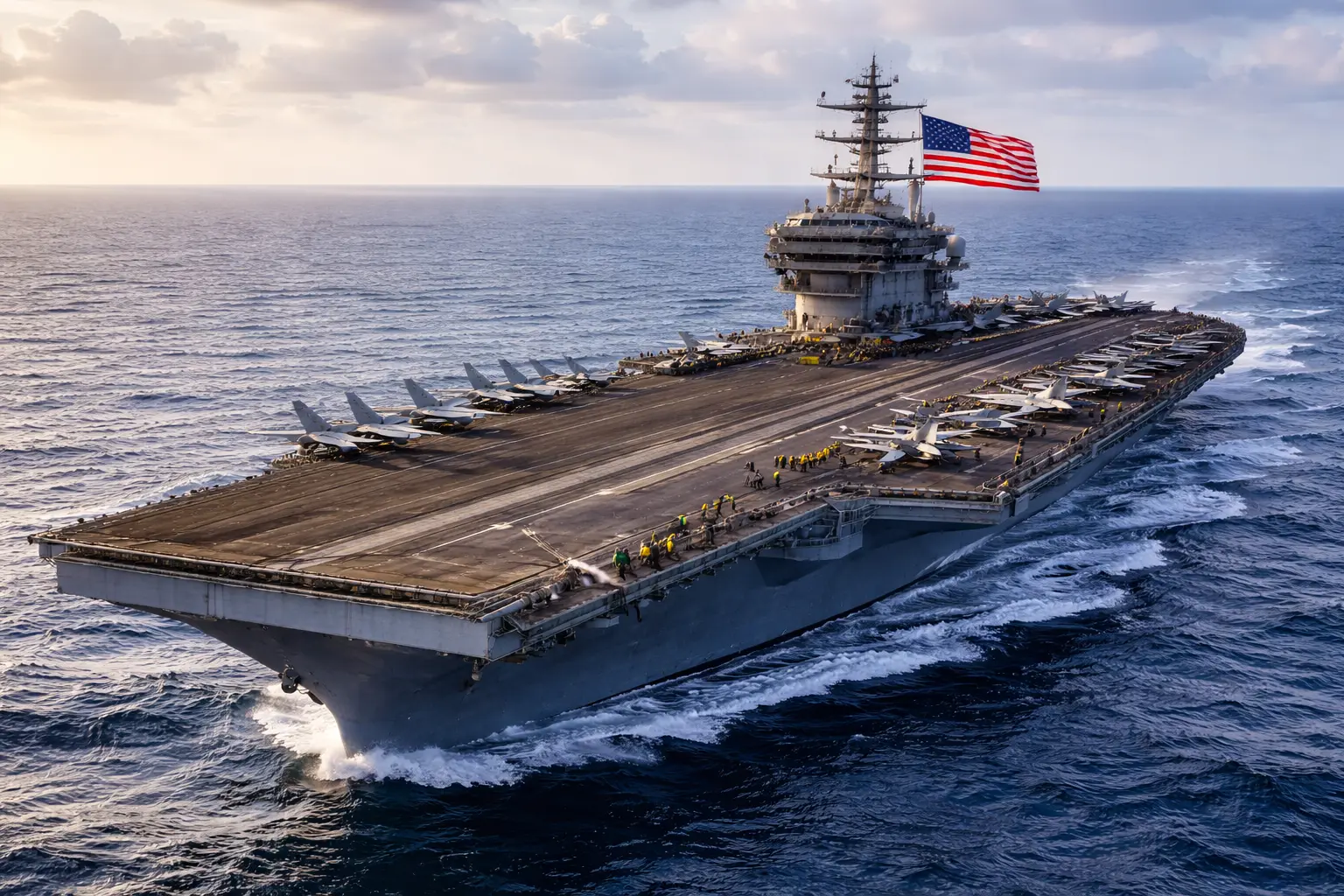
The unmatched engineering of the Nimitz-class includes two A4W nuclear reactors that supply the immense power needed. These formidable reactors produce high-pressure steam to spin the ship's massive propulsion turbines. A dedicated portion of this thermal energy is safely diverted to run the galley's heavy equipment.
Massive frozen food inventory
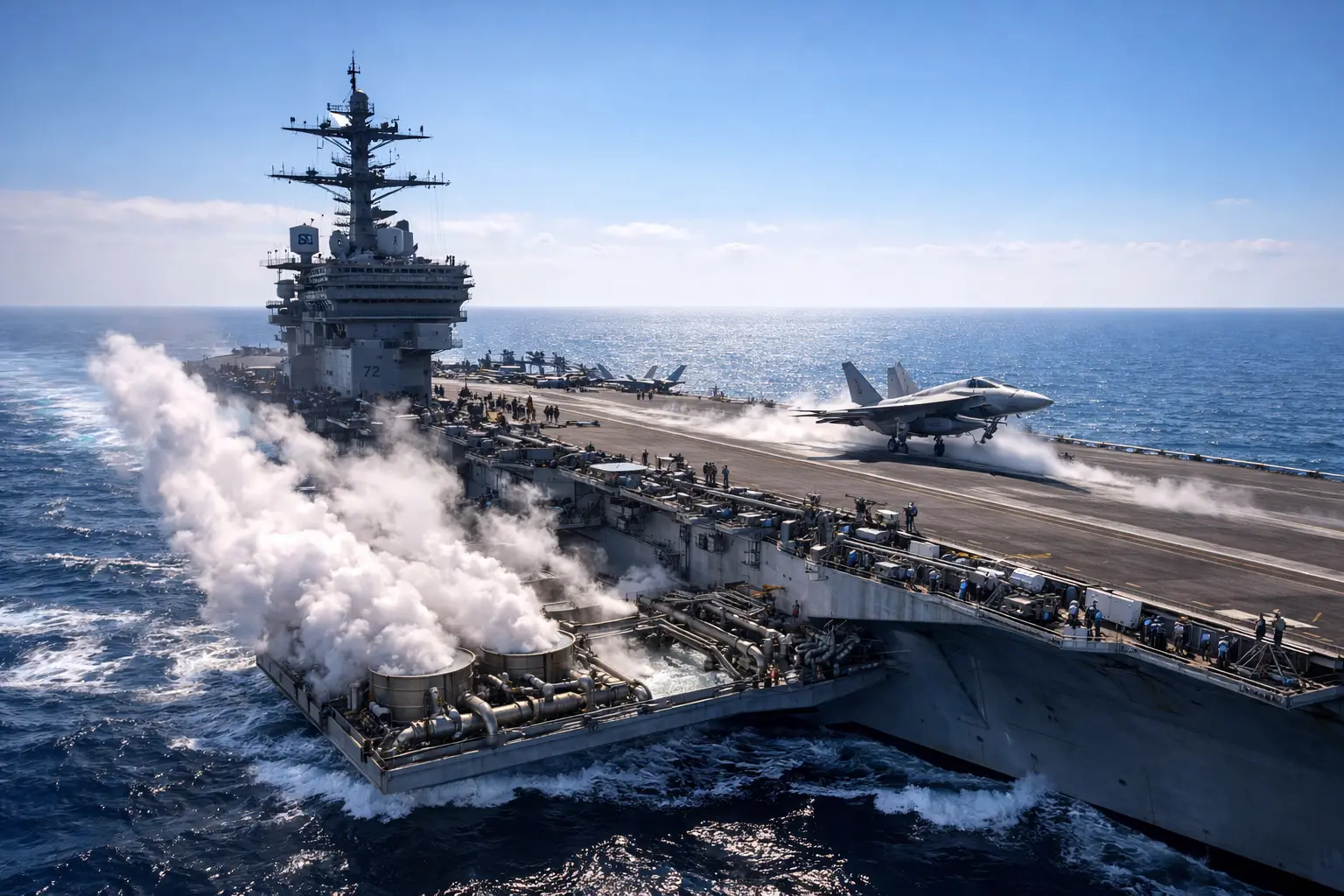
To maintain premium readiness, the carrier loads tens of thousands of pounds of meat and provisions before setting sail. These critical food supplies are secured in massive, temperature-controlled storerooms located deep below the flight deck. The vast inventory guarantees the crew remains well-nourished during extended missions.
Fire-free combat readiness
Removing combustible gas and open flames from the daily cooking routine drastically reduces the threat of catastrophic shipboard fires. This precise maritime engineering protects the crew and secures the vessel's advanced weaponry. As a result, the formidable supercarrier remains permanently combat-ready and secure on the water.
)
)
)
)
)