'Nitrogen Tires': Why the USS Abraham Lincoln jets cannot use normal air

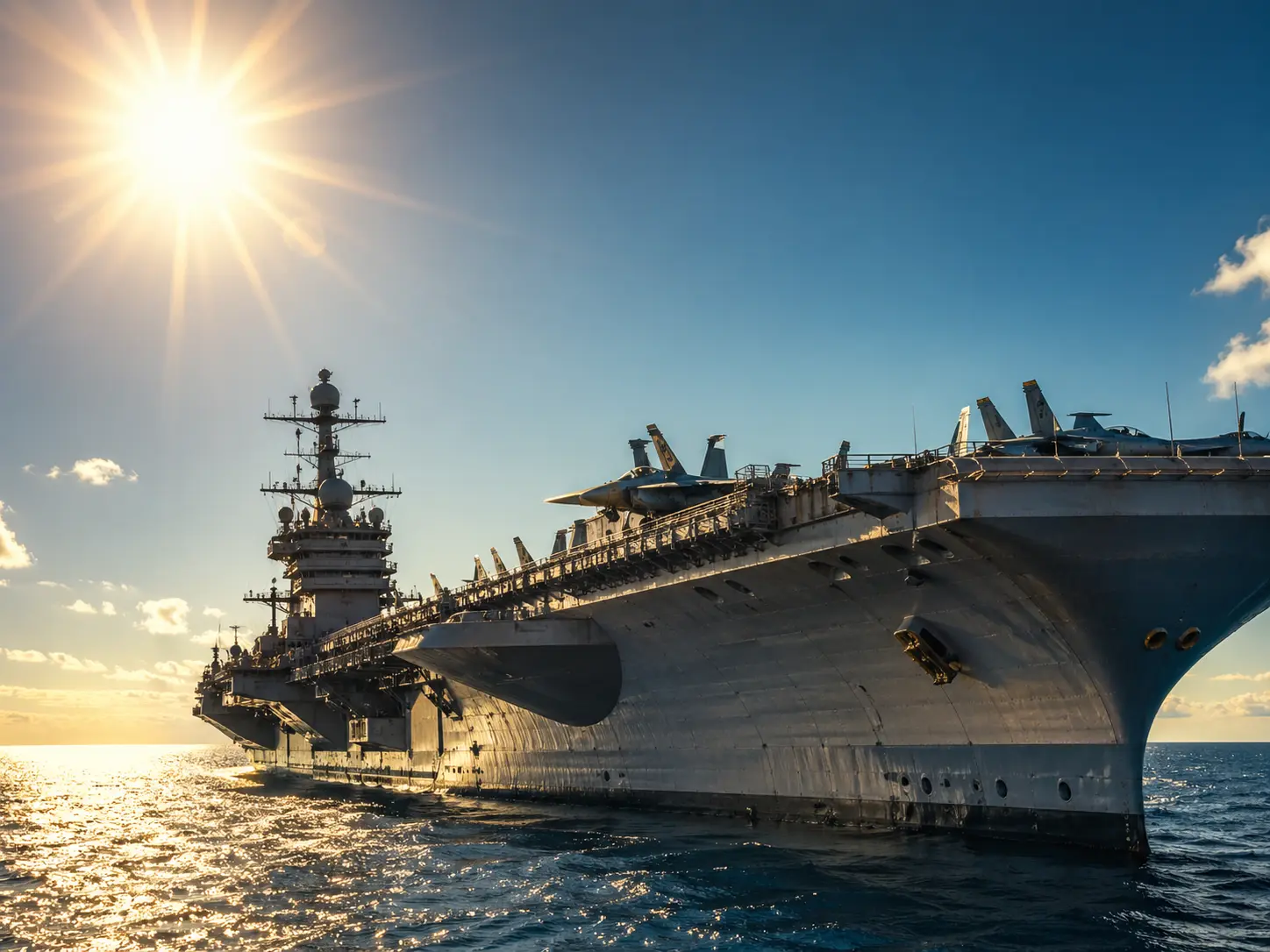
Navy jets on the USS Abraham Lincoln use pure nitrogen in tyres to prevent rubber oxidation, block moisture expansion, and eliminate fire risks during heavy carrier landings.
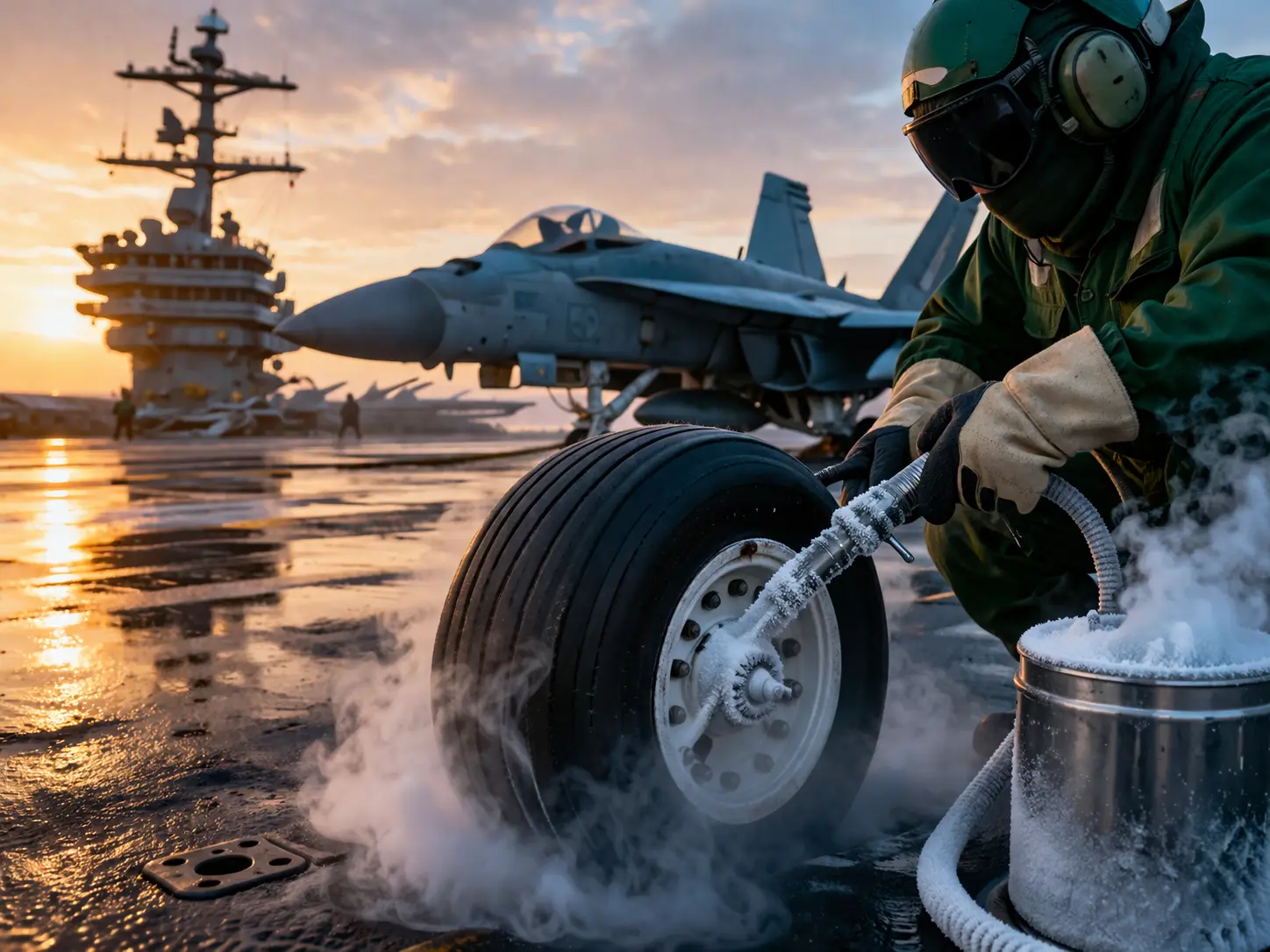
Holds 320 PSI Pressure
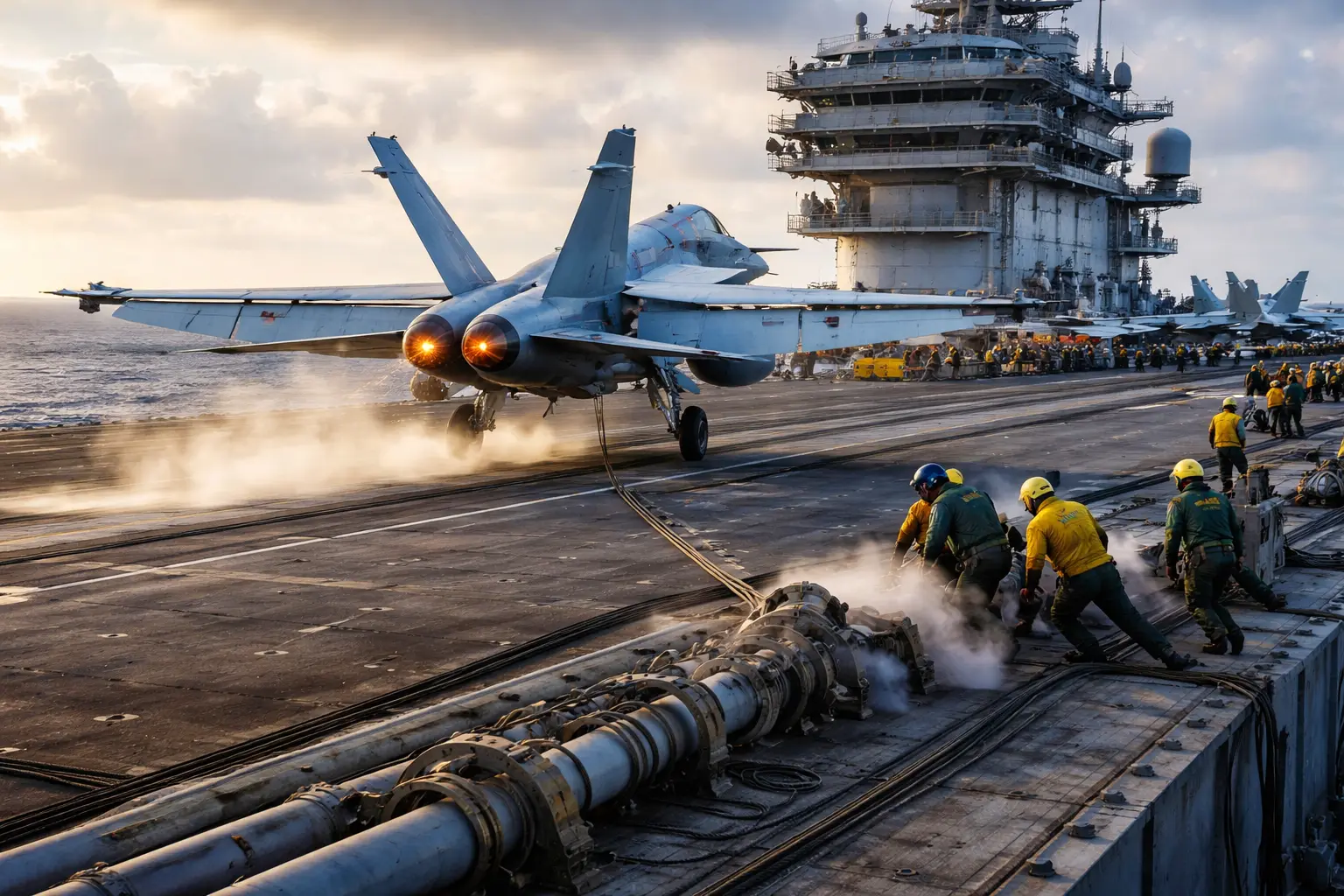
Fighter jets operating on aircraft carriers endure heavy impact during landings. To support this extreme weight and speed, military aircraft tyres are inflated to high pressures, often reaching 320 psi. Normal air struggles to maintain safety under such physical stress.
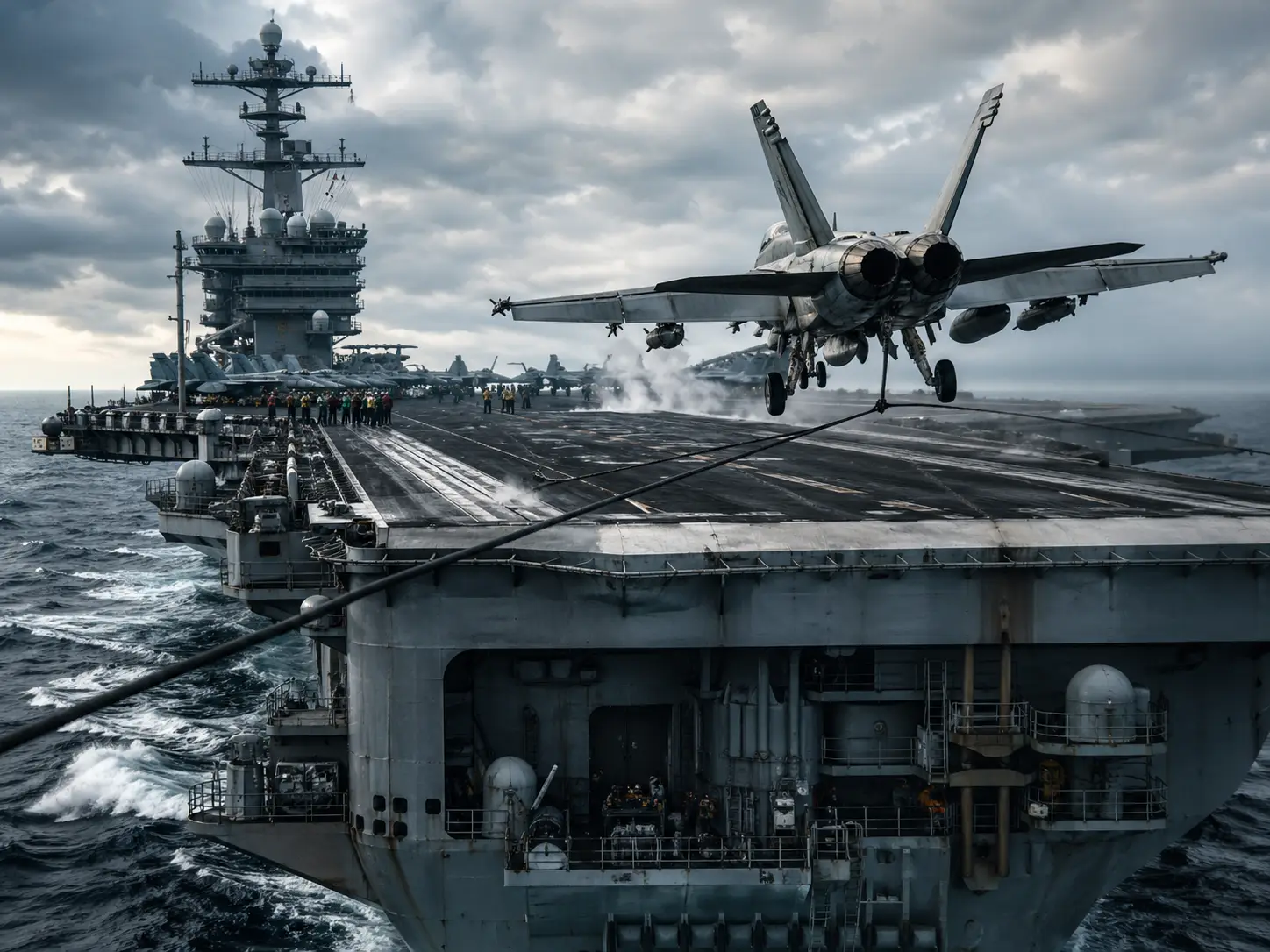
Removes 21 Per Cent Oxygen
Standard compressed air contains roughly 21 per cent oxygen. When trapped inside a high-pressure aircraft tyre, this oxygen chemically reacts with the rubber over time. This continuous internal oxidation degrades the material, reducing the tyre's lifespan and structural strength.
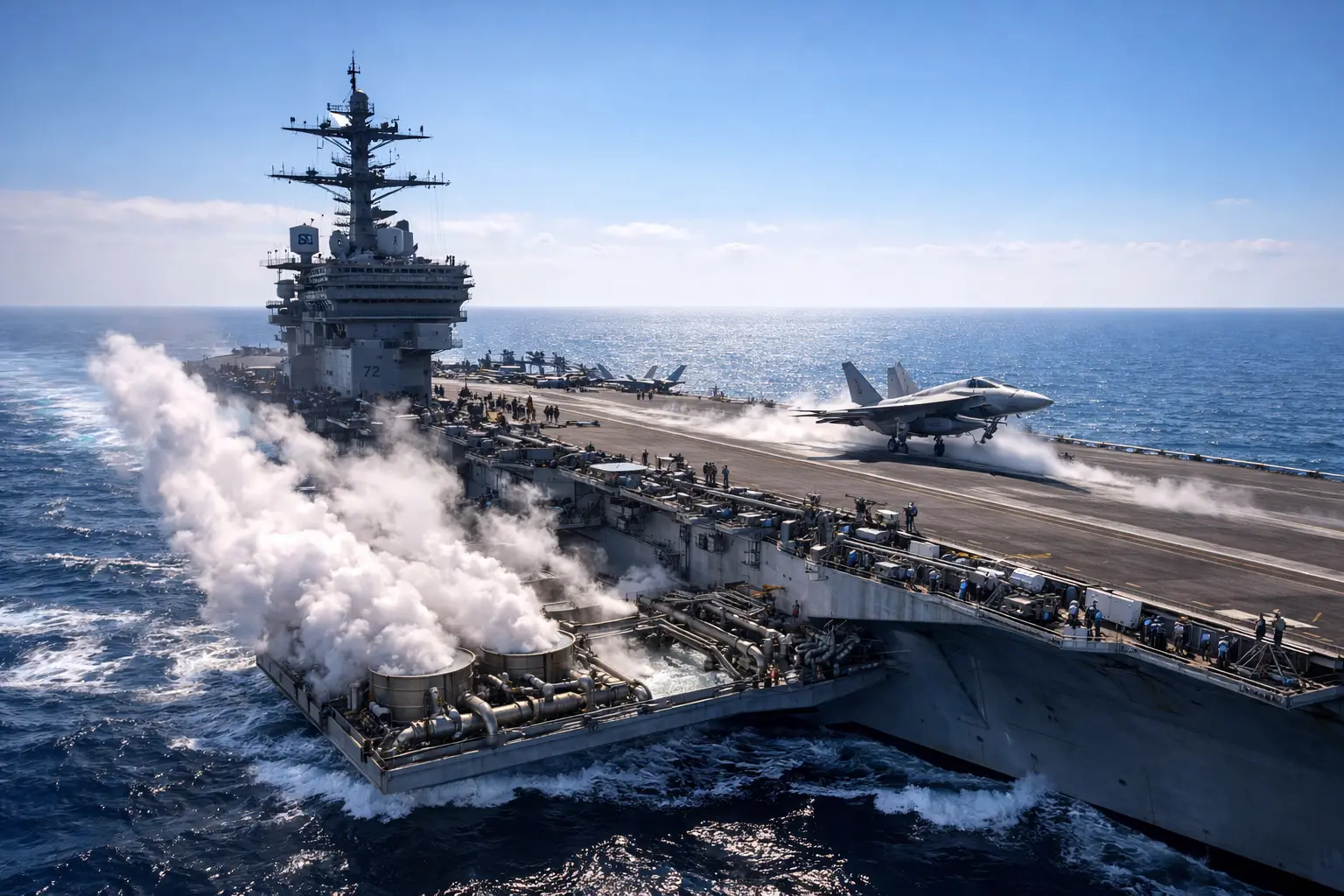
Ensures Zero Moisture Expansion
Regular shop air carries invisible water vapour and humidity. At high altitudes, this moisture can freeze into ice, and during a heavy runway landing, the heat can turn it into expanding steam. Dry nitrogen is completely moisture-free, preventing these dangerous pressure spikes.
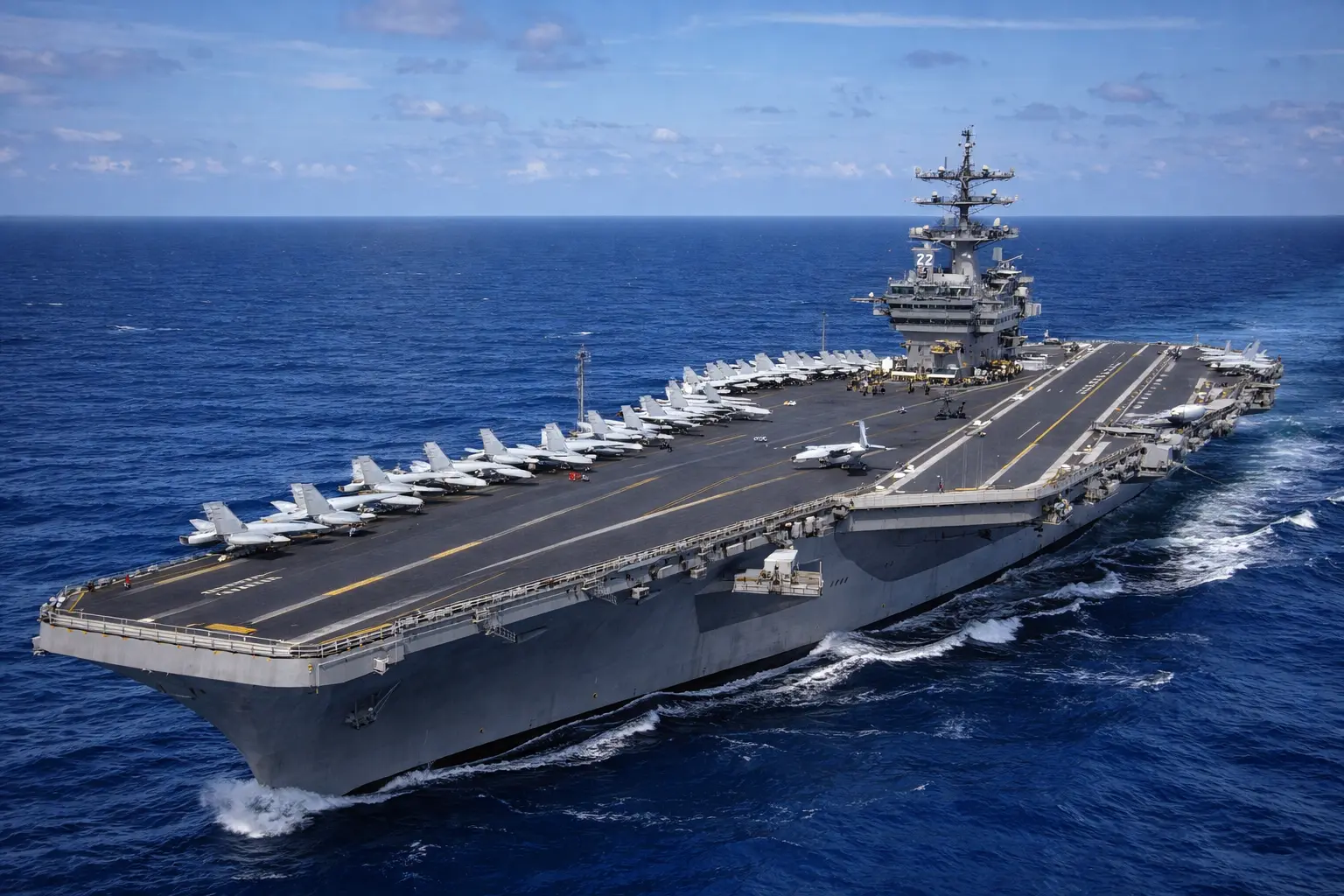
Stops Combustion Risks
A heavy jet landing on a carrier deck generates intense friction and brake heat. Because normal air contains oxygen, it can actively support combustion if the tyre fails. Nitrogen is an inert gas, meaning it will never ignite or feed a fire under extreme temperatures.
Slows Down Pressure Loss
Nitrogen molecules are physically larger than the oxygen molecules found in normal air. Because of their size, they cannot easily escape through the rubber casing of the tyre. This slower leakage rate ensures the fighter jet maintains a consistent and safe tyre pressure for longer periods.
Limits Extreme Temperature Shifts
Military jets rapidly transition from freezing altitudes to hot flight decks. Normal compressed air contains water vapour, which expands and contracts unpredictably when exposed to these extreme temperature changes. Because pure nitrogen is completely dry, it eliminates this moisture-driven volatility, keeping the tyre pressure stable and predictable regardless of the ambient conditions.
Prevents Internal Metal Corrosion
The combination of moisture and oxygen in normal compressed air causes rust inside the wheel assembly over time. Using pure, dry nitrogen eliminates this chemical reaction entirely. This protects the metal components from corrosion, ensuring the landing gear remains safe.
)
)
)
)
)