'Nimitz vs Ford': Why the USS Abraham Lincoln remains highly deadly

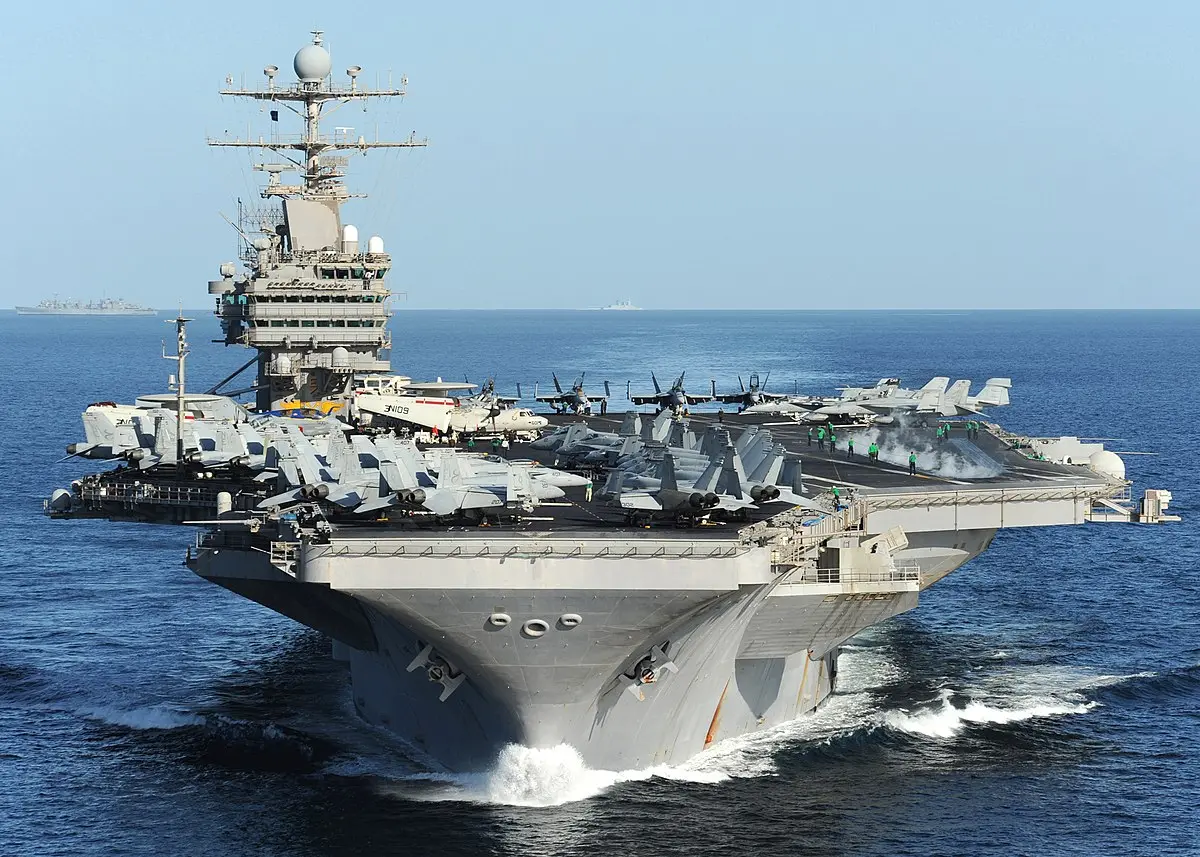
The USS Abraham Lincoln remains a lethal Nimitz-class supercarrier. With fifth-generation F-35C fighters and nuclear power, it delivers unmatched global firepower despite newer Ford-class designs.
100,000 tonnes of power
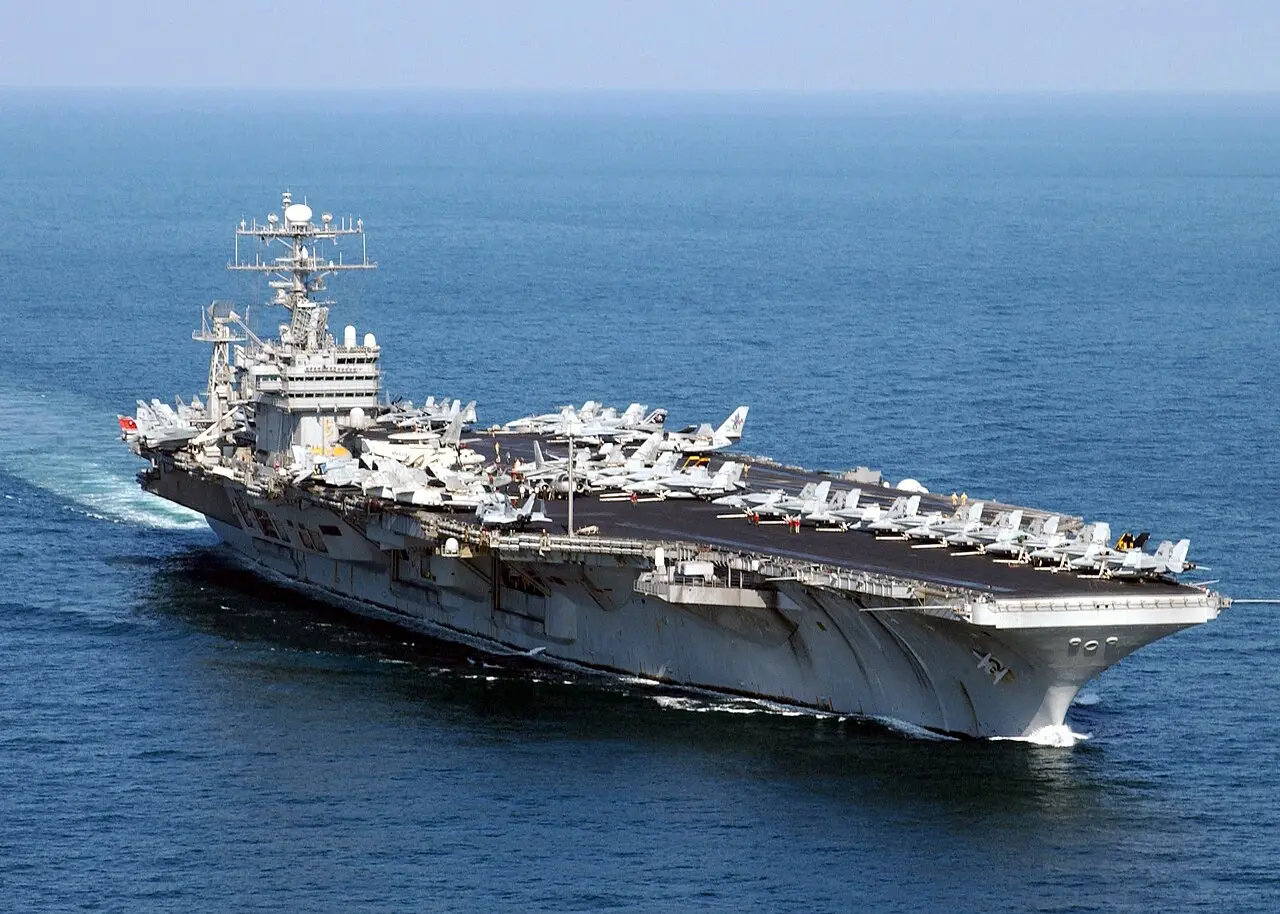
Even though it lacks the modern electromagnetic catapults of the Ford class, the USS Abraham Lincoln commands massive authority. The 1,092-foot vessel relies on two nuclear reactors that provide an unlimited operational range. It remains a floating fortress capable of sustaining long deployments globally without refuelling.
120 sorties a day
The Nimitz-class carrier uses reliable steam-powered catapults and the MK 7 arresting gear to recover jets. While the newer Ford class can launch more daily missions, the Lincoln routinely handles over 100 high-speed sorties. This proven technology ensures uninterrupted air dominance during critical combat operations.
60-plus deadly aircraft
The carrier houses a highly lethal mix of strike jets, including the fifth-generation F-35C Lightning II. By operating these stealth jets alongside F/A-18 Super Hornets and EA-18G Growlers, the air wing easily penetrates advanced air defence networks. This combined aerial fleet makes the ship a severe threat.
360-degree radar tracking
Survival in modern naval combat requires exceptional situational awareness and advanced electronic warfare capabilities. The ship uses upgraded 3-D air search radars and sophisticated countermeasures to track hostile targets. These systems allow the crew to detect and neutralise enemy missiles from a safe distance.
6 to 7 rapid-fire defence systems
When airborne threats break through the outer strike group escorts, the carrier relies on its own close-in weapon systems. The onboard network includes multiple Phalanx Gatling guns, Sea Sparrow missile launchers, and Rolling Airframe Missiles (RAM). This multi-layered defence network of 6 to 7 localized systems can shred incoming anti-ship weapons in seconds, keeping the ship safe in highly hostile waters.
5,000-strong naval crew
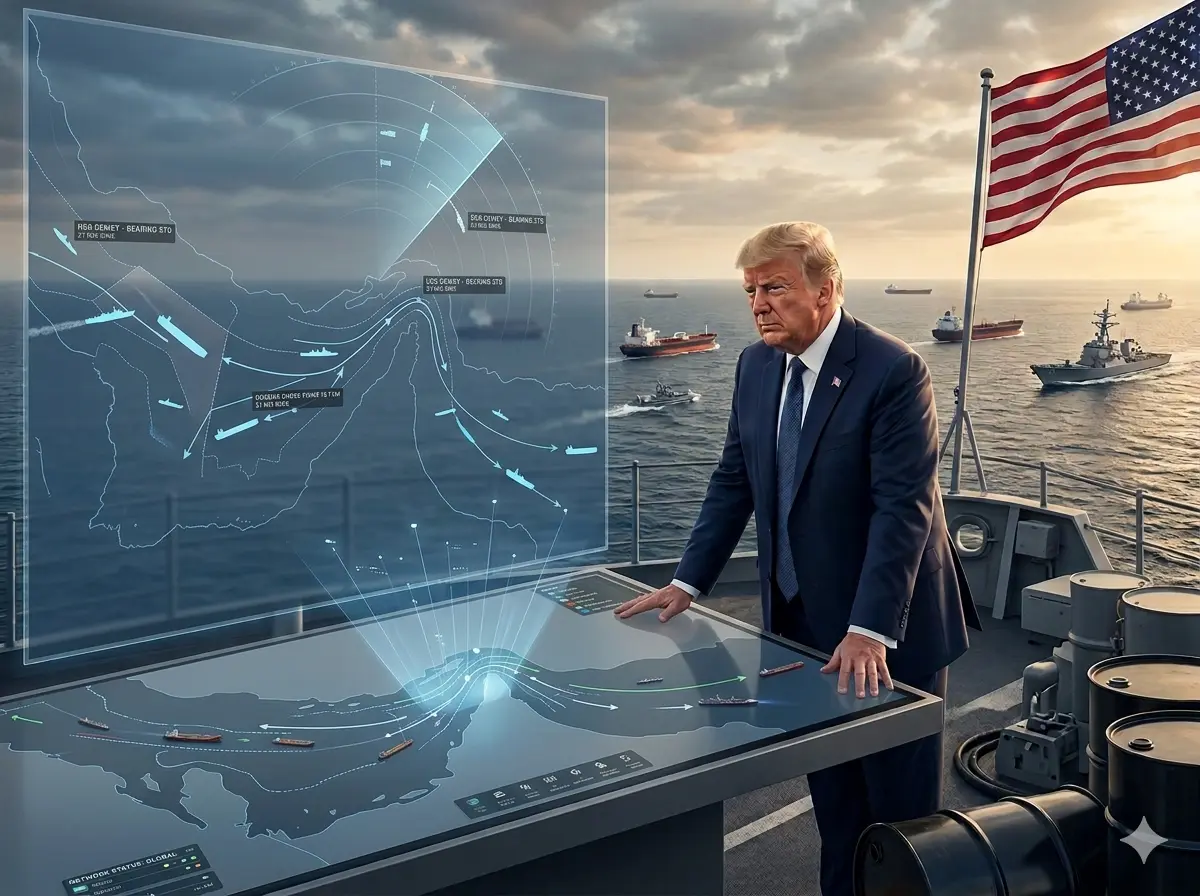
Unlike the highly automated Ford class that requires fewer personnel, this supercarrier relies on a massive, highly trained crew. Over 5,000 sailors and aviators work together to ensure smooth operations on the busy flight deck. Their unmatched expertise remains crucial for complex damage control and rapid mechanical repairs.
1 massive strike group
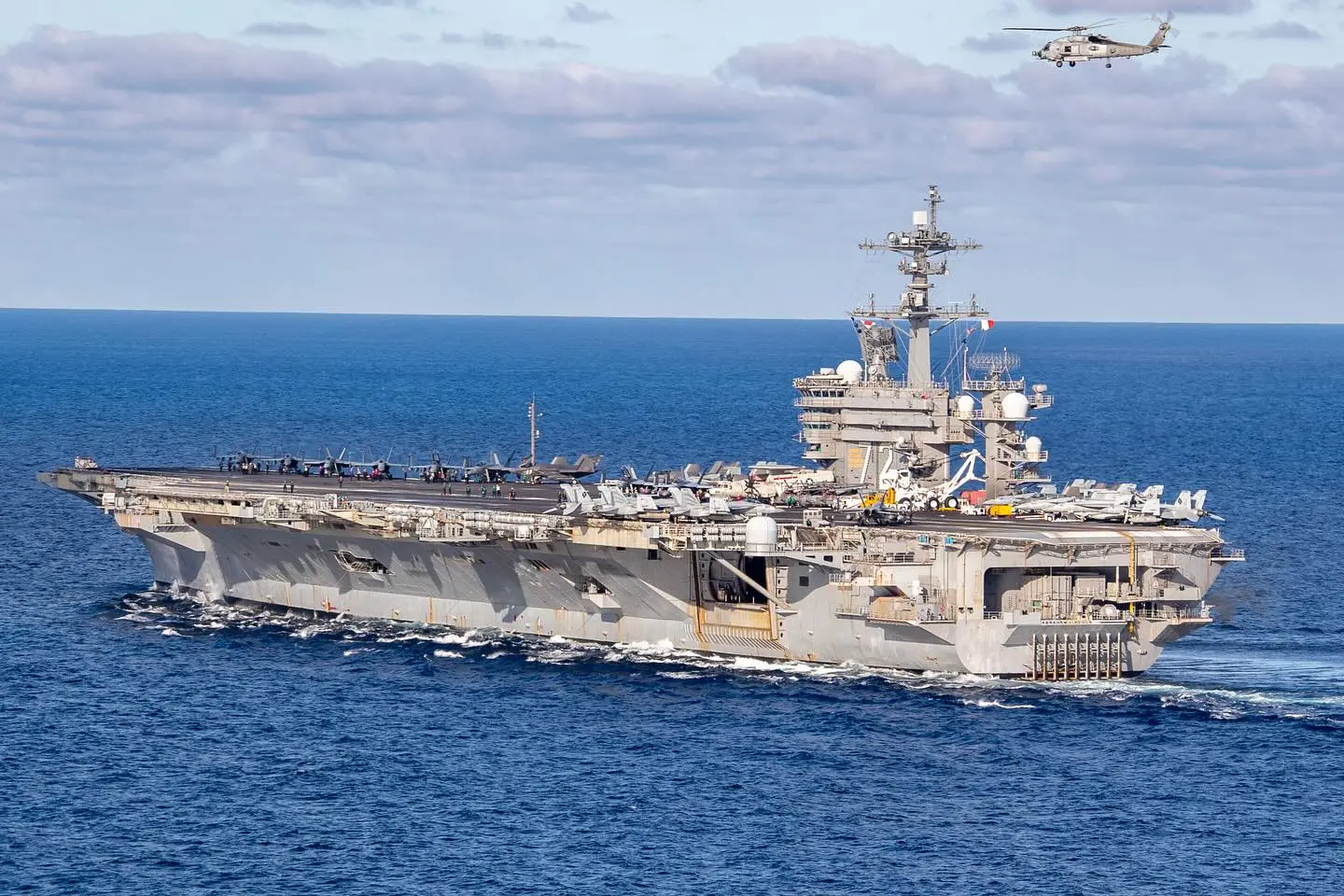
The warship frequently deploys to volatile regions like the Middle East to enforce security and deter escalating conflicts. Sailing alongside a fleet of guided-missile destroyers and cruisers, it projects immense firepower. The vessel actively forces rival nations to reconsider their hostile military strategies before acting.
)
)
)
)
)