‘Night Hawks’: Why fighter pilots train after dark

Fighter pilots train at night to develop essential skills for low visibility flying. Night training enhances instrument reliance, combat readiness, and physiological endurance, ensuring pilots can operate safely and effectively in darkness and maintain mission flexibility.
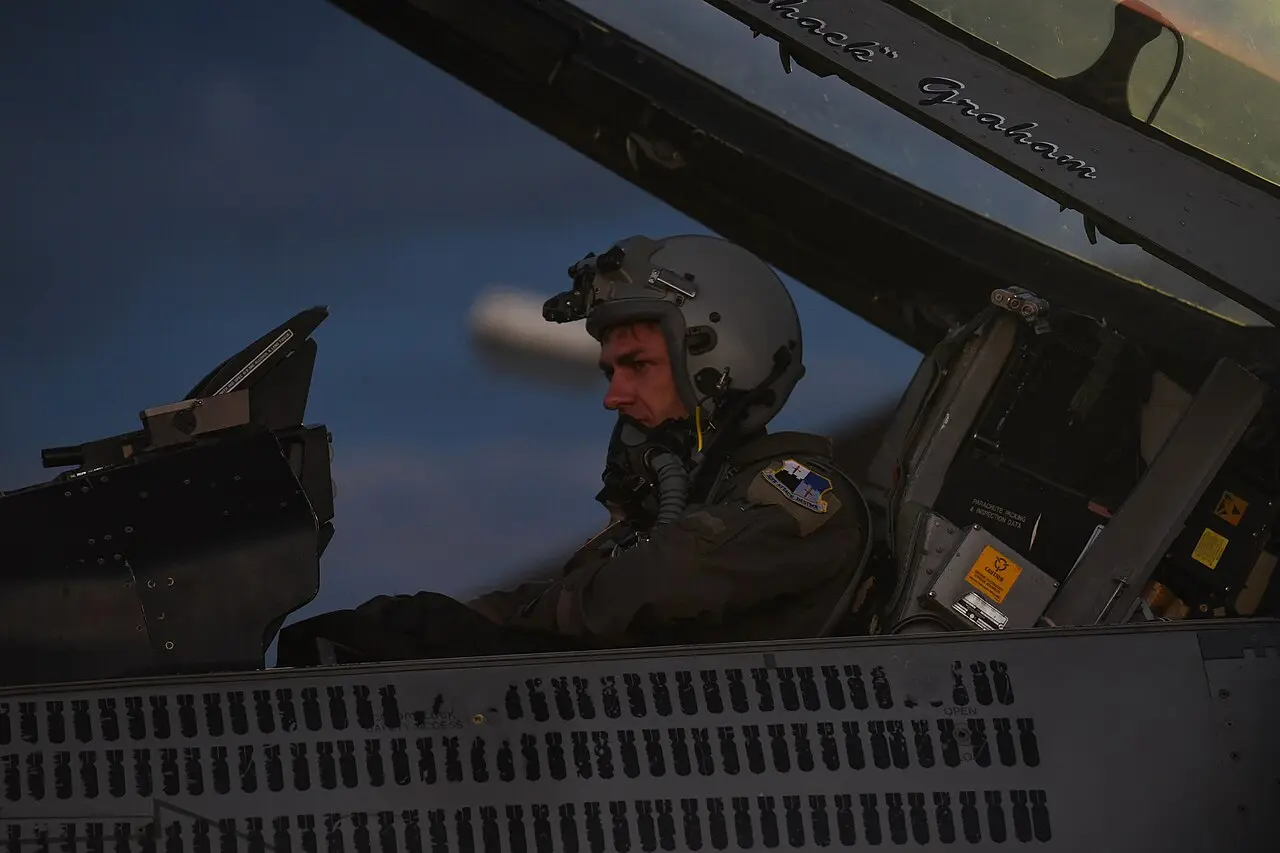
Night Flying Is Not Just Daylight in Darkness
Night training involves more than flying in the dark. Pilots must adapt to reduced visibility, reliance on instruments, and altered spatial awareness, which demand specialised skills distinct from day flying.
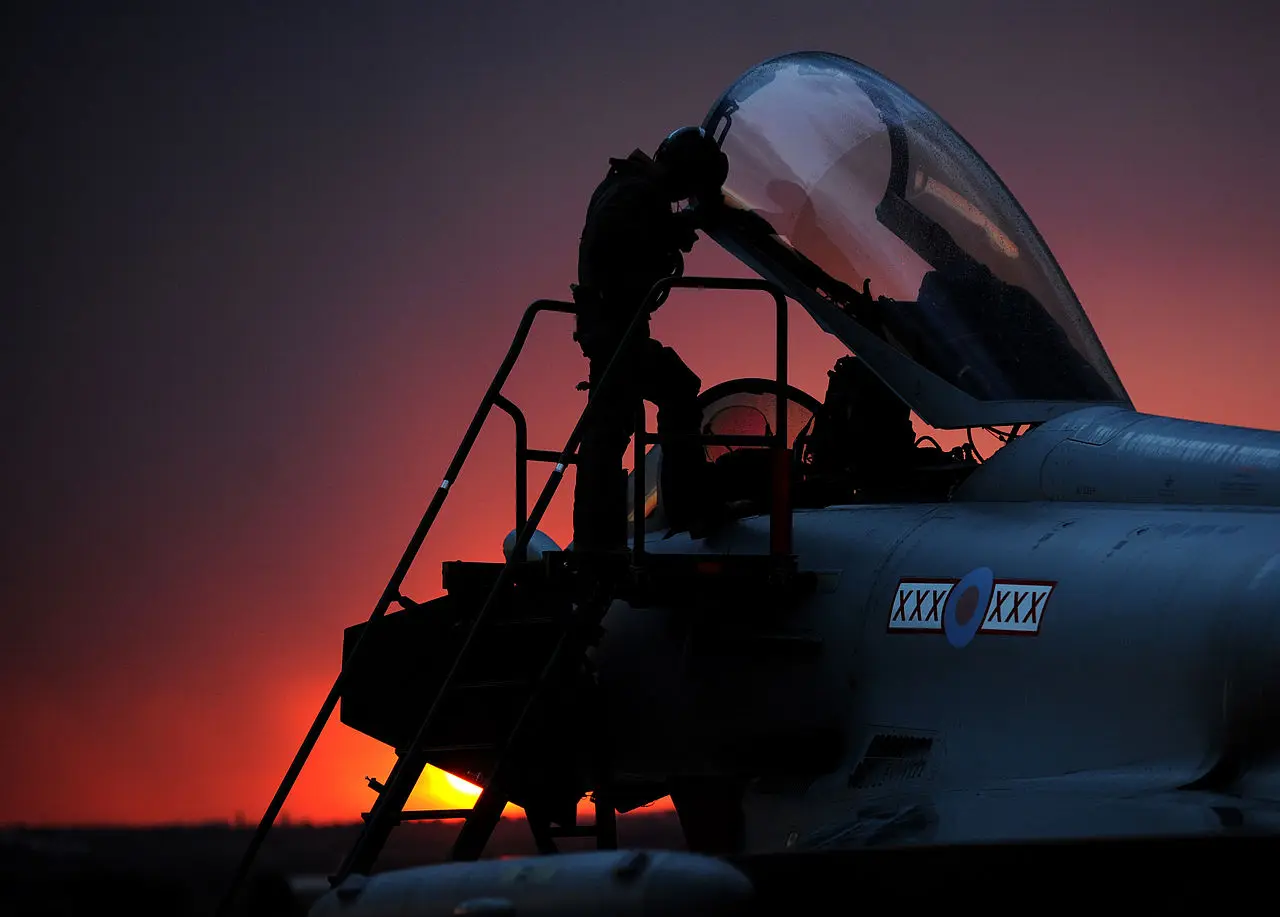
Enhanced Focus and Instrument Reliance
Limited visual cues at night force pilots to depend heavily on cockpit instruments and electronic navigation, requiring sharp concentration and training to interpret these correctly.
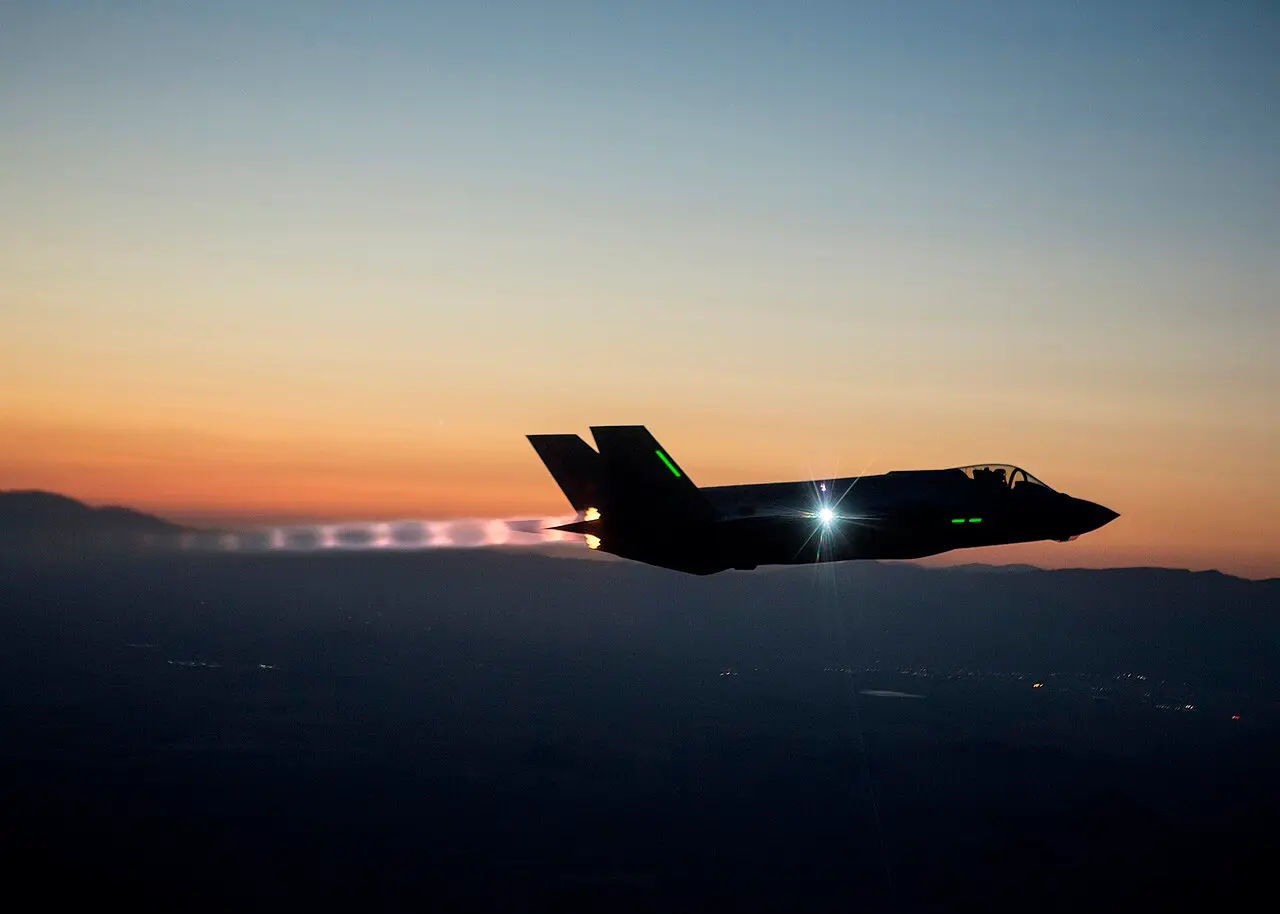
Real Combat Readiness Across All Conditions
Night missions simulate real combat scenarios where attacks often happen under cover of darkness. This training ensures pilots can operate with precision regardless of time or lighting.
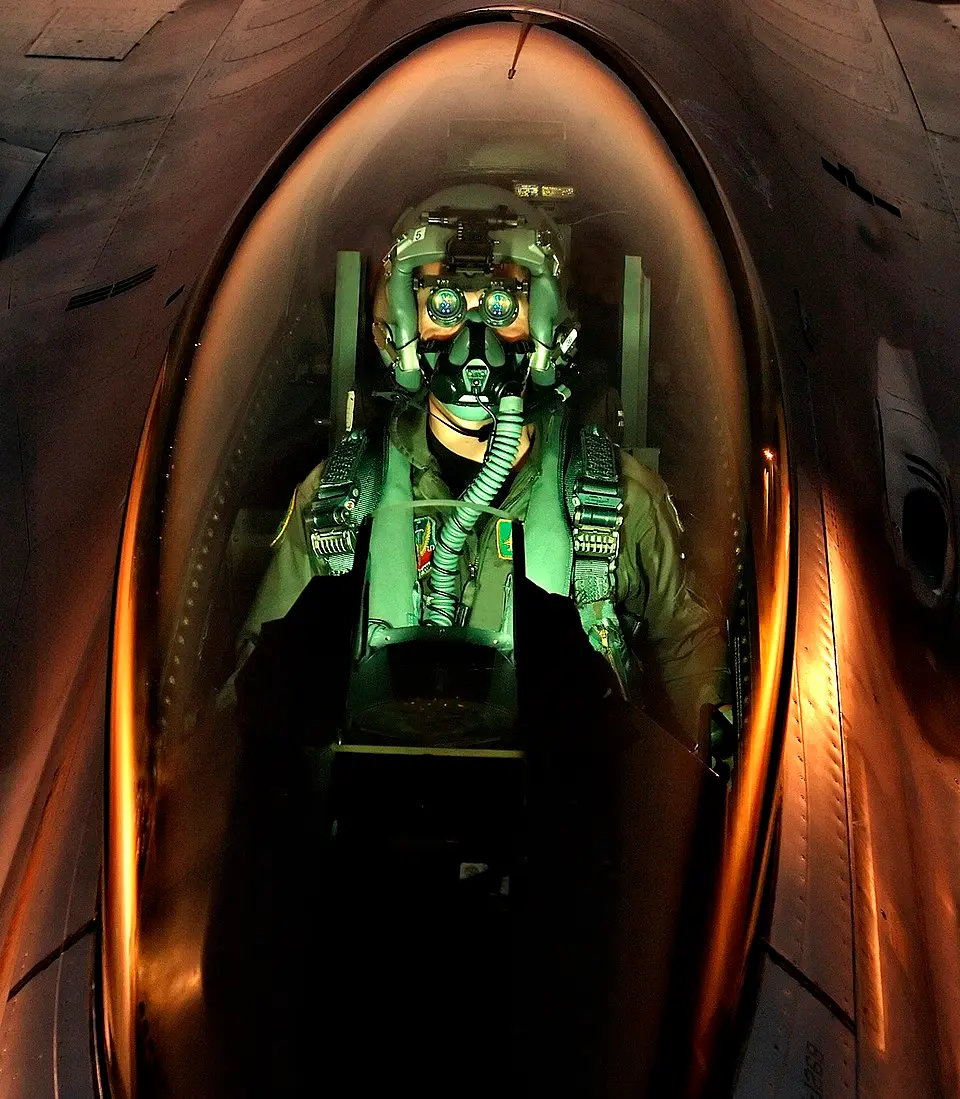
Specialised Equipment Training
Pilots learn to use night vision goggles, instrument landing systems, and cockpit lighting designed for low-light conditions to maintain situational awareness and safety during night flight.
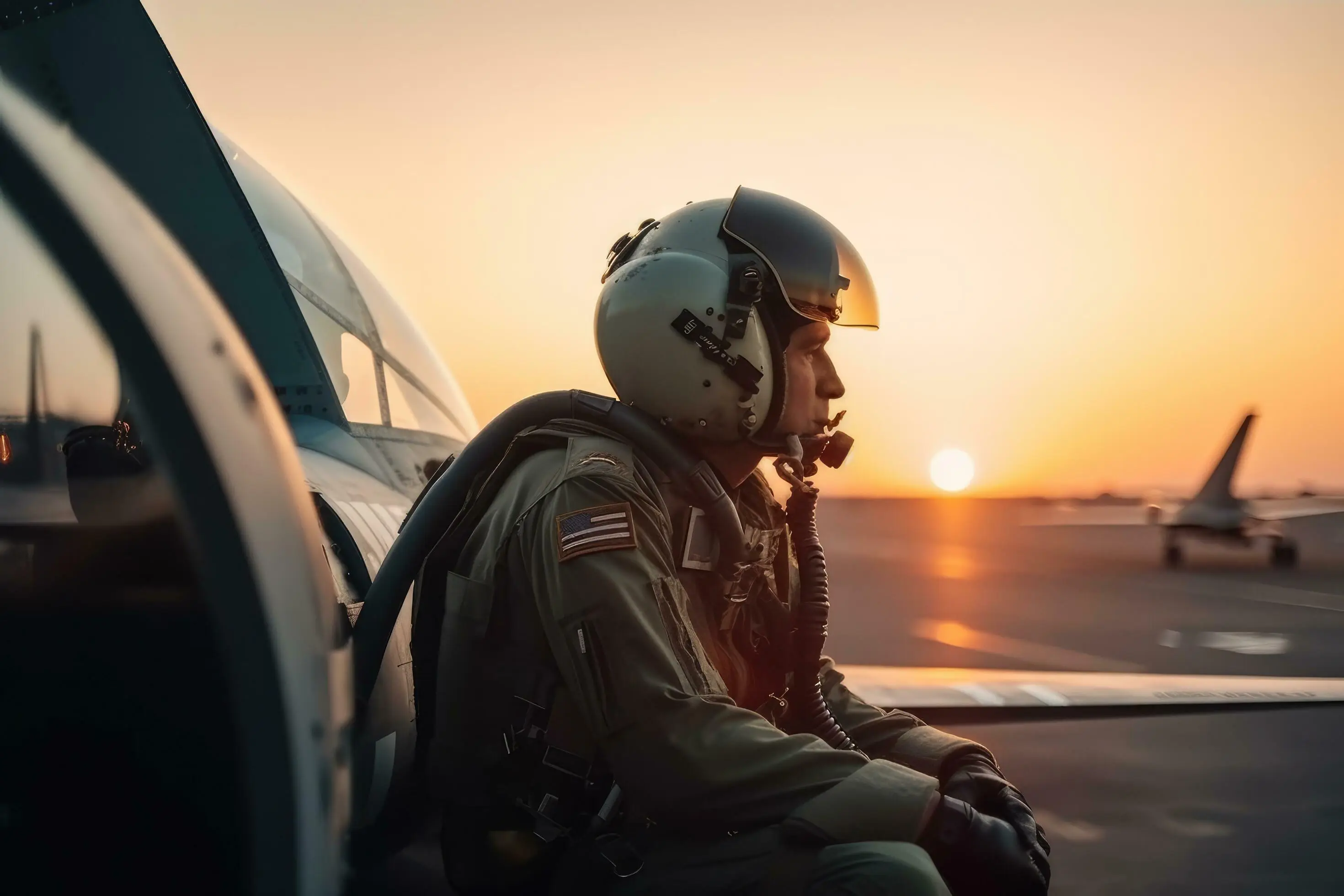
Managing Physical and Cognitive Challenges
Night flying stresses a pilot’s body and mind differently than daytime flying, affecting circadian rhythms and reaction times. Training helps build endurance and counteract fatigue during long night operations.
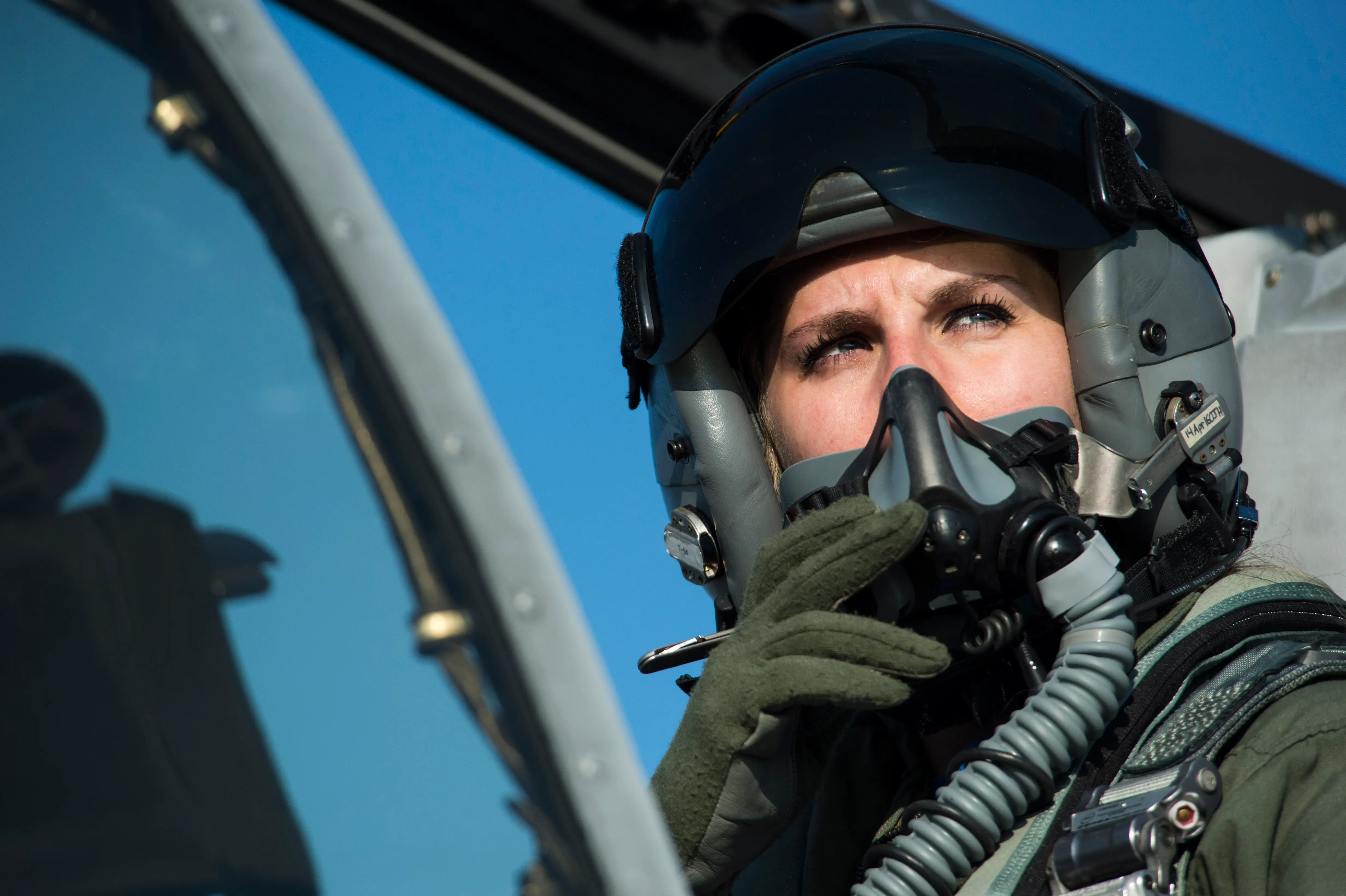
Risk Reduction Through Rigorous Night Training
Fighter pilots train in night conditions to reduce accidents. Data shows night flying requires careful preparation due to increased risks of spatial disorientation and sensory limitations.
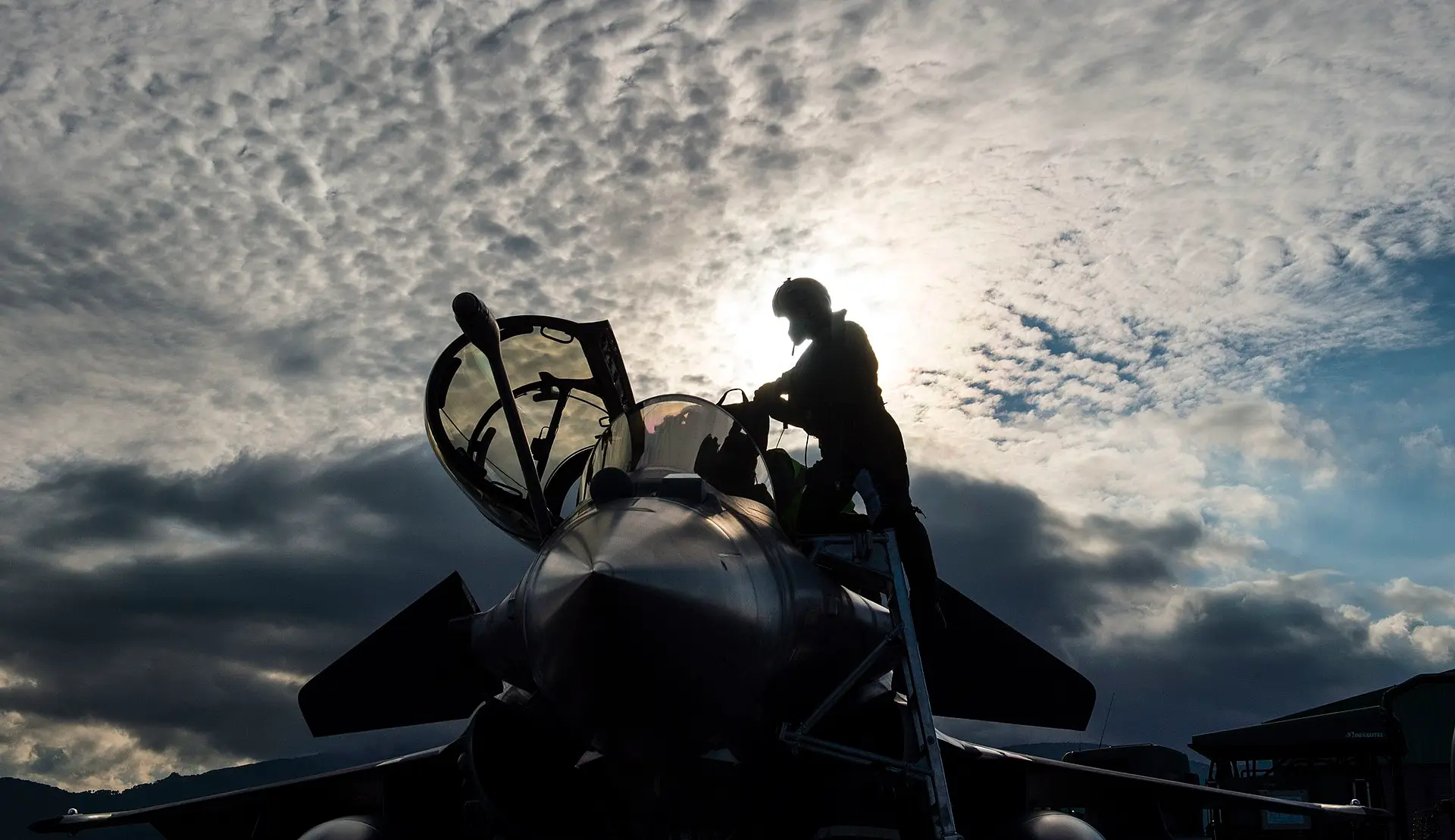
Night Training Expands Operational Capability
Mastery of night flying greatly improves mission flexibility, allowing forces to strike or defend effectively at any hour, providing strategic advantages in modern warfare.
)
)
)
)
)