‘Nicolás Maduro captured’: How Venezuela’s military stacks up against the US Army

With a smaller population, constrained defence spending and ageing equipment, its armed forces are designed largely for internal security and border control rather than large-scale external warfare.
Introduction
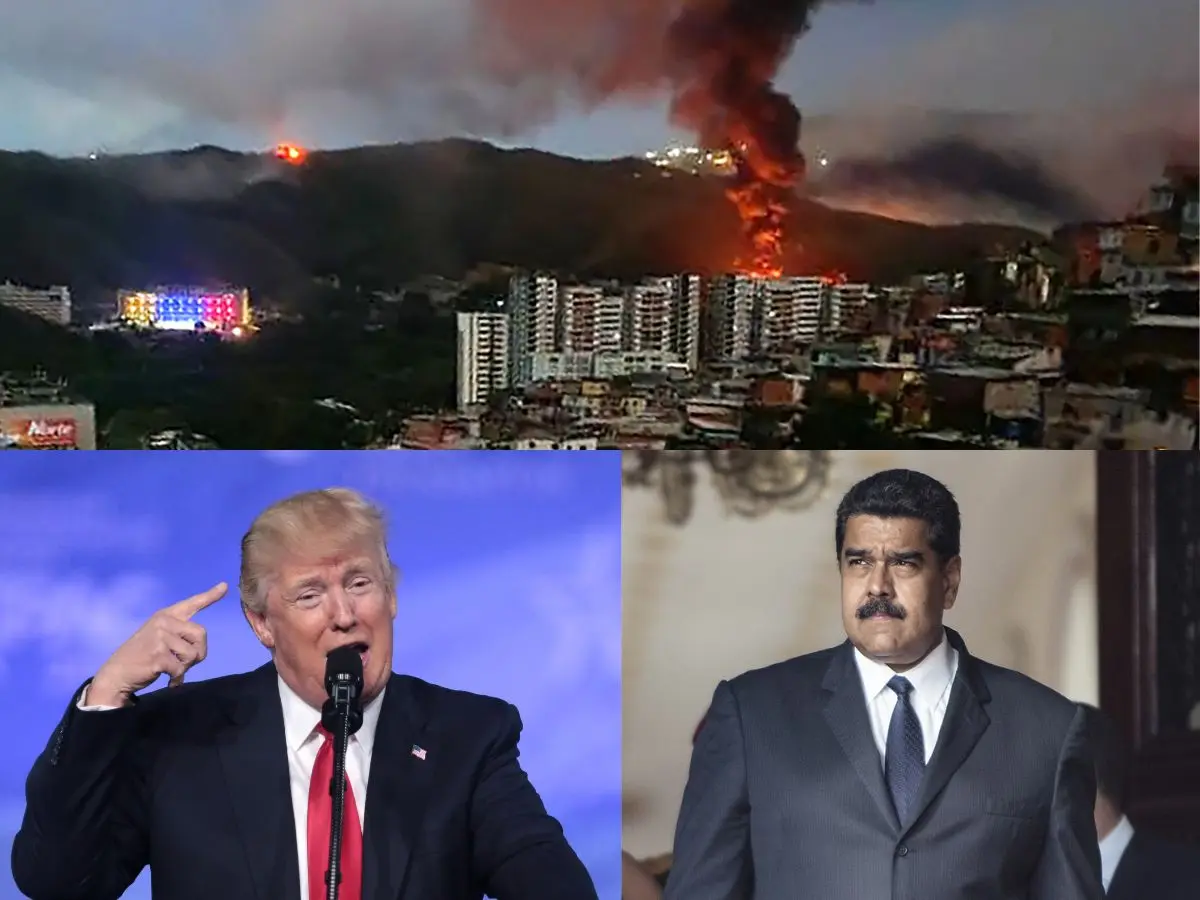
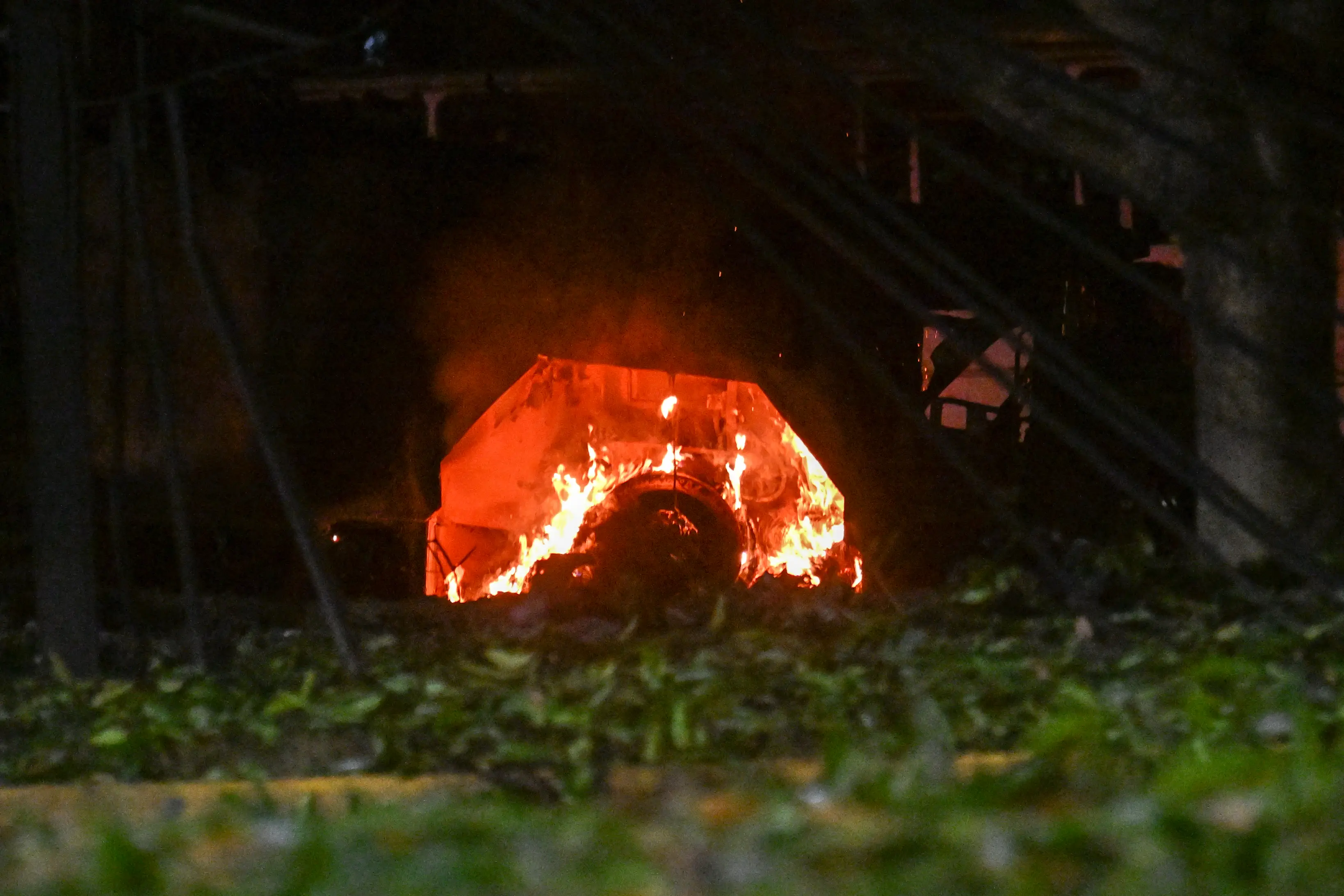
On Saturday, explosions and the sound of low-flying aircraft shook Venezuela as the United States have launched an attack on several sites, prompting President Nicolás Maduro to declare a nationwide state of emergency. The Venezuelan government described the incident as an ‘extremely serious military aggression’ by the United States. Hours later, US President Donald Trump claimed that American forces had captured Maduro and his wife, Cilia Flores, and flown them out of the country. In a statement posted on Truth Social, Trump said the operation was carried out in coordination with US law enforcement, a reference likely linked to longstanding US indictments against the Venezuelan leader.
Power Imbalance Exposed
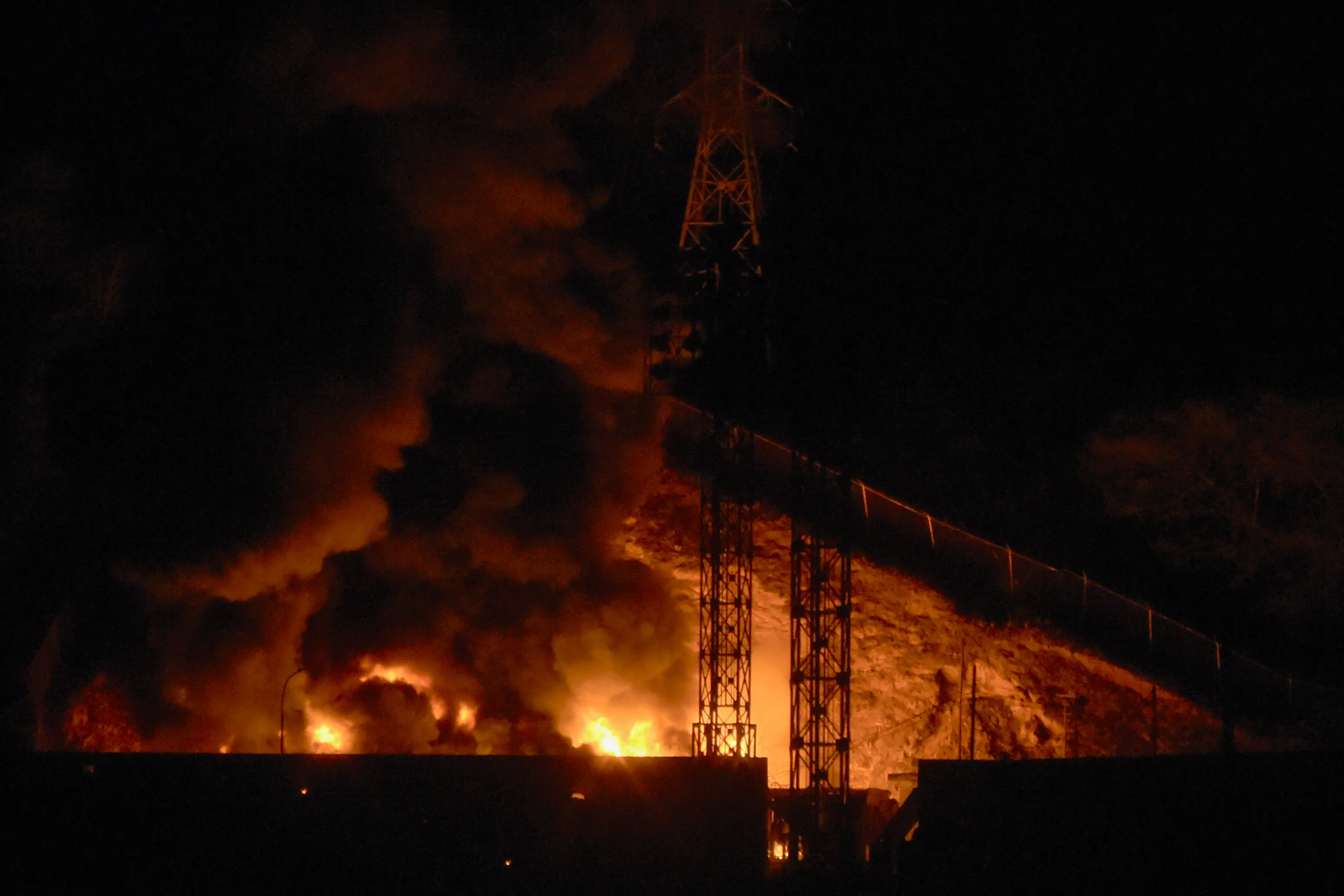
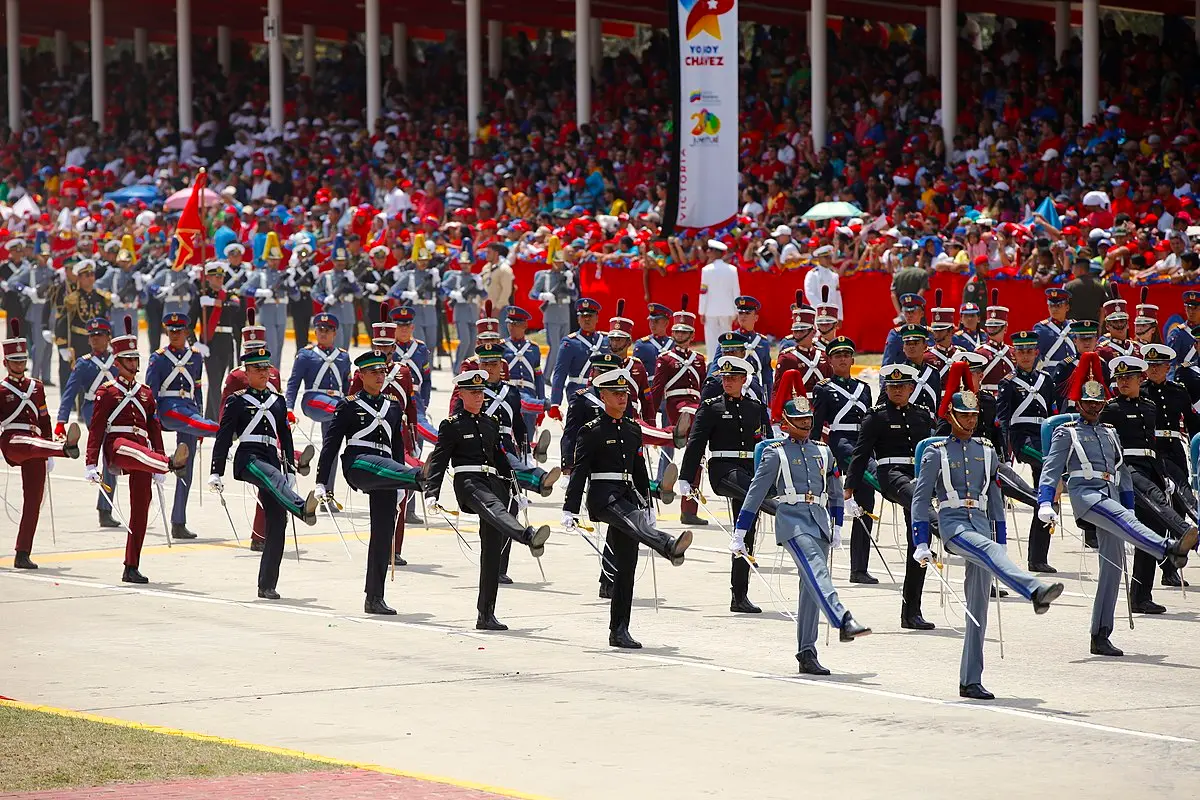
Venezuela, a country with limited military depth and a struggling economy, is structurally ill-equipped to confront a global superpower. With a smaller population, constrained defence spending and ageing equipment, its armed forces are designed largely for internal security and border control rather than large-scale external warfare. Any comparison with the United States is therefore less a measure of parity than an illustration of imbalance, highlighting just how exposed Caracas is when faced with Washington’s overwhelming military, financial and logistical capacity.
Global Firepower Rankings Tell the Story
According to the Global Firepower Index, the United States ranks as the world’s strongest military power, while Venezuela is placed around 50th globally. The ranking reflects not a narrow gap, but a structural imbalance across manpower, equipment, logistics, funding and operational reach.
Troop Numbers: Scale Matters
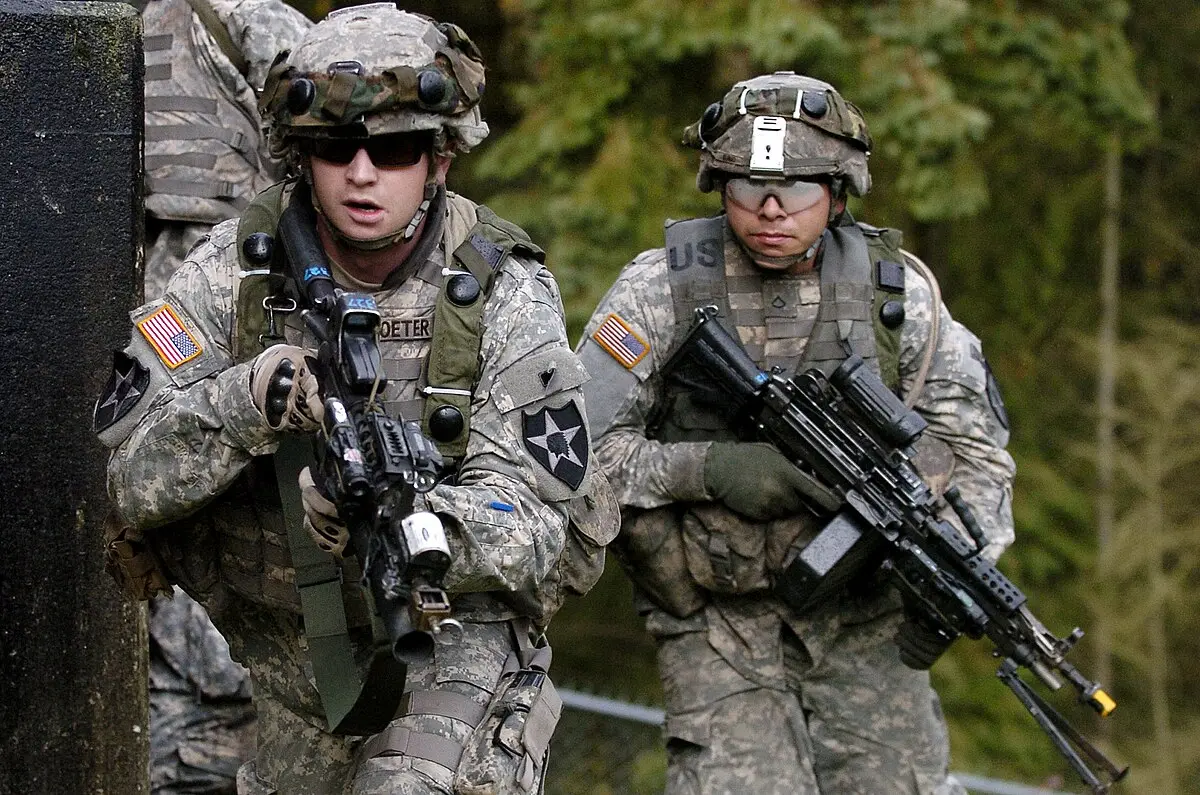
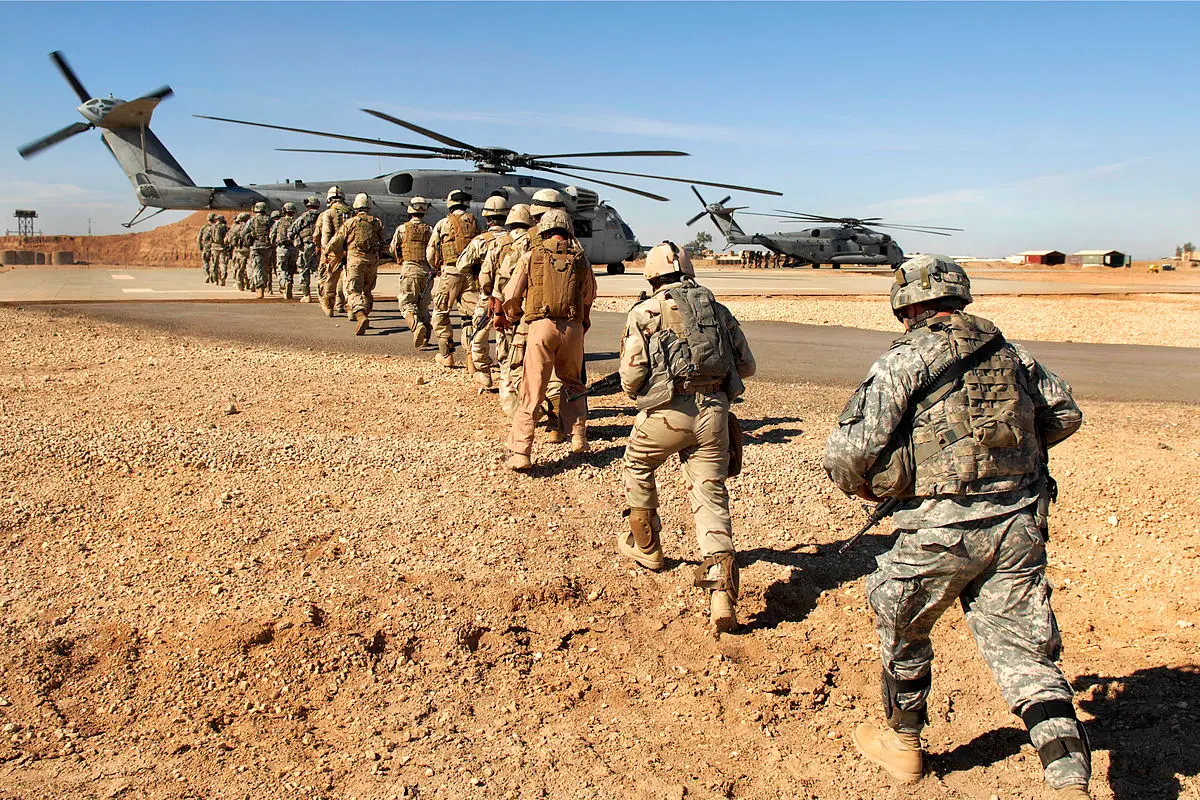
The United States fields roughly 1.33 million active-duty troops, supported by close to 800,000 reservists. Venezuela, by contrast, has about 109,000 active personnel and an estimated 8,000 reserves. This disparity limits Venezuela’s ability to sustain prolonged or large-scale operations beyond its borders.
Air Power: An Overwhelming Divide
Air superiority is one of the clearest indicators of imbalance. The US military operates more than 13,000 aircraft across its air force, navy and marine corps. Venezuela’s entire air fleet totals just 229 aircraft, many of them ageing platforms with limited combat capability.
Land Forces and Armour
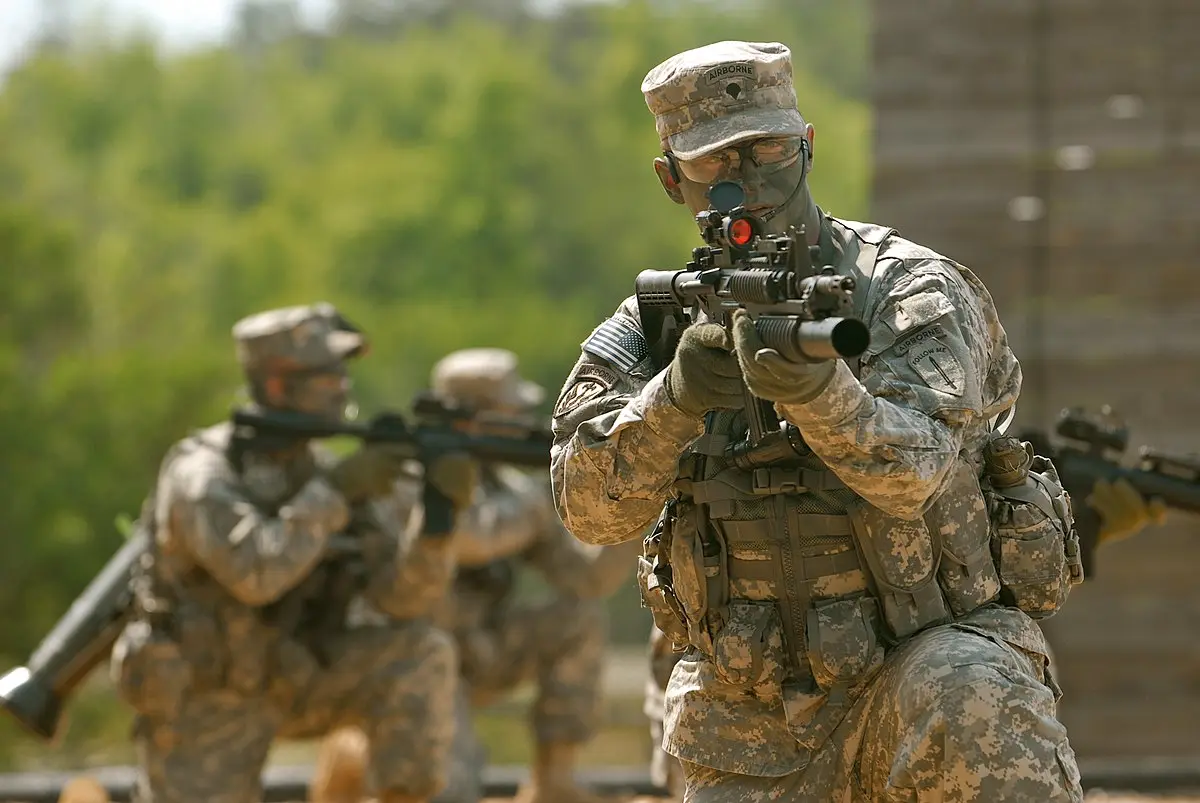
On the ground, the United States possesses nearly 392,000 armoured vehicles, including modern tanks and infantry fighting vehicles. Venezuela fields around 8,800 armoured vehicles. The difference extends beyond numbers to maintenance, supply chains and training depth.
Naval Strength and Reach
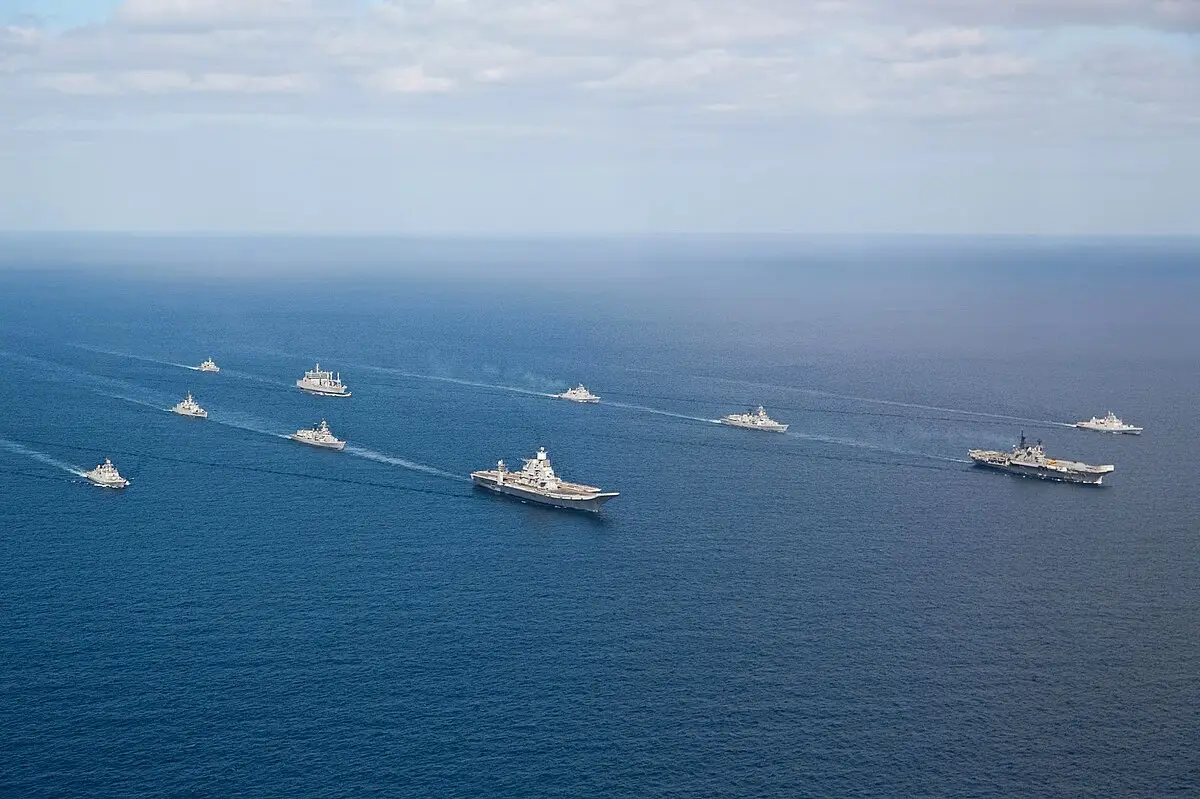
Venezuela’s navy consists of roughly 34 vessels, largely patrol and coastal ships. The United States operates about 440 warships, including aircraft carriers, destroyers and submarines capable of global deployment. This allows Washington to project power far beyond its shores.
Oil Wealth, Military Limits
Venezuela’s principal strategic advantage lies not in military strength but in natural resources. It holds the world’s largest proven oil reserves, estimated at 303.8 billion barrels. Yet limited infrastructure and capacity mean this wealth does not translate into comparable military power, underscoring how exposed the country remains in any direct confrontation with the United States.
)
)
)
)
)