'New York to LA in 3 hours’: NASA’s X-59 is helping revive supersonic passenger flights! Here’s how

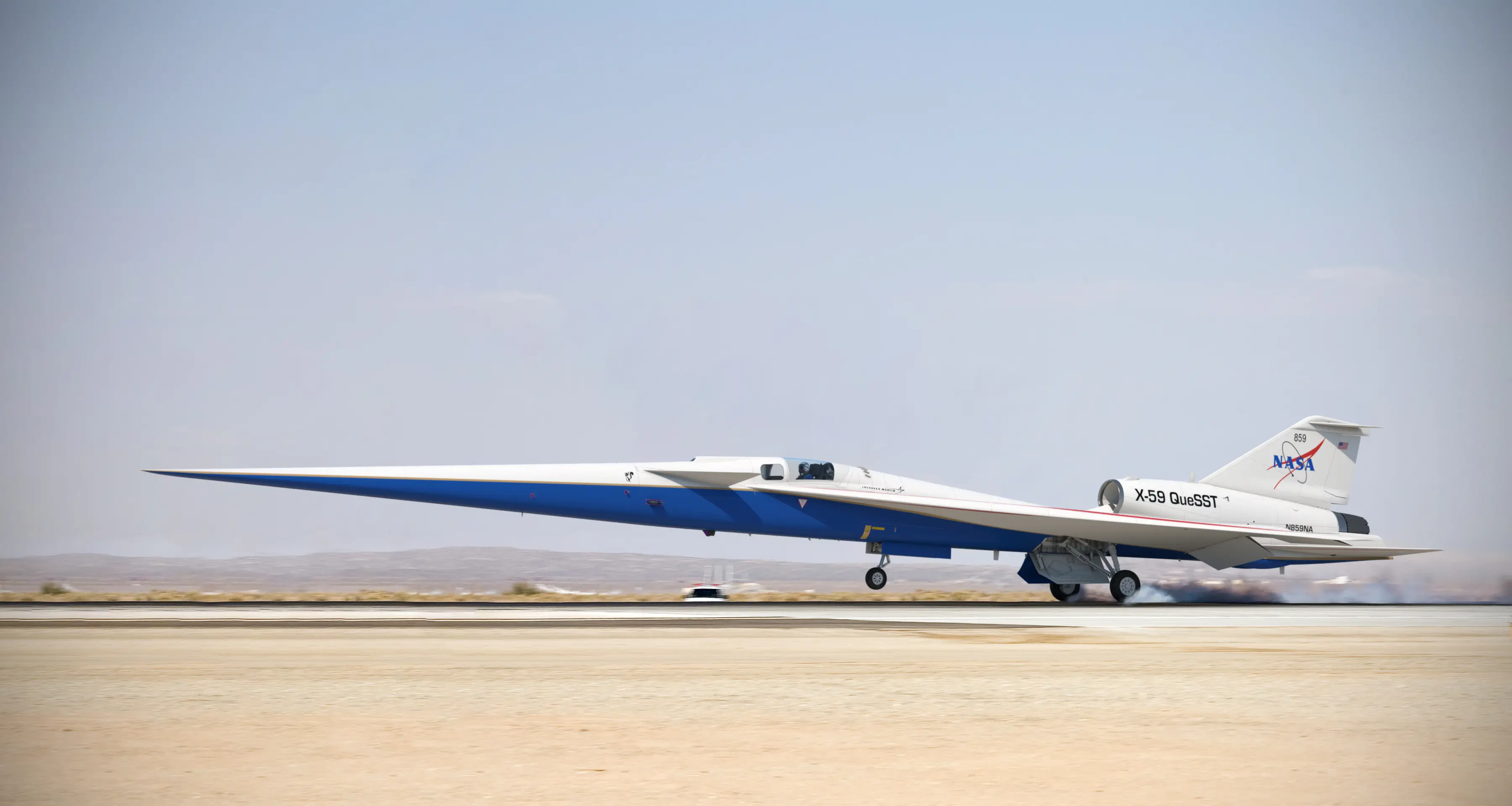
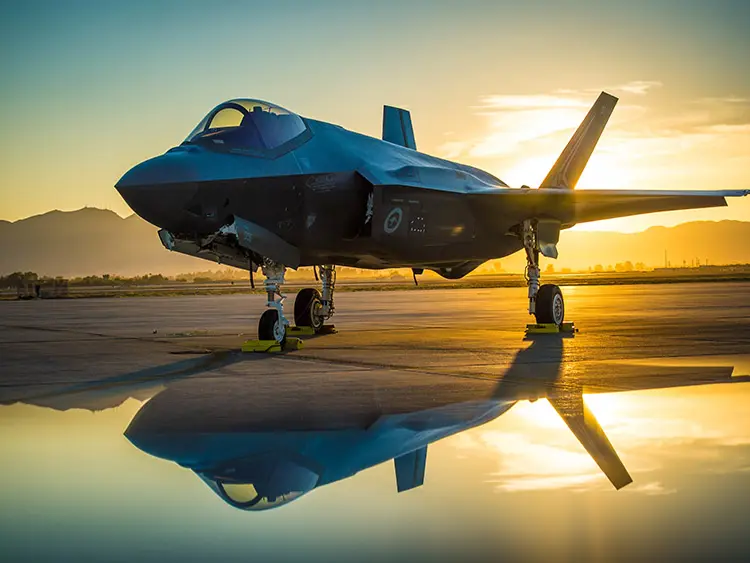
Modern aerospace companies like Boom Supersonic and defence giant Lockheed Martin (in partnership with NASA) are now developing “quiet” supersonic jets.
A 52-Year Ban Comes to an End
On June 6, a new US executive order officially lifted the ban on overland commercial supersonic flights, a restriction that had been in place since 1973 due to noise concerns. This marks the first major policy shift in over half a century toward reintroducing high-speed passenger air travel across the continental US.
Why the Ban Was Imposed in the First Place
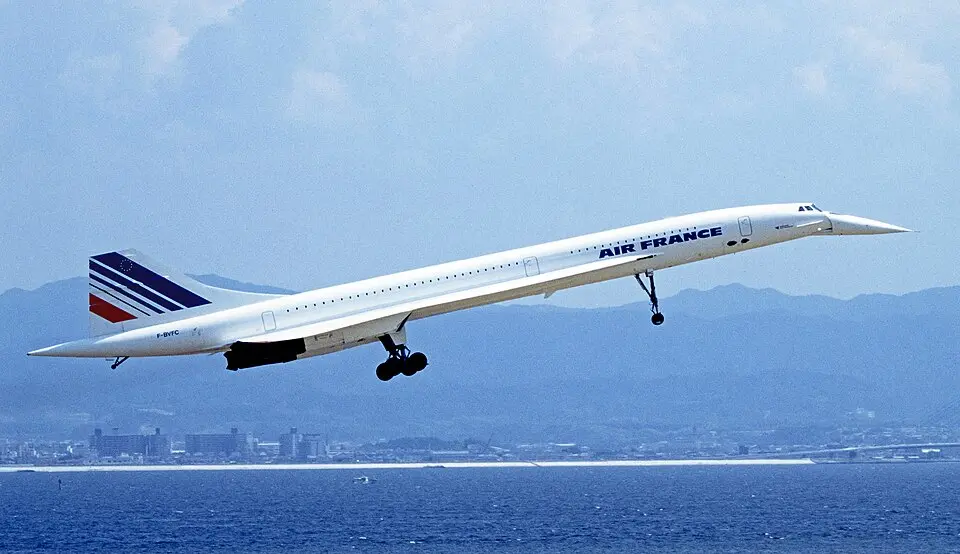
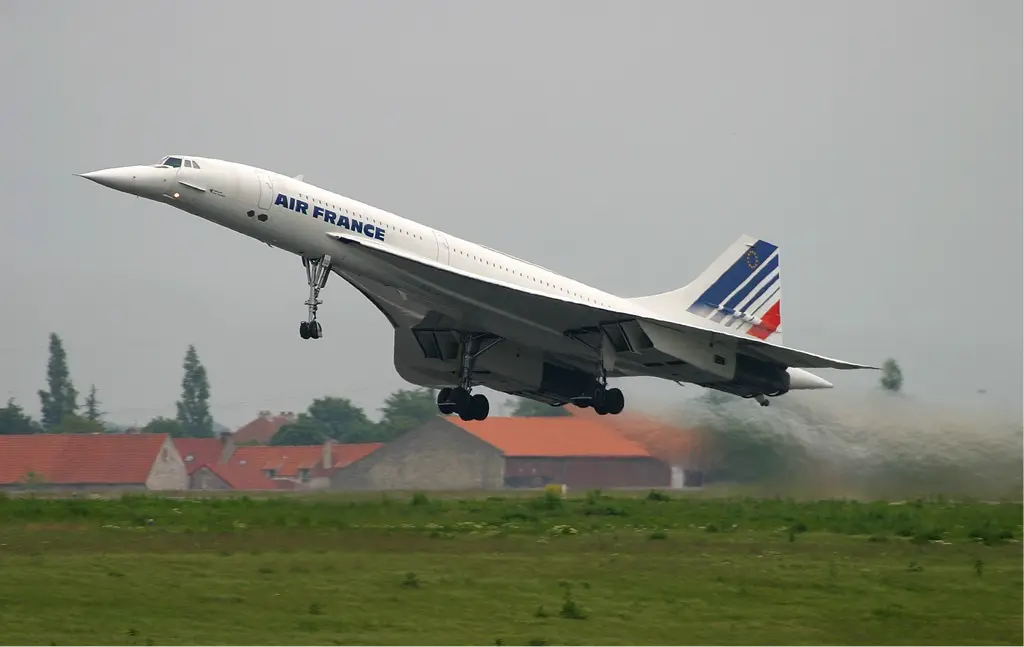
In the 1970s, the sonic booms created by aircraft flying faster than the speed of sound (Mach 1) sparked public outcry. Communities complained of deafening noise and even reports of window damage. As a result, the FAA outlawed commercial supersonic flights over land, confining them to oceanic routes like the Concorde’s famous transatlantic trips.
A New Era of Quiet Supersonic Technology
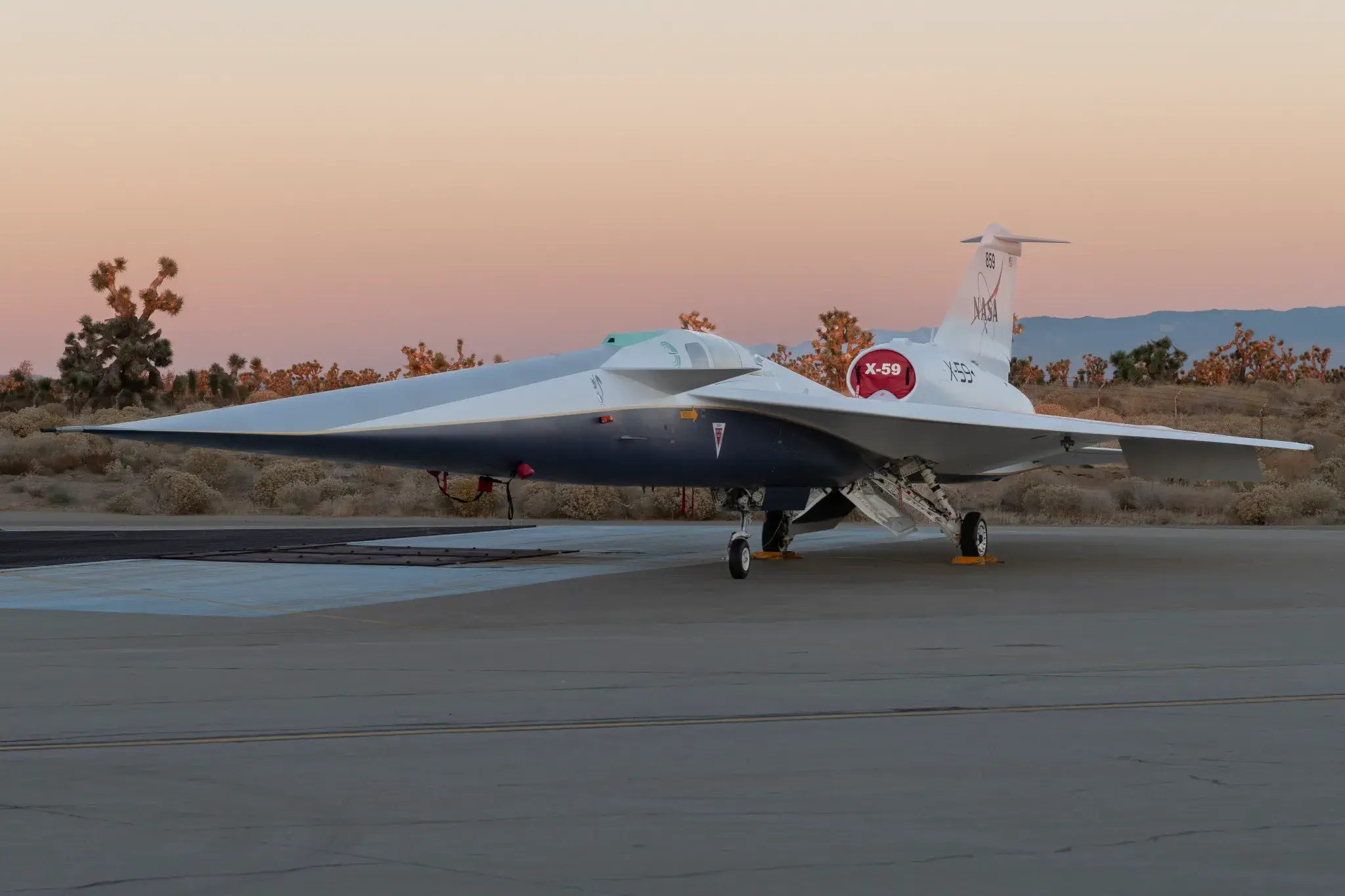
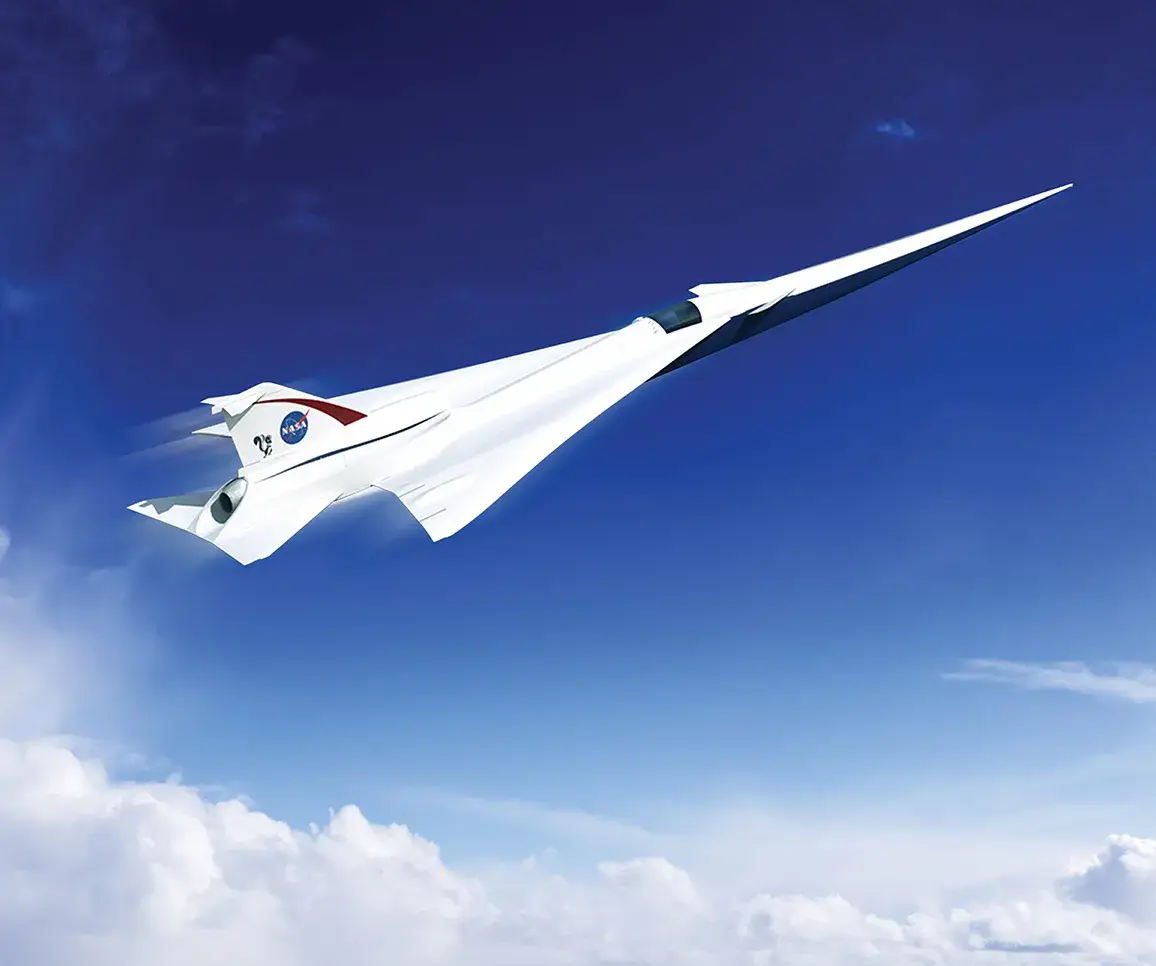
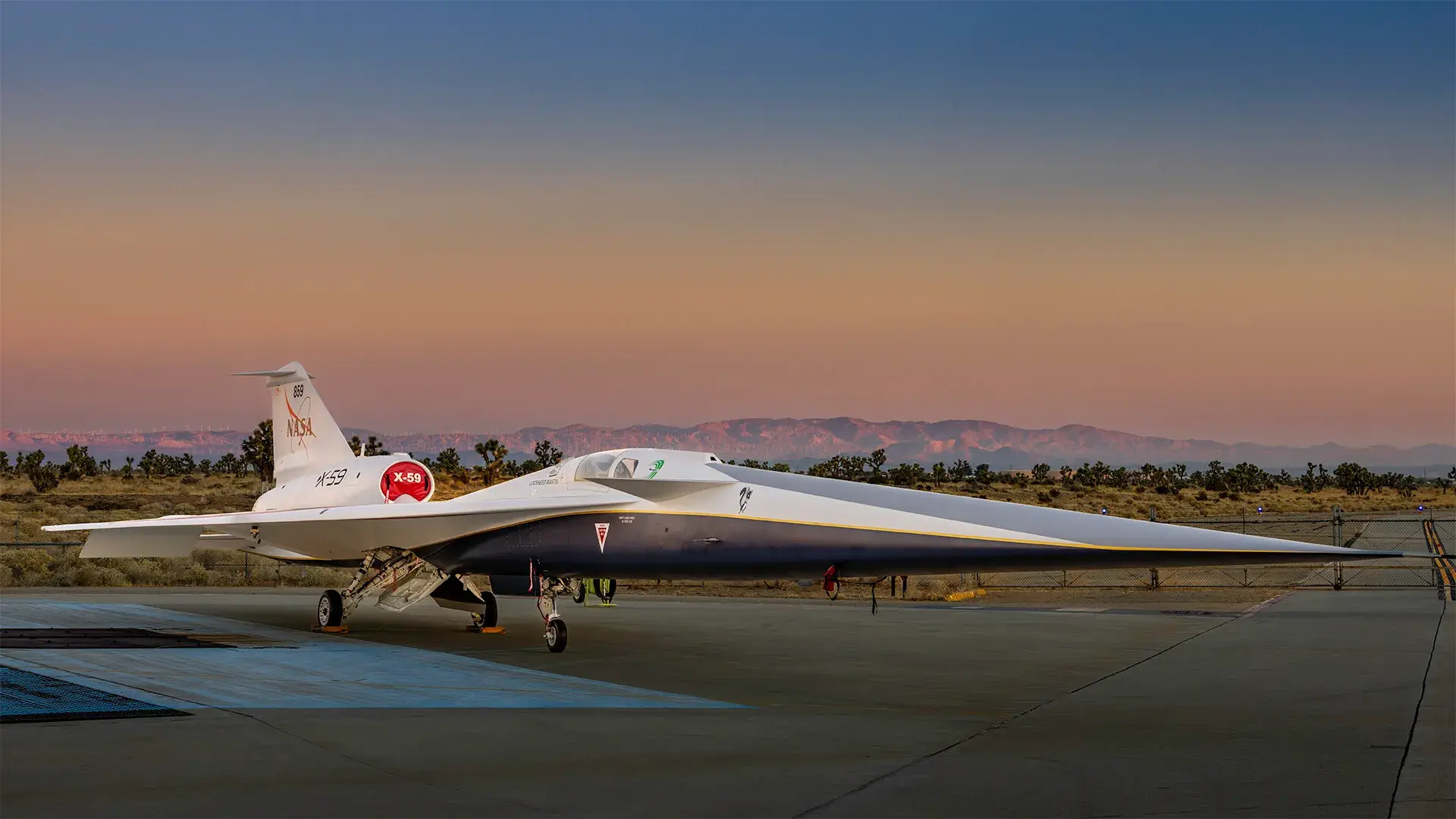
Modern aerospace companies like Boom Supersonic and defence giant Lockheed Martin (in partnership with NASA) are now developing “quiet” supersonic jets. Innovations such as the boomless cruise and the X-59’s engine placement help redirect and dissipate sonic booms before they hit the ground, a key factor in winning regulatory approval.
Cutting Cross-Country Travel Times in Half
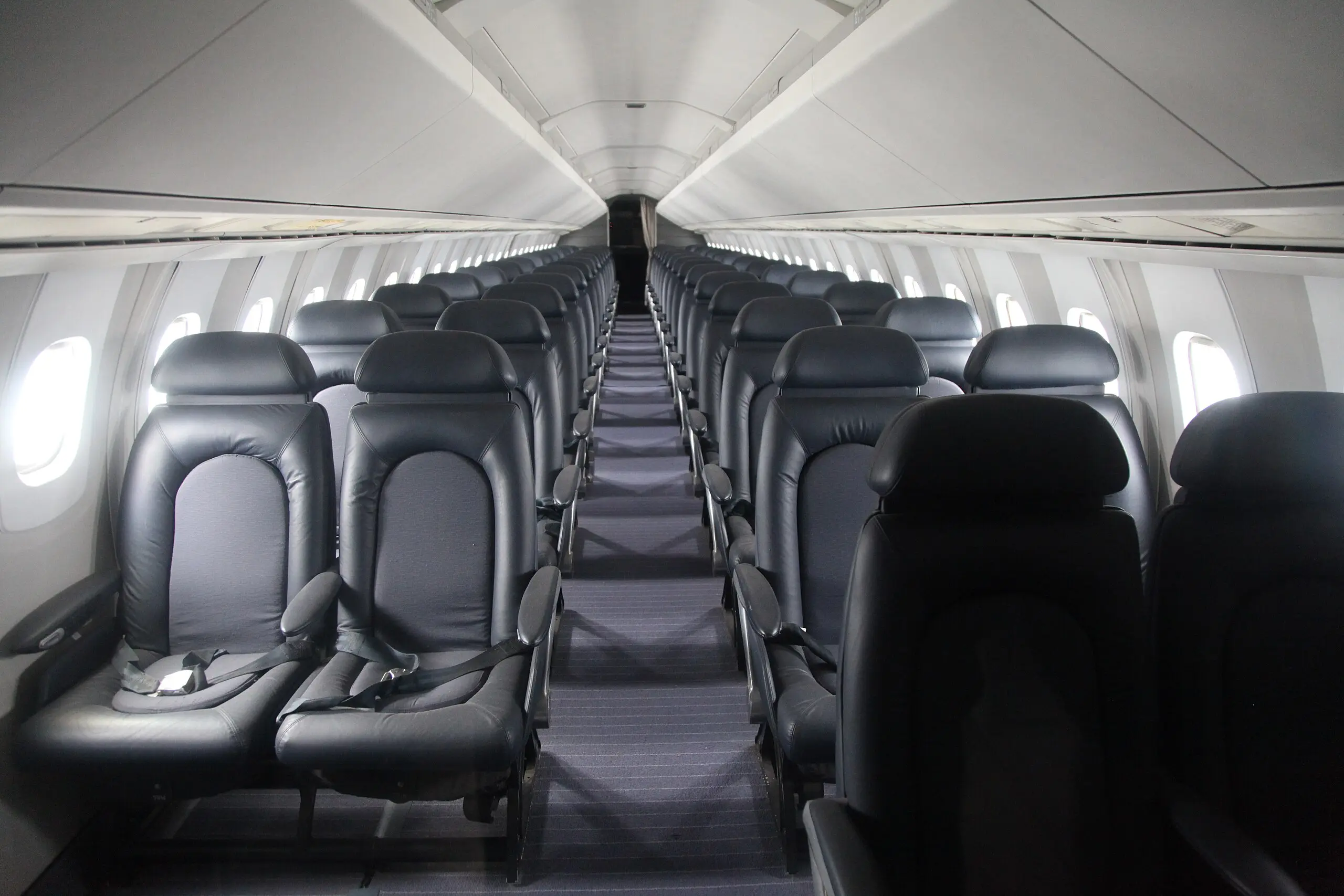
If the technology meets new noise standards, passengers could fly from New York to Los Angeles in as little as 3–3.5 hours, compared to today’s six-hour average. Similar routes across the US could see time savings of 40–50 per cent.
The Race Between Boom and NASA’s X-59
Boom Supersonic recently achieved a milestone in January 2025 by flying at Mach 1 with zero audible sonic boom at ground level. Meanwhile, NASA’s X-59 Quiet Supersonic Transport is preparing for test flights designed to prove that supersonic travel can be nearly as quiet as subsonic jets.
The Fast-Track Regulatory Timeline
The executive order lays out an aggressive schedule:
- Dec. 3, 2025: Repeal prohibitions on overland supersonic flights.
- Dec. 6, 2026: Establish official noise certification standards.
- June 6, 2027: Implement final operational rules.
This could see the first paying passengers boarding supersonic domestic flights by mid-2027.
A Potential Revolution in Air Travel
If companies meet these targets, the US could see a new golden age of high-speed aviation, reshaping business travel, tourism, and even the economics of flight routes. While environmental and cost challenges remain, the return of supersonic flight is no longer science fiction, it’s a matter of a few years.
)
)
)
)
)