'Needle Guns': How sailors remove rust from the USS Abraham Lincoln every day

US Navy sailors use powerful pneumatic needle guns, striking up to 4,800 times a minute, to chip away thick rust and protect the 100,000-tonne USS Abraham Lincoln from severe oceanic corrosion.
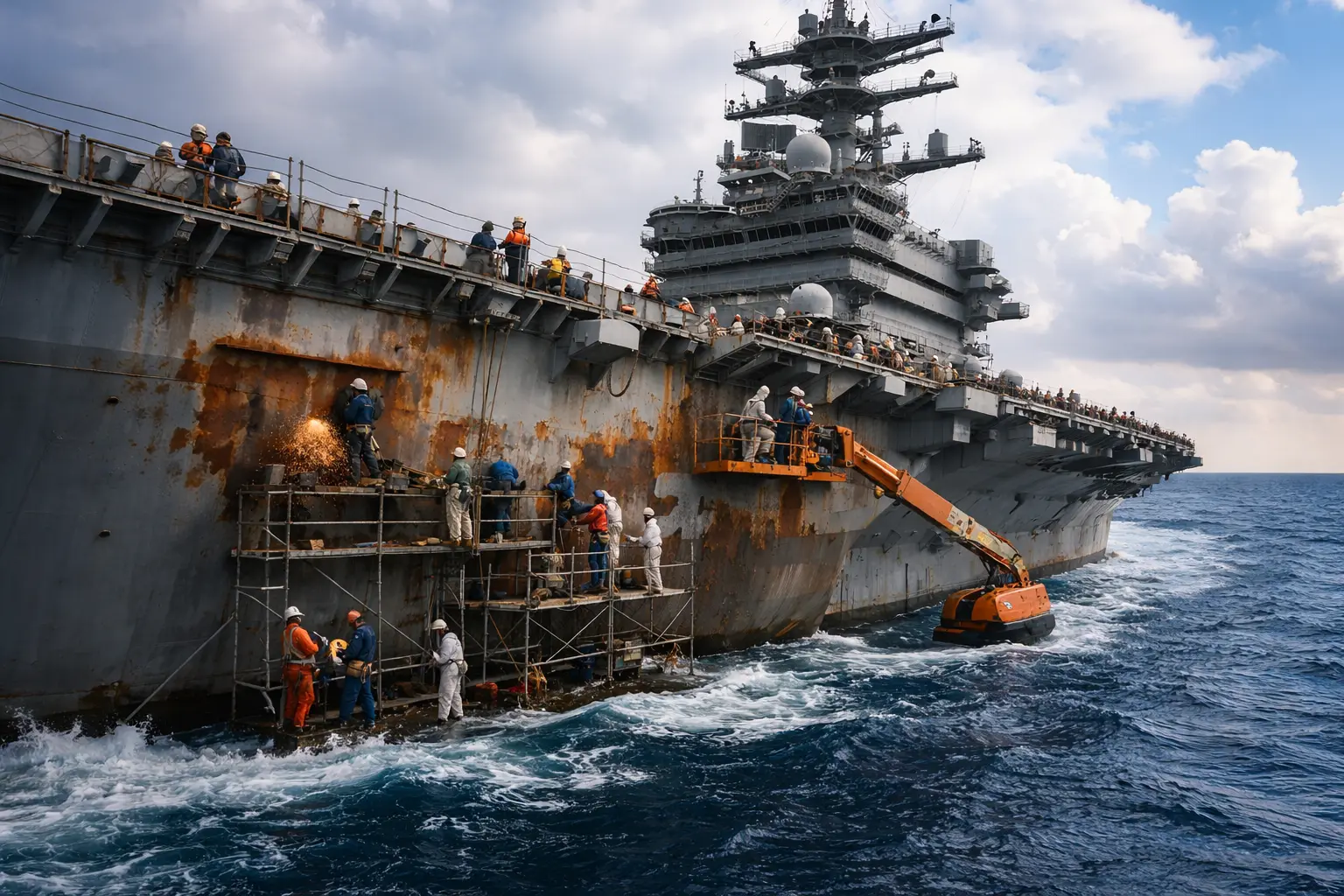
100,000-Tonne Steel Giant
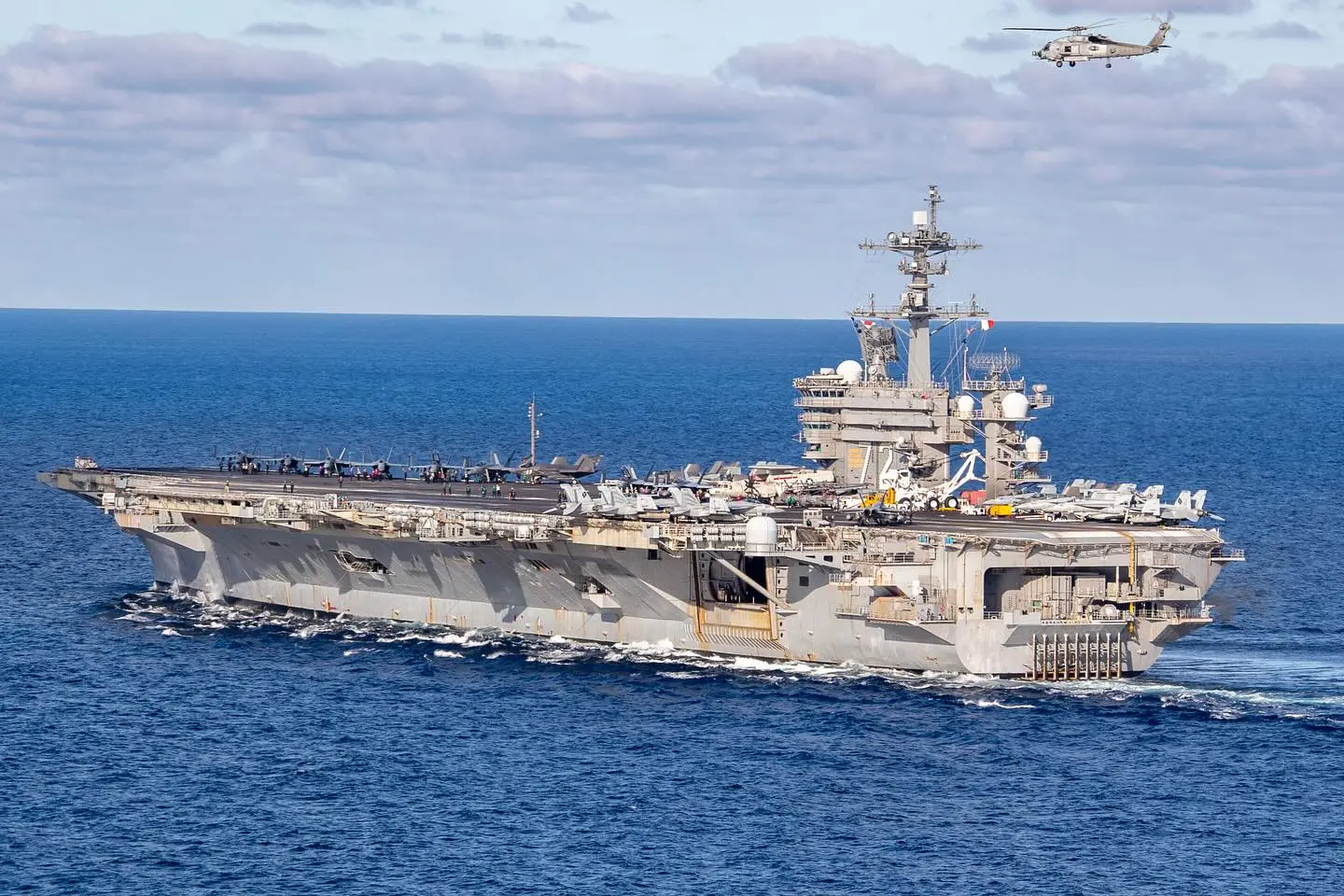
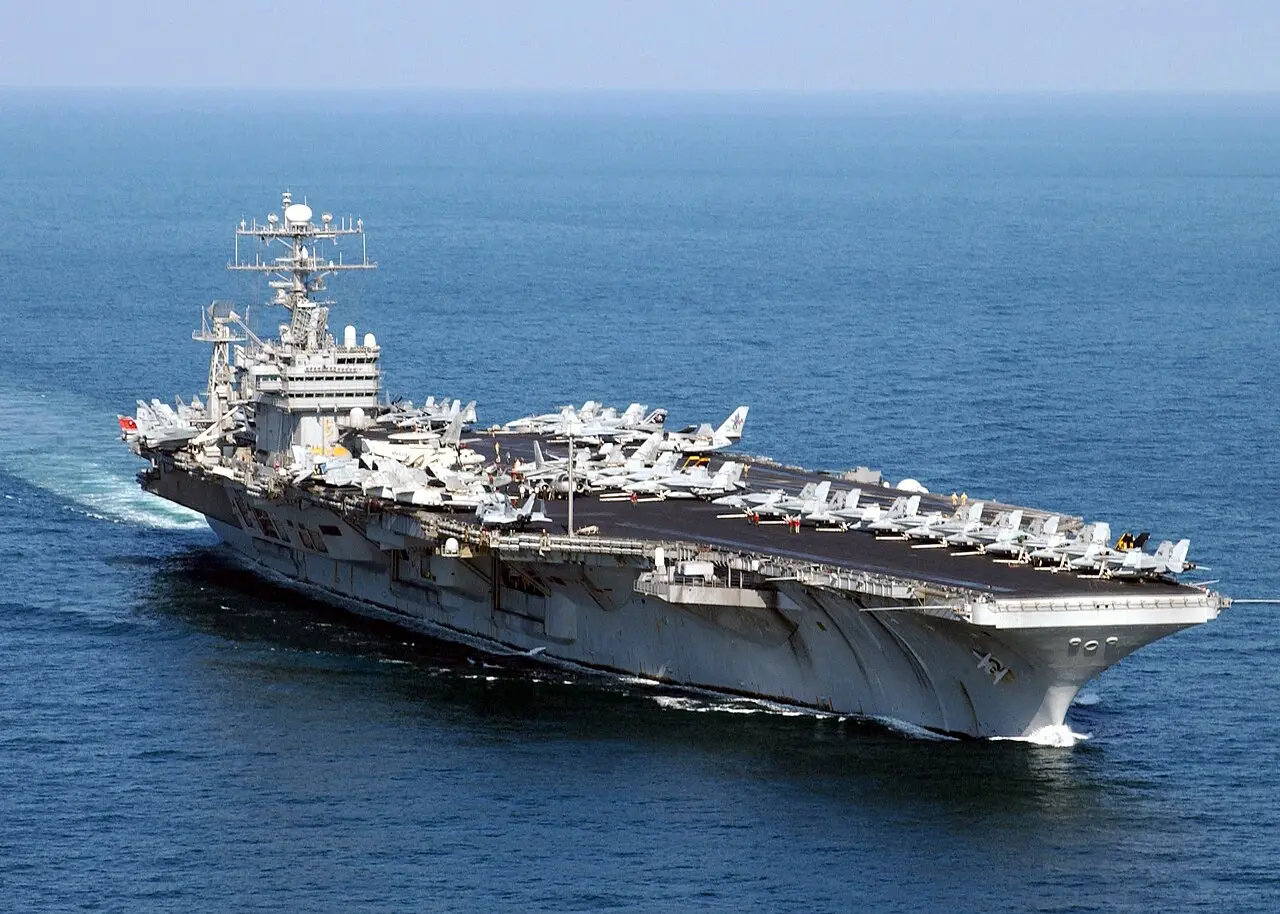
The USS Abraham Lincoln is a massive nuclear-powered Nimitz-class aircraft carrier that constantly battles oceanic elements. Because harsh saltwater accelerates severe corrosion, the warship requires rigorous, daily surface maintenance to survive.
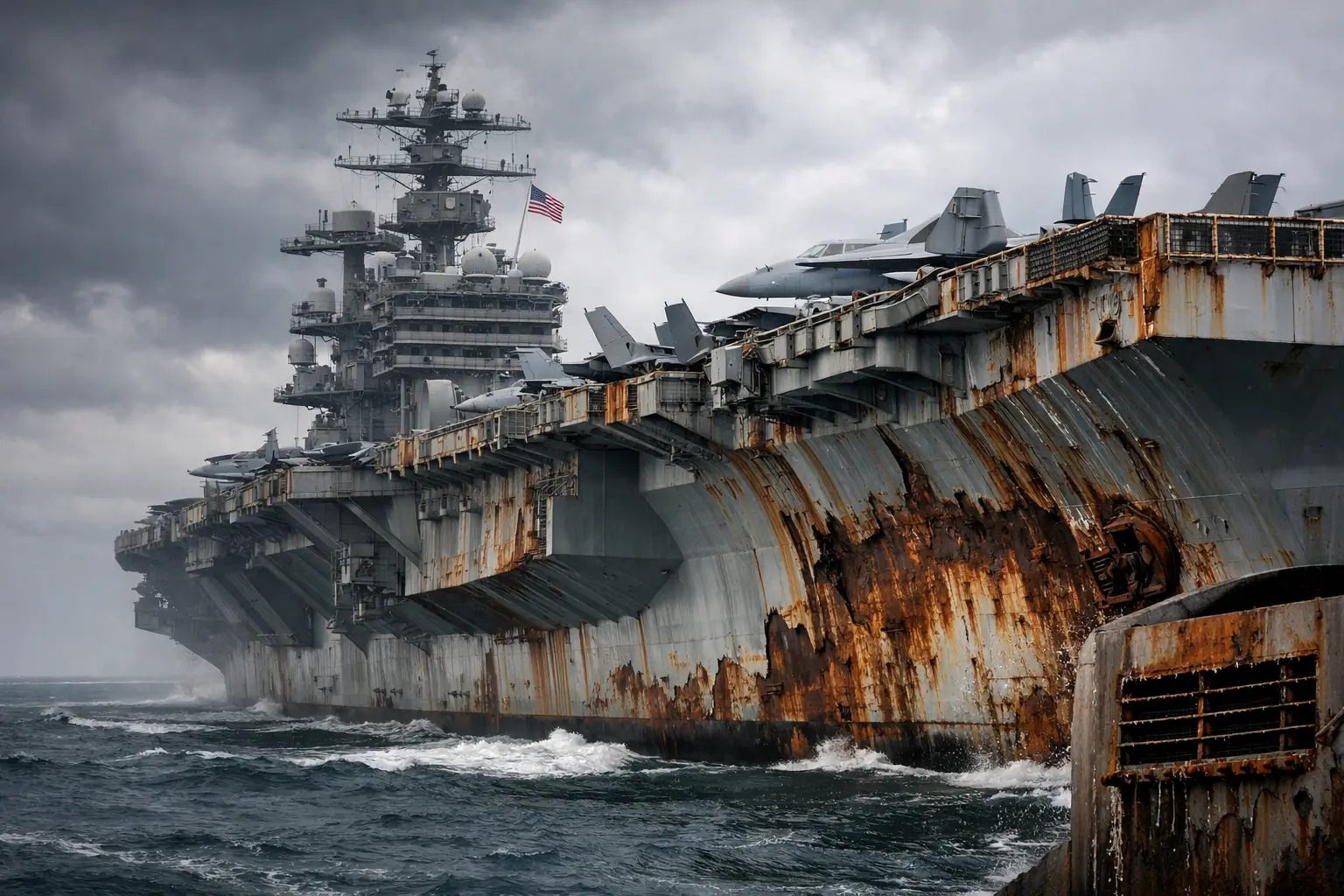
4,800 Strikes A Minute
Sailors operate a heavy-duty pneumatic tool known as a needle scaler, or needle gun, to eliminate stubborn rust. These powerful devices use compressed air to deliver up to 4,800 blows per minute against the ship's metal surface.
Multiple Steel Chipping Needles
The tool drives a tightly bound set of fine steel rods directly into the oxidised metal to chip away thick scale. These independent needles adjust automatically to uneven surfaces, weld seams, and tight deck corners.
100 Per Cent Bare Metal
Operating the tool exposes the clean steel beneath the decay without thinning or destroying the fundamental deck structure. Sailors can quickly clear deteriorated paint and severe rust from the carrier's fantail and capstans.
Above 100 Decibel Noise
This mechanical surface preparation is incredibly loud, generating intense acoustic hazards and hand-transmitted vibrations across the steel corridors. Personnel are required to wear strict protective gear, including heavy gloves, goggles, and ear defenders.24/7 Combat Readiness
Zero Per Cent Toxic Chemicals
Using air-powered needle guns allows the maritime crew to thoroughly strip damaged surfaces without relying on harmful chemical solvents. This mechanical method safely removes hard coatings while protecting the surrounding ocean environment.
24/7 Combat Readiness
Immediately after chipping the rust, the crew applies fresh primer and marine paint to stop flash rusting from the salty sea air. This relentless daily preservation strategy ensures the nuclear-powered aircraft carrier remains completely operational.
)
)
)
)
)