'NASA's high-tech nerve center': Understanding the tech behind 'Artemis 2 Mission Control' room

NASA's upgraded Mission Control Center in Houston stands ready as the digital nerve center for upcoming Artemis lunar expeditions, leveraging advanced telemetry and global teamwork to protect the crew.
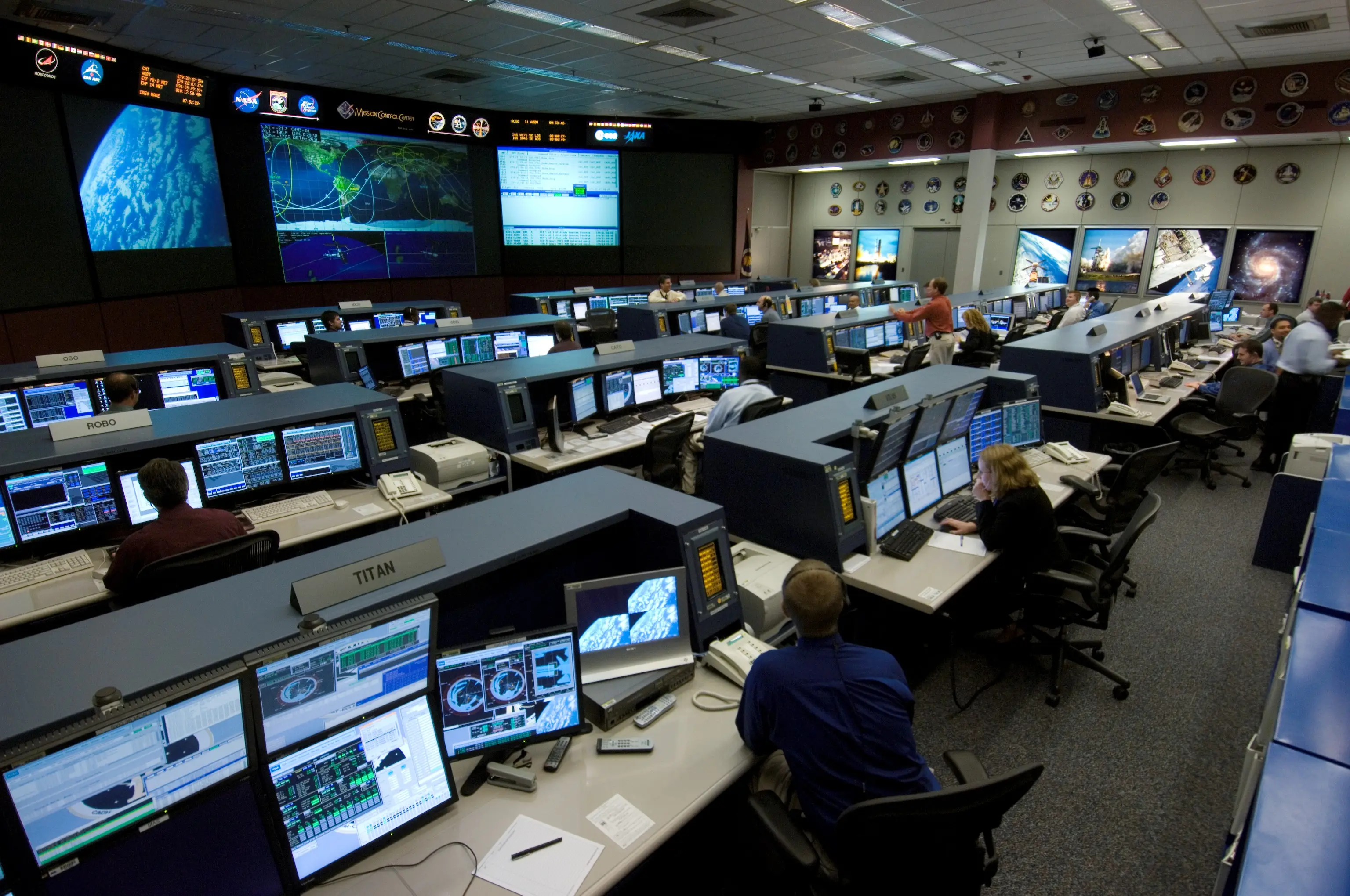
Modernized Nerve Center for Deep Space
The focal point for America’s imminent return to the lunar surface is the extensively upgraded White Flight Control Room in Houston. Moving far beyond the analog confines of the Apollo era, this state-of-the-art facility integrates next-generation data visualization tools, high-speed telemetry processing, and ergonomic workstations to effectively oversee operations. This robust digital transformation empowers ground teams to continuously analyze spacecraft health, manage complex environmental controls, and execute split-second trajectory corrections, serving as the absolute core of all ground-to-orbit coordination for deep space exploration.

Simultaneous Multi-Vehicle Coordination
Unlike previous eras where ground controllers focused predominantly on a single crewed vehicle, the upcoming lunar campaigns necessitate the concurrent monitoring of multiple distinct spacecraft. The mission control architecture has been rigorously adapted to seamlessly track the Orion crew module, the massive Space Launch System upper stages, commercial Human Landing Systems, and eventually the Gateway orbital outpost. This overlapping operational requirement demands unprecedented multi-tasking capabilities, where specialized teams monitor intersecting flight paths and synchronize intricate docking maneuvers in the volatile environment of cislunar space.
Intensive Scenario-Based Training Regimens
Long before liftoff occurs, the dedicated personnel staffing the control consoles undergo grueling and meticulously designed simulation exercises to prepare for every conceivable anomaly. Simulation supervisors intentionally inject critical system failures, sudden communication blackouts, and severe software glitches into the training environments. By relentlessly testing the flight controllers' ability to remain calm and decisively troubleshoot cascading emergencies, NASA ensures that the team possesses the psychological resilience and technical acumen necessary to protect the astronauts during genuine crises.
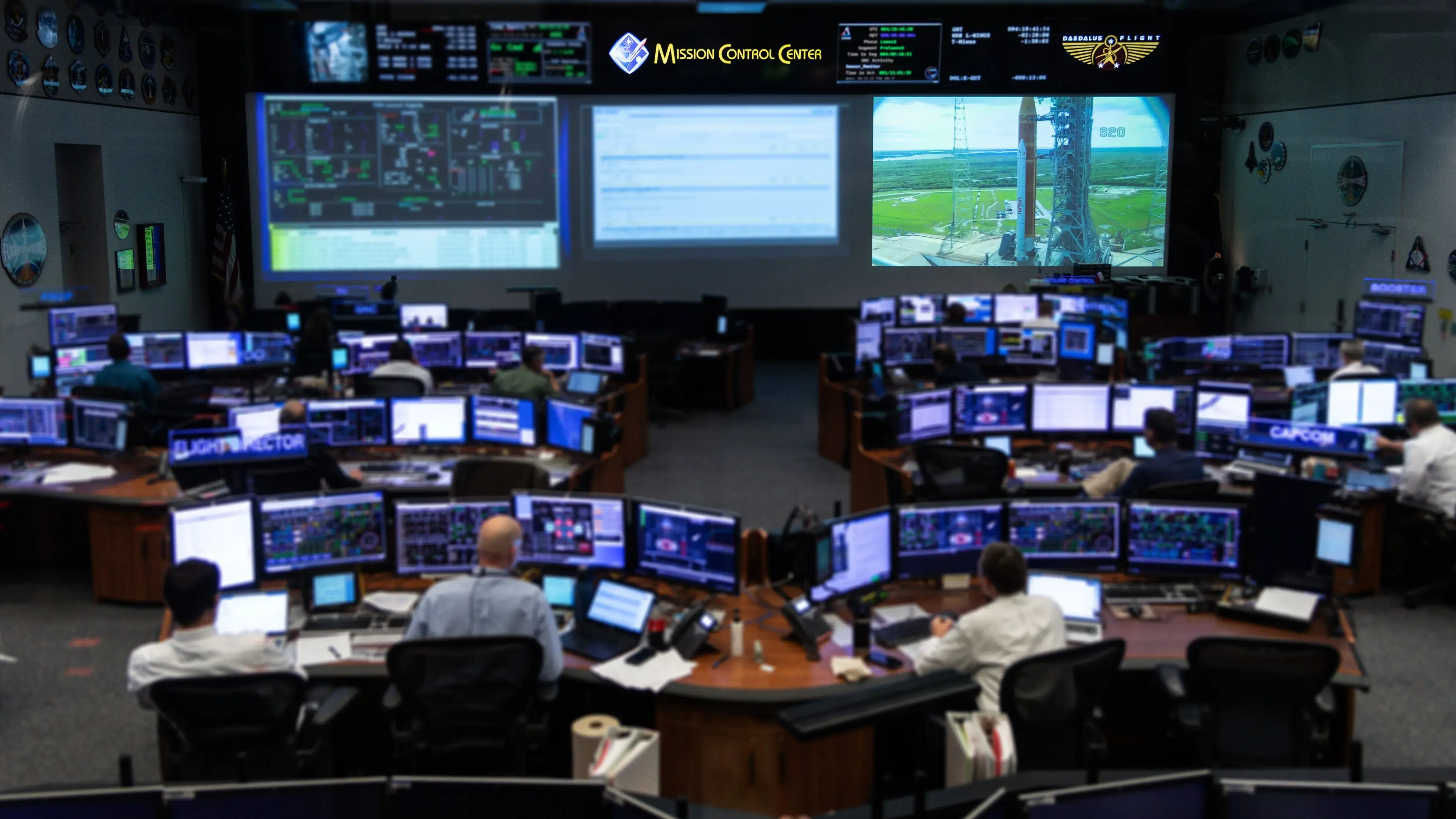
Pioneering Advancements in Telemetry
Navigating crewed modules hundreds of thousands of miles from Earth relies on immense volumes of uninterrupted data streaming through the Deep Space Network. Engineers have drastically enhanced the communication infrastructure, replacing legacy bandwidth limitations with advanced optical and high-frequency radio links. These upgrades allow the flight control room to receive high-definition video feeds, instantaneous physiological vitals from the crew, and detailed diagnostics of internal propulsion and life support mechanisms, bridging the vast physical void with continuous, reliable situational awareness.
The Weight of the Flight Director's CommandThe Weight of the Flight Director's Command
At the helm of this highly complex operation sits the Flight Director, an individual shouldering the ultimate responsibility for mission success and crew survival. This leader synthesises overlapping streams of highly technical information provided by specialised console operators, ranging from thermal dynamics to orbital mechanics, to make critical, time-sensitive decisions. The authority vested in this role is absolute, requiring an extraordinary blend of engineering expertise, strategic foresight, and the unyielding confidence to abort a mission phase if safety parameters are fundamentally compromised.
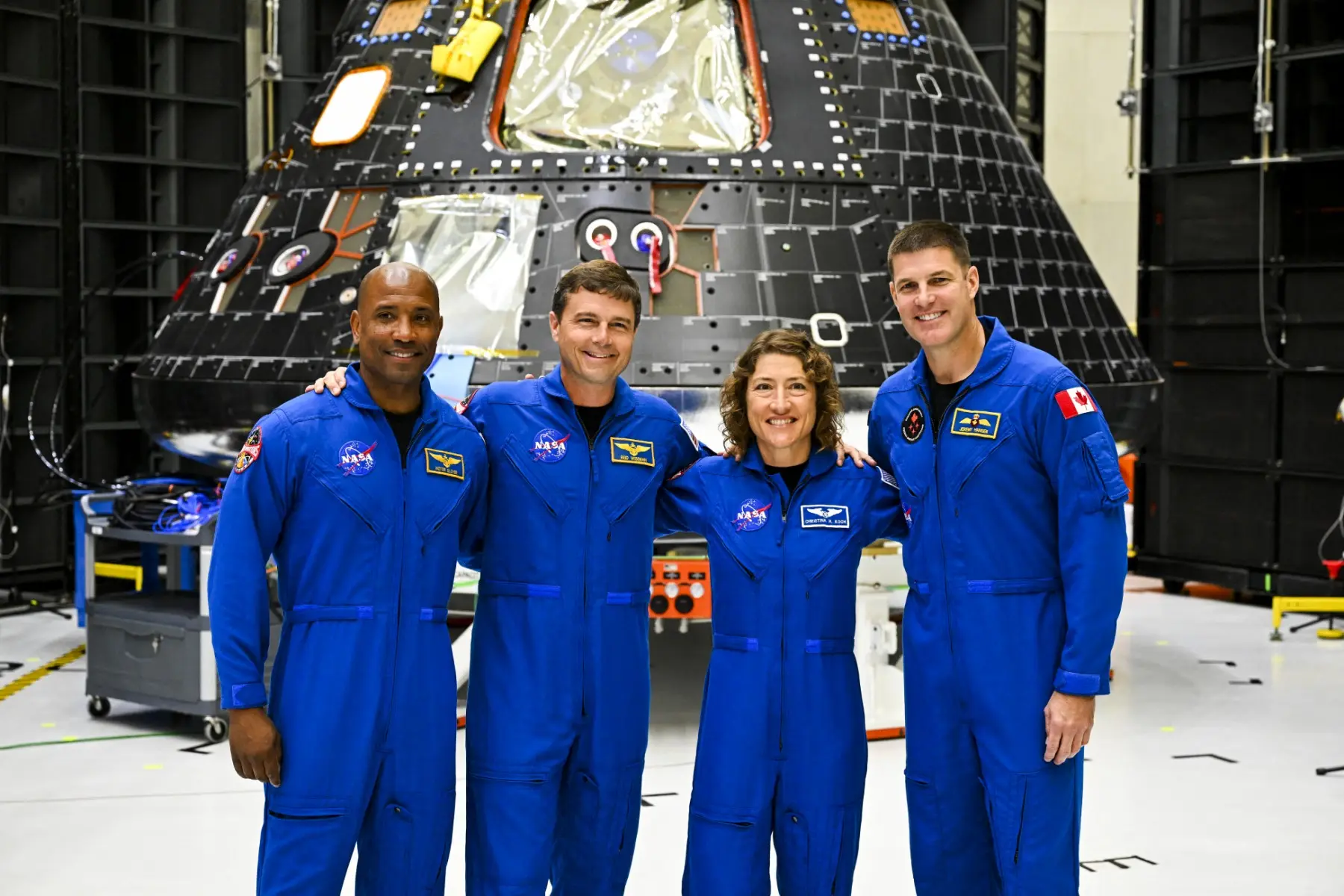
Unified Global Space Agency Integration
The complexities of returning humans to the Moon have transformed the control room into a hub of unprecedented international collaboration. Personnel from partnering organizations, such as the European Space Agency, are directly embedded within the operational hierarchy to oversee their specific hardware contributions, like the crucial European Service Module. This cross-border integration demands standardized communication protocols and a unified chain of command, ensuring that diverse international engineering teams function cohesively as a single, well-oiled machine during the most perilous phases of the voyage.
Bridging Legacy with Future Ambitions
While heavily reliant on bleeding-edge technologies and modern computer architectures, the revamped facility remains profoundly anchored to the historical lessons learned from past spaceflight triumphs and tragedies. The layout, operational discipline, and cultural ethos of the room continue to reflect the foundational principles established during the mid-twentieth century space race. By marrying these time-tested methodologies with modern computational power and predictive artificial intelligence, the facility not only secures the success of immediate lunar landings but also lays the vital groundwork for subsequent crewed expeditions to Mars.
)
)
)
)
)