'Nagastra, Ghatak & more': How indigenous drones are driving India’s $11 billion UAV market

The Indian drone market is projected to reach $11 billion by 2030, accounting for 12.2 per cent of the global drone market.

Accelerated Modernisation After Operation Sindoor
In the aftermath of Operation Sindoor, India has rapidly accelerated UAV-led modernisation across its armed forces. The domestic drone market is projected to reach $11 billion by 2030, accounting for 12.2 per cent of the global share. Emergency procurements have been fast-tracked, with defence approvals worth Rs. 6.81 lakh crore in the past year alone, spanning drones, precision munitions and secure communications systems.
Policy Push and Indigenous Ecosystem Growth
Policy reforms have underpinned this shift. Since the 2021 ban on imported drones and the introduction of the Production Linked Incentive scheme for drones and components, domestic manufacturers have gained momentum. The scheme, notified by the Ministry of Civil Aviation, allocates Rs. 120 crore over FY 2021-22 to FY 2023-24, accelerating indigenous design and manufacturing. It has also eased licensing and encouraged startups in the UAV sector.
ISR Drones Strengthening Surveillance
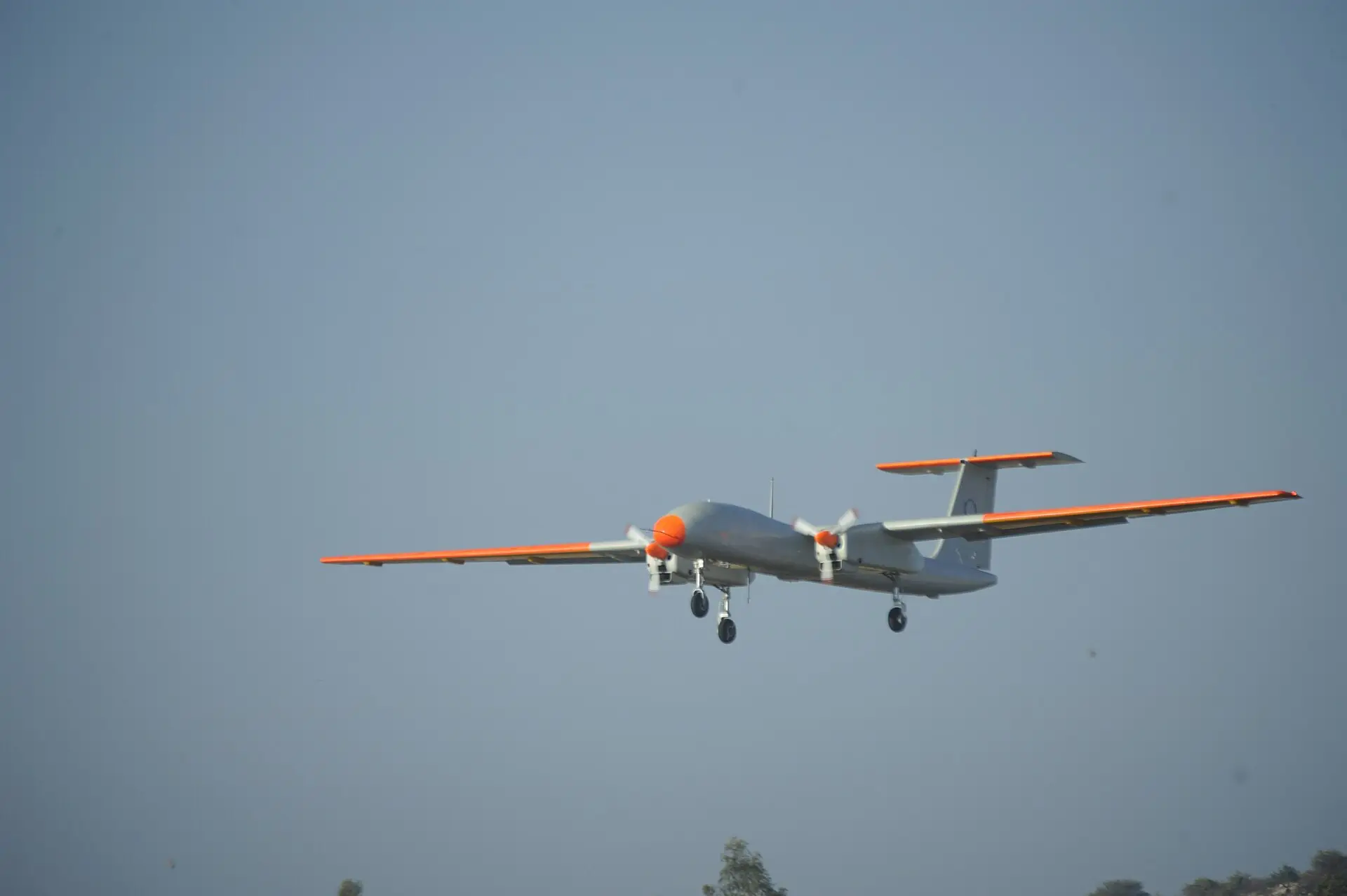
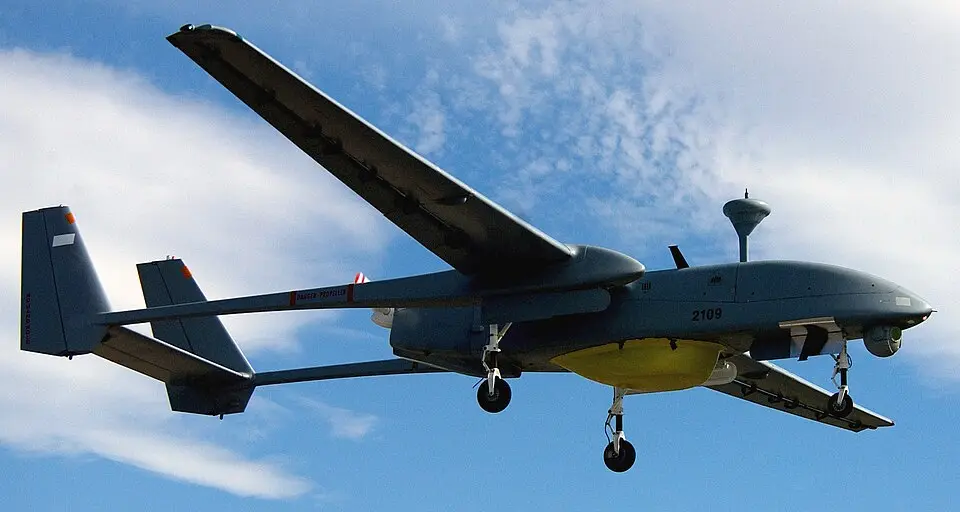
Intelligence, surveillance and reconnaissance drones form a key layer of India’s capabilities. Platforms include DRDO’s TAPAS-BH-201 and Rustom, alongside Israeli-origin Heron systems. These aircraft provide persistent aerial monitoring for defence operations and border management, enhancing situational awareness across varied terrain. TAPAS-BH-201 is designed for medium-altitude persistent surveillance missions. However, as of early 2026, the program is at a critical juncture. While it has successfully completed over 200 test flights and demonstrated high-altitude operations, there have been conflicting reports regarding its future.
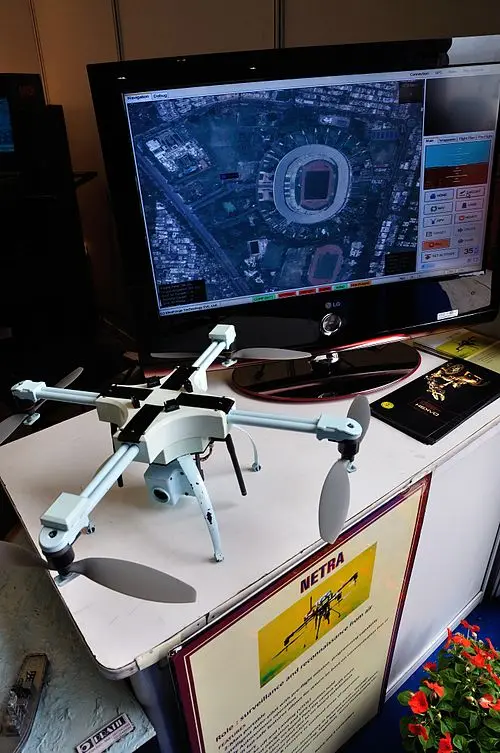
NETRA
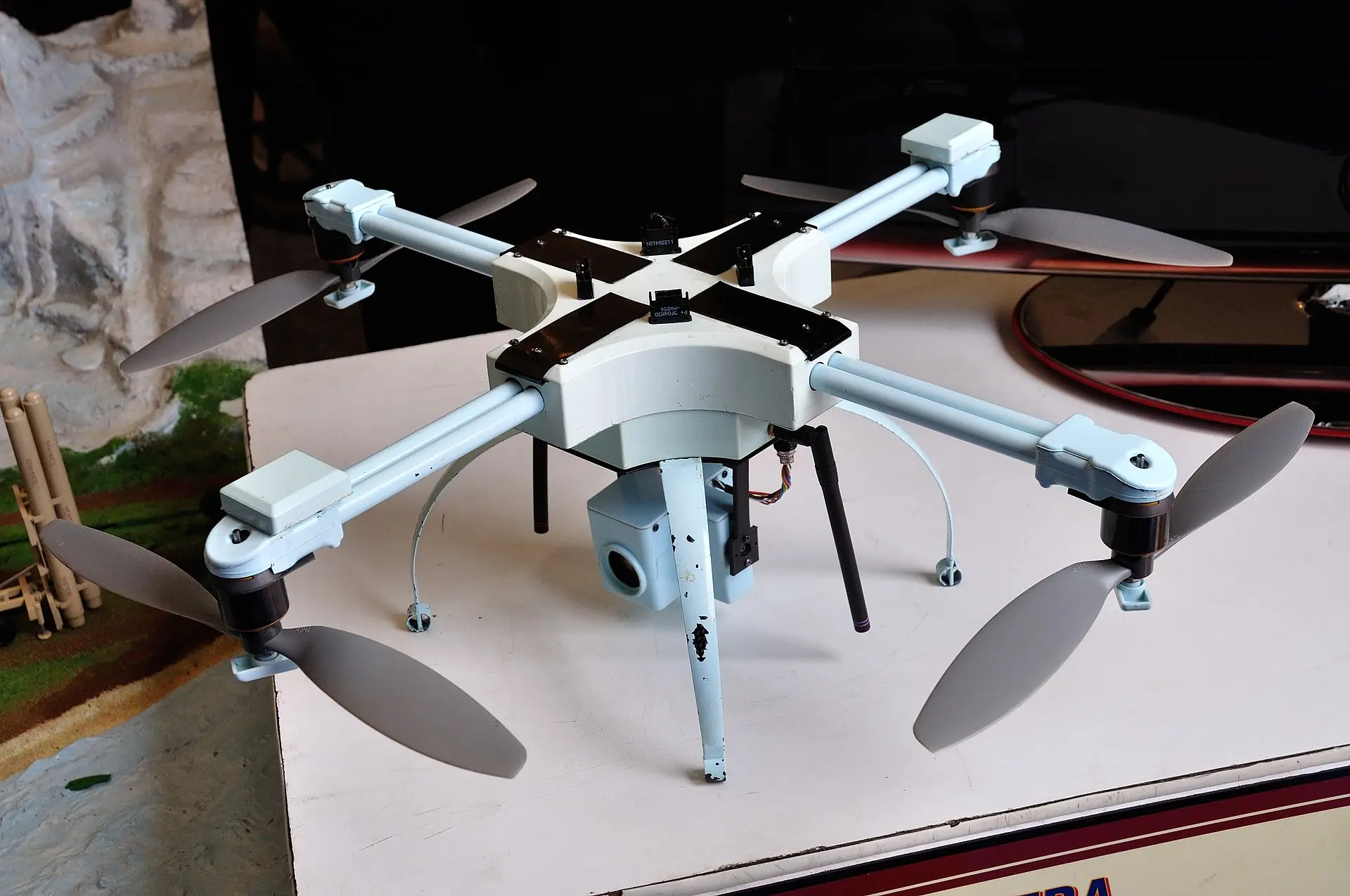
Netra UAV is an indigenous, lightweight, autonomous UAV developed by India's Defence Research and Development Organisation (DRDO) in collaboration with ideaForge Technology Limited, a Mumbai-based private firm. It is a premier indigenous intelligence, surveillance, and reconnaissance (ISR) drone used by Indian security forces for critical operations.
Swarm Systems and Civil Drone Risks
Swarm drone technology is under development by DRDO and private industry, enabling coordinated multi-drone operations. These systems aim to overwhelm air defence through coordinated saturation. Civilian and modified commercial drones are also present in the ecosystem, sometimes used for unauthorised cross-border activity, prompting tighter surveillance and regulation.
UCAV Development and Strike Capability
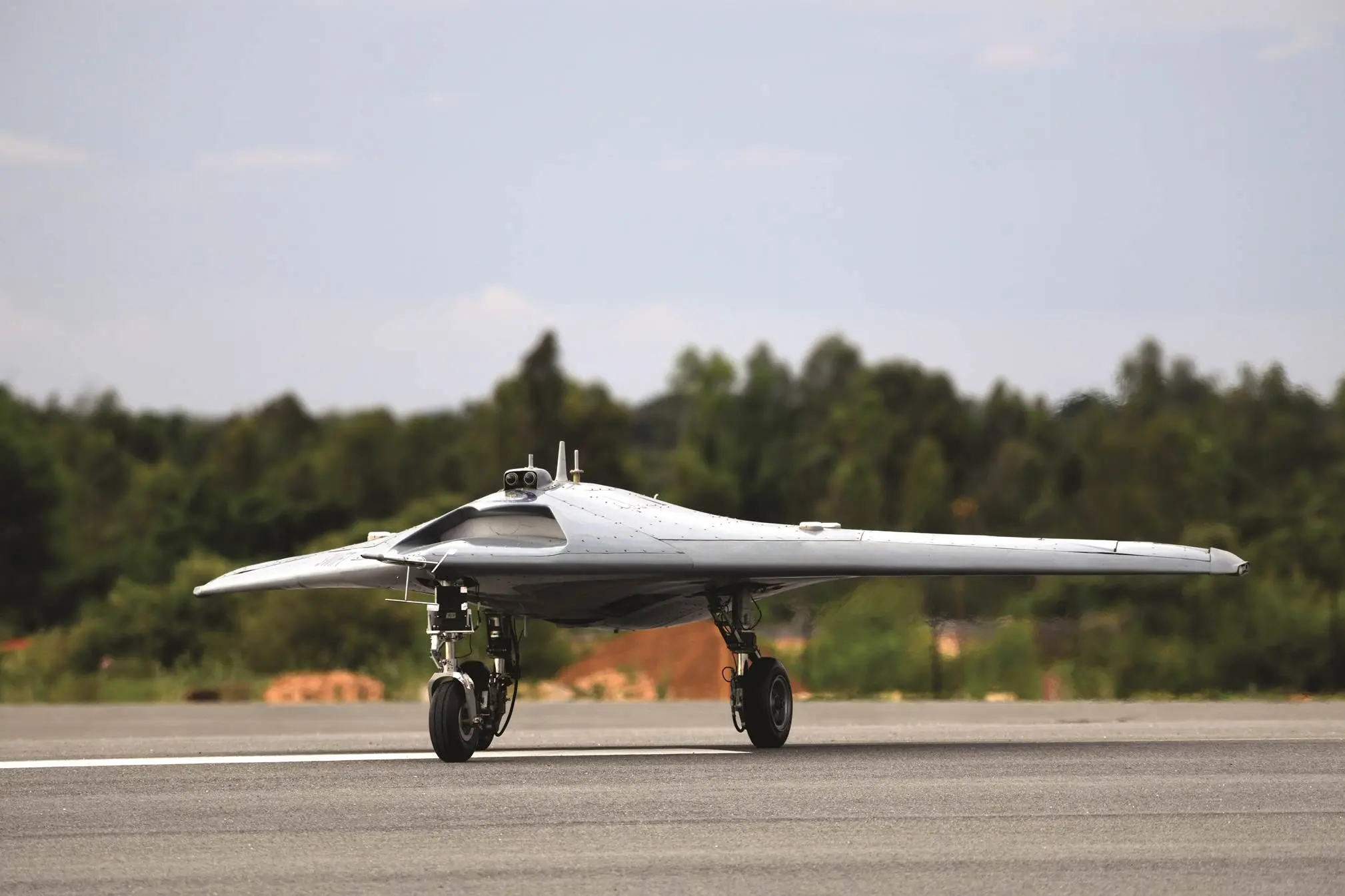
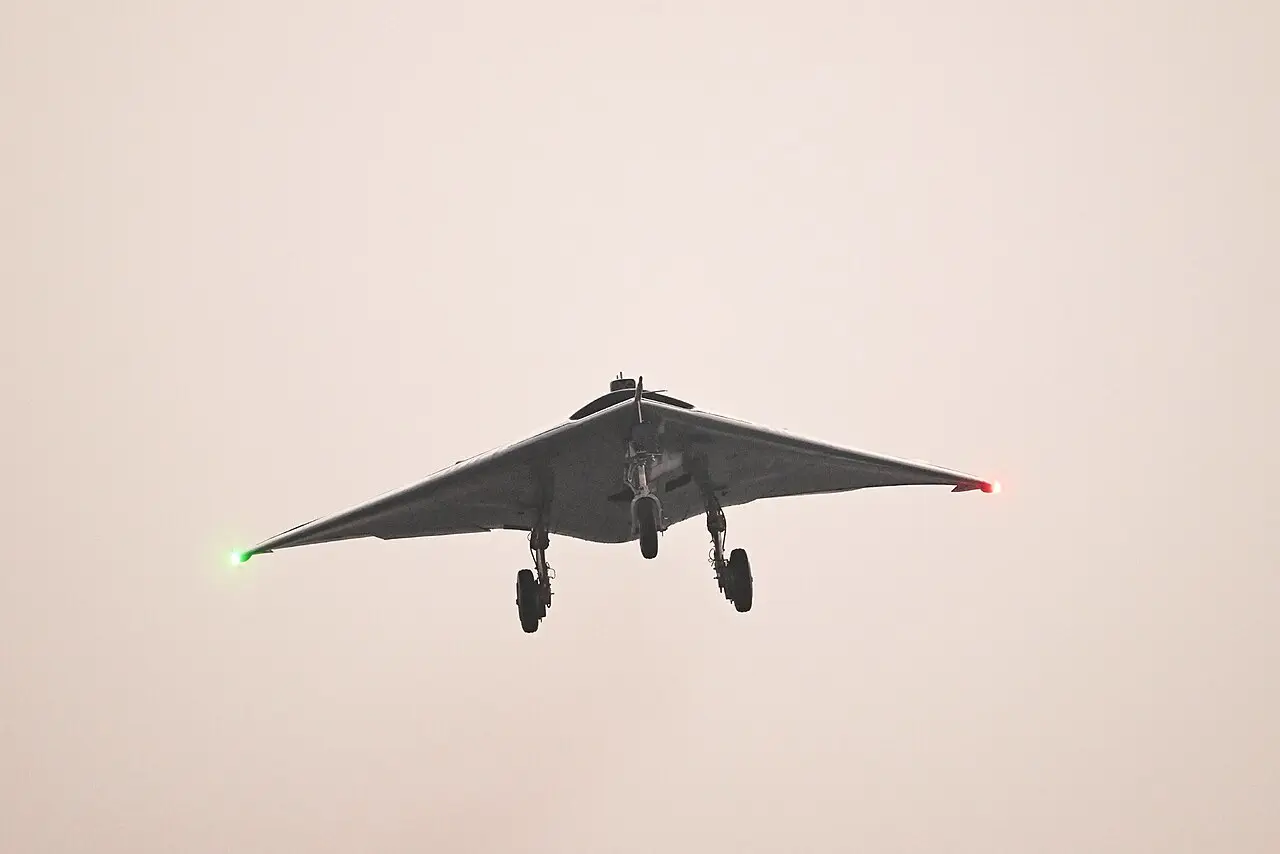
Unmanned combat aerial vehicles are being developed to extend strike capability without risking pilots. DRDO’s Ghatak programme is India’s indigenous effort in this segment, featuring a flying-wing configuration designed to reduce radar cross-section. Its airframe is expected to use 80–90 per cent carbon prepreg composites, cutting weight while improving endurance and payload, and aiding radar absorption.
The programme prioritises indigenous propulsion, with an engine derived from the Kaveri project. Jet-powered and stealth-enabled, it is designed for autonomous operations. According to reports, the Defence Acquisition Council, within a Rs. 2.38 lakh crore defence package, has recommended 60 Ghatak UCAVs. The system is intended for stealth strike missions in contested environments, while Heron TP platforms currently supplement long-range precision operational needs.
Loitering Munitions and Precision Strikes
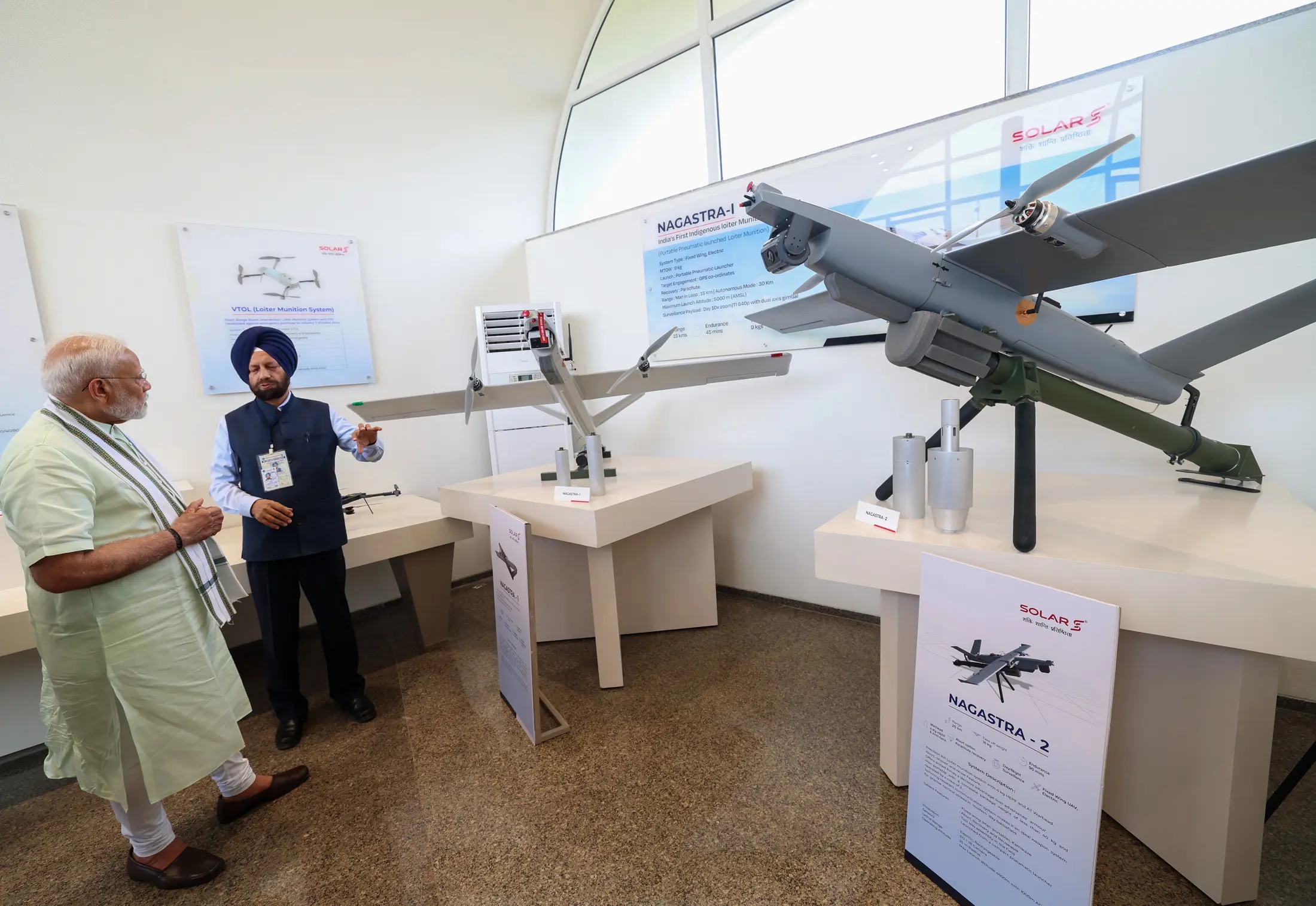
Loitering munitions bridge surveillance and strike roles. Systems such as Nagastra, developed by Solar Industries and ZMotion, and imported Warmate units, provide precision engagement capabilities by remaining over target areas before striking when required. They have been tested for rapid, cost-effective target engagement.
Expanding Defence Exports and Future Trajectory
Together, these platforms reflect India’s expanding unmanned warfare ecosystem. Defence exports have crossed Rs. 24,000 crore in FY 2024-25, with a target of Rs. 50,000 crore by 2029. Continued investment signals a transition towards autonomous, AI-enabled systems shaping future military capability. Integration with artificial intelligence is expected to deepen autonomy.
)
)
)
)
)