• Wion
  • /Photos
  • /'Mountain-strike with BrahMos': How 'hidden-target’ tests changed India’s Himalayan battle tactics

'Mountain-strike with BrahMos': How 'hidden-target’ tests changed India’s Himalayan battle tactics

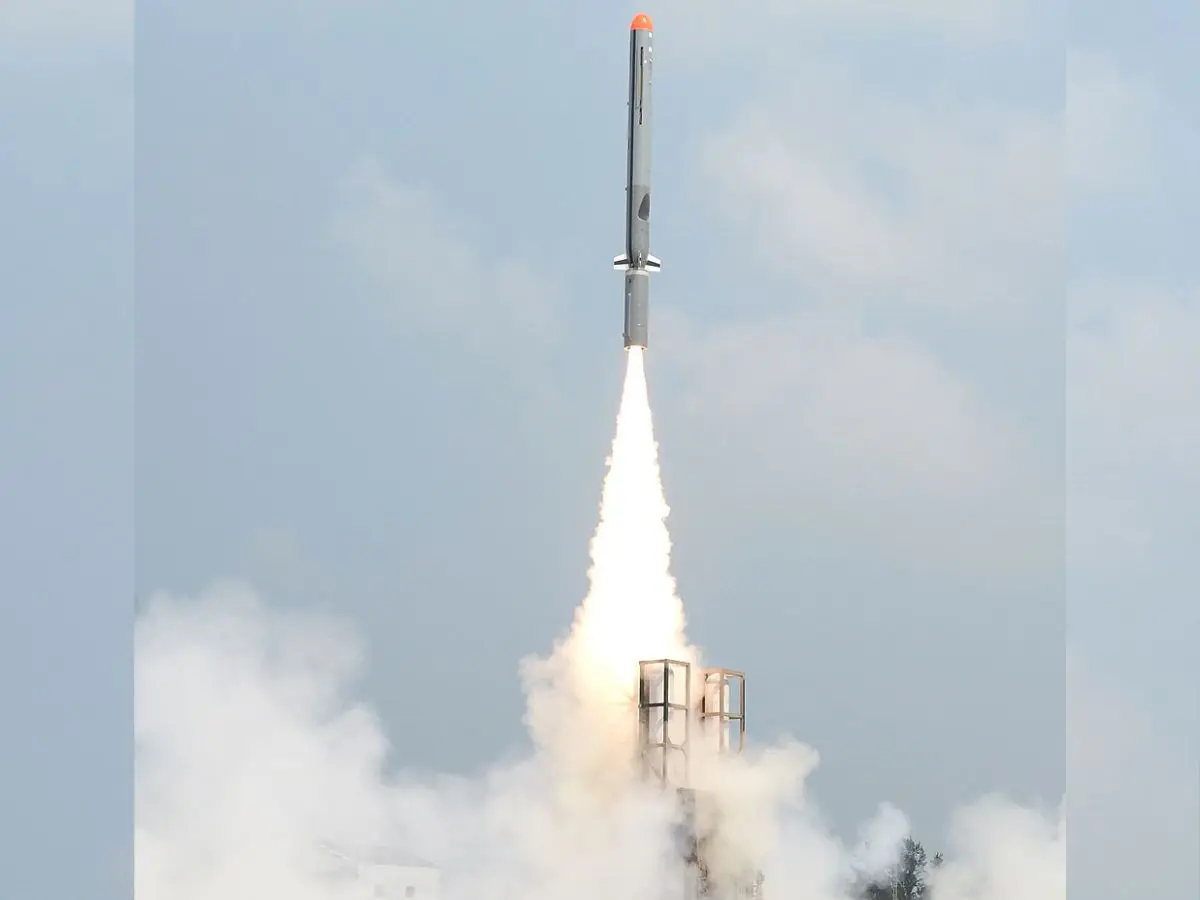
In the Himalayan theatre, air operations are challenged by weather, narrow valleys and limited manoeuvring space. The mountain-strike BrahMos offers a stand-off alternative that does not depend on fighter aircraft getting close to heavily defended borders. 
1. BrahMos Block-III was tested to hit targets hidden behind mountains
1 / 7
(Photograph: BrahMos Aerospace)

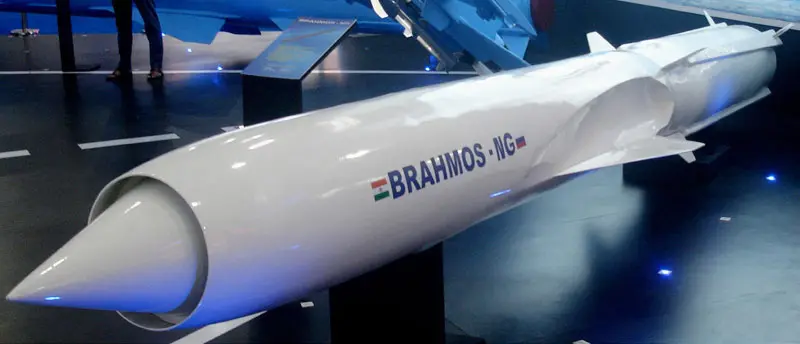
1. BrahMos Block-III was tested to hit targets hidden behind mountains

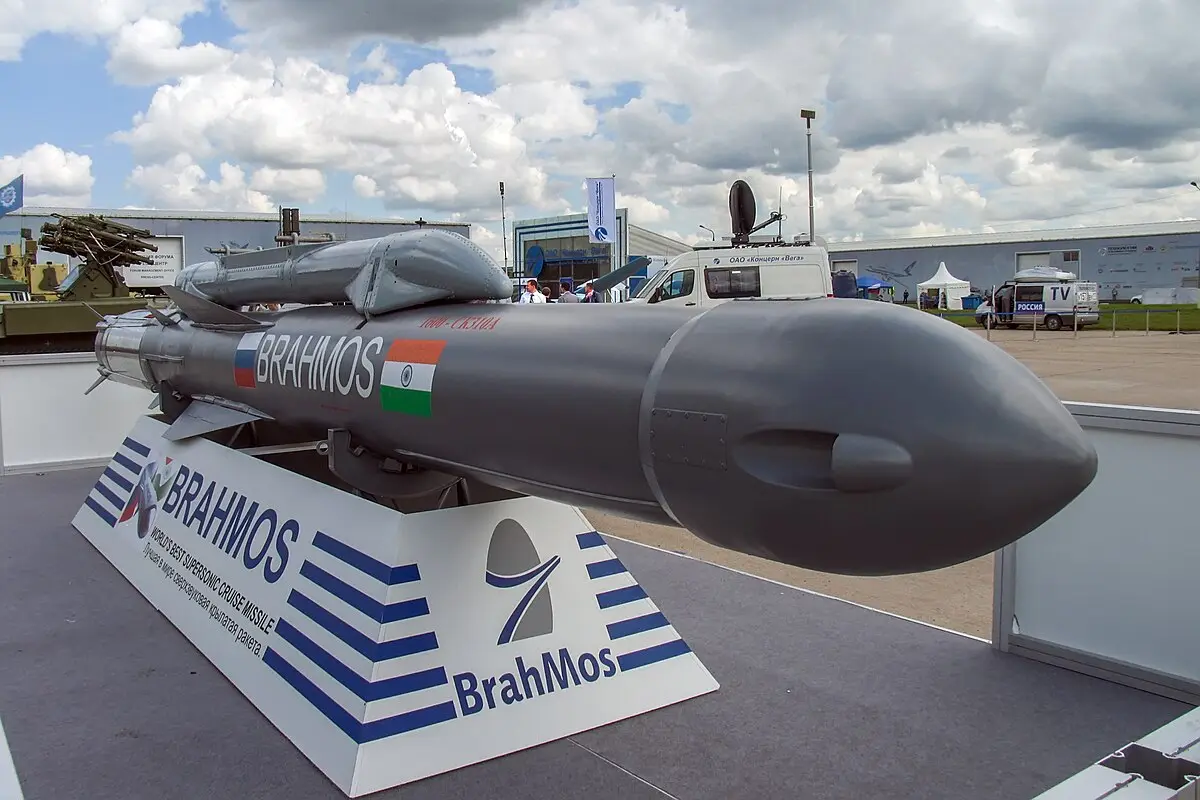
In 2015 and 2016, India conducted a series of BrahMos Block-III tests aimed at targets placed behind mountain features. These trials verified that the missile could approach from a pre-planned direction, climb to a controlled altitude and then perform a steep terminal dive to strike targets shielded by ridgelines. This was a major shift from standard anti-ship or open-terrain land-attack roles, proving its utility in mountain warfare where targets are rarely exposed in direct line of sight.

2. The steep-dive capability allows BrahMos to bypass natural barriers
2 / 7
(Photograph: BrahMos Aerospace)

2. The steep-dive capability allows BrahMos to bypass natural barriers

Block-III’s defining feature is its ability to execute a near-vertical dive in the final seconds of flight. This manoeuvre allows the missile to bypass terrain that would normally block a direct-flight path. Instead of flying horizontally into a ridge, BrahMos climbs and drops on the target from above, making terrain obstacles irrelevant. In mountainous regions like Arunachal Pradesh or Ladakh, where ridgelines often protect command posts or logistics hubs, this capability provides India with a practical strike option.

3. Terrain-masking lets the missile approach without revealing its path
3 / 7
(Photograph: BrahMos Aerospace)

3. Terrain-masking lets the missile approach without revealing its path

As with other BrahMos variants, the mountain-strike mode uses terrain masking to keep the missile low and shielded from radar view during most of its route. By flying through valleys, slopes and natural depressions, BrahMos remains difficult to track until its terminal ascent begins. In a region where enemy surveillance radars are positioned on elevated ground, such masking reduces early detection and compresses enemy reaction time.

4. The guidance system supports complex pre-programmed routes in mountains
4 / 7
(Photograph: Wikimedia Commons)

4. The guidance system supports complex pre-programmed routes in mountains

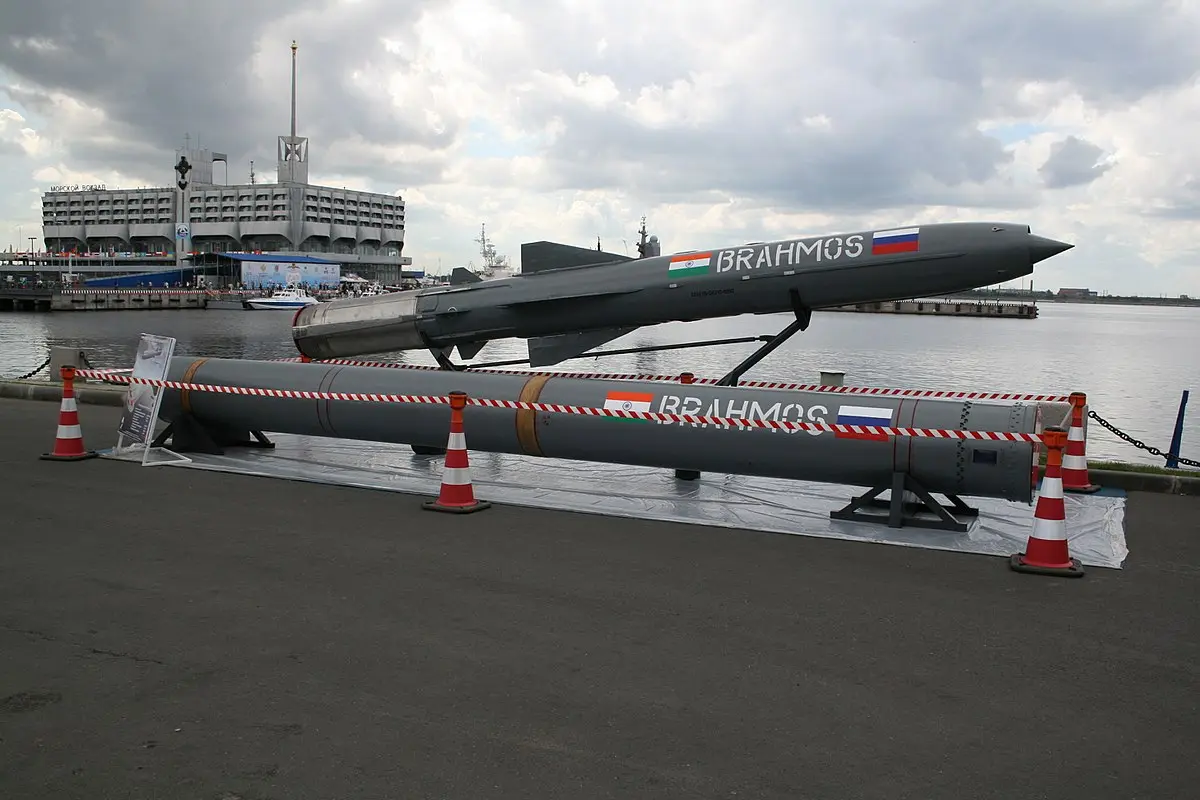
BrahMos relies on its inertial navigation system, satellite guidance inputs and onboard flight-control software to follow intricate routes through mountainous areas. Planners can load waypoints that guide the missile around valleys or past high ground before it climbs for the steep dive. This ability to fly a complex path makes BrahMos suitable for striking targets that are concealed, reinforced or tucked deep inside terrain folds common to Himalayan battlefields.

5. The ‘hidden-target’ tests influenced India’s eastern-sector deployments
5 / 7
(Photograph: Wikimedia Commons)

5. The ‘hidden-target’ tests influenced India’s eastern-sector deployments

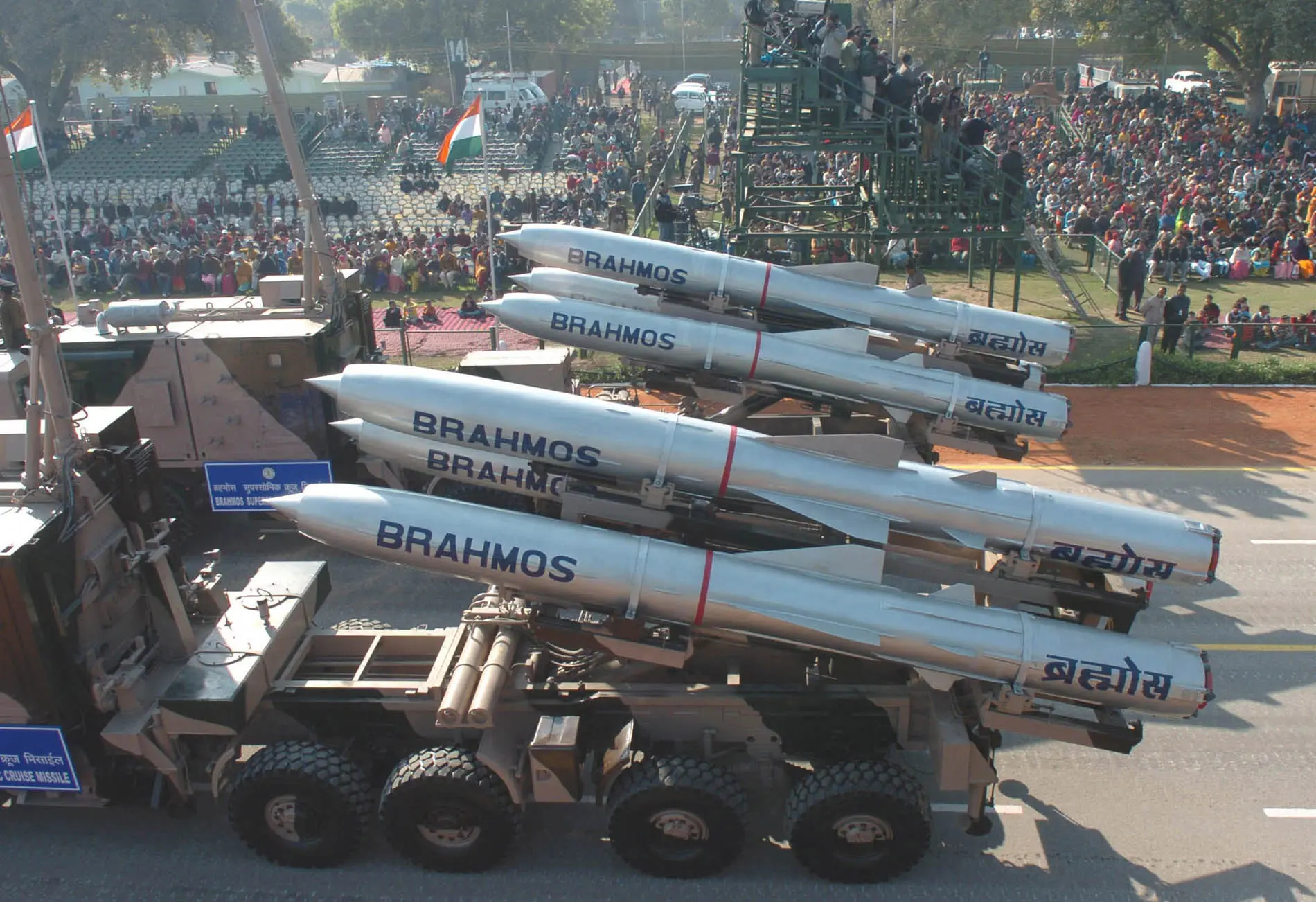
After the steep-dive successes, the Indian Army confirmed deployment of BrahMos regiments in the Arunachal Pradesh sector. The move aligned with the missile’s proven ability to hit sheltered positions typical of the eastern Himalayas. While the missile is not publicly confirmed to be launched from very high-altitude bases, the proven strike profile against concealed mountain targets made it a natural fit for India’s mountain corps and forward-area strike plans.

6. BrahMos gives India a precision option without relying on aircraft
6 / 7
(Photograph: Wikimedia Commons)

6. BrahMos gives India a precision option without relying on aircraft

In the Himalayan theatre, air operations are challenged by weather, narrow valleys and limited manoeuvring space. The mountain-strike BrahMos offers a stand-off alternative that does not depend on fighter aircraft getting close to heavily defended borders. It can be launched from safer positions and still strike strategic assets behind mountain cover. This provides India with a reliable precision-strike tool even when airpower is constrained by terrain or season.
7. The capability shifts battlefield planning by negating terrain advantage
7 / 7
(Photograph: Wikimedia Commons)

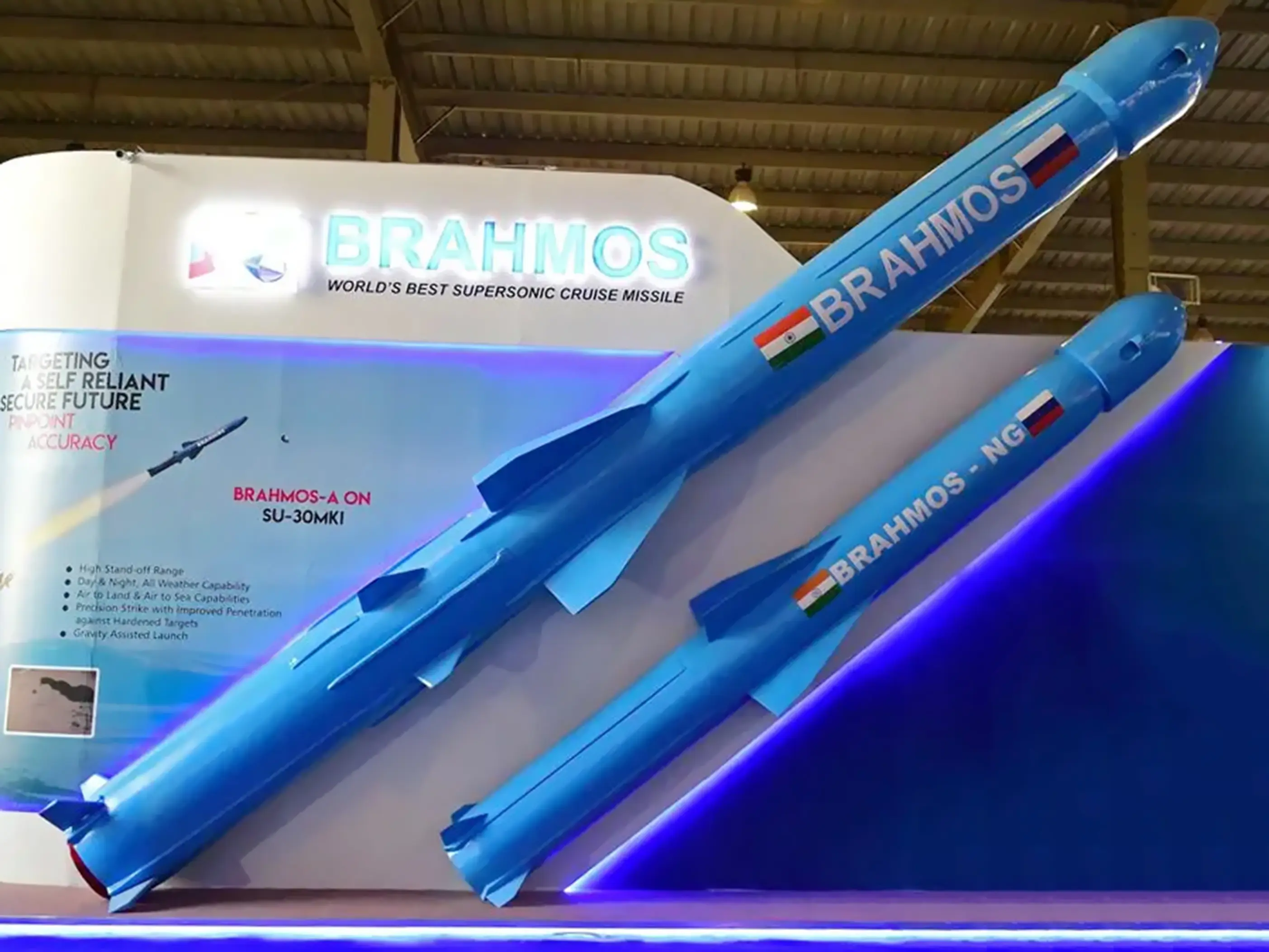
7. The capability shifts battlefield planning by negating terrain advantage

Mountain terrain normally protects enemy positions by limiting direct lines of approach. BrahMos Block-III changes this equation by striking from above, removing the natural shield offered by ridges and slopes. This forces adversaries to harden or disperse protected sites and rethink defensive layouts. In practical terms, it gives India a method to reach previously inaccessible targets and increases pressure on any force relying on mountain terrain for strategic safety.