'Most wanted in US': How India captured Iranian ghost ships smuggling oil through Arabian Sea

In a massive flex of maritime enforcement, India recently intercepted three heavily disguised oil tankers, all carrying US-sanctioned Iranian oil, operating as part of a global "shadow fleet."
1. The Mid-Sea Interception
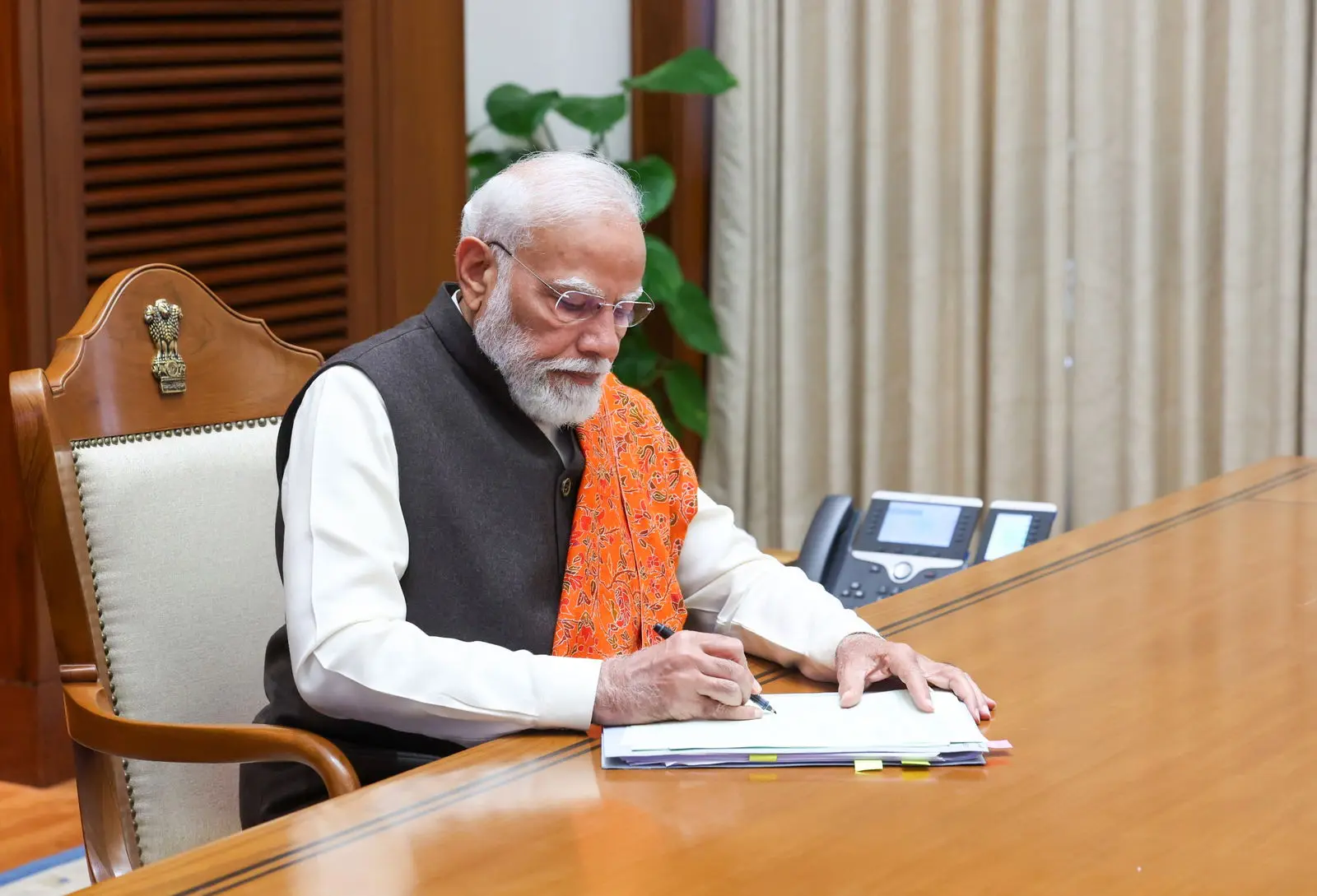
On February 6, the Indian Coast Guard intercepted three commercial tanker ships operating suspiciously within India’s Exclusive Economic Zone (EEZ), approximately 100 nautical miles west of Mumbai. According to a report by Reuters, the Indian authorities initially announced the interception on the social media platform X before deleting the post. However, maritime sources confirmed the vessels were secured and escorted directly to Mumbai for comprehensive investigation.
2. Identity and OFAC Sanction Matches
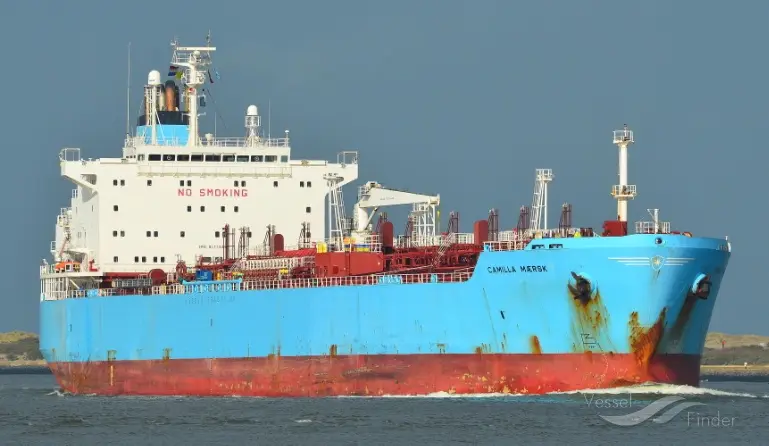
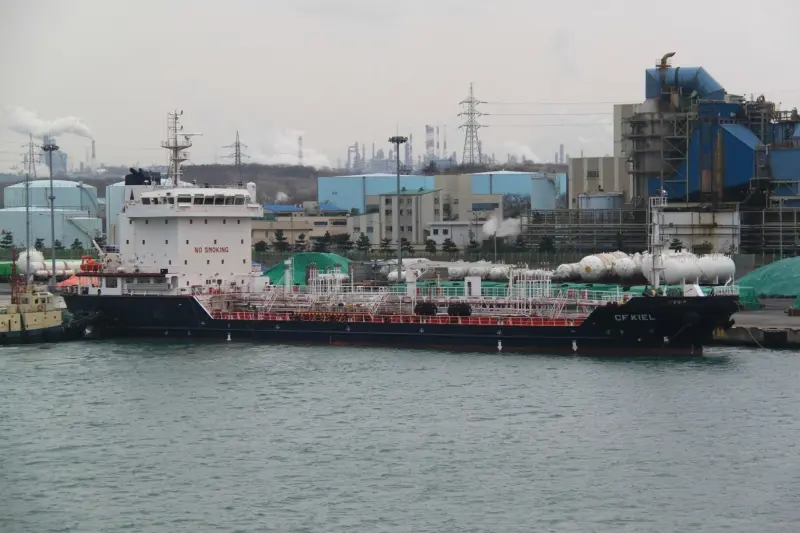
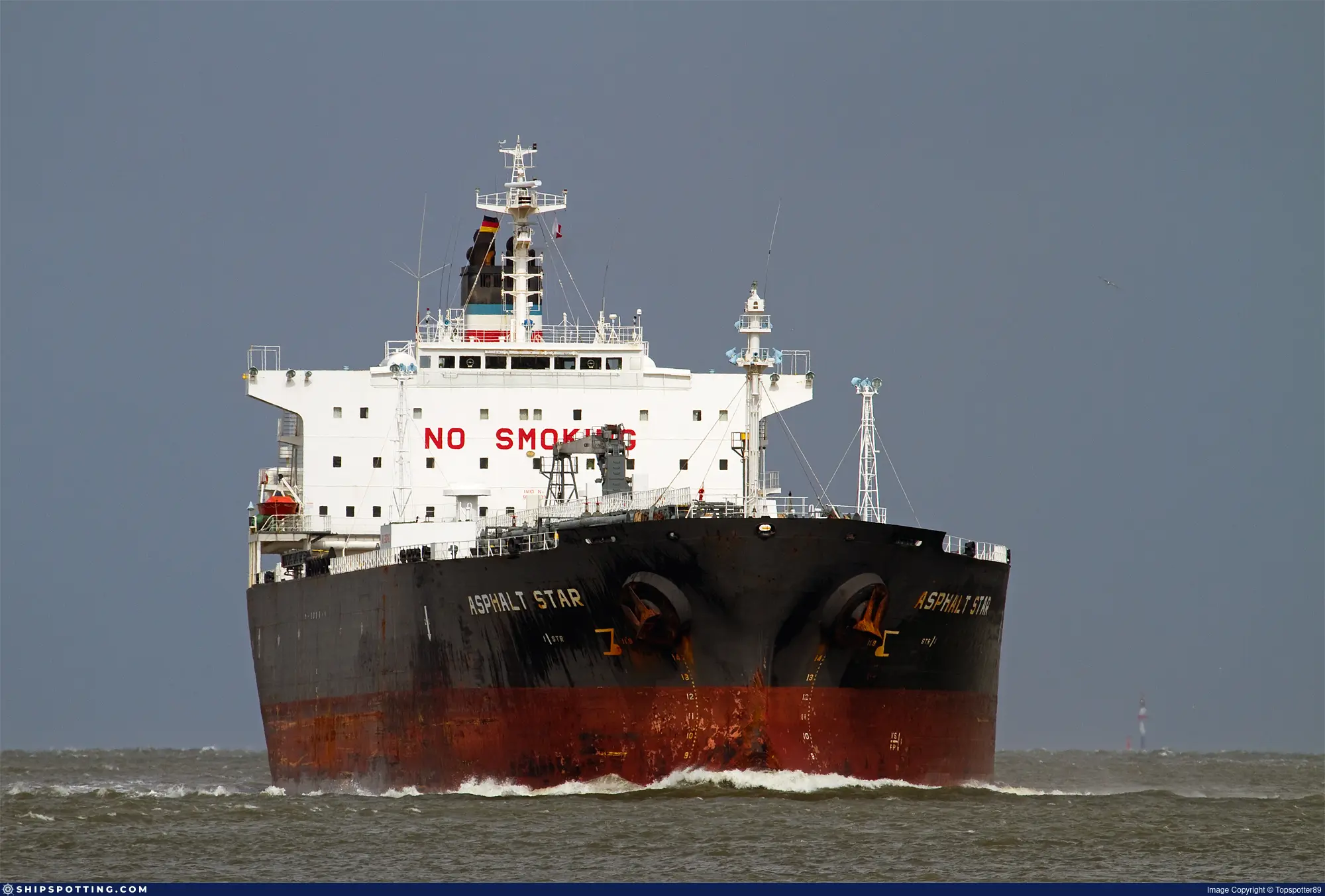
The seized vessels were operating under the names Stellar Ruby, Asphalt Star, and Al Jafzia. Upon inspection, authorities verified that the International Maritime Organization (IMO) numbers of these ships perfectly matched three vessels previously sanctioned by the U.S. Office of Foreign Assets Control (OFAC) last year. Under U.S. sanctions, those exact vessels were registered as Global Peace, Chil 1, and Glory Star 1.
3. The Direct Links to Iran
Tracking data from the London Stock Exchange Group (LSEG) confirms that at least two of the three vessels have direct operational ties to Iran. The Stellar Ruby was actively flying the Iranian flag at the time of its operation. Furthermore, shipping records show that the Al Jafzia successfully transported Iranian fuel oil from Iran to Djibouti earlier in 2025. The third vessel, the Asphalt Star, was recorded as primarily operating on shipping routes around China prior to its interception.
4. Evasion Tactics and "Ghost Ship" Operations
To evade international law enforcement and coastal authorities, these vessels employed classic "shadow fleet" methodologies. The ships frequently changed their registered identities and names. Furthermore, the ships utilized highly complex, overseas-based corporate ownership structures and falsified documentation to obscure the true beneficiaries and the origin of their operations.
5. The Mechanics of Ship-to-Ship (STS) Transfers
India's primary objective in seizing these vessels is to prevent its territorial waters from being used as a staging ground for illicit ship-to-ship (STS) transfers. Sanctioned oil is typically sold at deep market discounts. To sell it globally, shadow fleets meet in the open ocean to transfer the illicit cargo to non-sanctioned vessels, thereby washing the origin of the oil before it reaches official ports.

6. India’s Heightened Surveillance Grid
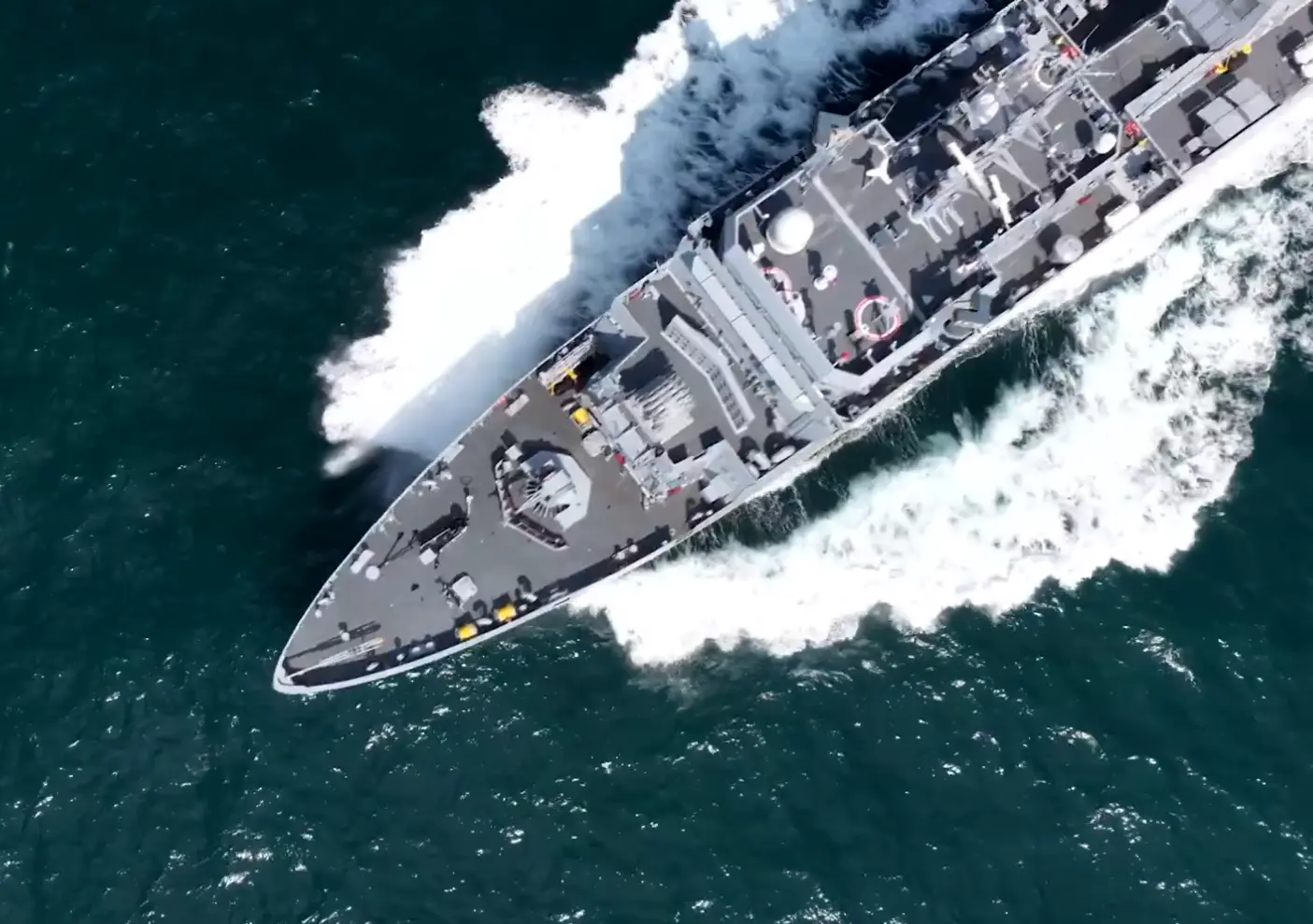
Following the interception of the three tankers, the Indian Coast Guard has initiated a massive, round-the-clock surveillance protocol to secure its maritime zones against further illicit trade. The operation involves a substantial deployment of naval assets, specifically mobilising an estimated 55 surface ships and between 10 to 12 reconnaissance aircraft to maintain continuous oversight of the Arabian Sea sector.
7. The Geopolitical and Economic Context
This maritime enforcement aligns with a significant recalibration in US-India bilateral trade and diplomatic relations. New Delhi's crackdown on the sanctioned vessels immediately follows an agreement in which Washington announced it will heavily reduce import tariffs on Indian goods, dropping the rate from 50 per cent to 18 per cent. In reciprocal action for these favourable trade terms, India agreed to halt its imports of Russian oil.
)
)
)
)
)